






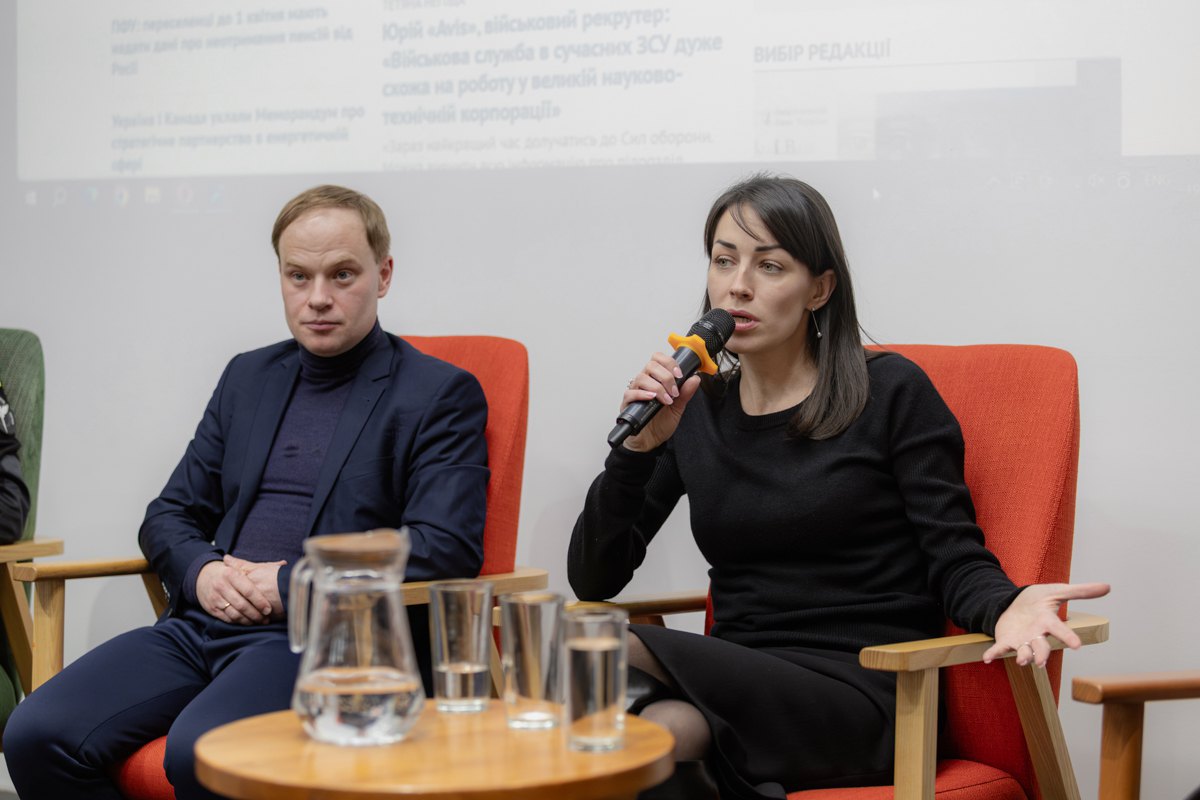
According to Olena Semykina, the SBU is observing a clear trend: Russian intelligence agencies actively seek agents among the most vulnerable segments of the population. The first category includes individuals with dependencies — drug, alcohol, or gambling — essentially people looking for quick money. The second category includes minors and elderly people.
“Recruitment usually happens online: on job search websites, dating services, Telegram, Instagram, or other social networks. A 14- to 16-year-old might be contacted by an unknown person who offers money for an allegedly simple task. For example, photographing a certain object or transporting an unknown package from point A to point B, which actually contains an IED (improvised explosive device).
As a security service, we understand the risks and work proactively. For us, the priority isn’t to catch a child when they’re already carrying the ‘package,’ but above all, to prevent a terrorist attack.”
To address this, the SBU launched a multi-format project called Burn the FSB Agent. Its goal is to regularly warn Ukrainians about recruitment threats. “We’ve implemented a nationwide outdoor advertising campaign, collaborate with influencers, release social videos on TV, and run online and offline lessons for school and university students, among other activities. We also developed a namesake chatbot, t.me/spaly_fsb_bot, through which people can quickly report an attempted recruitment,” Semykina explained.
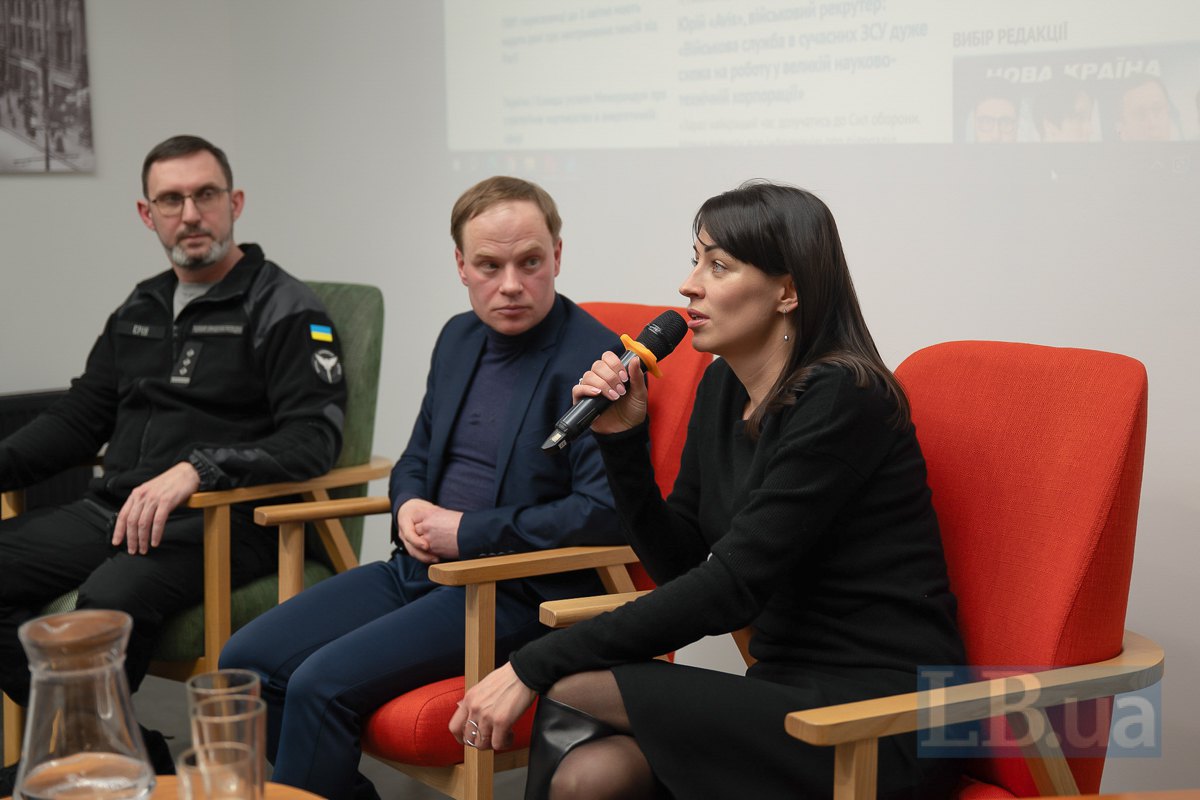
During the existence of the chat-bot, she adds, the SBU has already received over 18,000 such reports. All operational units of the Security Service, including counterintelligence, military counterintelligence, and cyber specialists, then process this information, along with the agency’s own intelligence. The primary task is to prevent a terrorist act.
“The second thing we did,” Olena Semykina explains in more detail, “was deepen educational outreach. Simply informing a child doesn’t work. Thinking that they watch the Unified Marathon or read news portals is an illusion. Their social circle, opinion leaders, and communication channels are completely different.
So, together with the National Police, the juvenile police, the Ministry of Education, and regional SBU offices, we went directly to educational institutions. In each region, a certain number of schools and universities were selected and categorized. Our trained officers, together with juvenile police representatives, visited the students with lectures, showing presentations and videos, answering questions, and handing out flyers with personal phone numbers. This way, children could contact an officer 24/7 if they received any suspicious proposals.”
And this approach, the SBU representative notes, really works. In Ternopil Region, for example, a few days after such a session, a student approached a juvenile police officer after being targeted for recruitment. Thanks to her report, a crime was prevented and the handler was identified.
“We explain to children that they won’t earn 200 hryvnyas — they could be killed or maimed. There was a horrific case in Ivano-Frankivsk Region. Two minors, 15 and 17 years old, were carrying an IED. When the handler realized via telecom tracking that they had reached the station, they were simply detonated along with the package. One child died on the spot, the other lost both legs. This is an extremely cynical story, because these children, youth, or drug-dependent individuals are effectively used as suicide terrorists,” said the advisor to the acting head of the SBU.
Read alsoSeries of terrorist attacks against police: is preventive action possible?
In 2025, according to Olena Semykina, Russians began to recruit elderly people — these are the so-called operations "under the enemy flag".
"The contact details of elderly people are taken from the pharmacy database. For example, they call and say: 'Good afternoon, this is an SBU employee. We need you to carry out an extremely important mission. This soldier is working for the enemy. Your task is to track his location or simply place a package under his car at 5:00 a.m. when we tell you to.’
And elderly people (mostly 70+), who lived during the Soviet Union, when they are introduced as an employee of the SBU or any law enforcement agency, trust this 100%, without even suspecting that it might not be true," says Semykina.
She adds: The Security Service has already encountered cases where the lives of well-known volunteers, military personnel, and others have been threatened.
"A military pensioner was convinced that he was working for the SBU. And when he was detained, he couldn't believe that he wasn't working for his country," Semykina gave as an example.
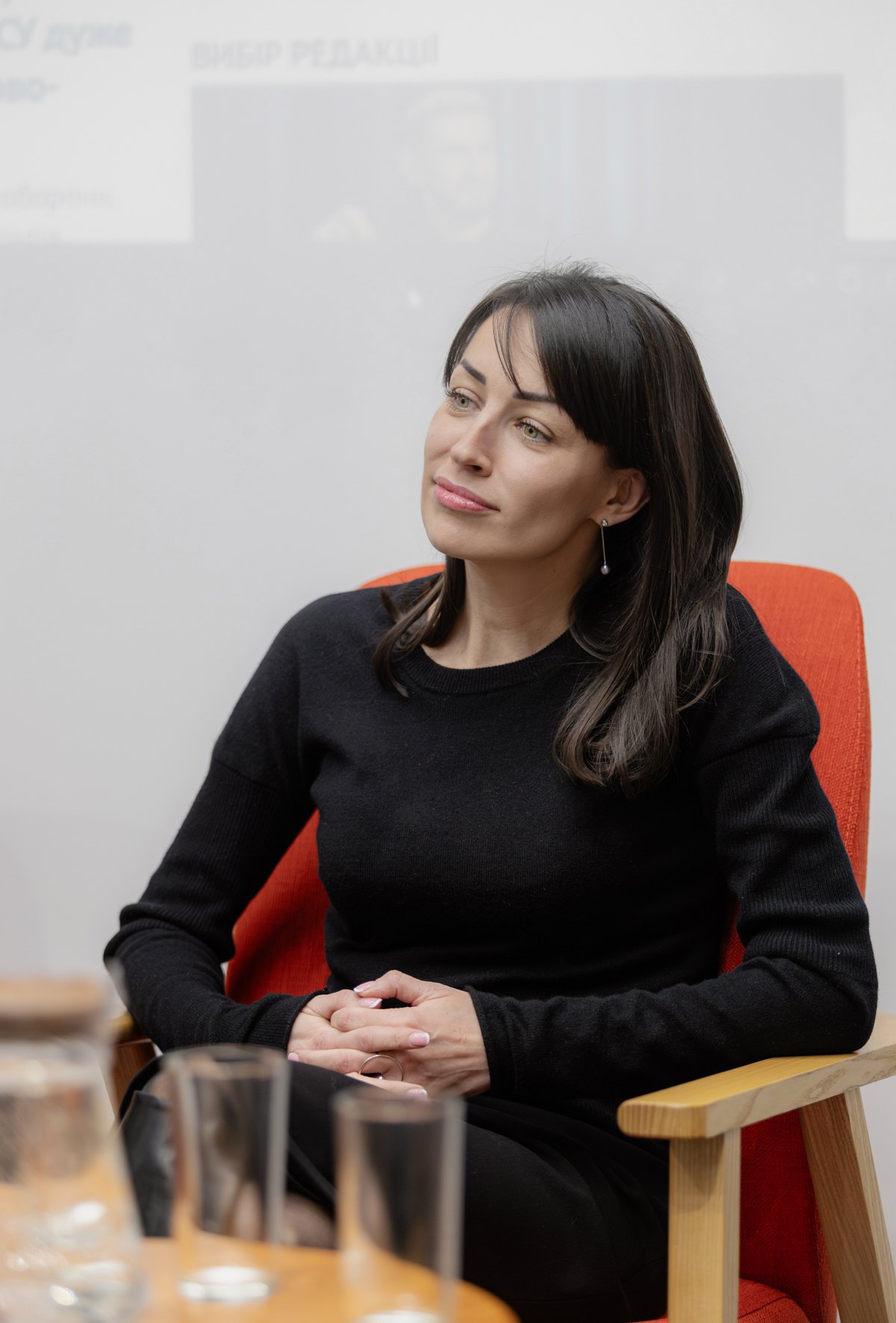
Therefore, the SBU representative concluded, countering the recruitment of Ukrainians by hostile special services depends on constantly informing the population, as well as increasing the digital literacy and vigilance of our citizens.