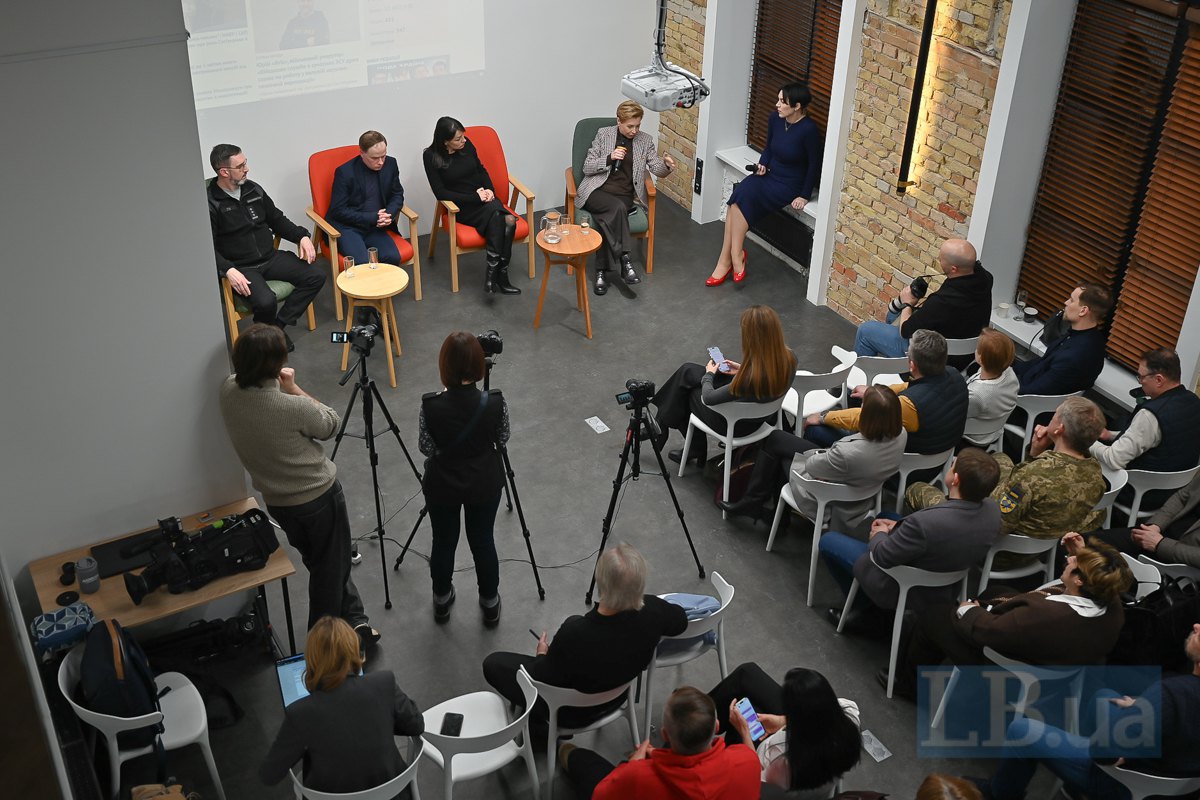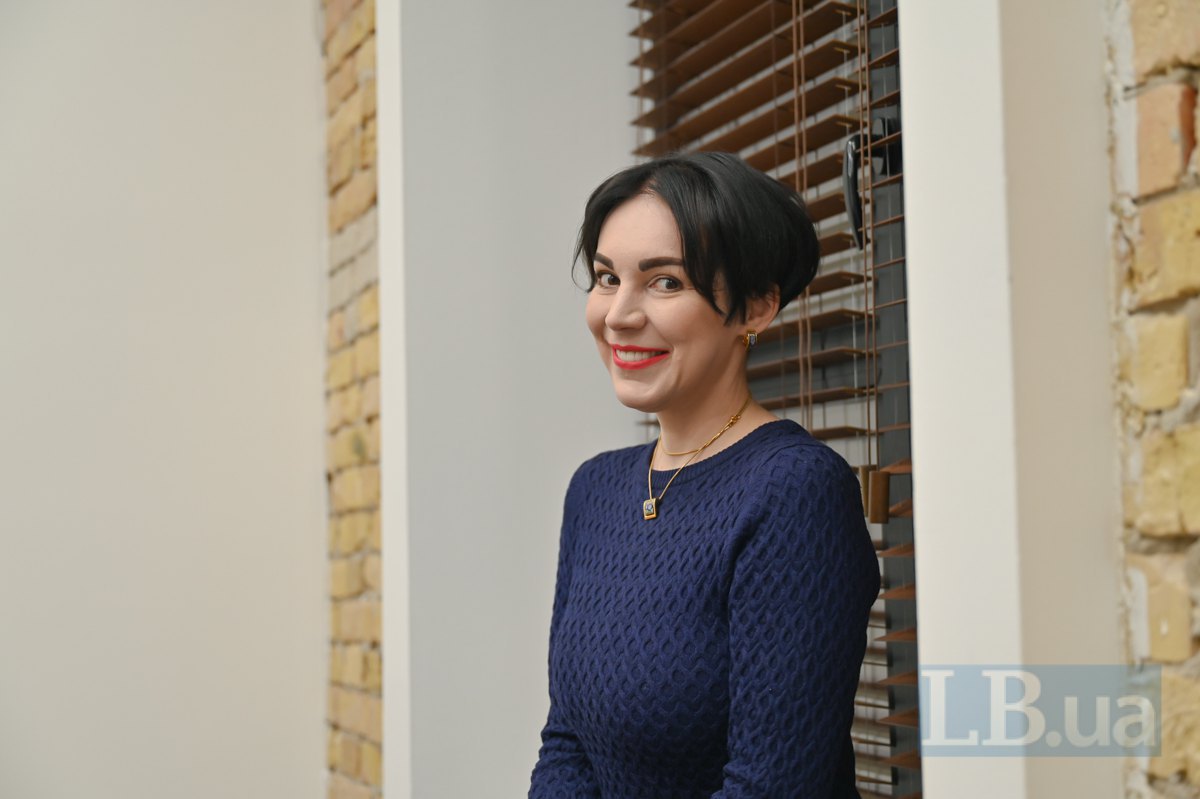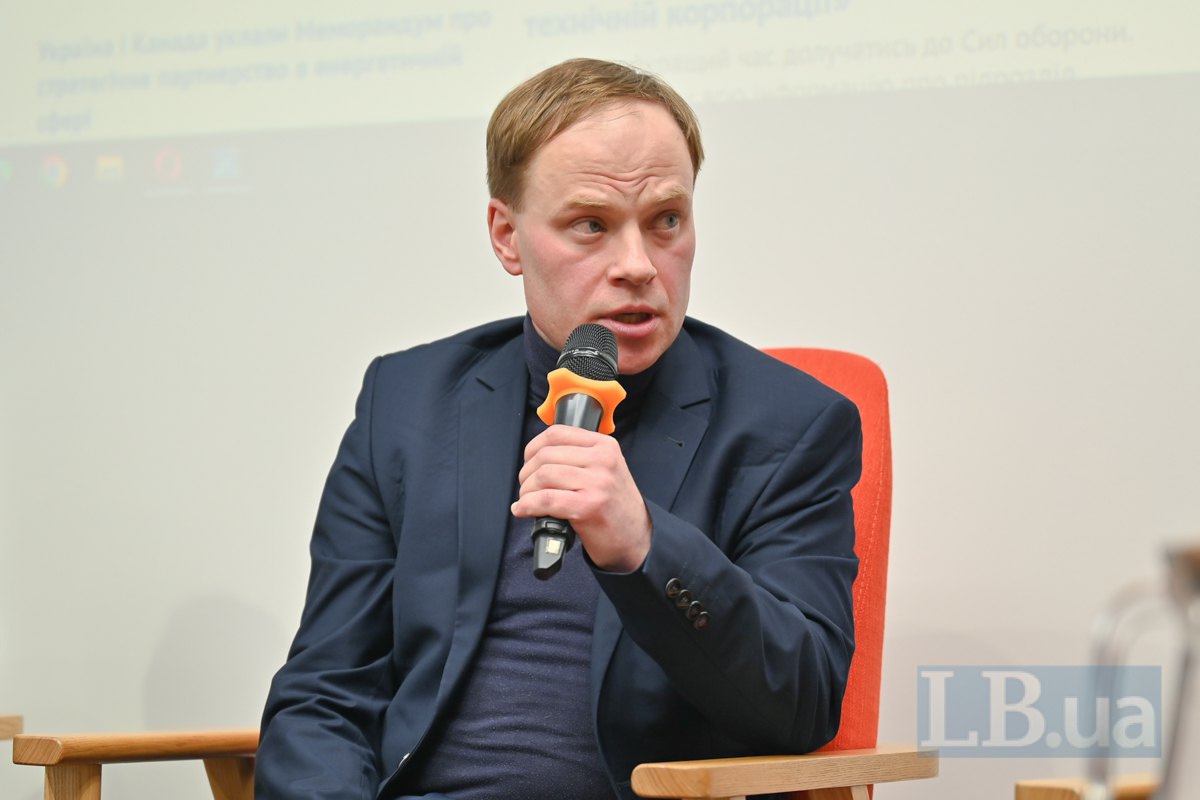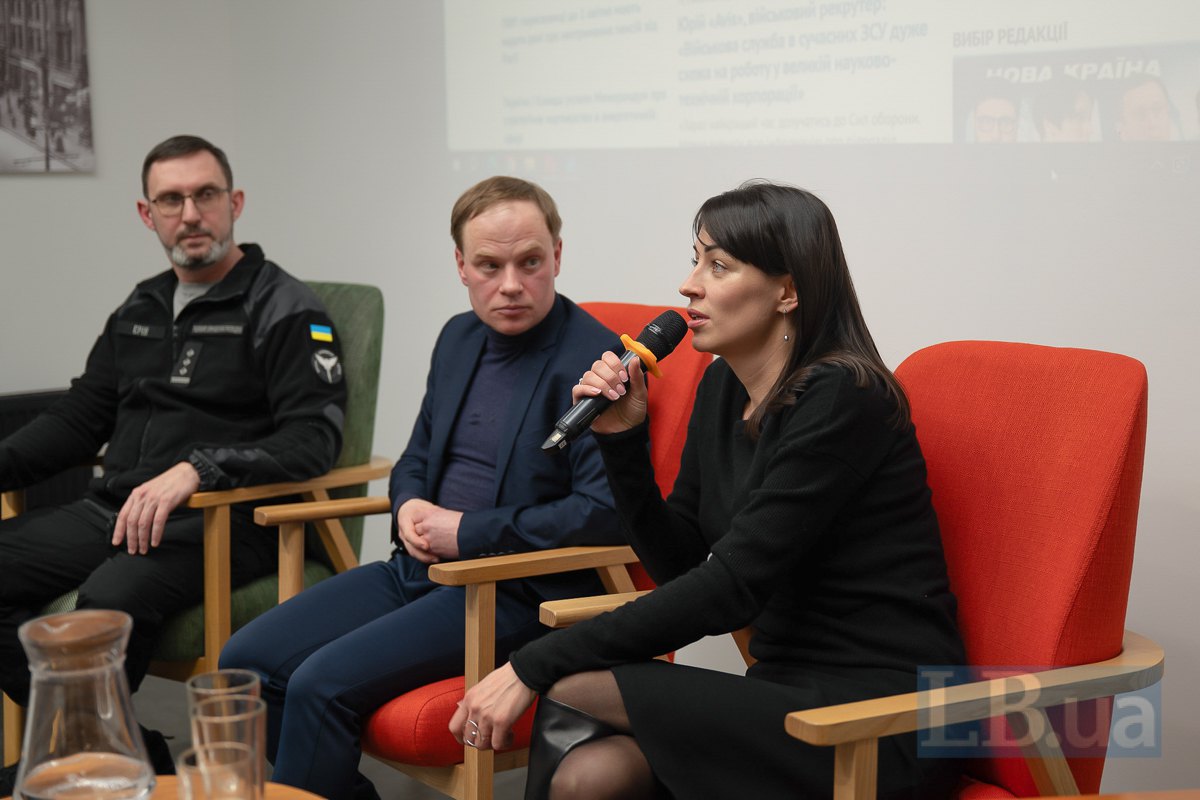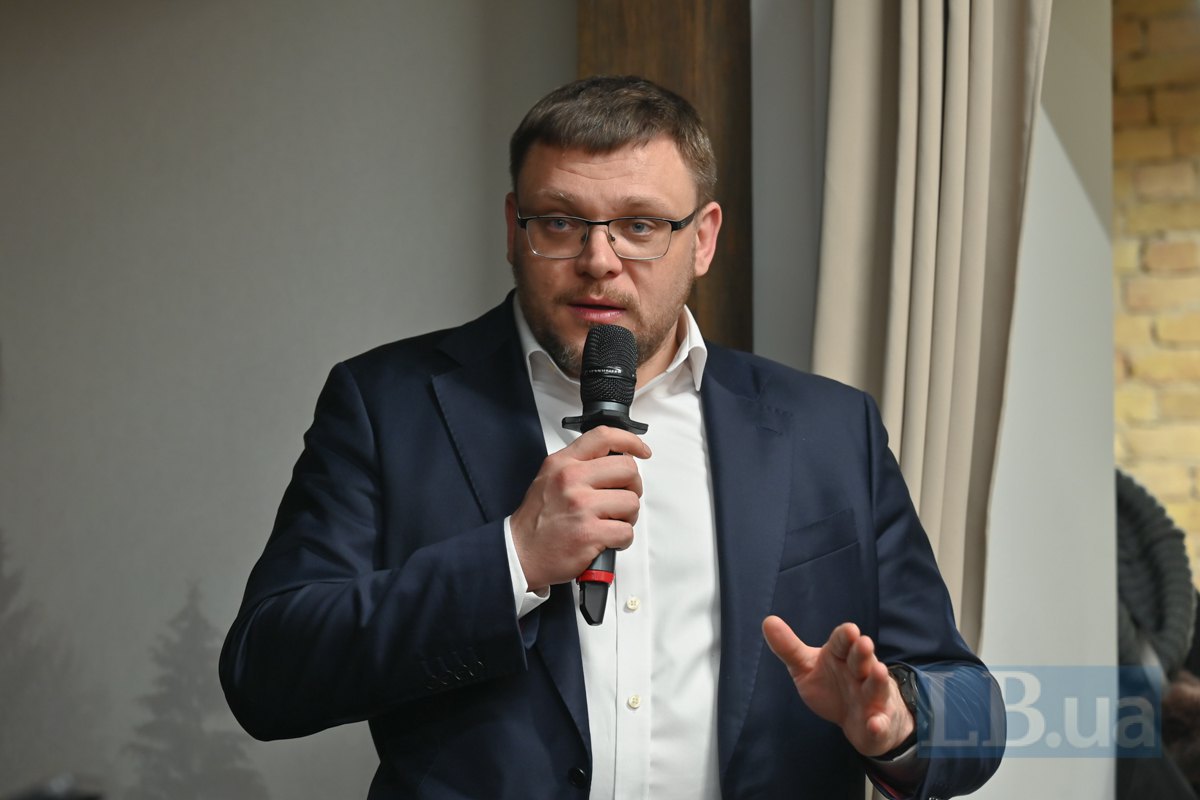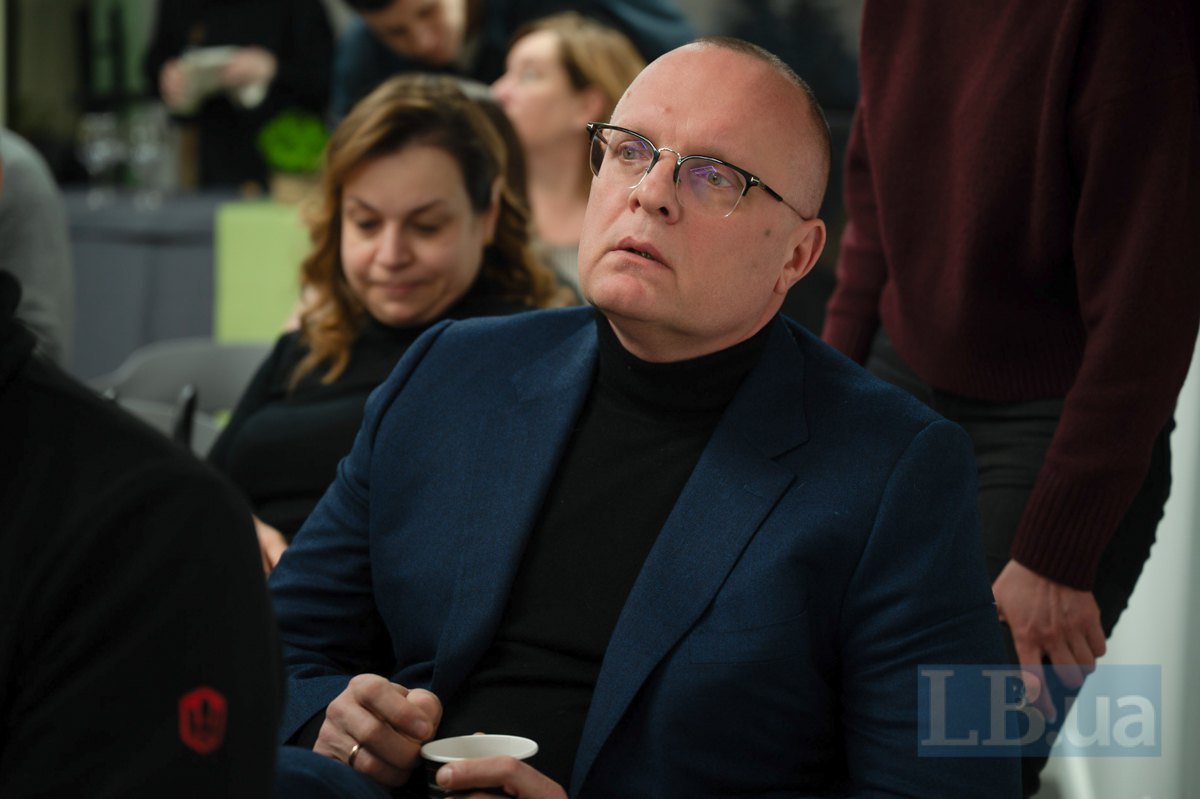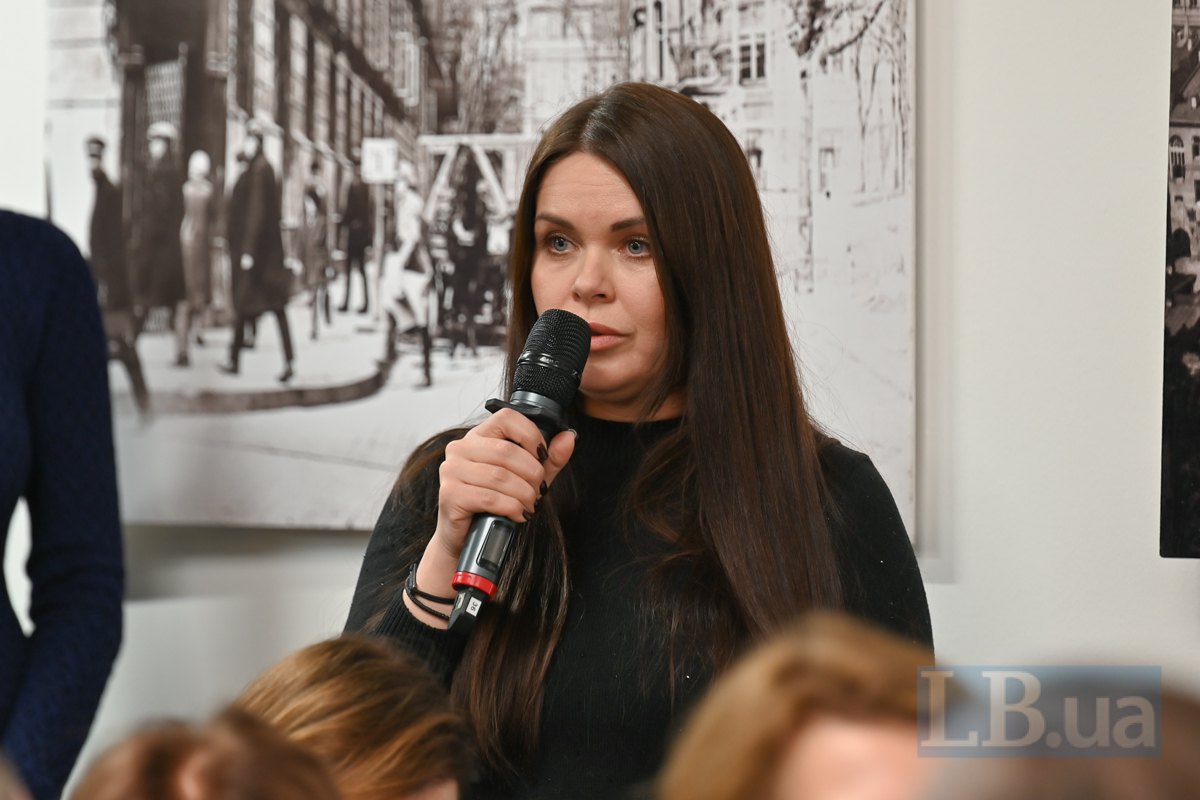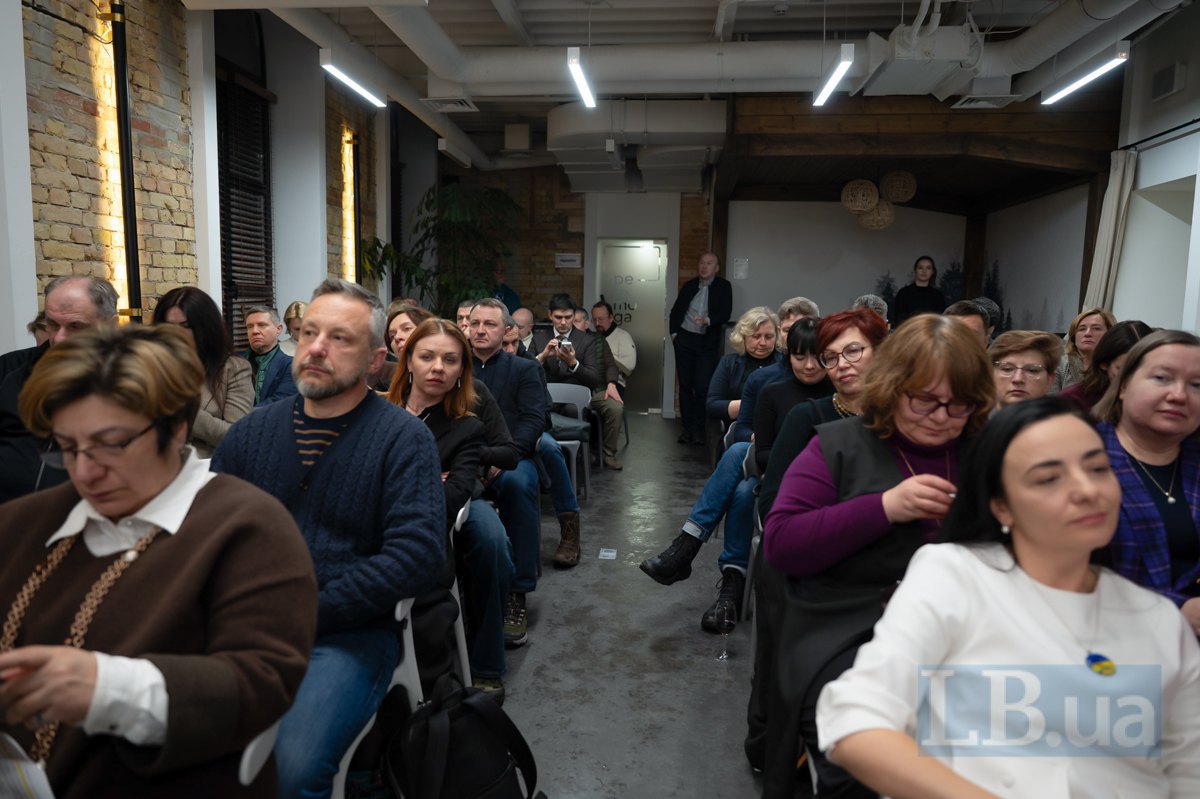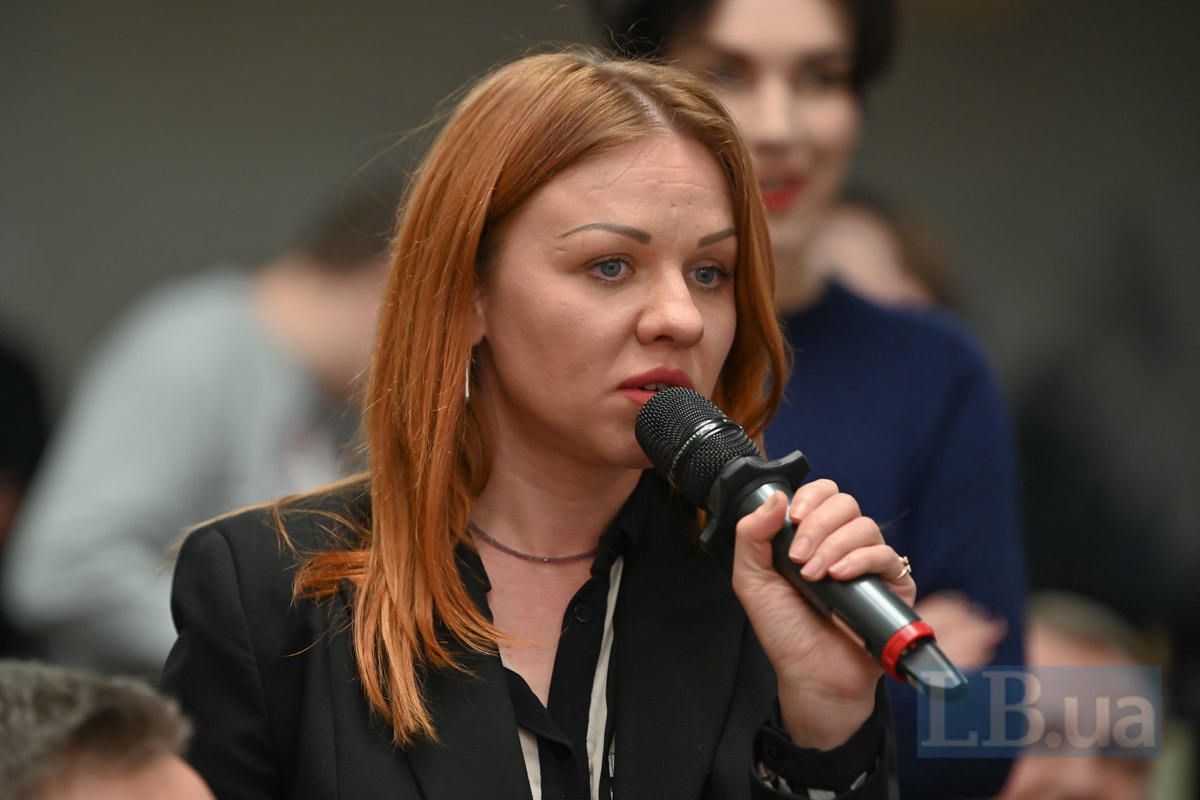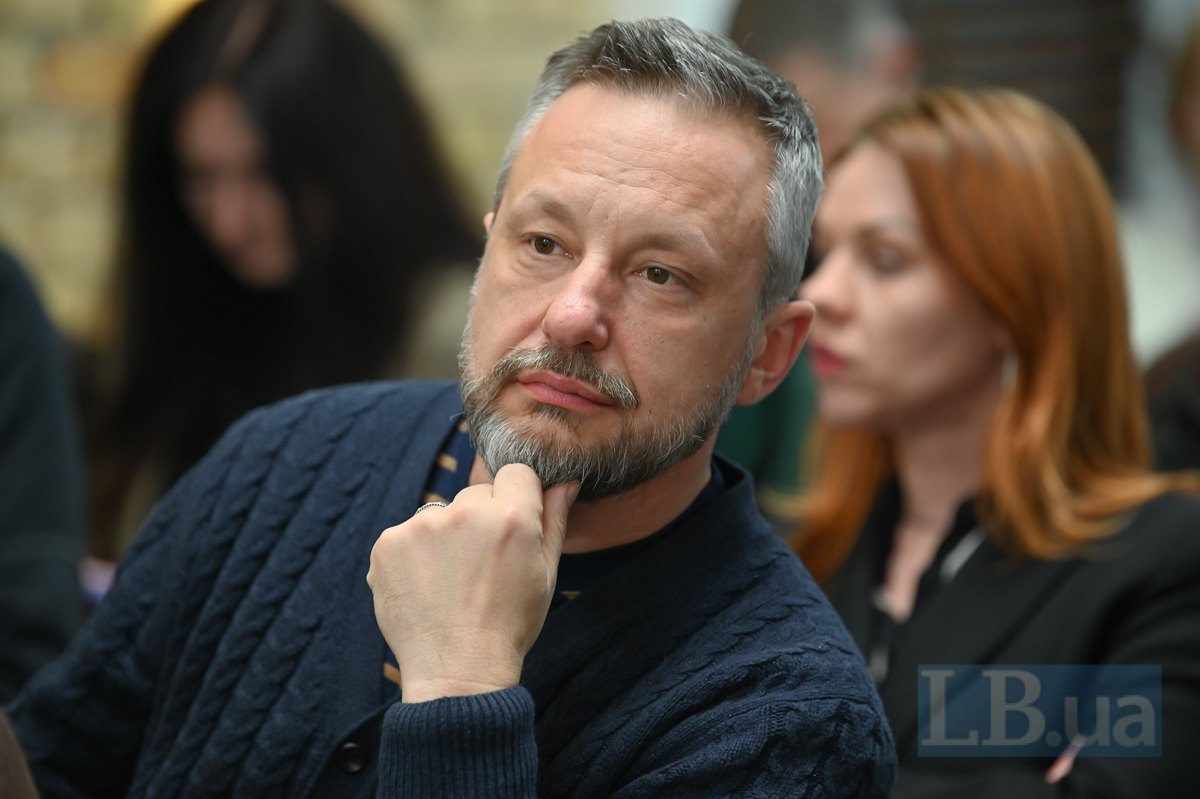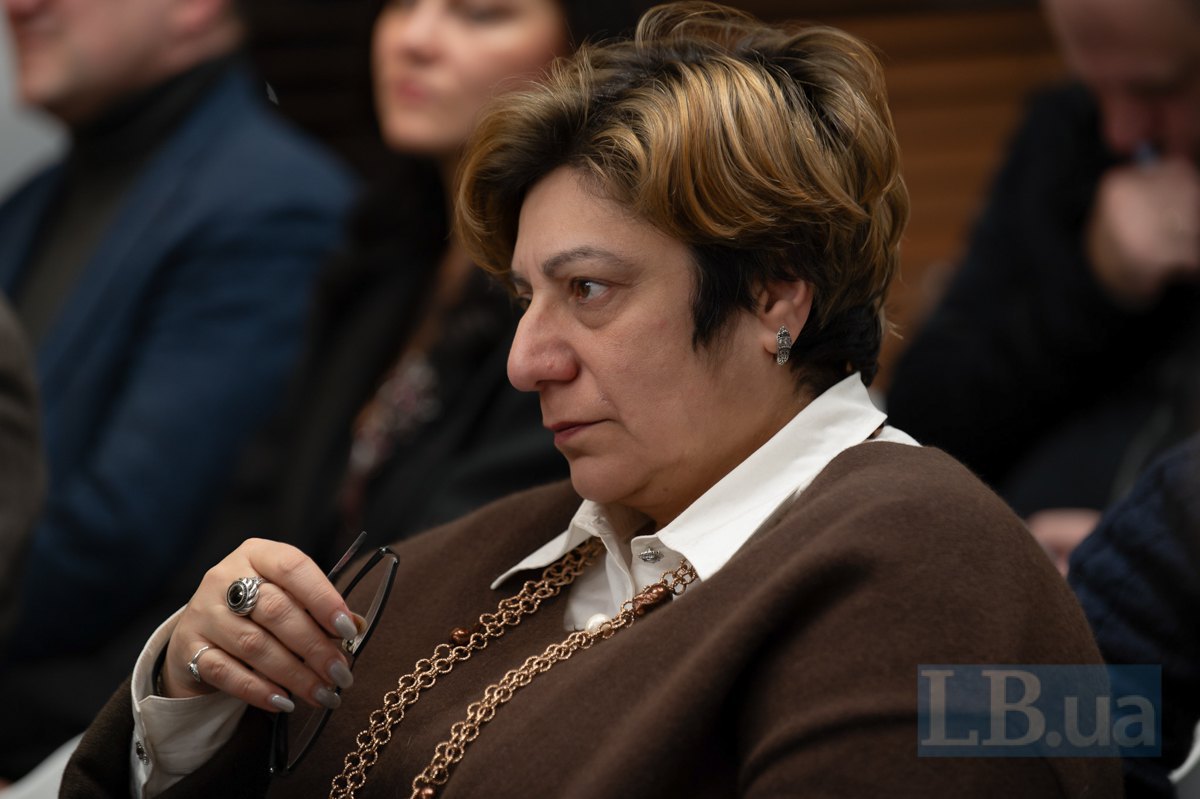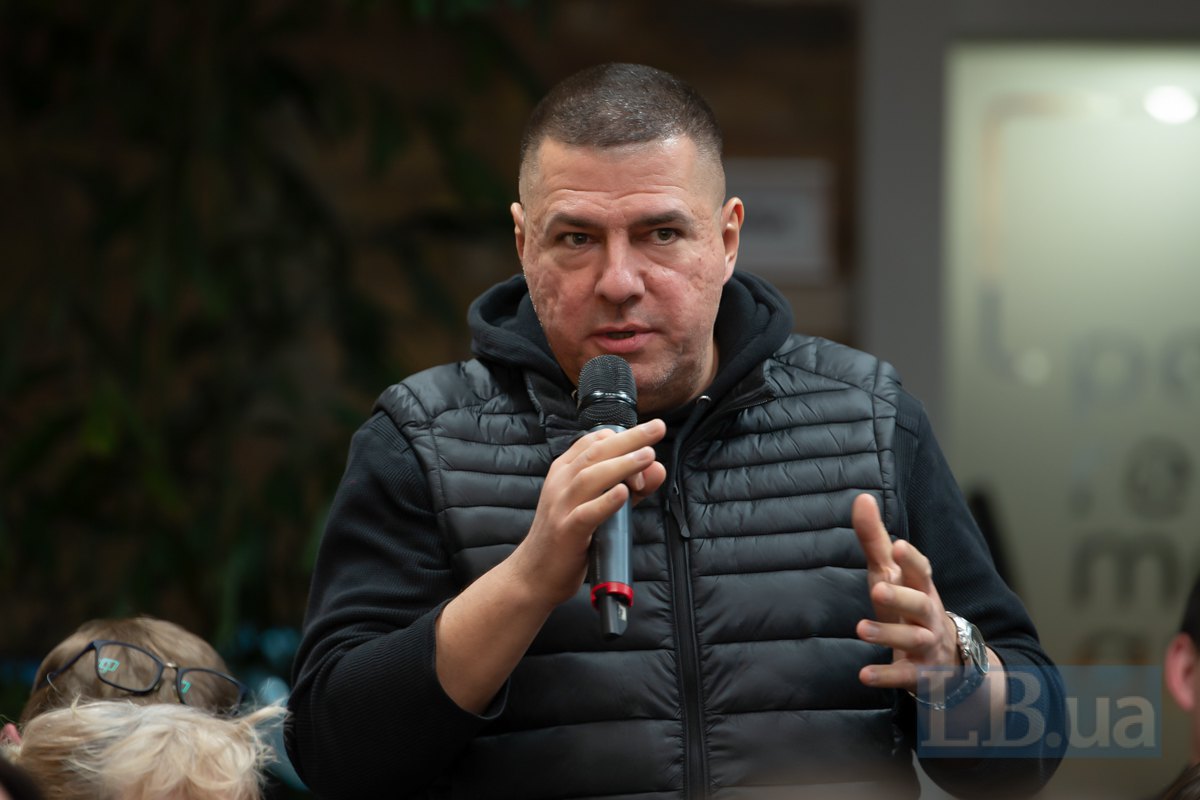





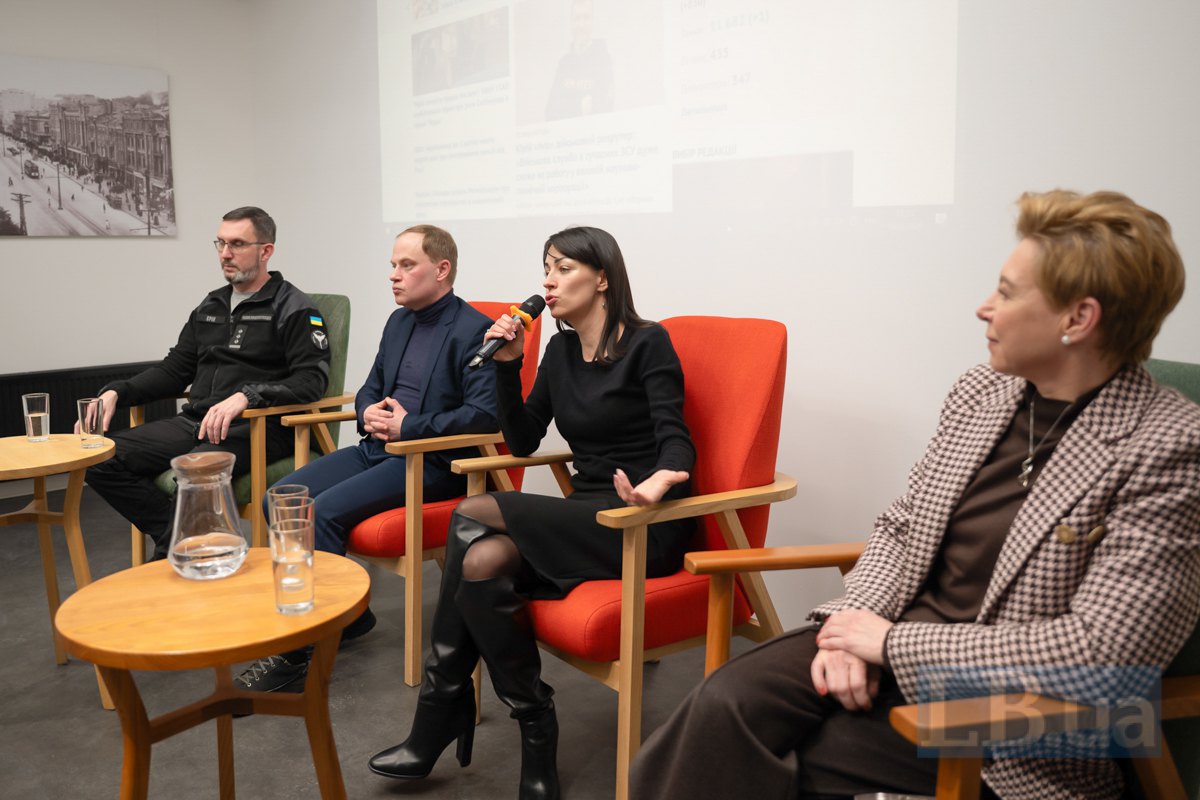
“Digital sovereignty today is as important as critical infrastructure, energy, and defence, but we don't talk about it that often and don't pay much attention to it. And most importantly, "attacks" in this area occur quietly, without warning, and we do not immediately learn about the consequences of these "attacks," which greatly complicates work with them and with preventive mechanisms," Olha Batova, CEO of EFI Group commented on the topic of the current discussion New Country (a joint project of LB.ua and EFI Group) Digital Sovereignty-2026: How to Protect Ukraine and Ukrainians from Information and Cyber Threats.
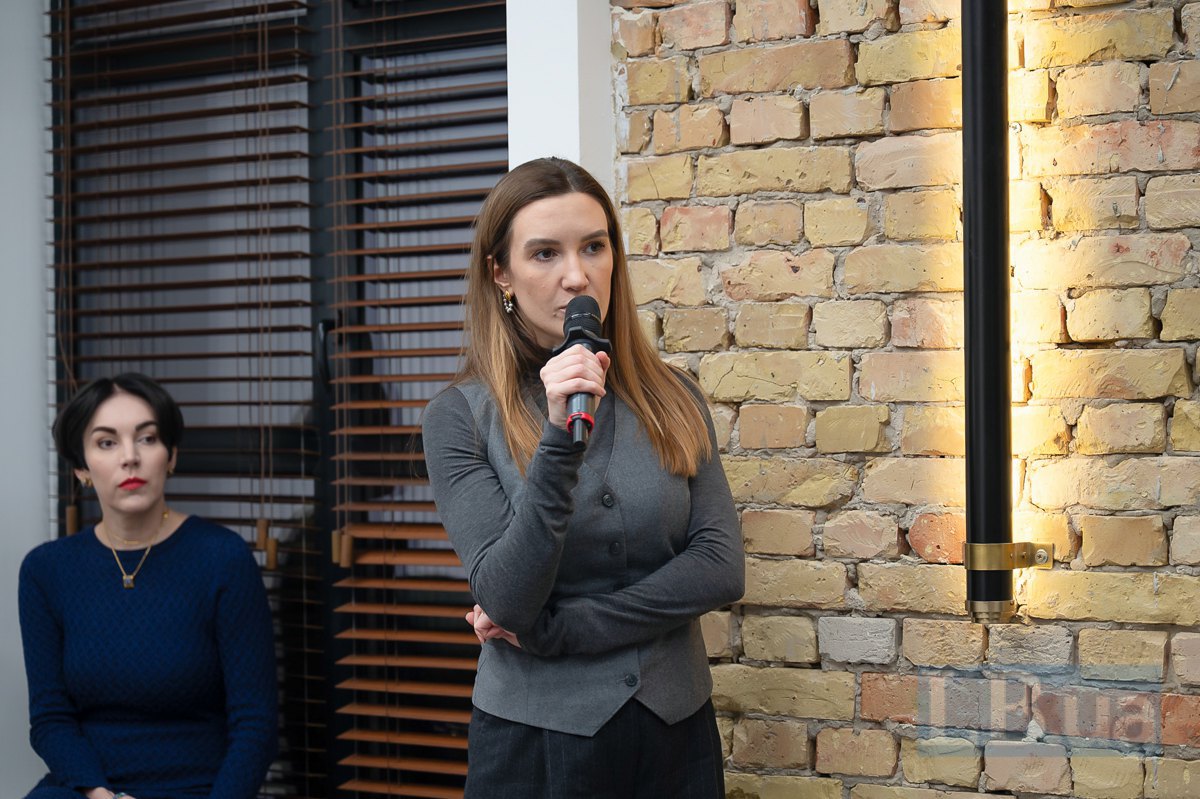
This time, the discussion panel was held in collaboration with the programme Facts of the Week on ICTV, which is currently celebrating its 20th anniversary.
The main speakers on the panel were:
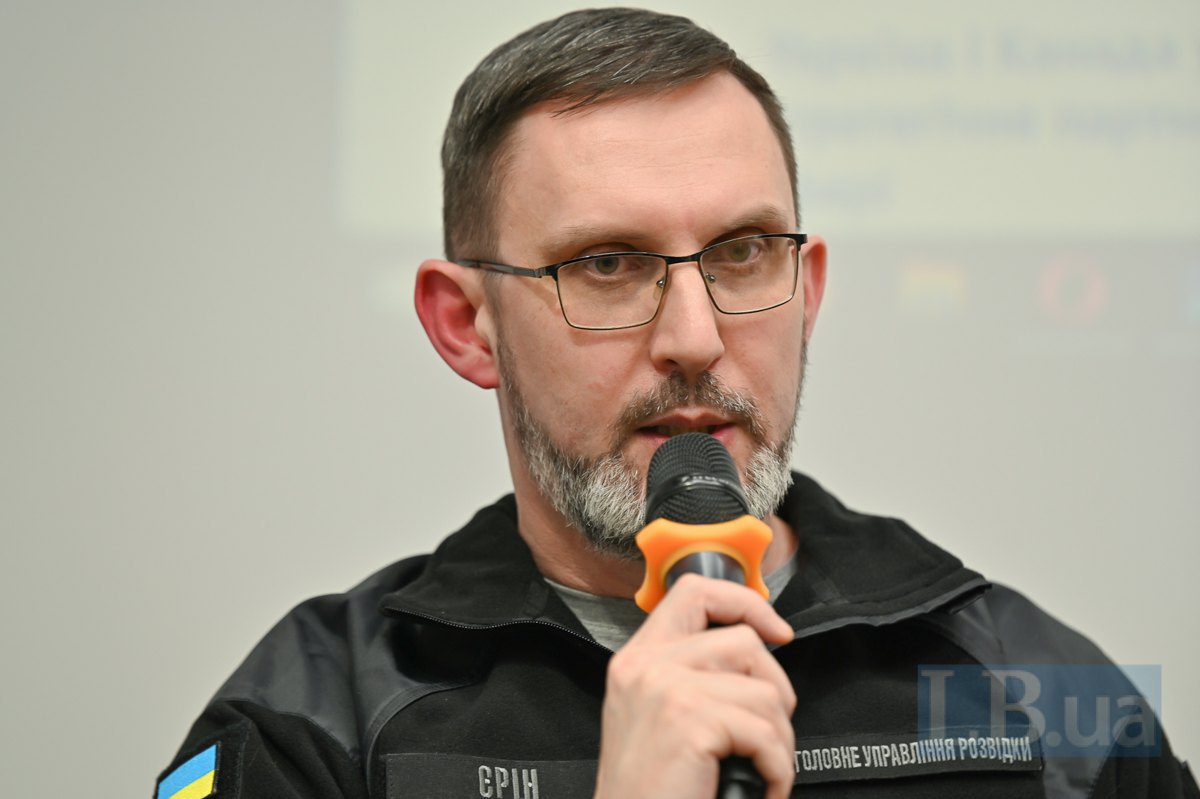
- Yevhen Yerin, representative of the press service of the Defence Intelligence of Ukraine (DIU);Yevhen Yerin
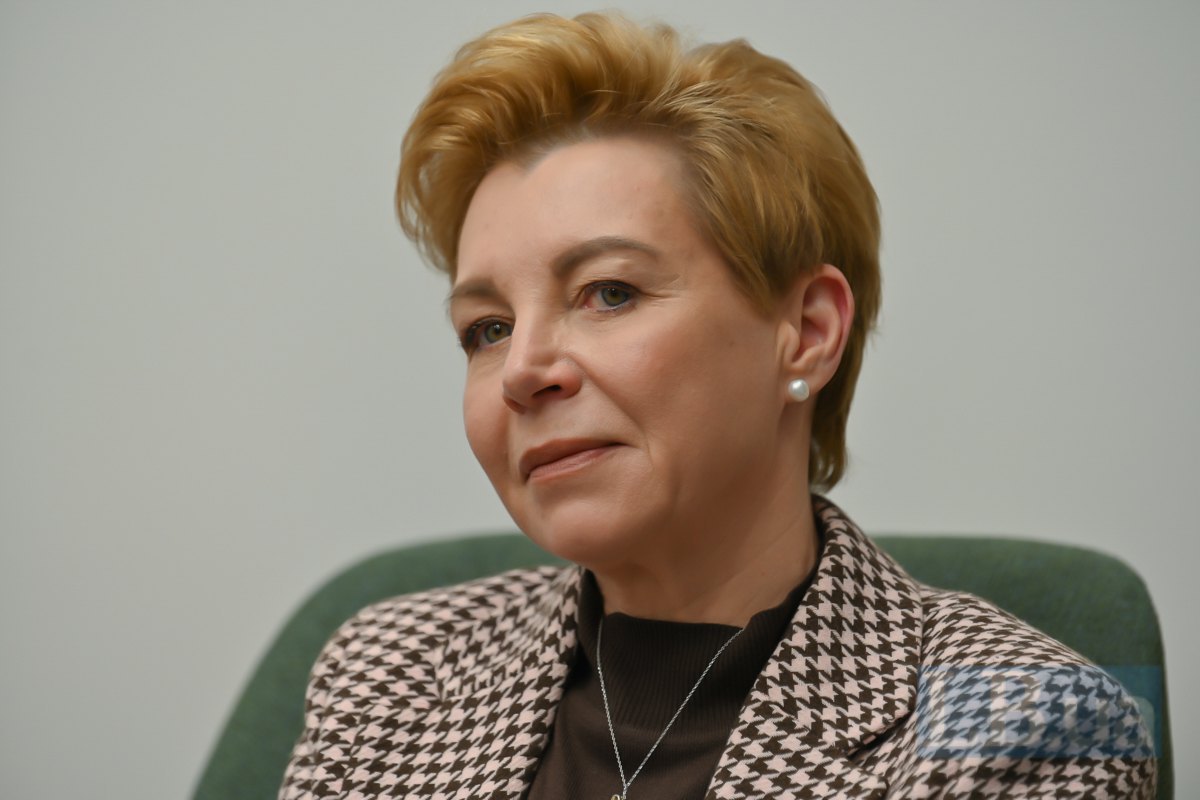
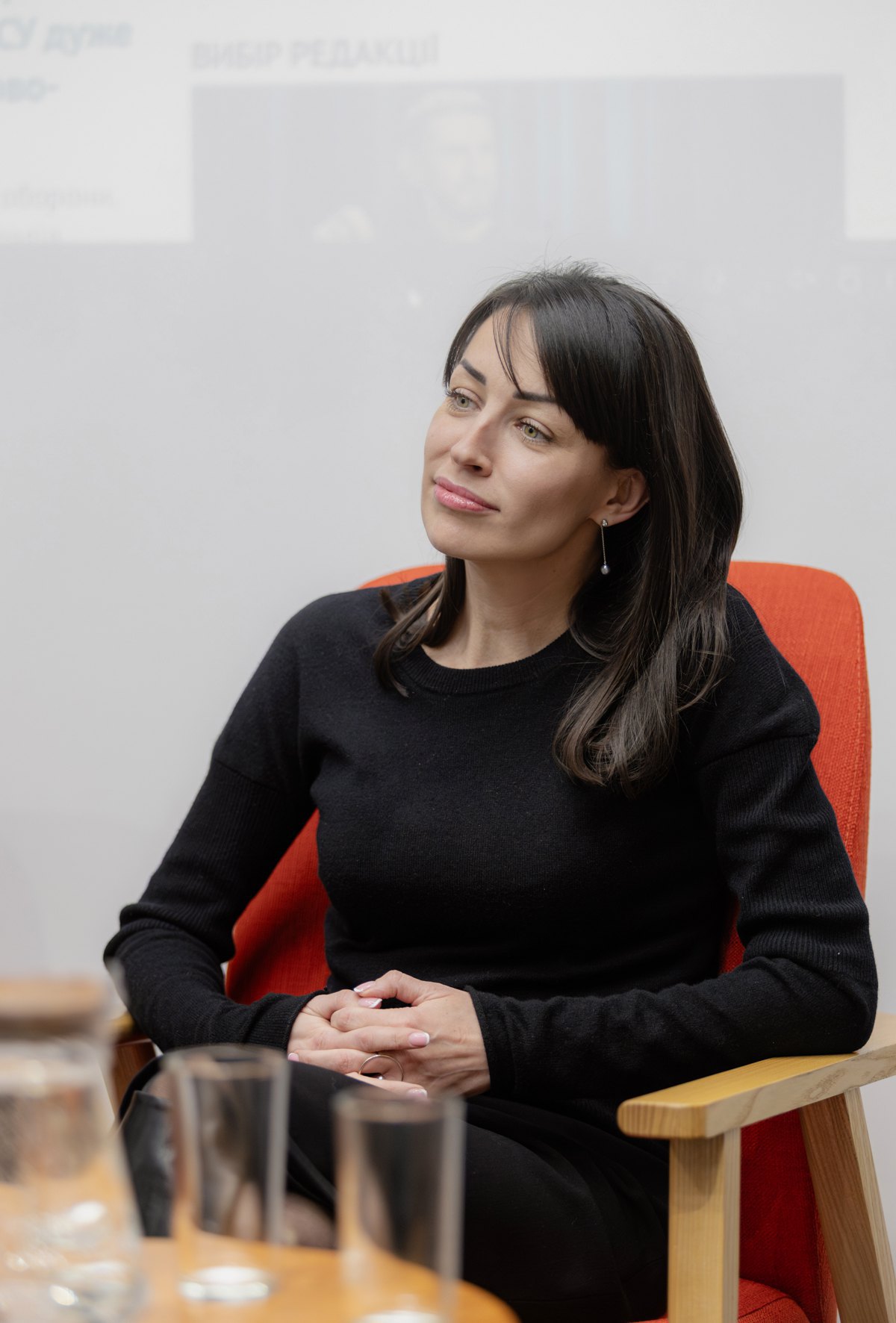
- Olena Semykina, advisor to the acting head of the Security Service of Ukraine;Olena Semykina
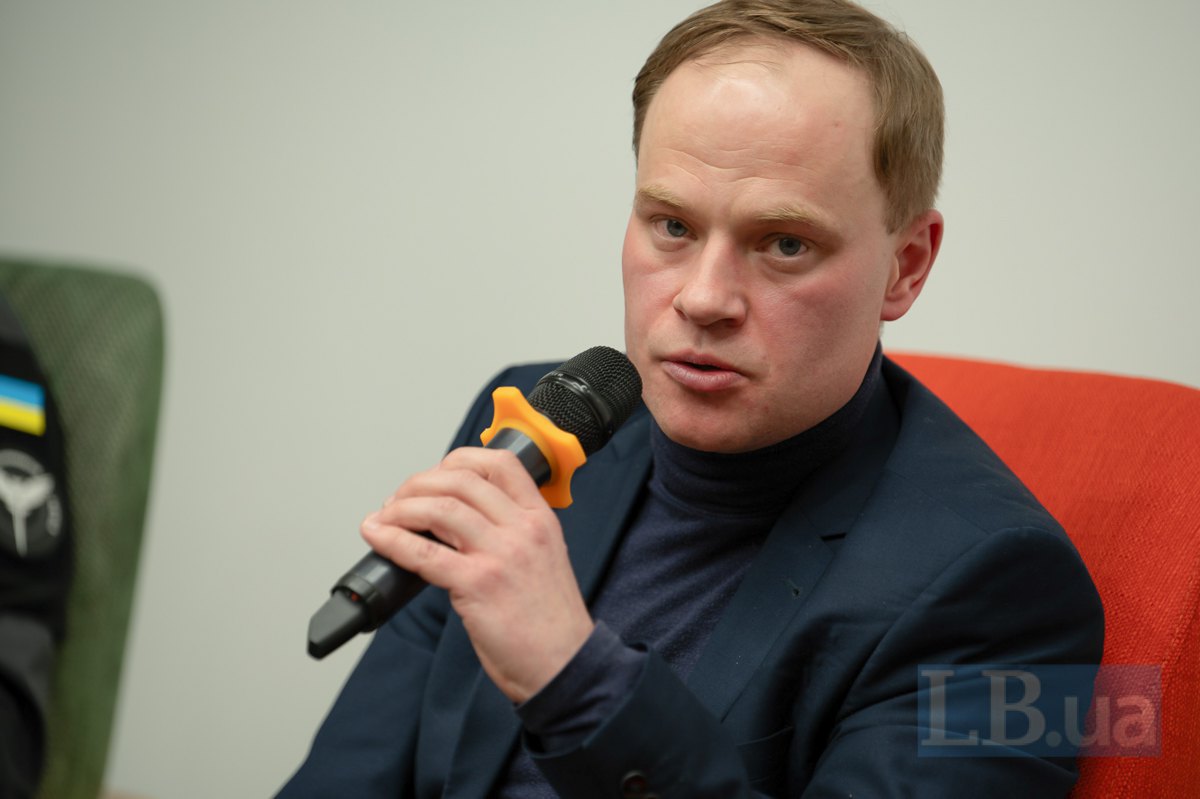
- Yaroslav Yurchyshyn, Chairman of the Verkhovna Rada Committee on Freedom of Speech; Yaroslav Yurchyshyn
- Oksana Sokolova, Head of the Facts of the Week programme, ICTV. Oksana Sokolova
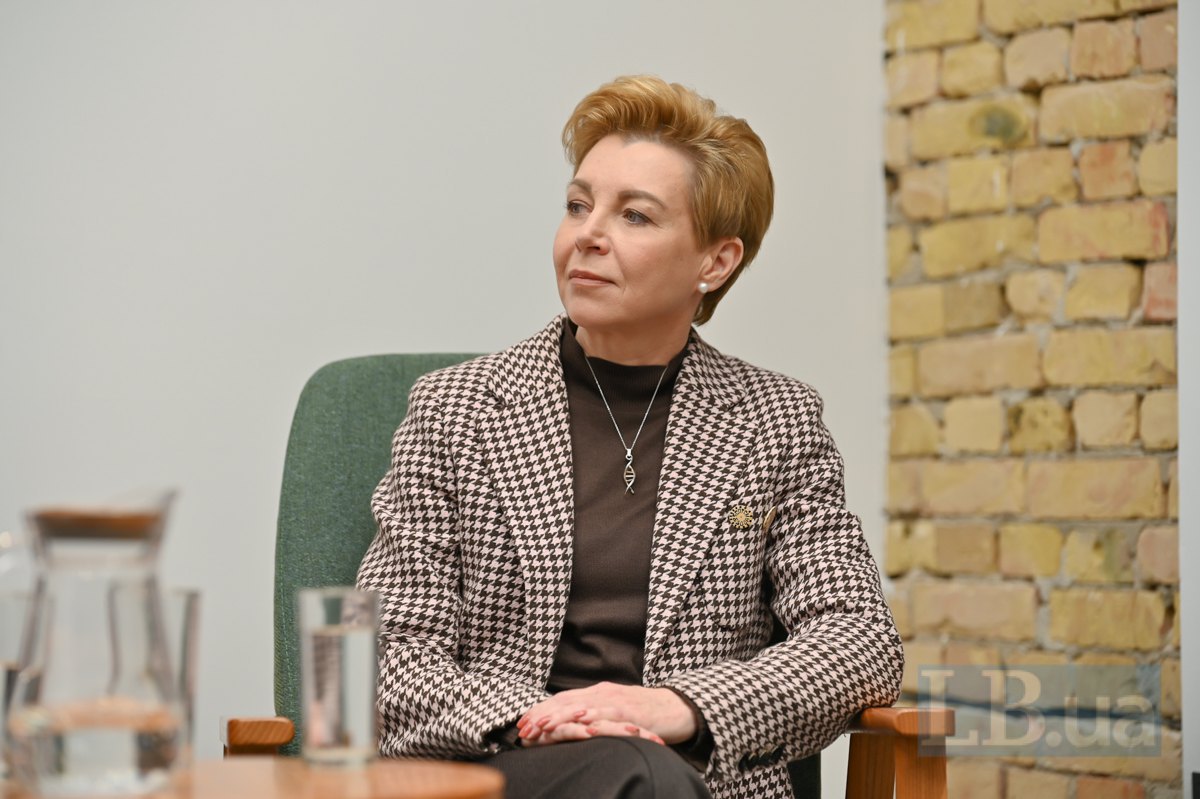
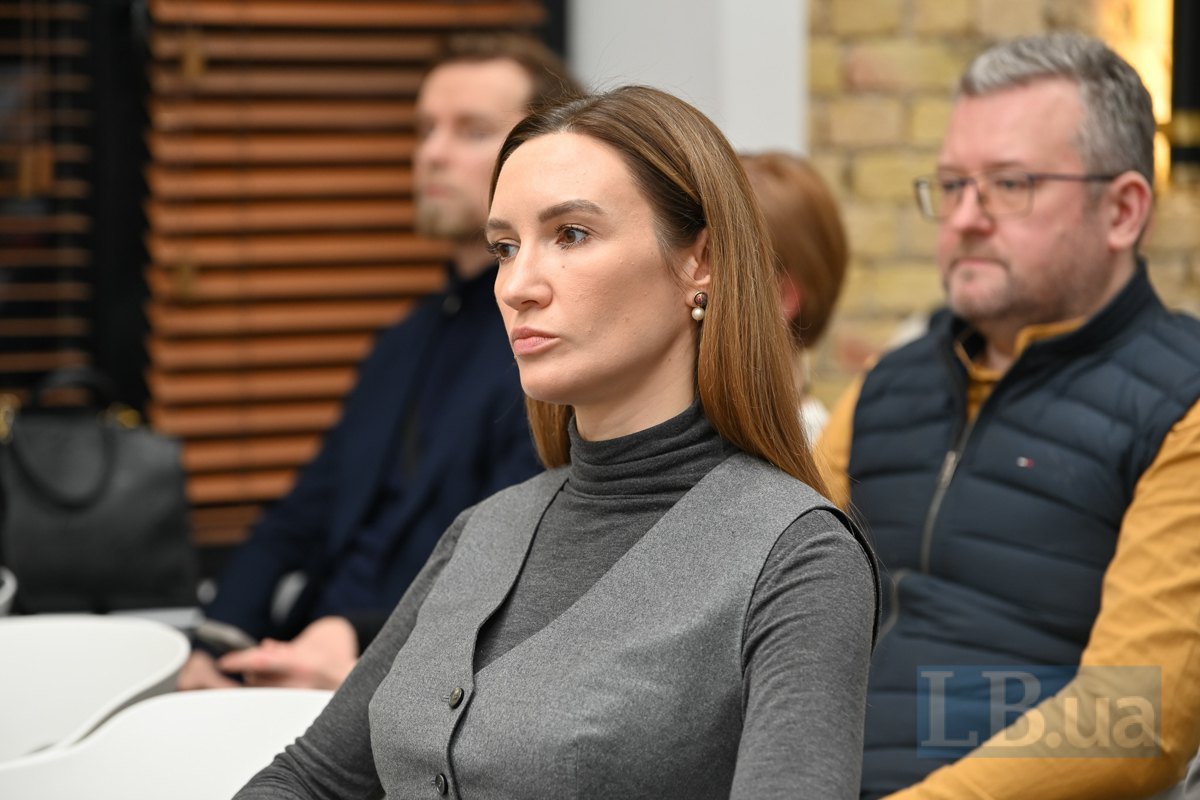
As usual, representatives of the public, business, military personnel, activists, MPs, etc. took part in the discussion.
According to Yevhen Yerin, a representative of the Defence Intelligence of Ukraine, the Russians have scaled up their activities in the field of information and cyber attacks, increased the number of agents, and expanded their capabilities, not only in Russia but also in other countries.
"They have very powerful, large-scale, organised activities in this regard. Especially when they cannot exert pressure on the battlefield, they try to do so on other fronts and invest a lot of effort there. ... In turn, we are constantly active against our enemies," Yerin noted.
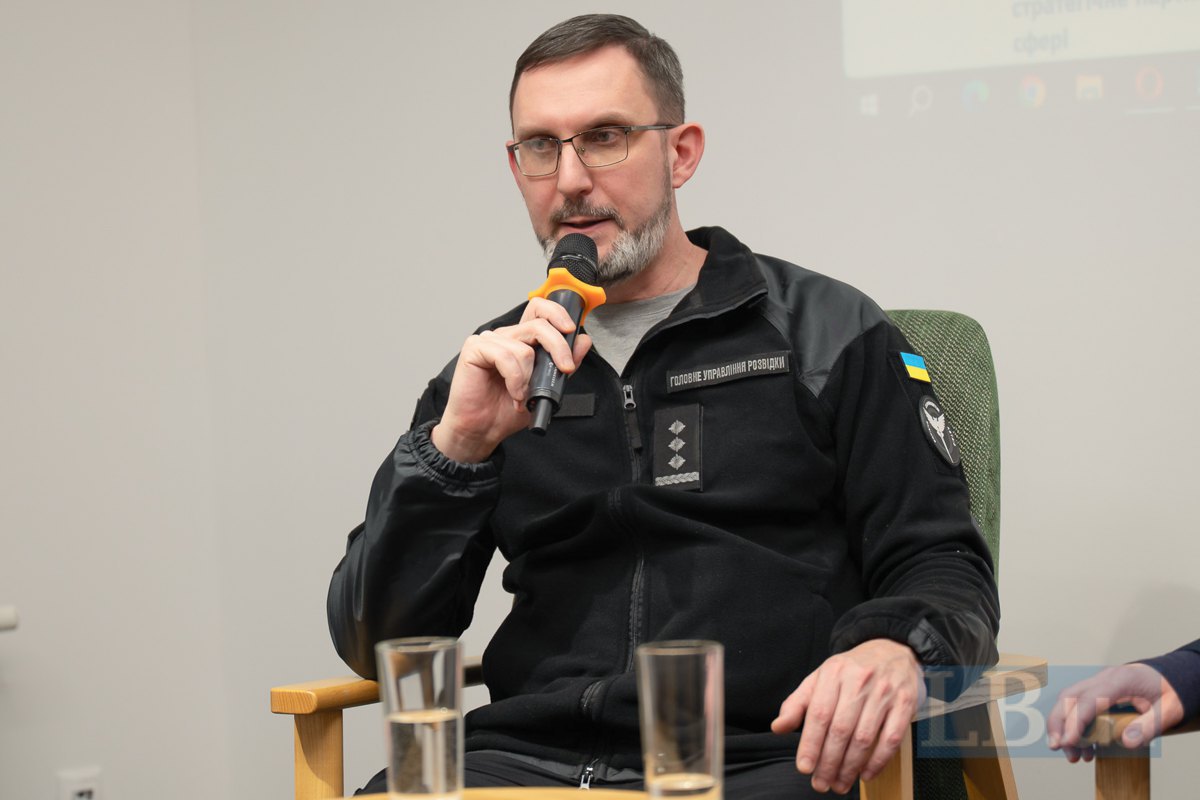
Advisor to the Acting Head of the Security Service of Ukraine Olena Semykina believes that combating the online recruitment of Ukrainians by hostile special services depends on constantly informing the population, as well as improving the digital literacy and vigilance of our citizens.
"In 2023, the president of the aggressor country approved the so-called Sabotage Noise plan. Its goal is to get as many Ukrainians as possible to commit arson, terrorist attacks, and sabotage. The SBU prevents 80% of these hostile acts, but at the same time, we're seeing a certain trend: Russian special services are actively seeking out the most vulnerable segments of the population. The first category is people with addictions: drugs, alcohol, gambling. In other words, people who are looking for quick money. The second category is minors.
Recruitment usually takes place online: on job search sites, dating services, Telegram, Instagram or other social networks. A child aged 14-16 may be contacted by a stranger offering money for a seemingly simple task. For example, to photograph a certain object or to transport an unknown package from point A to point B, which actually contains an IED (improvised explosive device – Ed.).
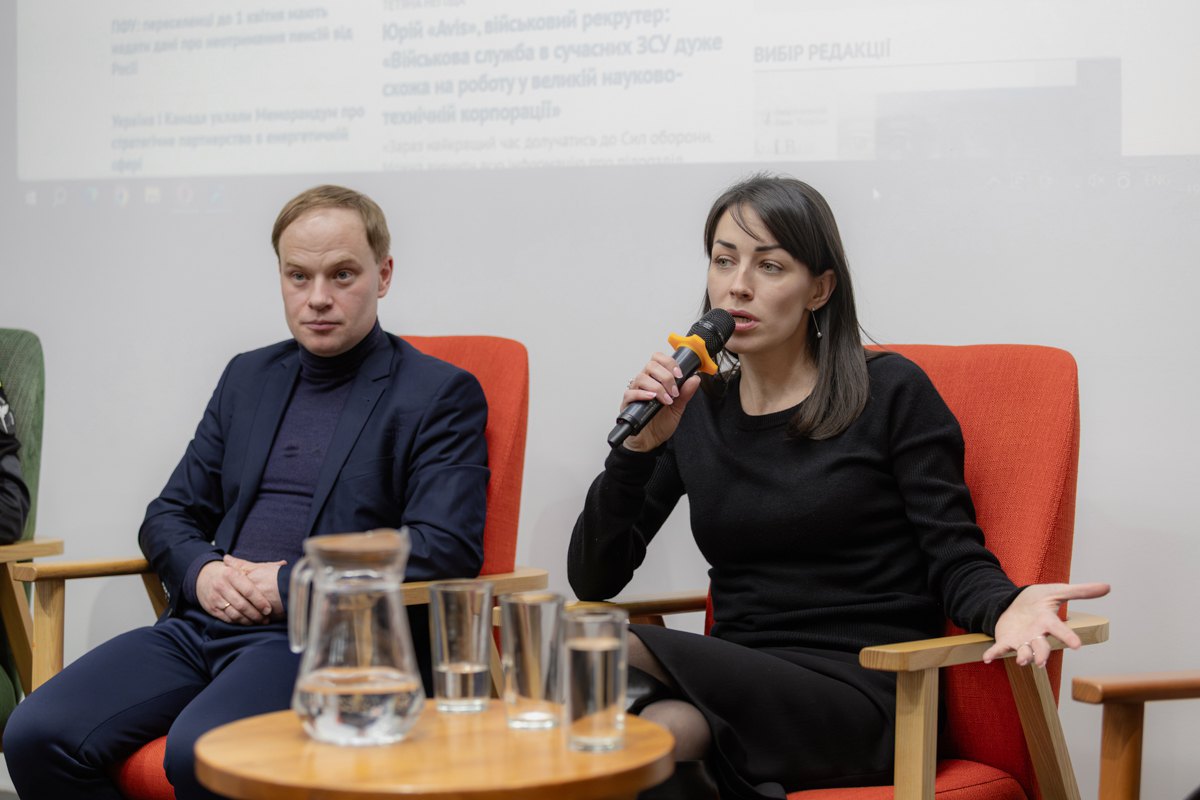
As a special service, we understand these risks and therefore work proactively. Our main goal is not to detain a child when they are already carrying a "package," but first and foremost to prevent a terrorist attack.
To this end, the SBU has launched a multi-format project called Burn the FSB Agent. Its goal is to regularly warn Ukrainians about the dangers of recruitment. We have implemented a nationwide outdoor advertising campaign, are collaborating with influencers, are producing social videos for TV, and are conducting online and offline lessons for schoolchildren and students, etc. We have also developed a chatbot of the same name, t.me/spaly_fsb_bot, through which people can quickly report attempts to recruit them," Semykina said.
Since the chatbot was launched, she added, the SBU has received more than 18,000 such reports.
The main recruitment network in Ukraine, according to Yaroslav Yurchyshyn, MP and head of the Verkhovna Rada Committee on Freedom of Speech, is Telegram.
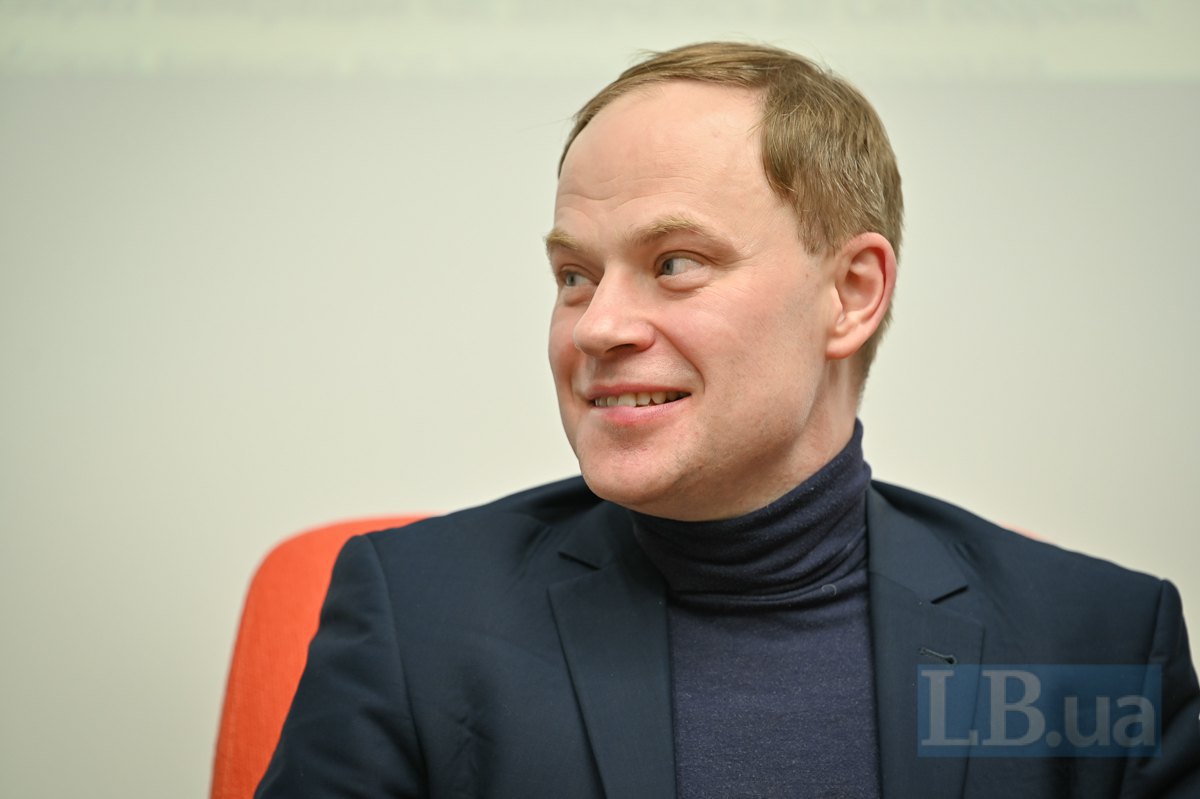
“When the Russians moved to full-scale recruitment, in the vast majority of cases, when investigating which networks the curator worked through, they came across this network. Why? Because there is legalised anonymity there, total legalised anonymity.
This is not just our problem. It is a problem for all countries that use totalitarian networks. China is building a two-tier information system: one internal, the other external. TikTok does not work in China, as you know. They have an internal network called Douyin. TikTok is purely for external users.
Russia is building the same system. Telegram, in this case, is for external users. Since April, everyone there has been switching to Max, which is fully compatible with the Chinese Douyin, purely for internal users.
And here, quite tough measures are needed. ... I had a discussion with the head of Romania's digital bureau, and he said that on election day, all Telegram users in Romania received a letter from Durov with the aim of influencing the elections. Excuse me, but is this a network, a platform? No, it is specifically a weapon. Therefore, stricter frameworks are needed here," Yurchyshyn believes.
The focus on search algorithms also plays a negative role in shaping the country's information agenda, says Oksana Sokolova, head of the ICTV programme Facts of the Week.
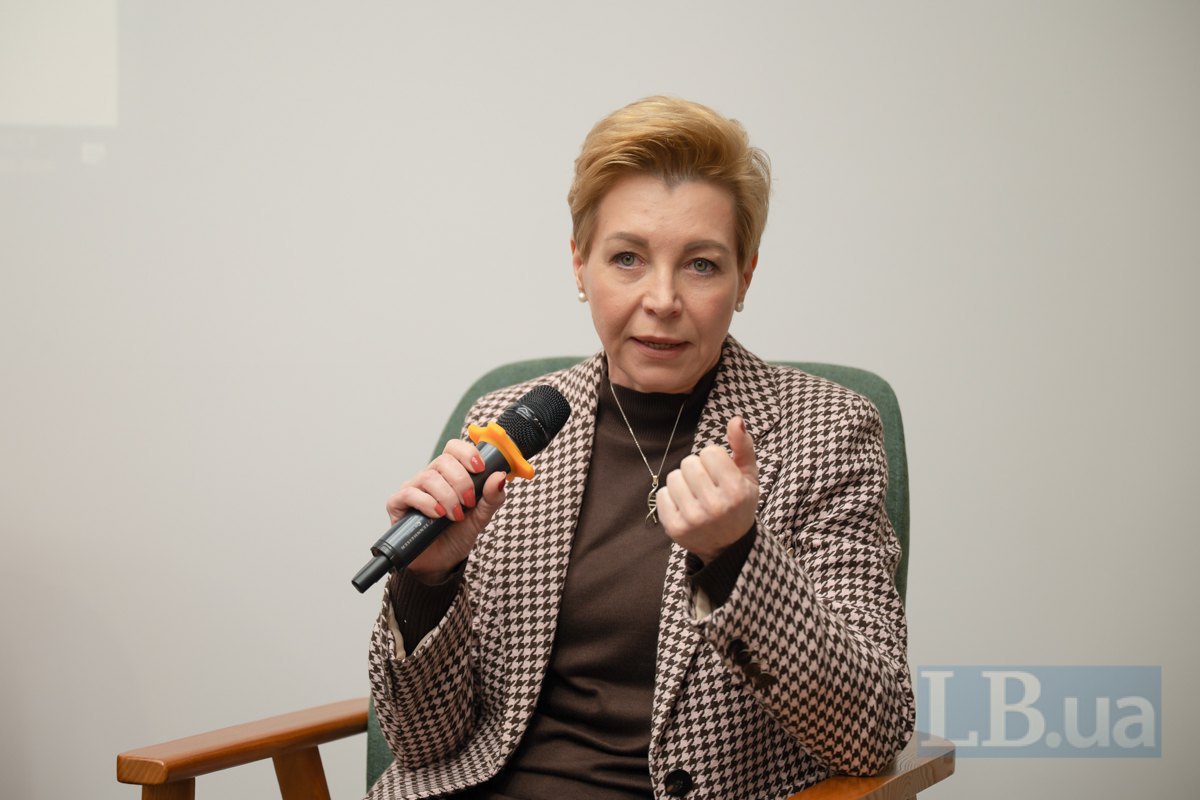
“Algorithms are becoming increasingly influential because the media is beginning to focus on algorithms, and the state and authorities are focusing on algorithms. However, algorithms do not understand national security. They understand how to maintain attention. And holding attention means maximising the most powerful emotions: fear, despair, helplessness, anger. What a wonderful tool for the enemy, isn't it?
A few years ago, we were talking about combating deepfakes, but today we are already talking about combating synthetic reality. Bots can already shape public opinion that does not exist. They can create events that do not exist in nature. Deepfake politicians say things they did not say. There are already fake streams that are crashing the cryptocurrency market internationally. And in this context, I have a global question: how ready are we to resist in this era of AI disinformation?" appeals Oksana Sokolova.
What other cyber threats do Ukrainians face today and how do the participants in the discussion see ways to combat them? More details will be available soon on LB.ua.