






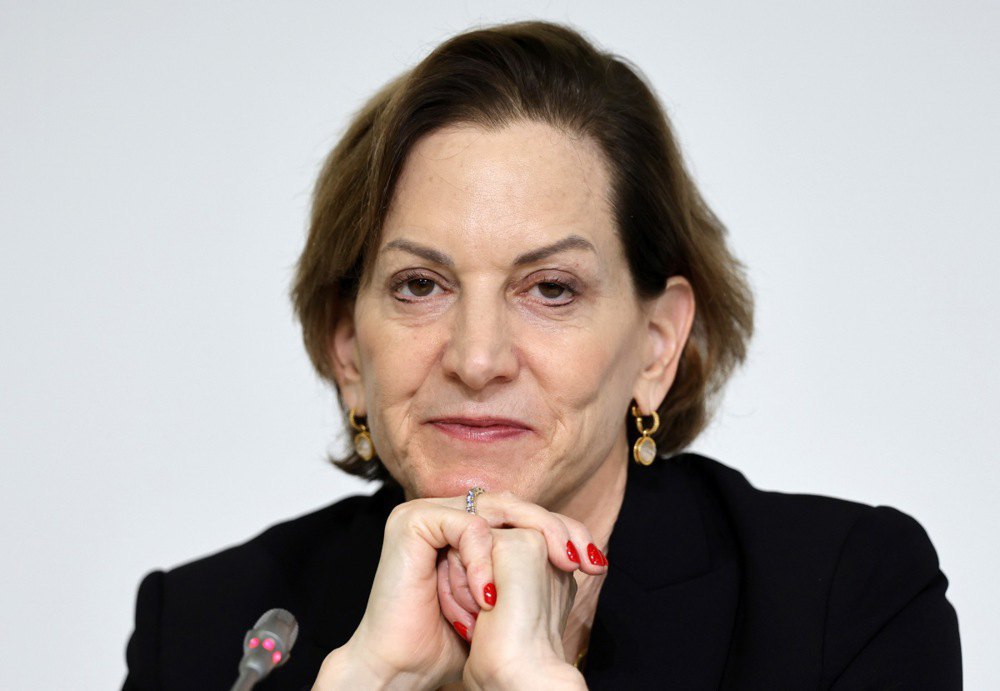
“The current American administration no longer sees itself as the democratic leader of the world.”
One of the symbols of this conference is “the elephant in the room”. Do you not think that this metaphor itself is outdated? After all, back in 2007, when Putin spoke here, this “elephant” was already clearly visible. Who, in your view, is the “elephant in the room” today — Russia or the United States?
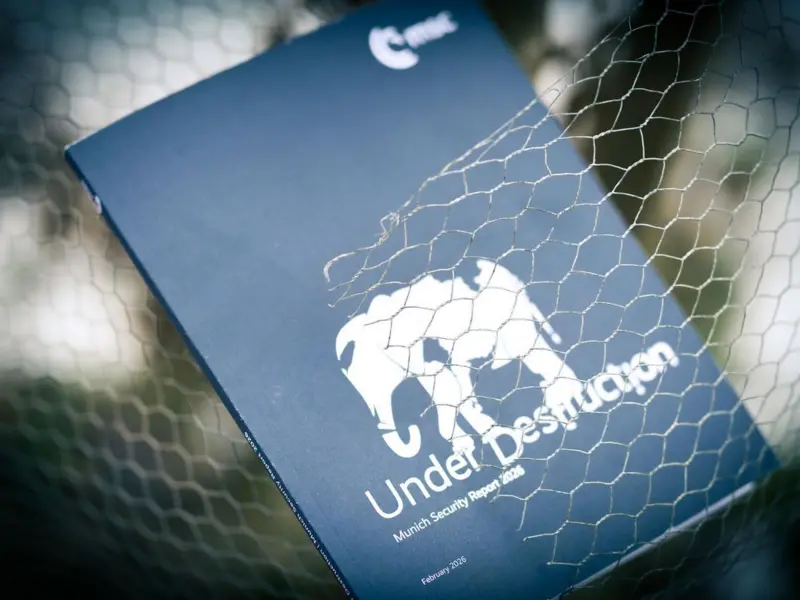
As I understand it, the metaphor of the elephant is intended to highlight something harmful or destructive — namely, the erosion of trust in democracy and in transatlantic ties. However, I am not certain that the metaphor remains effective. In reality, there are two principal challenges confronting this conference and the transatlantic alliance, and therefore two “elephants”.
The first is Russia’s continued militarisation and the threat it poses not only to Ukraine and Europe, but also to global security more broadly.
The second is the internal deterioration of the United States. This has both domestic and international dimensions: the weakening of American democracy at home and a systematic assault on the US alliance system abroad. It has become evident that the current American administration no longer regards itself as the democratic leader of the world. This is no longer the role it seeks to play. For Europeans — and especially for Ukrainians — this represents a tectonic shift in political reality.
What is happening with the transatlantic project, particularly within NATO? Do you personally believe in the future of the Alliance?
There are two different perspectives on this. If you go below the political level and talk to generals or admirals in NATO, they will all say the same thing: their planning continues to be based on the availability of allies. Communications, intelligence sharing and operational coordination remain deeply integrated. Allies work within the American intelligence system at many levels, and this cooperation continues. This deep alliance, built over decades, also persists in the military-industrial sphere, in economic relations and in financial markets. In many structural and practical senses, the alliance is still real and very powerful.
At the same time, it is also true that the political leadership at the top of the Trump administration — including the president, vice president, defence secretary and others — has made it clear that they no longer consider the Alliance to be central to American foreign policy. They are consciously distancing themselves from it. So we have a dual reality: deep institutional continuity on the one hand, and political alienation at the highest level on the other.
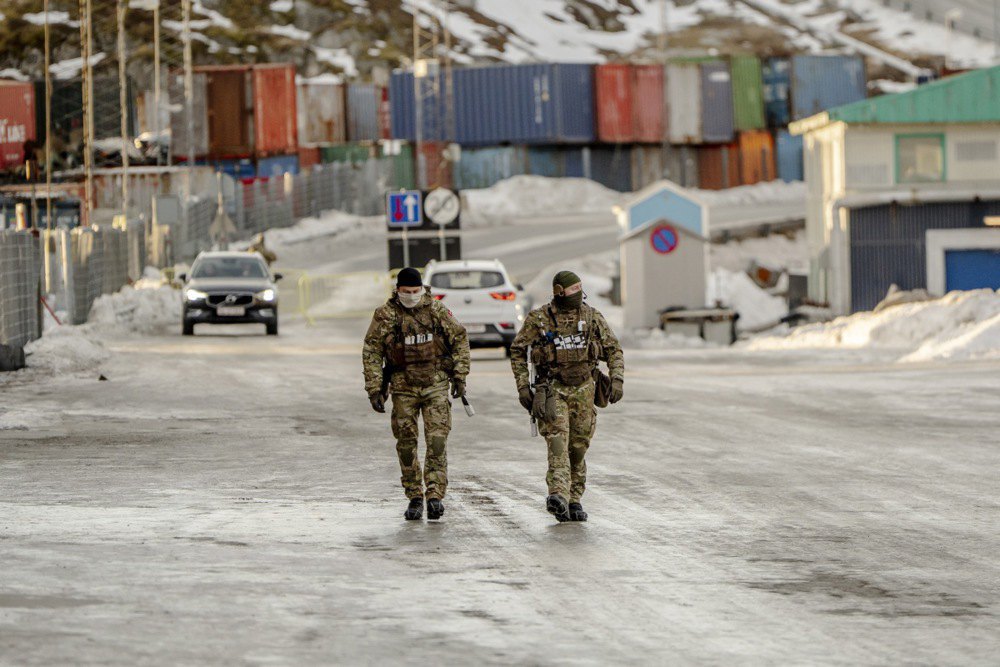
How should Donald Trump's intentions regarding Greenland be interpreted? Is this a real ambition, a symbolic gesture or a political performance? How serious is it — and does it pose a threat to Europe?
Donald Trump has been told many times — and by many different people — that there is no security, economic or strategic goal that the United States could pursue in Greenland that could not be achieved through cooperation with Denmark or within NATO.
His desire to own Greenland — and, incidentally, I don't think he has given up on it — seems like a personal whim rather than a well-thought-out strategy. He simply thinks it would make the United States look bigger on the map. This impulse says more about his worldview than any real geopolitical necessity.
Can the initiative with Greenland be seen as part of the preparations for the American elections this autumn?
No. It's just a personal whim. I understand that it's difficult for many people to comprehend: the current US president does not think strategically and is not particularly concerned about the long-term consequences of his policies. His main interest is himself and his personal needs. And his personal need is to be a winner, to do what he wants without restrictions. He wants Greenland. There is no logical or strategic explanation for this. I know it's hard to believe or accept, but unfortunately, that's the reality.
"Don't get involved in American domestic politics"
Should we expect the Ukrainian issue to be politicised during the US election campaign?
No. And, in fact, this is even good for Ukraine. It is not worth becoming part of the American domestic political process. It is not worth becoming an element of political controversy or an electoral tool. Moreover, congressional elections are almost never built around foreign policy. These are not national elections in the sense of a single agenda in Washington. They are decided by local issues — in Colorado, Illinois, Idaho, Florida and other states. Therefore, the main election debates will focus on domestic and local issues, rather than Ukraine or foreign policy in general.
Do you see any new trends or changes after these elections, or is it likely that everything will remain largely unchanged?
I cannot give a definite answer — it all depends on how the situation develops. It is very dynamic. Everything could change if the composition of Congress changes. A different Congress would mean a different political environment. But right now, the most important question is not even political courses or decisions. The most important thing is whether the elections themselves will be fair.
Is it possible that Russia will interfere?
Of course. They interfere all the time.
"The idea that Ukraine should rely on Donald Trump's personal word — especially given that he has repeatedly lied and broken promises — would be extremely unwise."
How do you assess the negotiations between Ukraine and Russia initiated by the United States? Where is Europe in this process? And should it be at the negotiating table?
As of now, these negotiations are a failure. They have not yielded any results. What worries me most is that Russia has never once declared its willingness to abandon its original war aims. And these goals were quite clear: the occupation of five Ukrainian regions and the transformation of Ukraine into part of the "great Russian empire." As far as I can see, they have not renounced these intentions and have not stated that they are ready to do so. Until that happens, I do not understand how real peace is possible — at least one that will be lasting.
I still believe that the only way to end this war is to convince Russia that it cannot win. Unfortunately, negotiations — especially parallel, informal business discussions of possible deals for American businessmen — create the opposite impression in Russia: that victory is still possible.
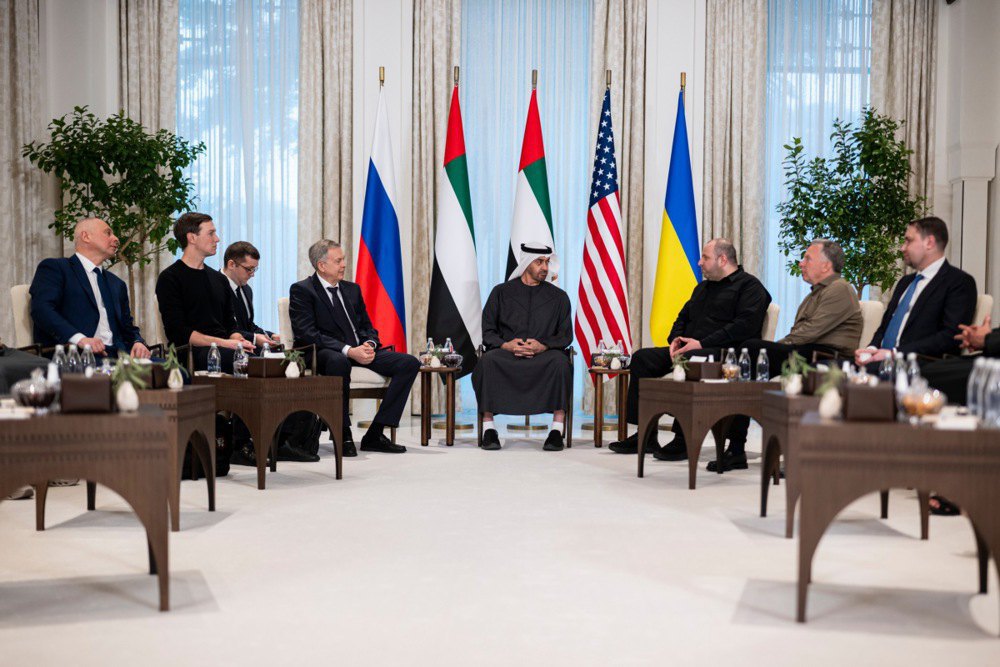
Can even the best peace agreement prevent new aggression against Ukraine or an escalation of the conflict in the future?
I don't know. I am concerned that the current talks on security guarantees are largely based on promises made by the United States. And it is unclear how reliable these promises will be in the long term. What will happen if the president changes? Or the political situation? How can Ukraine rely on a promise — or even an agreement — if the guarantor is capable of such radical changes in policy?
There have been suggestions from the US that Donald Trump will even personally guarantee peace.
But he will not be president forever — nor will he live forever. Something will change. That is simply a reality.
Do you think Trump has the ambition to stay in power as long as possible?
I don't know. My opinion is simpler: no one is eternal. Not him, not me, not you. Therefore, the idea that Ukraine should rely on Donald Trump's personal word — especially given that he has repeatedly lied and broken promises — would be extremely unwise.
Ukraine relies on the US because it seems there are no alternatives.
I disagree that there are no alternatives. Today, 90 per cent — and possibly 99 per cent — of Ukraine's funding and arms supplies come from Europe, not the United States. The US no longer funds Ukraine. Have you seen these graphs? The change is striking. Currently, the United States is not providing Ukraine with either funds or weapons and, in fact, has not been doing so in significant amounts since almost the beginning of last year. Today, Ukraine's main partner and main source of support is Europe, not America.
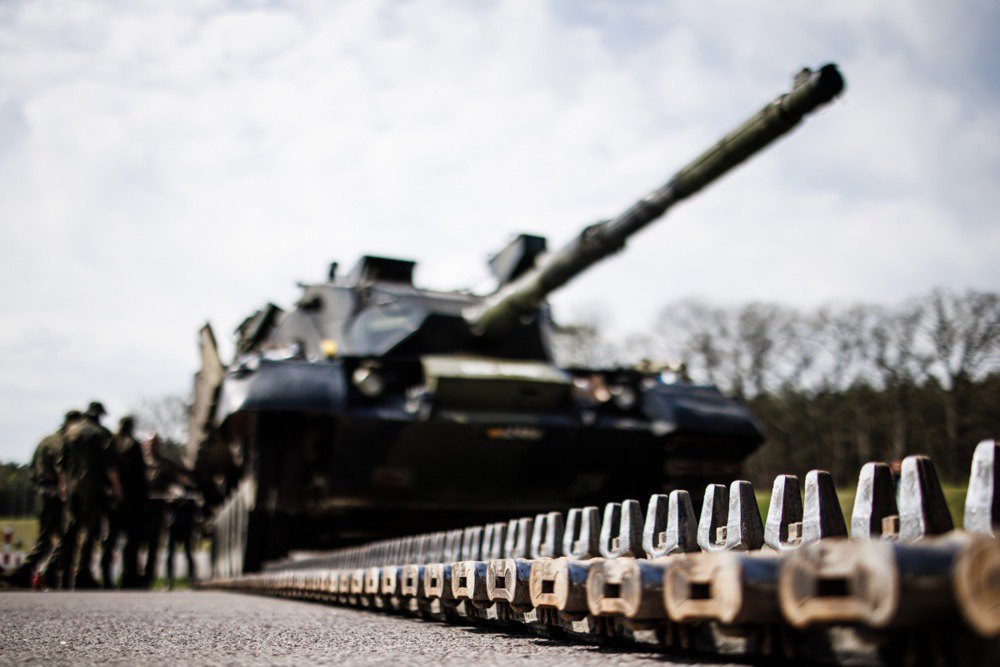
Unfortunately, Europe does not appear to be an active political participant in the negotiation process.
This is partly because the Russians do not allow it. They simply refuse to negotiate with the Europeans.
Do you not think that Europe itself is, in a sense, frightened by the current geopolitical situation? Actually, this is why it is passive in the negotiation process.
Europe is not participating in the negotiations for two reasons. First, as I said, the Russians do not want to see Europeans at the negotiating table. Second, Donald Trump does not want this at the moment either. In other words, both sides — the American and the Russian — have effectively excluded Europe from the process. If I were responsible for the Ukrainian side, I would insist on Europe's participation in the negotiations as strongly as possible, because today Europe is Ukraine's most important partner, more important than the United States. But I am not the one making the decisions.
Given the historical continuity of Russian aggression, especially against Ukraine, how many years do you think Ukraine has — even in the best-case scenario of a peace agreement — before the next escalation?
I don't know. I'm sorry — I really can't answer that. No one [knows]. The only meaningful way to think about the future is to look at what is happening inside Russia, because it is Russia that decides whether there will be an escalation or not. But I don't have access to what is really going on inside the Russian system.
Do you believe that Russia can become a different country?
Russia has been a different country in the past, so yes, it is possible. I also believe that this war has caused enormous damage to Russia. The death toll is extraordinary. Tens of thousands of people are dying every month. The economy is distorted and undermined. Many people, especially outside the big cities, have been plunged into poverty. And all this is happening for the sake of a war that, in my opinion, most Russians do not really want to fight. There is no public debate in Russia, so it is impossible to accurately gauge public opinion. But it is not at all clear that ordinary Russians are really interested in controlling new Ukrainian territories or in further imperial expansion.
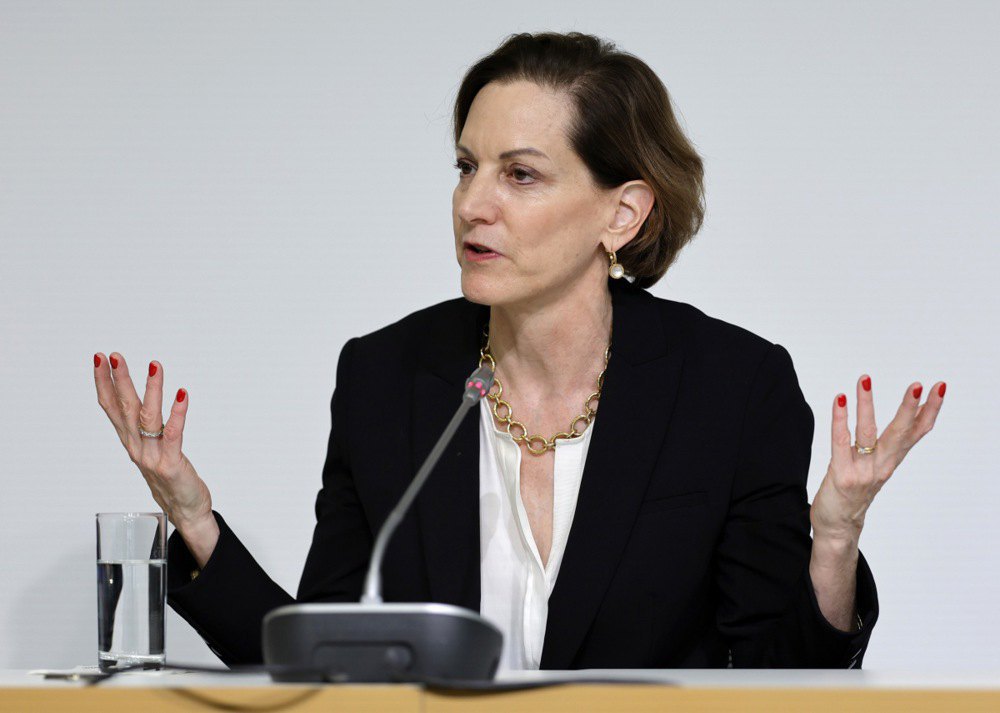
"The Epstein files fit into a broader picture: growing tolerance for kleptocracy in the United States."
The publication of the so-called Epstein files came as a shock. Do you see any parallels between these revelations and the kleptocratic cycles you write about in one of your latest books, Autocracy Inc., involving politicians and corruption networks?
Yes, definitely. But the Epstein files themselves are not even the strongest or most important evidence. Of course, they fit into a broader picture: growing tolerance for kleptocracy in the United States. Epstein's materials demonstrate the connections between rich and influential people — and, frankly speaking, some of this is not surprising.
What is much more striking is the scale of how the current president [Donald Trump] is personally enriching himself while in office. This has never happened before in the United States. You may be more familiar with this from the experience of Ukraine or other post-Soviet countries, but in the United States, we have never had a president who openly profited from his private companies while in office and used his presidential powers to do so.
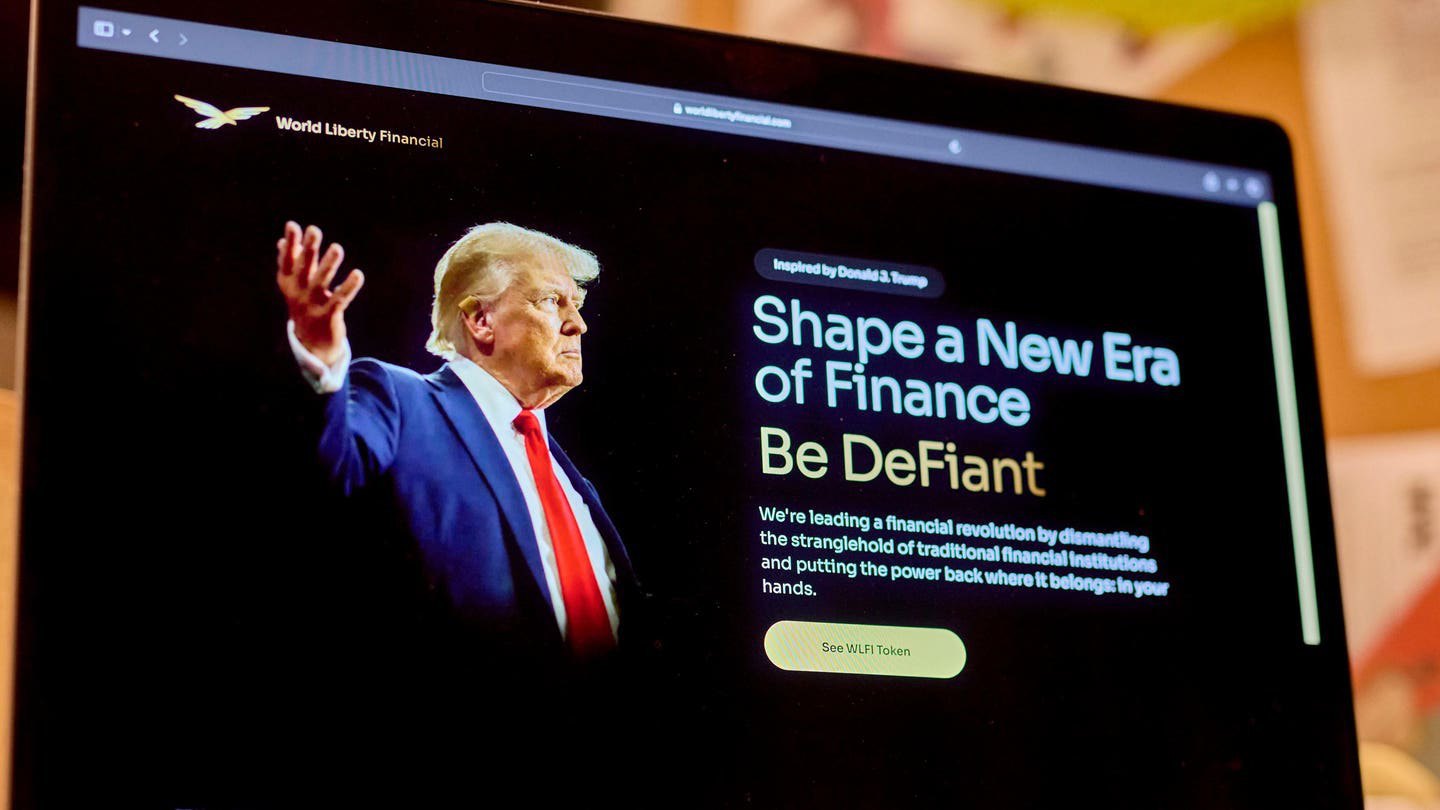
For example, a few days ago, The Wall Street Journal published an article about Trump's cryptocurrency company, World Liberty Financial. The article discussed a secret payment from an Emirati sheikh who wanted to export state-of-the-art computer chips from the United States. Previously, the export of these chips had been blocked for national security reasons. But the Trump administration reversed that decision — and there appears to be a direct link between the payment and the policy change. This is corruption in its purest form.
The British media suggest possible links between the "Epstein files" and Russia, including even the Russian special services. How do you assess this?
I have not studied these materials in detail, so I want to be cautious in my assessments. At the same time, it is obvious that if there are references to Russia in them, then certain links between Epstein and Russia did exist. I know that the Polish government has announced its intention to analyse these materials — perhaps others will do so as well. But I would not expect a serious investigation from the US — simply because that is not what Donald Trump wants.
"If someone starts shouting about massacres that happened a century ago, often the best response is no response at all."
You are originally from Poland. Ukraine and Poland periodically have very good relations, but from time to time the Ukrainian question — especially in a humanitarian context, as is the case now — becomes politicised in Poland. How should Ukraine build relations with its Polish partners?
Russia plays a significant role here. You asked earlier about Russian propaganda — and there is a lot of it in Poland. It is particularly active on the far right, as well as among some farming communities and other social groups.
The most important thing Ukrainians can do in response is not to get angry and not to fuel these narratives. In both countries — Poland and Ukraine — there will always be people who want to fight over events that happened 50, 80 or 100 years ago. Now is not the time for such disputes. They are useless and distract from what is really important.
The key political reality is that Poland and Ukraine are close partners. They stand together against Russia. Poland has provided enormous assistance, including military equipment and, more recently, aircraft. Many Ukrainians live in Poland, and they are generally well integrated. I encounter them all the time. I won't give exact figures, but the vast majority of Poles are happy to have them here and have no problem with that.
It is therefore extremely important for both sides not to respond to attempts to provoke hostility, whether on the basis of history, labour issues or economic friction at the border. Such problems exist, but they are secondary. Ukraine can help by reducing tensions. If someone starts shouting about massacres that happened a century ago, often the best response is no response at all. Now is not the time to resolve historical disputes. The main thing is to maintain unity and focus.
"Hungary is effectively functioning as a proxy state for Russia."
What about Hungary, another difficult neighbour?
Elections will soon be held in Hungary, and after that it will become clearer what will happen next. At present, Hungary is effectively functioning as a proxy state for Russia. The country has serious economic problems. For a long time, it lived off EU funds, but a significant part of this funding has been cut off — in particular, due to Budapest's violation of EU rules, which led to subsidies being blocked. As a result, Hungary is looking for alternative sources of support — primarily in Russia, but also in China, although Russia plays a key role here.
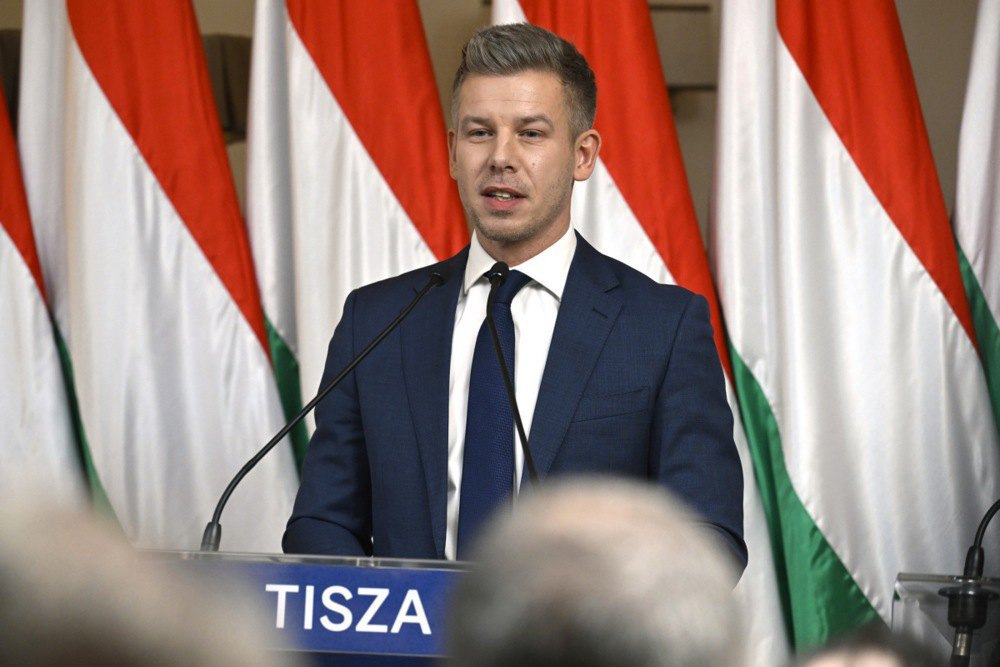
In this sense, Hungary is Russia's voice within the EU. At the same time, the situation may change. Elections are coming up, and the current opposition leader (Péter Magyar, leader of the Tisza party — LB.ua) is significantly ahead of the ruling party in the polls. The main question is whether Viktor Orbán will allow fair elections to take place. We will have to wait and see.
Do you see this primarily as a problem with Viktor Orbán's personality?
Partly, but it's not just about his personality. Orbán is obsessed with staying in power. He has built an extremely corrupt system. Today, Hungary is the most corrupt country in Europe, certainly within the EU, and at the same time one of the poorest. Hungary used to be wealthier, and its decline is largely a result of Orbán's policies. In this respect, he is similar to Putin: he is much less interested in the welfare of his citizens than in maintaining his own power. To do this, he needs foreign money — and he has decided that this money should come from Russia.
After more than 20 years of this style of governance, is Peter Magyar capable of bringing about real change?
I don't know Péter Magyar personally and have never met him. However, I am acquainted with some people from his team. I believe that he would have a completely different attitude towards the EU, Russia and Ukraine. In this sense, he would indeed represent change. Whether he is capable of solving all of Hungary's problems is another question, and I don't know the answer to that.
Given the long-standing influence of Orbán's rhetoric on Hungarian public opinion, where Ukraine is often portrayed as an enemy, how should Ukraine build relations with Hungary?
This is difficult, as a significant part of the Hungarian media is controlled by Orbán. At the same time, as far as possible, the Ukrainian authorities and Ukrainian civil society should try to talk directly to Hungarians. A positive information campaign in Hungarian — about what Ukraine is, who Ukrainians really are and what is really happening — could be very useful. Perhaps this is already being done — I don't know. I don't follow the Hungarian media every day. But in principle, such an approach could help.
Ukraine usually reacts rather than acts proactively.
A proactive, positive campaign would be better. At the moment, everything in Hungary is politicised due to the approaching elections. So I would wait and see how events unfold.
"I'm not sure that all Ukrainians fully realise that joining the EU is not just a political decision. It is a long and complex process."
Do you think it is realistic for Ukraine to join the EU within the declared timeframe, which varies, but all declare very similar deadlines?
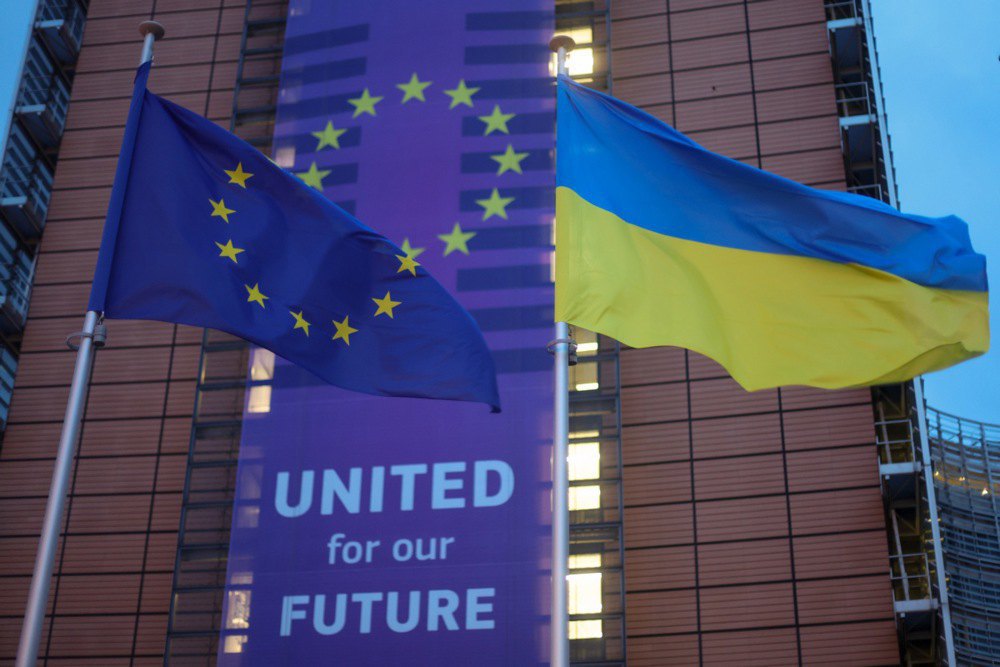
I believe that Ukraine's accession to the EU is realistic — yes. But when it comes to specific deadlines, it's much more complicated. The process of joining the EU is not the same as joining NATO. A significant part of it involves deep legal and institutional alignment with EU norms. It is an extremely burdensome and technical process.
I remember Poland's accession process very well. Most of the provisions are no longer subject to negotiation — they have been agreed upon by 27 countries, and new members must adapt to them. This takes time. I am not sure that all Ukrainians fully realise that joining the EU is not just a political decision. It is a long and complex process of harmonisation, followed by ratification. There is also a political dimension. If Hungary blocks Ukraine's accession — and if Orbán remains in power — a political solution will have to be found. I don't know what that solution will be. At this point, I honestly don't know what will happen in such a scenario.