








Staying in position for a long time is not about heroism, but about organisational problems
It is particularly interesting to speak with you, given that before the full-scale invasion you were not a professional soldier but worked as an actor in theatre and cinema. You then chose the infantry — a branch that often frightens civilians. Those liable for military service frequently say, “Anything but the infantry,” as though it were synonymous with certain death. As a former infantry platoon commander, you are in a position to dispel this myth.
The phrase “ended up in the infantry” is not entirely accurate: it was my conscious choice. When I decided to enlist, it was an act of self-determination. I have always seen myself as a man who takes responsibility, and I felt that if I did not do this, I would cease to be myself.
That conviction formed the basis of my decision, although it was not an easy one. I was searching for meaning: if I was going to war, what could I gain from it beyond the obvious danger? I realised that going through war would give me experience that would shape my social and creative life. If I intend to make films and work in theatre in the future, then in a country that has lived through war, this subject cannot be avoided. To speak about it honestly, I felt it was necessary to gain my own experience and thereby earn that right.
Do you feel anger towards fellow actors who are not at the front?
There is, of course, a sense of injustice. When you are on the front line and your friends and acquaintances continue to lead what appears to be a “normal” life, it affects you. But everything depends on context. For instance, Rudynskyy may not be in the trenches, yet he represents Ukraine on the international stage — and that, too, is an important contribution. Recognising this allows me, internally, to accept his choice. Life is not fair — and accepting that makes it easier to focus on what you can influence.
Let me return to the central question: do you share the perception that “infantry equals death”?
This perception stems largely from misunderstanding. I can speak only for my own unit and from personal experience. Many people still imagine that infantry soldiers remain in their positions for months or even years without relief. In modern warfare, the duration of time spent in positions has indeed increased, largely because the most dangerous moments are entering and leaving them. It is logical to minimise such movements in order to reduce risk. Soldiers understand this and accept it.
However, remaining in position indefinitely is neither realistic nor effective. Six months without rotation is not consistent with the logic of war. Exhaustion inevitably sets in, and combat effectiveness declines.
The longer a soldier stays in position, the less this reflects heroism and the more it indicates organisational shortcomings. There is, or should be, a rotation system: a soldier occupies a position for a defined period, carries out assigned tasks, and then returns to a staging area to recover — to wash, rest and speak with comrades.
In some rear areas of Donbas, soldiers may even have more domestic comforts than civilians in Kyiv — not in their forward positions, of course, but in recovery zones. This is entirely normal. Rotations are essential if personnel are to remain effective and capable of fulfilling combat duties.
Now, staying in position can last a month: infantrymen walk 10–25 km with ammunition and water
How long was the longest you or your platoon remained in position?
When I served as an infantryman, our rotations were relatively “light” compared with current conditions. They usually lasted three or four days. We were transported by vehicle and then disembarked. Occasionally there was shelling as we approached, but you learn how to react. The distance to the position might be one or one and a half kilometres, sometimes up to three. After three or four days, we were relieved. If the vehicle was half an hour late, we would already be irritated, wondering why the relief had not arrived.
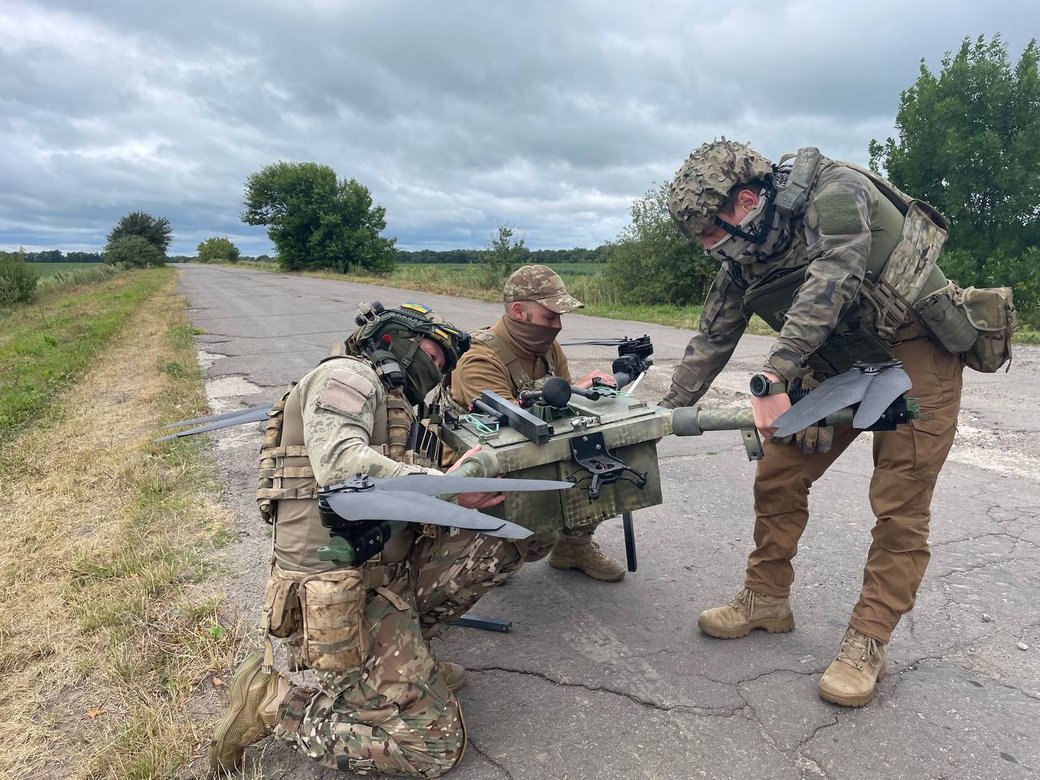
Now everything is different. A stay in position can last a month, although this timeframe is conditional and depends entirely on the feasibility of rotation, as conditions have become far more complicated. Infantrymen often reach their positions on foot — 10–15, and sometimes even 20–25 kilometres. They carry water, ammunition and food — everything they are physically able to transport. Naturally, it is impossible to take sufficient supplies for the entire period, so logistics become crucial: some items are delivered by drones, others by ground-based robotic systems.
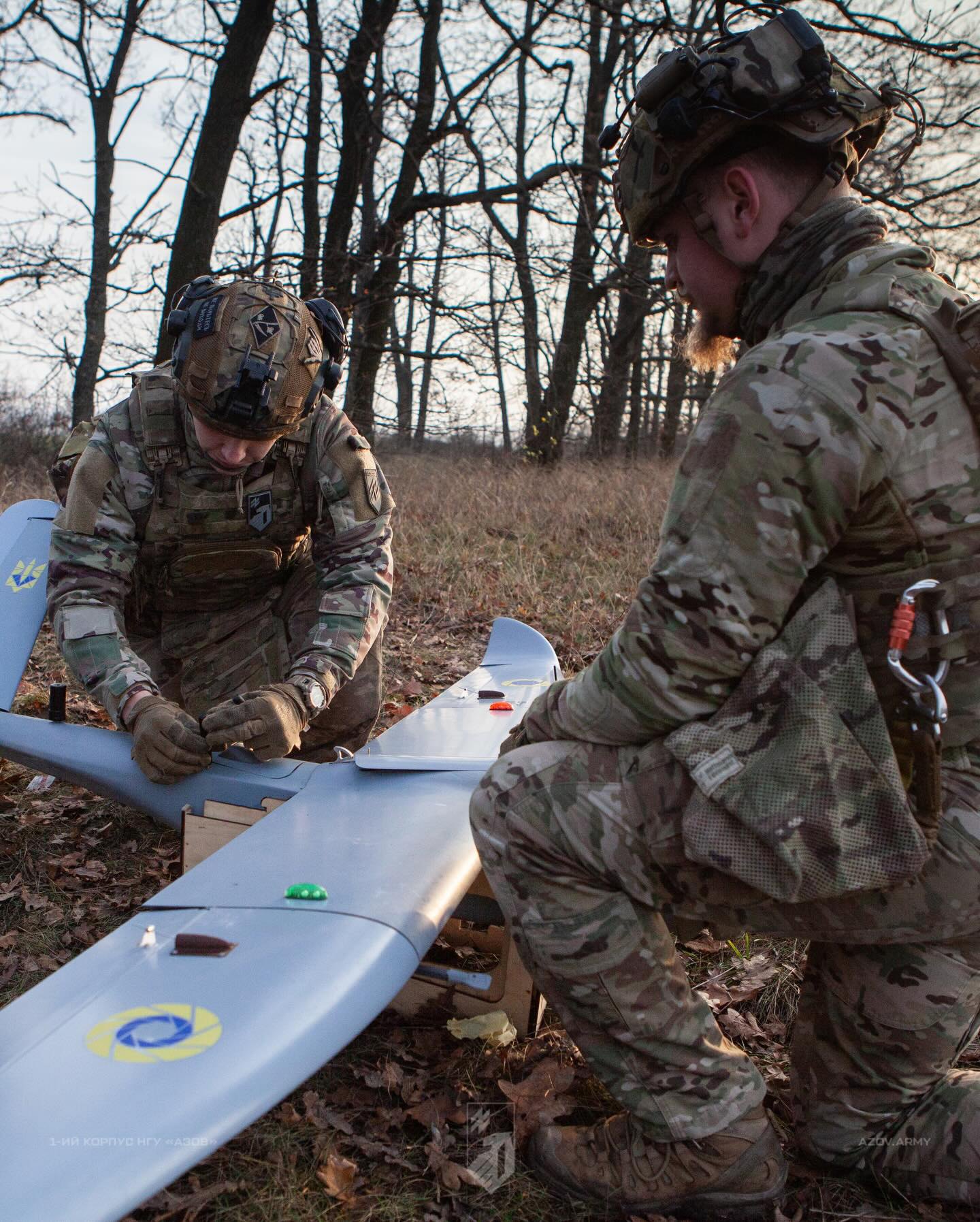
During the fighting in New York, in the Donetsk Region, I worked with drones for a period and helped to establish a UAV unit within the company. We mastered the Heavy Shot drone, capable of carrying substantial loads and delivering cargo directly to positions. The fighting at that time was extremely intense, and at times there was simply no direct access to our men. My comrades and I spent two weeks with virtually no proper sleep, assembling and reassembling the drone in field conditions.
As a result, we succeeded in establishing a functioning logistics system. Heavy Shot completed around 80 flights within a short period — a significant number, as not every aircraft can withstand such strain. At that time, such equipment was available only at brigade level, yet we had it operating within our company. This is something of which I am genuinely proud. We managed to implement a local solution that substantially supported our brothers-in-arms in their positions.
We often see Russian soldiers taken prisoner saying they were left in trenches without food or water, driven to despair. I hope we do not allow such situations to arise?
I can speak only for my unit — we do not face that problem. However, logistics remain an exceptionally complex process. Drones are constantly delivering supplies: water, food, ammunition, fuel and other essential items. A vast number of people are involved: some plan, some procure, some assemble and pack, and others deliver. All of this work ensures that the infantryman holding a position is properly supplied.
The nature of combat has changed: now the main task of an infantryman is to survive, not to conduct an open assault
Let us speak about the work of an infantryman. For civilians, it often remains something of a mystery, particularly now that drones play such a prominent role.
Much depends on circumstances. In the case of assault operations, with appropriate training and adequate fire support, it can sometimes be easier to carry out an assault than to hold a position. An assault group enters, completes its task and withdraws. Those who remain in the stronghold will inevitably come under enemy attack. Therefore, each situation differs.
I cannot speak for other brigades, as everything depends on the operational environment, the enemy and the specific conditions. With the significant increase in drone usage and the extremely tight territorial control exercised by both sides, entering and exiting a position now requires the same level of planning that assault operations once demanded. Even routine personnel rotations require considerable resources and protective cover.
Tell us more about life in the trenches.
It is extremely difficult, particularly in winter. I recall the Serebryansky Forest: at that time there was more rain, and much of the service was carried out in the open air, as drones were not yet used so extensively and observation had to be conducted visually. You would get soaked, then return to your position, attempt to change clothes, dry them and sleep.
Now the workload is different. Personnel spend most of their time underground, without sunlight, emerging only when necessary. This is psychologically demanding, and in temperatures of minus 20 degrees it is physically exhausting as well.
I recently spoke with the commander who now occupies my former position and asked how they are coping with the winter. He replied, “Warmers, as always.” I also made enquiries with other units — according to the information available, there have been no recorded cases of frostbite this winter. The war has been ongoing for many years; lessons have been learned and training has improved. Nevertheless, the burden remains immense: more equipment, greater weight and longer distances.
I have been told that infantrymen often die because of overconfidence or serious mistakes — for example, stepping on a mine. Do you agree?
Each case is individual. It is crucial to understand who provided the intelligence, who planned the routes and what level of qualification the surrounding personnel possess. We were consistently taught that at any level one must understand the task and the situation at least two levels above one’s own.
A soldier should be aware of what the platoon commander is doing in order to maintain situational awareness on the battlefield, avoid tunnel vision and grasp the broader picture. There are occasions when orders prove impossible to execute. For that reason, it is essential that soldiers have the opportunity to provide feedback — to influence planning, propose adjustments and discuss assigned tasks.
You are a creative person. Was it difficult for you to keep a cool head and suppress emotions?
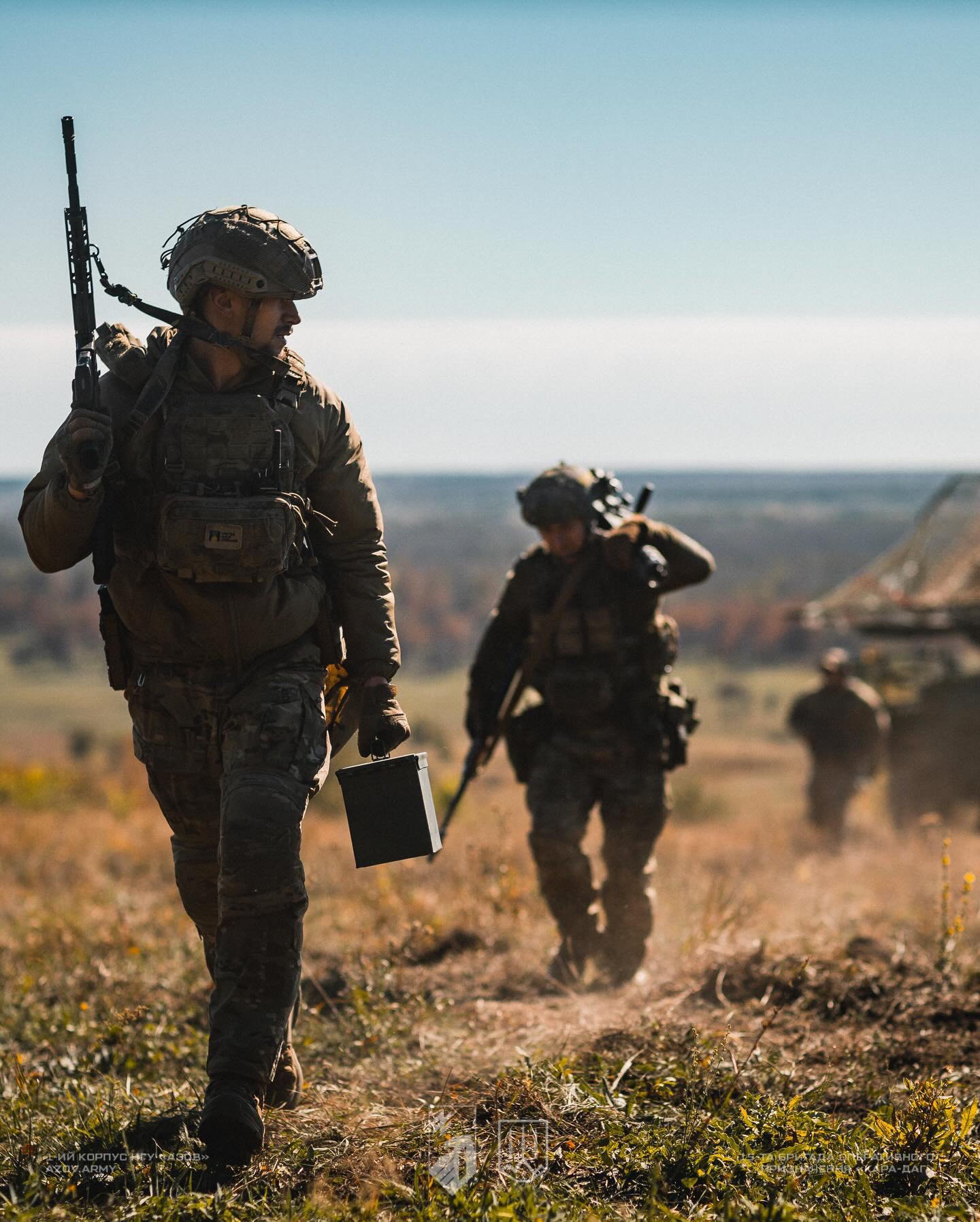
I cannot say that I experienced particular difficulties in combat or other extreme situations. The first serious episode was probably tense, but training played a decisive role. We prepared thoroughly for the BCP course, completed it, and then spent considerable time working on coordination within the unit. We had the time, the space and the opportunity to prepare intensively. When we entered our first engagement, I felt confident.
I knew I could rely on my comrades, because I had seen them acquire the same knowledge. Many were stronger than I was in certain areas, and I continue to learn from them. That mutual trust gave me strength.
When we later encountered genuinely difficult situations, we simply did what had to be done. I often draw a parallel with civilian life: when people experience accidents, injuries or other extreme events, they do not fully process them at the time. The realisation comes afterwards.
In combat, the crucial thing is not to freeze in fear. Knowledge gives you that resilience. You act in accordance with what you have been taught. In the moment, there is no space for horror or panic — only the clear execution of necessary actions.
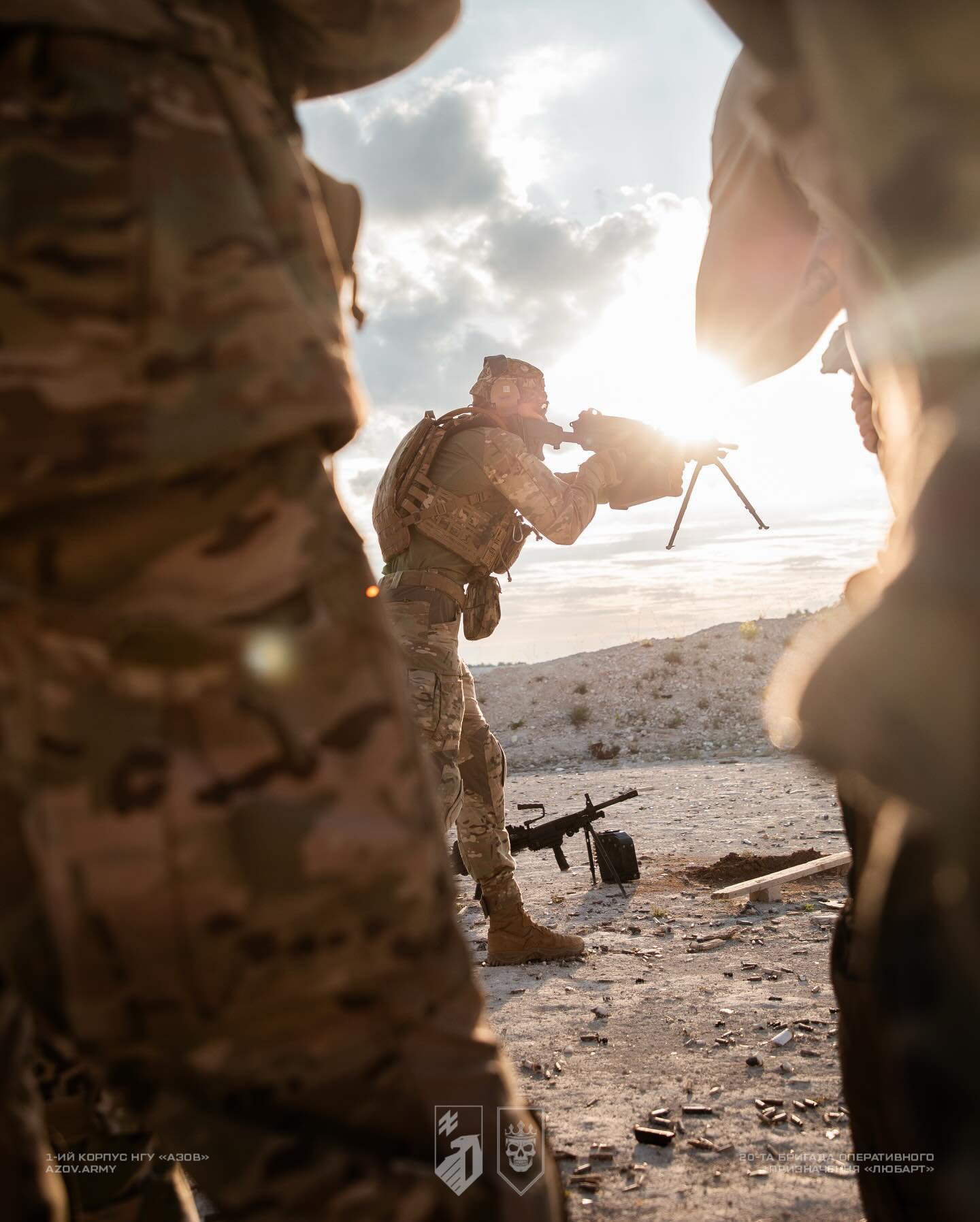
I consistently told my soldiers to wear ear protection and protective goggles — because in a confined space much lies beyond your control. As one American infantryman once remarked, “No matter how well trained you are, if you’re shot down in a helicopter, it doesn’t matter.” In other words, there is always an element of fate in war. But what depends on you — your skills, understanding and knowledge — helps to overcome fear.
In your view, how have Russian forces improved in their use of drones and warfare more broadly? Has the balance of power shifted? For instance, it is often said that in artillery we have largely caught up with the enemy and that the situation is no longer as dire as it was at the beginning of the full-scale invasion. What about drones?
This is no longer my primary area of responsibility. I worked extensively with drones in the past, but the system evolves extremely rapidly. I try to follow developments, though I cannot offer a fully objective assessment. Undoubtedly, we are frequently the initiators of innovative solutions and capabilities, yet the enemy is also developing actively.
I recently spoke with a long-standing colleague who now holds a senior role in the field of interceptor drones. He described new enemy fixed-wing drones, referred to as “evaders” — technically advanced systems that manoeuvre actively during flight. They are equipped with devices capable of detecting approaching interceptors and initiating evasive manoeuvres, which significantly complicates attempts to strike them. In short, the enemy adapts quickly and learns from experience.
At the same time, they operate something akin to a “caste system”: narrowly specialised personnel are trained, preserved and allowed to work in their field for extended periods. These specialists are generally well prepared. Infantry, by contrast, is often employed as a mass resource — numbers sometimes compensate for shortcomings in quality.
Regarding artillery, the enemy typically possesses greater resources but demonstrates less accuracy and effectiveness. Over time, you begin to understand the mechanics of shelling — the so-called “bracketing” — anticipate where rounds will land and manoeuvre accordingly to move out of the impact zone.
Our resources are more limited, which imposes stricter requirements for training and precision. Processes must be refined so that targets are struck with the second or third round. This ensures high efficiency. It is for this reason that our artillery has long been associated with greater accuracy.
Subjectively, from the perspective of an infantryman, the beginning of the full-scale invasion felt in some ways easier — at least because distances were shorter and the character of combat was different. We were well trained and felt our own strength and capacity to influence events directly. During assaults or when repelling attacks, much depended on personal actions, preparation and resolve.
Now, direct contact occurs less frequently — the nature of combat has transformed. There is more infiltration, clearing operations and reliance on drone-derived intelligence. There is a constant sense that everything within the combat zone poses a threat. It has become less about classic engagement, where individual qualities are decisive, and more about survival.
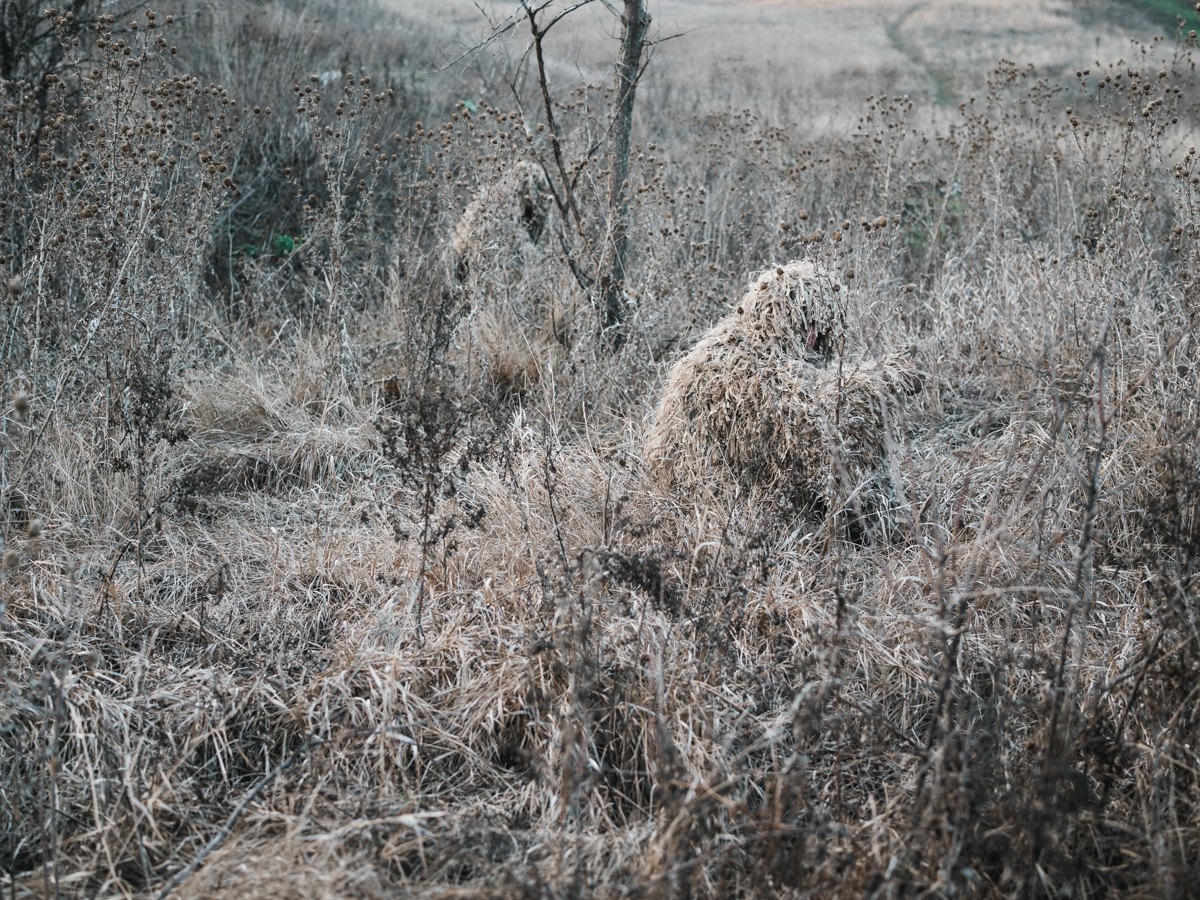
Of course, we continue to develop our counter-drone capabilities. New tools are emerging, and training is constantly improving. Yet camouflage has come to the forefront — the ability to reach a position unnoticed. I have always told my soldiers: if your camouflage is effective, you may not even require additional cover.
The shortage of infantry is the main challenge of this war
I have read that there is an infantry shortage of around 40 per cent. Would you agree with that figure?
I cannot provide an objective assessment, as this does not fall within my direct area of responsibility. However, there is indeed a shortage of infantry personnel. It is the most demanding role on the battlefield, and the longer the war continues, the more exhausted society becomes. As a result, the number of volunteers declines.
The composition of human resources is also changing. Many of those who were internally prepared and motivated to enlist did so earlier in the war. Now, in my view, there are more young volunteers — people who are only just reaching the point of maturity at which they are ready to make such a decision.
What does the Defence Forces most urgently lack today: the number of drones, their quality, artillery, or something else?
This is not a matter I am in a position to evaluate comprehensively. I do not serve at headquarters level and therefore do not have full visibility of supply chains or operational planning. However, based on my own experience working with drones and on conversations with colleagues who remain active in this field, the key issue appears to be the speed of response within a competitive environment.
We have a significant number of manufacturers, some of whom produce equipment of very high quality. The challenge lies in establishing an effective mechanism for identifying and scaling up those solutions that demonstrably deliver results. This requires the systematic collection of feedback from units with proven operational effectiveness, so that support is directed towards manufacturers whose products perform best in real conditions.
At present, units are able, to some extent, to procure necessary equipment independently, receiving designated funding for that purpose. The model of state support in this area has evolved.
Nevertheless, the war is transforming rapidly. Drones are continuously being modernised, and without systematic state backing for manufacturers capable of responding quickly and demonstrating the effectiveness of their innovations, it becomes difficult to meet operational demands in full. These are complex processes that require difficult decisions, and I would not presume to offer definitive solutions as to how they should be resolved.
We need to hold out one day longer than Russia
Let us conclude. The information space is saturated with discussions of negotiations: agreements, “peace plans”, meetings and statements. How are such developments perceived by the military? In society, albeit on the margins, there are voices suggesting: “Let us give up Crimea,” “Let us give up Donbas,” “Let us do something so that our boys stop dying and the missiles stop flying.” How do you respond to such narratives?
It seems to me that those who express such views overlook 2014 — Crimea, Donbas and the previous wars initiated by Russia. This would not mark an end. Any territorial concession would not be a conclusion, but rather a new springboard for further aggression.
It might provide a pause, a temporary respite. But I am not convinced that we, as a state, would use that time more effectively than Russia. While the war continues, our capacity to exhaust the enemy is, in my view, greater than their capacity to exhaust us.
In the event of a pause, Russia’s ability to recover, accumulate resources and reassess its tactics may well surpass ours. If we do not bring this confrontation to the point where Russia loses the capability to wage war against us, we risk facing an even more challenging phase in the future — against a stronger and better-prepared adversary.
For that reason, any discussion of a conditional peace must be approached with great caution. It is not a moment at which we can relax or “begin living our best lives”. It would instead be a point from which we must rebuild state institutions, strengthen society and reinforce defence capabilities with even greater speed and consistency.
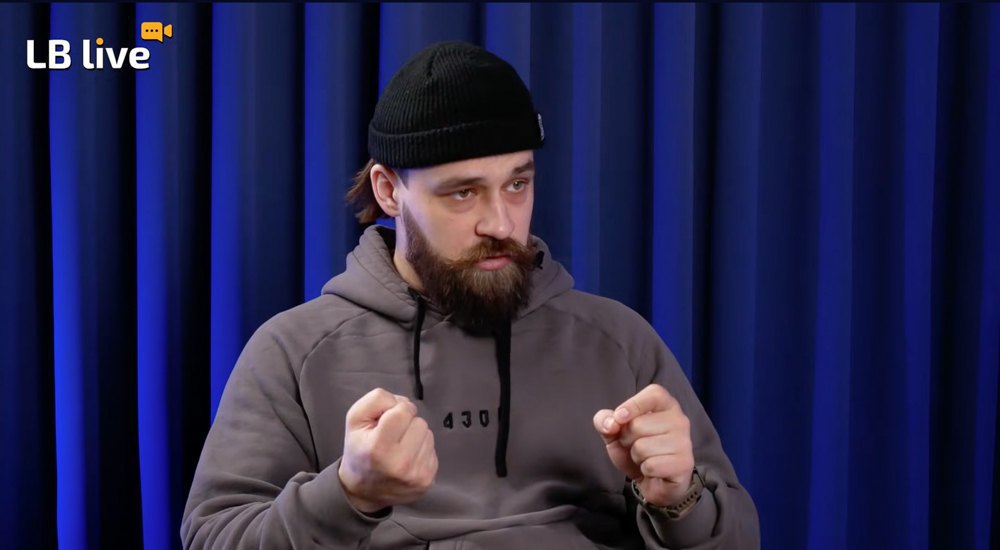
Do you believe we can win?
This is, of course, a personal view — but yes, I do. I believe that the Ukrainian army is currently containing the invasion, preventing further advances into Ukrainian territory, while Russia itself is being gradually depleted — both its military machine and its economy.
The army is bearing the main burden: holding the line, destroying enemy forces and disrupting their plans. Strategically, the objective is to deprive Russia of the ability to continue this war. That system must be brought to a halt. I often say that we simply need to endure one day longer than Russia. As long as its exhaustion continues, we retain the opportunity to bring this struggle to a just conclusion.