





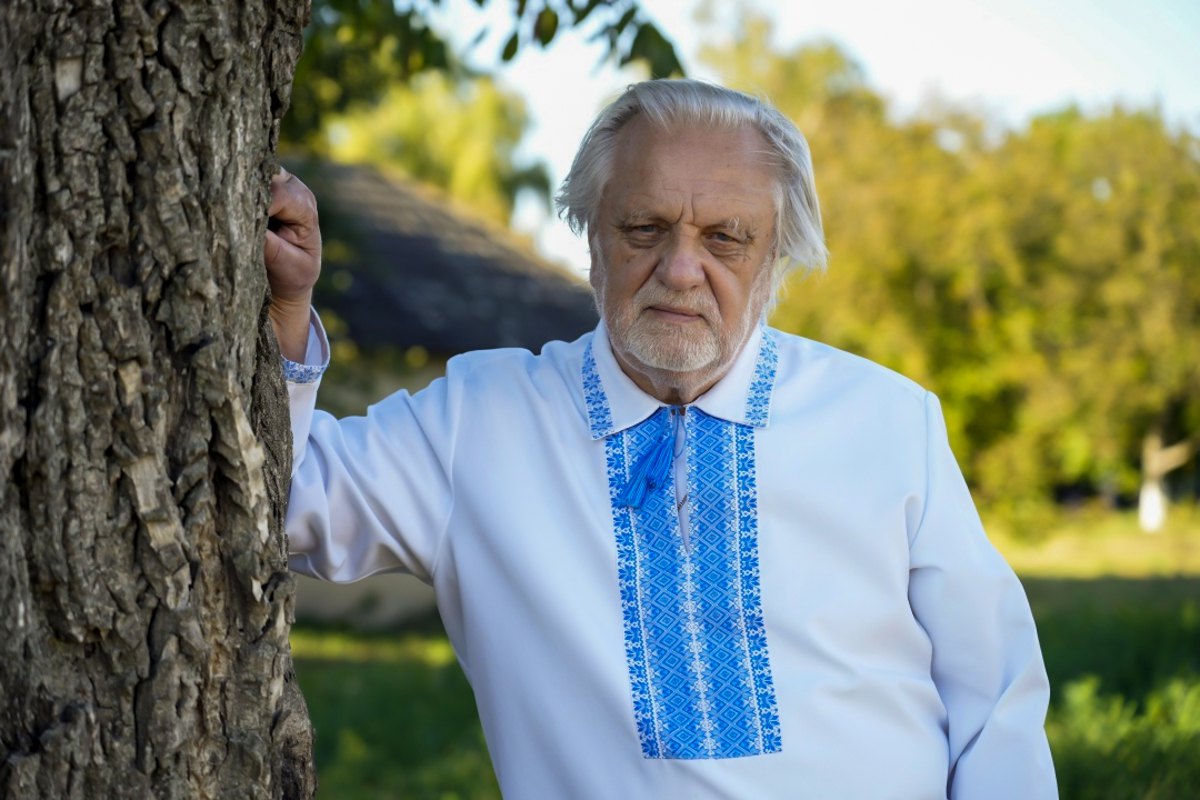
Mr Mykola, we know well what happened within the walls of the Verkhovna Rada on 24 August 1991. Witnesses and participants in the proclamation of Independence left their recollections; books have been written and films made from them. But what was happening at that very time in Kyiv’s “parliament” — the city council?
Let’s start with what the city council was like back then. It was quite large. Today there are 120 deputies there, but in my day there were three hundred. There were plenty of Communists among them, but at the same time a core of roughly a hundred national democrats formed. This grouping was called the “Democratic Bloc”, and it included representatives of the People’s Movement of Ukraine, the Ukrainian Language Society, “Green World” (a Ukrainian environmental association founded in 1987; at the time, civic organisations had the right to nominate candidates for deputy, — Ed.) and other organisations. I, by the way, ran on behalf of “Green World”, although I was not a member. They practically talked me into becoming a Kyiv City Council deputy, even though I refused and said my time as a Kyivan had been short… But back then human rights defenders — and I was a member of the Ukrainian Helsinki Union — had such authority that I won the election in the first round (in the 1990s, local and parliamentary elections were held in two rounds if a candidate did not win more than 50% of the vote, — Ed.).
Were there other representatives of the UHU in the Kyiv City Council?
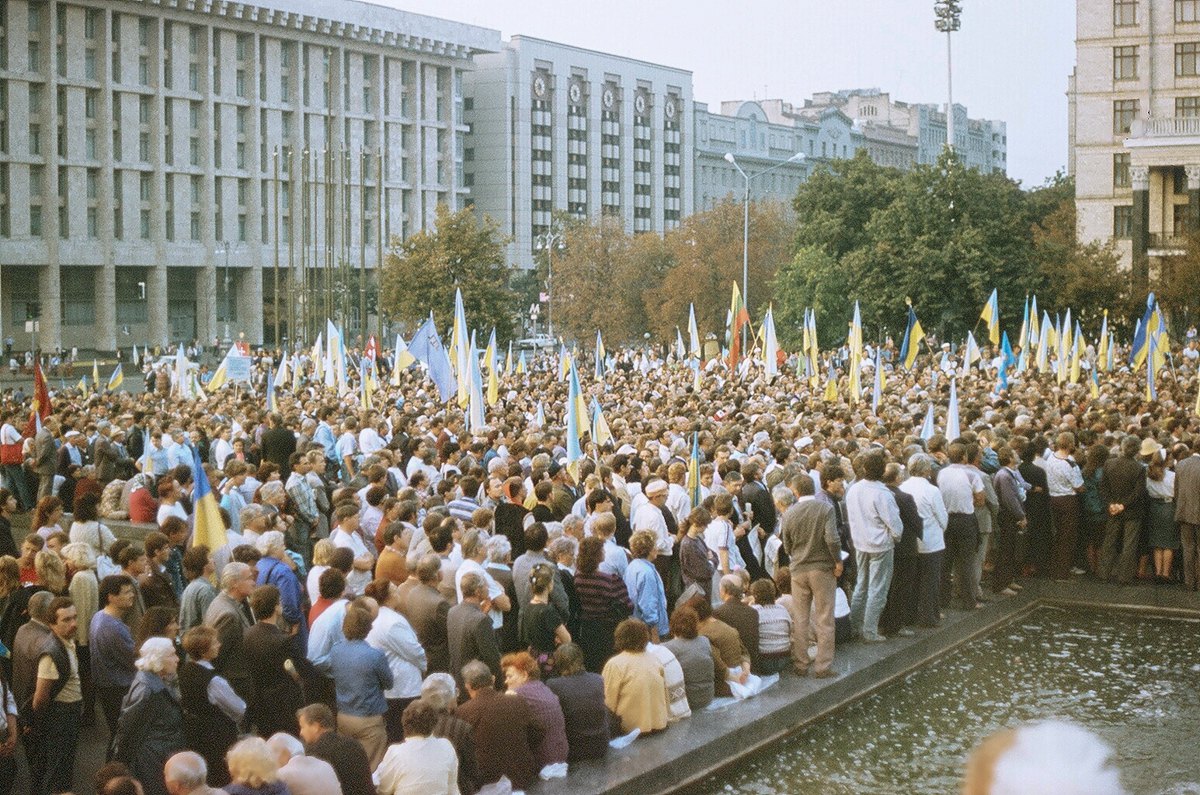
Up to about ten. More important was that we had our DemBloc. And alongside it, the Communists — even though there were more of them — were frightened after the Moscow putsch and kept quiet. And it was precisely thanks to the DemBloc that on 26 August 1991 we renamed the former October Revolution Square as Independence Square. There’s your answer to what was happening within the walls of the Kyiv City Council. Change was happening. We secured the dismantling of the huge Lenin monument that stood on the Maidan.
Read also“Blockheads from the Communist Party”, “Soviet doughnuts” and Stretovych’s sofa: how the 1996 Constitution was adopted
And a year earlier — on 16 July 1990 — we raised the blue-and-yellow flag over the Kyiv City Council, which at that time had not yet been legalised by the Verkhovna Rada. That day the Verkhovna Rada of the Ukrainian SSR adopted the Declaration of State Sovereignty of Ukraine, so we acted in unison. It was an interesting time, and I’m glad I was involved.
But then you learn on 19 August 1991 that there is a putsch in Moscow, the “State Committee on the State of Emergency” and an attempted coup. Gorbachev has been detained in Foros, and the whole country is threatened by a comeback by old-school Communists. What did you do?
We immediately issued an order to seal the building of the Kyiv City Committee of the Communist Party of Ukraine and the Central Committee of the Communist Party of Ukraine. And so we gained access to all their documents. And when the Verkhovna Rada proclaimed independence, we rejoiced. We rejoiced sincerely.
The Mayor of Kyiv at the time was Hryhorii Malyshevskyi. He is 90 now. To find out that name, I had to peek at Wikipedia, and it’s so strange: Kyiv is being shaken by incredible events, yet you neither hear nor see the mayor…
To be honest, I don’t remember him. And not even because 35 years have passed, but precisely because he did not show himself in any way. Besides, Kyiv was in fact run then by a collective body — the presidium of the Kyiv City Council. When there were no plenary sessions, it was the presidium that made decisions. By the way, it included “our man”, a member of the UHU and founder of the All-Ukrainian Society of Political Prisoners and the Repressed, Yevhen Proniuk. He and I served our sentences together in a camp in the Urals. Yevhen died in 2023, also in August…
You mentioned raising the national flag in 1990. That year two other landmark events took place: the “chain of unity” between Kyiv and Lviv, and the student revolution. The Communists of the time, however quietly they sat, didn’t they say that all this “outrage” should be broken up?
No. Any use of force could have been carried out by the Ministry of Internal Affairs, and it was subordinate to the central authorities. In any case, the Kyiv City Council supported Gorbachev’s perestroika, and he had set a course towards democracy… I myself took part in the “chain of unity” as a member of the Ukrainian Republican Party, and the idea of the action belonged to the People’s Movement and Mykhailo Horyn.
During the “Revolution on Granite” you had a poignant story involving your camp trousers…
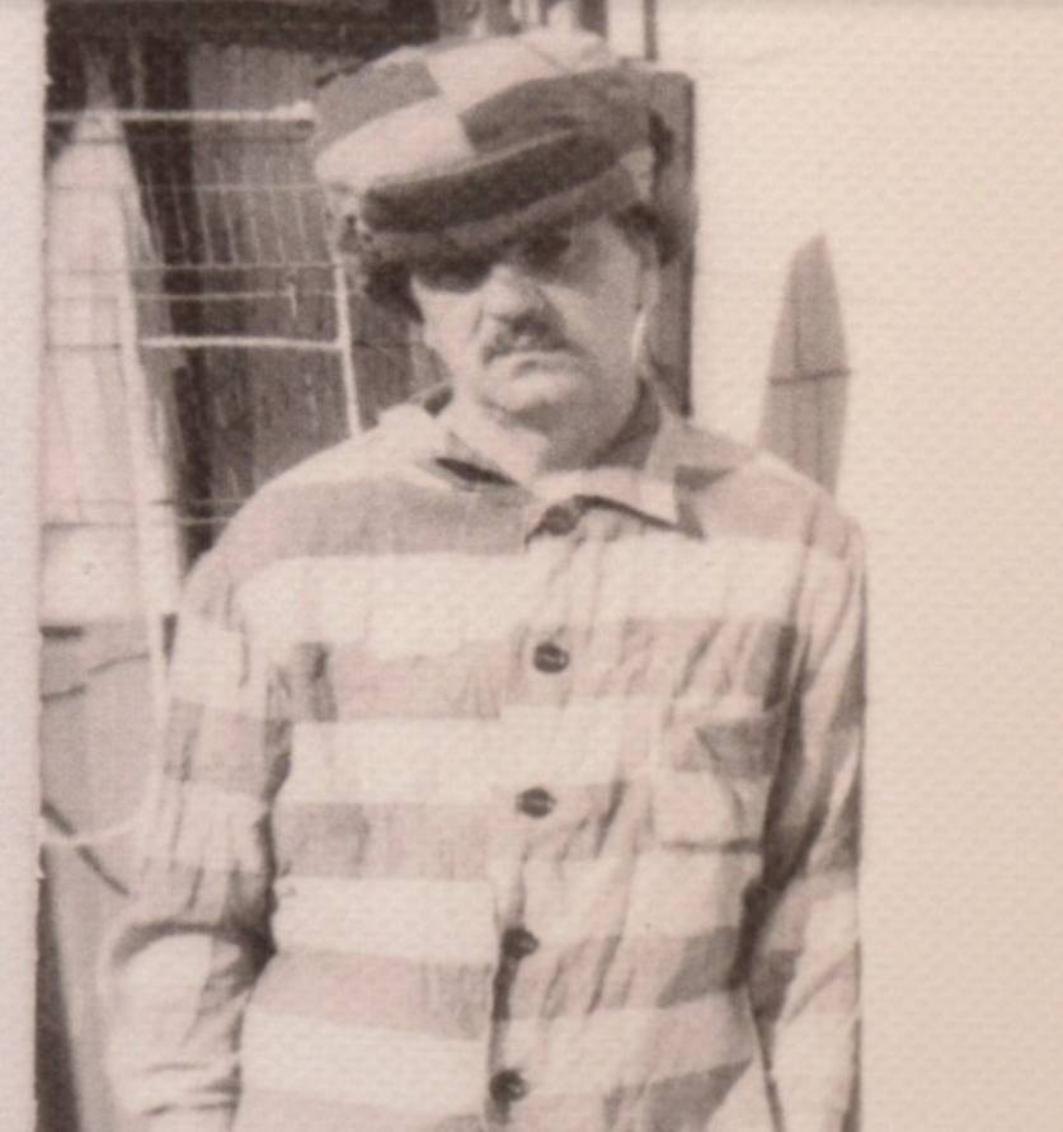
I gave them to Oles Donii. Because I went to the Maidan then, supporting the young people… And do you know where those trousers came from? I served my second sentence, but they did not release me — they immediately gave me a third term, convicting me as an “especially dangerous repeat offender”. And Olia, my wife, sewed me padded trousers so I could wear them in the camp. But I didn’t have to wear them: we had our own “style”, striped clothing…
Like in Nazi camps?
Almost. Not all prisoners and not everywhere, but as I said, the “especially dangerous” were dressed that way (in his memoirs Yurii Shukhevych, son of UPA commander-in-chief Roman Shukhevych, also mentions prisoners’ striped uniforms, — Ed. ). So my trousers lay for several years somewhere in prison caches while I was inside. And they were brand new. That is, when I gave those trousers to Donii, nobody had worn them before him… And the lads on the Maidan were lying and sitting on cold granite slabs, so I brought them those trousers and a pea jacket (my wife sewed that too) and said: take them, keep warm… That’s how I met Donii, by the way.
“I Was Tried for ‘Anti-Soviet Agitation and Propaganda’”
Your first arrest happened in 1970. You began telling your students about Ukrainian artists shot in the 1930s. Was that a conscious stance (meaning you knew what you were getting into) or simply carelessness? Or faith in the Khrushchev Thaw, which, however, had come to an end?
Part of the intelligentsia really did believe in change after the 20th Party Congress (it took place in February 1956, when Khrushchev delivered the report “On the Cult of Personality and Its Consequences”, which condemned Stalin’s mass terror, — Ed.). Alla Horska, Les Taniuk and Vasyl Symonenko visited Bykivnia for the first time then and spoke about the burial there of thousands of victims of Stalinist repression. So yes, many people felt that something had to be done, that they had to speak out… That is how the Sixtiers movement emerged.
As for me, in 1963 I graduated from the music department of Chortkiv Pedagogical College. And that same year I began working as a music teacher in the town of Borshchiv in the Ternopil region. I was young, uninhibited, and read a lot of what circulated hand to hand — later it would be called samizdat. And I began talking about it to the students at the technical college where I taught, reading them poems by Symonenko and Mykola Kholodnyi, which already had a clear civic resonance. I said: “Lads, once you get an education and go back home, you should tell the villagers about this too — so everyone knows who we Ukrainians are, and what we have lived through.”
Read alsoMyroslav Marynovych: “This year’s cardboard protest, unlike last year’s, failed to stop in time”
And someone, of course, informed on you.
My lectures for the students were no secret… I was even offered to give an open lesson for aesthetics teachers from the whole region. And I agreed. I prepared for that lesson… At the time I did not yet suspect it was a KGB scheme and that there were no teachers at that lesson — it was all KGB men sitting there.
A few days after that I was summoned to Ternopil supposedly for a seminar for teachers that was to take place at the music college. On the way to the college, burly men twisted my arms, threw me into a car and took me to the regional KGB directorate. And I walked free seven years later…
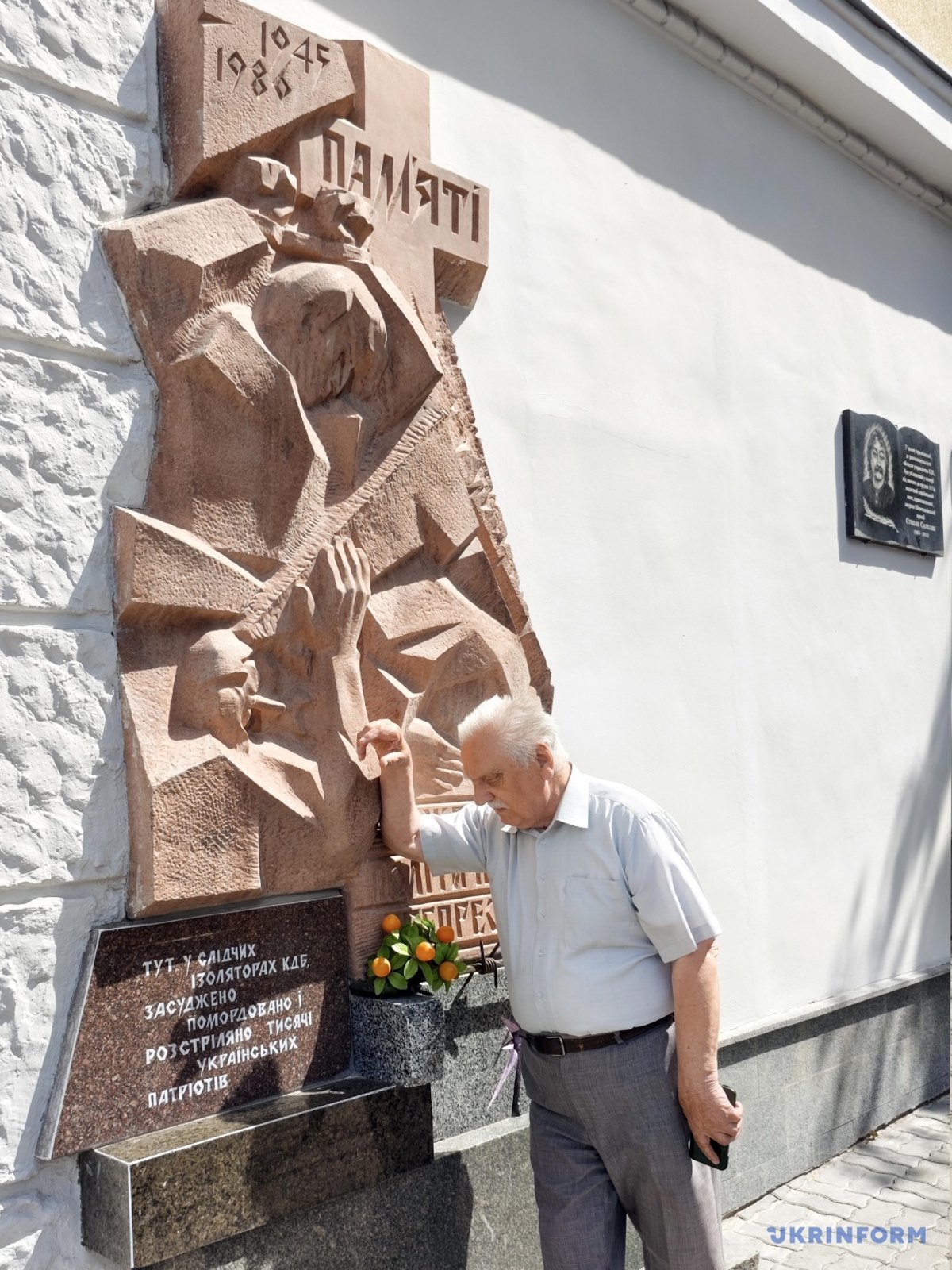
In 1994, when I was already an MP, I once picked up a telephone directory. I look — the Ternopil KGB directorate, now the SBU, is located on Stepan Bandera Street. I thought: what an irony of fate. I called them, introduced myself and said I wanted to see the investigator Hryhorii Bidovka, who handled my case. They started wriggling: “He’s already retired, he’s had a stroke… But if an MP insists, then of course…”
They arranged a meeting. Bidovka supposedly did not recognise me, but I held out my hand and gave my name: “Mykola Horbal.” He was flustered. And I said I bore him no ill will, because I met the best people in Ukraine in prison — that is, thanks to him. “Another matter,” I continued, “is that you would have liked me to die there, in the camps. But besides the KGB, there is also God in heaven.” Then I pointed to the trident on their uniform and said: “You broke lads’ backs for that.” At that he was completely abashed, the poor fellow…
And how did that meeting end?
I suggested we write a book together. And he said to me: “Oh come on, Mykola Andriiovych, I’m not a writer.” He meant he had no talent for writing. I replied: “Don’t be disingenuous! I read your search report, carried out in my mother’s village when you turned everything upside down. It’s very vividly described. Now sit down and write why you grabbed a man who had done nothing wrong. And I, for my part, will describe what I went through over all those years in the camps. The nation needs consolidation now, so let it become clear who was interested in making one Ukrainian hate another Ukrainian.” In the end he gave me his phone number. But I got caught up in things and never called. And later I was told he had died.
You shouldn’t have shaken his hand…
I had to greet him. And then, as I said, in prison I really did meet people who were very important to me. I can’t even imagine what I would have been like if I hadn’t met them.
Read alsoMykola Zhulynskyi: “I am convinced there will be no comeback by pro-Russian forces. Ukraine is already the winner”
You served your first term — seven years (five years in camps and two in exile) — and were released in 1977. Two years pass, and you are tried again, this time for attempted rape. What was that?
It was standard KGB practice. If a political prisoner came out without repentance, they would pin a purely criminal charge on him. To humiliate him, to trample his dignity… They accused me and Viacheslav Chornovil of attempted rape, Vasyl Ovsiienko of hooliganism…
Stepan Khmara — of illicit enrichment…
Yes… And on that second charge I got another five years. And the day before my release — a new accusation. And I realised I would not get out of there alive. Vasyl Ovsiienko also did not get out of the camps, having served three years for allegedly tearing off a policeman’s button. Nor did Olha Heiko, the wife of Mykola Matusevych…
Wait, but you were already in prison. How could you commit a new crime while you were there?
The third time I was tried for “disseminating slanderous fabrications that defame the Soviet state and social system”. Yosyp Zisels also received a new term under that article… You ask what new crime I committed? The “crime” was that my book “Details of the Hourglass” was published in America. And in Paris, in “Ukrainian Word”, my essay about being in the camp. And in London my article “The Right to Defence” was published.
How did you manage that?
In a camp where political prisoners are held, it is very difficult to get anything out. But in a criminal camp it is much easier. I worked in a granite quarry; vehicles were going back and forth, and you could pass something along… So I passed it out. And the day before my release they locked me in a cell. I started banging on the door and shouting: “I’m getting out tomorrow, why have you locked me up?” Because the rules were that someone due for release did not work in the last week — they got used to life in freedom.
So I’m banging, and some man comes. He says: “I’m the regional prosecutor.” Then he points to a newspaper with my article: “What’s this?” “My article,” I say. And he says: “I crawled on my belly to Berlin so that some scum could shame us before the whole world?” And I realised there would be no leniency. They sentenced me then to another eight years’ imprisonment and three years’ exile. So in total I was supposed to serve twenty-three years, but I served only sixteen.
Read alsoMykola Riabchuk: “The authorities’ mistake was not announcing universal military service in 2022. Everyone should have been mobilised”
“Ivan Dziuba Wrote His Clemency Petition, But He Did Not Set Anyone Up, Let Anyone Down, or Slander Anyone”
I was struck by the story of your mother, Teklia. She finished only one year of school and could barely write. But she ‘got the hang of it’ when she sent you letters to the camps. Did your parents take your arrest hard?
My father was no longer alive then. And my mother — yes, the whole burden of my imprisonment fell on her alone. To encourage her, I wrote a song for her. And I sent the lyrics in a letter. They went like this:
Oh, I am so rich now, Mum,
Even if I’m in prison!..
Why the tears? Don’t, please!
Everything dearest, Mum, is with me.
Blindly, in a haze, I searched for a way out,
For I was already choking, I couldn’t breathe.
All I managed was to spit in the idols’ faces
For myself, for you, for all who were deceived.
I managed to pass that letter out through a soldier from the convoy troops. He turned out to be a decent lad. I asked: “Drop it somewhere outside the zone into a postbox.” And he did. Just in case, I addressed the letter to an acquaintance in a neighbouring village, asking him to take it to my mother. And soon my mother wrote to me: “Mykoliu, don’t write anything like that there, because they will never let you out of that prison.” It turns out that with that song I didn’t comfort my mother or cheer her up — I worried her even more. The one consolation is that she did receive the letter.
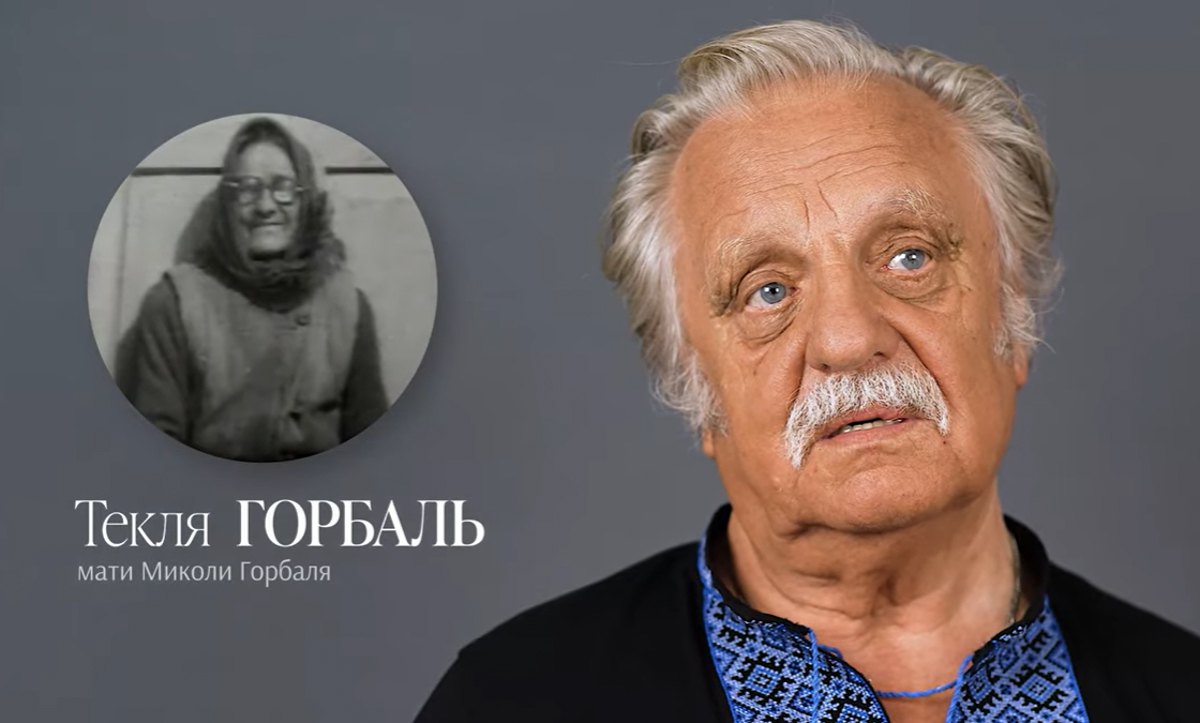
…My mother was born in 1906. In 1913 she started school in a village in the Lemko region, but the First World War began and the school was closed. So she did not write very confidently, but she could read, because my father Andrii Horbal had some education and “brought her along”. And in general the village of Volovets, where I was born — now it is Poland — was mostly Russophile. By God’s grace and thanks to my parents, I still grew up Ukrainian.
It seems to us now that the full-scale war has been going on for a long time — four and a half years. You served sixteen. And you did not break. But there were also those who gave in to KGB pressure, repented or asked for clemency. For example, Ivan Dziuba, the author of the well-known work “Internationalism or Russification?” We — those who have not been through years of imprisonment — have no right to judge such people. But you do. Do you judge them?
Ivan Dziuba and I had a good relationship. His book was a success; it circulated hand to hand. Later it was translated into various languages. So he did a great thing… We knew Ivan had been sentenced to five years, and we were already expecting him in the camps (in 1973 Ivan Dziuba was sentenced to 5 years’ imprisonment and 5 years’ exile, but he appealed to the Presidium of the Verkhovna Rada of the Ukrainian SSR for clemency, — Ed.).
I may be mistaken, but it seems to me that Ivan Dziuba’s wife influenced his clemency petition. The KGB often used relatives to pressure prisoners, especially if they had illnesses, and Ivan had an open form of tuberculosis.
Yes, it is known that the mother of Valerii Marchenko, who had kidney disease, was forced to persuade her son to repent…
You see, Ivan Dziuba wrote his clemency petition, but he did not set anyone up, let anyone down, or slander anyone. But there were those who wrote repentant statements and, in them, drowned other dissidents. I would not shake hands with such people.
Who, on the other hand, inspired you? Who influenced you most?
Ivan Svitlychnyi (1929–1992, an unquestioned moral authority among political prisoners; Vasyl Stus wrote of him: “Everything best in me is Ivan”, — Ed.). If not for my imprisonment, I would hardly have met such a person. I consider Svitlychnyi not just an outstanding man, but a kind of mystical phenomenon. The KGB called him “the father of Ukrainian bourgeois nationalism”, even though this “father” was born in the Luhansk region to a family of collective farm workers.
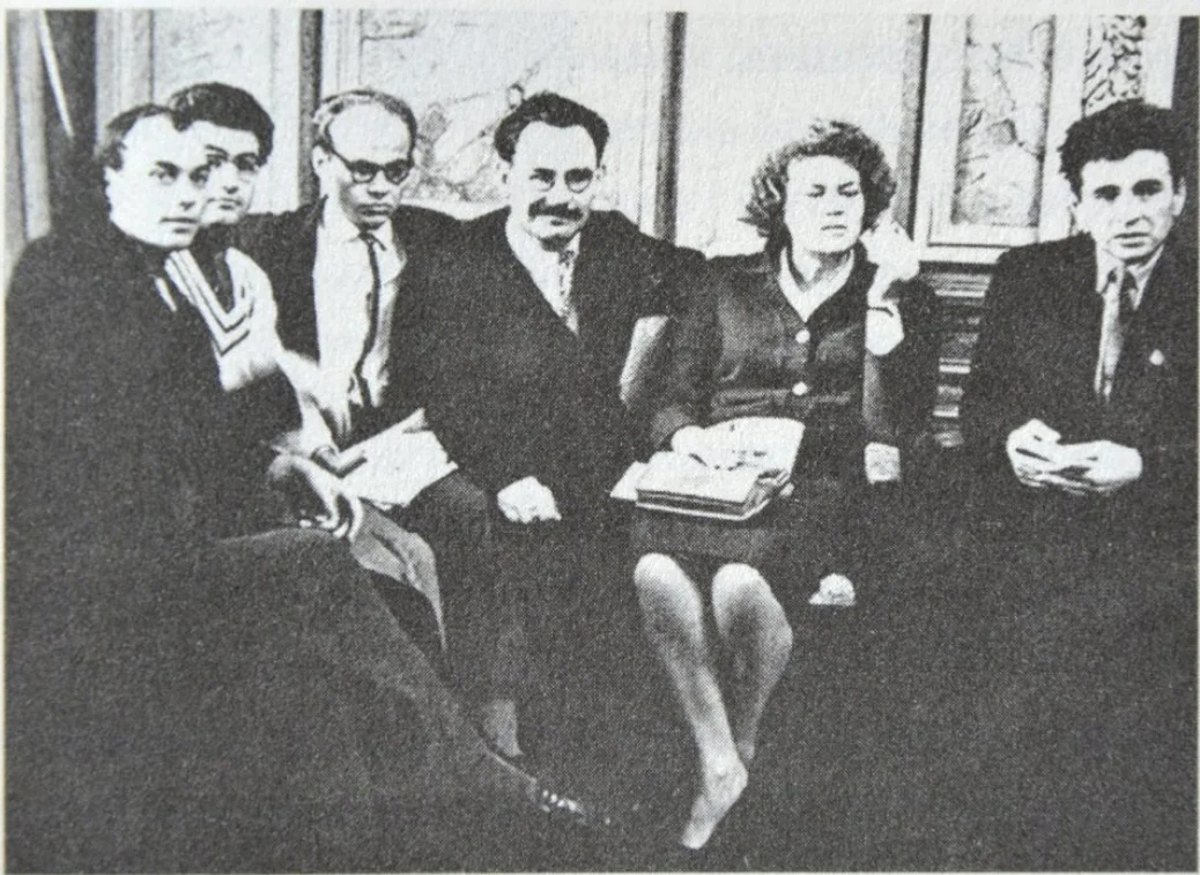
I wrote the book “A Presentation of Life” about the Svitlychnyi family — about Ivan, his wife Leonida and his sister Nadiia. And it contains a unique photo where, next to Ivan, sit all those who would later be called the Sixtiers: Ivan Dziuba, Yevhen Sverstiuk, Lina Kostenko… You know, when a nation is in hardship, God sends it the people it needs. That is the kind of person Ivan Svitlychnyi was.
It gives the impression that only Ukrainians fought against the Soviet system…
For the most part, that’s how it was. In the camps where I was, up to 80% of the prisoners were Ukrainians. Mostly lads from the UPA. There was a tradition in the camps of introducing yourself, stating your surname and your term. Someone, for example, says: “Dmytro Verkholiak, 25 years” (a UPA member, 1928–2016, sentenced to death, which was commuted to 25 years’ imprisonment, — Ed.). Or: “So-and-so, 20 years, 15 years…” And I had only five years in camps! It was almost embarrassing. I walked around thinking: “Couldn’t they have given me more or what?” (laughs).
I wrote down their stories, which is why Semen Hluzman started calling me “the camp scribe”. And then I passed those notes out, and they were read on Radio Liberty.
1937 is called the year of the Great Terror, but 1972 was not far behind. That year, expecting an influx of Ukrainians (again, Ukrainians!), the USSR authorities began expanding the penitentiary system and building new camps in Siberia, right?
Yes. Only not in Siberia, but in the Urals. They built three new “political” camps… In one of them I crossed paths with Ivan Svitlychnyi, and there we were also waiting for Ivan Dziuba, but he never came. Well, the man “repented”. And in doing so he crossed himself out… By the way, Yevhen Proniuk, whom I mentioned, also had poor health, but he served 12 years and endured it all.
You were kept in prison until August 1988. Gorbachev’s perestroika was already in full swing, yet you were still inside. Why?
They released people slowly. They released Mykhailo Horyn — that was 1987. In my cell I learned about a huge rally in Lviv, when it was announced that the Ukrainian Helsinki Group was becoming the Ukrainian Helsinki Union — and that was already 1988… By the way, in the last camp where I was held — in Perm region — there were only 24 prisoners left. Levko Lukianenko, Mykhailo Horyn, Vasyl Ovsiienko, Ivan Kandyba… In Moscow they called that Perm camp “the camp of death” — Valerii Marchenko, Vasyl Stus and other Ukrainian prisoners died there.
Read alsoBishop Borys Gudziak: “There are no metaphysical guarantees of victory. But we cannot lose the war”
So is it true or a tall tale that Ronald Reagan personally raised your case with Mikhail Gorbachev? In principle, you were known in the West…
What is true is that when meeting Gorbachev in 1988, Reagan said: you boast about your democracy and glasnost, but you still have people imprisoned under political articles. Gorbachev began to deny it. But Reagan had a prepared list of the names of those still inside, and he began reading it out. That’s what witnesses said.
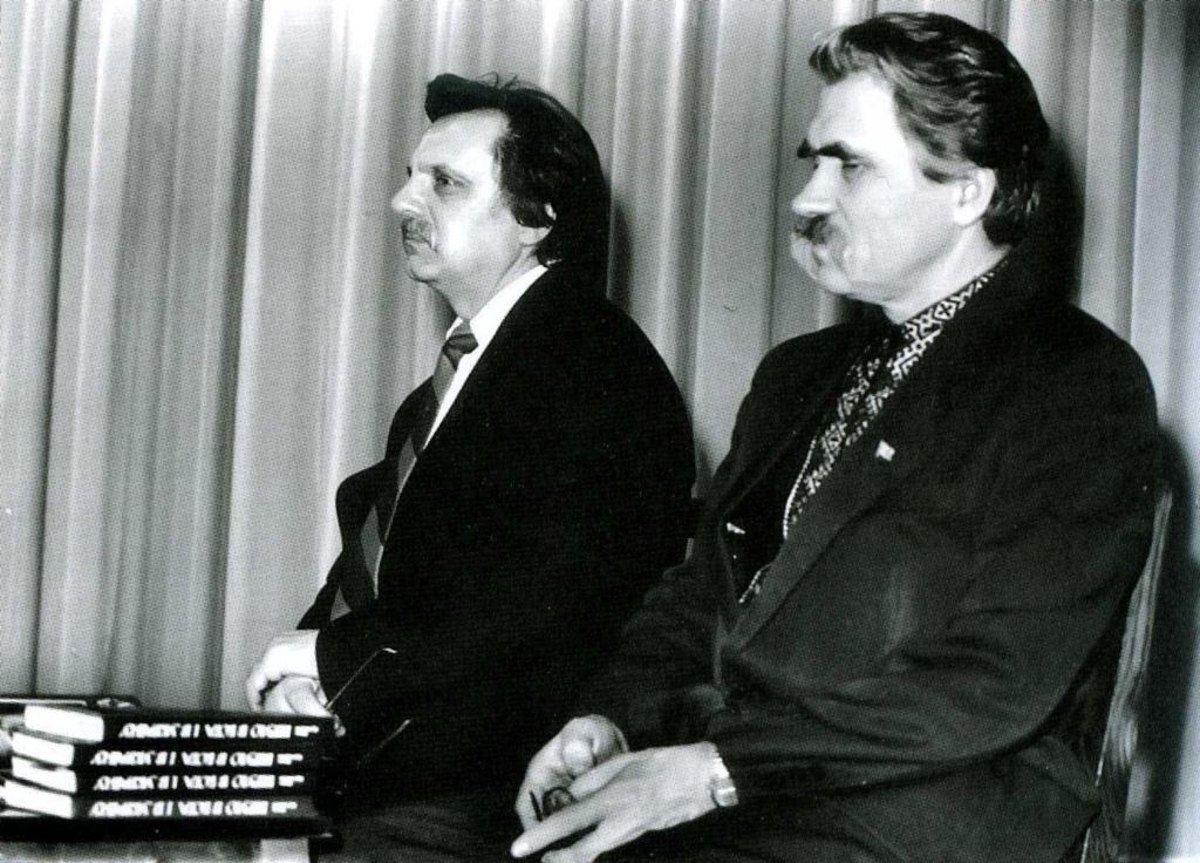
I was released by a decree of the Presidium of the Supreme Soviet of the USSR on 12 August 1988. That same day, Ivan Kandyba, Vasyl Ovsiienko and I were transferred from the camp to the prison in the city of Perm. Then each of us was flown separately to Ukraine. So 23 August 1988 became a special day for me: in the morning I was still eating prison gruel in the Perm jail, and by supper I was already at home in Kyiv.
“I Always Knew Muscovy Was Our Existential Enemy, Constantly and Relentlessly Destroying Us”
You are a Lemko. Have you managed to preserve your distinct identity?
I think so. After all, I was the first head of the Lemko society in Kyiv. And we Lemkos are very musical. The only thing was that some of my fellow countrymen sang in the Veryovka Choir, some in the Revutskyi Capella, some at the Opera. And I said: “Lads, we need to unite somehow.” So we created our own vocal group, which sang at the Teachers’ House and even went on tour to Sopot.
My father studied in Przemyśl, and in those days it was a bigger cultural centre than Lviv, because Lviv was thoroughly Polonised. And when we were deported and the train was passing through the Lviv region, my father said to fellow travellers: “People, let’s get off here — there are empty houses over there, we’ll live here.” But our village, as I said, was Russophile, so they nearly chopped my father to death with axes. “Don’t stir people up!” they shouted at him. “We’re going to Russia, because we are Rus’.”
You were five when the USSR and socialist Poland agreed on the forced resettlement of Ukrainians from the Lemko region, Nadsannia, Kholmshchyna and Podlasie — that is, from lands that went to Poland as a result of the Yalta and Tehran conferences. Do you remember that deportation?
Yes, I remember it. My father lifted me up to the window, which was barred. “Look, son,” he said, “that’s the Dnipro.” Because we were travelling to Kharkiv region and were just crossing the Dnipro, and it was important to my father to show me this main Ukrainian symbol. We took with us an embroidered towel my mother had made, and later it framed a portrait of Shevchenko in our home. We spent a couple of years in Kharkiv region, and in 1947 we moved to the village of Letiache in Ternopil region. I finished school there, and from there I went out into the wider world.
Do you place some share of responsibility for that deportation on Poland?
That resettlement was carried out by NKVD troops. They transported us like cattle in freight wagons to the Ukrainian SSR. And the Poles… There were no Poles in our village at all — only Lemkos. But the Poles did not need Lemkos, nor Ukrainians in general — they were glad, so to speak, of the “final solution of the Ukrainian question” on Polish lands. And now some Polish politicians still cannot grasp that if it were not for us, Russian tanks would already be standing near that same Przemyśl.
Did you have a premonition of the “big” war?
I always knew that Muscovy was our existential enemy, constantly and relentlessly destroying us. All the more so because their president is a KGB colonel, and the KGB was the pillar on which the Muscovite imperial regime rested. But never mind — soon they will face the breakup of their empire, their so-called “federation”… What kind of idiots do you have to be, with such a rich land, sitting on oil and diamonds, to ruin your own country and encroach on someone else’s. That greed will be their undoing.
And what will happen to us?
God chose us to destroy this global evil — Russia. Every day I pray like this: “Mother of God, take under your protection, under your mantle, all the soldiers of the Ukrainian army who are defending Ukraine today from the demons of Muscovy; turn away from them deadly bullets, bombs, mines, missiles, because we need them alive to dismantle this demonic empire…”
Yes, many of our lads are dying now. As in all times when we fought against Moscow, including in the days of the UPA. Such is our mission from God — to bury the Russian empire. And the Lord will help us in this, I tell you as a person who believes in God’s power. Everything will be well!