





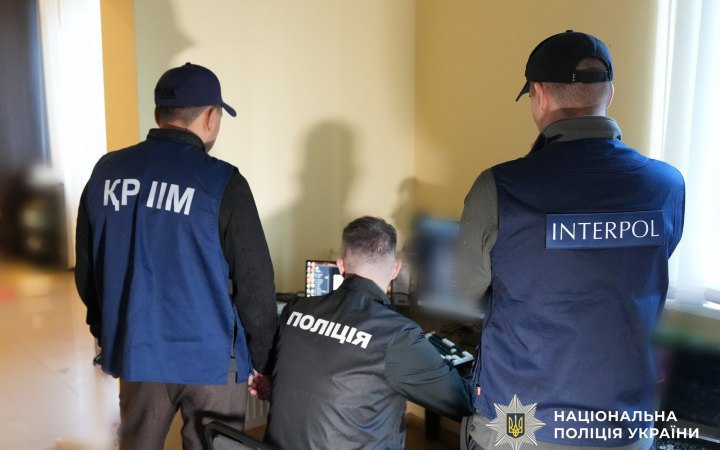
Ukrainian police, together with law enforcement agencies in Kazakhstan and Albania, carried out a multi-level special operation and dismantled the recruitment links of the criminal network known as “Khimprom”. Seven suspects have been detained, and nine people — including the group’s leader and a co-organiser — have been served with notices of suspicion.
The police press service reported this.
Investigators established that a 36-year-old Russian citizen using the alias “Mexican”, who is hiding abroad, created an extensive system for recruiting people to facilitate the illegal drug trade. In effect, the call centres became Khimprom’s staffing resource: through them, the criminal network systematically sought people to work at various levels of the drug business.
Using fake job adverts posted online, operators found and recruited people for specific roles — from HR managers and operators to chemists, stashers, couriers, logisticians, warehouse workers and postal handlers. Inside, a strict control system was in place: for breaking the rules, workers were punished with substantial financial fines, while those who tried to leave the system were subjected to physical violence and unlawfully deprived of their liberty.
Khimprom’s activities were international, so to coordinate the investigation Ukraine set up Joint Investigation Teams (JIT) with Albania and Kazakhstan. Law enforcement identified organisers and perpetrators, recruitment channels, and individuals involved in the illegal drug trade in different countries.
The dismantling of the criminal network’s infrastructure took place in stages.
In August 2025, law enforcement in Ukraine carried out 26 searches of call centres and seized around four thousand items of digital evidence. Analysis of the data obtained made it possible to identify 31 Telegram shops, organisers and perpetrators, as well as hundreds of recruited individuals, whose involvement in the illegal drug trade in Kazakhstan was being established by law enforcement.
In March 2026, Albanian law enforcement sent a criminal case to court involving two Ukrainians who unlawfully held operators from recruitment call centres and used physical force and violence against them.
In May this year, the parties carried out another stage of the international special operation. Police, with the participation of representatives of Kazakhstan’s law enforcement agencies, conducted 70 searches, halted the operation of recruitment call centres in Kyiv and the Kyiv Region, seized 120 items of digital evidence, and identified 27 active members of Khimprom.
In July, a further 15 searches were carried out in Kazakhstan with the participation of Ukrainian law enforcement. Seventeen members of the criminal network involved in drug distribution in the country were detained.
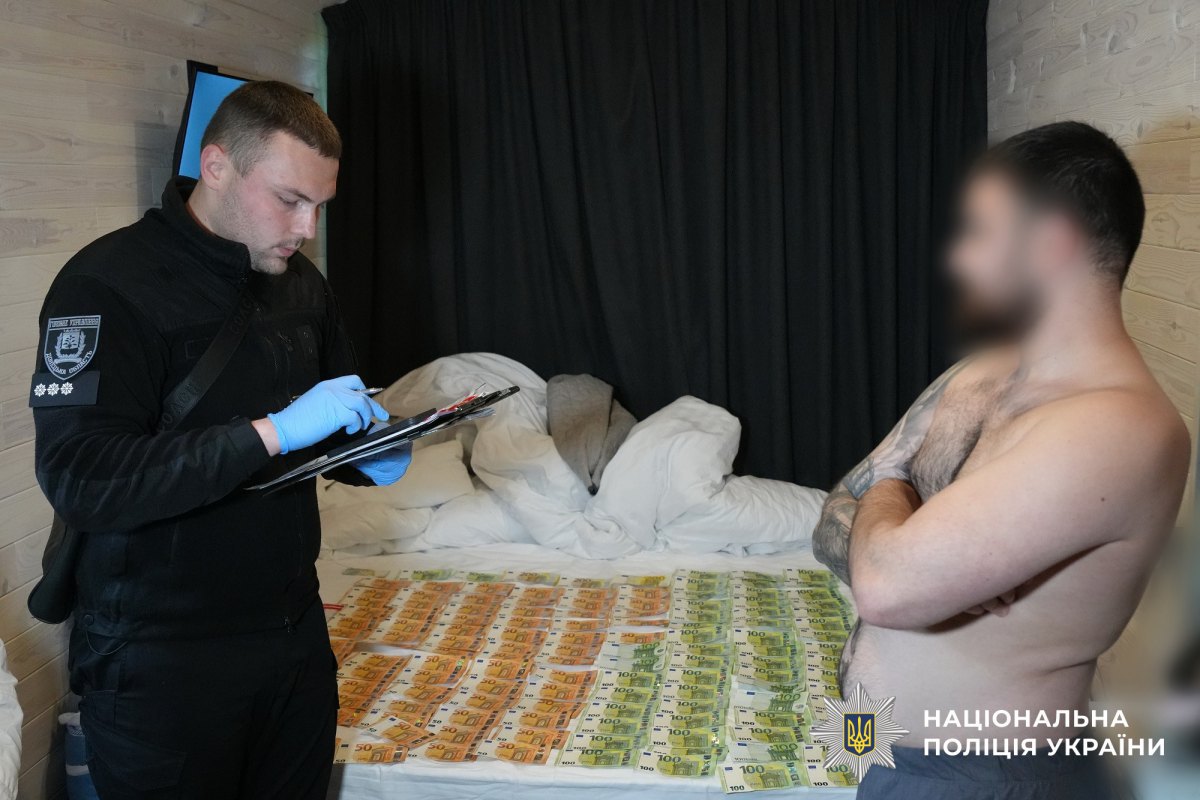
The final stage of the international special operation was aimed at definitively stopping the network of recruitment call centres in Ukraine and detaining its members. Ukrainian and Kazakh police carried out 35 searches at the suspects’ places of residence in five regions and in Kyiv.
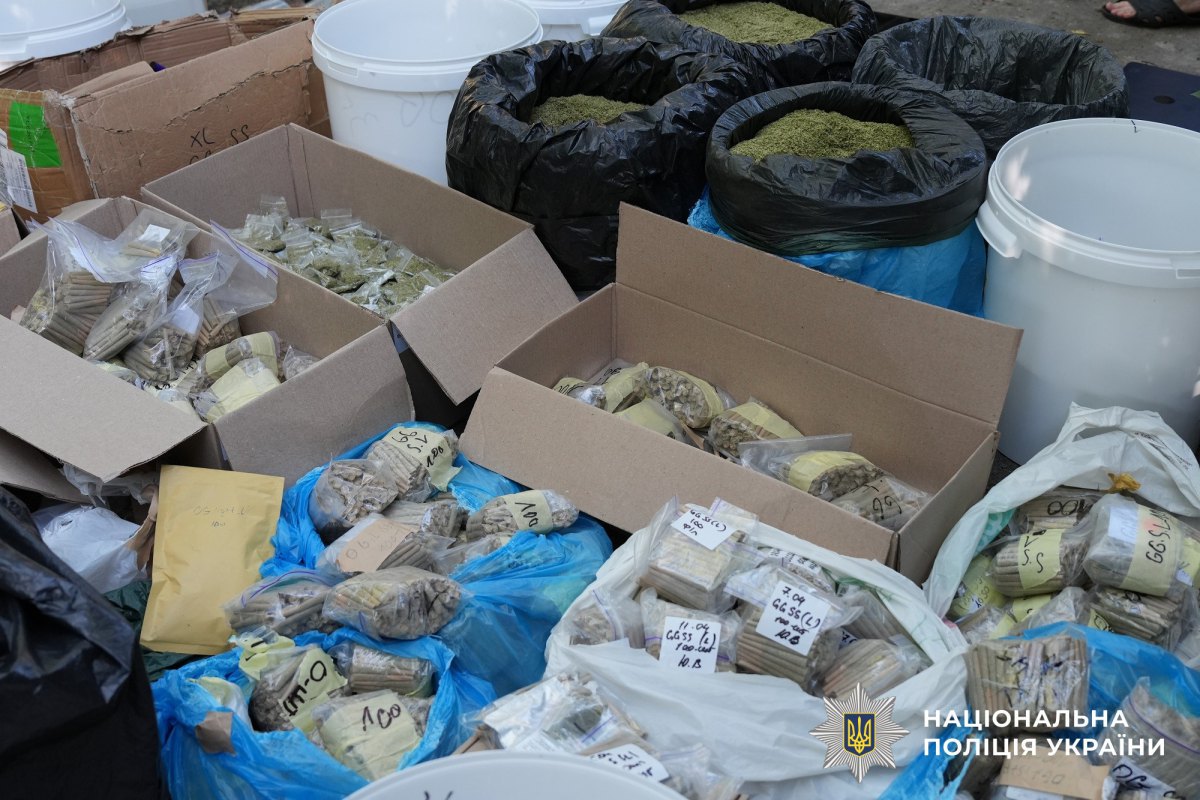
As a result, two recruitment links of Khimprom were dismantled. During investigative actions, digital evidence was seized, as well as drugs and substances used to produce them: 3,600 joints, 24 kilograms of mixture for making them containing the synthetic cannabinoid PINACA, and more than 1,900 pre-packed sachets.
Seven people, including organisers of the illegal activity and recruiters, were detained under Article 208 of the Criminal Procedure Code of Ukraine. Depending on their roles, nine individuals in the criminal proceedings were served with notices of suspicion.
Among them are the leader of the Khimprom criminal network and a co-organiser, who were served with notices of suspicion in absentia:
- under Parts 1 and 2 of Article 255 of the Criminal Code of Ukraine — establishing and leading a criminal network or criminal organisation, as well as participation in it;
- under Parts 4 and 5 of Article 27, Part 4 of Article 28, and Part 3 of Article 307 of the Criminal Code of Ukraine — illegal production, manufacture, acquisition, storage, transportation, dispatch or sale of narcotic drugs, psychotropic substances or their analogues.