





The concept of “partnership” in international relations finally took shape after the Second World War, as a necessary element of peace and economic development. At the time, it primarily meant active trade and joint industrial projects. After the end of the Cold War, states began to favour flexible mechanisms of co-operation in an increasingly interdependent world.
This is how “strategic partnerships” emerged, aimed at mutually beneficial co-operation amid economic globalisation and at countering security challenges and transnational problems. Among the first to announce strategic partnerships were the United States and Turkey, China and Brazil, and China and Russia.
China has embraced this instrument most enthusiastically, having formed more than 120 “strategic partnerships” of different levels: a general strategic partnership, a “comprehensive” or “all-round” strategic partnership, and an “all-weather” or “permanent” strategic partnership. In practice, Beijing uses the term to describe partnerships of virtually any level of engagement.
In Ukraine’s foreign policy, the notion of “strategic partnership” has not yet acquired substantive content. The lack of clear criteria and approaches, and discrepancies in definitions across individual documents, led to the situational “appointment” of random states as strategic partners. One consequence was the overly active use of this instrument, which reduced its significance and effectiveness.
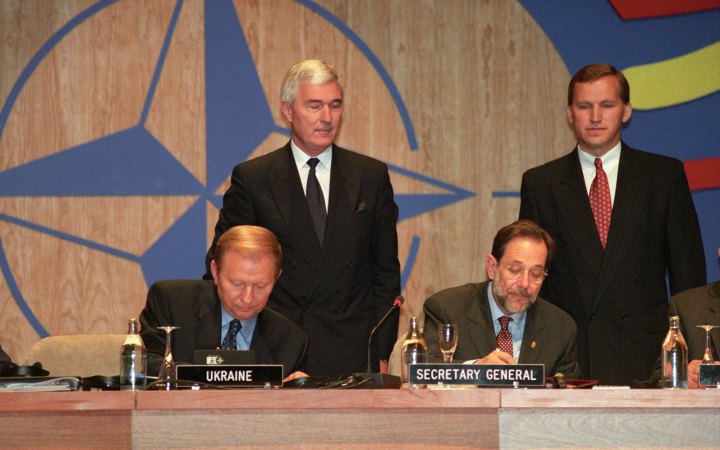
During Kuchma’s era of “multi-vector” policy, Ukrainian senior officials referred to almost 40 countries as Ukraine’s strategic partners. The overwhelming majority did not merit this status either in terms of the real level of bilateral relations or the treaty framework. One reason for this situation was the absence of an approved foreign-policy strategy.
The 2020 National Security Strategy and the 2021 Strategy for Ukraine’s Foreign Policy Activity, among other things, were expected to formulate clear criteria for strategic partnership, but did not meet that expectation. They introduced wording such as comprehensive co-operation of a strategic nature, strategic partnership, special partnership, global partnership, and important partnership—without any clear vision behind them and without establishing a hierarchy of relations.
Systemic Contradictions in the 2021 Strategy’s “Appointment” of Strategic Partners
Let us begin with a definition of what a strategic partnership is. It is a type of interstate relationship in which systematic interaction takes place in order to achieve shared strategic goals and priority national interests. A strategic partnership therefore implies a high level of mutually beneficial, long-term co-operation in certain defined areas, general foreign-policy support, and the alignment of positions on issues related to the national interests of the partner countries.
For a significant share of Ukraine’s strategic partners in the 2021 Strategy, this status remained largely declarative or reflected the country’s political leadership’s desire for future co-operation—something of an “advance payment”. This, in particular, devalued relations with states that already met this level of co-operation.
The question of shared values plays an important role. In the 2021 Strategy, the criteria for strategic partnership included “mutual interests and the values of democracy, the rule of law, and respect for human rights”. At least a quarter of the “strategic partners” listed in the strategy—China, Turkey, Azerbaijan, Georgia—do not meet this definition, as they are authoritarian regimes without the rule of law and with human-rights violations.
Another precondition for strategic partnership is said to be shared views on key issues of international politics, in particular global and regional security. In the 2021 Strategy this is mentioned as follows: “bilateral co-operation in the political, security and military spheres, including in order to counter the aggression of the Russian Federation and strengthen the resilience of the state”.
China, India and Brazil work closely with Russia in the economic and security spheres, effectively financing the continuation of the war against Ukraine. China, India, Turkey and Brazil are the largest buyers of Russian crude oil, petroleum products and natural gas, while companies from Azerbaijan are key traders providing logistics services. China, India, Turkey and Georgia help Russia circumvent sanctions in the area of dual-use technologies.
In a narrow sense, a strategic partnership can be built around the implementation of certain large-scale interstate projects in industry, trade, infrastructure, security, and so on. A significant share of Ukraine’s “strategic partners” do not meet these conditions either now or in 2021, before Russia’s full-scale invasion.
To describe relations between states as a strategic partnership, there must be broad co-operation in at least one area. A strategic partnership should be established between parties that are, respectively, of strategic importance to one another, recognise this, and are capable—through interaction—of strengthening each other in certain areas. On this basis, it is possible to define priority areas of interaction, shared strategic goals, and the means and ways of achieving them.
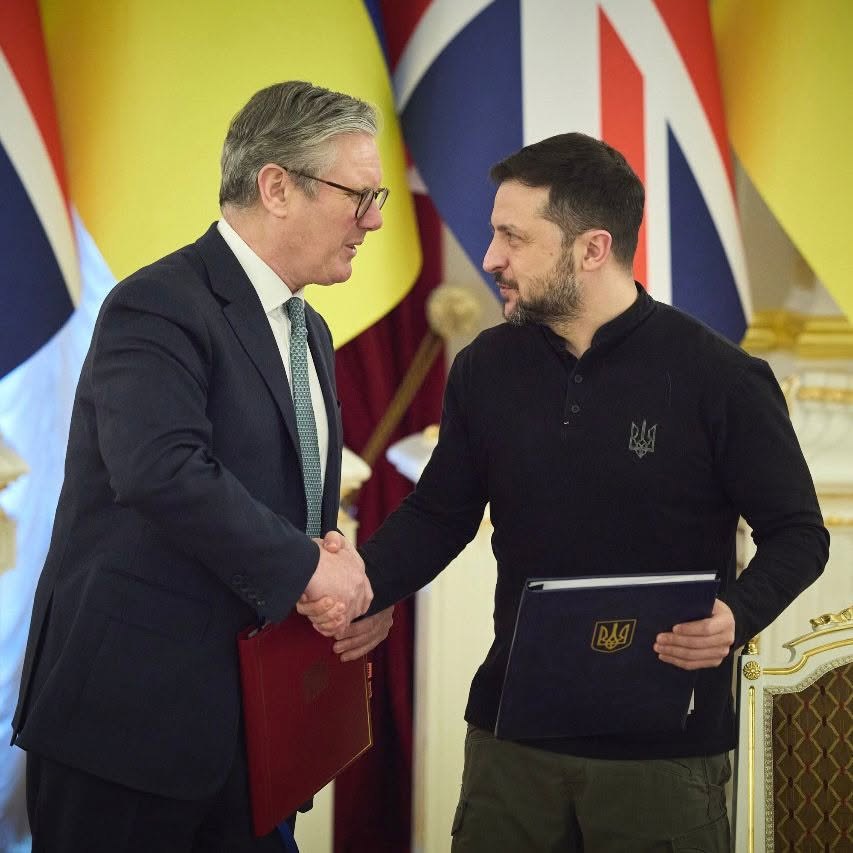
Mutual recognition of the strategic nature of the relationship is a key principle. Ukraine has concluded agreements that clearly define the strategic level of relations with only two countries: the United States (the 2008 Ukraine–US Charter on Strategic Partnership and its updated 2021 version) and the United Kingdom (the 2020 Agreement on Political Co-operation, Free Trade and Strategic Partnership with the United Kingdom and the Agreement on a Hundred-Year Partnership).
The Treaty on Friendship, Co-operation and Partnership between Ukraine and the Republic of Azerbaijan (2000), which states that “the Contracting Parties shall develop their relations as friendly states on the basis of strategic partnership”, is declarative and lacks substantive content. With other countries there are only joint declarations on strategic partnership, which in practice have no legal force and are merely statements.
With France, India and Moldova, interstate bodies responsible for implementing strategic partnership have not been established, and the status itself is not закреплено in bilateral documents. With France, however, Ukraine has signed an Agreement on Co-operation in the Field of Security, which can be seen as a partial substitute.
The Vulnerability of Strategic Partnerships Amid Political Turbulence and Social Radicalisation in Western Countries
Strategic partners must be ready to take each other’s interests into account, make compromises, and refrain from ultimatum-style or destructive actions. Observing the anti-Ukrainian hysteria in Poland, one can argue that our neighbour is ceasing to meet this parameter. However, the line has not yet been crossed, so the situation may still end without a rupture in high-level relations.
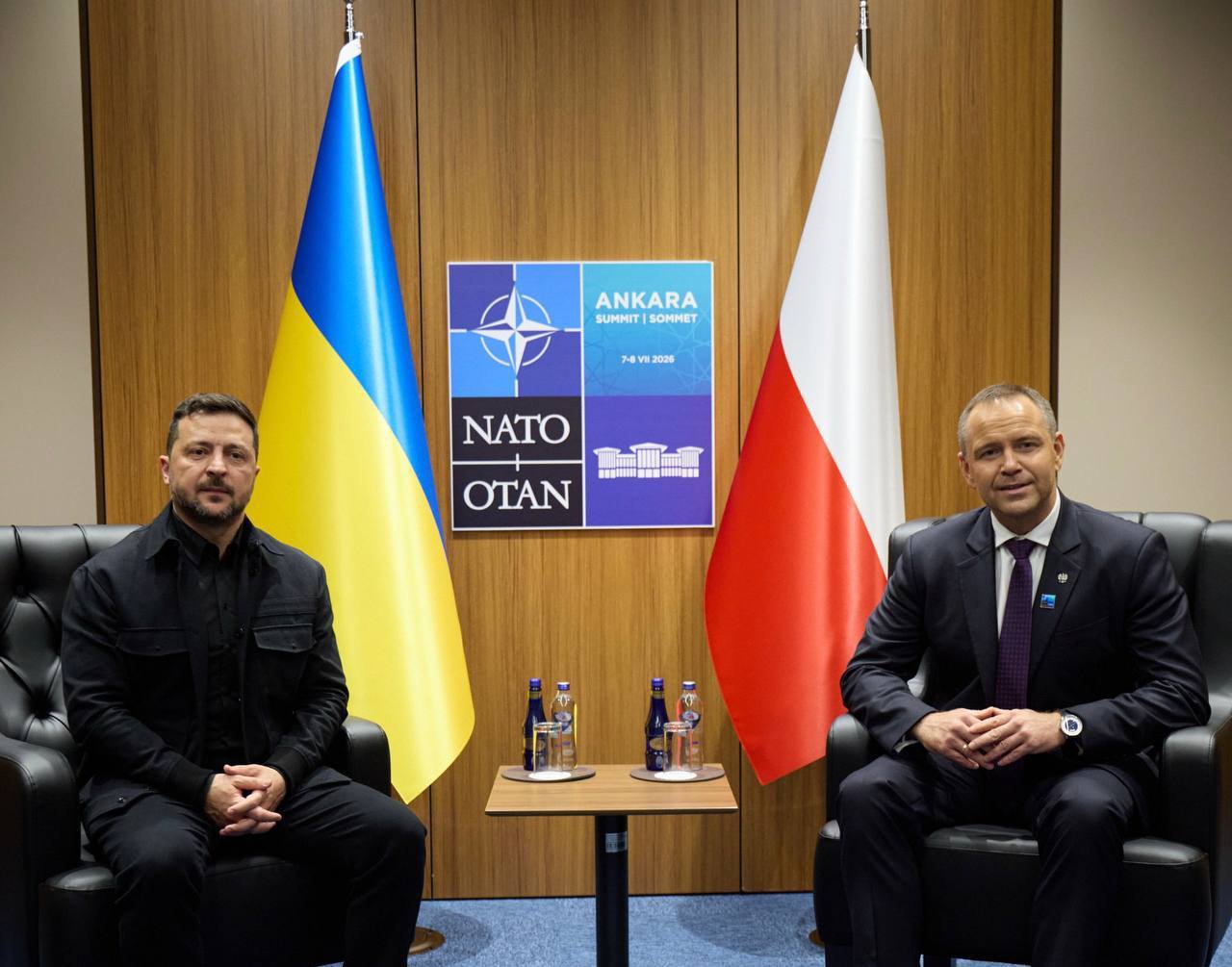
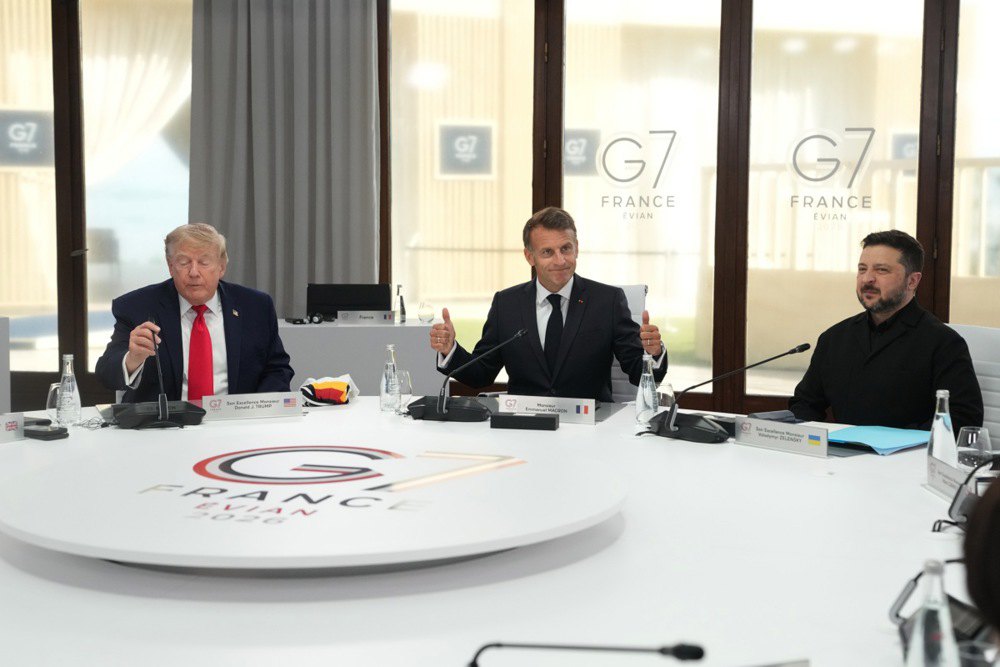
A strategic partnership must be based on long-term partner relations that are consistent and predictable. Ukraine’s relations with the United States ceased to be so during Donald Trump’s presidency. Besides Poland, relations with France, Britain and Germany are also at risk of crisis, where far-right political forces may come to power at the next elections.
The degree to which a strategic partnership is vulnerable to changes in political elites is only increasing, given the radicalisation of the political environment in Western countries. This, in turn, raises the level of strategic uncertainty, since even a state’s geostrategic course may change depending on the political worldview of the parties that come to power. This principle of defining national interests calls into question longevity as an inherent characteristic of a strategic-level partnership. With a change of government, strategic goals may change—and, accordingly, strategic partners.
Ukraine and the United States signed the Charter on Strategic Partnership in 2021 and have relevant implementation mechanisms—the Strategic Partnership Commission, the Trade and Investment Council, and the Science and Technology Working Group. At the same time, during Donald Trump’s second presidential term, Ukraine–US co-operation, which during Russia’s full-scale invasion primarily consisted of financial and military-technical support, has narrowed significantly. The parties have different understandings of the content of the partnership; the United States does not co-ordinate its policy on the Russia–Ukraine war with Ukraine; and overall co-operation does not show an upward trend.
At the same time, one may hope that the turbulence in relations will end with the current president’s departure from the White House, or at least after Republicans lose control of both chambers of Congress. On 3 June, the US House of Representatives, thanks to support from Democrats and a small group of Republicans and despite Trump’s opposition, voted for a bill on new military aid to Ukraine worth $8 billion and the introduction of additional sanctions against Russia.

YouGov and Pew Research Center polls in April 2026 show Americans’ overwhelming support for Ukraine. Sixty-two per cent of Americans support Ukraine in the war and only 2% support Russia. Twenty-seven to 29% of US citizens believe their country is not providing enough support to Ukraine; 26–28% believe the level of support is roughly sufficient; and 20–22% believe too much support is being provided.
Democrats are four times more likely than Republicans to believe the United States is not providing enough support to Ukraine (50% versus 11%). However, in 2022, 49% of Republicans believed the United States was not providing enough support to Ukraine—more than Democrats (38%). The shift in position therefore became the result of Trump’s systematic criticism of Ukraine and of the assistance provided by Biden.
At the same time, 66% of US citizens are not confident that Trump is capable of making the right decisions regarding the war between Ukraine and Russia. Fifty-one per cent of Americans, including 47% of Republicans, consider Russia an enemy; 39% see it as a competitor; and 7% as a partner. Public sentiment and the positions of a significant part of the political environment therefore provide grounds to predict a restoration of high-level relations between the United States and Ukraine in the coming years.
An Instrumental Approach, Typology and Criteria for Strategic Partnership
Deputy Head of the Office of the President of Ukraine Ihor Zhovkva, who wrote a dissertation for a Candidate of Sciences degree on “Strategic Partnership in Ukraine’s Foreign Policy”, defined it primarily as an instrument of the state’s foreign policy rather than a type of relationship. However, even this interpretation envisaged “interaction in the use of this instrument and a совпадение of strategic national interests in several areas”.
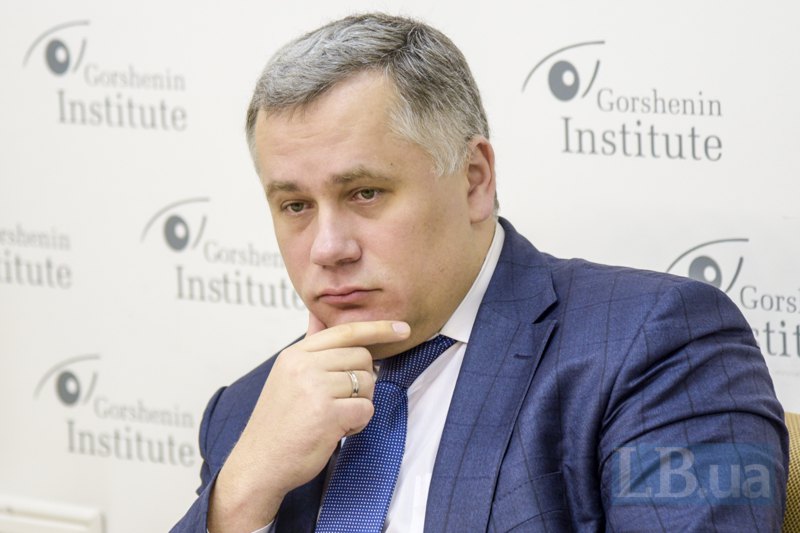
Ihor Zhovkva also proposed a typology of strategic partnership relations, distinguishing “representative strategic partnership”, “strategic partnership against a common threat”, “tactical partnership for strategic results”, and “asymmetric strategic partnership”.
“Representative strategic partnership” is established between a state that is a centre of power and other states that can secure the partner’s interests in a particular region. An example is the partnership between the United States and the United Kingdom.
“Tactical partnership for strategic results” refers to relations in which the parties focus on a few shared tactical interests as the basis for partnership, while concealing strategic ones. This is how China’s partnerships with Belt and Road participant states can be characterised.
“Strategic partnership against a common threat” is the type of relationship Ukraine had with Poland, Lithuania, Moldova and Georgia in the 2021 Strategy. Now, this type of partnership could be expanded to a number of European countries—first and foremost the Nordic states—while simultaneously removing Georgia from this category.
“Asymmetric strategic partnership” refers to relations between states in the same region that actively co-operate for mutual benefit, with one side being dominant. This is how Ukraine’s partnership with Germany, the United Kingdom and France can be characterised. If the interpretation of the region is broadened to the “Western world”, this category would also include the United States, Canada and Japan.
Ihor Zhovkva also set out a list of criteria for strategic partnership: the presence of two or more strategic areas of co-operation; the parties’ shared understanding of the content of the partnership; prior practice of co-ordination in foreign policy; a long-term upward development of co-operative relations and prospects for its preservation; clear mechanisms for implementation and co-ordination of strategic interests; and the закрепление of the content of strategic partnership and its mechanisms in interstate documents.
A Review and New Approaches to Ukraine’s Strategic Partnerships
Of the 16 countries defined in the 2021 “Strategy for Ukraine’s Foreign Policy Activity” as strategic partners, or for which an intention to achieve such status was declared, as of 2026 the following meet at least half of the criteria: the United States, the United Kingdom, Germany, France, Canada, Japan, Poland, Lithuania, Romania, Moldova. The remaining six “strategic partners” are, at the very least, in question.
A strategic partnership implies “systematic interaction aimed at achieving shared strategic goals”. During Russia’s full-scale invasion, Ukraine’s strategic goals are to strengthen itself in the military-technical, technological, economic, institutional and socio-demographic dimensions—and to weaken Moscow in every possible dimension, including through sanctions.
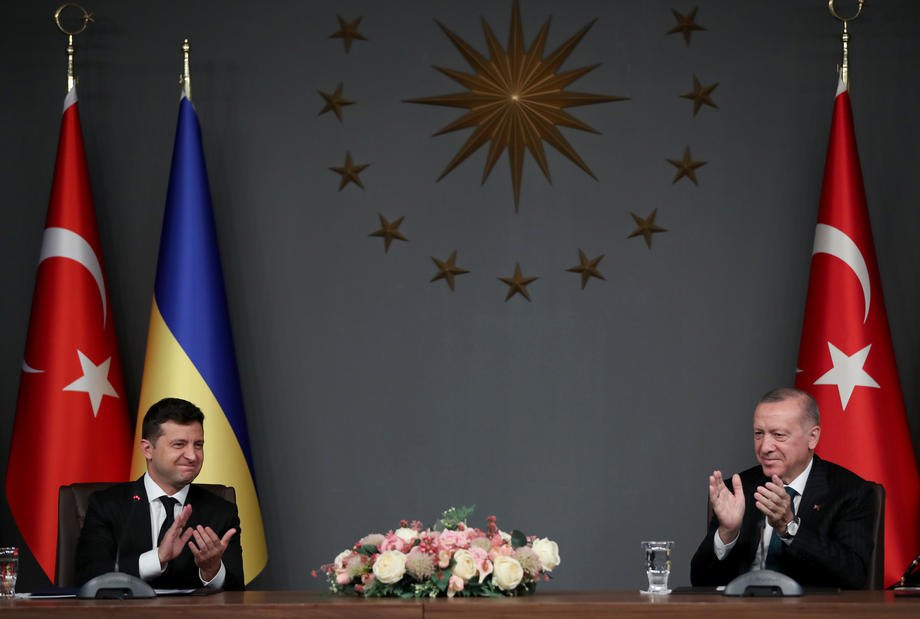
With Georgia and Azerbaijan, Ukraine has no current strategic areas of co-operation or shared strategic goals. With Turkey, such goals and areas do exist, including military-technical co-operation and trade and economic ties; however, the path to strategic partnership is blocked at least by active co-operation with Russia in the energy sector (trade in oil and gas, construction of the Akkuyu nuclear power plant). With Russia’s partner countries—China, India and Brazil—there are no strategic areas of co-operation or goals at all.
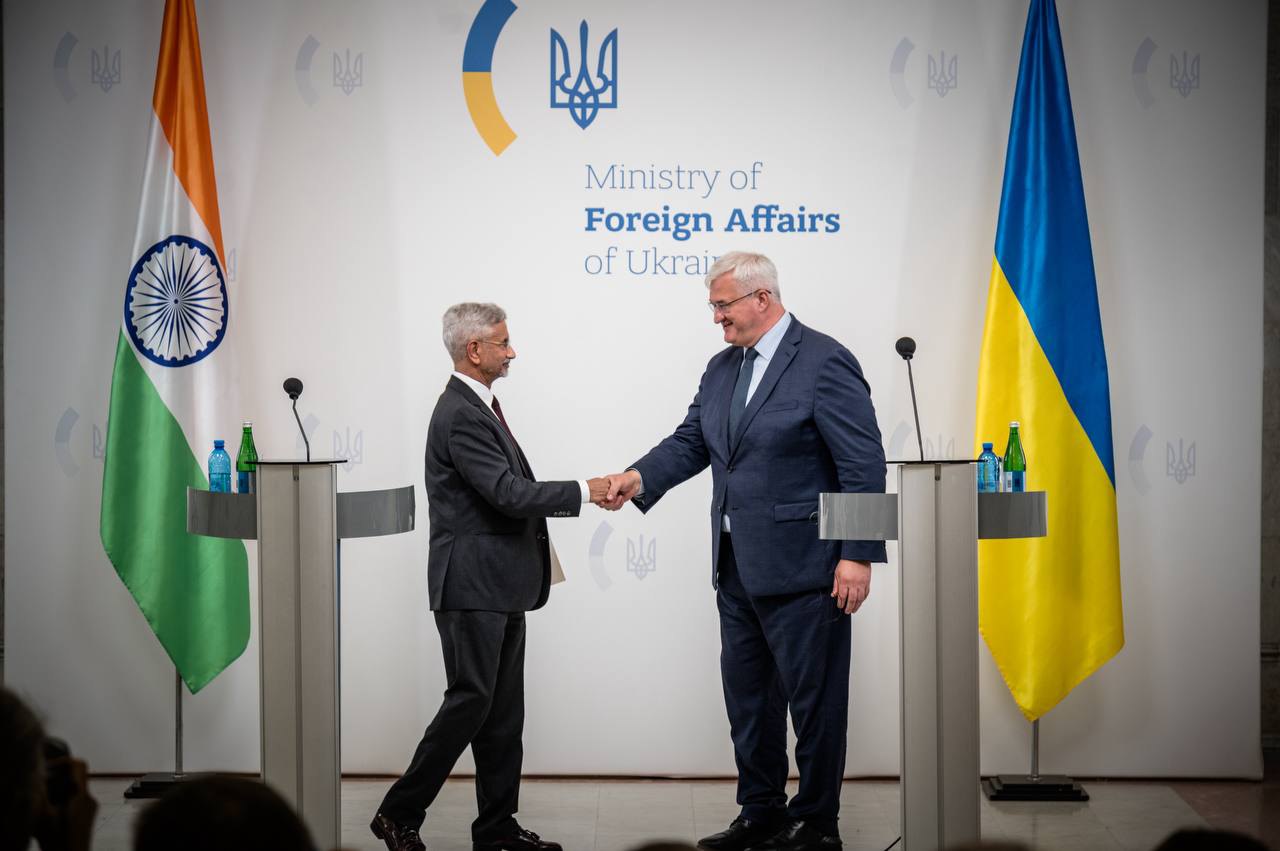
Relations with Turkey can be described as co-operation of a strategic nature. Ankara has a number of clear strategic foreign-policy objectives, including projecting power into the Middle East, Africa and Central Asia. Turkey, like Russia, is a neo-imperialist state with реваншист ambitions. However, these ambitions conflict with—and are often mutually exclusive to—Moscow’s ambitions in the relevant regions.
Therefore, using one of the oldest principles of foreign policy—“the enemy of my enemy is my friend”—it is worth maintaining and expanding mutually beneficial co-operation in pursuit of shared interests. This means pursuing situational interaction in clearly defined areas, including through high-level bilateral bodies such as the High-Level Strategic Council and the “Quadriga”. The recently concluded free trade agreement can also help facilitate this.
At the same time, in addition to the ten current strategic partners listed above that meet at least half of the criteria, there are many partner countries whose relations with Ukraine could claim strategic status. In particular, these include the leaders in military-technical and financial assistance to Ukraine—Denmark, Sweden, Norway, the Netherlands, Belgium, Finland, Estonia, Latvia, Italy, Spain.
These countries are important partners in wartime and will remain so during post-war reconstruction. The Nordic countries, Belgium and the Netherlands are significant donors of financial and military-technical assistance to Ukraine; local defence companies are expanding partnerships with Ukrainian ones; and there is considerable potential for investment from this region in Ukraine’s civilian industry and for expanding bilateral trade.
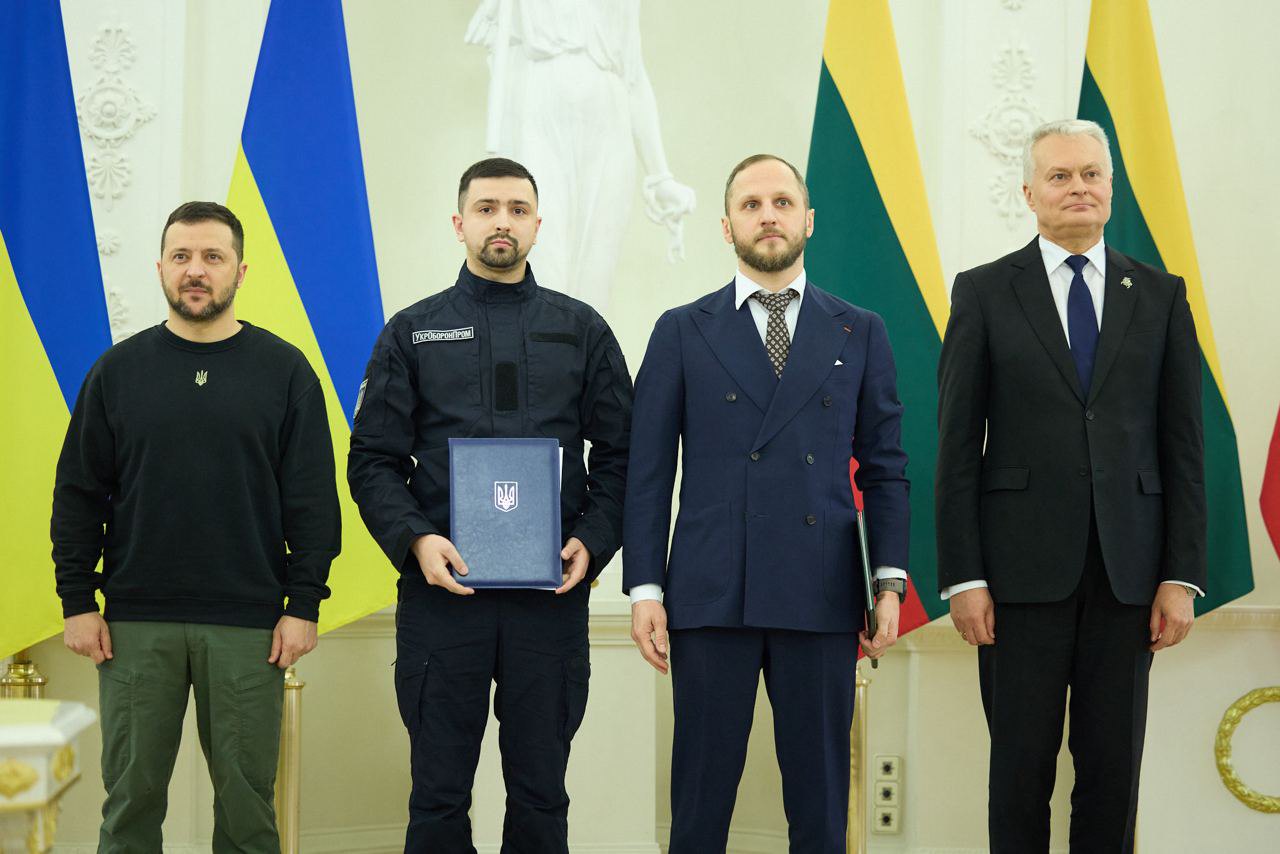
Estonia and Latvia, like the current strategic partner Lithuania, are key and most consistent advocates for Ukraine in the EU. They were so even before the full-scale invasion, and during it they not only became leaders in assistance to Ukraine relative to GDP, but repeatedly drove the scaling-up of international support. The basis for future partnership lies in sustainable mechanisms of military-technical co-operation, participation in transforming Ukraine’s defence sector, and logistics projects between the Baltic and Black Sea regions.
Italy and Spain are among the largest importers of Ukrainian goods and provide significant volumes of financial and military-technical assistance. Both countries are expanding co-operation with Ukraine in the defence-industrial sector. Italy has a capable defence sector and, together with Japan and the United Kingdom, is developing a sixth-generation fighter project. Rome is promoting the creation of a “continental” defence alliance involving Ukraine, given the reduced US role in Europe’s security system.
Thus, to the ten strategic partners from Ukraine’s 2021 Strategy that have stood the test of time, it is worth adding ten new ones, bringing the total to 20 and institutionalising these statuses. This includes allocating additional funding to expand embassies and related activities in these countries, and actively facilitating the expansion of partner countries’ representation—and that of their state and private enterprises—in Ukraine.
It is also worth considering the introduction of a “potential strategic partner” status. Such a status is needed both to prioritise efforts to expand co-operation with countries that have high potential for bilateral co-operation with Ukraine, and to publicly signal Ukraine’s intentions to the relevant states.
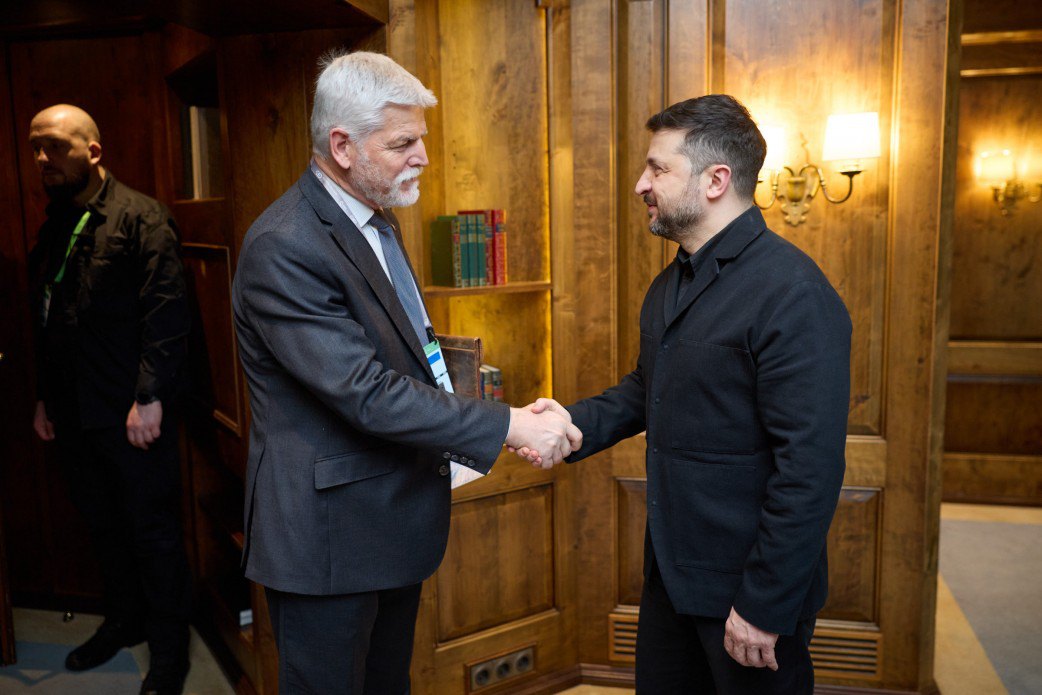
The first in this list could be the Czech Republic, Slovakia, Bulgaria and Croatia. Despite a decline in relations with the first three under new governments, co-operation in the defence-industrial sector is only expanding, and there is significant potential for industrial co-operation in civilian sectors of the economy. The Czech Republic and Slovakia have developed automotive and engineering industries; Bulgaria has energy and metallurgy; and Croatia is a leader in demining technologies and a hub for related assistance to Ukraine.
Among “potential strategic partners”, the Gulf countries should be considered, first and foremost Saudi Arabia, the UAE, Qatar and Kuwait. Drone Deals have been signed with the first three, and with the last—an agreement on co-operation in the military sphere and related industries. These states are the region’s financial centres and exporters of capital, with sovereign funds totalling $4.7 trillion. This is, in effect, an almost limitless source of investment in the defence-industrial sector, civilian industry and agriculture—if favourable conditions are created to attract it.
It is also necessary to look for opportunities to expand economic and political presence in the Asia-Pacific region. In this case, relying solely on a strategic partnership with Japan may prove insufficient. The potential of relations with South Korea and Australia is far from being fully utilised. The “potential strategic partner” status and a corresponding expansion of Ukraine’s foreign-policy activity would help correct this shortcoming.
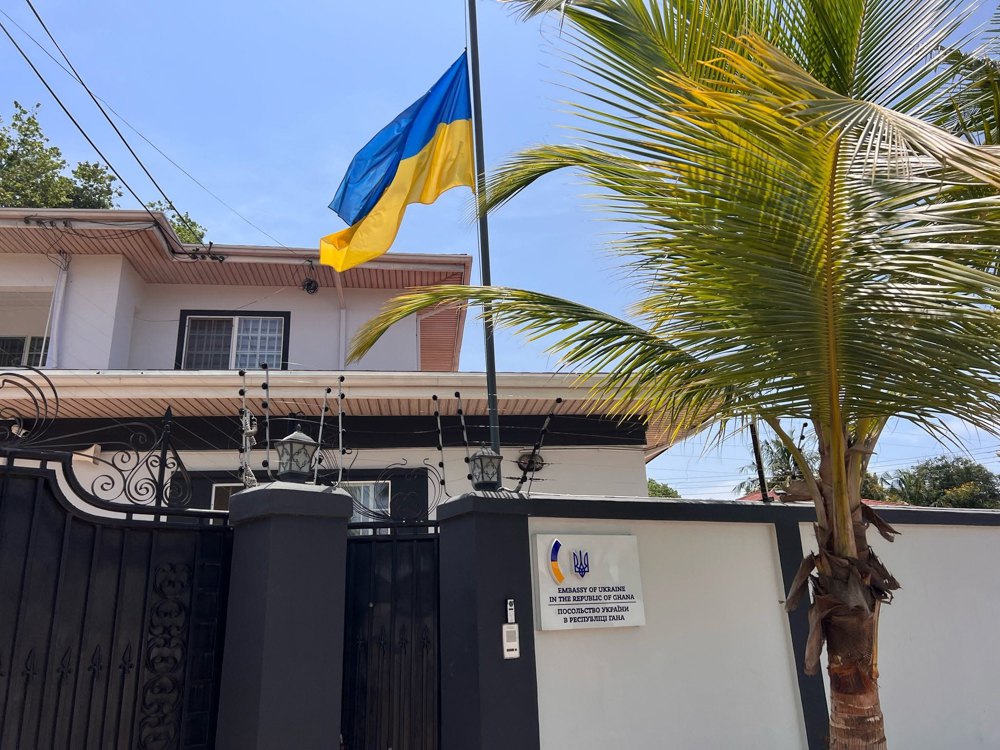
If Ukraine seeks to project influence into other regions, including Africa and the Middle East, it should use the instruments of “tactical partnership for strategic results” and “representative strategic partnership”. It is worth considering their application in relations with Ghana, Nigeria, Côte d’Ivoire, Egypt, Morocco, Tunisia, Kenya, Botswana, Syria and Jordan.
Making Partnerships More Economically Driven and Pragmatic, Based on Clear Mutual Interests
During Russia’s full-scale invasion, many of our partners provided significant volumes of military-technical and financial assistance to contain the threat posed by Russia to regional and global security. Given the realities of relations with the United States under Donald Trump’s presidency and the prospect of losing support from EU states as a result of radical political forces coming to power during the 2027–2029 electoral cycle, further packages of financial assistance to Ukraine are, at the very least, in question.
Strategic partnerships should be made more economically driven—both by promoting national export-oriented business and by creating ideal conditions for attracting foreign direct investment. In the sphere of military-technical co-operation, Ukraine has gradually moved from receiving direct aid packages to developing its own defence-industrial sector and joint ventures with partners. This was a purposeful policy aimed both at guaranteeing the armed forces’ provision against foreign-policy turbulence and at strengthening the country’s industrial and economic potential.
Ukraine should move towards signing strategic partnership agreements that reflect the realities of its current needs and those of its counterparts. Successful examples include the Agreement on a Hundred-Year Partnership between Ukraine and the United Kingdom and the Declaration on Strategic Partnership between Ukraine and Germany.
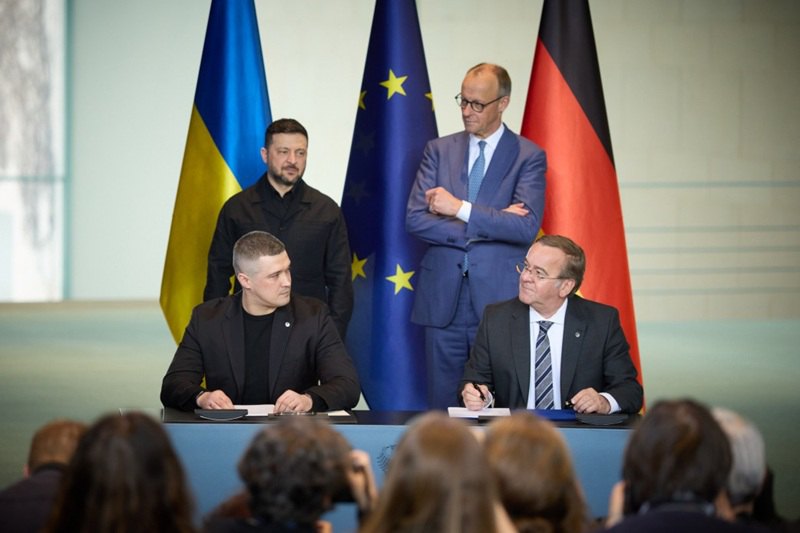
Instead of declarative wording in future agreements—such as promoting democracy, protecting human rights, commitment to the ideas of fighting corruption, combating climate change, and so on—it is necessary to clearly define and describe areas of co-operation, for example building joint defence-industry enterprises, attracting investment into civilian industry, military-technical assistance, financial assistance, and so forth.
A key factor is partners’ interest in a strategic format of co-operation—one-sided strategic relations do not work. Ukraine must offer partnership formats that help realise the national interests of the relevant countries. Strategic partnership relations must be mutually beneficial.
It is worth jointly developing long-term programmes of strategic co-operation in the main areas. Establish clear priorities and tasks that will help achieve both sides’ strategic goals. Create effective implementation mechanisms based on bilateral bodies at the strategic level.
Ukraine is in a state of existential war—a war for survival. In such conditions, it is necessary to mobilise all possible resources—military-technical, financial, technological and others—and to weaken the enemy in all accessible spheres and domains. Every strategic partnership must contribute to achieving at least part of these goals.