





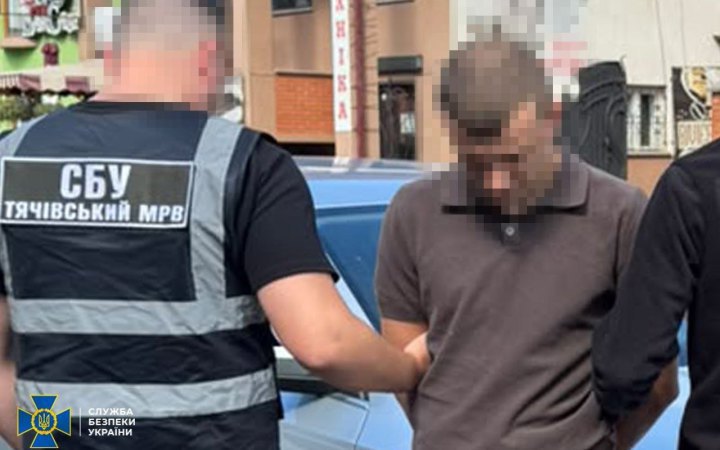
The Security Service and the National Police have shut down seven new schemes to evade military service and mobilisation and detained 10 organisers of the operations in various regions of Ukraine.
As reported on the SBU website, in Odesa Region military counter-intelligence exposed two employees of a district Territorial Recruitment Centre (TCC).
The acting deputy head of the enlistment office, for $3,500, arranged for false information about conscripts to be entered into the “Oberih” system. A rifleman from the same unit, for money, promised draft dodgers he would influence the management of a restricted facility to have clients “removed” from the military register.
Both suspects were detained separately in the act while receiving illicit payments.
In Donetsk Region, investigators exposed an elected councillor from one of the city councils who also serves as head of the medical advisory commission in a frontline community for organising a “scheme for draft dodgers”. The investigation found that, for $7,000, the suspect helped those liable for military service obtain various categories of fake disability, followed by securing a deferment from mobilisation.
In addition, in Poltava Region officers detained an official from the regional TCC who, in exchange for bribes, helped clients fabricate medical histories and then obtain a status allowing them to serve in military units without being sent to the front line.
In Cherkasy Region, the SBU halted the information-subversive activities of five administrators of Telegram channels and Viber groups. They “leaked” workplaces and travel routes of mobile teams from law enforcement and the TCC in the Uman and Cherkasy districts. Among those implicated were three administrators of a Viber group who managed to grow the resource’s audience to more than 3,000 users.
In Zakarpattia, officers exposed another organiser of a scheme to illegally smuggle men of conscription age across the state border. For $15,000, the operator used his own car to take clients to the border area and provided them with escape routes to a neighbouring EU country, bypassing official checkpoints.
Investigators from the Security Service have now served all those involved with notices of suspicion under several articles of the Criminal Code of Ukraine.