





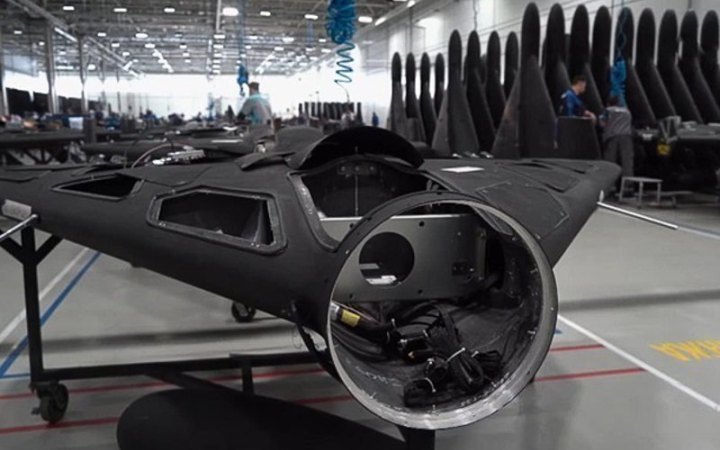
Volunteers in Tatarstan, where strike drones are produced for the war against Ukraine, are complaining about a lack of funds to supply the occupying army.
This was reported by Ukraine’s Foreign Intelligence Service.
According to the intelligence service, the cost of even the smallest requests from the front now starts at one million roubles. As Russia’s economic situation worsens, taxes rise and the population becomes poorer, businesspeople and sponsors are increasingly refusing to fund assistance for the military.
Volunteers are raising money even for fuel and logistics. At the same time, Russian troops complain about high prices for fuel and generators, which they have to buy with their own money.
An additional problem has been a logistical collapse. Because of the threat from Ukrainian drones, transporting cargo through the temporarily occupied territories of Ukraine has become more dangerous. Some carriers refuse to travel these routes, and unloading points are being moved further from the front line.
According to intelligence, volunteers are also considering assembling and soldering drones themselves in the rear. However, implementing these plans is difficult due to a lack of funding and a shortage of qualified specialists willing to work for free.
The Foreign Intelligence Service notes that the situation in Tatarstan points to mounting financial and logistical pressure on Russia’s rear, which for years has been involved in supporting the war against Ukraine.
- At the request of the Centre for Countering Disinformation, TikTok removed more than 1,000 posts linked to “Alabuga” in Tatarstan.
- The expansion of the “Alabuga-Volokno” plant (part of the state corporation “Rosatom”) in Tatarstan will allow Moscow, by 2029, to produce an additional 500 tonnes of aerospace-grade carbon fibre annually for military needs. This strong and lightweight material is a key component in manufacturing a drone airframe.