






Kyiv
According to Kyiv Mayor Vitalii Klitschko, the capital entered the new heating season with 100% readiness of its key combined heat and power plants (CHPs). (The conversation took place before the recent targeted strikes on CHPs and energy infrastructure.) However, their capacity depends directly on whether key facilities can be protected from the consequences of air attacks.
The construction of a backup heat supply system in the city, the mayor stresses, began after the end of the previous heating season. But it is unrealistic to build such a facility in the “off-season”, Vitalii Klitschko explains.
“I would like to remind you that the central heating system was built over decades after the Second World War. Dozens of institutes worked in this direction. And now we have a task with an asterisk—given the constraints on finances, human resources and, crucially, time—we need to build, in the period between the end of winter and the start of the next heating season, what took decades to build,” Klitschko said.
The project for the new system, which will duplicate the main one in case it is destroyed, was presented at a Kyiv City Council meeting and twice at meetings of the National Security and Defence Council, which approved it.
Work is currently being carried out in line with this plan and is due to be completed in December. But everything is complicated by a lack of funds, a shortage of workers, constant air-raid alerts during which workers cannot operate, and the diversion of specialists to repairs at CHPs that the enemy has already managed to damage.
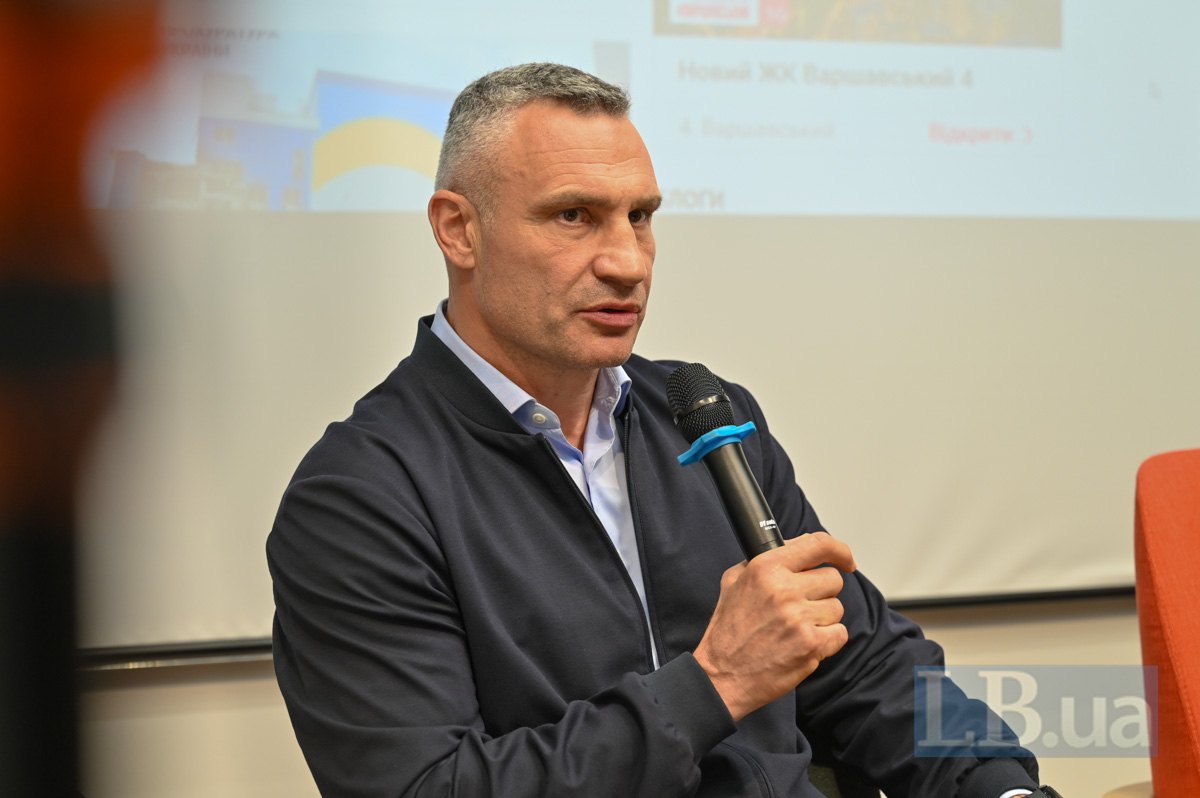
Overall, the capacity of the backup system will be 1,600 MW, with the state and the city splitting the funding 50/50.
The situation with electricity supply in the capital depends entirely on Ukrenergo—Kyiv no longer has its own generation, Vitalii Klitschko emphasises; it was destroyed in previous years. That is precisely why stoppages of electric public transport in the city have become so frequent.
“We are living in wartime conditions and trying to do everything to provide services. Public transport is one of the key ones. We are doing the maximum possible, but we are dependent on many circumstances related to military action.
It is no secret that the city of Kyiv was and remains a key target for the enemy. In terms of the number of cruise missiles, ballistic missiles and drones, it cannot be compared with any other city, even those on the front line. And the stability of the social and economic situation in Kyiv determines stability in every city, town and settlement in other regions of Ukraine.
Therefore, the enemy, having no successes on the front at present, has changed tactics and is destroying the city as much as possible with a key aim: to sow depression, to do everything so that the city is in decline, to create social tension, to break the spirit of Ukrainians’ resistance. That is why they strike at the heart of the country—Kyiv,” Klitschko added.
Read also“Kyiv Is 80% Ready for Winter.” Where Truth and Lies Lie in the Authorities’ Statements About Delivering the Capital’s Resilience Plan
As a result, the situation in the city, he stresses, depends directly on the effectiveness of air defence. This, he says, also concerns the protection of bridges. If critical damage does occur, Kyiv is discussing the option of building pontoon crossings, although they will not be able to fully replace bridges for traffic between the banks.
The appearance of nets on bridges, Klitschko says, is an initiative of the State Emergency Service; he does not know the purpose of the decision—the city simply provided access to the facilities. And in general, local authorities are following all military recommendations on the protection required.
However, Vitalii Klitschko concluded: “Air defence is one of the key components of survival this winter.”

Zaporizhzhia
Last year, not a single home in Zaporizhzhia, located 25 kilometres from the front line, had problems with heating, said Rehina Kharchenko, Acting Mayor of Zaporizhzhia and Secretary of the Zaporizhzhia City Council. Even during a total blackout that also affected neighbouring Dnipropetrovsk Region, heat supply was restored to residents within six hours and water within an hour, she notes.
“In Zaporizhzhia, we do not think in terms of preparing for the heating season, but in terms of preparing for shelling. Therefore, as of today, 36 critical infrastructure facilities—water pumping stations, boiler houses, heat substations, huge generators that we have in reserve—are all protected. They must not only work; they must be protected,” the acting mayor said.
In addition, the city is building a decentralised system of boiler houses and heat substations using cogeneration units. In parallel, it is addressing the storage of large volumes of fuel required by the alternative power system, as the Russians are not reducing the intensity of attacks on filling stations. The water utility alone, according to Rehina Kharchenko, needs 30 tonnes of diesel per day, Kharchenko says.
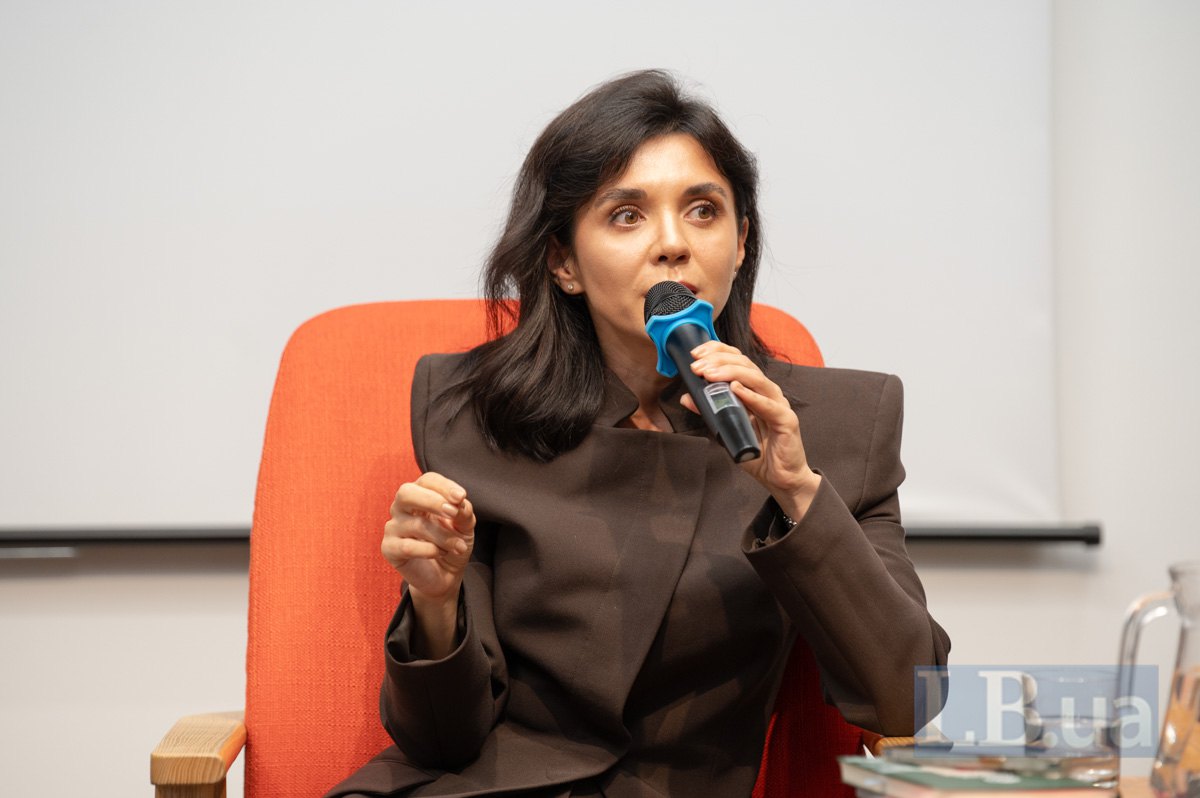
“There are many such challenges. The overall message: is the system ready—yes. Is it protected—yes. But whether that is enough for everyone in Zaporizhzhia to have heating and water, probably even the Lord God does not know,” the acting mayor remarks.
Since the summer, the situation in the city has noticeably worsened. According to Rehina Kharchenko, in one district streets have turned into tunnels of anti-drone nets—something that would have been hard to imagine even a year ago.
In line with the Resilience Plan, Zaporizhzhia is also increasing the number of modular shelters and applying blast-resistant film to transport, municipal institutions, hospitals and so on.
Rehina Kharchenko does not rule out that pontoon crossings may also be needed if Russia inflicts critical damage on one of the bridges.
“Dnipro HPP, which is also a road bridge connecting the two banks of Zaporizhzhia, has been attacked during the full-scale invasion with 60 missiles. In March 2024, the road surface was damaged. Everything was restored. And experts say it is impossible to destroy it with something from the sky—only to blow it up from the inside. Repair work is currently under way there in one direction. But if previously the target was the HPP itself, recently guided aerial bombs have also been flying at other bridges, including new ones built shortly before 2022,” Rehina Kharchenko noted.
Overall, the safest place in Zaporizhzhia is underground, the acting mayor states—schools, nurseries, hospitals are operating there. Most likely, business will move there too.

Ivano-Frankivsk
Of these three cities, Ivano-Frankivsk is the safest—if that word is appropriate here.
However, Ivano-Frankivsk Mayor Ruslan Martsinkiv notes that the city is preparing protection for infrastructure—electricity and water supply—and building up fuel reserves.
Moving away from the central heating system, the mayor says, Frankivsk began even before the full-scale invasion, so this part of critical infrastructure is now less vulnerable.
“We have been moving towards maximally abandoning large boiler houses for about ten years now. I calculated that today 25% of the city remains on central heating, while 75% already have individual heating,” Martsinkiv says.
But the real challenge for the comparatively rear-area city has been a sharp increase in population, in particular due to the arrival of internally displaced people from more dangerous regions. According to the mayor, there are almost 70,000 such people. In addition, the number of students has increased by 40%.
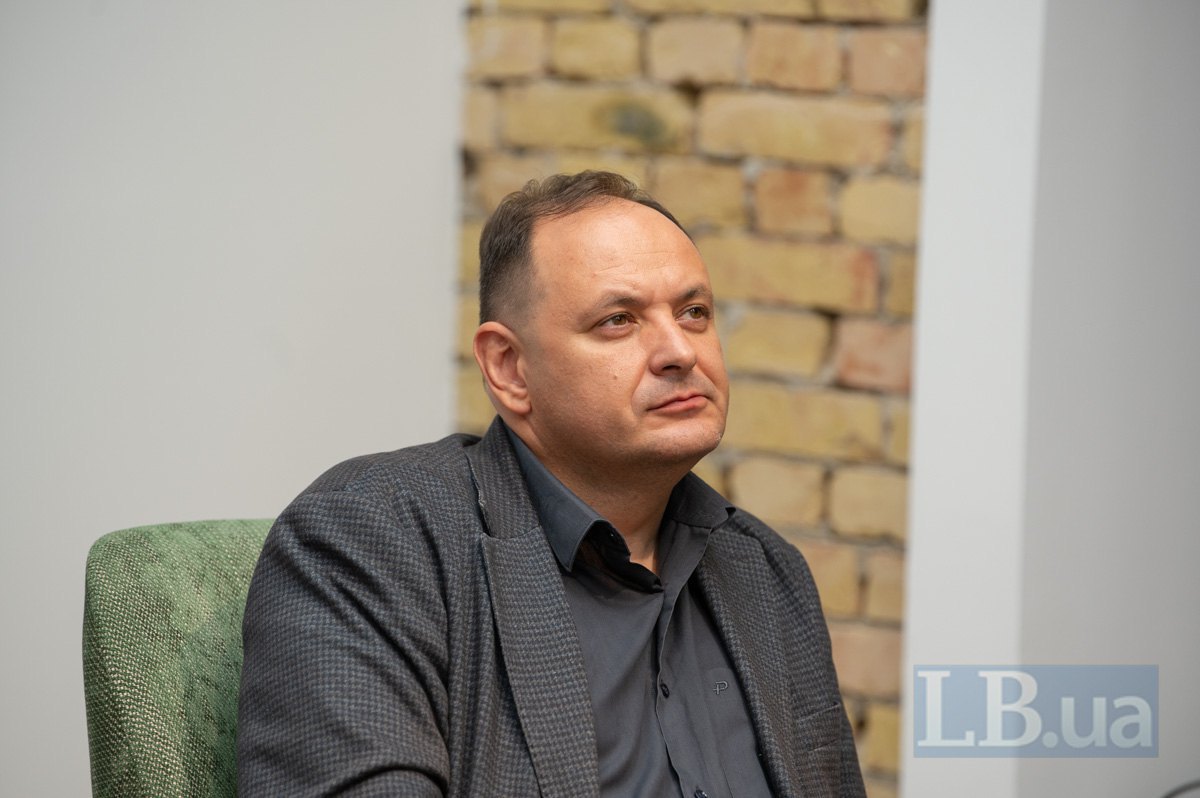
Meanwhile, housing rental prices in Frankivsk have tripled, the mayor notes sadly. But the biggest challenge is that the city’s infrastructure is absolutely not designed for such a large number of people. Ivano-Frankivsk now has about 350,000 residents.
“That is a lot for our city. Water consumption is increasing, as is the load on transport and infrastructure. In fact, there is no infrastructure for that many people, and no resources to expand it. So that is the number one challenge for the city,” Ruslan Martsinkiv states.
How Cooperation With the State Is Working
Kyiv depends on the state in many ways, Mayor Vitalii Klitschko notes, and therefore hopes for effective cooperation with the government, including assistance in implementing the Resilience Plan. (The discussion took place before relations between the President’s Office and the capital’s mayor deteriorated. At the time, Vitalii Klitschko responded with a joke when asked why the central authorities were being so picky about him. — Ed.)
“My message is always that we must unite our efforts. It looks very strange when people start pointing fingers, putting obstacles in someone’s way, liking or disliking someone. Uniting our efforts is the key to victory or restoring peace in Ukraine. We must be strong. The strong are respected; the weak are ignored. By joining forces, we can be strong, and local self-government is a reliable partner,” Klitschko noted.

He considers it critical for all regions’ preparations for winter that the government has blocked capital expenditure due to a lack of money in the budget. (Although Kyiv itself later had payments unblocked for backup heat supply, the construction of cogeneration stations and uninterrupted power supply for water pipelines under the Resilience Plan.) As head of the Association of Ukrainian Cities, Klitschko noted that he had received many appeals from local self-government representatives saying that some communities do not have funds even for fuel for ambulances or for rubbish collection.
In Zaporizhzhia, for example, the municipal enterprise Elektrotrans, which provides all public transport, was unable for a week to sign a new fuel contract, Acting Mayor Rehina Kharchenko said.
“Simply no one came to the tender, because they understood that the local self-government body would not pay—the Treasury does not approve the invoices. At that moment, the city had fuel left for four days,” the head of Zaporizhzhia said.

“I very much hope that all the processes related to receiving international assistance and voting in the Verkhovna Rada will come together into one puzzle, and that we will still reach a normal situation with payments and financing of current expenditure at the beginning of December,” Rehina Kharchenko added, “because for Zaporizhzhia the issue of the emergency response fund is extremely important. I cannot come to a person after shelling, when half their roof is gone or all the windows and doors have been blown out, and say: ‘Sorry, we couldn’t procure building materials through a tender, so the municipal enterprise Zaporizhremservis won’t come and do any work for you.’ Or it won’t come because there is no fuel. That should not happen.”
Overall, Kharchenko says, the city receives sufficient assistance from the state, because implementing the Resilience Plan in Zaporizhzhia’s conditions requires not only huge sums of money but also specialist professionals. However, coordination was handled by the regional military administration.
Overall, the acting mayor of Zaporizhzhia considers it logical that front-line cities need greater attention from the state.
“If there are not, roughly speaking, enough shelters, protection, anti-drone protection and so on, people will simply leave. And if we say we want to preserve life in front-line territories, to have a strong, powerful rear, logistics, excellent hospitals nearby, including for defenders, then front-line territories 100% need to be given greater assistance,” Kharchenko believes.
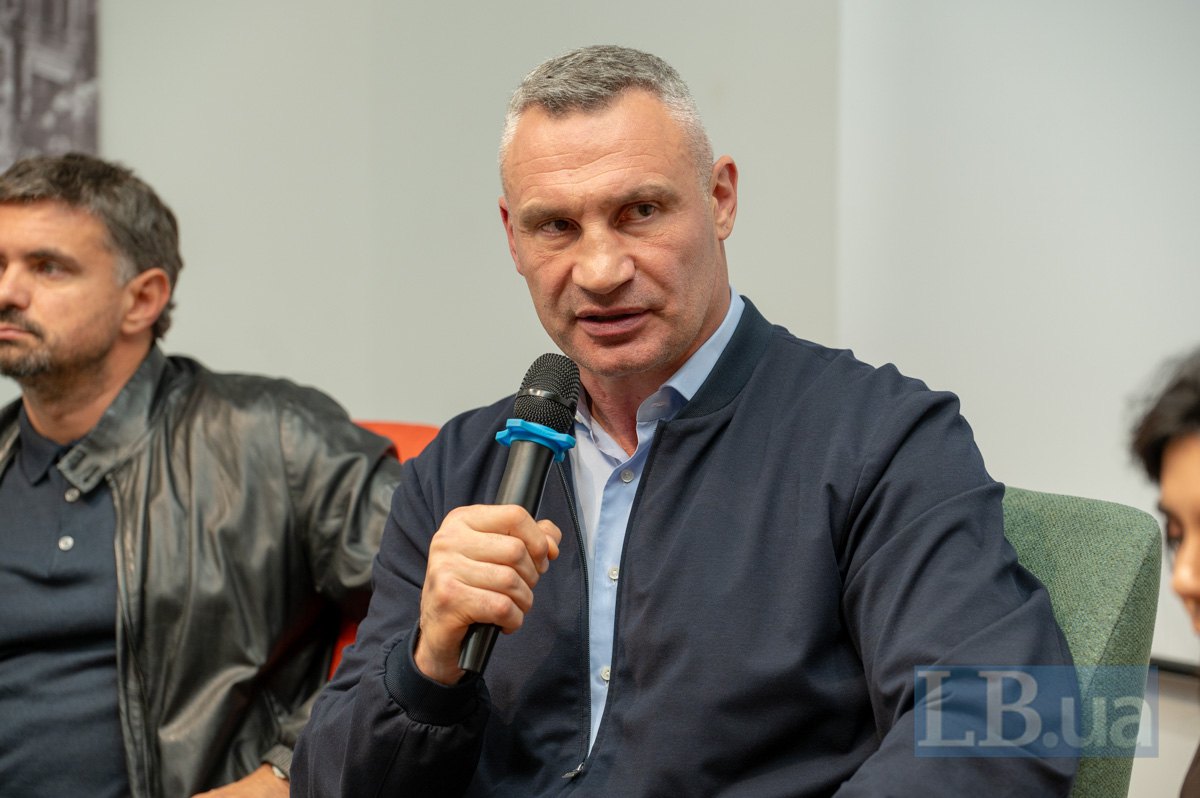
At the same time, the city leaders criticised the government for failing to compensate the difference in heating tariffs that it is supposed to pay under a memorandum signed in 2021. According to Klitschko, the amount of arrears has already reached 85 billion.
“The tariff difference is an issue that at some point has to be taken, like a rope, and cut off. It’s no longer possible to go on like this,” Rehina Kharchenko said. In her view, the situation in the country requires economically justified tariffs.
The same situation applies to beneficiaries, the city leaders note.
“Public transport travel costs the budget 10 billion hryvnias a year, and every second passenger is a beneficiary. The state defines who the beneficiaries are, does not compensate the billions in arrears, and we carry them for free,” Vitalii Klitschko specified.
“Sixteen types of beneficiary categories. And all these people travel for free,” Rehina Kharchenko supported the capital’s mayor. “Salaries at the municipal enterprise Zaporizhzhiaelektrotrans amount to 32 million hryvnias a month. And it earns 14 million. There’s your maths.”
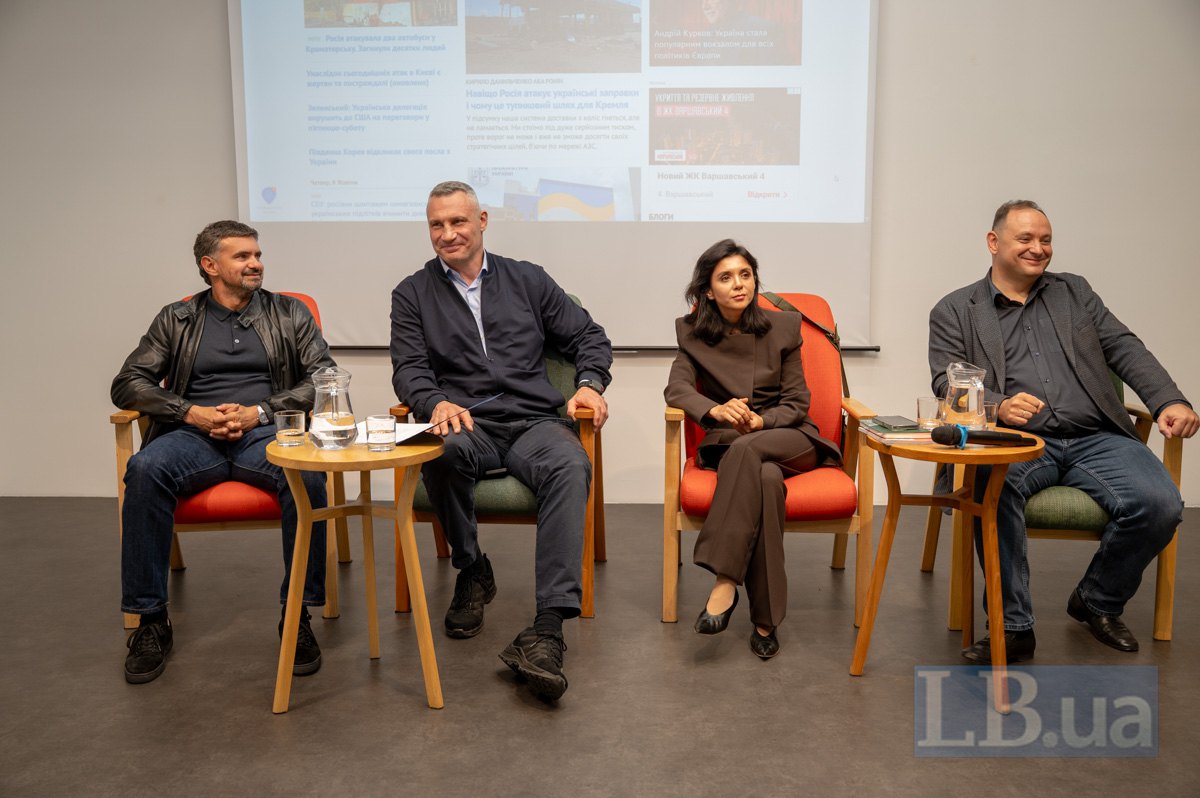
The participants agreed on one thing: everyone benefits from effective cooperation between local and central authorities.
“When what I call ‘friction’ begins between local and state authorities, you immediately want to recall 2022, when all of Ukraine united around one goal,” said Ihor Liski, Chairman of the Supervisory Board of EFI Group. “Back then there were no political colours; no one measured who did what better. Since then our main goal has not changed—we still have to survive. And only after that will there be elections and political competition.”
In his view, trust built between the authorities, regions and business makes the country strong. Whereas the absence of crisis communication sows panic in society and weakens the rear—exactly what the enemy is trying to achieve.
How Business Operates in the Regions
Since the summer, almost all large shopping centres and chain stores in Zaporizhzhia have been “knocked out”, Rehina Kharchenko says. Silpo is considering leaving the city, she adds.
“It is unprofitable for them to stay, given the huge losses of the business entity itself,” the acting mayor of Zaporizhzhia adds. “I think we will be moving underground. Because we see that it works. There you can continue a more or less normal life. If we need to build underground shopping centres, we will think of something.”
According to her, among business support programmes the local authorities can partially reimburse the cost of alternative energy sources for small and large enterprises. Zaporizhzhia has also joined the government programme to insure businesses against war risks—compensating 50% of the first premium. But there have been no applications so far, Kharchenko notes.
In Ivano-Frankivsk, the situation is the opposite—businesses are relocating there en masse from more dangerous regions.

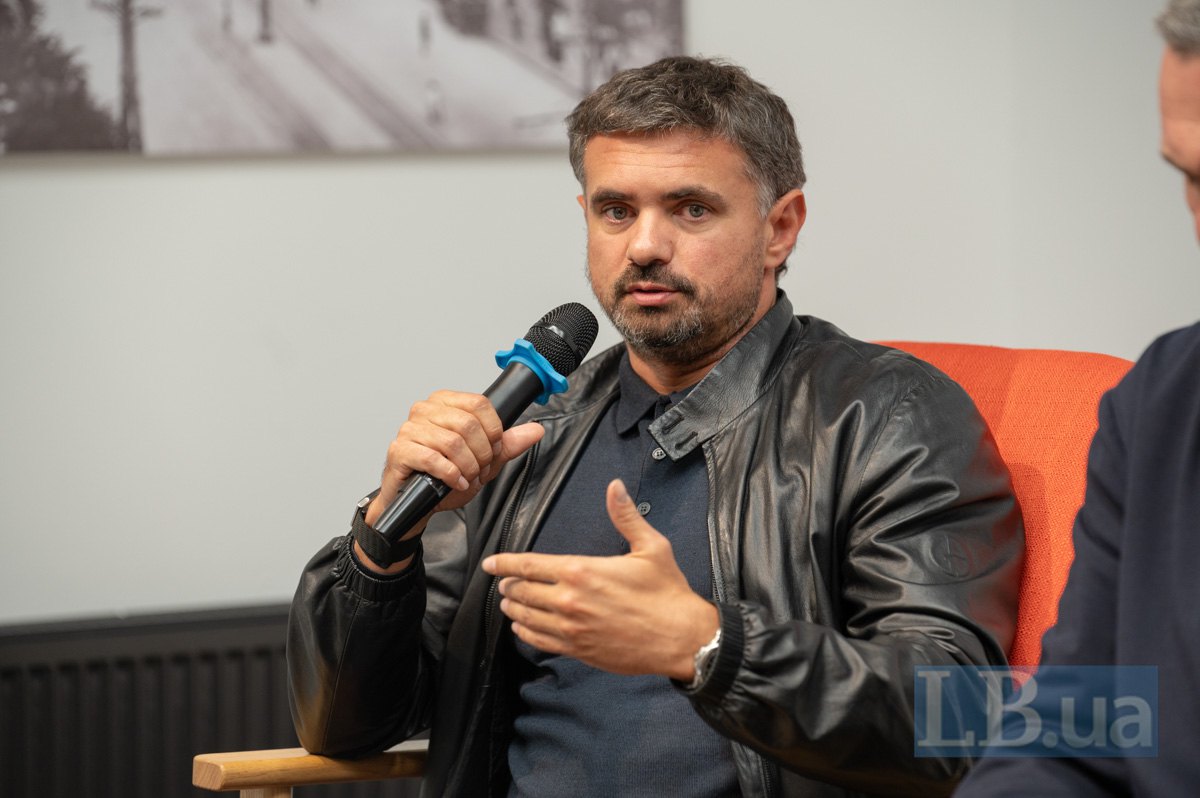
“Almost every week we have meetings with those who want to move their enterprise to Ivano-Frankivsk,” Mayor Ruslan Martsinkiv notes.
However, due to a lack of the necessary infrastructure, the city sometimes cannot provide interested companies with either the required premises or sufficient electricity, he notes, though work in this direction is under way.
“We have increased the population and are challenging Lviv’s leadership in the region. That is what Frankivsk residents want. So we want to attract business as much as possible,” Martsinkiv noted. To that end, among other things, liberal tax rules apply for incoming entrepreneurs.
“We did not require relocated businesses to necessarily pay taxes in Ivano-Frankivsk. They could pay in their own city. We understand why this is important, for example, for Zaporizhzhia. If it is the construction of a new plant, then of course, but from the outset the question ‘you moved to Ivano-Frankivsk, you must pay here’ was not on the table. From the country’s point of view, that is the right approach,” Martsinkiv noted.
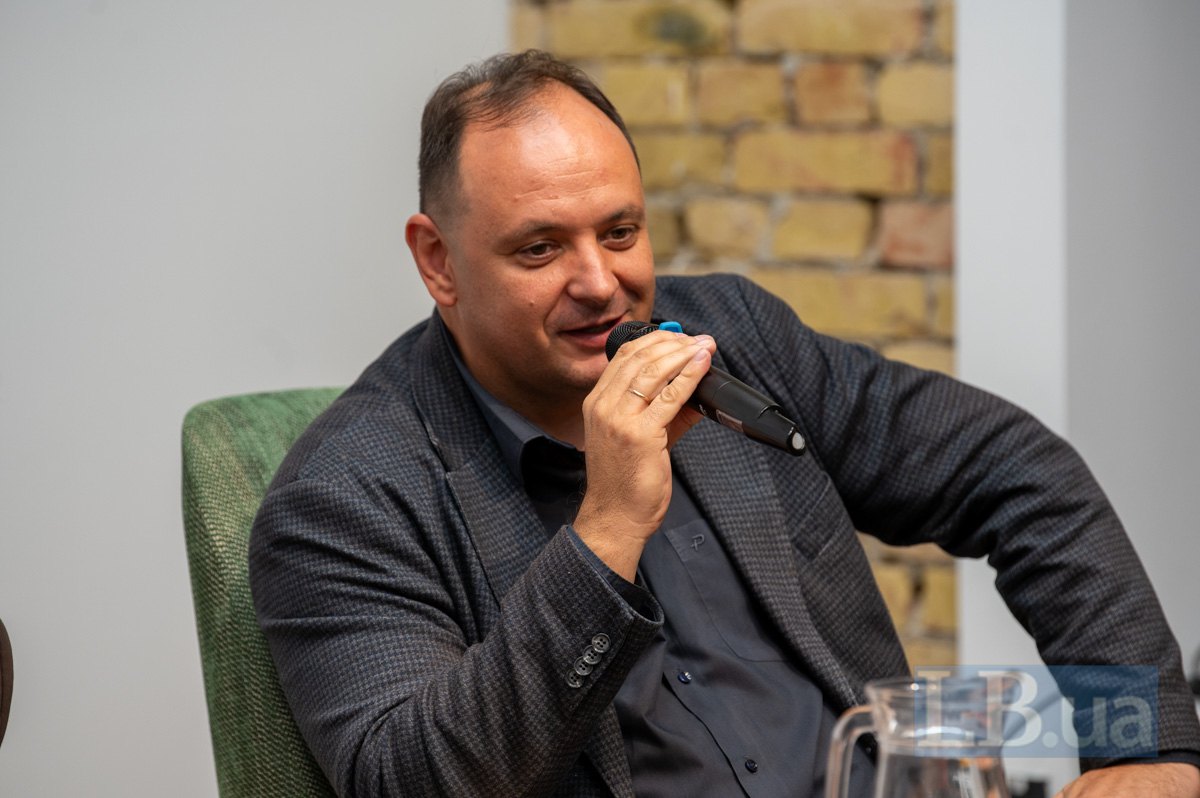
In the view of Kyiv Mayor Vitalii Klitschko, Cabinet of Ministers Resolution No. 1128 could further complicate the work of entrepreneurs who are already suffering from shelling. From 4 December, it bans work during an air-raid alert if a business does not have shelters or a properly equipped safe space.
“We met with representatives of big business, invited more than 30 companies, and spoke with them. They are ready to equip shelters within the timeframe announced by the state leadership so that business can operate. But, frankly, many medium-sized or small businesses will not be able to do this. And here we need to look for a solution, because it will mean the destruction of business. People will be left without jobs. Social tension and unemployment will rise. And that is what Russia wants,” the capital’s mayor says.
In his view, the authorities should not shift onto business the need to build additional shelters. Therefore, the resolution needs to be revised.
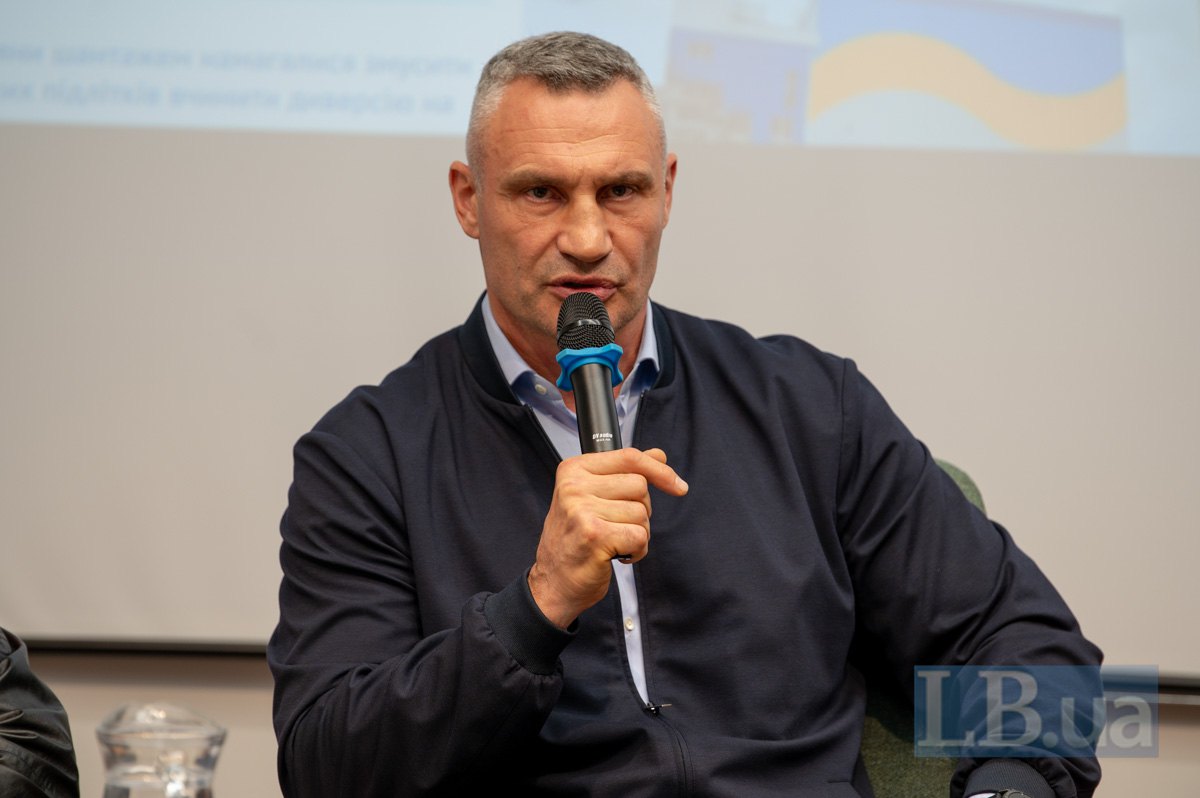
EFI Group head Ihor Liski, the only speaker representing the business community, noted that he understands the nature of such a government requirement: people’s lives are the highest value. At his enterprises, he added, they are building their own shelters, and where that is not possible, installing capsule shelters.
“But this resolution must not simply shut down business, drive it into the shadows or create some corrupt component,” the businessman adds. “There must be a balance. On the one hand—managers’ responsibility; on the other—resources and time to meet these conditions. Ukraine cannot afford foolish decisions right now,” Ihor Liski concluded.
Full video version of the discussion: