





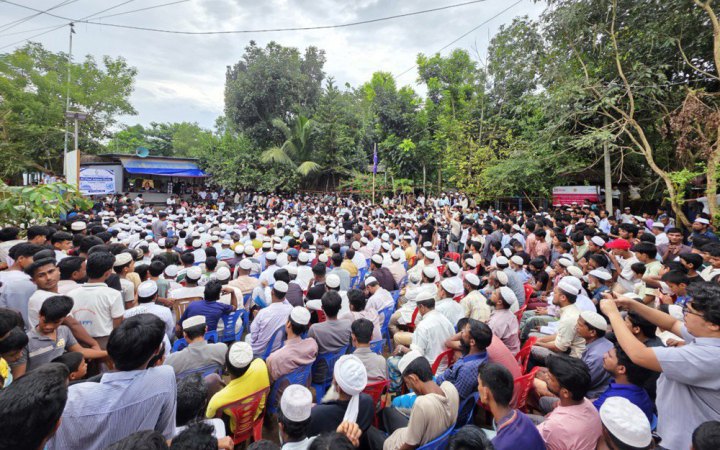
Myanmar’s security forces killed thousands of Rohingya civilians during a brutal crackdown on the Muslim minority in 2017.
The UN’s top court said so today as it assessed whether the actions amounted to genocide, France24 reports.
Myanmar’s soldiers killed and raped Rohingya people, abused children, and destroyed Rohingya villages and settlements.
“They killed thousands of Rohingya civilians, committed widespread acts of sexual violence, as well as acts of extreme violence against children, and attacked Rohingya people as they tried to flee en masse to Bangladesh,” said Yuji Iwasawa, President of the International Court of Justice.
The International Court of Justice has not yet ruled on whether Myanmar committed the crime of genocide. The delivery of this landmark verdict is expected to take about three hours.
However, Iwasawa said that “the only reasonable conclusion” is that Myanmar intended to destroy a substantial part of the Rohingya population — a key criterion in determining genocide.
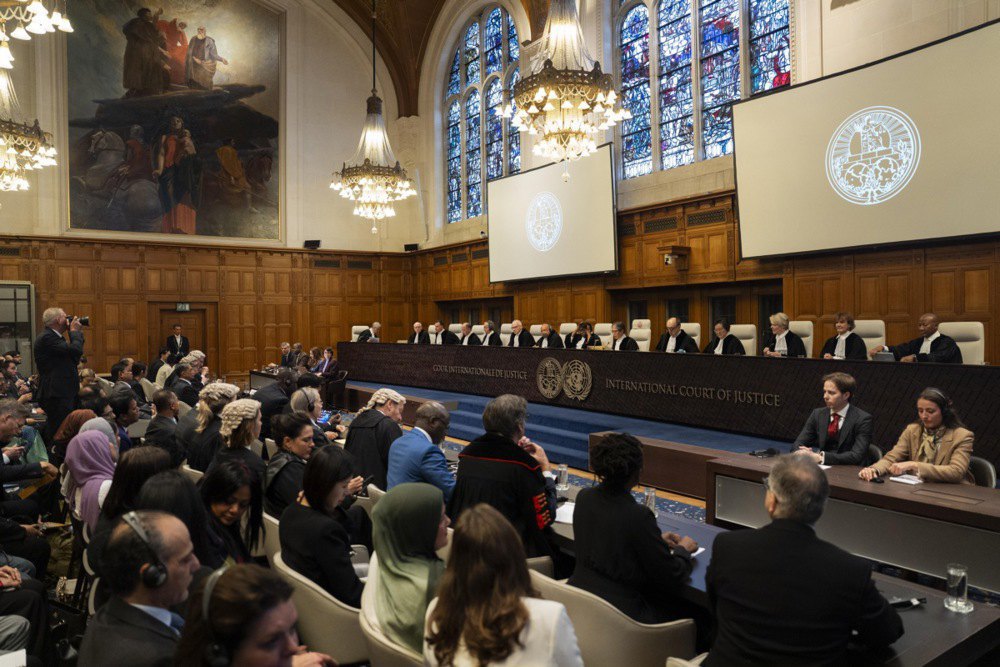
The court also concluded that evidence supports the violent killing of 10,000 Rohingya during “clearance” operations in 2017.
More than a million Rohingya now live in the world’s largest camp in Bangladesh, which borders Myanmar to the south-east.
- A panel of 15 judges has been deciding whether Myanmar’s actions amount to genocide for seven years.
- The case was brought by The Gambia under the 1948 UN Convention on the Prevention and Punishment of the Crime of Genocide. The document allows any state to bring a case against another country if there are suspicions it is violating the international agreement, concluded after the Second World War.
- Although the International Court of Justice has no mechanisms to enforce its rulings, a verdict that Myanmar committed genocide would increase international pressure on its leader, Min Aung Hlaing.
- In two other cases heard by the International Court of Justice concerning atrocities in the Balkans, it was not possible to establish direct state responsibility for genocide, although Serbia was found legally responsible for failing to prevent the genocide in Srebrenica.