





Ukraine’s Specialized Anti-Corruption Prosecutor’s Office (SAPO) has sent to court a case involving the alleged embezzlement of Ukrzaliznytsya funds and the laundering of assets obtained through criminal means.
As the prosecutor’s office press service reported, charges were brought against four people, including a former adviser to the Office of the President and an SBU official, his trusted associate, a subordinate SBU employee, and a realtor.
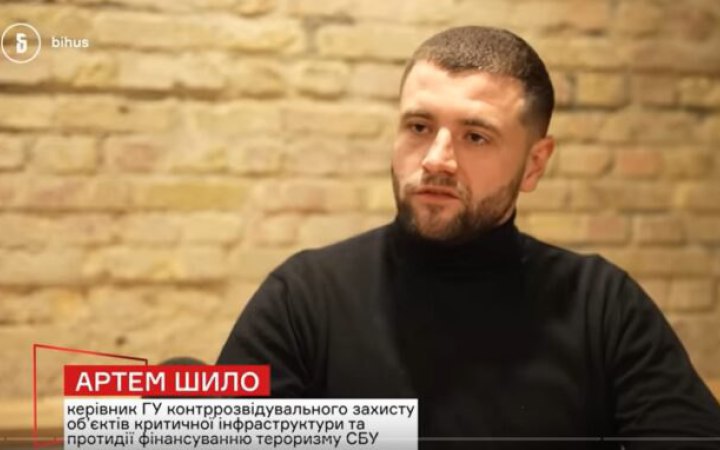
Transparency International Ukraine writes that the case concerns, among others, former adviser to the head of the Presidential Office Artem Shylo, MP Viktor Bondar, businessman Volodymyr Kotlyar, and Ukrzaliznytsya deputy director Oleksandr Shevchenko.
Investigators found that between June and December 2022, the group’s leader, through Ukrzaliznytsya officials under his control, ensured that a designated company won a tender to supply transformers. The products were purchased from an Uzbek manufacturer via Bulgarian and Ukrainian shell companies, doubling their price. The company’s losses from this scheme amounted to 95 million hryvnyas.
At the same time, the scheme’s organizers allegedly colluded with another criminal group led by a sitting member of Ukraine’s parliament and a private entrepreneur. They controlled the supply of cable and wire products at inflated prices. For the ability to continue sales, the suspects demanded a kickback of 7% of the procurement volume.
During 2021–2022, companies controlled by the MP sold products at prices significantly above market levels, causing Ukrzaliznytsya additional losses of more than 140 million hryvnyas.
In addition, the scheme’s organizer allegedly laundered more than 173 million hryvnias in criminal proceeds accumulated during his service in the security agencies. He bought luxury residential and commercial real estate in Kyiv’s Pechersk and Shevchenkivskyy districts, and also transferred money to sole proprietors under his control under the guise of paying for beauty salon services. He was assisted by a realtor who registered the property in the names of front persons, understated its value, and selected financial institutions with weak checks on the origin of funds. A co-organizer of the scheme also laundered money through his own business.