





One story
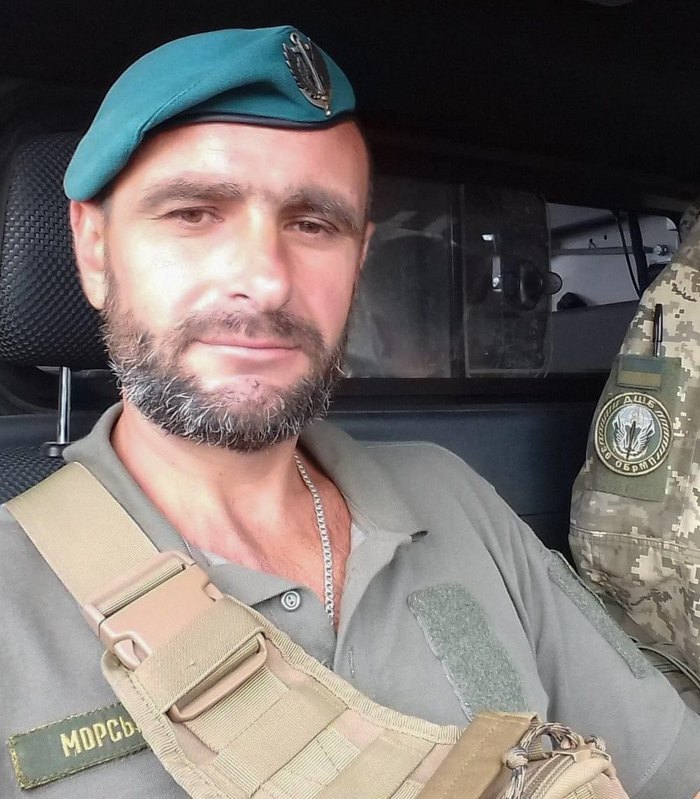
“Dad trained regularly, followed his own diet and was always active. He was extremely disciplined, strong, and physically and psychologically healthy. He hardly ever got ill... not even with a cold,” says Anastasiya Savova, the daughter of the fallen defender and a human rights activist.
After captivity, he seemed like a completely different person. She had never seen him like that: thin and hunched over, which made him appear even smaller, and frightened.
Oleksandr had dislocated joints in his legs. As a result, he had a distinctive gait, moving almost as if he were squatting.
“Once, the police even stopped him and said, ‘Why are you wandering around here drunk?’” Anastasiya says. “I think the hardest thing for him to accept was that he had always been strong, but had become weak. And that stopped him from doing the things he was used to doing.”
He suffered from constant pain and loss of sensation in his legs. Oleksandr had broken ribs, knocked-out teeth, haematomas on his head and cysts in his brain caused by blows. Degenerative changes had begun in the temporal and frontal lobes of his brain. He suffered from scabies and had both old scars and fresh ulcers – the result of being forced to stand for hours while being beaten. This causes haematomas to form and burst. Doctors also documented bite marks from dogs and signs of electric shocks on Oleksandr’s body.
Inside, things were no better. He had lost around 40kg and weighed less than his daughter. After his return, he was diagnosed with open tuberculosis.
According to Anastasiya, necrotic changes in Oleksandr’s heart were discovered after his death. Put simply, she says, he died from one heart attack, while he had suffered others in captivity that he survived.
How many similar cases of premature death are there? It appears that we do not know yet.
Official statistics
When asked about the issue, the Medical Forces Command referred us to the Coordination Headquarters for the Treatment of Prisoners of War.
The headquarters explains that its main efforts have focused on establishing a support system for people released from captivity. Analysing what happens to them is the second step.
The headquarters is developing tools to help collect and consolidate information, including a personal account for people released from captivity. At present, service members can use it, for example, to submit information about people they saw in captivity. Its functionality will gradually be expanded, and it will also be used to collect data on rehabilitation experiences and health conditions.
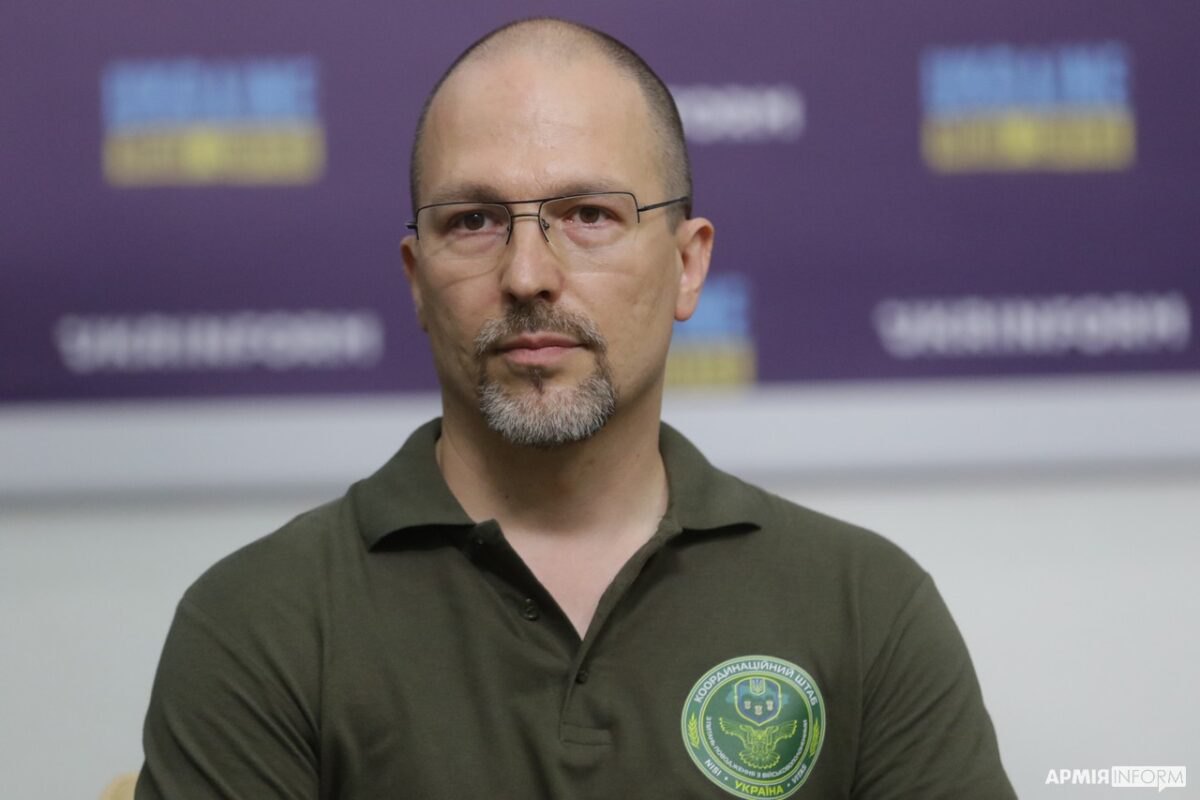
“However, we still cannot force everyone to report,” says Petro Yatsenko, a representative of the Coordination Headquarters. “These are personal and medical data, which are protected by doctor-patient confidentiality within medical institutions. There is also the question of establishing a link between deaths after release and captivity. That, too, must be determined by specialists.
In any case, people who leave the military return to their homes, and they are under no obligation to stay in contact with the headquarters. Sometimes, however, families take the initiative to report the death of a relative.
Ultimately, neither the Ministry of Health nor the secretariat of the Ukrainian Parliament Commissioner for Human Rights has such statistics.
If we look at the cases that have become public, there is very little information available. The cause of death is usually not disclosed, apart from the vague phrase ‘his heart stopped’. Where it has been mentioned, the causes have included ischaemic heart disease, heart failure and heart attacks. Those who died were aged between 25 and 57. Most had spent two or more years in captivity. Some died just months after their release, while others died a year or two later.
International experience
“At present, we cannot make any general conclusions about our service members who have survived captivity – neither about the risks that may emerge as a result of that experience nor about the rate of premature death. This will only become possible once a programme for monitoring and long-term follow-up is established. And we need time to accumulate data and draw meaningful conclusions,” says Serhiy Makarov, a senior physician at one of the reintegration centres for people released from captivity and a major in the Medical Service.
In his view, this is a perfectly achievable task, and work on it is already under way.
In the meantime, we can look at what international research tells us.
For example, in the late 1980s, the Medical Surveillance Agency of the US National Academy of Sciences’ Institute of Medicine conducted a large-scale medical examination of former prisoners of war from the Second World War who had been held in the Pacific and European theatres of war, as well as veterans of the Korean War. The study was supplemented by survey data and earlier medical records, which had begun to be collected in the early 1950s. Researchers tracked changes in the physical and mental health of people who had experienced captivity over the years and compared their outcomes with those of control groups, including service members who had never been held captive.
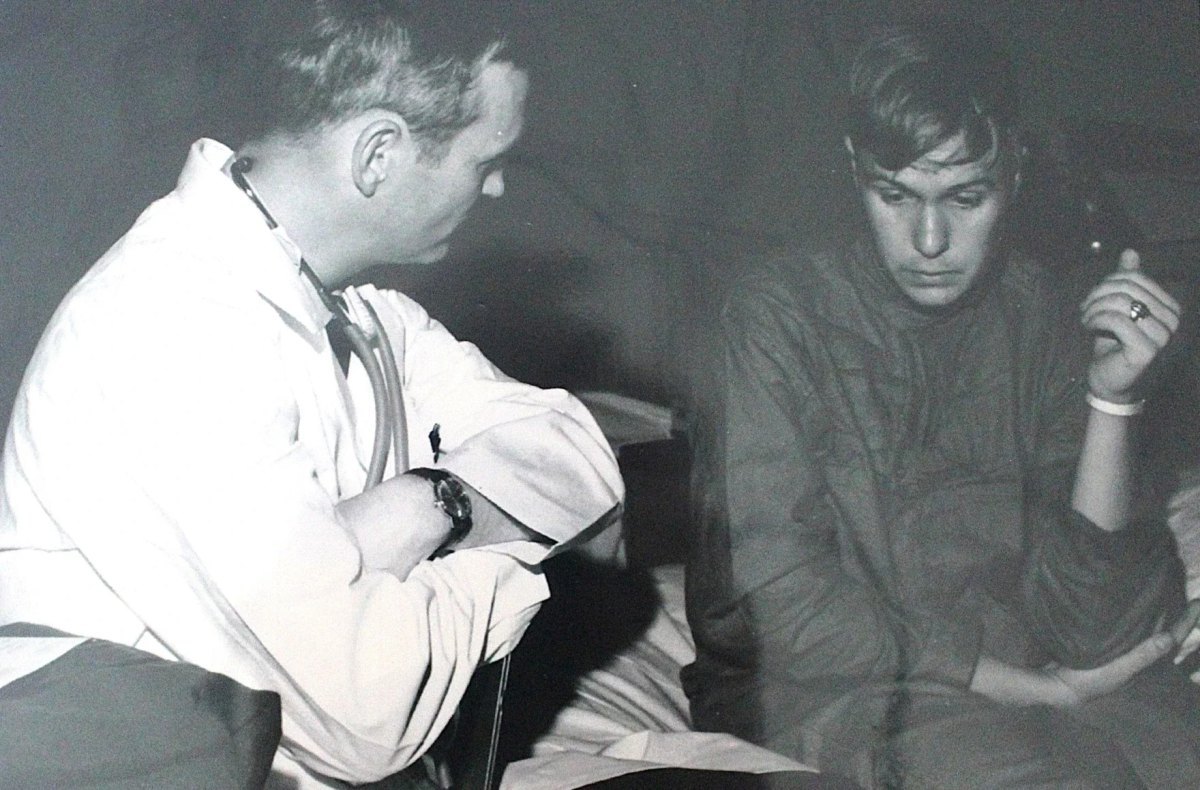
It paints a complex picture in which the consequences of captivity do not follow a uniform pattern. For example, researchers found the greatest differences in the health of former prisoners of war and veterans in the first years after release. During this period, former POWs were more likely to be hospitalised for respiratory and digestive diseases, skin and genitourinary conditions, as well as injuries and their consequences. Over time, some indicators moved closer to those of the control groups, while other effects persisted or emerged decades later. For example, excess mortality from tuberculosis, although peaking soon after repatriation, remained elevated for the following 30 years.
The same applies to some of the long-term consequences of malnutrition. Twenty years after release, signs of beriberi, a disease affecting the nervous system, were still more common among former POWs than in the control group. Among those who had suffered oedema in captivity – another manifestation of severe nutritional deficiency – ischaemic heart disease later occurred almost twice as often.
Overall, weight loss and the number of medical symptoms a person experienced in captivity were closely linked to the extent of the impact on their future health. The study’s authors described them as among the strongest general markers of the severity of captivity.
The difference was most striking, however, in mental health. Studies of different groups of former POWs found that mental health disorders remained significantly more common than in control groups even 40 years after release. These included post-traumatic stress disorder, depression and generalised anxiety disorder.
Another example is a long-term study of the consequences of captivity among Israeli prisoners of war captured during the 1973 Yom Kippur War. They were assessed 18 and 35 years after their release. The study found that former POWs had more health problems than veterans without a history of captivity, as well as a higher risk of premature death. The authors suggested that prolonged psychological stress experienced during captivity could be one possible explanation for this effect.
Overall, captivity does not have a fixed after-effect. Some consequences emerge immediately after release, some years later, while others can persist for decades.
However, the specific findings of these studies cannot be directly extrapolated to Ukrainian defenders. Conditions of detention, length of captivity, the nature of captivity itself and the violence experienced by prisoners all differ – as do the historical periods and even the climate.
So, when it comes to Ukrainian defenders, only time and our own research will provide the answer. And that work still lies ahead. For now, however, we can at least talk about the risks.
What affects their health
It is always a combination of factors: what happened before captivity, what a person experienced while in captivity, and what happened after their release.
It is worth starting with the fact that the average age of a service member is over 40, says Maksym (name changed at the interviewee’s request), a military medic who was held in captivity. By that age, the body already has vulnerabilities that can make themselves known, especially against the backdrop of the stress caused by war itself. As a result, a person who ends up in captivity already carries a burden of illnesses that often have gone undiagnosed or insufficiently investigated. If they had chronic conditions and were taking medication, they would simply be unable to follow their treatment regimen there. Added to this is the burden of combat-related trauma. Together, all of this creates an unstable foundation, with risk factors already present from the outset.
Another factor is the sudden change in circumstances.
“You are taking part in combat operations and suddenly – you are captured. Even if you were not struck even once, the psychological impact of realising what has happened is devastating,” says Maksym. “In reality, there is no way to prepare for it. Sooner or later, an existential crisis will come, because a person has to come to terms with the fact that, essentially, a new stage of life has begun.”
While in captivity, a different set of factors comes into play: living conditions, severe and prolonged stress, and torture. People released from captivity consistently report inadequate nutrition, limited access to drinking water, a lack of medical care or inadequate treatment, unsanitary conditions, overcrowded cells and sleep deprivation.
“The human body is designed to move. Physical activity and changes in activity are essential for the cardiovascular system, normal metabolism, muscles, the brain and the immune system. Captivity, by contrast, means physical inactivity,” Maksym explains. “In some places, people are forced to stand for 12 hours a day. This has a pathological effect on their health. At the same time, a person barely sees sunlight and does not get enough vitamin D. It is not routinely tested after release, by the way, because the test is expensive. I had mine tested independently, and it was 7 ng/ml – a critical deficiency.”
The same applies to nutrition. Even if meals are provided regularly, a person needs a balanced intake of proteins, fats, carbohydrates and vitamins. Yet even the food they are given is simply burned up by the constant stress. As a result, the body does not get enough calories, while fresh vegetables and greens remain nothing more than a dream.
At the same time, most Ukrainian service members are subjected to torture. Among those released from captivity, doctors have documented scars, abrasions, deformities of the upper and lower limbs and fingers, and broken teeth that may have resulted from beatings; scars caused by sharp objects and dog bites; burn scars from cigarettes or hot metal objects; concealed scars caused by prolonged restraint with handcuffs; and electrical marks resulting from electric shocks.
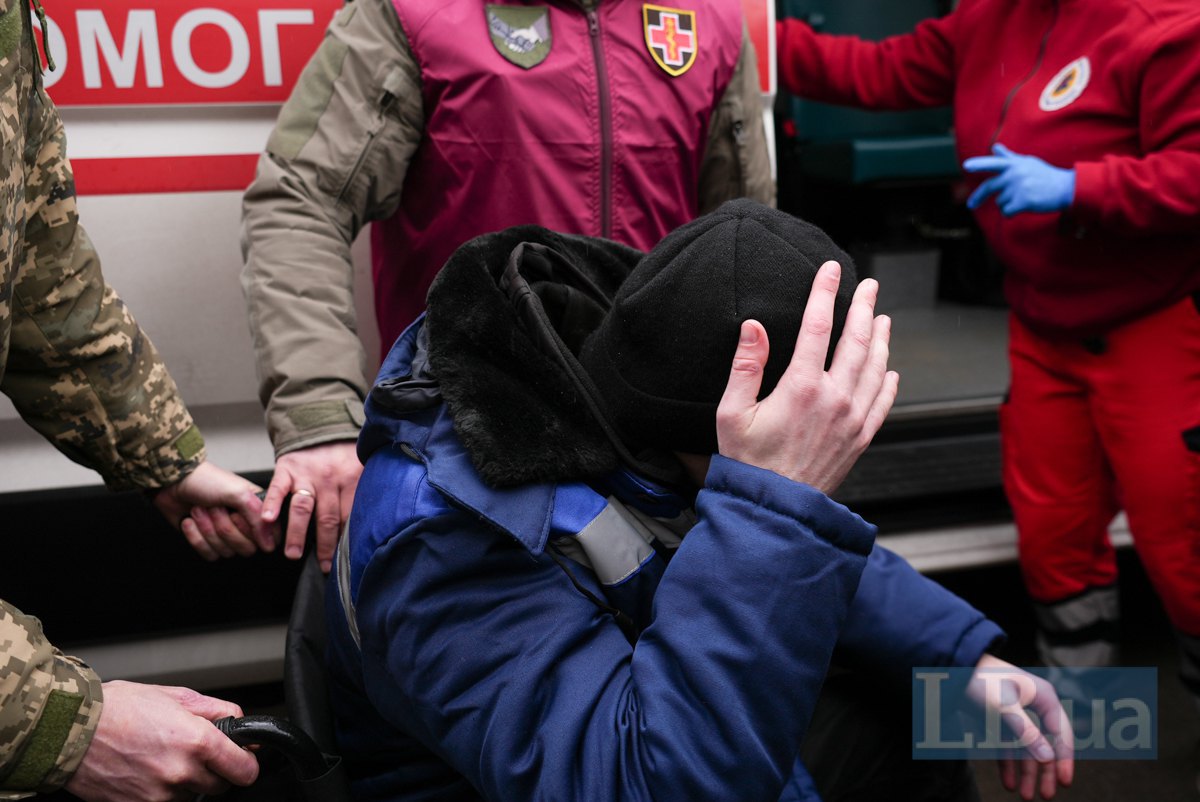
“Take electric shocks, for example. They cause a generalised muscle spasm. But what exhausts the body most is the anticipation of the shock,” Maksym says. “During a search or inspection, when you hear the rattling, you become extremely tense, constantly on guard. It takes about a day of lying down to return to normal afterwards, but you are not allowed to rest. Those who held combat positions were subjected to electric shocks systematically. And while a shock will not stop your heart, the molecular mechanisms it triggers, when repeated regularly, can have an even more profound effect than physical beatings.”
Eventually, a person finds themselves in a situation where their body is suddenly lacking virtually everything, on top of the physical abuse. And proper medical care is simply unavailable.
“For example, in Mordovia, one of the people who tortured my father with electric shocks was a prison doctor,” says Anastasiya Savova. “I know that at some point a young woman was working in Kursk who initially gave the men painkillers. Even if there was only one tablet for every 20 people, they had to decide among themselves who would take it. But when the guards realised that the doctor was actually helping them in some way, she was quickly removed from the job. That gives you an idea of what medical care looked like there.”
Torture carried out even by medical personnel is a regular occurrence, says Mykhaylo Savva, an expert at the Center for Civil Liberties and a human rights activist. While some doctors do treat people professionally, this does not change the overall situation. As for medical care itself, people can generally expect only basic treatment – a tablet for high blood pressure or a headache, or antibiotics.
According to Anastasiya, her father was given some kind of medication for tuberculosis that made him feel unwell. The only examination he underwent was fluorography – six times in less than a year, which in itself could be regarded as cruel treatment.
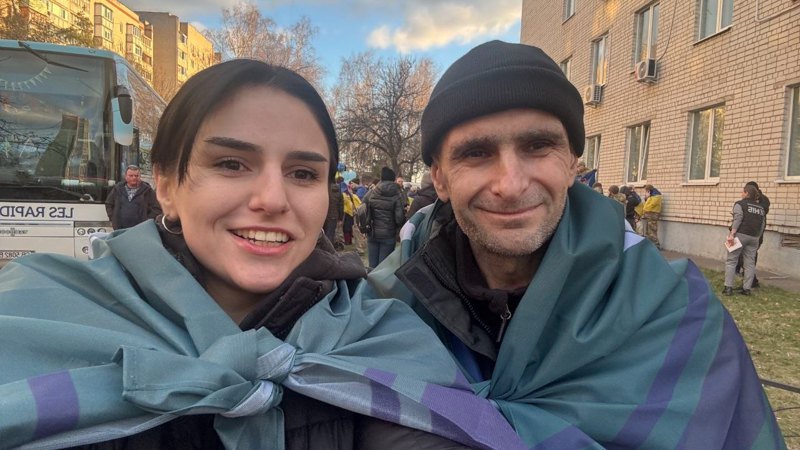
“If you get sick, you don’t say anything, because that means showing weakness. And you can be punished for showing weakness. They might give you some medication, but no one will put you on bed rest, so there is no way to properly recover. It all builds up: illnesses you have to endure on your feet, poor nutrition, physical inactivity, torture, stress. Your immune system simply crashes,” Maksym explains.
Then the compressed spring finally unwinds, with consequences that can range from lasting health problems to the worst possible outcome.
What happens after release
After their release, service members – except those who require urgent medical attention – are sent to one of the reintegration centres, where a range of specialists, including physicians, infectious disease specialists, dermatologists, trauma specialists, surgeons and psychiatrists, conduct a comprehensive medical examination. This provides a picture of the person’s initial condition – a kind of baseline.
The first thing that stands out is the severe physical exhaustion of many released defenders, says Serhiy Makarov. They are underweight, gaunt and pale, partly as a result of prolonged nutritional deficiencies. In his experience, the worst condition is seen among younger men aged 25 to 35, which may be explained by the harsher treatment they receive from prison guards.
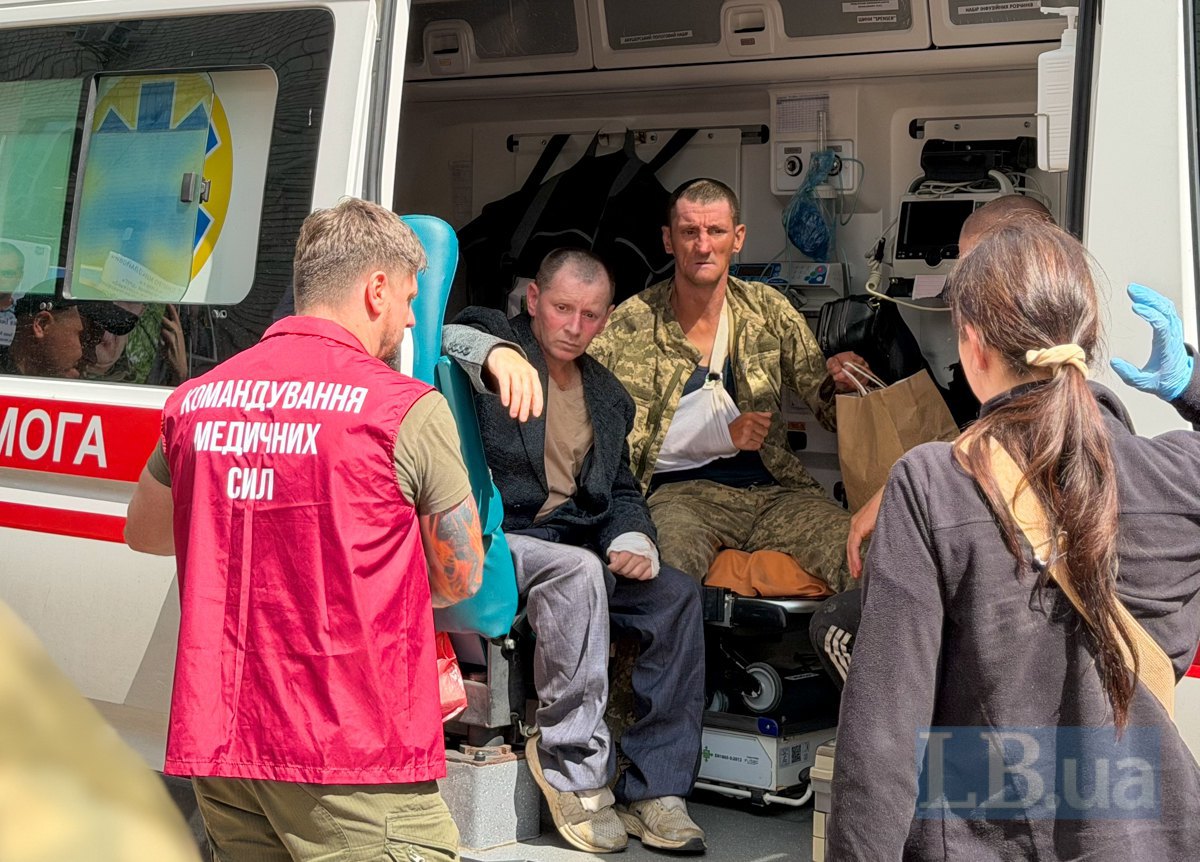
During the examination, doctors already identify skin conditions such as fungal and bacterial infections, scabies and eczema, all of which point to inadequate detention conditions and a lack of timely medical care.
Poorly treated or completely untreated fractures are also quite common. As a result, false joints can sometimes develop because the bones were not immobilised, even minimally. Serious contractures – restricted movement in the joints – are also found in those who entered captivity with injuries.
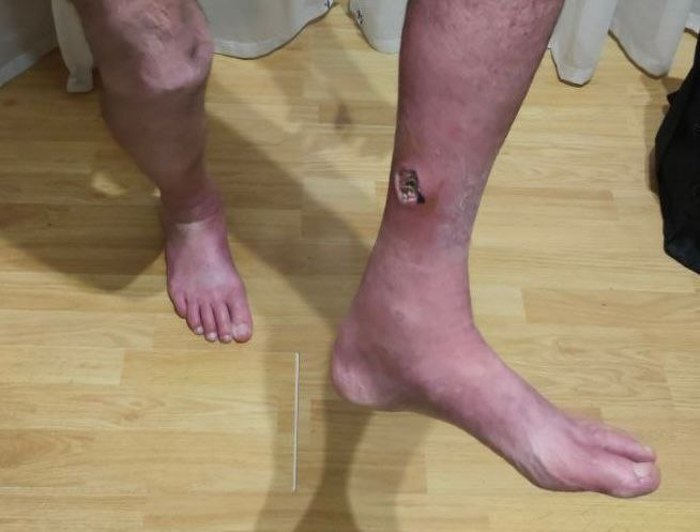
Other common conditions include swelling of the lower limbs, trophic ulcers, and signs of lymphatic and venous insufficiency, generally caused by prolonged standing. These can lead to complications that are difficult to treat and require long-term monitoring.
“As for the body’s internal systems, we cannot currently say that there are any universal disorders characteristic of most people,” says Serhiy Makarov. “It all depends on age, health before captivity, detention conditions and the level of physical activity. Broadly speaking, where the body is weakest, that is where it breaks. Whatever a person’s weakest link is, that is what tends to suffer first.”
Sometimes the danger arises at the moment of return.
In captivity, a person’s digestive system gradually adapts to a restricted and monotonous diet. The trap awaits them at home, when someone who has spent years dreaming of good food suddenly starts eating everything. In such cases, there is a risk of refeeding syndrome. This causes significant electrolyte disturbances – sharp fluctuations in phosphorus, potassium and magnesium levels in the blood – which can ultimately affect the cardiovascular system and, in severe cases, lead to death.
Multiple nutritional deficiencies caused by inadequate food are another major problem, says Serhiy Makarov. A person may simultaneously lack protein, iron, B vitamins, vitamin D, calcium, magnesium and other micronutrients. Nutritional status and deficiency-related conditions are therefore among the areas requiring particular attention.
At present, all released service members have their weight, height and waist circumference measured, and their body mass index calculated. But these are basic indicators that can formally appear to show a person is within the normal range. A closer look can reveal a very different picture. At one reintegration centre, specialists additionally assess body composition, fat and muscle reserves, and perform densitometry to determine bone mineral density.
“Between the ages of 25 and 35, a person’s bone tissue is usually close to its peak. Among those released from captivity, we see the opposite: a significant proportion have abnormally low bone density. This occurs much more frequently than would be expected in the general population. Absolutely everyone has a pronounced vitamin D deficiency,” says Serhiy Makarov.
All of this means that metabolism is affected. Undiagnosed and therefore inadequately managed metabolic and endocrine disorders can in turn increase cardiovascular risks and, ultimately, the risk of premature death.

At the same time, a person’s perception of their own health can differ greatly from their actual condition.
“Initially, they are, firstly, running on adrenaline. Secondly, they are in a state of dissociation. This is a psychological defence mechanism in which consciousness ‘disconnects’ from bodily experience,” explains Serhiy Makarov.
That is why, during the first few weeks after release, they often have very few complaints – perhaps problems sleeping, headaches or poor memory. They only start to “fall apart” after the third or fourth week, when the connection between the body and the brain is restored and suddenly everything starts to hurt.
“Take the musculoskeletal system, for example. People I have spoken to a year, a year and a half or two years after their release complain of problems with their joints and spine,” says Serhiy.
“You cannot understand the whole problem from the first contact. There are no super-specialists, no superhumans who could do that,” says Maksym. On the other hand, there are delayed consequences. The indicators a person presents with when they enter rehabilitation after captivity will differ from what we see six months or a year later.
The same applies to psychological problems.
The challenges of recovery
After his release, Oleksandr Savov was plagued by hallucinations: he could hear the voices of prison guards or see them on the street.
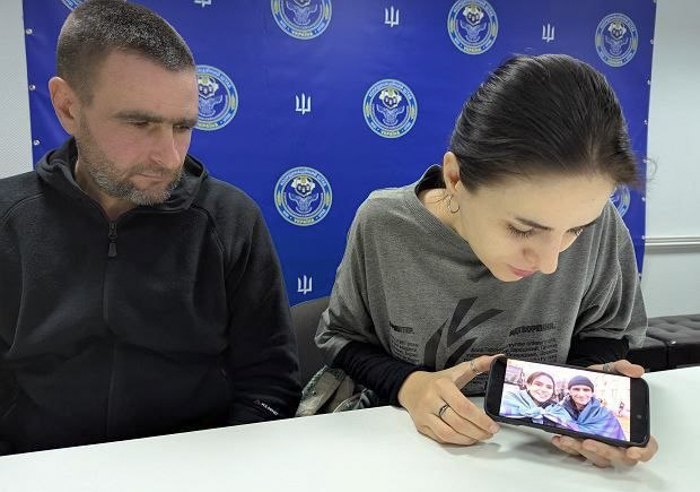
“These were specific people who had made him suffer and sent him to the punishment cell,” Anastasiya says. “He would tell me: ‘You see the good in a person, but I immediately see the evil.’ He had bouts of aggression, anxiety and fear. I was studying psychology, but my father had never taken it seriously before. After his release, however, he eventually realised that his mental health needed attention.
Through the ‘Vilnyi Step’ platform, created to support people who have experienced captivity, Oleksandr found specialists. He needed ongoing support from a psychiatrist and psychotherapist.
Even at the reintegration centre stage, service members are assessed for anxiety and depressive disorders, as well as sleep disorders. However, immediately after release, psychological wellbeing often takes a back seat, says neurologist Kseniya Voznytsina, director of the Lisova Polyana Mental Health and Rehabilitation Centre for Veterans. There are many immediate concerns: family, documents, finances, housing and physical health. And then there are the overwhelming emotions.
“At the moment of your return, you are overcome by euphoria,” says Maksym. “Or rather… the realisation that you made it. You know how a child waits for the summer holidays? They have this timeline clearly mapped out in their head. Release is the horizon everyone strives to reach, and that first call to your family is an overwhelming emotional moment when you are crying your eyes out. The moment of reunion is perfect.
“You are finally home. You can get as much medical treatment as you need, you have financial support, you can leave the army – your ability to critically assess your psychological state is low at this point, and it is difficult to recognise and put into words what is happening, especially during the first six months,” explains Kseniya Voznytsina.
Then, once the emotional storm subsides, a certain calm sets in. The person has to think about what to do next, what to occupy themselves with and where to work if they decide to leave the service. Some find the support they need and begin to rebuild their lives. For others, there is a collapse, and the pendulum starts swinging in the opposite direction.
It is as though the person finds themselves back at square one. Except that the world around them, the one they knew before, has changed dramatically. At this stage, the psychological consequences of the traumatic experience of captivity can often come to the fore.
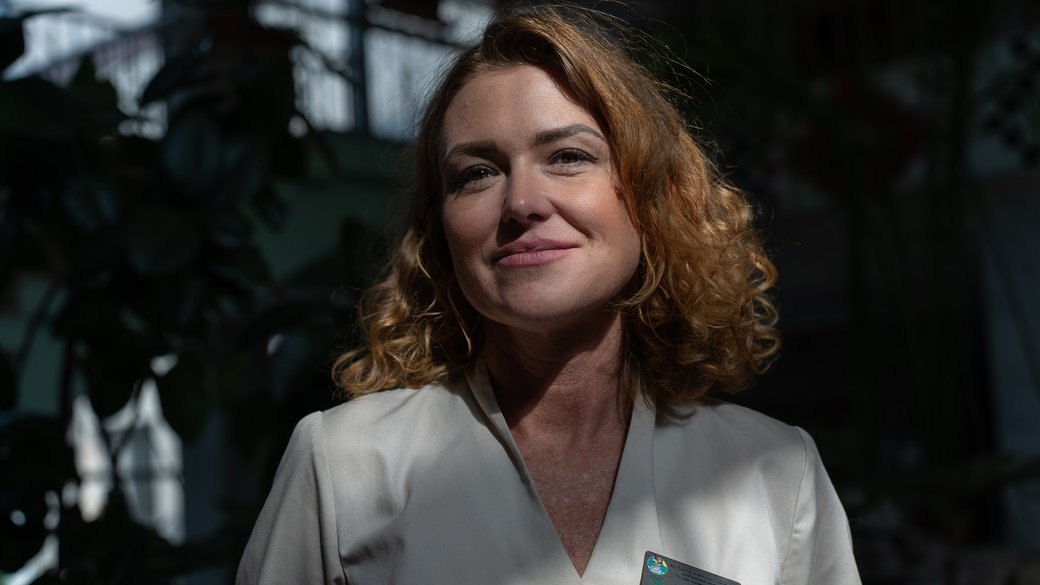
“For years, you consumed fragments of information, heard rumours and half-truths, and read whatever you were given. Eventually, you lost the bigger picture, and filled in the missing pieces with your imagination. When those fantasies and hopes do not match reality, it has a destructive impact,” Maksym admits. “This is where alcohol or drug dependence can begin. Because there, you are simply a machine. Here, you are suddenly bombarded by information, thoughts and dreams, with easy access to everything. If you have nothing to hold on to, at some point you simply fall apart. There is Stanley Kubrick’s film Full Metal Jacket. That phrase best describes what happens. From the outside, a person seems to have a full metal jacket, but inside there is chaos.”
Ultimately, everything works together. Kseniya explains:
“People do not usually die from arthritis, back pain, pancreatitis, gastritis or other chronic conditions. But untreated psychological trauma following captivity can sustain a prolonged state of stress. This can manifest as sleep disturbances, anxiety, depression, high blood pressure, a rapid heartbeat and exhaustion, and can make chronic conditions more difficult to treat. This does not mean that psychological problems will inevitably cause a physical illness on their own. But they can worsen its course and reduce a person’s ability to look after their own health. This, in turn, can increase the risk of, among other things, cardiovascular disease flare-ups or cancer being detected too late. Combined with other factors, this can potentially increase the likelihood of premature death. That is the main danger.
Overall, there are many specific circumstances that make recovery after captivity a major challenge. According to Tetyana Sirenko, head of the board of the NGO Resource Centre ‘Lisova Polyana’ and a trauma therapist, most people released from captivity have developed fairly powerful psychological survival mechanisms that helped them endure captivity. They learned to control their emotional states and tolerate enormous amounts of pain. Afterwards, they often find it difficult to abandon these strategies. Their threshold of sensitivity has changed significantly, and they are often unaware that they already need help.
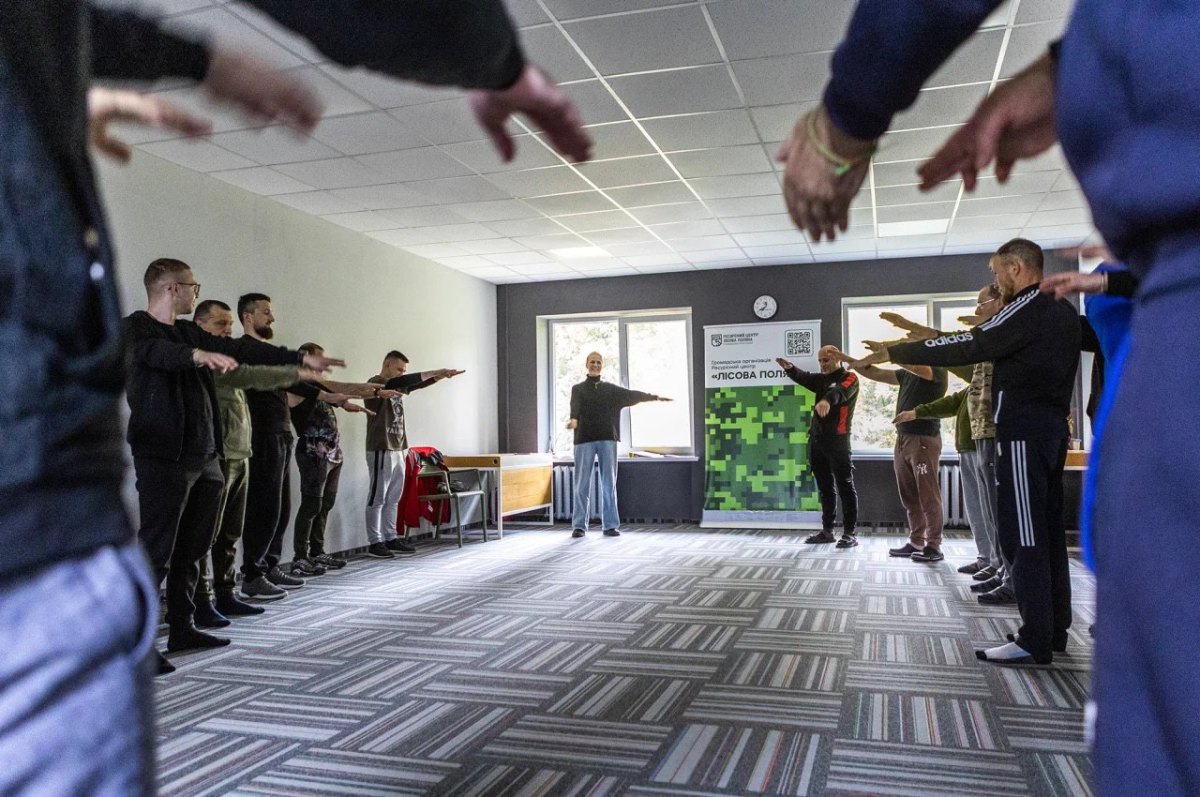
Contact with doctors is a separate story, especially for people who have experienced torture.
“From a trauma-therapy perspective, the body after torture is a kind of carrier of traumatic memory. It is both a witness and evidence, as well as a trigger,” she says. “This is what makes rehabilitation so difficult – there is a very high intensity and concentration of traumatic memories that can surface at any point during treatment. And all of this happens against a background of limited psychological and physical resources, because the person has been exhausted for a long time. This, in turn, leads to a high level of avoidance.
“It is not easy to work with this, and sensitive communication and doctors’ expertise are extremely important. That is why all specialists involved in working with people released from captivity need specialised training. It is difficult to build a relationship that goes beyond superficial contact, so that a person can open up and feel able to seek help again when necessary.”
But in practice, things can be very different.
“Medical staff are often simply not trained to communicate with people released from captivity,” says Anastasiya Savova. “They may dismiss their complaints, believing they are exaggerated, or simply make inappropriate comments.”
According to Anastasiya, her father experienced this repeatedly. She had to convince a traumatologist that Oleksandr’s rib had been broken in captivity. And when a neurologist heard that the man had been experiencing back pain for three years, they asked why he had not sought treatment earlier. When he replied that he had spent those three years in captivity, the doctor said: “Well, everyone learns what they have to.”
“We have analysed many risks, including the risk of death, and I think the first and foremost issue is a person’s failure to engage in psychological work,” says Lesia Bondarenko, a clinical psychologist at Lisova Polyana. “Because healing comes through reliving the pain, but this time in a safe and supportive environment together with a therapist. That is how the experience becomes integrated into the person and they can move forward.
“The second issue is total distrust of everything – the world, the system, doctors. It is difficult for them to keep turning to different services and monitoring their health, especially because, generally speaking, we do not have such a culture. One of our tasks at Lisova Polyana is to foster a sense of responsibility for one’s own health. People often want some kind of magic pill so they do not have to do anything else.”
There is another side to the story. According to Kseniya Voznytsina, a system linking financial payments to continuous inpatient treatment has created a situation in which people try to remain in medical facilities for as long as possible.
“Eventually, even those who do not need it spend months moving from one hospital to another. This is not about diminishing their suffering. We simply have many cases where people are treated in this way for conditions that do not require inpatient care at all. The guys even joke that they have ‘gone on to the next stage’. But there is a great deal of tragedy behind that joke,” she says.
As a result, the system is overloaded. But it also effectively disables the person themselves.
“Because this is a continuation of the state of helplessness they experienced in captivity, only now it becomes entrenched here, in freedom,” Kseniya explains. “There should not be such widespread, prolonged inpatient treatment if there are no medical indications for it. What matters here is the right to choose: whether to receive inpatient or outpatient care, stay with their family or go away to rest. At the same time, however, there needs to be someone who can periodically check in on the person without putting them under pressure.”
What is wrong with the system
In recent years, the system for providing medical care to service members released from captivity has developed significantly. The first official reintegration centre opened in 2024, and there are now many more. In 2025, laboratory tests and medical examinations for patients with a history of captivity were revised and expanded in response to the need to standardise services. Some government agencies had greater resources than others, which affected the level of care available. Now, the scope of services is the same for everyone.
On the other hand, these are only nominally reintegration centres. In practice, they are healthcare facilities that also perform this function. And they vary. Some already have considerable experience working with people released from captivity, while others have only seen a handful of such patients. The reintegration programme is in place, but a shortage of specialists and constant staff rotations can negatively affect the rehabilitation process.
And no matter how many centres are created, this will not increase the number of doctors, MRI or X-ray machines, laboratory capacity for processing tests or the number of specialist doctors. As a result, there are queues for certain examinations.
The system is still taking shape, and naturally this will involve trial and error because, in reality, no one knows exactly what the right approach is, says Maksym.
“Certain things need to be adjusted. In my view, given the cardiovascular risks, all people released from captivity should undergo a comprehensive cardiac assessment that goes beyond an ECG. This should include a heart ultrasound and functional tests to understand what happens during physical exertion,” he explains.
Some specialists cite Poland’s KOS-zawał programme as an example. Its name translates as “comprehensive cardiac care after myocardial infarction”. Under the programme, patients receive treatment, rehabilitation, consultations and follow-up examinations for a year.
“Ideally, reintegration should be designed in such a way that delayed consequences are not missed and, where possible, the worst-case scenario is prevented,” Maksym agrees.
There are two parallel issues here. The first is the need to expand the range of tests at the initial stage.
“Ideally, we should conduct as broad a range of functional tests as possible and repeat them over time,” says Serhiy Makarov. “At the same time, we have to recognise that military medicine currently has many competing priorities. The approach we have towards people released from captivity is, let’s put it this way, the minimum necessary. Even under these circumstances, a great deal is actually being done. But the experience we have accumulated allows us to identify certain gaps that are important to address.”
Some things do not require additional resources but could provide answers. For example, assessing nutritional status.
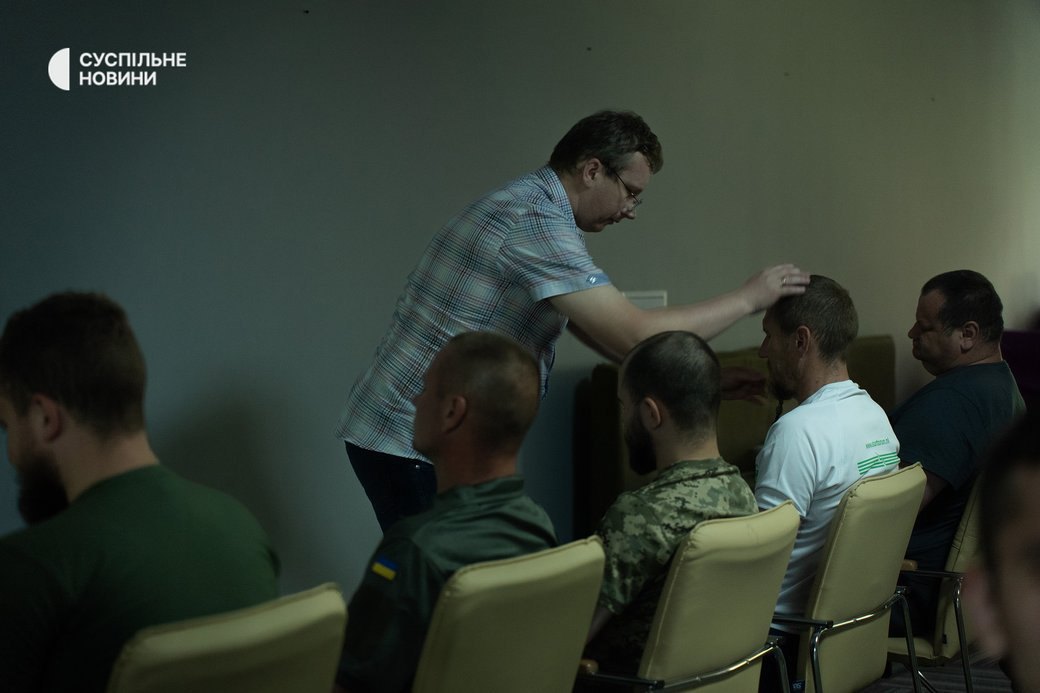
“For example, there is a simple tool called a caliper – essentially a pair of callipers for measuring the thickness of skinfolds. It takes two minutes to examine one patient, then you use a formula to calculate their body composition. You can see that a normal body mass index does not necessarily mean everything is fine. We use this method, and other healthcare facilities could do the same,” says Serhiy.
This assessment is not currently included in the list of mandatory examinations. Neither are vitamin D testing or bone densitometry. At one of the reintegration centres, for example, these tests are carried out through an arrangement with a private laboratory, with support from partner organisations.
“But this should be available to everyone, so we will propose expanding the screening programme. In our view, it should include tests for vitamin D, ferritin, which is a marker of iron deficiency, and B vitamins, particularly thiamine (vitamin B1). Thiamine deficiency causes neuropathy and dry and wet beriberi. These are recognised in the literature as characteristic problems among prisoners of war. And, incidentally, some of the clinical signs we regularly observe in people released from captivity could be explained by beriberi. We simply cannot prove it yet because that would require a thiamine test,” explains Serhii Makarov.
The second issue is long-term medical follow-up.
Reintegration centres provide the first stage of recovery, which lasts three to four weeks. After that, depending on their medical needs, service members are transferred to other healthcare facilities. But in reality, we have little understanding of what happens to a person at this stage or whether they receive the care they need. In other words, the system currently has a better view of people immediately after their release, but a much poorer one afterwards.
“The problem is that there is currently no clear pathway for the continued monitoring of people released from captivity once the reintegration measures are complete,” explains Serhiy.
This is especially relevant because some of them leave the military. These people move into the civilian healthcare system and come under the care of a family doctor, according to the Ministry of Health.
Eventually, they become dispersed across the country and simply disappear from view.
According to Ihor Zastavnyi, a family doctor at the Svoi.Ridni outpatient clinic, a family doctor does not automatically know that a patient has been released from captivity.
“For example, in our community, nobody tells us: ‘Pay attention, this person has returned’, because there is no centralised system for such notifications. And the person themselves may not want to disclose their experience. I think these people and their families should be reminded at different stages that they need to have a family doctor and that they should see them after being discharged.
“But in my experience, there is a deeper issue here – trust. If a person already had a family doctor they trusted before captivity, there are usually no problems and they establish open communication. But if the choice of doctor was made without much thought, as is often the case, that is a different story.
“That is why I would talk about responsibility at every level: the individual’s responsibility for their own health; the family doctor’s responsibility to study, for example, clinical guidelines or take courses on communicating with veterans and people who have experienced captivity; and the system’s responsibility to remind people that they need to see a family doctor.”
There needs to be a point of support where a person can receive help and, if necessary, be properly referred to another specialist or service, Kseniya Voznytsina believes. At the local level, much depends on the community itself and how it has organised support for veterans and people released from captivity, whether it works with NGOs, and whether it has veteran spaces and specialists supporting veterans.
“Case management works well at Lisova Polyana. All our patients know that there is someone they can turn to with any concern and receive the help they need. For someone who has experienced captivity, this creates a sense of security,” she explains.
Meanwhile, the question of what a long-term support system should look like remains open.
“At this stage, our view is that we should develop a standardised protocol for the long-term care of service members released from captivity, with at least a minimum set of examinations to be repeated regularly. And the approach should be differentiated,” says Serhiy. “For those who are not considered at risk, it could be enough to carry out, say, a full blood count, check blood sugar levels, liver function, perform a heart ultrasound and conduct some functional tests. Those with serious health problems could return to the same reintegration centre for further examinations. If necessary, they could then be referred to other specialised facilities.
“There is no doubt that we need a long-term monitoring programme. The question is how to organise it. Clearly, the workload should be divided between reintegration centres and the civilian primary and secondary healthcare levels. And they, in turn, need to be equipped with guidelines and algorithms for managing such patients.”
Serhiy Makarov also says it is important for the results of subsequent medical examinations to be sent back to the reintegration centre, which already has records of each service member’s health at the time of release. This would allow the centre to build up a database, analyse the information and use it to improve the system.
The same applies to analysing deaths. Ultimately, this is not only a matter of health and life, but also of accountability for those responsible for what happened in captivity.