




What to use to strike them
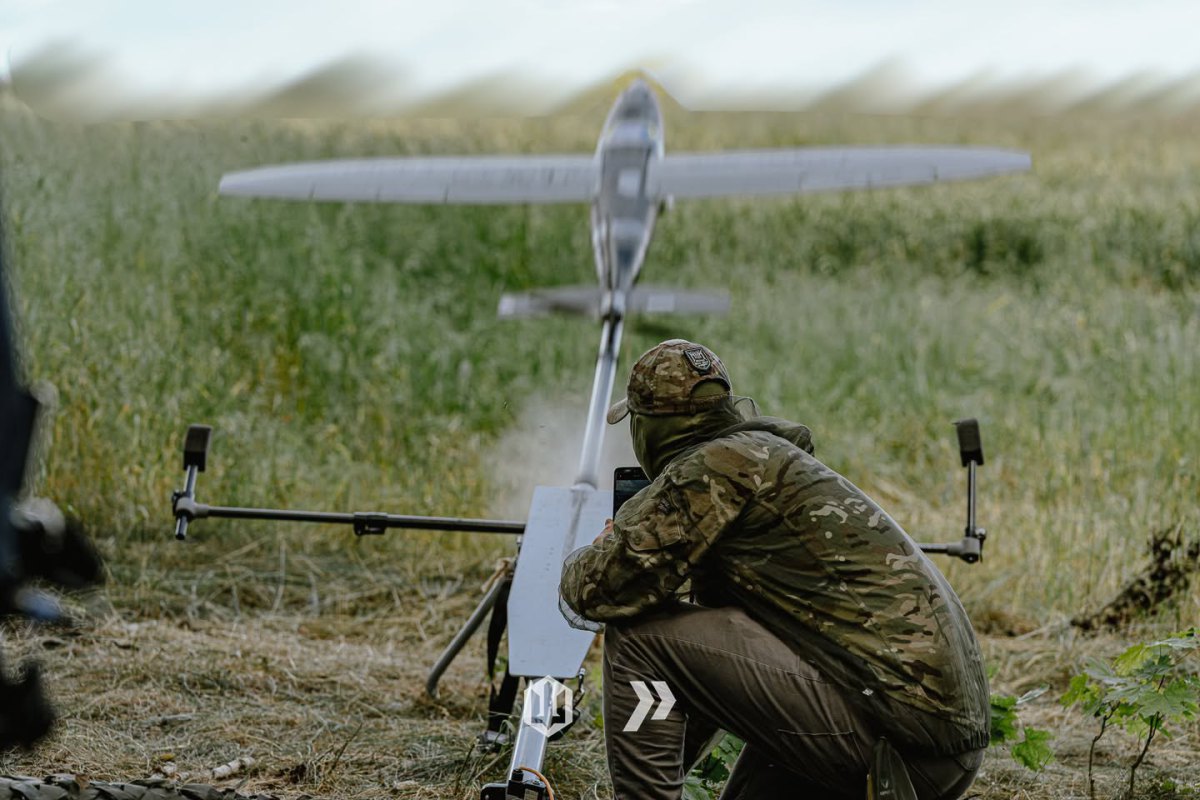
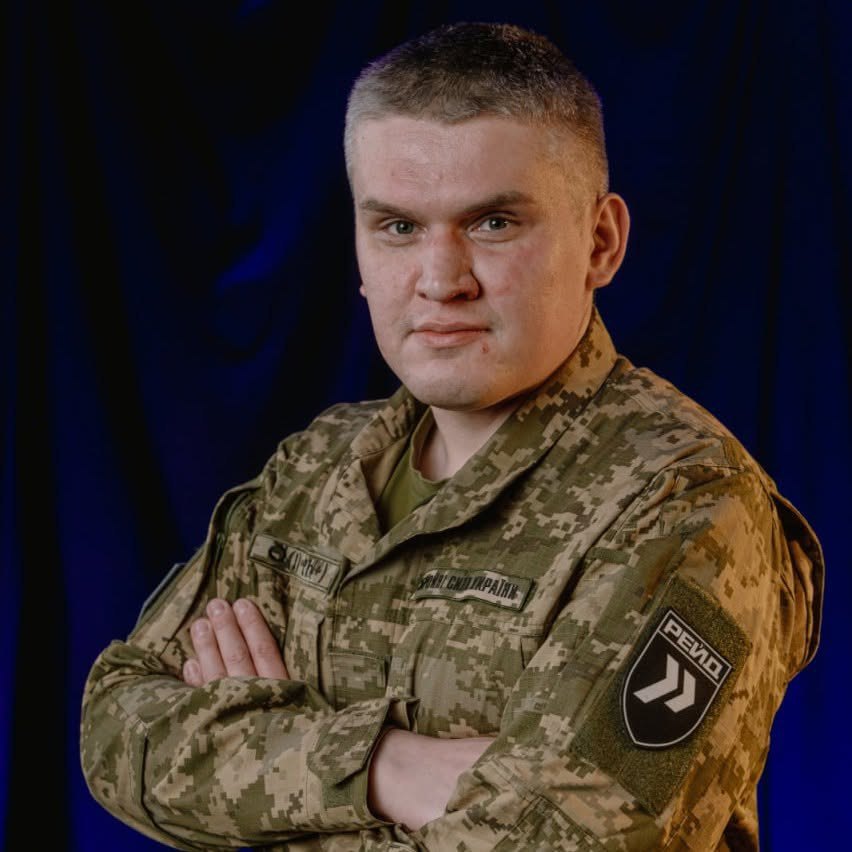
The weapons used to strike Russian launchers could be either a kamikaze drone travelling at 100–200kph or a ballistic missile capable of reaching speeds of Mach 4, Ivan Kyrychevskyi, a serviceman with the 413th Raid Regiment of the Unmanned Systems Forces and a weapons expert at Defense Express, told LB.ua. There have already been several such strikes over the past six months, he said.
“At least six successful incidents involving long-range kamikaze drones or middle-strike drones are publicly known. One of them was when our Raid Regiment destroyed an S-400 system in Russia’s Bryansk Region,” Kyrychevskyi said.
At least five of the strikes targeted Crimea, he said. These included strikes on deployment areas of Iskander and Zircon missile systems, as well as S-400 systems.
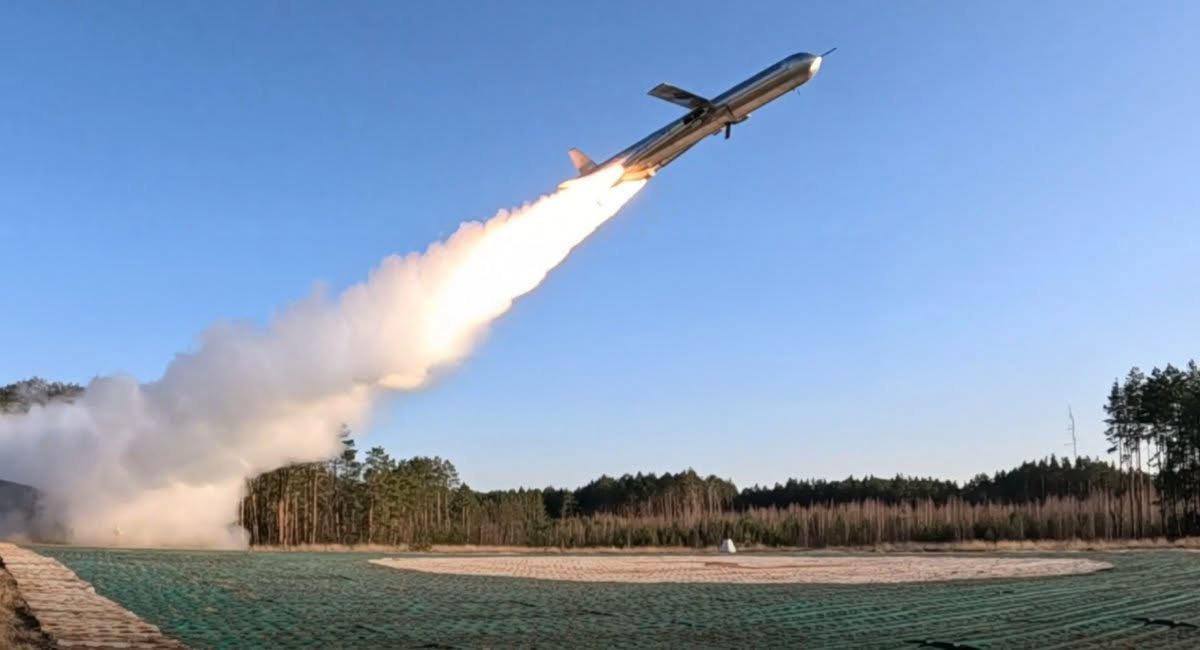
If Ukraine has FP7 or Sapsan operational-tactical missiles available, they could also be used to strike such targets, the expert said.
“I have come across many interesting options. One US general has proposed using subsonic Rusty Dagger missiles, which we have theoretically received,” Kyrychevskyi said. (As Defense Express reported in June this year, debris recovered by Russian forces indicates that Ukraine is already using the latest AGM-188A Rusty Dagger cruise missiles with a range of more than 930km. The missiles were developed by US company Zone 5 Technologies specifically for the Ukrainian Armed Forces under the ERAM programme — Ed.)
If reliable intelligence is available, subsonic cruise missiles could also be used to strike them.
“But the question is whether we have enough missiles to switch entirely to hunting launchers while still having enough for planned combat operations against Russian targets,” the expert said.
Major Vitaliy “Chezet” Ivanov, commander of the Strazh anti-aircraft missile and artillery battalion of the National Guard’s 1st Azov Corps, believes the most effective way to strike ballistic missile launchers is to respond in kind — with ballistic missiles of their own.
“They offer a rapid response time, a large area of effect and a low probability of interception on the way to the target,” he said.
In his view, the response and flight time of a drone would not allow it to strike a launcher together with its crew in the launch area.
“Domestic cruise missiles could be considered as an option. But this would also require detailed planning and positioning our launchers closer to the front line to reduce flight time,” Chezet said.
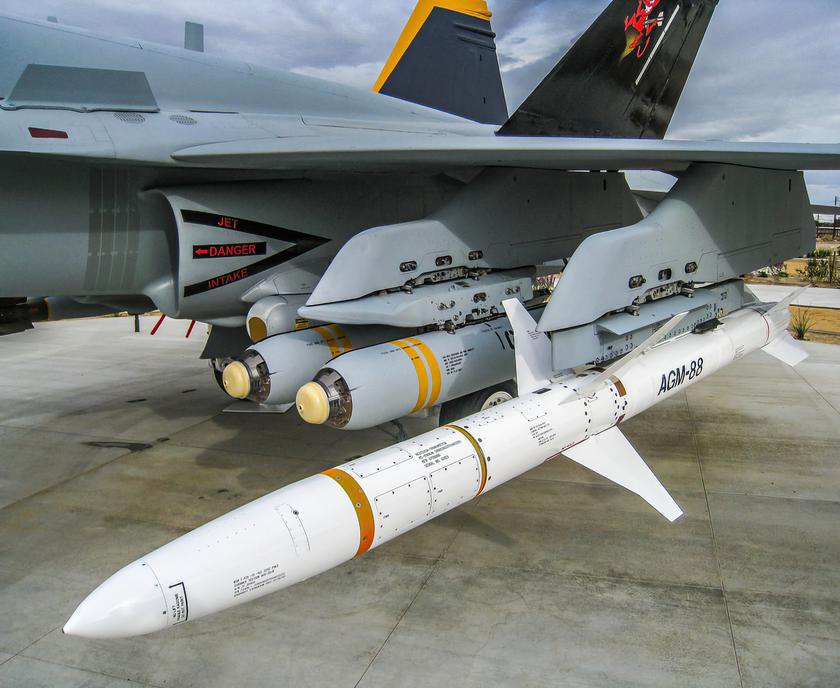
Aviation expert Anatoliy Khrapchynskyy said on the Klyati pytannya podcast that missiles such as ATACMS and AGM-88 HARM could be used to strike launchers. These missiles fly at speeds suited to this type of mission.
“The time needed to make a decision, upload the coordinates and carry out the strike is roughly six minutes. We can add the time needed to move into position — another 14 minutes or so. The average distance from Ukraine’s territory for a relatively safe launch against a missile launcher is around 185km,” the expert said.
Speaking to LB.ua, Khrapchynskyy said it was critical to use long-range drones rather than expensive missiles against launchers. However, such drones must meet stringent technical requirements. To strike a moving target deep inside Russian-controlled territory, mostly at night, a drone needs a high flight speed and the ability to manoeuvre in the face of dense Russian air defences.
“The most important element of this system is a reliable and secure communications link capable of synchronising the reconnaissance and strike chains. At present, the only practical solution capable of ensuring the necessary speed and quality of real-time data transmission despite Russian electronic warfare is satellite communications, particularly integrated Starlink terminals,” Khrapchynskyy said.
Only an uninterrupted digital link can turn a long-range drone from an ordinary loitering munition into a precision tool for rapid response, the expert said.
What is the situation with intelligence?
According to Serhiy “Flash” Beskrestnov, an adviser to the President of Ukraine on defence technology development, Russian forces launch ballistic missiles from distances beyond the reach of HIMARS, meaning other types of weapons are needed to strike the launchers. This requires aerial reconnaissance and satellite imagery.
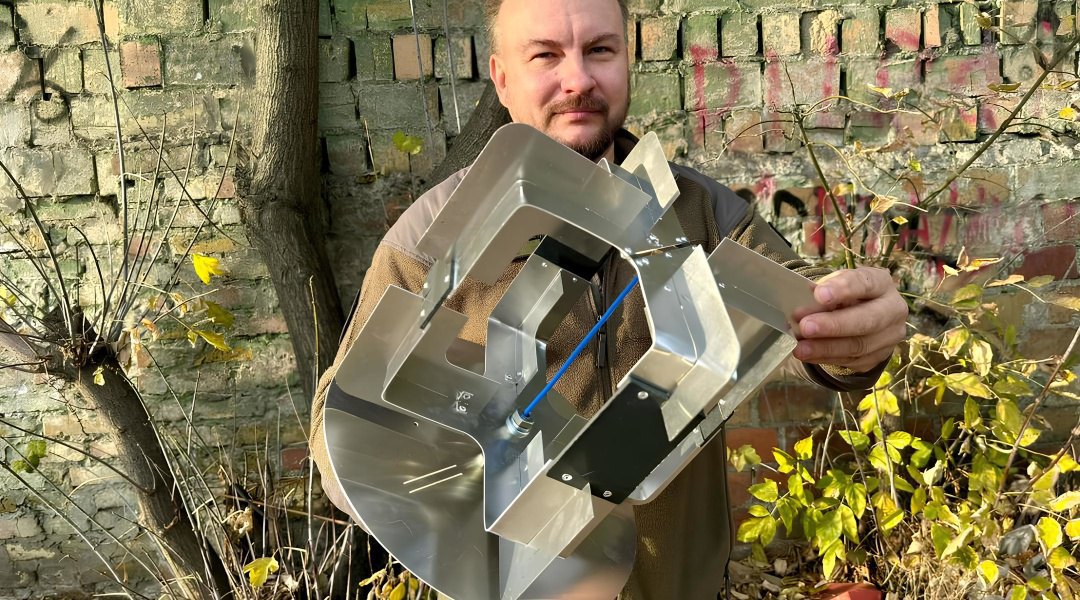
The challenge is compounded by the fact that a launcher is not a stationary target.
“Catching an Iskander on the move or near a position where it is being deployed is difficult,” Flash said in comments to the My — Ukraina TV channel.
Striking ballistic missile production facilities is similarly difficult, as they are mostly located deep underground.
When hunting launchers, the key issue is intelligence rather than weapons, Kyrychevskyi believes.
“There was a fashionable term — the ‘reconnaissance-strike complex’. In other words, it is not enough to have the means to strike a target; you also need reconnaissance capable of transmitting data in real time, with a processing cycle of just a few minutes,” he explained.
According to Kyrychevskyi, the problems with intelligence are “already a matter of the political factor”. The US may not be providing the data, or perhaps the Americans simply do not have it themselves, the serviceman suggested. He said he did not know whether the recent resumption of intelligence-sharing with the United States would affect this area.
Khrapchynskyy noted that based on the satellite data provided by foreign partners, Ukrainian forces know when a missile has already been launched. The launch areas are roughly known, but it is necessary to know in advance exactly where the threat will come from.
“You cannot rely on satellites alone here — we need to be talking about our own reconnaissance drones operating in the airspace,” he said.

The key technological gap between the temporarily occupied territories and Russia itself lies in communications, Khrapchynskyy told LB.ua. In the occupied territories, Ukrainian operators can rely on Starlink, while the service’s operation is restricted inside Russia. To strike moving or well-camouflaged targets deep inside Russia, continuous space-based and radio-technical surveillance is required, making intelligence from partners critical.
“Unfortunately, Western allies still take a cautious position on providing real-time intelligence for active operations on Russian territory, fearing a hypothetical ‘escalation’. As a result, we face a combination of constraints: from purely ‘technical gaps’ in communications to geopolitical restrictions, which we have to compensate for by developing our own autonomous solutions,” Khrapchynskyy said.
According to The Atlantic, Ukrainian President Volodymyr Zelenskyy asked Donald Trump during a meeting for Elon Musk’s help with using the Starlink satellite system to guide strikes against ballistic missile launchers. However, Musk did not grant permission, according to the report.
A representative of former Defence Minister Mykhaylo Fedorov’s team told the publication that Musk had argued with Fedorov over the risk of further escalation by Russia and believed that it was time to make peace.
Why strikes are sometimes not carried out even when intelligence is available
According to Anatoliy Khrapchynskyy, there have indeed been cases when launchers were not struck even when their locations were known. One reason was restrictions imposed by foreign partners.
“Intelligence has repeatedly detected enemy launchers, air-defence systems and aircraft in areas along its border. However, the use of the high-precision weapons provided to us, such as ATACMS or HIMARS, was subject to strict restrictions,” he said.
According to Khrapchynskyy, while diplomatic discussions were under way or political restrictions remained in place, Russian military vehicles could carry out launches and retreat to shelters unhindered.
The second reason was a critical time gap in the detect–decide–strike chain, or kill chain. In the case of mobile systems such as Iskander and S-300/S-400, the window of opportunity lasts only a matter of minutes, Khrapchynskyy said.
“If operational satellite data from partners arrives with a delay due to bureaucratic verification procedures, the information loses its relevance and the target has time to change position,” he explained.
Moreover, even when precise coordinates are available in real time, there is often no strike capability in the required area with the necessary range and flight speed.
Alternatives for countering Russian ballistic missiles
Vitaliy “Chezet” Ivanov believes the most effective approach is to destroy the launchers together with their crews.
“It is better to kill the archer than try to destroy his arrows. In other words, no launchers means no ballistic missiles are fired,” he said.
However, missile defence, such as Patriot interceptors, remains important while Russian launchers have not been destroyed and remain operational.
“We need to focus on developing our own capabilities to strike the enemy’s ballistic missile launchers, while at the same time not reducing, at least, the number of interceptors available to engage these airborne targets,” Ivanov said.
According to Anatoliy Khrapchynskyy, it is possible to strike the permanent bases from which Russian launchers deploy and to which they return after launching attacks against Ukraine. But this is difficult.
“Such bases are located deep inside Russia, at considerable operational and strategic depth, and have an exceptionally high level of passive protection. They are typically reinforced-concrete hangars, underground bunkers or specially equipped hardened shelters in forested areas, additionally protected by dense electronic warfare and air-defence cover,” he said.
Conventional long-range drones with relatively small warheads are ineffective against such targets because their payloads cannot penetrate thick layers of concrete or soil. What is needed, Khrapchynskyy said, are heavy long-range systems with powerful penetrating or bunker-busting warheads, or combined operations designed to suppress the local air defences and block the entrances and exits to these shelters.
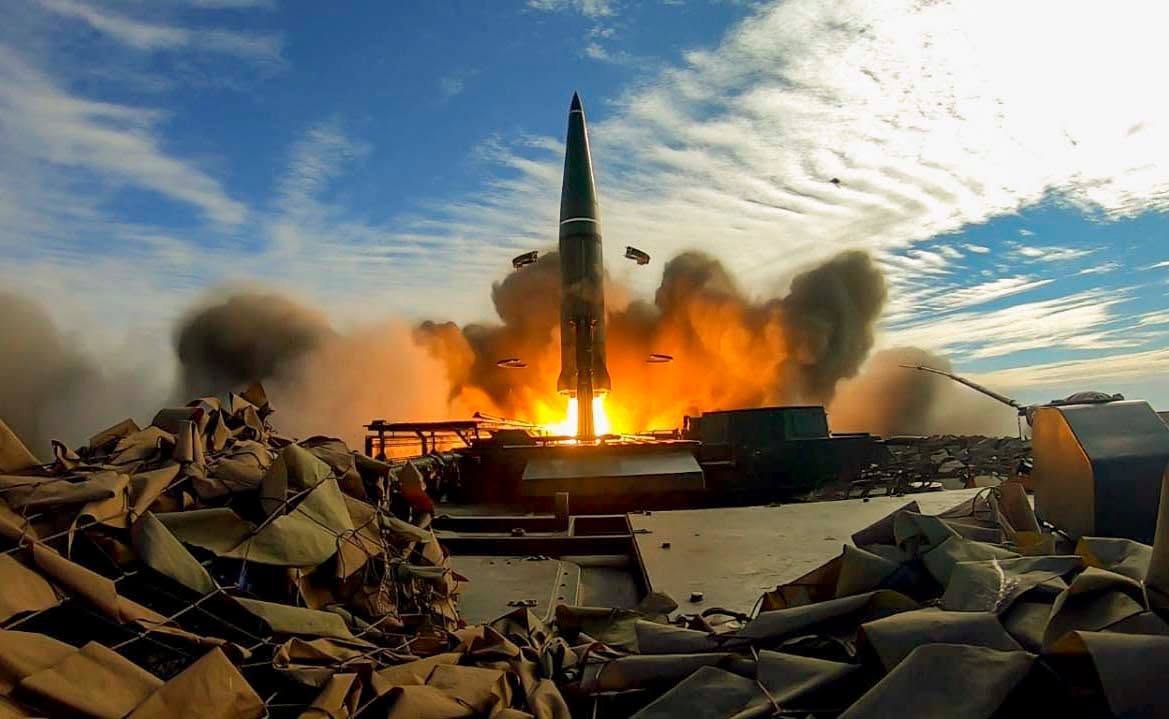
Hunting down the crews operating missile launchers alone will not be the silver bullet capable of paralysing Russia’s missile capabilities overnight, the aviation expert said.
“With a fleet of roughly 160 launchers, Russia also has a sufficient reserve of trained personnel. Training crews to a professional standard does take time, but Russia’s military education system still provides a steady rotation of personnel,” Khrapchynskyy said.
However, eliminating the operators of these systems can be an additional way of countering Russian attacks. Destroying a well-coordinated crew reduces the effectiveness of the unit, forces Russia to deploy less experienced personnel and increases the time between reaching a launch position and firing, the expert added.
As Kyrychevskyi sees it, there is no silver bullet: “I don’t think anyone can say at this point that even 50% effectiveness could be achieved by switching to hunting down these launchers.”
According to Chezet, several domestic ballistic missile projects are currently under development, and advancing such capabilities is extremely important.
“However, in my view, the main constraints on development and production are linked to the fact that most components and materials are foreign-made, as well as to the need to localise and reverse-engineer these components in order to create a product that is independent of external factors,” said the commander of the Strazh anti-aircraft missile and artillery battalion of the 1st Corps of Ukraine’s National Guard “Azov”.