






Background to the collaboration
Anna Melikova moved to Germany in 2017. She and Isabelle Stever are connected both personally (nearly ten years as a married couple) and professionally. Their first result was the film Grand Jeté. It is a drama based on a book by German writer Anke Stelling about a former ballerina who left her son for the sake of her career and, meeting him again many years later, feels a closeness that goes far beyond maternal love. The film premiered in 2022 at the Berlinale in the Panorama section.
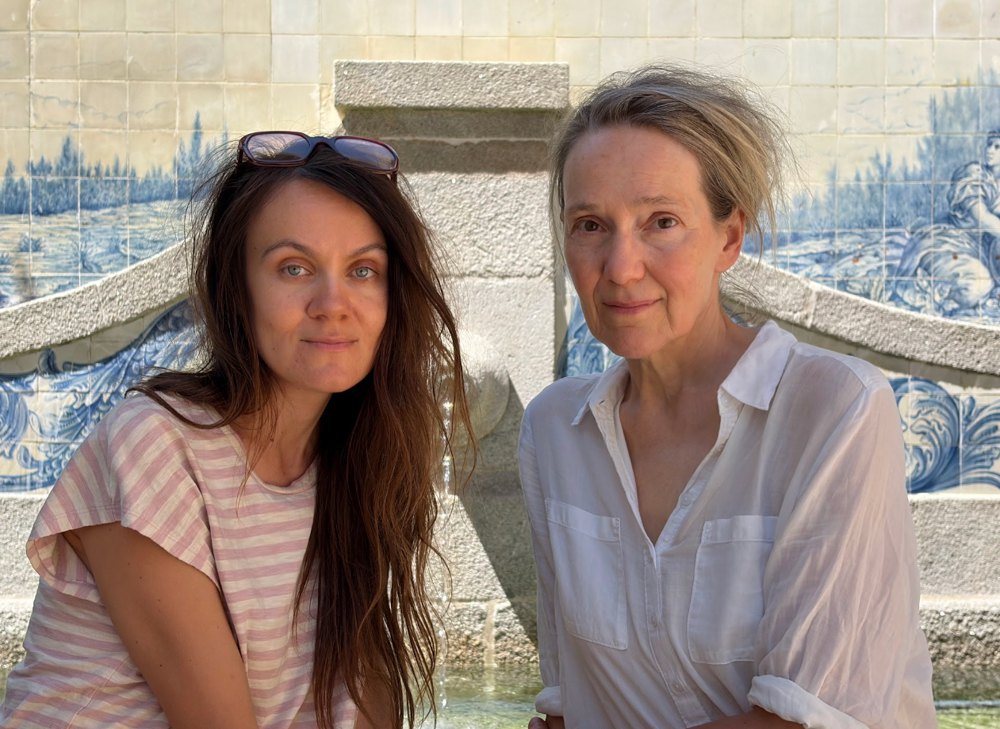
As Melikova recalls, when she realised she would be writing a new script, she had no doubts about who should direct it. Working with Stever is productive and inspiring. There is mutual understanding between the filmmakers, and differences in perspective do not hinder the process; rather, they fuel it. What’s more, Melikova is not interested in the “wrote it, handed it over, forgot about it” formula. Instead, working with Stever makes it possible to stay involved through every stage of production.
Stever worked with Tom Tykwer in 2009. At the time, he produced the film anthology Germany 09—a compilation of 13 short films by different directors, with Stever among them.
“She was struck by how much energy Tom had and how he could work on his own directing projects while producing other people’s work at the same time—never pressing his authority, always leaving room for creative freedom,” Anna Melikova says.
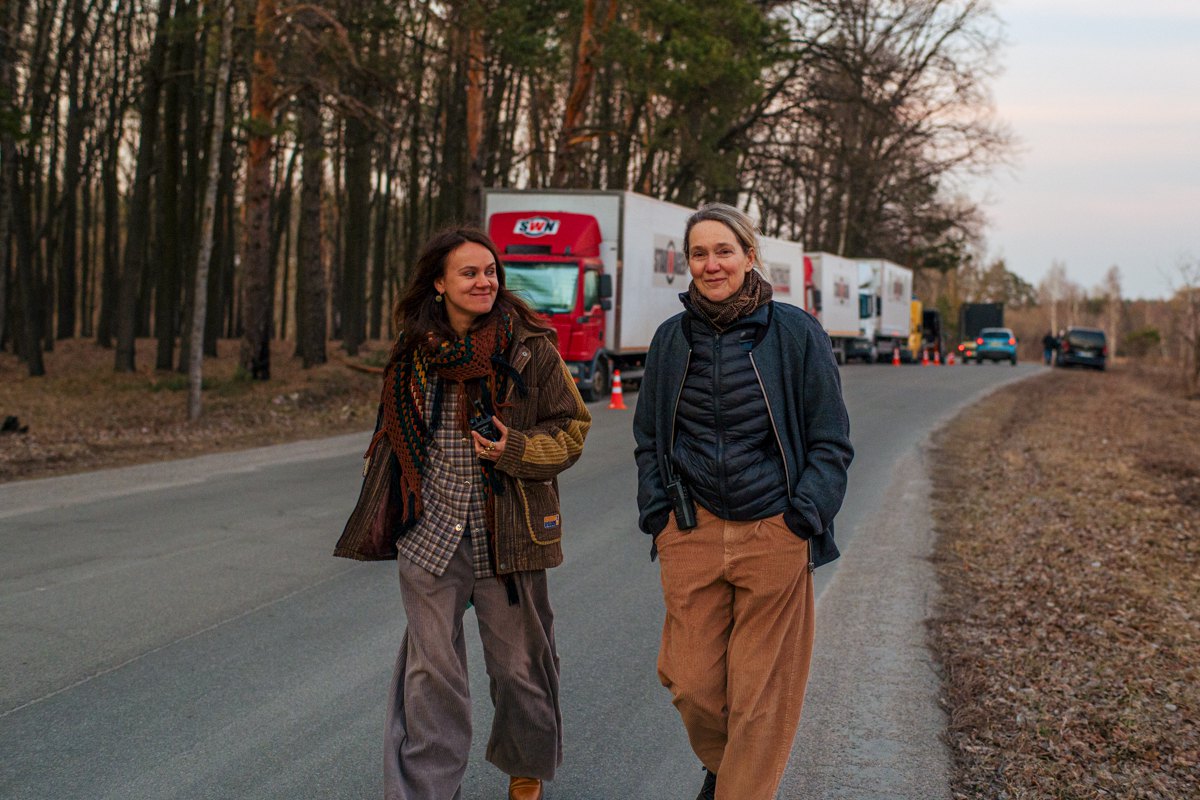
It was Stever who sent Tykwer the script for I Rarely Wake Up Dreaming. He immediately proposed to work on the film together. “Thanks to his incredibly passionate enthusiasm, we managed to put the budget together fairly quickly—at least by German standards—in about a year and a half,” Melikova says.
What inspired it?
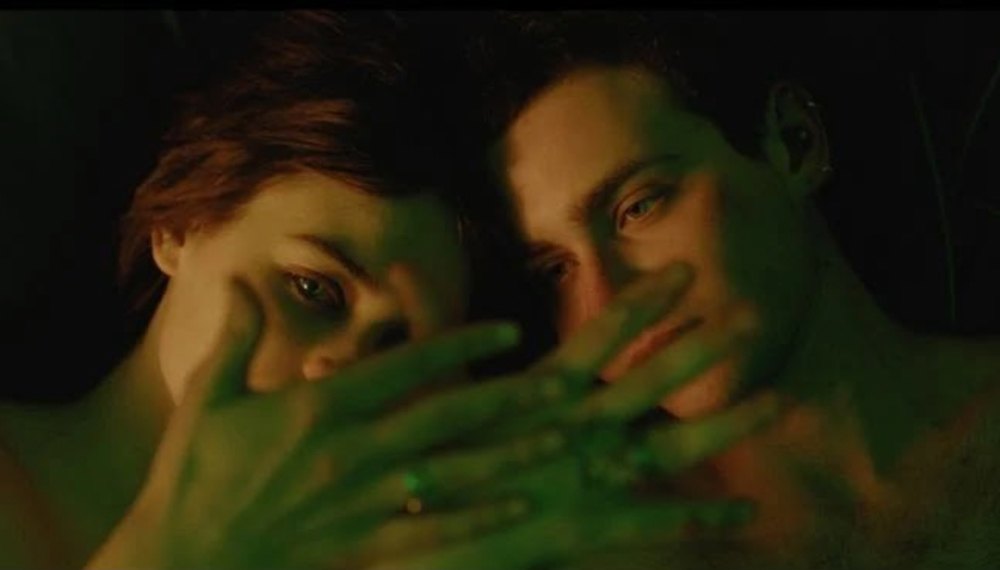
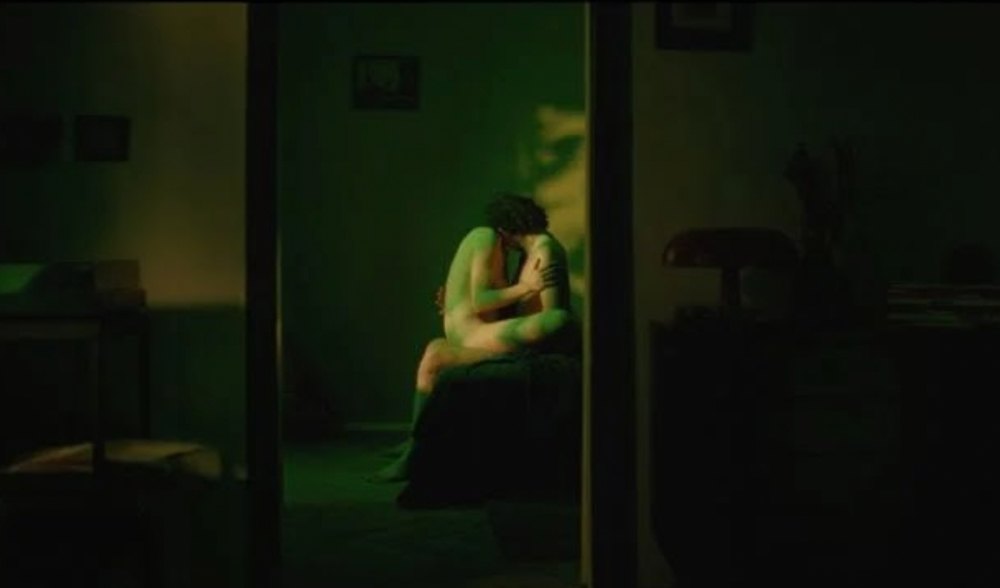
The plot of I Rarely Wake Up Dreaming is based on the real story of longtime friends of Melikova’s—a queer couple. She wanted to write a script about them even before Russia’s full-scale invasion of Ukraine.
“I was going to focus specifically on their private story: how one partner’s gender transition affects the relationship,” Melikova recalls.
However, the full-scale war shifted the focus from the private to the collective, political, and historical. “And I realised it would now be a story where two very difficult themes intertwine: gender transition and war,” Melikova says.
To enrich the central story, Melikova gathered new testimonies, conducting interviews with other friends as well about their experiences during the first weeks of the full-scale invasion.
Stever was interested in the project primarily because of the full-scale invasion, which, according to Melikova, affected the director emotionally more strongly than any other conflict in the world. After all, before 2022 Stever had visited Ukraine several times together with the screenwriter. “Back then she said that if she were 19 again, she would want to move to Kyiv,” Melikova recalls.
In addition, the film explores social norms, including gender norms, and the conflict between them and the individual—topics that interest Stever in her work and in life. “In this film we are dealing with members of the LGBTQ+ community and the problem of their personal freedom in wartime,” Melikova explains.
The full-scale invasion vs. the creative process
In the first weeks of the full-scale invasion, she and Stever were constantly following the news, donating, fundraising, and helping friends from Ukraine. So at that time, work was out of the question. “I couldn’t even think about writing anything,” Melikova says.
When Kyiv Region was liberated and her friends (some of whom live in Irpin and Bucha) were in relative safety, the screenwriter got back to work as a way to distract herself. “I was able to breathe a little and decided: I need to do something to somehow cope with this horrific reality, rather than just sitting at home and constantly crying from horror, anger, and helplessness,” Melikova says.
It was May 2022. After recording countless conversations and testimonies, the screenwriter continued writing during the Berlinale Talents script labs (where she became a recipient of the Kompagnon Award in 2023), Sarajevo Talents, and a residency in Košice.
Edits to the script were made constantly. “For example, because of the small budget we removed the entire backstory of this couple’s relationship,” Melikova admits. According to 2Brave Productions, roughly €1 million was spent on development, preparation, and filming in Ukraine.
Stever took an active part in shaping the story. Together they discussed the characters and events at length. “Some ideas in the storyline came directly from her,” Melikova says.
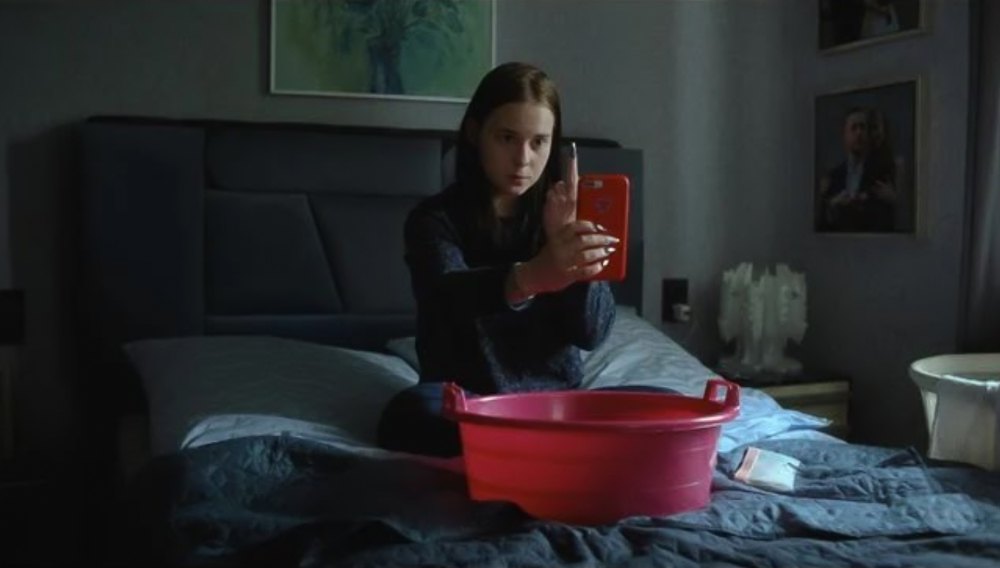
Besides Stever, the actors themselves also influenced the film. They adapted some parts of the story to their own identities.
(Not) different perspectives
If the director and screenwriter had any differences during the work, it was in their focus on different audiences. Melikova was thinking primarily about a Ukrainian audience, while Stever was thinking about an international one: for her, it was important how the film portrays Ukraine to foreigners. After watching it, they should clearly understand: “Russia attacks and destroys, and Ukraine defends itself.”
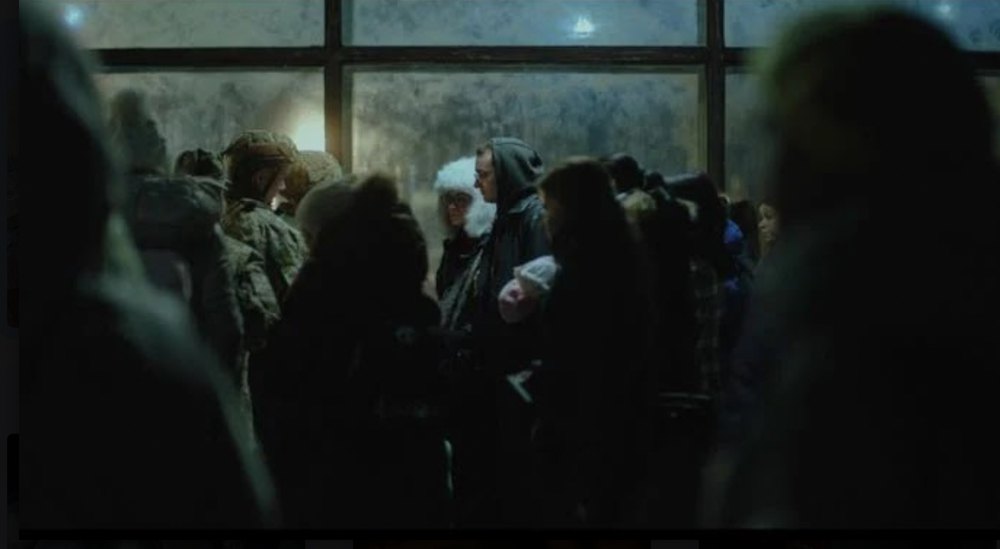
For instance, in background TV and radio reports, Stever suggested using the voices of Ukrainians affected by the war instead of statements by officials. And the mass scene at the border, in her conception, was meant to clearly demonstrate the unity of the Ukrainian people.
“It was important for her to show Ukrainians as a nation that, even in such an extreme situation, demonstrates solidarity and helps one another, rather than panicking and thinking only about its own survival,” Melikova concludes.