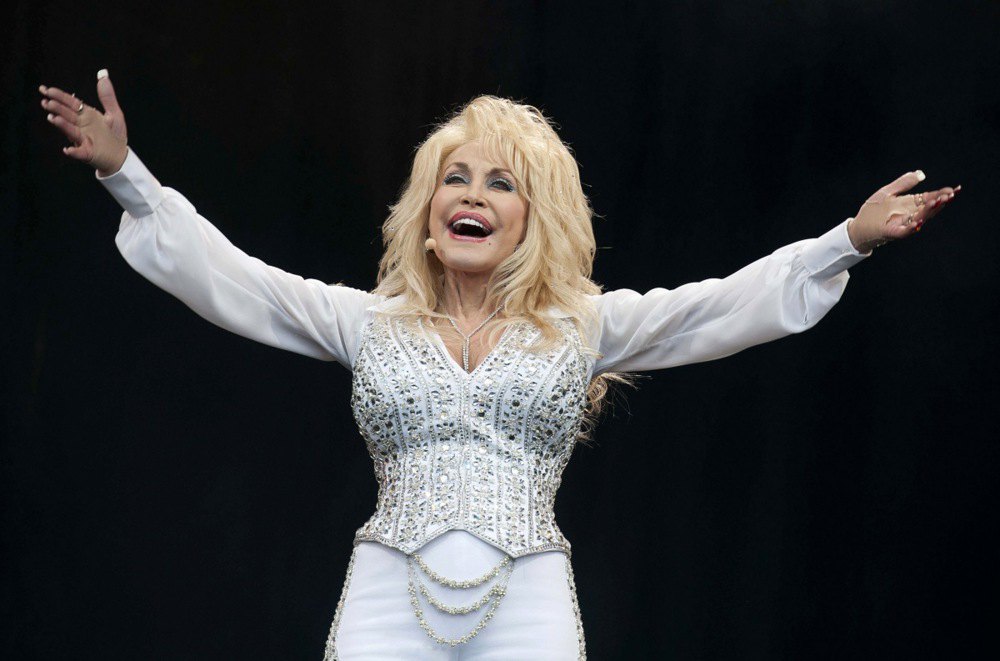





In The Mountain Latitudes Of Tennessee
Dolly Parton was born on 19 January 1946 in Pittman Center, Tennessee. On one side lay an archetypal feature of American culture: a major motorway; on the other, the Great Smoky Mountains National Park. Childhood was far from sweet: a large family living in a cabin on a ranch, with a single bedroom for everyone. Her illiterate Southern father tended a small tobacco crop and spent the rest of his time looking for extra work as a builder or farm labourer. Parton would later sing about her poor, barefoot childhood in hits such as Coat of Many Colors and In the Good Old Days (When Times Were Bad).
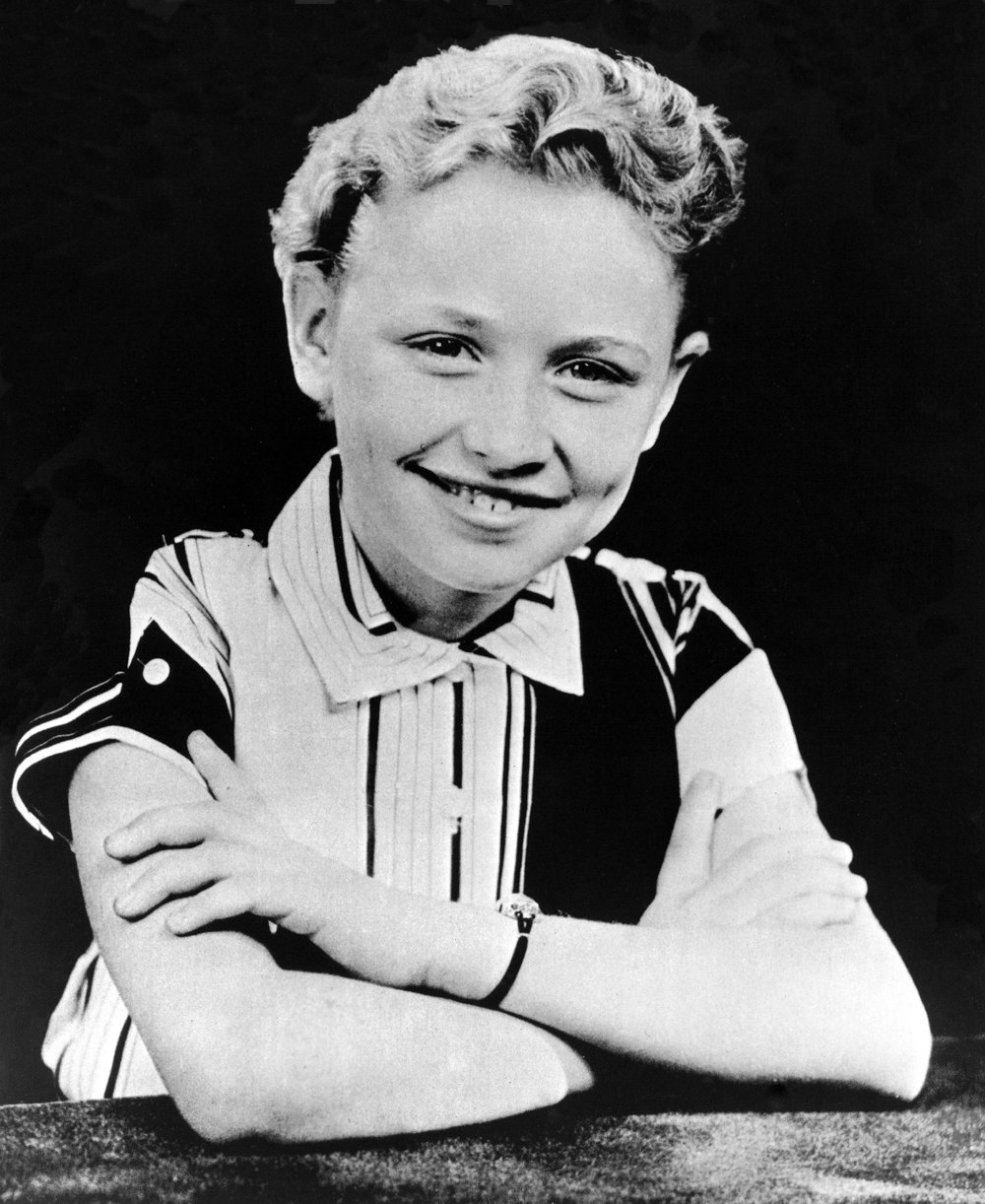
Yet there was plenty of music all around. The Partons were Pentecostals, and the singer’s grandfather was a pastor, so young Dolly performed in the choir from childhood, absorbing the spirit of American gospel. At eight she made her first guitar and learned simple chords, and by nine she had a professional instrument, which she also mastered on her own. Parton never learned to read music, but she did pick up a range of instruments: banjo, electric guitar, saxophone, piano, recorder and even the hammered dulcimer. Parton herself spoke rather modestly about her musical abilities, saying she could play a bit of everything, but could not truly play anything properly.
By the end of secondary school, Dolly was already a small local star, regularly singing on local radio and television. As a teenager she met the country legend Johnny Cash, who encouraged her to devote her life to music, telling her that you should only sing professionally if you cannot live without it.
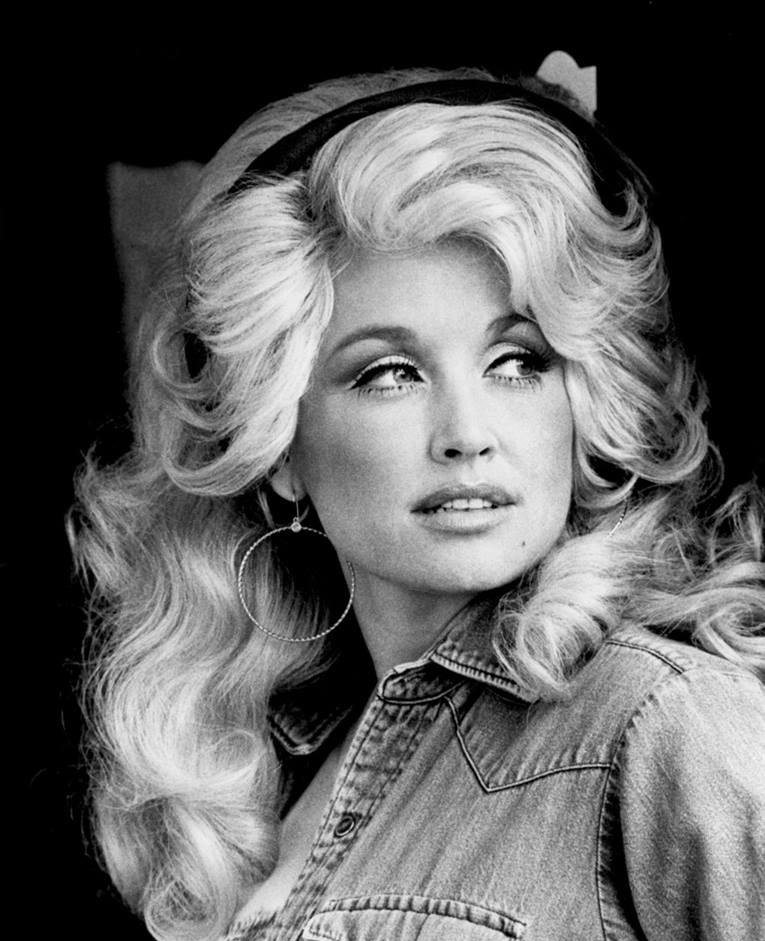
All country roads lead to Nashville
If you live in the United States and want to build a major career in pop music, you go to Los Angeles; if it is jazz, you head to New Orleans. But if your music is steeped in the spirit of the conquerors of the American frontier, the place to build your career is Nashville. The capital of Parton’s home state of Tennessee has the second-largest recording industry in the United States. It was here that everything that can be called American folk music—whether country, bluegrass or Appalachian blues—reached a professional level. In 1975, Robert Altman made the film Nashville, which brilliantly captures the spirit of the local industry’s heyday.
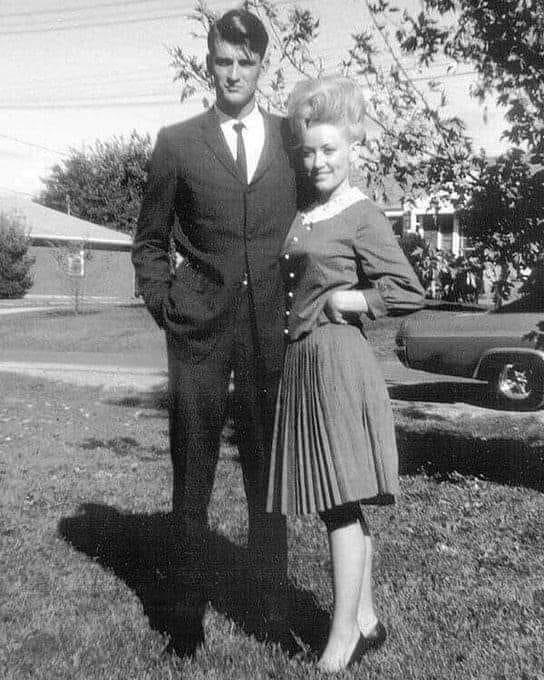
So in 1964, yesterday’s school leaver Dolly Parton headed to Nashville. Despite already being a star in the eastern part of the state, her career did not take off immediately, and she still had to follow the typical dishwasher’s path. It was this that brought her together with her future husband, Thomas Dean. The couple married in 1966 and lived together for almost 60 years, until Dean’s death last year. They avoided publicity: Parton’s husband ran a road haulage firm in Nashville and, according to the singer, attended her concert only once.
Parton’s real popularity arrived in the 1970s. At the time, country music was going through a strange period: young performers were actively trying to break free from the influence of the Nashville establishment, which significantly restricted creative freedom and tried to force country into rigid genre templates. In response, powerful artists such as Lee Clayton, Tompall Glaser and Willie Nelson left the Tennessee capital. Dolly Parton and Porter Wagoner, with whom she sang as a duo, stayed the course of bringing country closer to pop music and received the producers’ “green light”. This gave rise to Parton’s immortal hits: Jolene and I Will Always Love You.
Until almost the end of the 1990s, Parton experimented little in music, refining a blend of traditional country with pop, and it was precisely this steadiness that made her an icon of the genre. In the early 1980s, not least thanks to the popularity of James Bridges’s film Urban Cowboy, the genre found new life in pop arrangements and gave rise to the “neo-country disco” phenomenon.
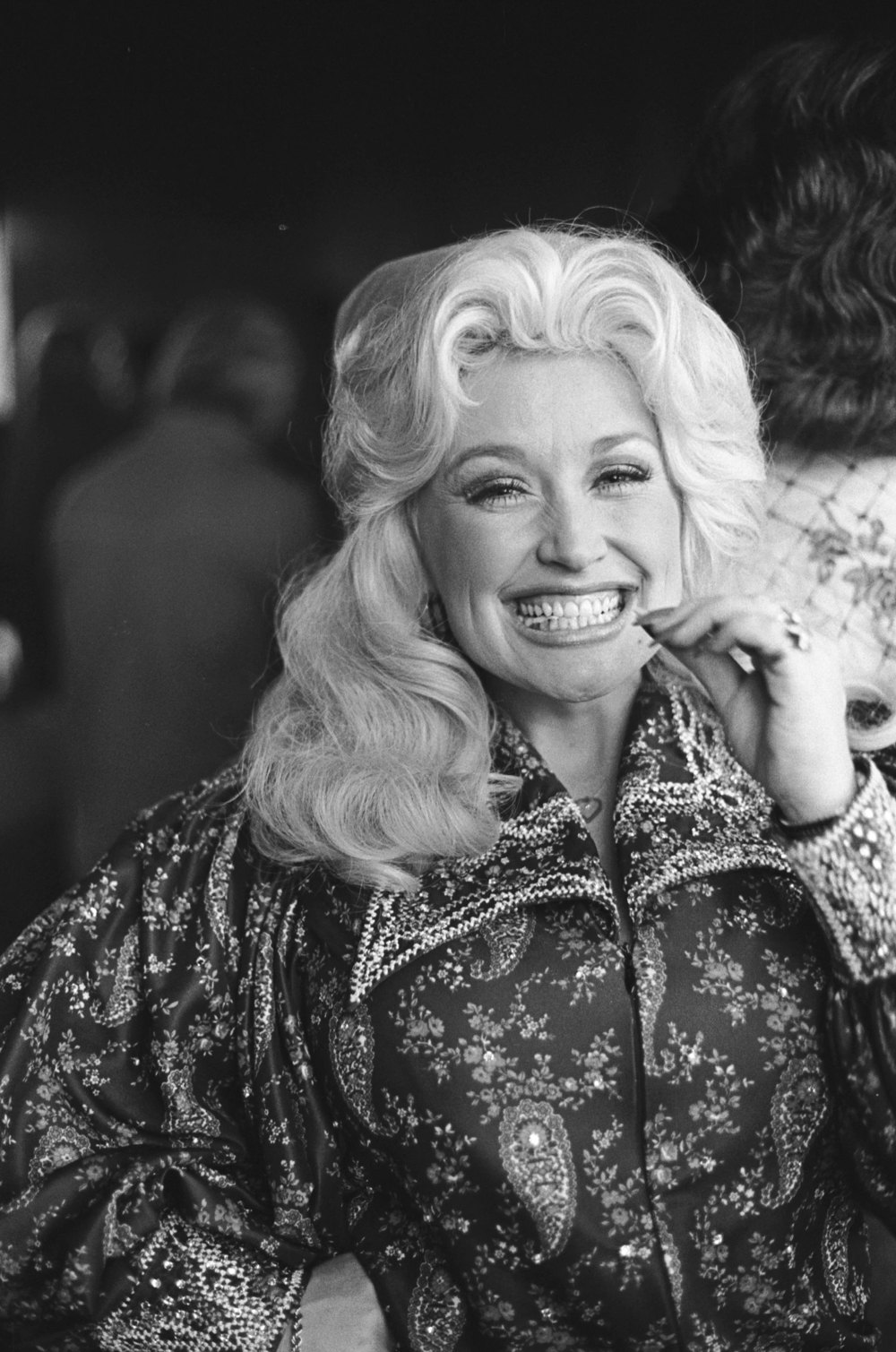
However, in the late 1990s Parton sharply changed direction and moved into a rather specific genre: bluegrass. This is a distinctive American form of folk music that combines the sound of Irish ballads with African-American blues. Parton released several bluegrass albums at once, such as The Grass Is Blue, which brought her a Grammy, and Little Sparrow, where her cover of Shine by Collective Soul won a Grammy. The reason for such a bold experiment was necessity: in the early 1990s, a new generation of country performers, blending American folk motifs with rock music, pushed Dolly Parton—with her trucker country-disco—to the margins of the music scene. So she played the bluegrass card as a trump to revive her popularity.
In the final years of her life, Parton continued to work. Yet even a conservative genre like country was changing rapidly: alternative country became a platform for Taylor Swift’s career; some country tracks were performed even by pop icons such as Beyoncé. Against this backdrop, Dolly Parton’s conservative music turned into a retro aesthetic. At the same time, the performer herself treated the renewed music scene with irony and understanding, and happily supported younger artists—from her goddaughter Miley Cyrus to Sabrina Carpenter.
Rural glamour, a vaccine and 100 million books
Dolly Parton was also one of the symbols of Reagan’s America, when country became widely popular thanks to radio quotas, and when its fusion with pop or rock music and lyrics on patriotic or social themes turned the genre into “music for lorry drivers”.
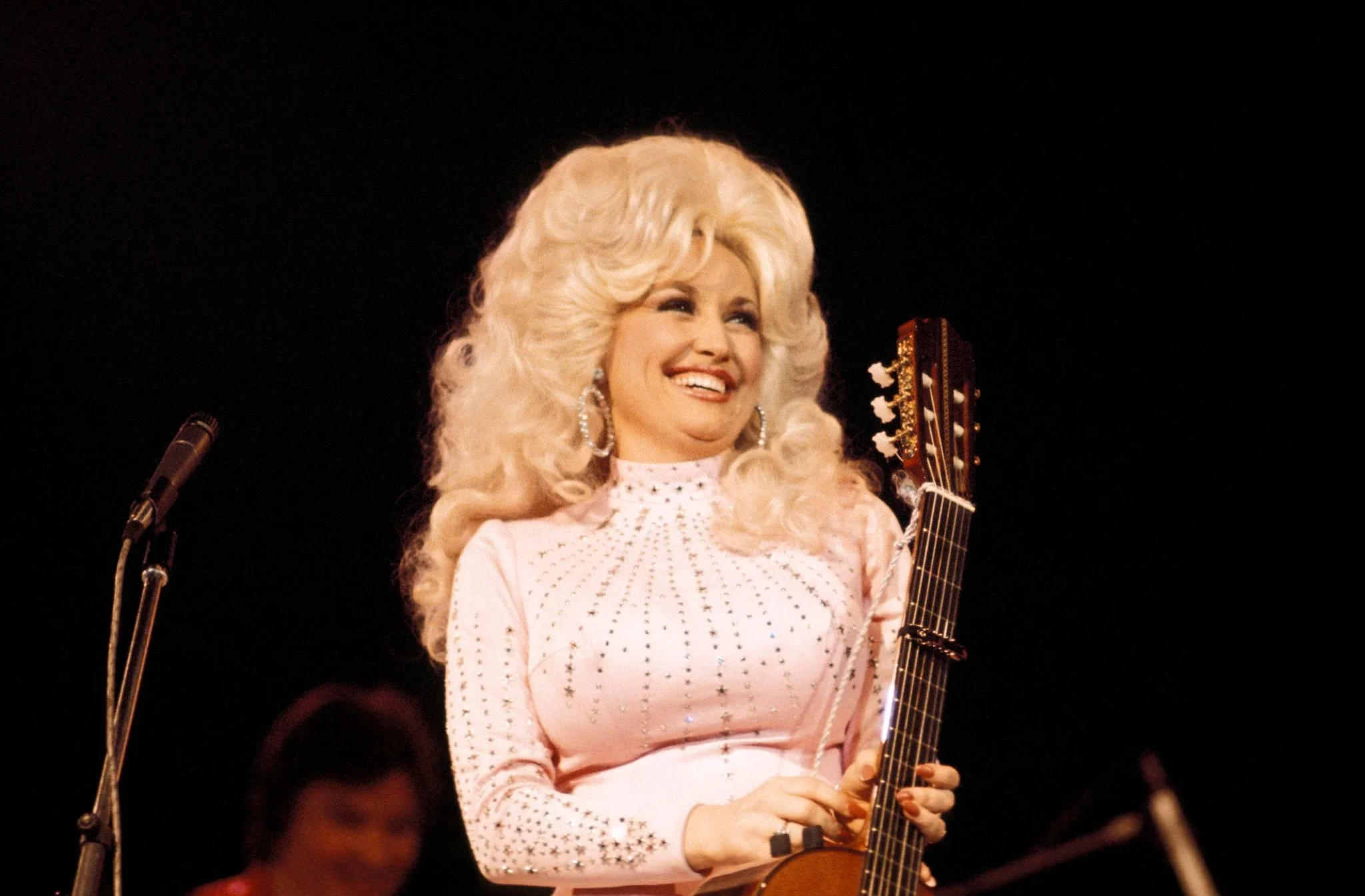
Parton actively cultivated her image as a “Southern lady”. Her small stature and striking bust became the subject of countless memes; there is even a version of events that the first cloned sheep, Dolly, was named after the singer because the genetic material for cloning was supposedly taken from the mammary gland of the “original sheep”. Parton spoke about her dozens of plastic surgeries and her style with no small amount of irony: “it takes a lot of money to look this cheap”. In the singer’s own words, her image is what a country girl imagines glamour to be.
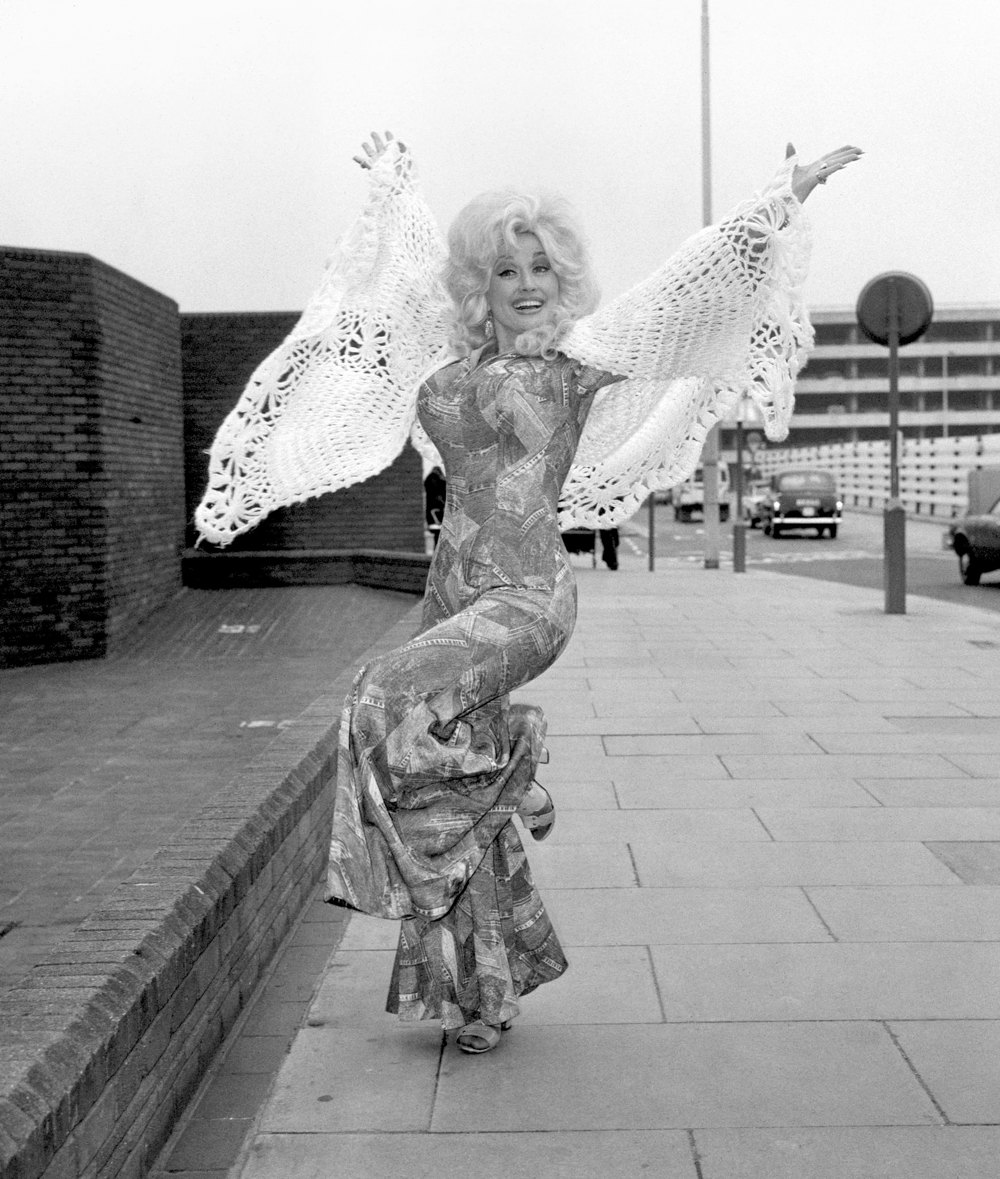
One embodiment of this Southern rural glamour was the “Dollywood” project—an amusement park named after herself, for which Parton devised tour routes based on her own biography.
Despite criticism and irony, the performer never betrayed herself. She launched a number of unique initiatives, the largest of which was the Imagination Library project: Parton donated around 100 million books to libraries. The global book initiative was dedicated to her father, who remained illiterate until the end of his life.
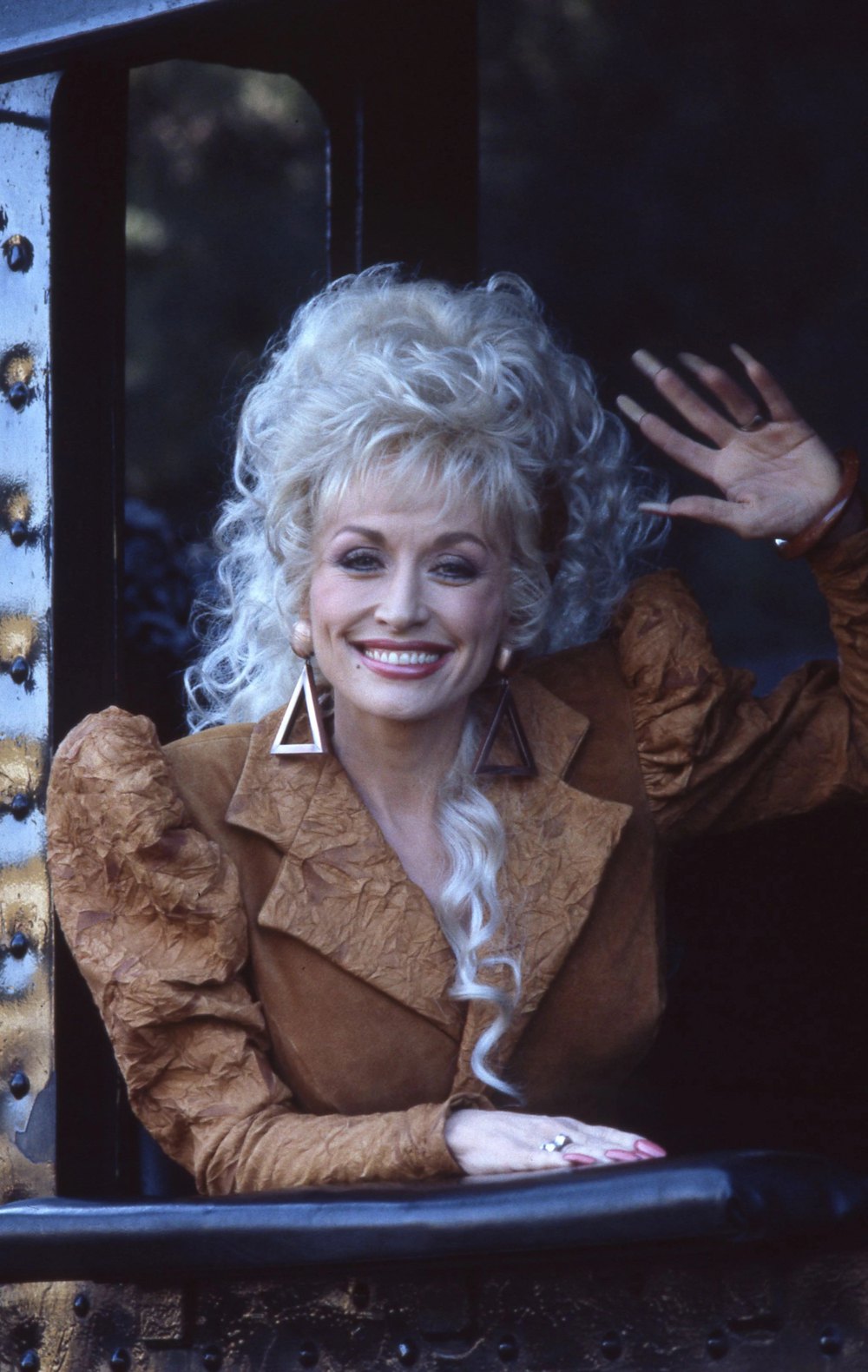
During the coronavirus pandemic, Parton actively supported mass vaccination. She was vaccinated publicly and urged her fans to do the same. This was especially significant because the core of her fan base consists of conservative representatives of the rural South, often prone to conspiracy theories.
In 2022, Dolly Parton openly supported Ukraine after the start of the full-scale invasion. This, too, ran counter to the beliefs of a significant part of her ultra-conservative audience.
Dolly Parton’s death is, without doubt, a great loss for American culture. For she was not merely a country singer, but a symbol of a sensible conservative America—with a somewhat poster-like yet comforting world of values: family ties, a close-knit community and a free economy. In today’s unsettling world, there is a deep lack of even the dream of such comfort.