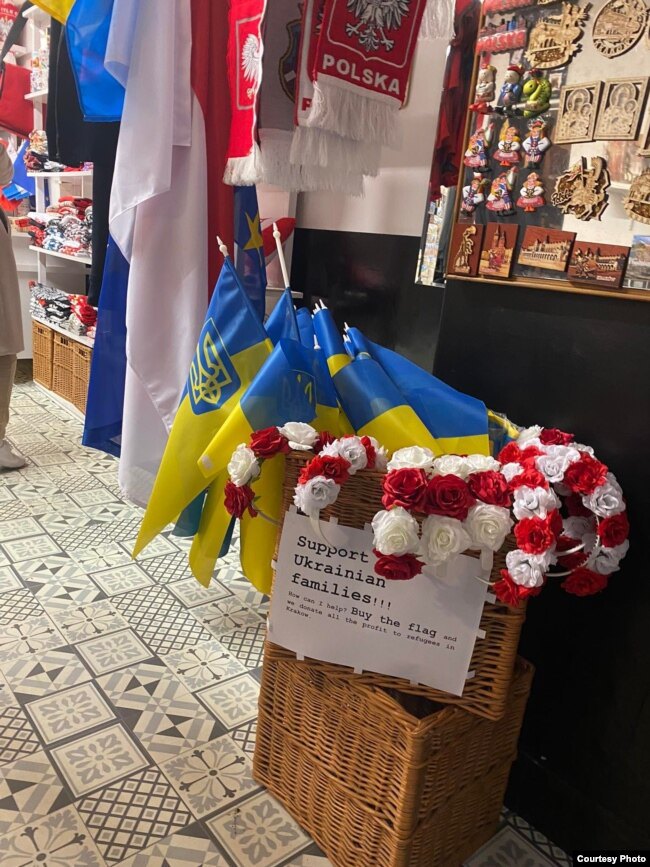





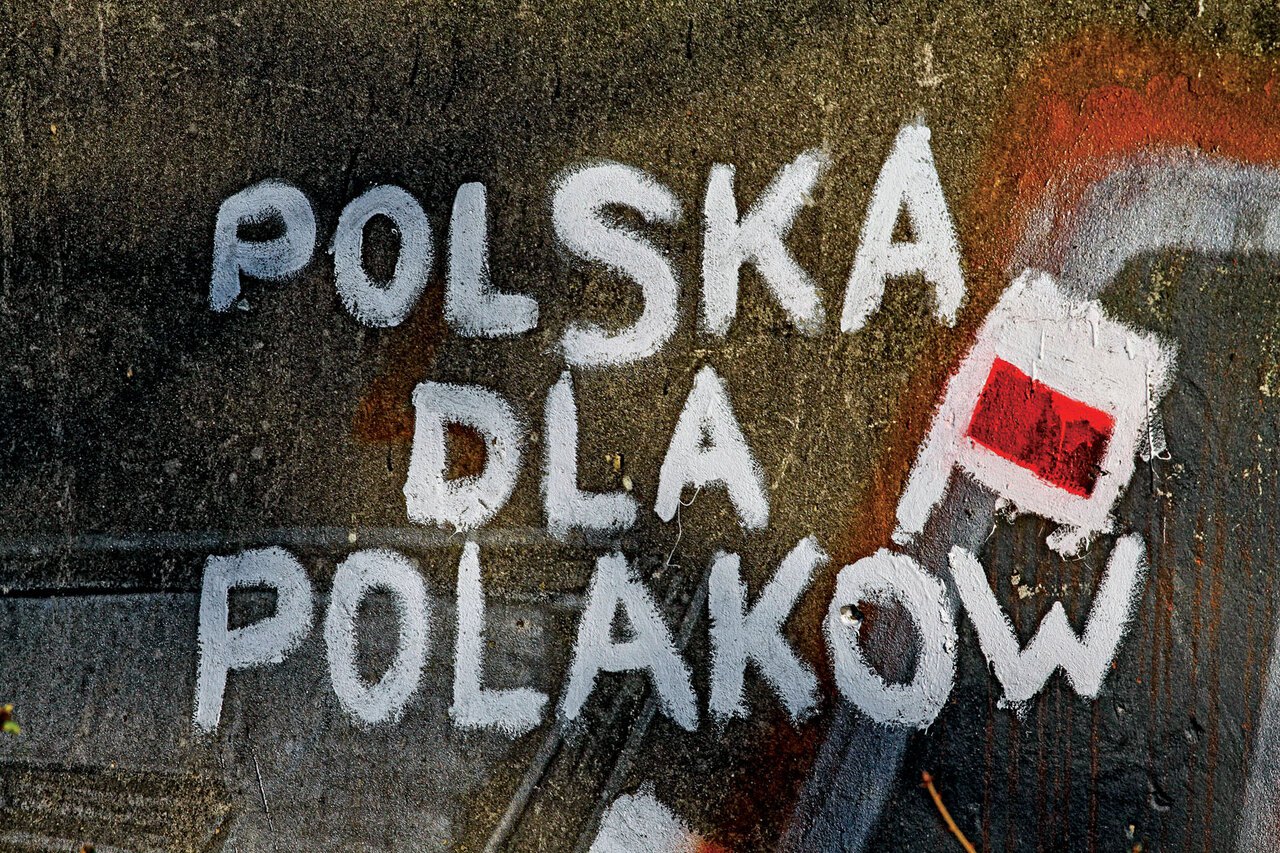
Ukrainian is taboo, and children suffer most
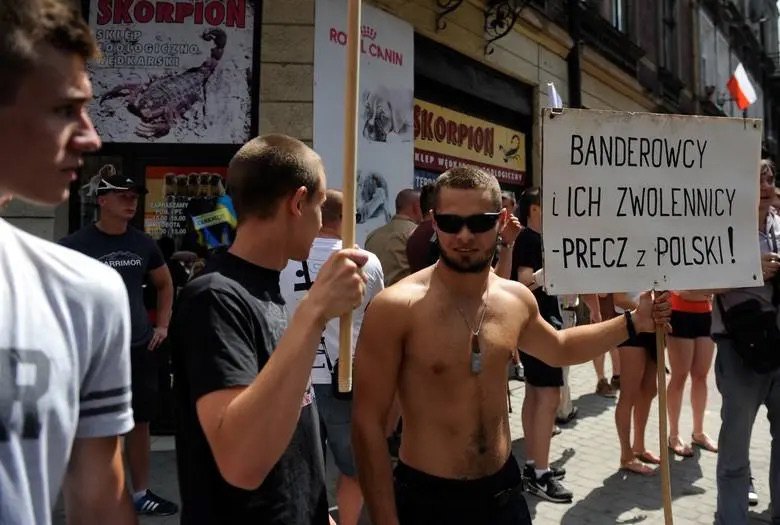
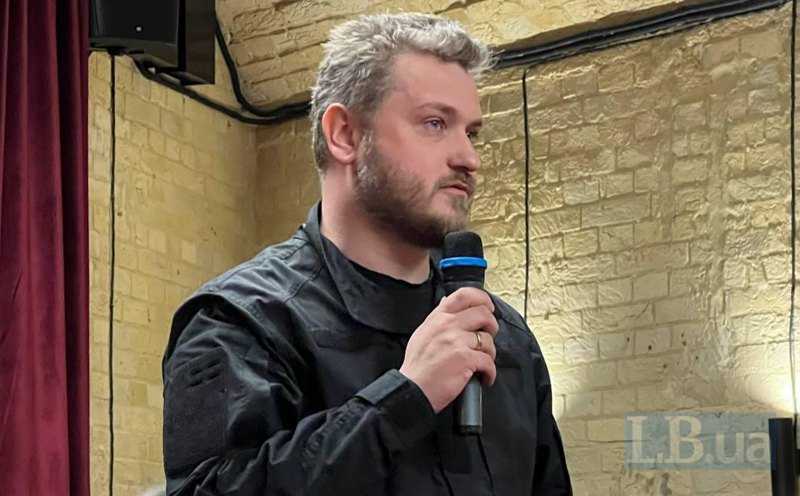
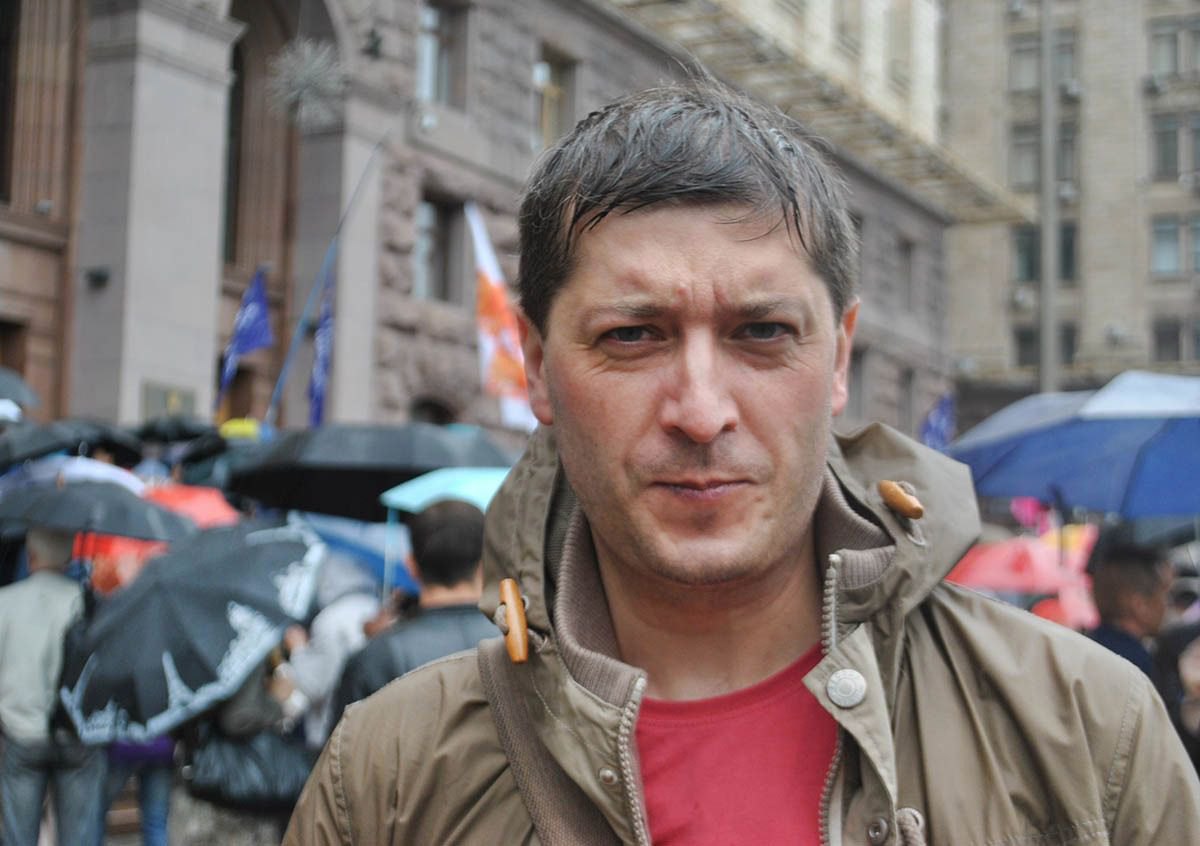
“In the past, aggression from Poles was felt at most on social media, but now, out on the streets, some Poles hear Ukrainian and start looking for a fight, spitting and hurling abuse,” says Yuriy Levchenko, a Ukrainian who has lived in Poland with his family for more than ten years. “People I know in Warsaw have already run into this.” Recently, a friend of Yuriy’s was speaking on the phone on a bus and was told that in Poland she must speak Polish. The incidents of aggression that make it into the news and onto social media are only the tip of the iceberg, the man says: as a rule, it is what someone managed to record on video. Most incidents are not recorded, and victims do not go to the police.
Ukrainians are already afraid to make themselves visible. “Even I try not to speak Ukrainian loudly with my children in public, because it can provoke aggression,” Yuriy says. “Of course, it affects children’s mental health.”
Even more damaging are manifestations of xenophobia in Polish schools. Children also have access to social media, consume content that fuels hatred, and hear what adults say about Ukrainians. “‘Hey, you, Ukrainian!’ — that’s how they address them. Not ‘Petro’ or ‘Serhiy’, but ‘Ukrainian’,” Yurii says, giving an example of how Polish schoolchildren are following the anti-Ukrainian trend. “And Ukrainian children often withdraw into themselves and tell no one about the bullying. I ask mine to tell me: I will complain to the headteacher.”
School administrations do not tolerate this, and the Ministry of Education’s stance on xenophobia is also unequivocally negative. But at the level of form tutors, such cases are often hushed up: they may ignore the problem, assuming it will blow over. They may hope the attacks will not become a pattern, or even tolerate aggression — teachers are people too, and can hold different political views. “Their reaction is sometimes too weak for the aggression to stop,” Yuriy says. “Even from nursery, children come home and ask their parents whether it’s true that Poles don’t like Ukrainians.”
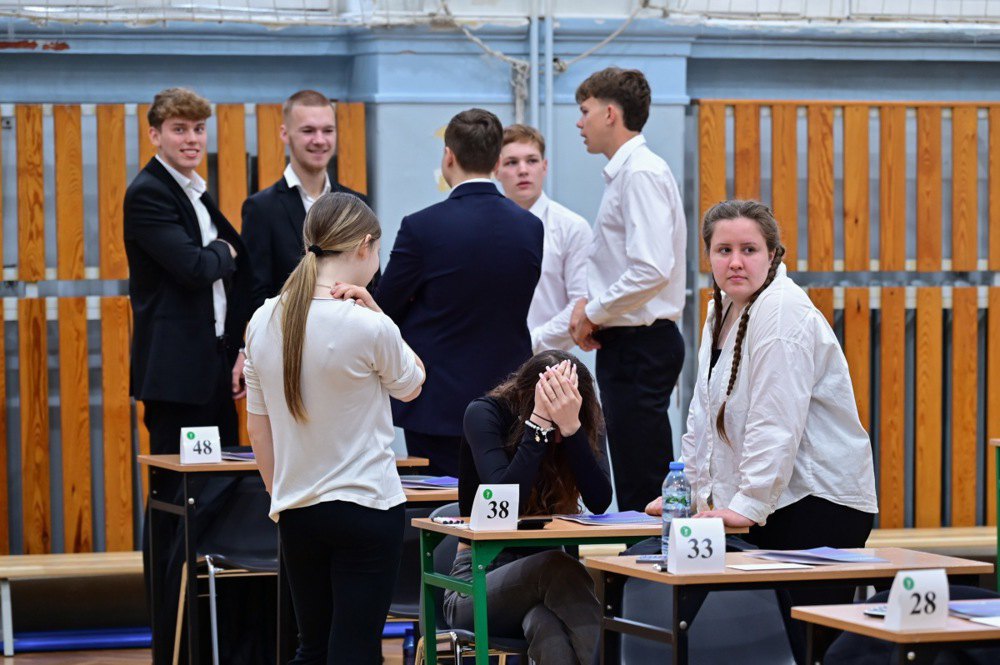
There is no shortage of such “dislike”. Some businesses have already tried putting up notices like “we do not serve/do not hire Ukrainians”, Yuriy says. The relevant authorities reacted quickly, and the notices worked more as anti-advertising. For now, a boycott of Ukrainians is not systemic. But it is no longer rare for Ukrainians in Polish companies to be unofficially forbidden to speak Ukrainian, especially staff speaking with Ukrainian customers. “I was personally told they couldn’t switch to Ukrainian because it’s forbidden,” Yuriy says. “Recently, Polish writer Wojciech Tochman wrote about this too: his Ukrainian friends were refused service in a restaurant in their native language.”
Most likely, business owners are trying to protect themselves from unstable individuals who might react aggressively to Ukrainian if they happen to be nearby. Who needs scandals in restaurants or shops? But language-based discrimination in customer service looks outrageous, especially given that many large Polish cities are tourist destinations.
“This should not be happening. Poland is an EU country — xenophobia and racism cannot be allowed to flourish here,” Yurii says indignantly.
250 times more anti-Ukrainian content
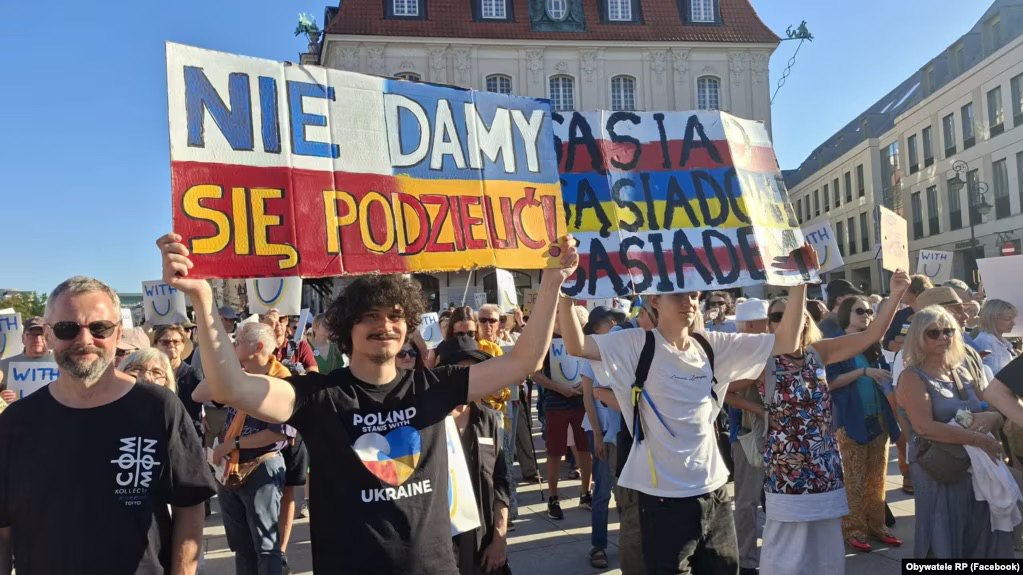
At the end of July, Sopot City Council adopted a resolution against anti-Ukrainian sentiment. Poland’s prosecution service has also formed special groups of prosecutors to investigate crimes committed on the grounds of national hatred. More than a hundred prosecutors have already undergone relevant training, Poland’s Justice Minister Waldemar Żurek reported. In early August, dozens of cities held “Don’t Be Indifferent” rallies, with participants speaking out against the spike in violence towards Ukrainians.
But this is a late and too-weak response to the worsening situation. The results of a survey conducted by the Polish independent Centre for Public Opinion Research (CBOS) show the following changes in attitudes towards Ukrainians in Poland:
| Year | Favourable | Indifferent | Unfavourable |
| 2024 | 40% | 26% | 30% |
| 2025 | 30% | 27% | 38% |
| 2026 | 29% | 25% | 43% |
In 2025, CBOS analysts stressed that over the year attitudes towards Ukrainians changed more sharply than towards any other nationality included in the study. Over the following year, unfavourable attitudes rose by a further five percentage points.
The stoking of this sentiment is visible on social media. The Res Futura Data House analytical centre, whose figures are often cited in Polish media, shows a sharp rise in anti-Ukrainian discourse in the Polish segment of social networks in May 2026. Over the month, Polish social media recorded more than 520,000 posts/mentions related to Ukraine. They generated around 7.76 million reactions and comments. Res Futura head Michał Fedorowicz said the volume of negative comments was growing very quickly week on week; such growth had not been seen since February 2022. And after the story about a unit named after UPA heroes began, about 247,000 posts were created in a single week — more than in the previous three weeks combined.
On 16 August 2026, Newsweek Polska cited new Res Futura data: almost 50% of Polish internet comments about Ukrainians contain hate. Fedorowicz stresses, however, that this is not a sociological survey but rather a kind of “thermometer” of online moods.
Russia has also had a hand in producing anti-Ukrainian content, says Andriy Kovalenko, head of the Centre for Countering Disinformation at Ukraine’s National Security and Defence Council. Russians have been working to deepen social divisions in Poland since 2010. “And they achieved their goal,” he says. “And the topic of Ukrainians in Poland began to be actively pushed from 2022, when the flow of refugees started.” The Centre has recorded at least a 250-fold increase in content about Ukrainians and Ukraine. In particular, one-day accounts are created on TikTok for this purpose. “Videos are uploaded to these newly created accounts; through rapid activity from artificially created accounts, these clips are pushed into TikTok recommendations and amplified in the Polish segment,” Kovalenko explains. Threads is also used to create bot farms and spread this content.
Most of this content is false — claims that Ukrainians in Polish hospitals are treated out of turn, or that crime has risen because of them. More recently, dubious “findings” have been spreading that Ukrainians are leaving Poland en masse amid growing anti-Ukrainian sentiment. In June, the number of Ukrainians under temporary protection in Poland fell by about six thousand — the largest outflow among EU countries, according to Eurostat data. Over the first half of 2026, Poland lost around 8,000 Ukrainians.
However, this does not concern everyone physically present in Poland, but only people with temporary protection status. And that status can be lost for various reasons. For example, someone may leave for 30 days and lose it, then return to Poland and obtain it again. Poland’s Central Statistical Office (GUS) — the official source of data on Ukrainians under temporary protection — reports, for example, that during 2025 almost 58,000 more Ukrainians found employment in Poland. As of December, nearly 772,000 of our fellow citizens were officially employed (data from the PESEL register). Compare that figure with the eight thousand who lost their status.
Not only Russians, but Polish politicians too
Several factors are affecting the deterioration in relations between Ukrainians in Poland and Poles. First of all, Poland is tired of the war in the neighbouring country, and Poles are tired of the large number of Ukrainians in Poland, says Andrii Deshchytsia. He served as Ukraine’s ambassador to Poland in 2014–2022. Right-wing forces manipulate the issue of helping Ukrainians and play on society’s fatigue, calling for a focus on Polish interests — Poland above all.
The situation began to change around 2023, says Yuriy Levchenko. “When there was a surge of support for Ukraine in 2022, those who viewed it negatively (and there were always quite a few — about a third, as polls showed) kept quiet,” he says. “Then the Confederation party began cautiously promoting the idea that Ukrainians are ungrateful and that they should be presented with a bill for the help.” A real information attack began: Ukrainians are supposedly living off social benefits while also taking jobs from Poles, committing crimes… These ideas resonated in Polish society, especially among people with conservative views and residents of small towns and villages, Yuriy says. In last year’s presidential election, the Ukrainian theme was pushed in a negative context. Since a third of Poles were already not well disposed towards Ukrainians, politicians’ slogans and Russian disinformation fell on fertile ground. Now the number of those with negative attitudes is growing.
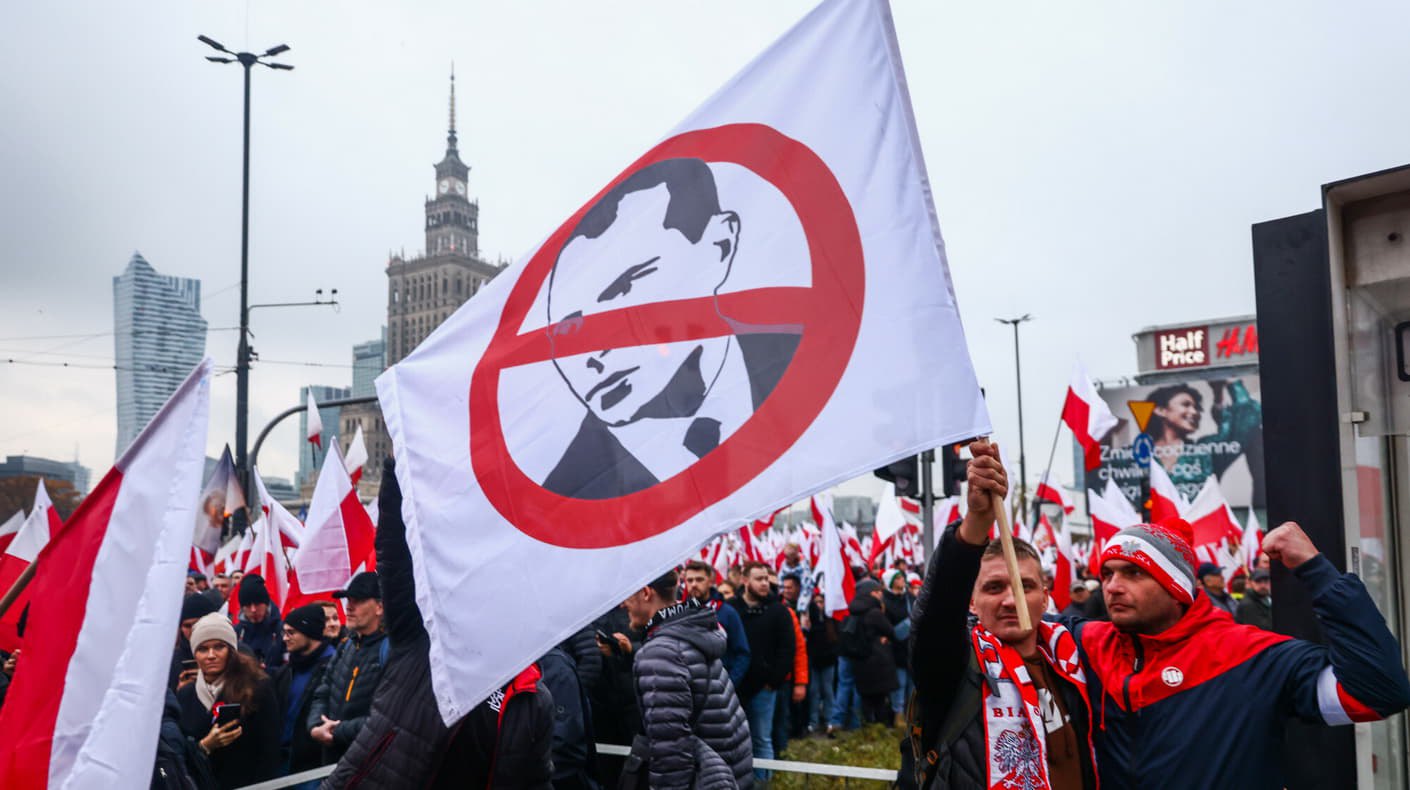
Even before Poland’s parliamentary elections in October 2023, these sentiments were being successfully whipped up, says Piotr Andrusieczko, Kyiv correspondent for Gazeta Wyborcza. First — through the embargo on Ukrainian grain and claims about an “ungrateful Ukraine”. “The words about ingratitude came from someone from the circle of former President Andrzej Duda, who is still in the circle of [the current president] Karol Nawrocki,” the journalist says. Throughout the campaign in Poland, the ingratitude line was repeated everywhere. “For some reason it’s strongly supported — Poles like it,” Yurii Levchenko says. In addition, accusations against the Ukrainian authorities were chewed over for a long time — that they do not allow the search for and exhumation of victims of the Volhynia tragedy (LB.ua recently reported on a mission in the village of Ostrivky in Volhynia — the report shows how Polish officials continue to reproach the Ukrainian authorities despite the fact that the search mission is ongoing).
Piotr Andrusieczko recalls that the story of the missile that fell on Polish territory on 15 November 2022 also added negativity: Poland said it was a missile from a Ukrainian air defence system. Two Polish citizens were killed in the explosion. Ukraine has still not acknowledged that the missile was launched by our forces.
The government changed, but the situation did not improve. Polish farmers began blocking the border. When the story broke about a Special Operations Forces unit being named after UPA heroes, “moods in Poland were already quite wound up, and another, even stronger wave of criticism followed,” Andrusieczko says.
“The theme of Ukrainian ingratitude, a lack of empathy, a lack of sensitivity among Ukrainians to Poles’ feelings is constantly being fanned. And when you think about the reasons for this fanning, you realise they are obvious: it’s the same elections in 2027,” said Bohdan Hud, a researcher of Polish-Ukrainian relations, in an interview with LB.ua.
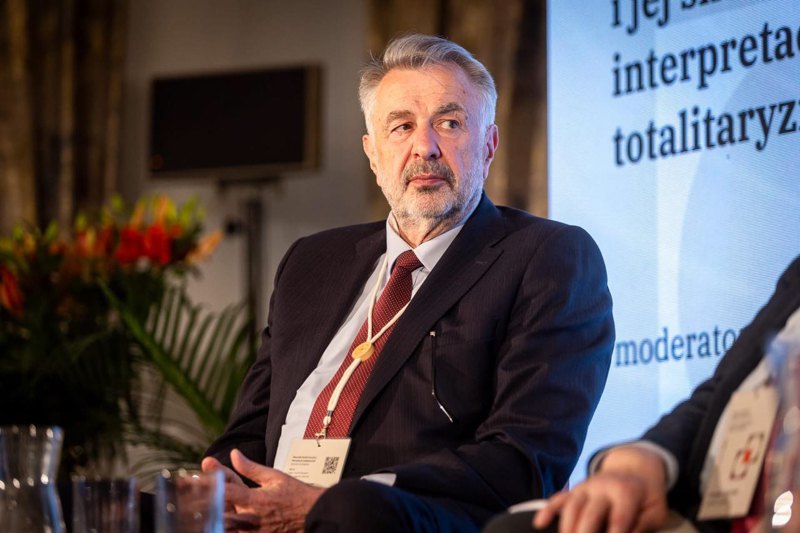
Yuriy Levchenko says that on social media and television, politicians with anti-Ukrainian positions dominate, calling for an end not only to social support for Ukrainian refugees but also to military aid to our state. “Two or three years ago these figures were on the margins, but now they are at the peak of popularity; they are invited onto various TV programmes and podcasts,” the Ukrainian says. “A star of Polish YouTube is Leszek Miller (Prime Minister of Poland in 2001–2004, — Ed.), and videos with him get hundreds of thousands of views.” In July, on Polsat News, Miller said: “As long as Banderites rule in Ukraine, nothing will change.”
“When politicians stop being responsible and experts voice ill-considered theses, it affects the overall atmosphere and mood,” Piotr Andrusieczko says. “At some point it moved from the realm of politicians and experts into the realm of interpersonal relations and spilled over into aggression on the streets.” Politicians’ statements are reinforced by fakes about “privileges” for Ukrainians in Poland, which constantly circulate on social media. Refutations of anti-Ukrainian narratives, by contrast, are not voiced clearly enough. “A business association should, for example, state plainly: without Ukrainians in Poland, forget GDP growth. But I haven’t heard that,” the journalist says.
What is alarming is not so much individual attacks as the overall atmosphere in which adults can attack children. “Whether from Angola or from Ukraine. It’s just that Poland doesn’t have such a large number of migrants of other nationalities,” Andrusieczko explains. “It’s an indicator of a worsening atmosphere. And here I miss responsibility on the part of politicians.”
What next: a new John Paul II is needed — or it could end in pogroms
It would still be an exaggeration to say that Ukrainians in Poland are afraid to step outside because of the danger. “In my circle there is no talk of leaving because of anti-Ukrainian sentiment. Only those who haven’t put down roots go,” Yuriy Levchenko says. Long-term residents hope the situation will improve. “After all, Poland is an EU country; certain standards must apply here. What happened in the 1930s cannot be repeated.”
Polish authorities and law enforcement respond quickly and firmly to documented cases of aggression, and that indicates their position. “Not everything is as bleak as it looks from Kyiv,” Piotr Andrusieczko says. “In EU countries with many migrants, there are worse incidents. The question is how the system responds. Poland responds as part of the European order.”
Still, Yuriy Levchenko says there are far too many manifestations of aggression. And it seems that Poles who were neutral towards Ukrainians are increasingly moving into the anti-Ukrainian camp. “On the other hand, many Polish friends support us. They congratulated us on Independence Day,” Yuriy says. Piotr Andrusieczko also reminds that Poland has many initiatives supporting Ukraine and volunteers helping Ukrainians, and that many Polish soldiers serve in our Defence Forces. “This should be talked about, so as not to sink into the idea that Poland is becoming a ‘black hole’ for Ukrainians,” he says. After all, many Ukrainians living alongside Poles feel no negativity from them at all.
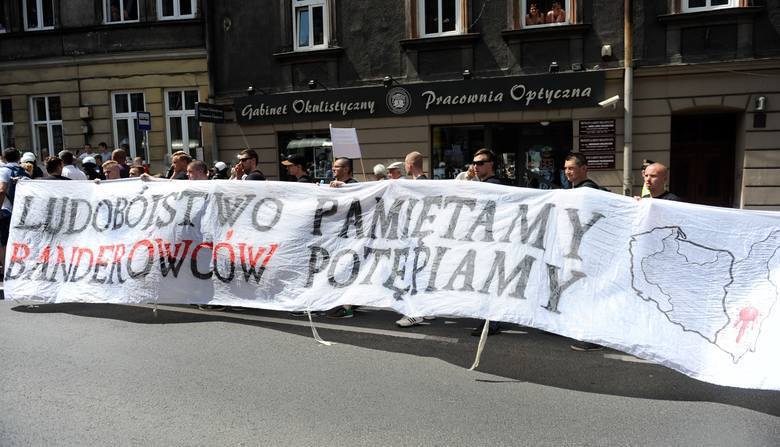
However, right-wing forces are gaining strength in Poland, the journalist acknowledges. “I’m afraid that next year, during the election campaign that has already started, the topic of Ukrainians will develop in the current context. And we will feel it. The question is what parliament will look like after the election. There is a danger that the xenophobic atmosphere in Poland will intensify,” he comments. Ukrainians have become hostages to domestic political struggle. It is easiest to direct hatred at them precisely because they are nearby. “There are political forces that want escalation and play on it. And historical issues have been made so salient that I no longer know what to do about it,” Andrusieczko says. Ukrainian historian and politician Volodymyr Viatrovych, commenting on historical manipulation in the neighbouring country, said in an interview with LB.ua that Poland is ‘falling into a pit of the past’.
Yuriy Levchenko suggests the situation will deteriorate right up to the end of the elections. “And who knows who will win. I don’t see anything good. I think at some point it could come to anti-Ukrainian pogroms,” he says.
Andriy Deshchytsya says support is growing in Poland for far-right parties — the Confederation Liberty and Independence (Konfederacja Wolność i Niepodległość) and the Confederation of the Polish Crown (Konfederacja Korony Polskiej). CBOS describes the latter as a party associated with anti-Ukrainian and anti-European views. “Together they are polling 20–30%,” the diplomat says. “They openly oppose support for Ukraine and Ukrainians in Poland. And they speak quite neutrally about Russia — which is an additional reason to believe it is financing them.”
Deshchytsia says he cannot recall such a level of hostility towards Ukrainians as is now felt in Polish society throughout his thirty-year diplomatic career. “These are worrying signals. Relations have been difficult before: from 2015 to 2022, Poland’s prime minister did not visit Ukraine once. But that was at the level of politicians. In society, there was not such noticeable hostility as there is now,” he says.
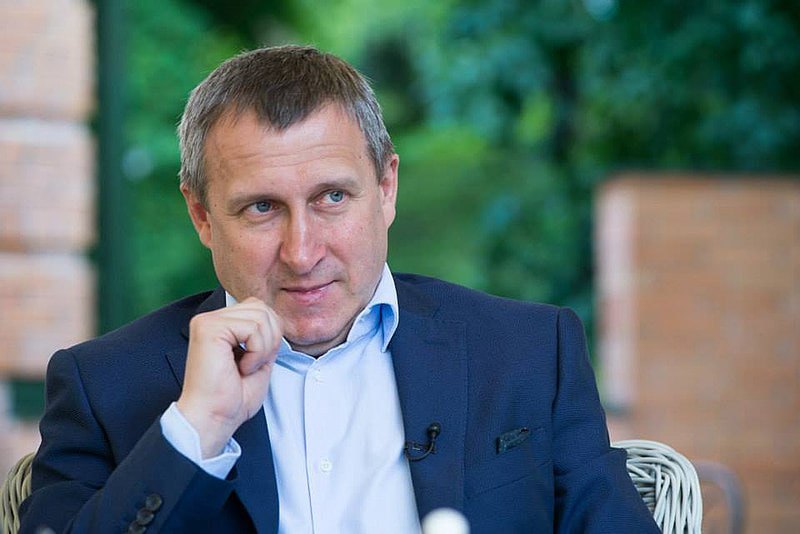
What can be done? The situation can be eased if one of the primary sources of anti-Ukrainian sentiment is effectively countered: Russian propaganda. Poland has organisations that fight external information influence, but their work does not meet the challenges of the modern era, Andriy Kovalenko believes. “We work with the Polish equivalent of our National Security and Defence Council, but there these processes are seen as rather domestic political, not an external threat. That creates limits on state intervention,” says the head of the Centre for Countering Disinformation. “So they look defenceless in this situation.”
The determination with which the Polish government investigates every attack on Ukrainians does not stop politicians’ anti-Ukrainian rhetoric or the tension in society, Deshchytsya says. Truly authoritative leaders are needed — people who would not be afraid to say that such actions harm Poland itself and its image as a civilised democratic state. “It has to be someone of the stature of John Paul II, Jerzy Giedroyc or Jacek Kuroń,” says the former Ukrainian ambassador to Poland. “It’s possible political opponents would drown such a person. But it must be done for the good of Poland, our relations, and the image of Poles in Europe.”