





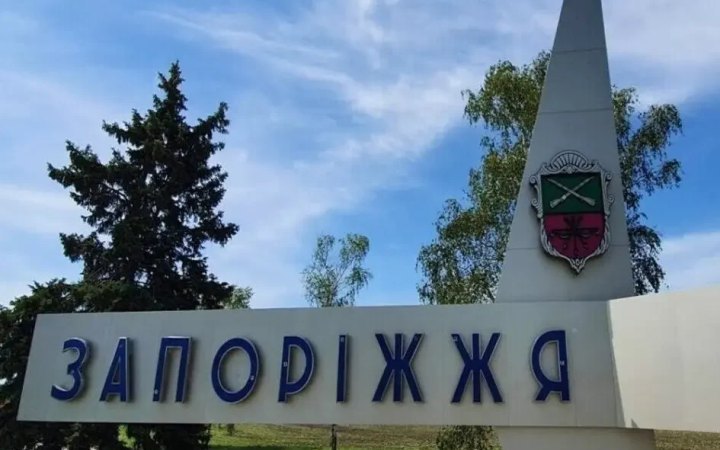
After the State Treasury froze spending, Zaporizhzhya’s fuel procurement was put at risk. Without funding, not only the implementation of the Resilience Plans but also day-to-day operating costs were left unfunded.
The municipal enterprise Zaporizhzhya Electric Transport was unable to sign a new fuel supply contract for a week because no one wanted to take part in the tender, understanding that there would be no payment. Acting Mayor of Zaporizhzhya Regina Kharchenko said this at an event organised by LB and EFI Group.
“The city only had four days’ worth of fuel left,” she noted.
Ukrnafta entered the tender, so the procurement was completed. But other critical needs are also under threat because of the lack of payments.
“For Zaporizhzhia, the issue of the emergency response fund is extremely important. I cannot arrive at a strike site and tell someone whose roof is half gone or whose windows and doors have all been blown out: ‘Well, sorry, we couldn’t buy building materials through the tender,’” Kharchenko said.
The acting mayor stressed that frontline regions need greater attention.
Context
Because Ukraine failed to meet its commitments to international partners, it did not receive part of the financial assistance. In connection with this, in September the Cabinet of Ministers decided to suspend all non-critical spending. This also affected funding for the implementation of the Resilience Plans.
The Verkhovna Rada is due to convene on 12 September for a sitting — the first since 17 September. The vote on the bills on which international funding depends is scheduled to take place on 14 October.
Commenting on the Verkhovna Rada’s delay in meeting its commitments, the President said he had asked the European Union to extend the deadlines for holding votes on the bills partners require, because Kyiv is facing air-raid alerts and shelling, and MPs cannot work in the same way as parliamentarians in countries not at war.