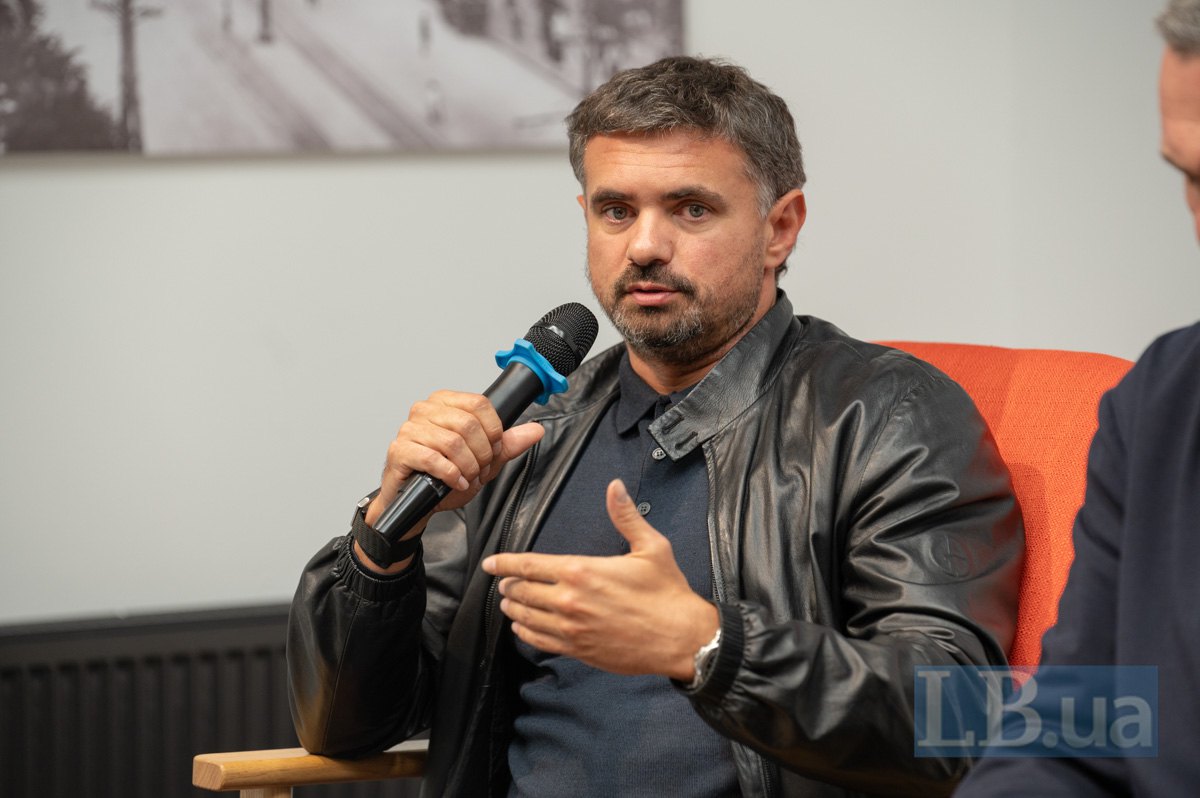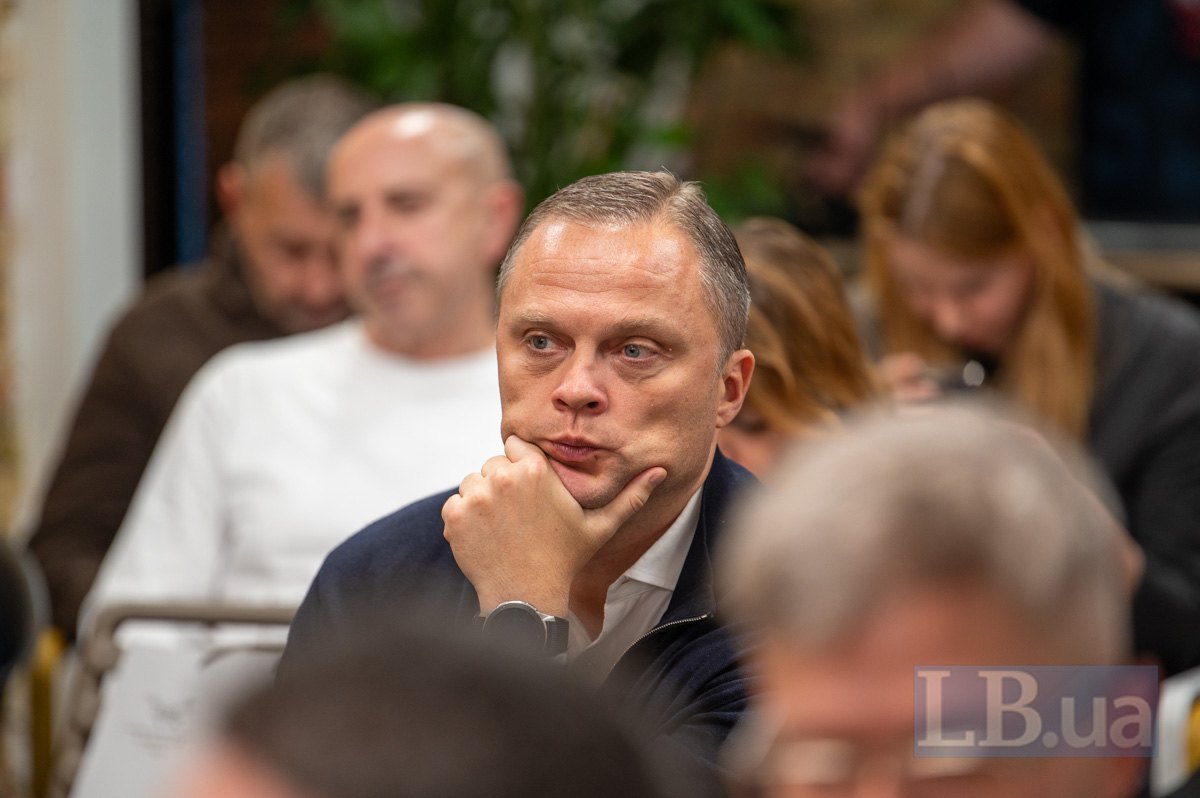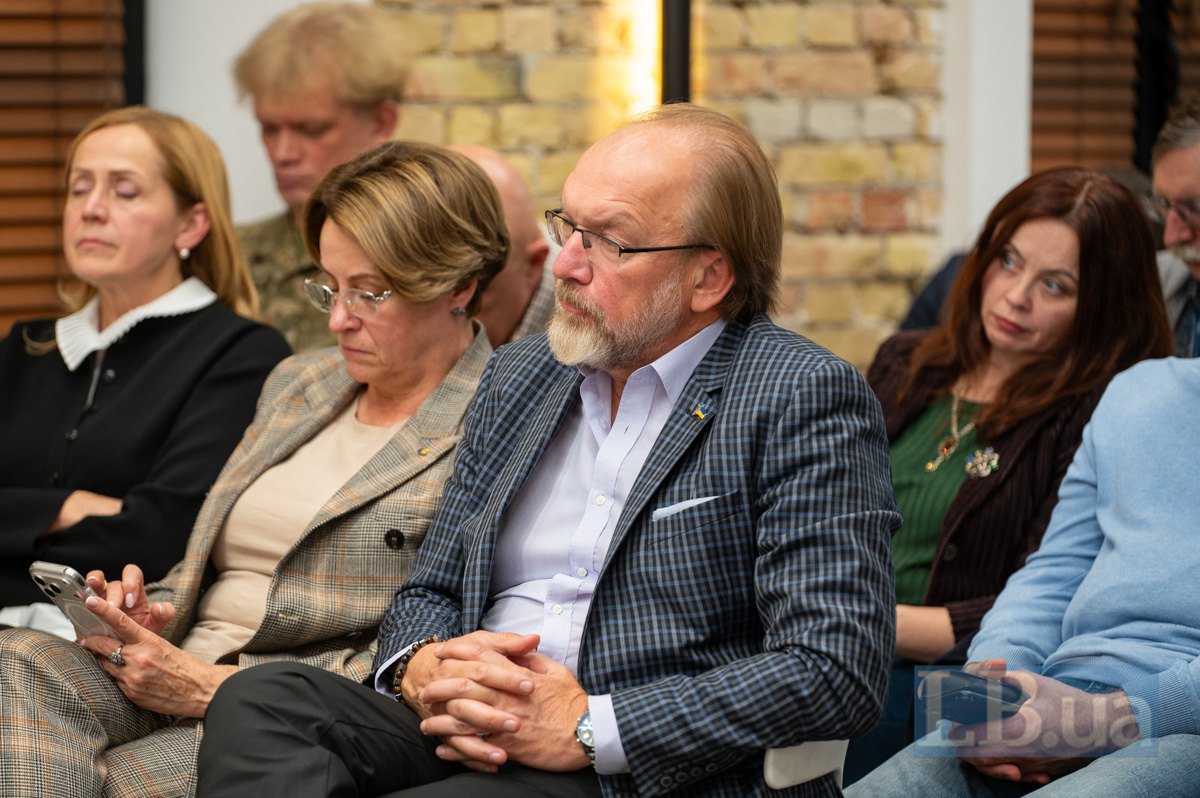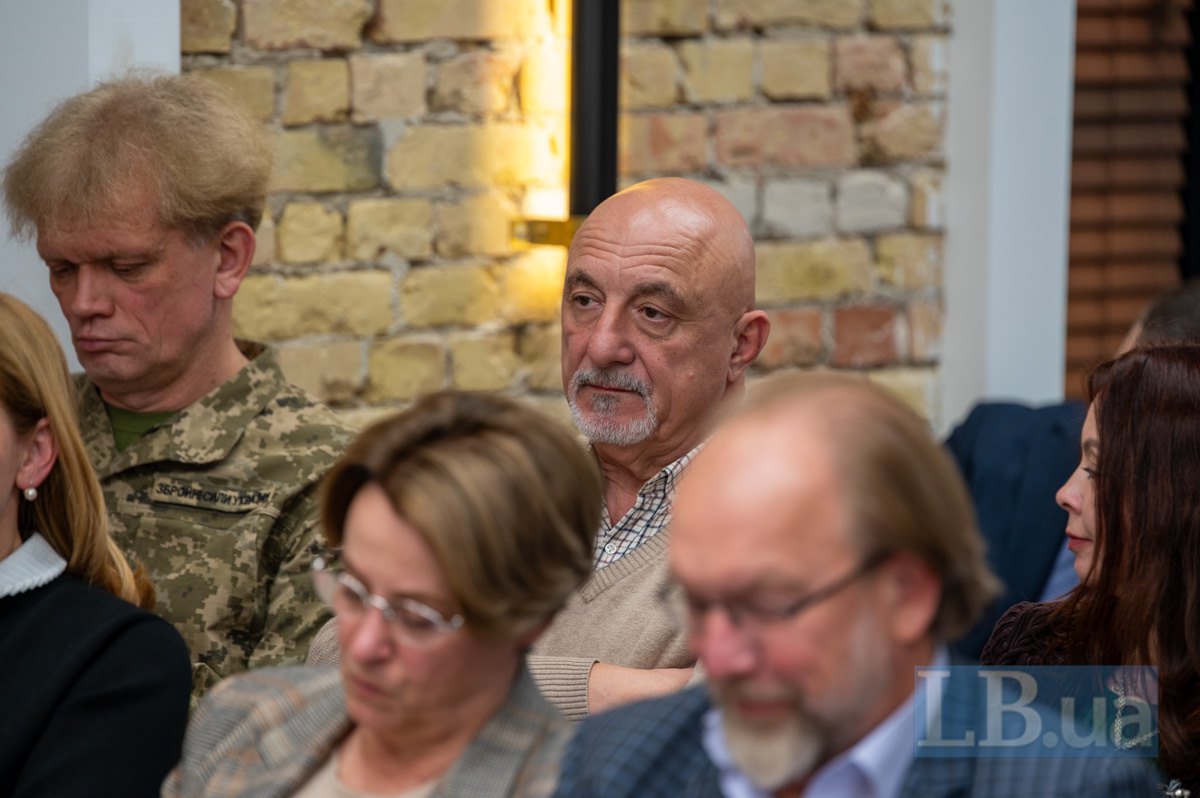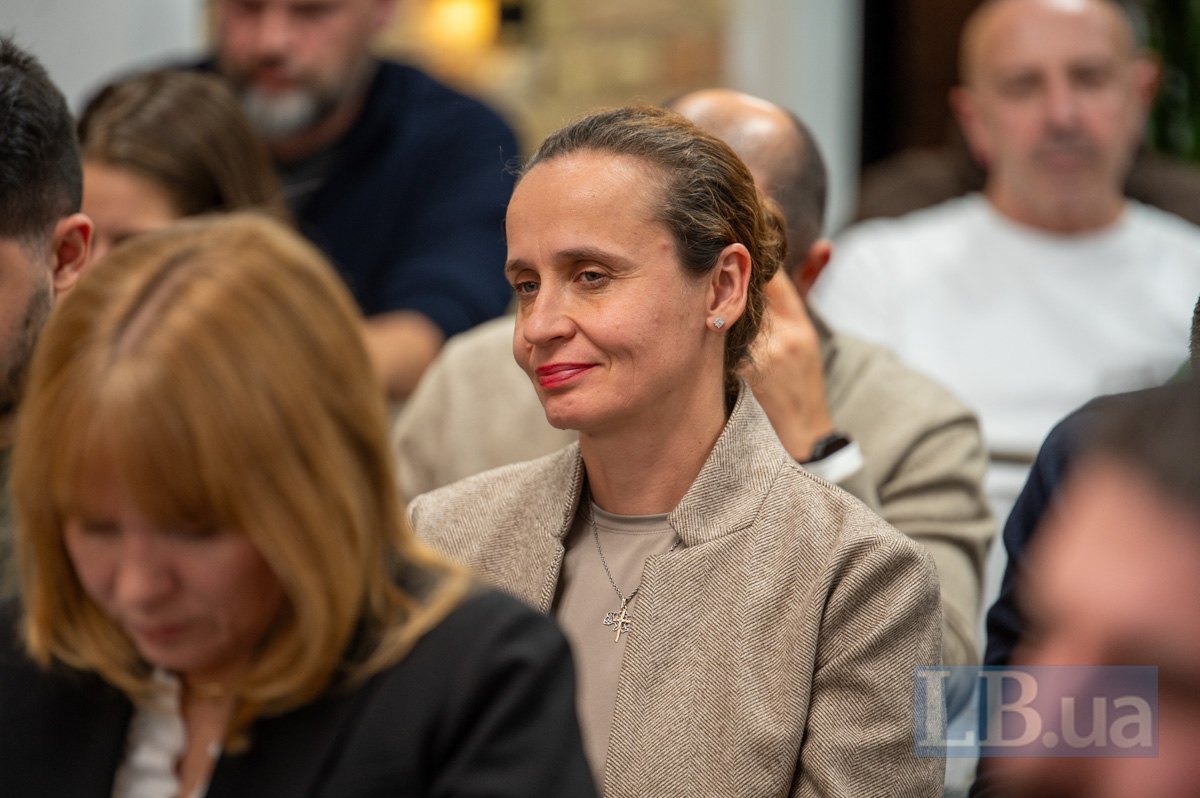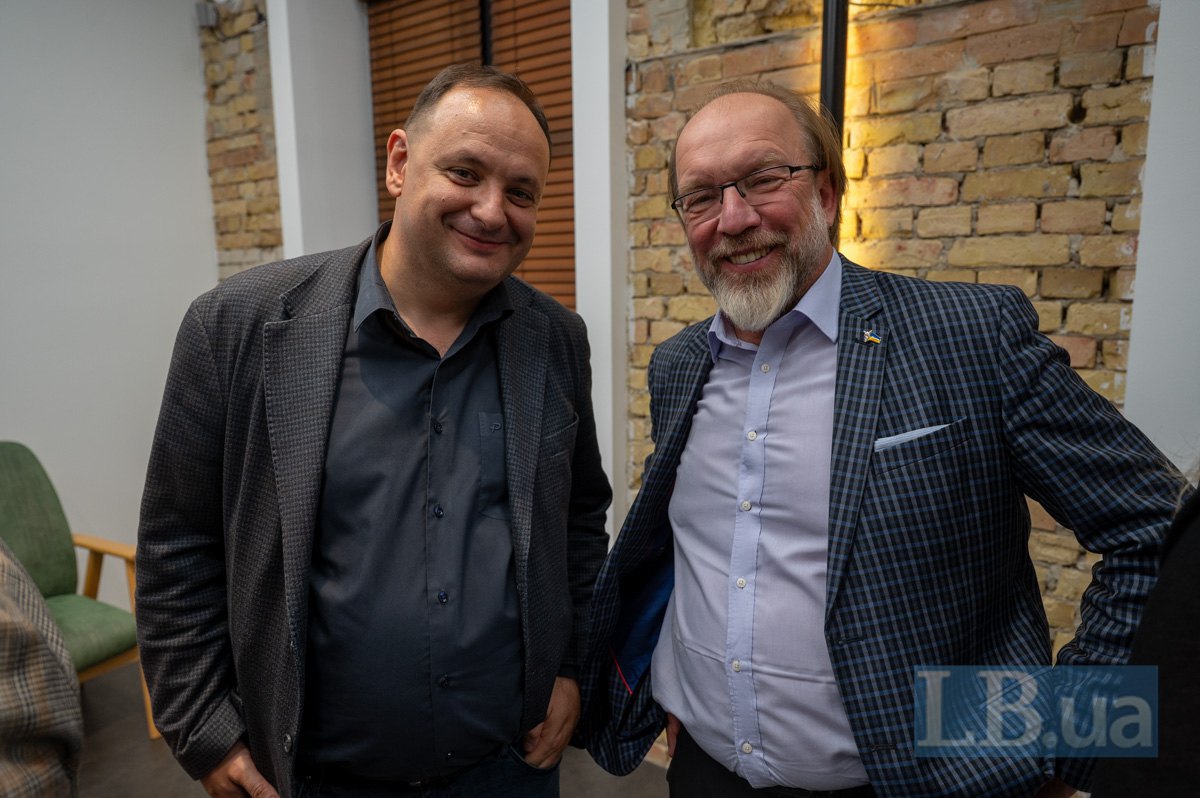






Decentralisation reform and the self-organisation of local government in Ukraine were among the key factors behind Ukraine’s flexibility and resilience at the start of the full-scale invasion. This, believes Ihor Liski, Chairman of the Supervisory Board of the investment company EFI Group, was what enabled us to hold out then. And, he is convinced, whether we can hold out as a country now will depend on how local authorities (with help from the government) cope with the challenges of this winter.
“It’s very easy to break the resilience of the Ukrainian people through Kyiv residents, to break the home front. And if the home front collapses, the heroic Armed Forces of Ukraine will not be able to save this country,” Liski believes.
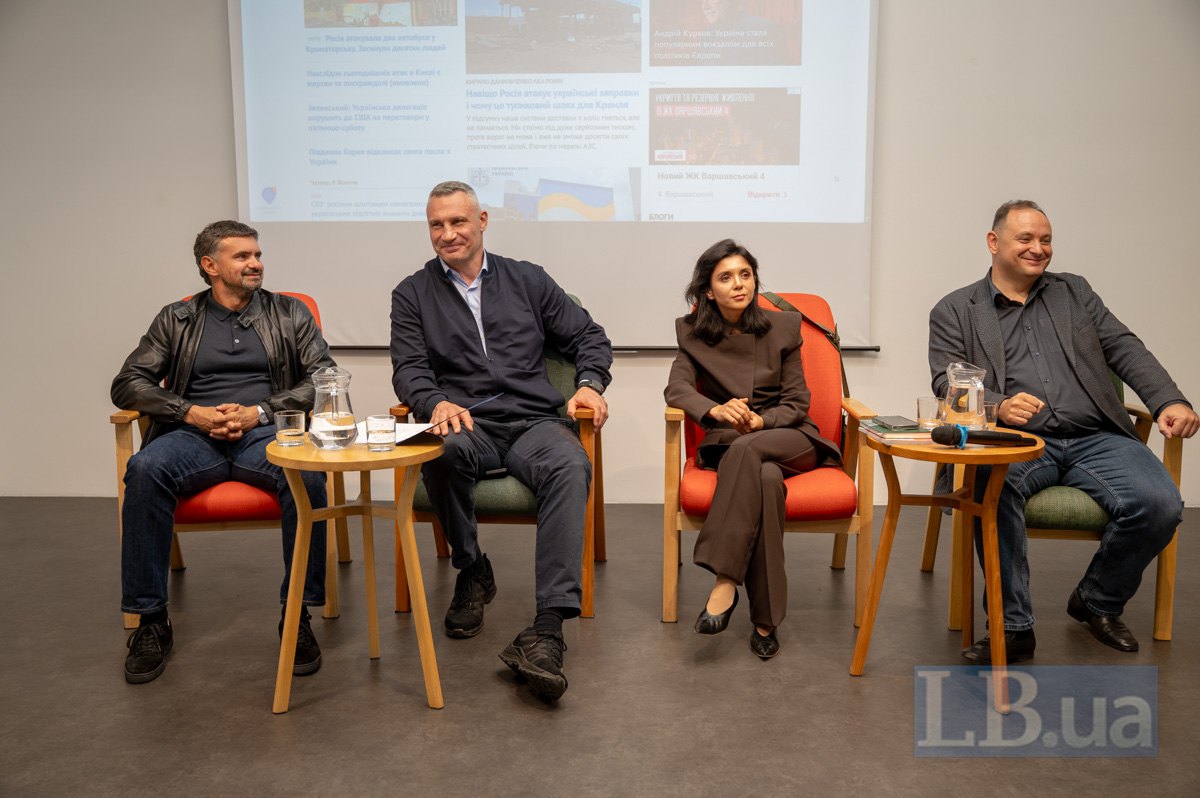
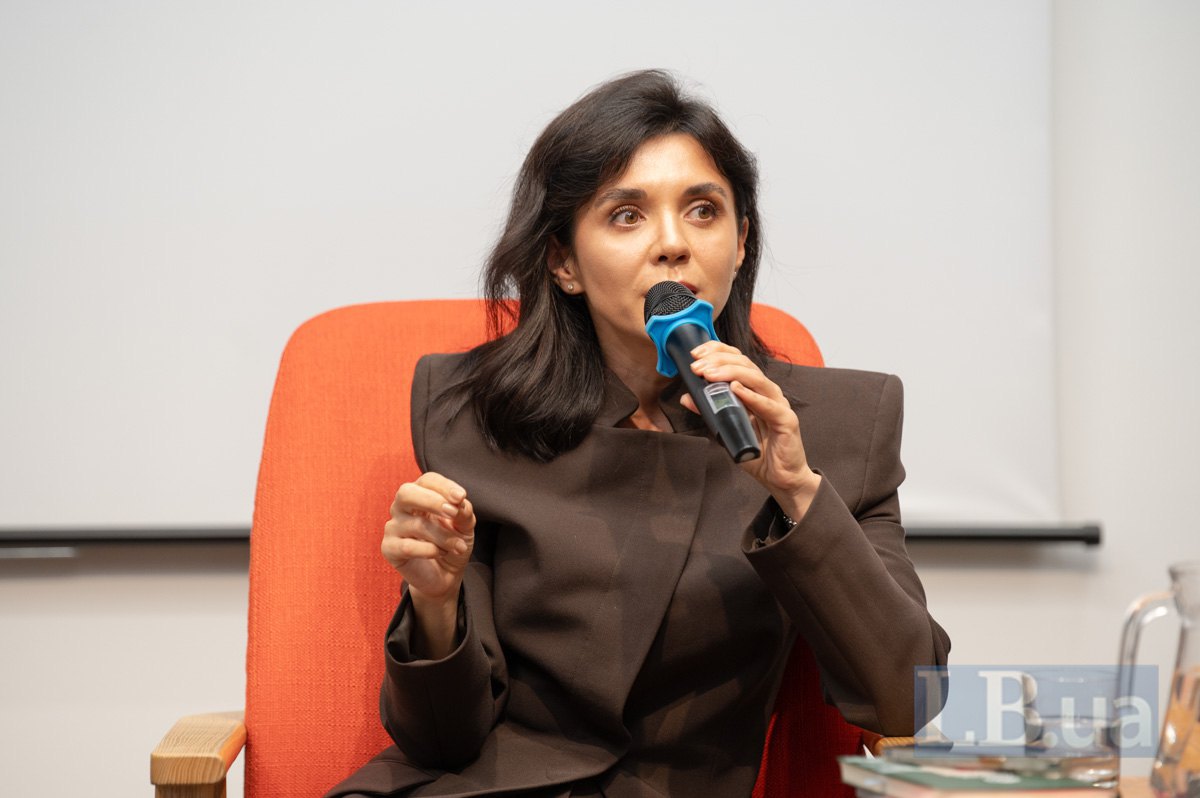
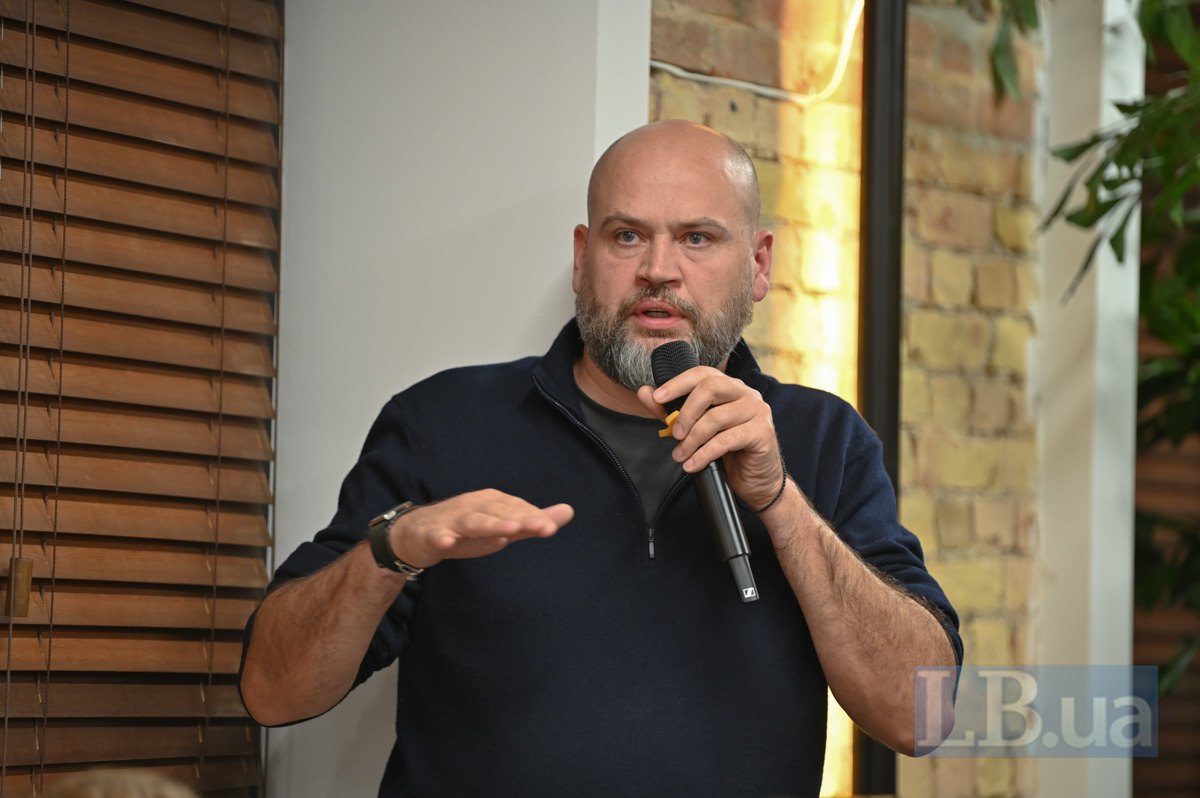
Is the “home front” ready for the challenges of this heating season—using Kyiv, Zaporizhzhia and Ivano-Frankivsk as examples? How does the situation differ across regions? What shared pain points do they have? And is it really possible to protect facilities critical to the functioning of major cities? These were the focus of a themed “New Country” discussion featuring:
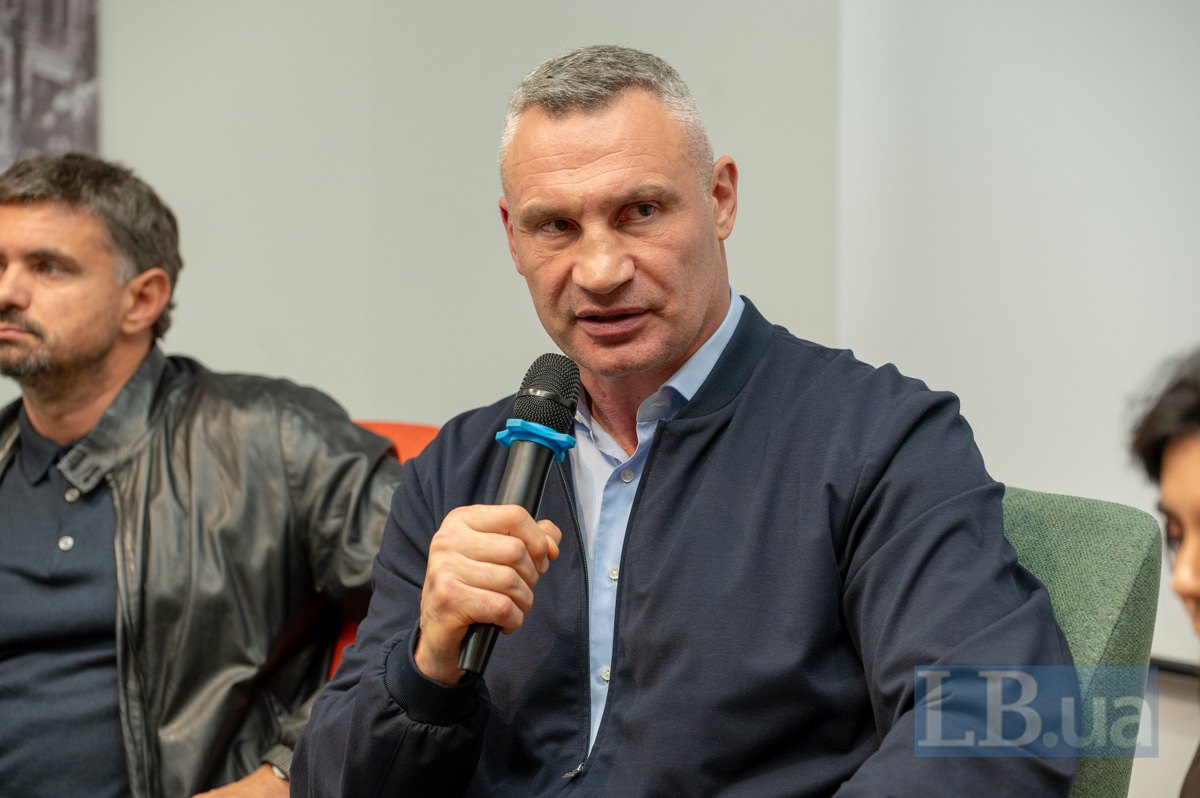
- Vitalii Klitschko, Mayor of Kyiv;
- Ruslan Martsinkiv, Mayor of Ivano-Frankivsk;
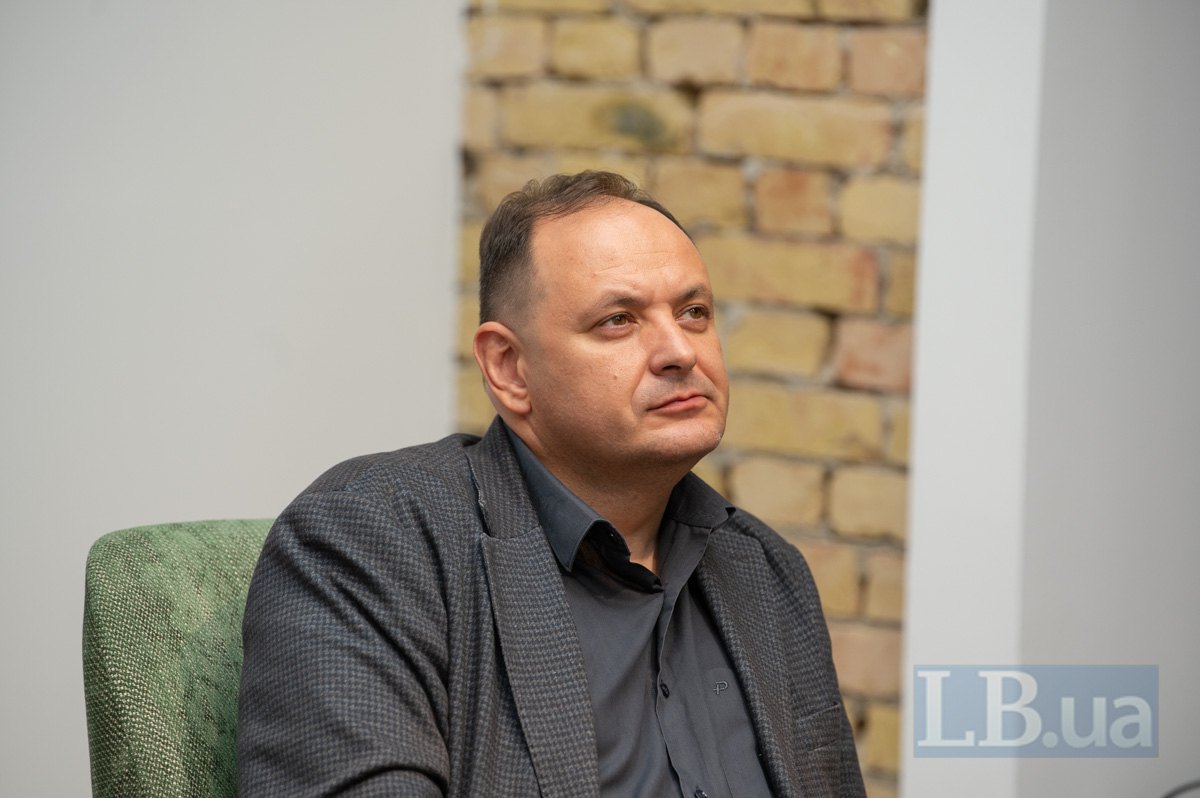
- Rehina Kharchenko, Acting Mayor of Zaporizhzhia and Secretary of the Zaporizhzhia City Council;

- Ihor Liski, Head of EFI Group
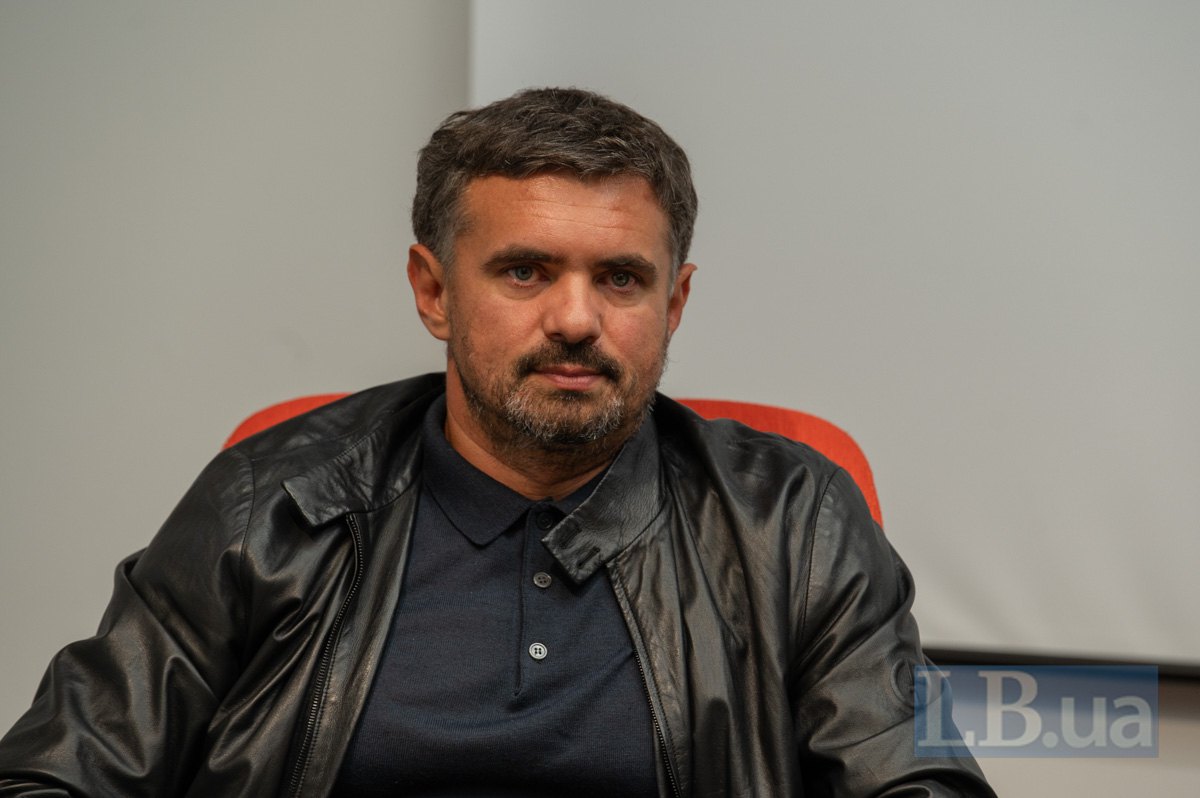

Kyiv Mayor Vitalii Klitschko says Kyiv’s key combined heat and power plants are ready for the heating season. However, they remain priority targets for the enemy during shelling, so the city is working on a back-up heat supply system in case the central one is destroyed.
“For the first time, we presented this plan at a meeting of the Kyiv City Council to the deputies, explaining our clear actions. …We presented the plan twice to the National Security and Defence Council; it was approved. Under this plan, we are moving forward to provide the city of Kyiv with a reserve heat supply system in the event the central heating supply is destroyed.
I would like to remind you that the central heating system was built over decades after the Second World War. Dozens of institutes worked in this direction. And for us it is a particularly challenging task, given the constraints on finances, human resources and time, to build in the period after winter ends and before the next heating season begins what took decades to build,” Vitalii Klitschko said. However, he added that the work must be completed in December.
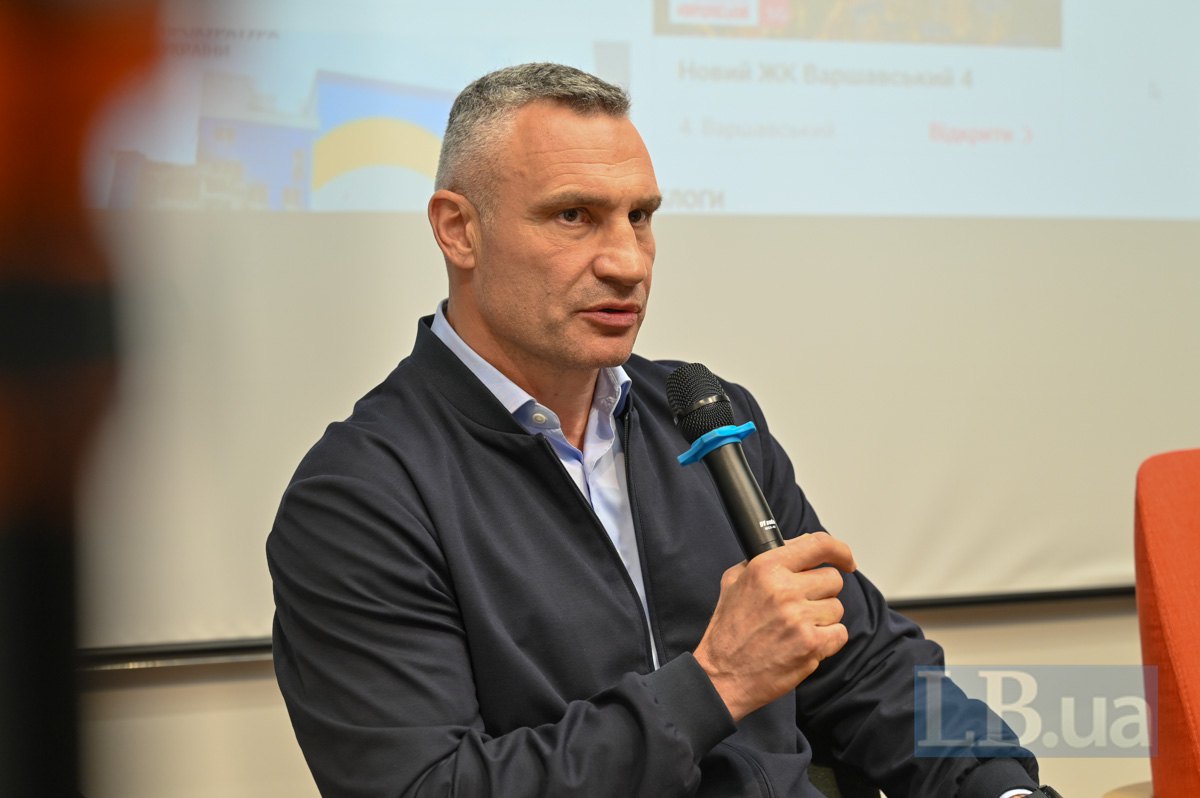
In Zaporizhzhia during the 2025/26 heating season, not a single building had problems with heating, said Acting Mayor Rehina Kharchenko.
“We had a period of a terrible blackout, when at one moment 5 million people—this is the entire Dnipropetrovsk region and the Zaporizhzhia region—were left without electricity. That is, phase zero completely across all facilities. The municipal enterprise ‘Vodokanal’ restored water supply within an hour and a half. Heating was restored at night. People didn’t understand what was happening at all. We were given six hours to restart the heating. By morning, everyone had heating.
In Zaporizhzhia, we don’t think in terms of preparing for the heating season. We think in terms of preparing for shelling. Therefore, as of today, 36 critical infrastructure facilities (I’m talking about pumping stations, boiler houses, heat substations, huge generators that we have in reserve)—all are protected. They must not only operate; they must be protected,” Kharchenko noted.

But Zaporizhzhia’s proximity to the front adds options to the city’s protection plan, its head stresses: in particular, the need to install anti-drone nets, increase the number of modular shelters, cover public transport with armoured film, protect municipal institutions and hospitals, build up fuel reserves, and so on.
Ivano-Frankivsk, far from the front, faces completely different—but in their own way difficult—challenges for the city, says Mayor Ruslan Martsinkiv.
The city’s heating system is already 75% individual—decentralisation began 10 years ago, long before the start of the full-scale invasion. Only 25% of the city now depends on central heating. The local authorities are also trying to ensure fuel reserves and stable communications.
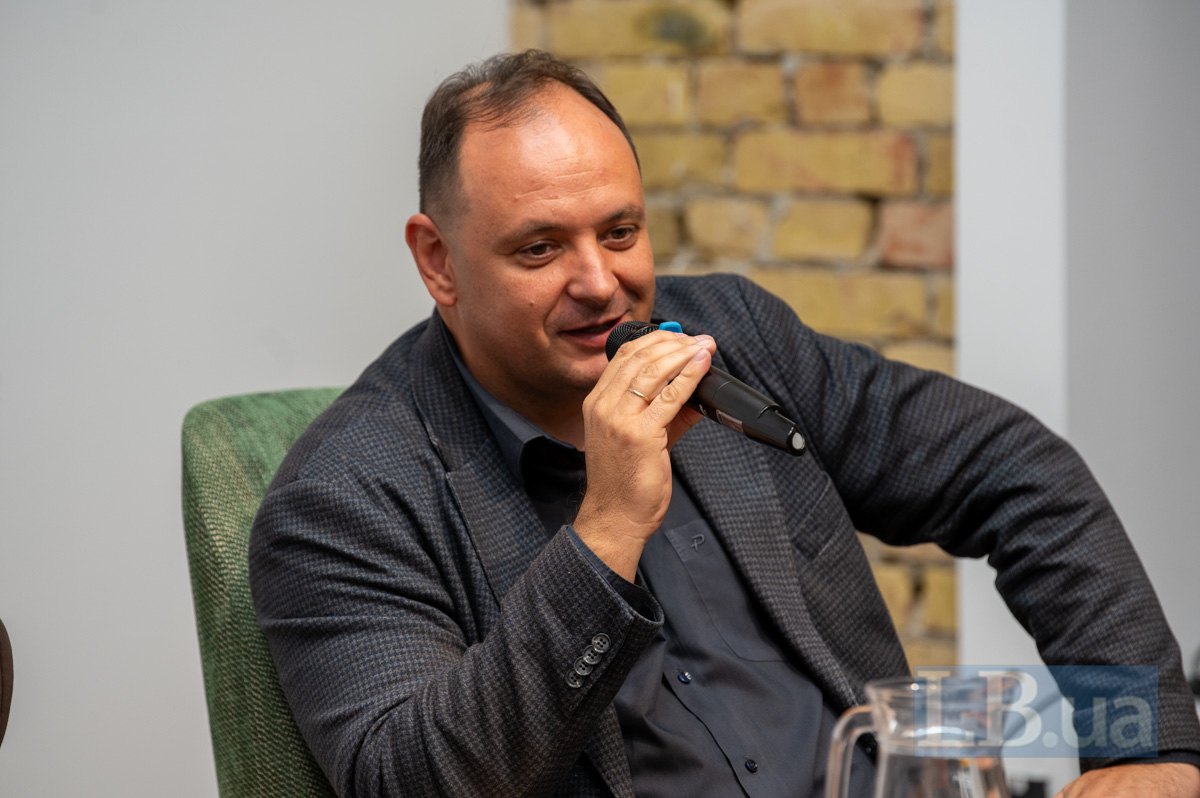
But the number one challenge for Ivano-Frankivsk, Martsinkiv emphasises, is people. As the intensity of shelling in frontline and central regions has increased, internal migration of Ukrainians to the west of the country has grown.
“It feels like we’re going back to 2022 again,” Martsinkiv says. “The load on transport, housing and infrastructure is increasing. I appeal to Ivano-Frankivsk residents not to raise rents, but they have tripled.” Over the past decade, the city’s population has increased by almost 150,000, which is critical for Ivano-Frankivsk, the mayor says. But the city is looking for ways to adapt.
Read more soon on LB.ua about how each region is responding to challenges that are only intensifying as shelling increases.