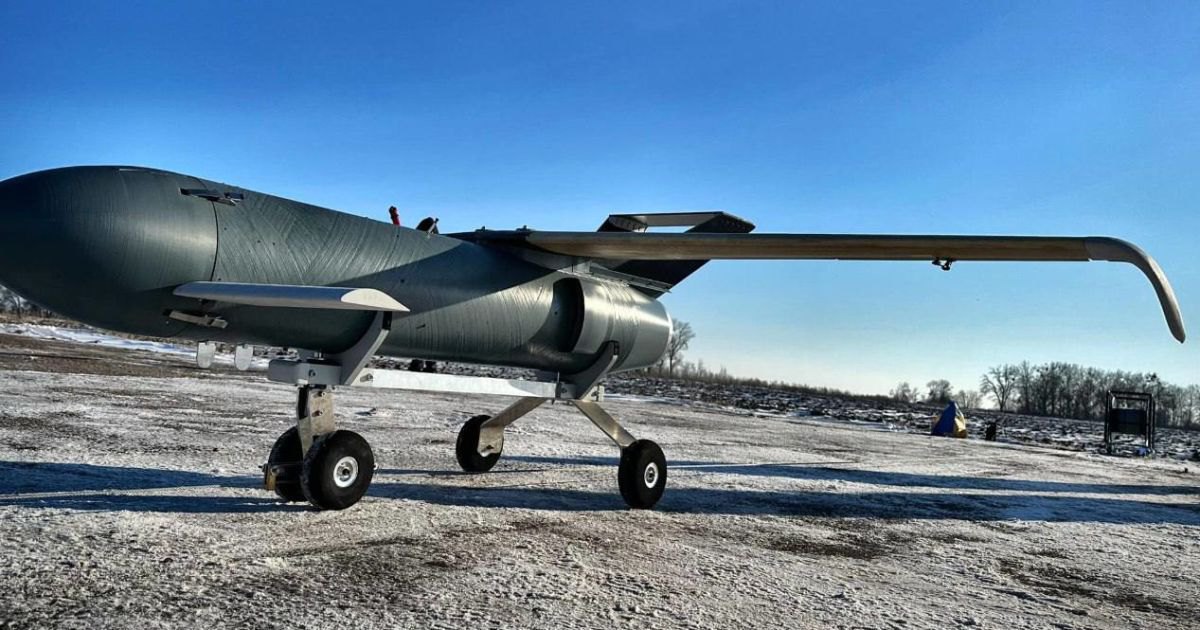
On the Baltic axis, there is a new 24-hour record. Over a day, Ukraine launches an average of 250+ drones at the enemy, peaking at well over 500. Some are traps, decoys and false targets; others involve various technological tricks, such as drones launched from unmanned surface vessels and balloons that carry UAVs deep into the rear.
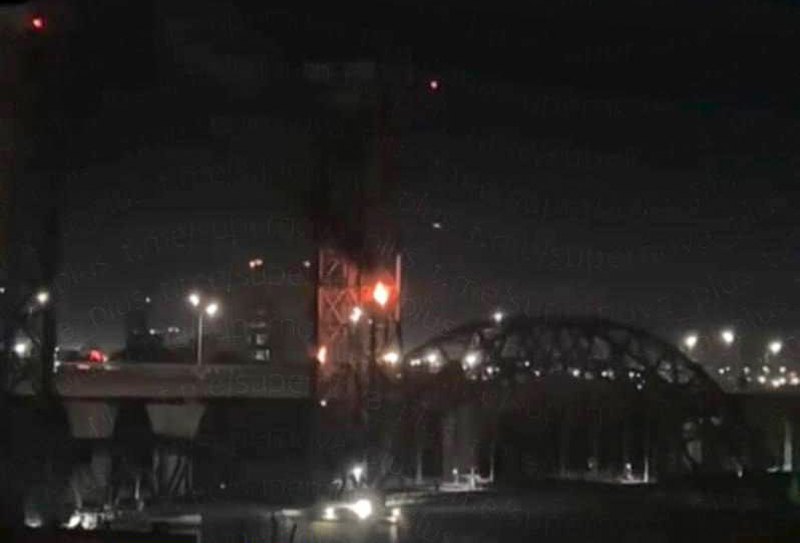
On 10 October 2026, a swarm of roughly 100 strike UAVs delivered pinpoint strikes on critical infrastructure in Russia’s Rostov region, paralysing a key transport hub. The main outcome was a direct hit on a railway swing bridge on the Rostov–Bataysk section. This is a strategic artery through which the main supplies flow to Russia’s Southern Group of Forces and occupation contingents. As a result of damage to the structure, train traffic was completely halted in both directions, blocking dozens of military and freight trains for up to six hours.
Bringing down bridges is hard, yes — I have written a lot about that. But guarding them has to be done properly, just like data centres, defence-industry plants and chemical facilities, and Trishkin’s coat is not made of rubber. To repel a swarm, the Russians would need to deploy dozens of Pantsir air-defence gun-missile systems and hundreds of machine-gun positions around every refinery, plant and bridge. That is impossible. The era of “point air defence” is over. In a war of cheap swarms, only those survive who have well-trained mobile fire teams, cheap mass-produced interceptor drones, and total electronic-warfare superiority at the point of interest — something they do not have across their vast territory and cannot have.
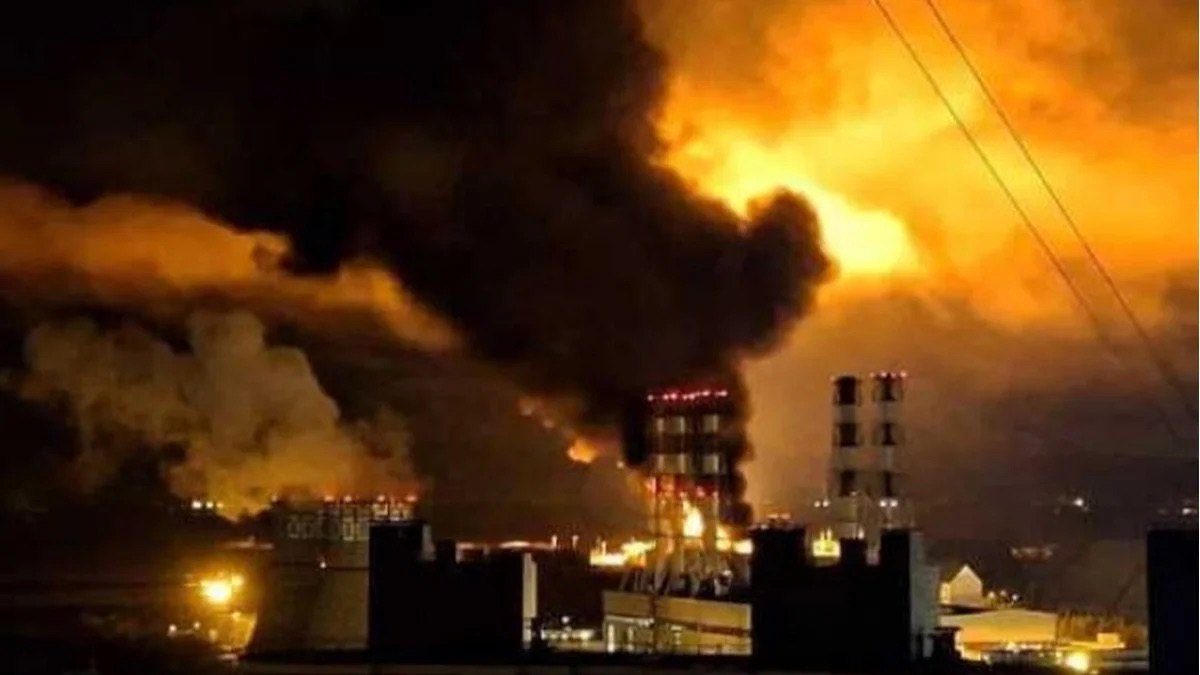
As part of the same attack, the Novoshakhtinsk petroleum products plant in Rostov’s Zheleznodorozhny district — one of the key fuel suppliers for the Russian army in the south — was hit again in a repeated, massive strike. Hits on storage tanks and transhipment process units triggered a large-scale fire, prompting the authorities to declare a state of emergency in three districts of the city. The cost of the burned stocks of light petroleum products and repair work is estimated at at least $30–40 million. In addition, two commercial vessels used for logistical needs were hit in the Sea of Azov. This dealt a technological blow to coastal shipping, disabling onboard equipment worth roughly $5–8 million.
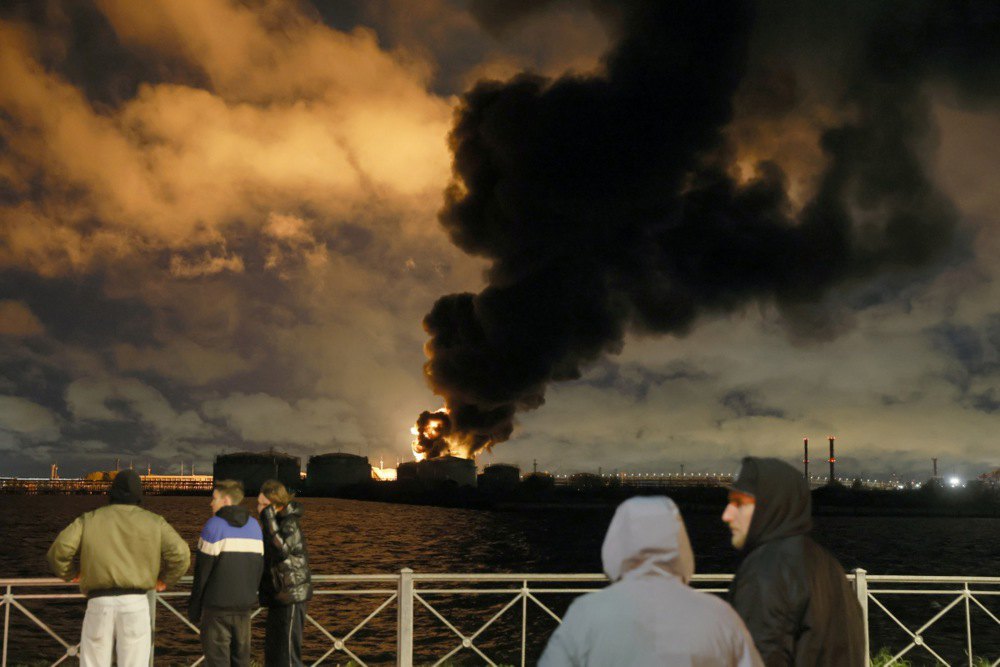
On 18 October 2026, the largest raid on St Petersburg and the Leningrad region in the entire war took place, involving between 120 and 145 UAVs. Despite a dense air-defence layer (S-400 and Pantsir-S1), the swarm broke through the defences of Russia’s second capital. Explosions and a fire were recorded on the grounds of the St Petersburg oil terminal — Russia’s largest petroleum products transhipment hub in the Baltic. The loss of tanks, slower exports and damage to pumping stations cost owners and the budget $25–35 million. At the same time, the strike hit energy infrastructure near the settlement of Yanino, causing rolling power cuts in industrial zones.
The most painful technological blow to St Petersburg was a direct hit on a VK (VKontakte) data centre in the Leningrad region. The destruction of server equipment, cooling systems and backup storage caused not only direct financial damage (around $15–20 million for high-tech hardware under tight sanctions — hardware that does not often survive a fierce fire and firefighting), but also triggered major disruptions to Russian digital services. In addition, one of the drones damaged the structure of the cable-stayed bridge over the Korabelny fairway. Because of the threat of repeat attacks, Pulkovo Airport was completely shut for several hours (the “Carpet” protocol), delaying dozens of flights and causing airline losses of more than $5 million.
Read alsoOpening Pandora’s Box
The combined economic and technological damage from these two operations exceeds $100 million. However, the main strategic harm to Russia lies in the expenditure of scarce surface-to-air missiles: to repel these two swarms, Russian crews fired dozens of S-300/S-400 and Pantsir-S1 missiles, flew sorties (where an hour of flight time for a single aircraft costs the equivalent of a flat in a regional capital), and burned through the resources of mobile fire teams.
What do these strikes mean for Russia?
All the tales about “demilitarisation” as a result of their strategic campaign against Ukraine belong alongside the stories about mobilisation being derailed by Iskanders, strategic deployment being disrupted, Western weapons transfers being stopped, bridges being destroyed and a total blackout. What was it — about a month ago, social media was boiling with claims that the Russians would bring down all our bridges and we would be unable to supply the Left Bank — so how many did they actually bring down?
If in 2024–2025 a raid of 20–30 drones was considered large, then by October 2026 a salvo of 100–150 UAVs on a single operational axis is becoming the norm. At the same time, they cannot pull air defences off the front — our aviation is still alive, and with Western drones and hexacopters we can seriously tear up the forward edge and the tactical rear.
Second, we have enough mass-produced drones to operate at depths of 1,000+ kilometres, break through what is not the weakest air defence on the planet, and achieve dozens of hits on strategic targets. Additional fuel tanks, balloons and various “mother” carrier platforms for launches make it possible to rapidly scale up strikes both in the south and in the north, overloading their engagement capacity. We are stretching their SAM systems between the front, Moscow and the ports, refineries and factories that are vital to the Kremlin regime, keeping them spread thin across the entire extended theatre of operations.
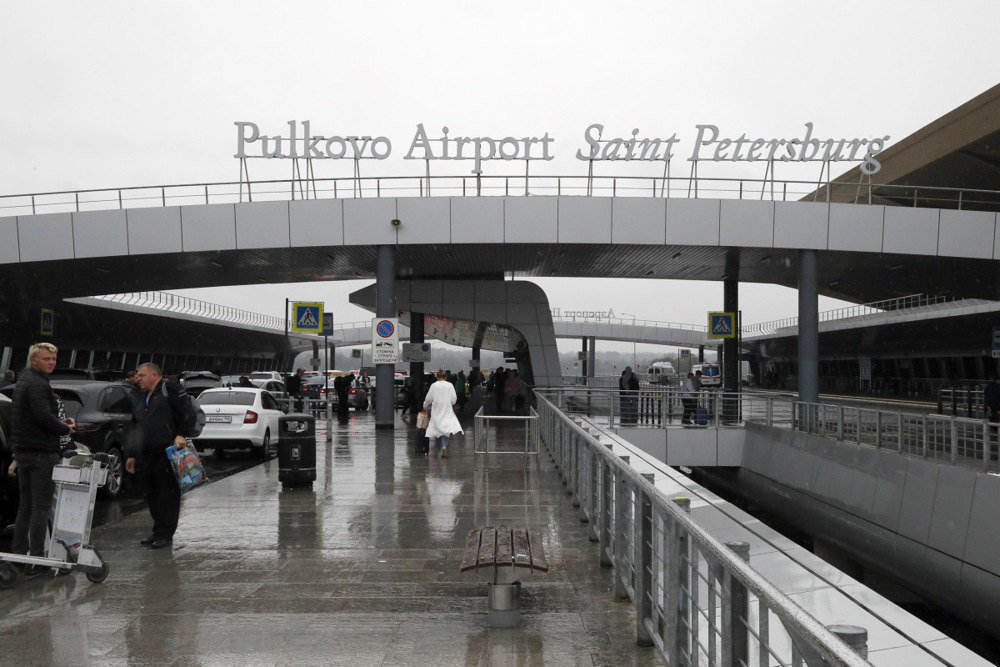
The raid on St Petersburg — with Pulkovo Airport closed, terminals burning and debris falling in residential areas — delivers a colossal blow to the loyalty of the elite and the public. The Baltic region was always considered a safe rear. Yet this is already the third raid of this scale: the burning Coal Harbour, an FSB icebreaker that lay down to “rest”, fires at the shipyard. So everything is definitely going to plan, and Pechenegs and Ruriks are the most important thing in 2026?
A hit on the VK data centre is a signal that it is not only the railways under attack, but also the state-controlled “Cheburnet” and command-and-control systems. A reminder: even if the Americans and Taiwan sell new hardware, delivery queues are booked out until 2028.
When a VK data centre (the business of the Kovalchuk brothers and Kiriyenko) or a private oil terminal burns to the ground because the army could not protect it, the social contract starts to crack. Business owners understand that the state can shield the leadership’s bunkers and major plants, but private capital is left to fend for itself. This breeds covert sabotage, distrust of the General Staff and fragmentation among the elites. They begin to realise that the war is becoming mathematically toxic for their capital. And for what — for the ruins of Popasna and the rotten trolleybuses in Donetsk?
Previously, Russia set the rules of the game: “We can strike Kyiv’s energy system, and you cannot respond.” Now Ukraine has demonstrated an ability for asymmetric escalation — including targets in Russia’s “second capital”. This winter will not be easy: Russia has stockpiled missiles and is experimenting, scaling up last year’s pressure on the capital. But it will clearly be difficult not only for us.