On 15 December, a summit of the European Space Agency (ESA) will take place in Rome, where discussions will focus on strengthening Europe’s presence in space and reducing technological dependence on other countries.
As Euronews reports, the summit agenda will include multi-billion-euro investments, new technologies and the question of ensuring Europe’s ability to reach Earth orbit under its own steam, without relying exclusively on the services of foreign companies.
Member states are set to consider proposals to strengthen Europe’s role in low Earth orbit, prepare for the post-International Space Station era, and secure the continent’s presence on the Moon, while also looking towards Mars.
It is noted that ESA’s aim is not to abandon international co-operation, but to take part in it with a greater degree of autonomy.
€10 billion for an autonomous system to launch European astronauts into space
The most ambitious challenge is human spaceflight. At present, Europe does not have a fully autonomous system for launching astronauts into space and returning them to Earth. For crewed missions to the International Space Station, it depends on capabilities beyond the continent — in particular, in the United States.
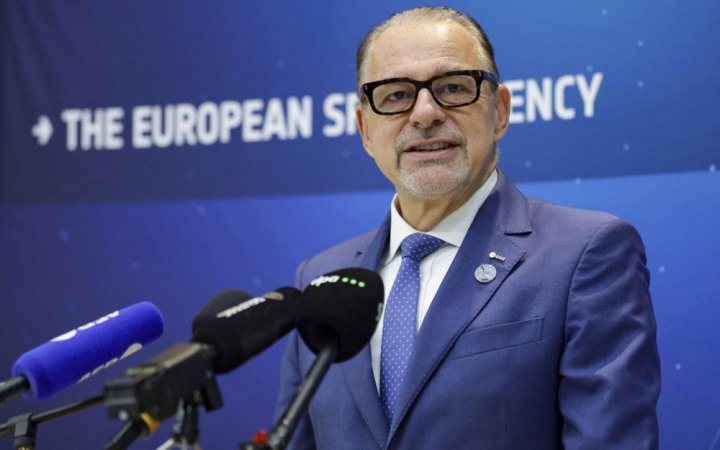
ESA Director General Josef Aschbacher has proposed investing around €10 billion in this area over ten years. According to the calculations he presented, continuing to purchase the relevant services from foreign providers could cost European taxpayers about €5 billion over the same period.
At the same time, these are projections rather than allocated funds, as political and financial decisions are taken by the member states. In Aschbacher’s view, there are two paths: develop Europe’s own industrial capabilities or continue buying services from other operators. As a result, the cost and availability of such services will depend on the commercial decisions of those providers.
Having autonomous capabilities would allow Europe to keep a larger share of investment within the European space sector, stimulate the development of reusable technologies, and strengthen the region’s position in negotiations on international programmes.
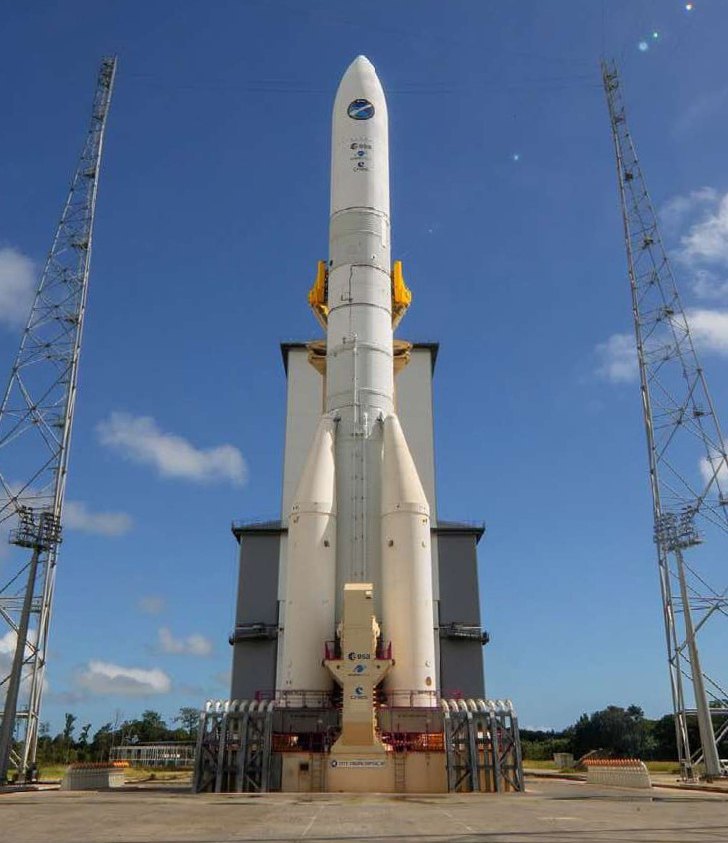
Autonomy also depends on having reliable rockets that can be launched frequently enough to meet demand. In this area, Europe can rely on Ariane 6 — a heavy-lift launch vehicle developed for institutional and commercial missions, as well as Vega-C, designed to place lighter satellites into orbit.
These two launch vehicles are key elements ensuring independent access to space. For example, in September 2026, a Vega-C rocket placed the FLEX and Sentinel-3C satellites into orbit as part of Europe’s Earth observation programme. Now there is a need to strengthen launch capacity and expand capabilities for both public and private customers.
However, competition is global. SpaceX has built a model based on frequent launches and the use of reusable rockets, which has enabled it to take a leading position in the international market. That is why it is not enough for Europe simply to have its own launch vehicles — they must also be competitive in terms of cost, availability and speed of launch preparation.