





On Friday, 30 October, mass strikes and rallies will take place across Italy against the rising cost of living and the diversion of public funds towards armaments.
The Unione Sindacale di Base trade union has called on public- and private-sector workers to join the protests, including a large demonstration in Rome, Euronews reports.
The unions Cobas, Adl, Clap and Sial will also join the actions, and students will once again take to the streets in major cities.
Because of the rallies, significant disruption to transport is expected nationwide. Rail services will face restrictions from Thursday evening until Friday evening, while the aviation strike will last throughout Friday. The action will also affect local public transport, taxis and motorway services.
In addition, port workers will join the protests on Friday. They will speak out against the arms trade, rearmament policies and the militarisation of ports. Workers at more than 100 ports in 17 countries worldwide have joined the initiative, and in Italy the protests will include Genoa, Livorno, Trieste and other key maritime hubs.
The unions’ main demands include pay rises in line with inflation and the return of an automatic income indexation mechanism. Participants are also calling for lower prices for essential goods, utilities and housing rents. Protesters say the government is allocating too much money to the defence sector while leaving healthcare, education and other social services without adequate funding.
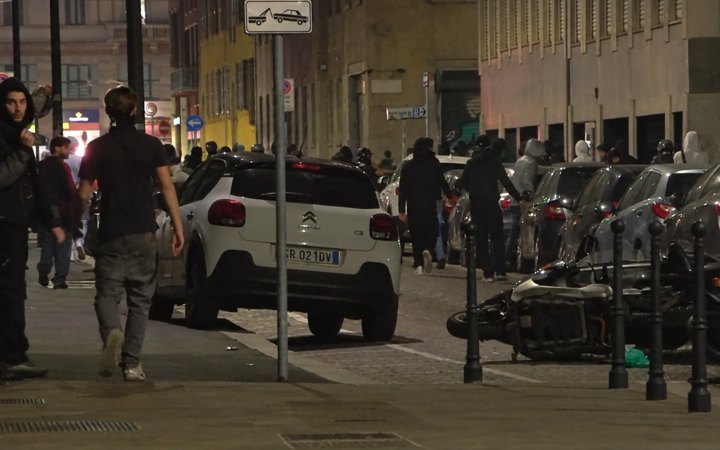
- On 24 October, protests took place in Turin, Rome and Bologna against the rising cost of living, accompanied by clashes with police. In Milan, the demonstrations were largely peaceful. Ahead of time, the authorities tightened security measures due to the risk of fresh unrest: they decided to send another 500 service personnel to Milan, and demonstrations were banned in the city centre.
- Earlier, on 17–18 October, the largest unrest occurred in Milan, where police officers and demonstrators were injured during clashes with police, and more than 50 people were detained. The unrest also spread to Turin, Bologna and Bergamo. Prime Minister Giorgia Meloni condemned the riots, stressing that the right to protest does not justify violence.