





The European Commission is proposing a new model of gradual integration for candidate countries on the path to EU membership. It is intended to complement and strengthen the current accession process.
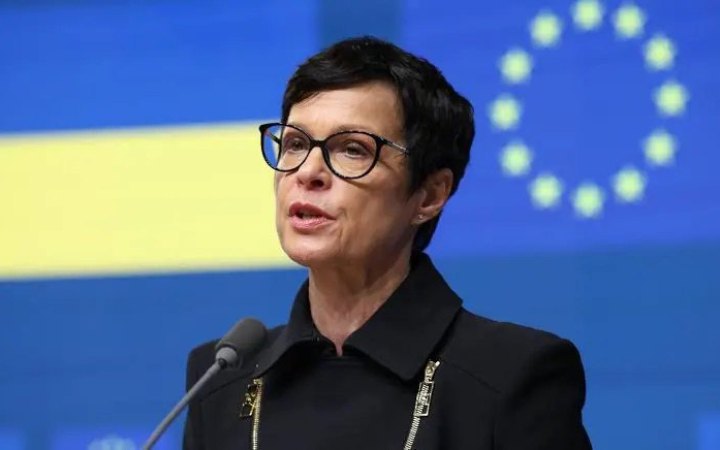
European Commissioner for Enlargement Marta Kos announced this while presenting the European Commission’s annual enlargement report to the European Parliament’s Committee on Foreign Affairs in Brussels, Interfax-Ukraine writes.
According to Kos, the EU wants to give candidate countries more opportunities for integration even before they become full members.
In the first quarter of 2027, the European Commission plans to begin gradual integration dialogues with candidate countries. During these, the parties will assess existing co-operation measures and consider new opportunities for closer alignment.
Another important strand of the new model will be security. The Commissioner stressed that events in countries taking part in the enlargement process directly affect the security of the entire European Union.
In particular, this concerns countering disinformation, cyberattacks and organised crime. Kos also noted Ukraine’s resilience in the face of Russian aggression and stressed that Ukraine’s experience and deeper co-operation with the EU help to strengthen European security and defence capabilities.
Integrating candidate countries into the EU’s security structures, the Commissioner said, would facilitate information-sharing, co-ordination of actions, migration control and resistance to external pressure.
Marta Kos stressed that gradual integration does not replace full EU accession, but is part of the overall enlargement process.
The Commissioner also noted that Montenegro has a clear chance of becoming the European Union’s 28th member.
- This year, Ukraine opened four negotiating clusters with the EU, with the rest expected to be opened by the end of the year.
- Earlier, Ukraine and the European Commission discussed speeding up the fulfilment of interim benchmarks within the EU accession talks and opening the remaining negotiating clusters.
- At present, Hungary is blocking our country’s progress on European integration. Thus, following a meeting of the EU Council working group on enlargement in Brussels on 3 November, the Hungarian side once again refused to support further progress in the process of opening the final two negotiating clusters. Budapest is not putting forward demands or claims against Kyiv, nor any substantive objections.