





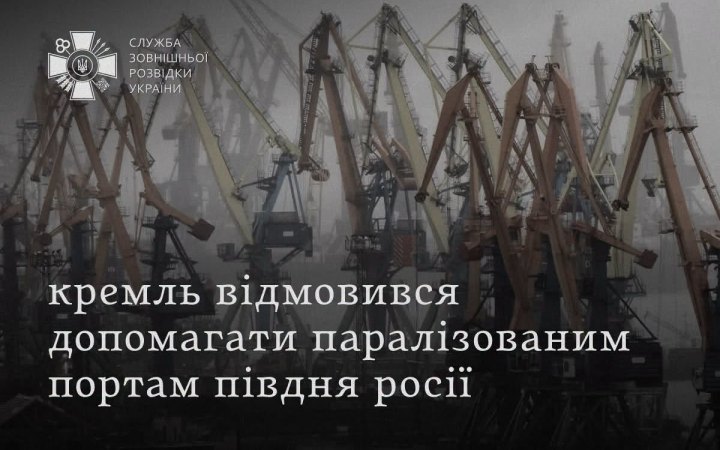
Freight shipments through Russia’s southern ports have almost come to a standstill due to the worsening security situation amid the war against Ukraine. A significant share of cargo flows has been redirected to north-western routes, while some port terminals cut transhipment volumes by 95–100% in September.
This was reported by Ukraine’s Foreign Intelligence Service.
The crisis has been particularly acute for exports of grain and agricultural products, which traditionally accounted for a substantial share of cargo traffic through the southern ports. In July–August, transhipment volumes for such cargo more than halved — from 7.9 million to 3.8 million tonnes compared with the same period last year.
In response, regional authorities and representatives of the port industry have been appealing to the federal government for financial support. In particular, they propose introducing wage subsidies for employees, compensating the costs of maintaining equipment, providing concessional loans and deferring the payment of taxes and rent.
Russian port operators are also asking for increased insurance cover for war risks. Some employees have already lost their jobs or moved to reduced hours.
However, the federal authorities are not prepared to take on additional costs. Estimates suggest that wage compensation for port workers alone could cost the Russian budget 6.6–8 billion roubles a year.
The Russian authorities are also rejecting other proposed support mechanisms. Russia’s Ministry of Finance said it cannot administratively set the terms for reinsurance of war risks. Deferring rent payments for federal property is being proposed on paid terms — at a rate of the key interest rate plus 5.18% per annum.
As a result, businesses that have lost the ability to operate fully because of security risks may face an additional financial burden instead of receiving state support.
The Foreign Intelligence Service notes that the war against Ukraine is causing Russia not only direct costs but also large-scale indirect losses — from reduced exports to the worsening position of businesses left without state support.