How NC13 Began Using Strike UGVs
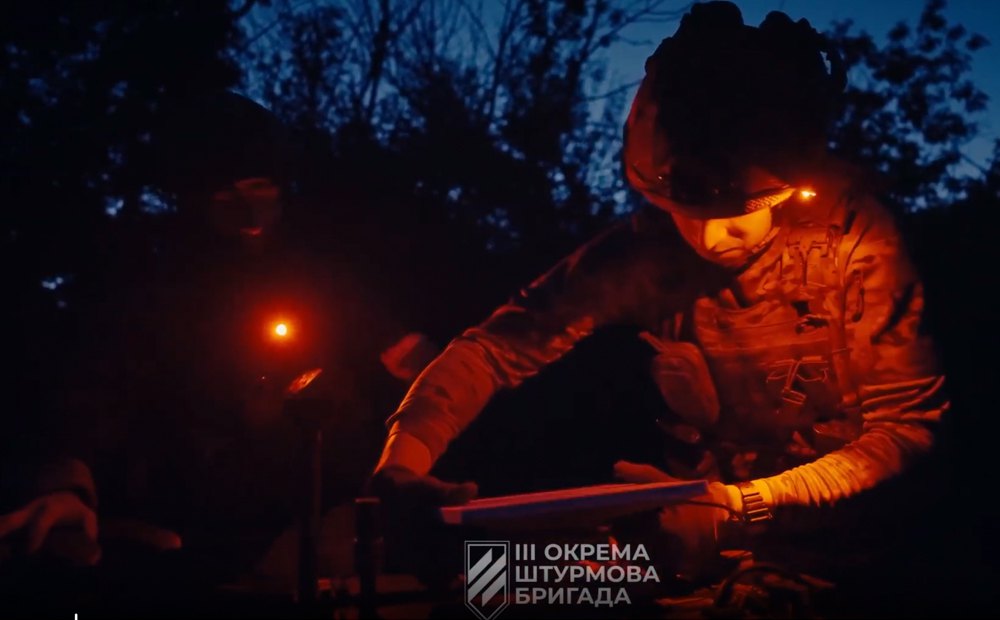
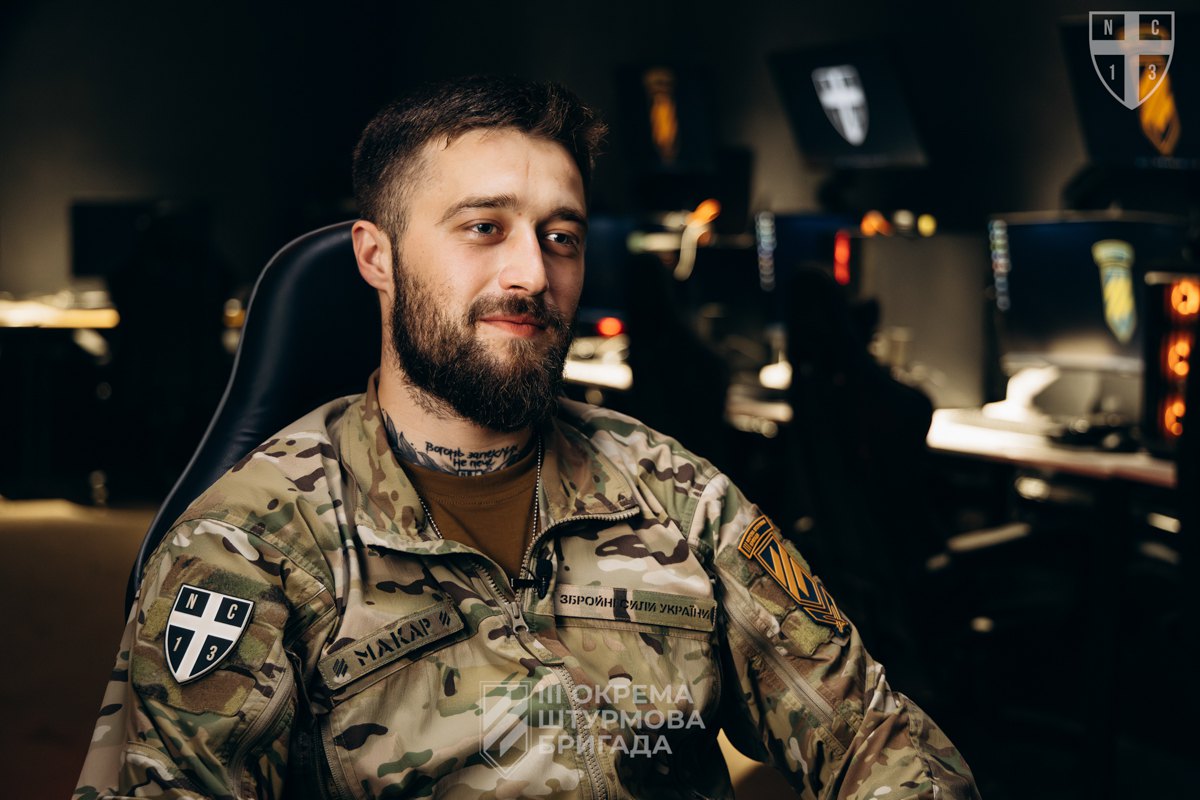
In May 2024, on the battalion commander’s instructions, Makar moved from assault duties to developing ground robotic systems. At that time there was neither established tactics nor a doctrine for employing them in the conditions of the modern battlefield.
“We were essentially starting from scratch: we were pioneers, testing different approaches, analysing the results and developing our own solutions directly during combat operations,” he says.
By summer 2025, the NC13 platoon of the 2nd Assault Battalion was introducing UGVs for cargo delivery and casualty evacuation, scaling up their use and passing on experience to other units in the brigade. At first, he says, they had to overcome scepticism, but later they managed to prove the effectiveness of this approach. Over this period, the platoon became the most effective UGV unit in the Armed Forces, Makar notes.
As former infantrymen and assault troops, the unit’s servicemen understood infantry needs well and saw that UGV capabilities go far beyond logistics and evacuation: robots can directly support infantry in combat by taking on the riskiest tasks.
“In spring 2025 we carried out our first strike operation, and the real point of no return was two large-scale robotic operations. In one, a robot with a machine gun held a position for 45 days without any infantry involvement. In another, we conducted a full-fledged robotic assault, as a result of which we took the enemy prisoner using UGVs, and our infantry occupied the positions 15 minutes later without a single shot,” the unit commander says.
Then, he says, Brigadier General Andrii Biletskyi saw great potential in developing strike UGVs, and on his orders in September 2025 the world’s only strike UGV unit, NC13, was created.

What the Term “Strike UGV” Covers
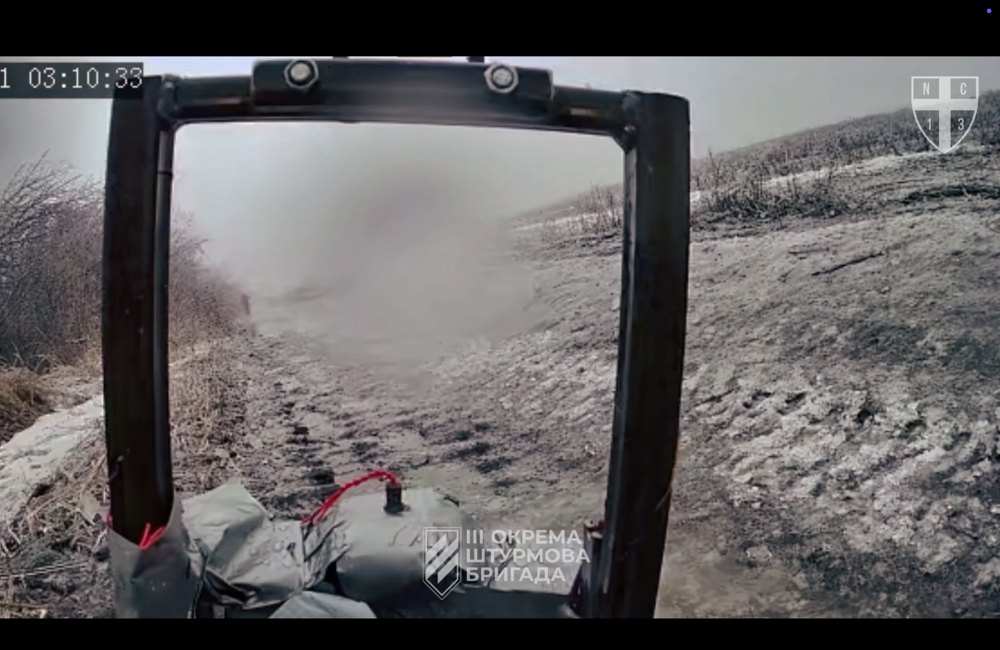
A strike UGV is a robot used to engage the enemy and their assets. It can be a ground kamikaze with an explosive charge for robotic assault actions and for destroying enemy shelters, dugouts and command posts. Or a UGV with a combat module fitted with a machine gun or grenade launcher, capable of holding lines and supporting infantry with fire.
“But the capabilities of strike UGVs are much broader — it all depends on our imagination. We are constantly looking for new ways to use robots, experimenting with their equipment and combining different types of weapons,” the serviceman says.
Use During Operation “Vivaldi”
Every day the unit carries out several missions involving strike UGVs. Almost no operation by the 3rd Assault Brigade is planned without such assets. Increasingly, they go ahead of the infantry, take on the most dangerous tasks and reduce direct contact between infantrymen and the enemy, Makar says.
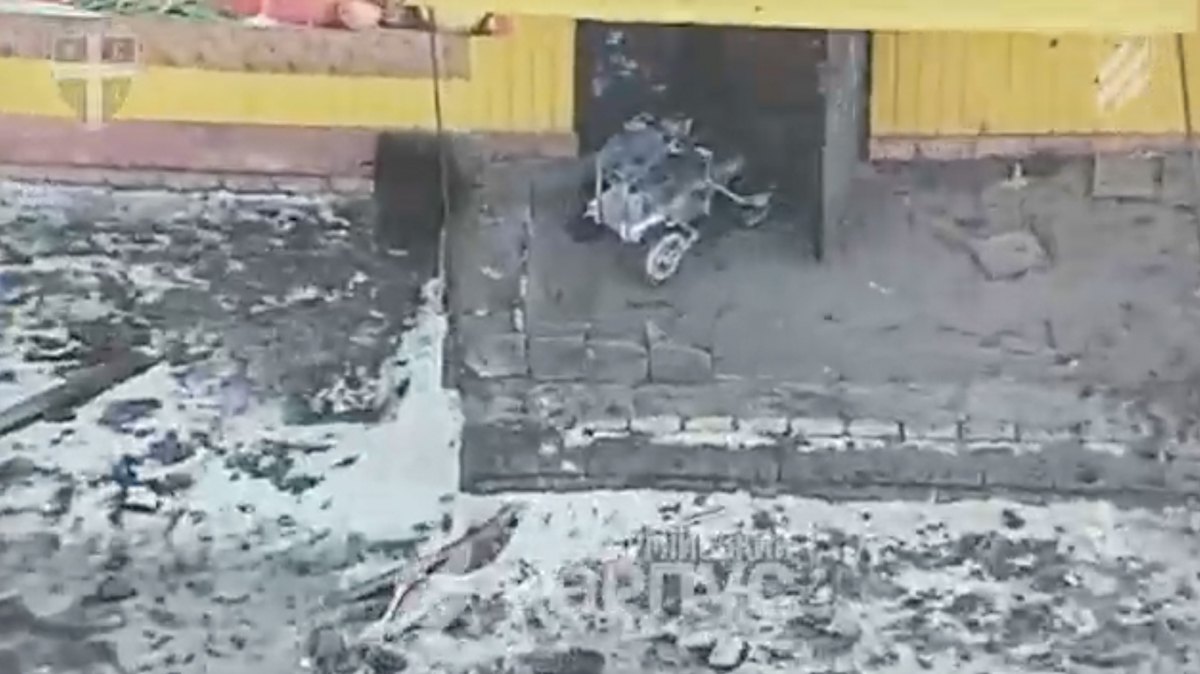
As part of Operation “Vivaldi”, a new tactic was used: they upgraded a ground kamikaze drone by fitting it with two disposable Bullspike rocket launchers. The drone first engaged the enemy position with the launchers, then drove onto the target and detonated.
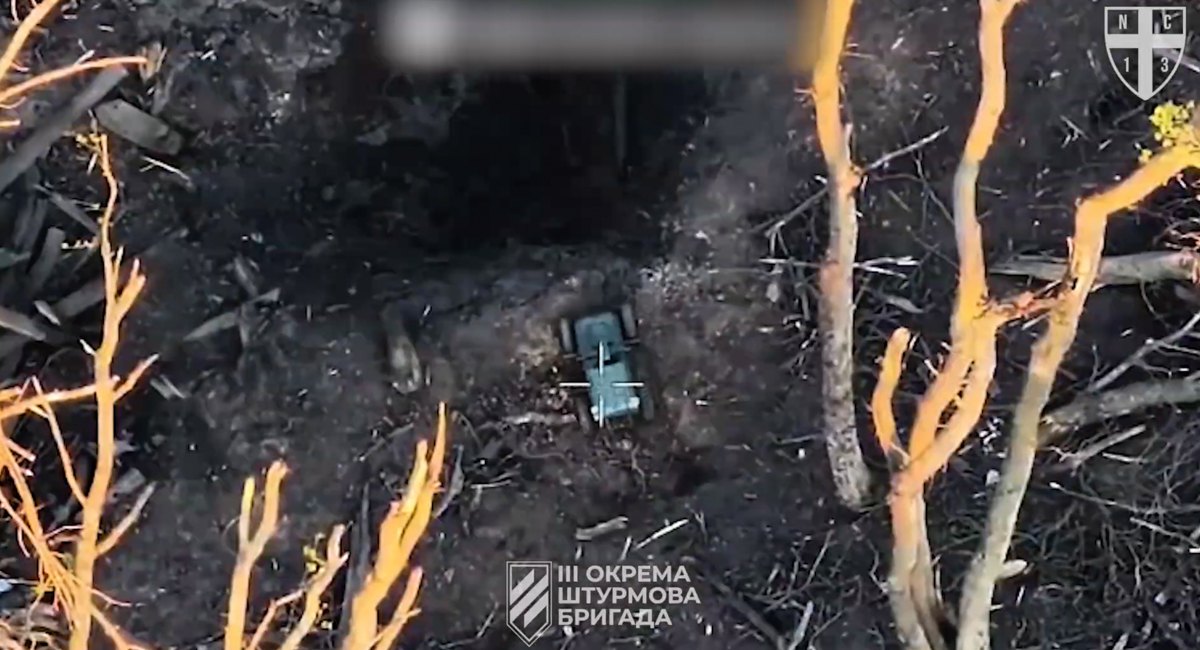
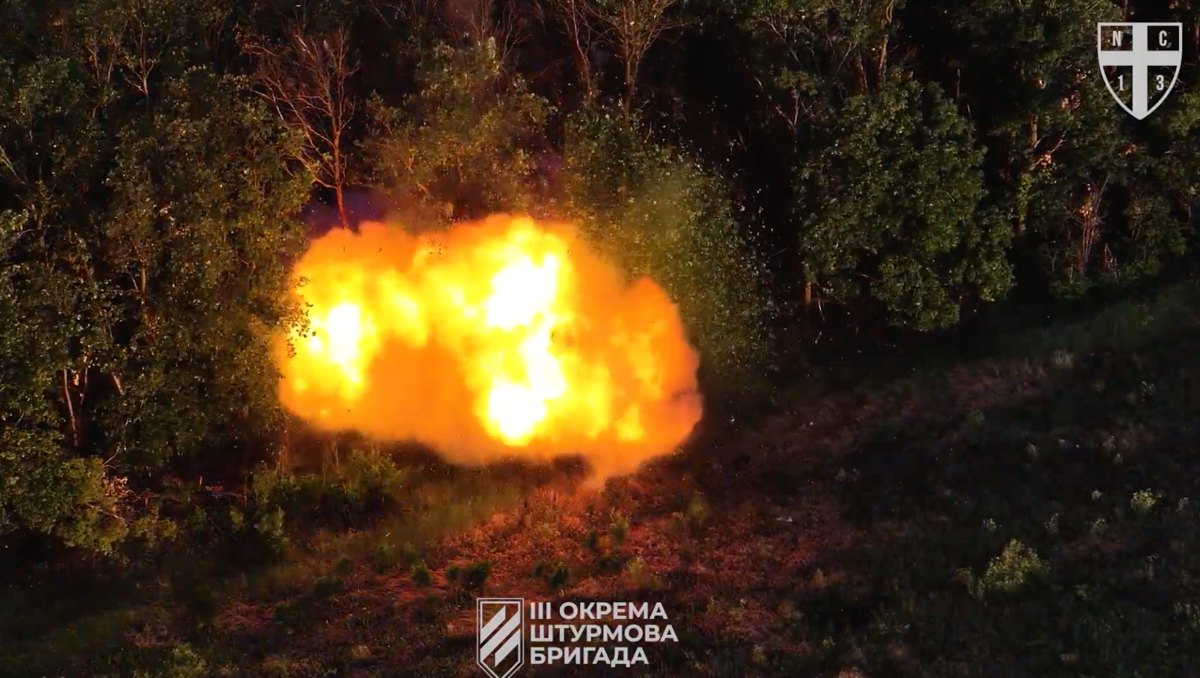
“This tactic makes it possible to simulate an assault group attack. The enemy repeatedly perceived the robots’ actions as the start of an assault and abandoned their positions. In other words, one UGV sequentially uses two methods of engagement, and we gain the ability to carry out tasks even more effectively without risking our infantry,” Makar explains.
Strike UGVs became one of the key factors behind “Vivaldi’s” success, he believes. At the initial stage, the unit carried out feint and diversionary manoeuvres to force the enemy to reveal its surveillance and fire assets. This enabled assault groups to advance and take advantageous lines, Makar says.
Later, the robots supported infantry assaults, conducted independent assault and sabotage operations, struck command posts, shelters, ammunition depots, troop concentration areas and UAV launch points — including those of the elite Russian unit “Rubikon” — which limited the enemy’s reconnaissance and strike capabilities. Strike UGVs also stopped a Russian mechanised assault.
“This disorganised the command-and-control system, disrupted logistics, made it impossible to bring up reserves in time and significantly undermined the enemy troops’ morale and psychological state. According to prisoners, the appearance of UGVs on the battlefield caused fear, forced them to abandon positions and greatly limited any active actions,” the serviceman explains.
Thanks to the use of strike UGVs in Operation “Vivaldi”, it was possible to save the lives of around seven infantry battalions — approximately 3,600 fighters, Makar says. That is the number of troops that would otherwise have had to be committed to the combat tasks the robots carried out instead. Over this period, strike UGVs delivered more than 380 strikes on enemy targets and conducted more than 176 assault and sabotage operations.
Read alsoStrike UGVs at the front: what types there are and what an operation’s success depends on — the “Khartiia” experience
Which Characteristics Matter for a Successful Mission
First and foremost, they assess the UGV’s reliability and how well it matches battlefield conditions, Makar says. Range, payload capacity, dimensions, cross-country ability, compatibility with the communications systems in use, and ease of control for operators are also important.
Unlike kamikaze systems, which are single-use, UGVs with combat modules carry out missions and return from the battlefield. That is why technical support from the manufacturer matters.
“They need to be repaired, serviced and supplied with spare parts quickly. So constant interaction with the manufacturer and their readiness to promptly refine the systems to meet our needs are important to us. We provide feedback, and manufacturers sometimes send engineering teams to us so they can understand on site what changes are needed,” the serviceman says.
There were even cases where ground robotic systems were created together with manufacturers from scratch — in particular, that is how some models of kamikaze drones emerged, which are now among the top strike UGVs.
How the Systems Are Modified
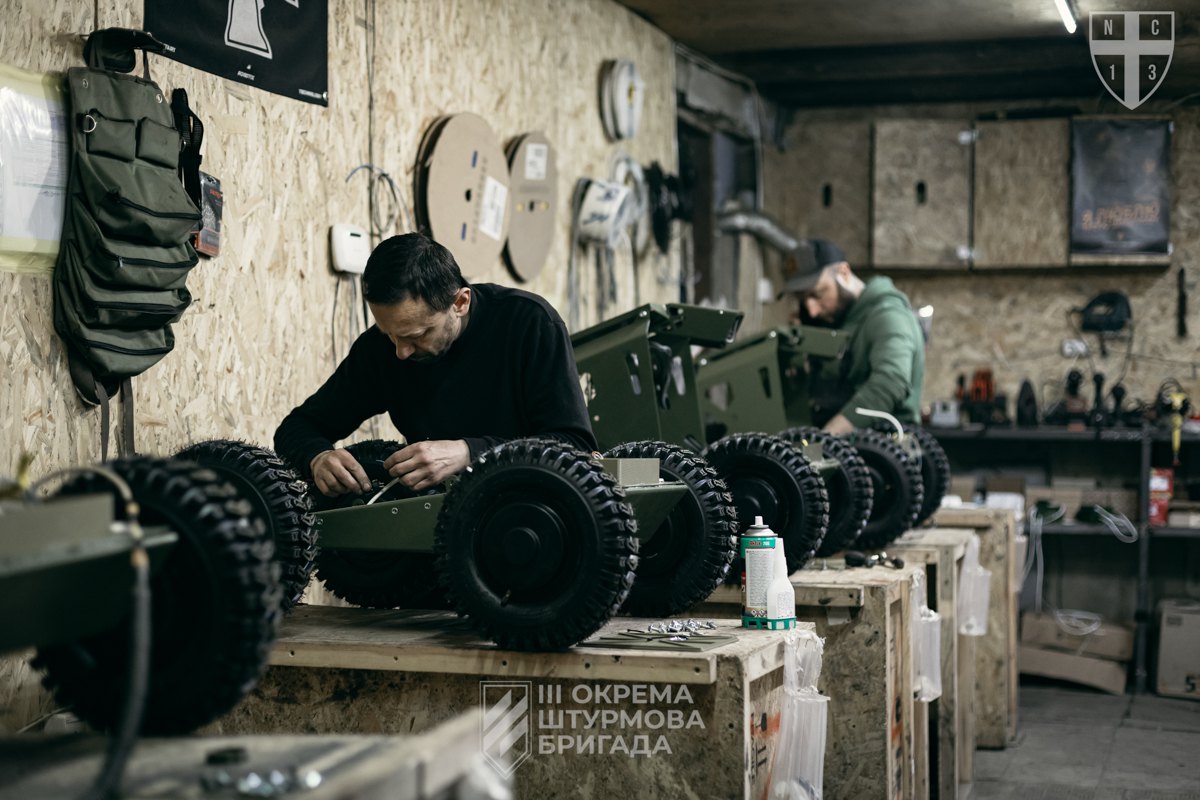
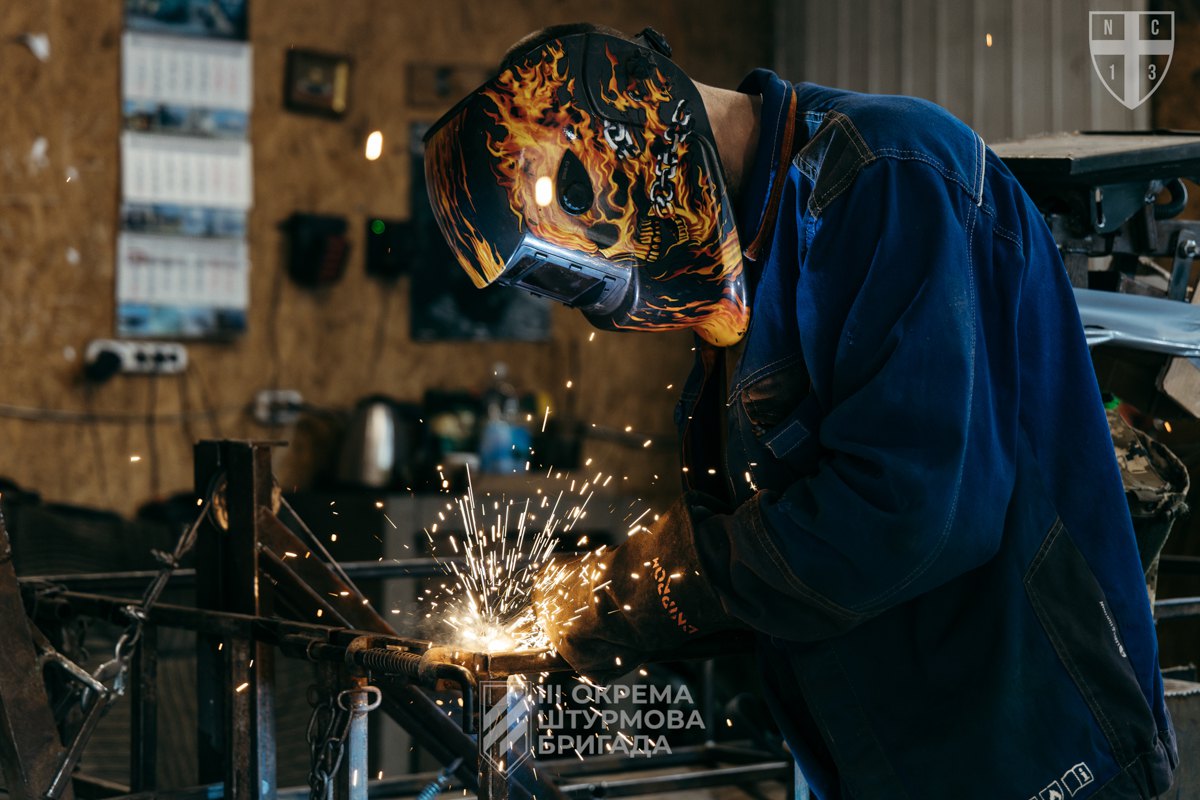
No UGV is ready for combat use “out of the box”; each one needs to be adapted to specific combat tasks, Makar says. The unit has its own workshop where engineers, mechanics, welders, IT specialists and other experts modernise the systems. The team is constantly growing as the workload increases.
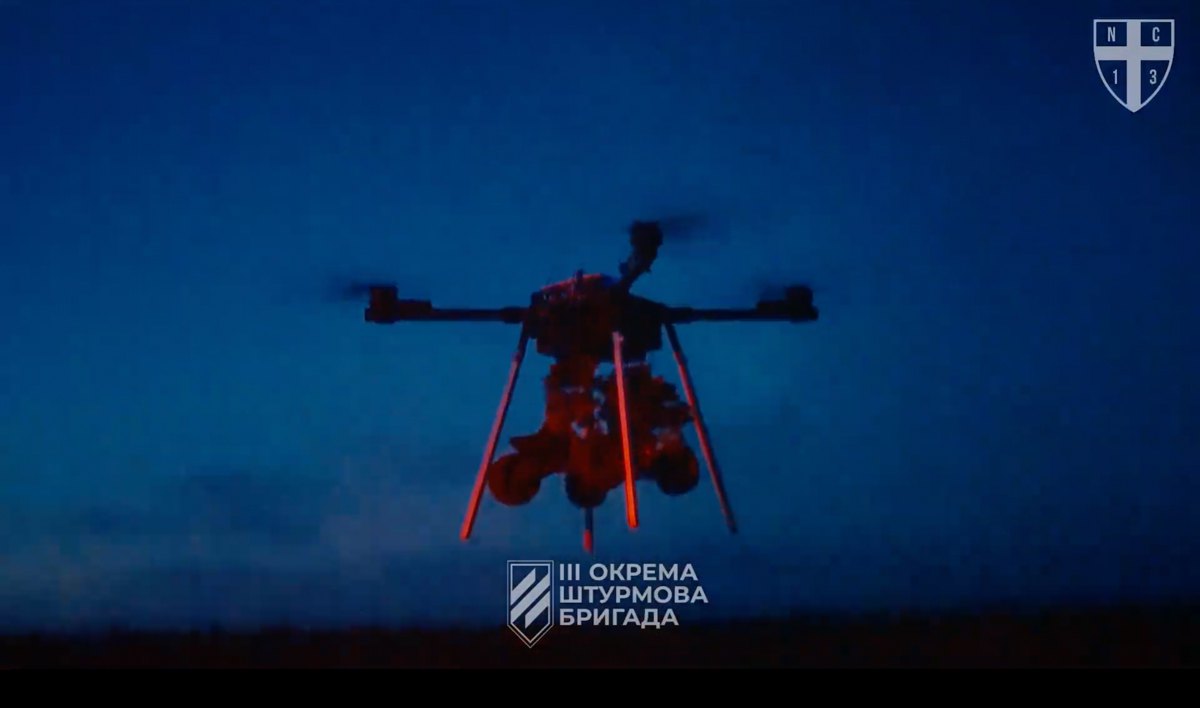
“For example, for the ‘Griffin’ tactic, which involves air-dropping UGVs from heavy bombers, we adapted a system that, due to its size and characteristics, was not suitable for other tasks. We made it lighter, changed the communications system and refined the mounting, which made it possible to use it in this way,” Makar says.
They also modify electronics and control systems on UGVs. In particular, they developed their own module that allows them to replace the manufacturer’s electronics with their own. In addition, the unit created its own software for controlling the robots, so they are not dependent on manufacturers’ programmes.
“This makes it possible to standardise control systems across different platforms regardless of the manufacturer and the original configuration,” the serviceman explains.
If there is no ready-made solution for a particular task, they can refine an existing product or develop a new solution together with the manufacturer or on their own. They also exchange experience with engineers from different companies, share with Ukrainian manufacturers their experience of using their systems in combat conditions, and improve them together. Makar notes that it is important for this experience not to remain within a single unit, but to help develop robotisation across the military as a whole.
A separate area is high-quality assembly, repair and testing before combat use. A UGV that is assembled or repaired incorrectly may fail during the mission.
“It’s very frustrating to cover 20 kilometres to the target and then, a few metres from it, discover that the system doesn’t work,” the serviceman notes.
Training UGV Operators
The unit runs its own training programme, the “UGV Institute”. It is a 28-day course delivered by instructors with combat experience. Everyone who joins NC13 goes through it, Makar says.
“The programme covers more than just working with UGVs. Fighters undergo tactical and medical training, study topography and cyber security, as well as the entire foundation needed to work with UGVs: their types, technical characteristics, capabilities and operating principles,” the serviceman says.
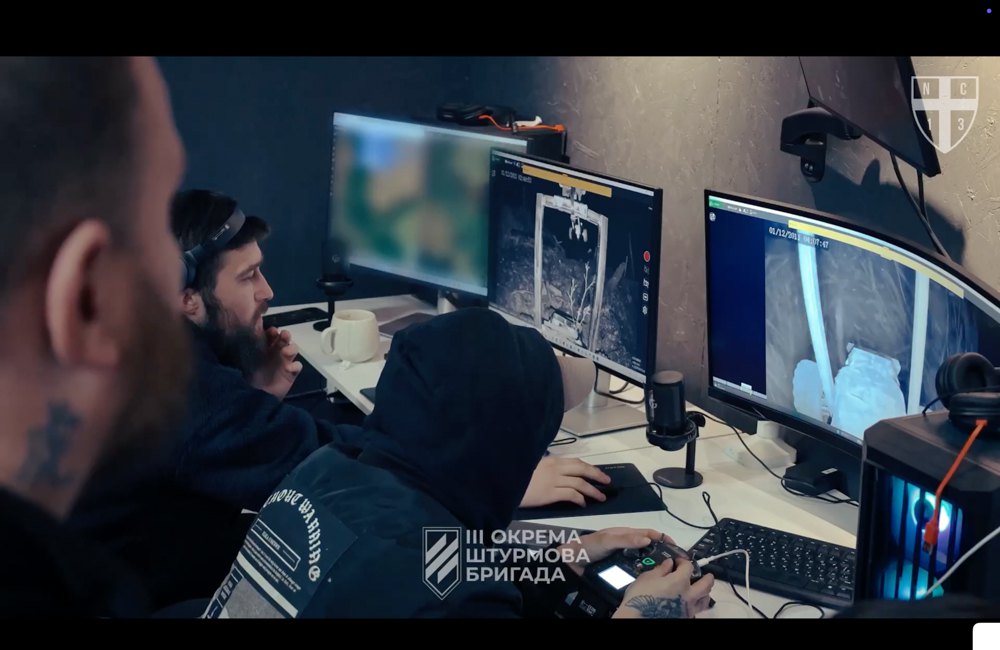
People join the unit with different backgrounds: from other military units, after unauthorised absence, or from civilian life. So the course helps bring their level of training into line. Testing is carried out every two to three days, and at the end there is a final exam. The results make it possible to see each fighter’s strengths and determine in which area they will be most effective.
Basic training for operators of logistics, evacuation and strike UGVs is shared. The difference lies in specialisation: a strike-system operator must have a deep understanding of the UGV’s technical characteristics, its capabilities and operating principles, the characteristics and operating principles of the installed weapons, and the specifics of employment during combat missions.
When needed, they also train fighters from other units, sharing experience in various areas — from workshop operations and UGV control to operational planning and operator training.
“We aim to scale our experience across all Defence Forces units, because we see great potential for UGVs in supporting infantry,” Makar says.
Why the Military Has Not Adopted Strike Ground Drones More Widely
Often, after the first unsuccessful attempts to use UGVs, units become disillusioned and return to familiar methods. The problem is that robotisation requires a systematic approach, Makar says.
“It’s not enough simply to receive the systems and teach people to operate them — that part is actually not that difficult. What is much harder is properly organising all the work around UGVs: mission planning, reconnaissance, preparing the systems, maintenance and repair,” the serviceman says.
Even for the effective work of a small UGV unit, you need an entire team of specialists and a system in which everyone is responsible for their own area. That requires time, people and resources. But command is often not ready to invest in this direction, especially when at the beginning you have to overcome many difficulties.
“We went through this path ourselves and know well how hard it is to start when there is no one to ask for advice and no ready experience to rely on. But all this time we were driven by the desire to do everything possible to take the most dangerous tasks away from the infantry and save fighters’ lives,” the unit commander says.
Now NC13 already has experience and shares it with others. But that also requires interest on the other side — a willingness to learn, to try, to invest and not to stop after the first failures, the serviceman notes.
Why There Is Too Little State Support for Strike UGVs
A couple of years ago, hardly anyone even talked about evacuation UGVs, let alone their systematic use, Makar recalls. But gradually they proved their effectiveness, and more and more units began to use them. Today, it has become the norm.
“That’s how innovations work in the Armed Forces. At first you spend a very long time showing that it’s something workable and necessary, then it starts to gain traction, get approved, the army begins to procure and allocate resources. I think the same will happen with strike UGVs,” the unit commander notes.
In his view, the UGV field has always been underprovided for by the state, and at the outset there was no support at all. UGV units in the 3rd Separate Assault Brigade began work purely on enthusiasm and the command’s backing, raising funds for it and drawing on volunteer and sponsor support. When UGVs proved their usefulness on the battlefield, more help followed. Now their experience with UGVs is being scaled up within the 3rd Army Corps. Makar hopes it will be extended to the entire Armed Forces of Ukraine — with appropriate state funding.
Read alsoRobotisation of the “kill zone”: the history of UGV use and today’s challenges and tasks
Air-Dropping UGVs: What Next?
For security reasons, NC13 does not disclose its plans and further developments in the use of UGVs. What is known to the public is only a small percentage of what the unit does. Most operations are not public. After the first cases of air-dropping UGVs from a drone, the unit will continue to surprise with effective operations and unique tactics for employing UGVs, and the number of such operations will grow, Makar assures.
“Our goal for 2026 is to replace up to 30% of personnel with technology in the most difficult sectors of the front within the 3rd Army Corps’ area of responsibility. We are working so that UGVs take the main удар, and the infantry becomes an elite specialised force for carrying out those tasks that a ground system cannot perform. Because human life is priceless, and robots don’t bleed,” the serviceman says.