





Budget Thinning, but War Still Funded
Russians earned significantly less from oil in 2025 than they had expected. Oil prices steadily declined throughout the year, says Mykhaylo Honchar, energy expert and president of the Centre for Global Studies Strategy XXI.
“We calculated that 2025 became the first year in Russia’s history when the conditional coefficient — the ratio of military spending to oil export revenues — exceeded 100%, reaching 102%. Russia spent 2% more on the war than it earned from oil,” he explains.
Oil revenues amounted to roughly $157 billion, while military expenditures reached $160 billion. At first glance, the gap seems small. But in 2022 that same ratio stood at just 27.9%, meaning over 70% of oil income could still be spent on other priorities.
According to Honchar, the shift began in 2023, when the ratio rose to 62.3%, and in 2024 it climbed further to 77.6%. If oil prices remain at 2025 levels and military spending continues to grow as planned, reaching an estimated $167 billion, the ratio could increase to 111%, the expert warns.
Filling Russia’s budget with petrodollars has already become visibly more difficult, says Yuliya Pavytska, head of the Sanctions Expertise Hub at the Kyiv School of Economics. Russia’s oil and gas revenues fell by 24% last year, and in January 2026 they were already 50% lower than in January 2025 (after a 43% year-on-year drop recorded in December).
“Last year Russians were also too optimistic about these revenues and budgeted oil prices too high, and again this year they set Urals at $59, while in December the average Russian oil price was $41.3 per barrel,” says Pavytska.
US sanctions and overall market dynamics played a role, so the federal budget is unlikely to meet planned targets this year.
Oil remains the backbone of Russia’s economy. Despite some reserves, the Kremlin increasingly struggles to fund both the war and economic development, says Ivan Us, chief consultant at the Center for Foreign Policy Studies at National Institute for Strategic Studies. A few months ago, ISW publications already mentioned this.
“Recently The Washington Post reported that Russia’s economy has a three-to-four-month cushion,” he notes. “Data from the start of this year confirm that.”
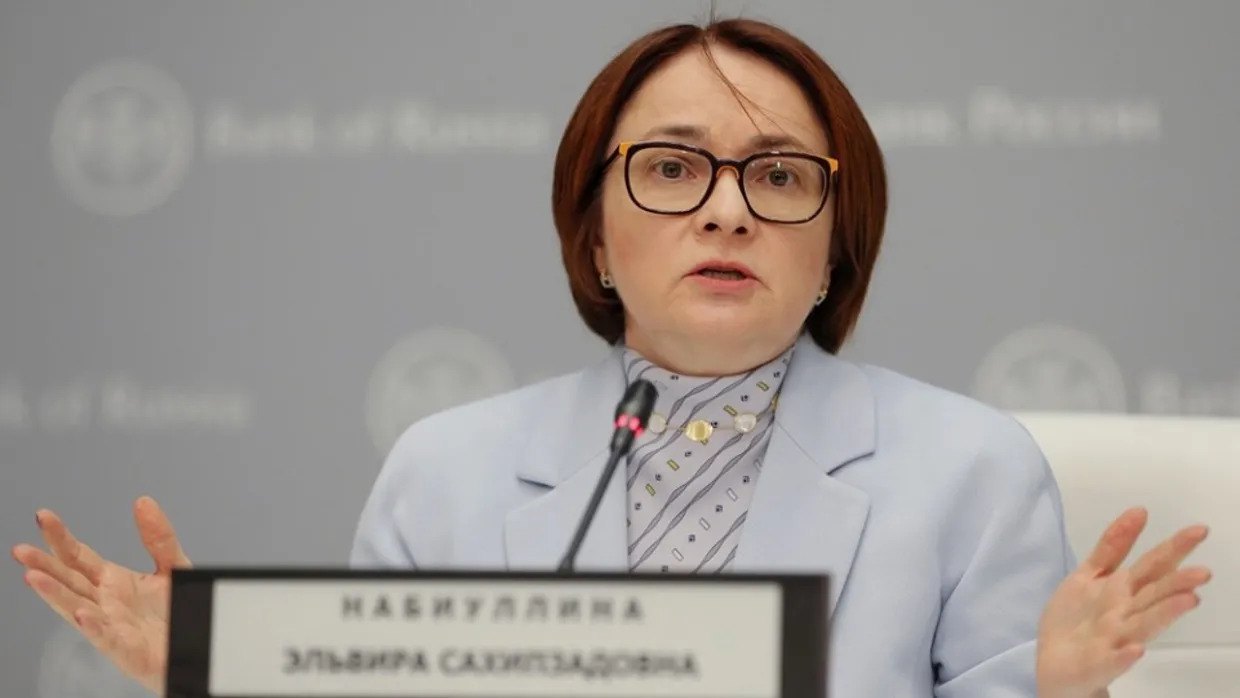
Private leaks from Central Bank head Elvira Nabiullina reveal doubts about whether the Russian economy can complete the year normally, says Us, emphasizing that these concerns are grounded, not baseless.
Russia starts year with high deficit as some last year’s debts roll over into 2026. Leaks show domestic government bonds no longer function properly, and banks increasingly use REPO deals (loans secured by selling or buying securities).
“Every month the Central Bank raises about 3 trillion rubles through REPO, and this is heavily criticized by many players on Russian financial market. It’s a huge number (previously never over 0.5 trillion), operations run constantly, so it’s seen as hidden money emission,” says expert.
Russia entered full-scale war with money supply of 66 trillion rubles, now it’s about 130 trillion. If economy had doubled over this time, it would be fine, but it hasn’t. Additional money supply adds pressure on inflation.
“Inflation for January and start of February already hit 2.24%, while it was planned to reach 4% for the year,” explains Ivan Us. Currently, Russia’s 2026 budget allocates more to debt servicing than to health care and education.
“All non-military spending and programs are being cut, and they try to squeeze maximum from oil sector, but it doesn’t work,” says Mykhaylo Honchar.
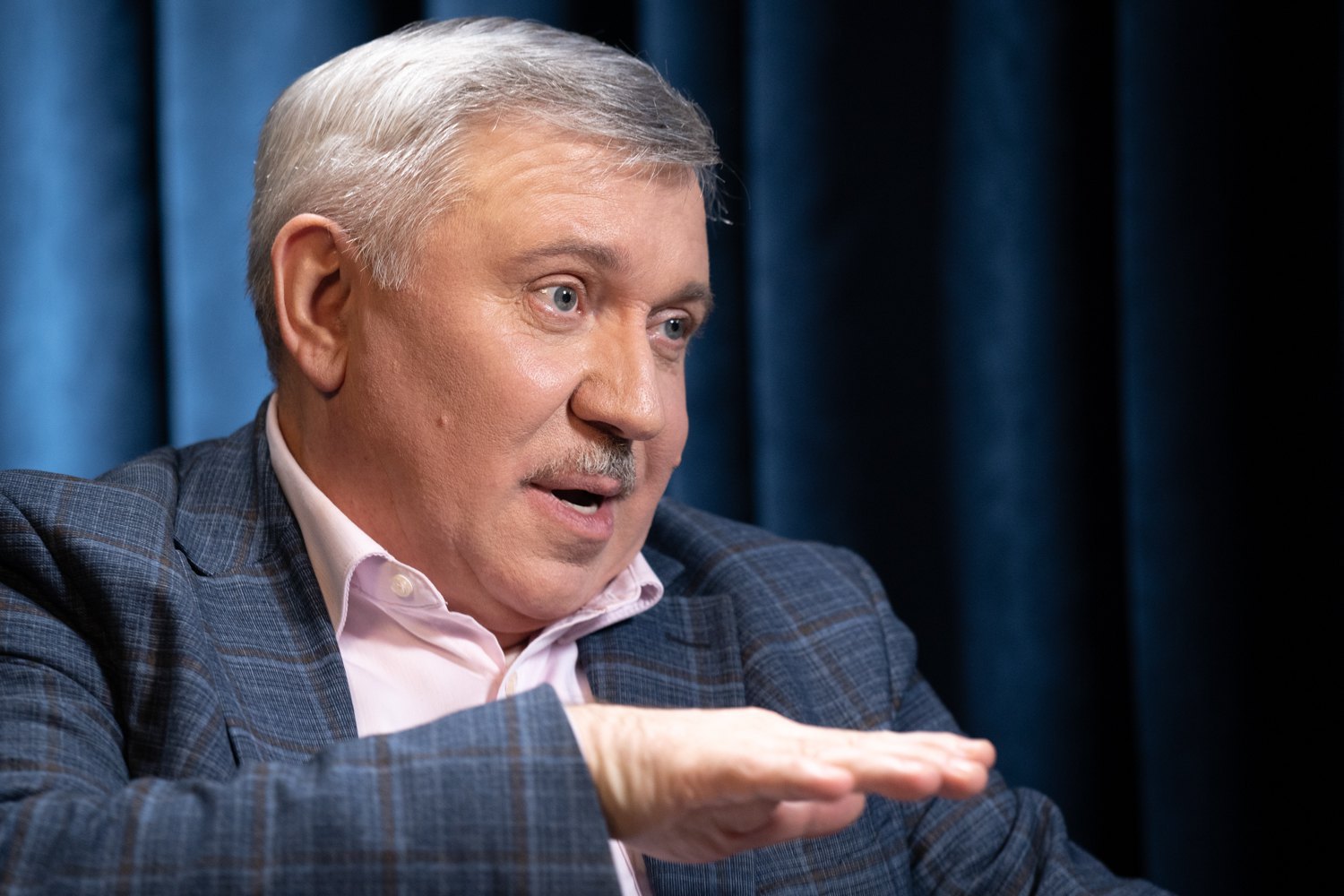
This still does not stop war funding, but sparks talks about sacrifices: not paying pensions, taking money from citizens’ bank accounts, raising taxes, inventing new fees, notes Ivan Us. “In fact, Russia is already doing this,” he adds.
The key is for India to make a decision and for prices not to rise
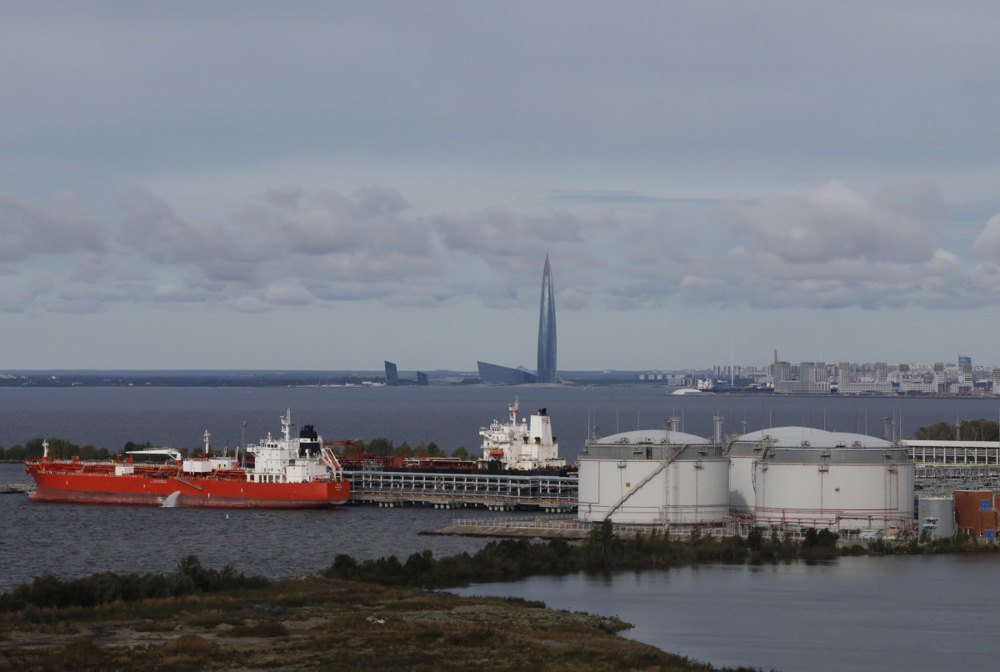
Russia’s oil revenues are no longer what they used to be, for a number of reasons. Western sanctions have closed the most attractive and logistically convenient EU markets for Russian oil. However, this does not prevent exports to China, India, Turkey, Brazil, which do not support these sanctions, though these sales come with higher overheads and logistical challenges.
“This all reduces profitability of oil operations, but since the priority is to fill the war budget at all costs, it is being filled,” says Mykhaylo Honchar.
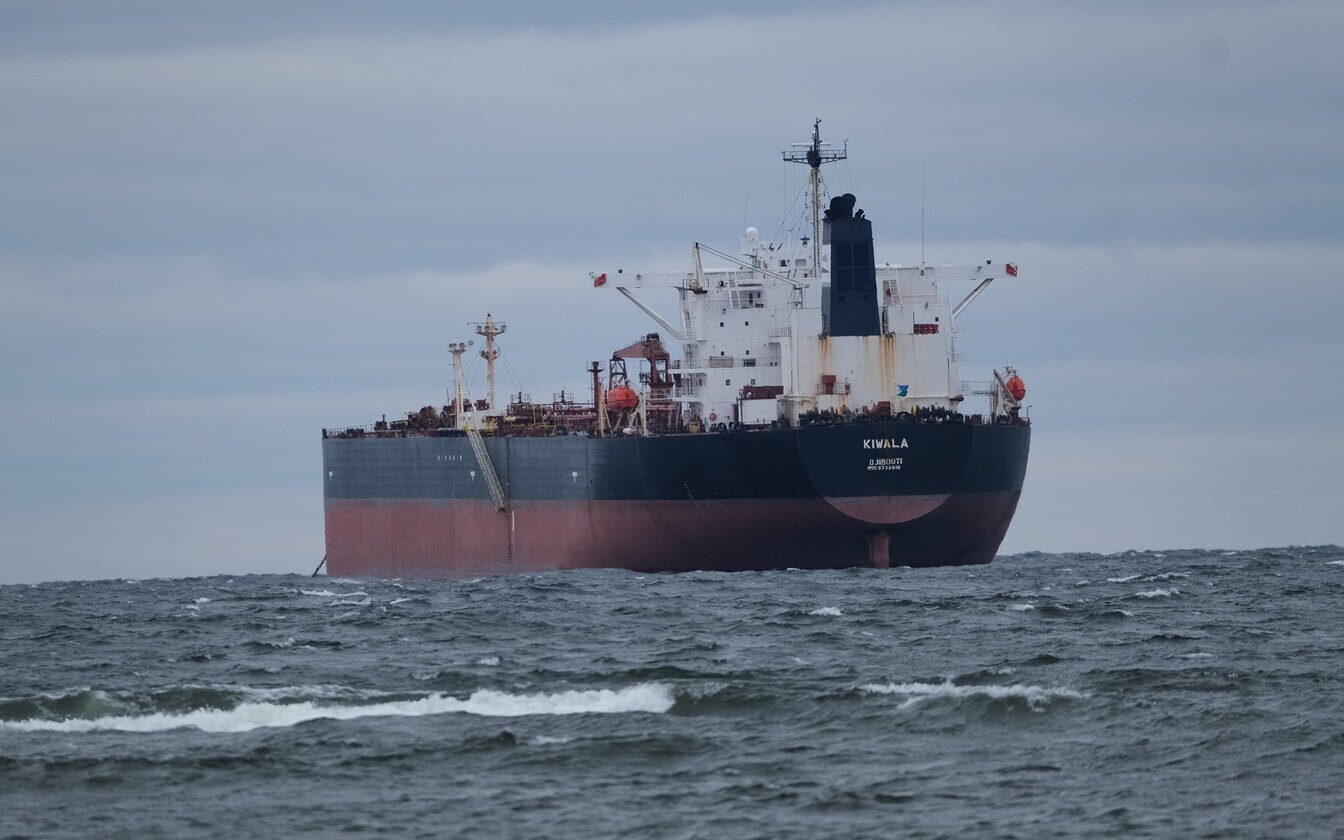
Sanctions, though limited, also have indirect effects. For example, attacks by the Defense Forces on tankers of the so-called shadow fleet, though isolated, have raised freight and insurance rates.
Russia also had to shift primarily to crude oil sales, even though refined products are more profitable. “This is partly because the Defense Forces strike Russian refineries and the consequences are serious, but that’s not the main point,” explains Honchar. “Refining oil takes time, but money is needed immediately, so starting from the second half of 2025, they began maximizing raw oil exports.”
US pressure on India has also had an effect. “It is really caught between two fires. The US increasingly says: buy less from Russia, more from us or from those we control (hinting at Venezuela),” explains Ivan Us.
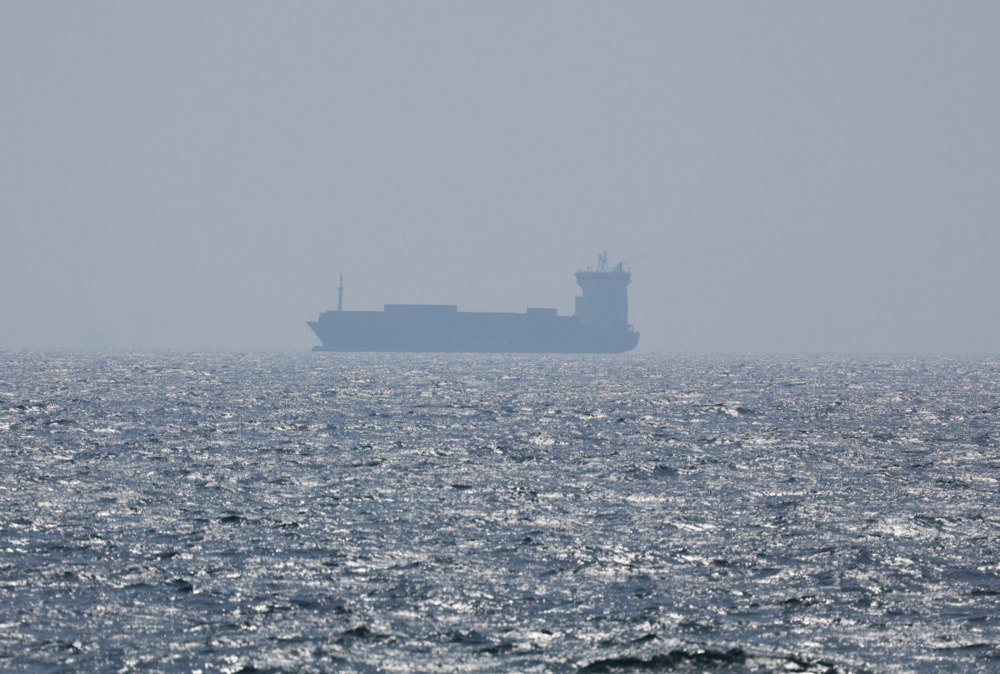
Currently Delhi’s position remains unclear: sometimes it rejects Russian oil, sometimes it buys again. Deliveries from Russia to India by tankers are already a complex task, and now the US has also begun targeting “shadow fleet” vessels.
“Still, India is definitely looking for opportunities to get Russian oil, even though it is not critical for them,” says Ivan Us, PhD in Economics. “In 2020, Russian oil accounted for only 0.4% of India’s total imports, and the country managed fine without it.”
To draw conclusions, we need to monitor India’s actions in the near term, says Yuliya Pavytska.
“I am cautiously optimistic: the Trump‑Modi deal looks convincing, and in January India imported on average 33% less crude oil per day than in 2025,” she notes.
It’s clear that India continues to replace Russian oil with alternative sources. If this trend continues, it will be a major problem for Moscow to find other buyers for such volumes. For now, China compensates – it increased imports of Russian crude by 50% compared to last year’s averages, notes the KSE expert. But China demands increasingly large discounts for working with Russian products.
Pressuring Beijing is harder – Russia has a pipeline to them, and this cooperation is highly profitable for them too.
“Classic monopsony situation: the sole buyer China increasingly dictates prices that suit it,” says Ivan Us. “In recent months, Russia sold oil at large discounts: in November – $44 per barrel, December – $39, January – nearly $41, while production cost is estimated around $45.”
It’s unlikely that China can keep buying Russian oil indefinitely, even at rock‑bottom prices. It has a domestic security rule: no single supplier can account for more than 20% of total imports, says Pavytska.

“As of January, Russia’s share already reached 16% of total crude oil imports,” says the expert. “There is some room to increase volume, but China is unlikely to break its rule.”
Russians even slightly cut oil production—for now, not critical. They understand market conditions are unfavorable and want to hold oil for better times, says Mykhaylo Honchar. That’s why storage tanks and floating reserves are full.
“Events around Iran temporarily pushed prices up, and now the Kremlin anxiously expects something to happen in the Persian Gulf,” explains the energy expert. But these hopes are unlikely to materialize: after the summer Iran–Israel conflict, prices rose a few dollars and quickly fell.
The market worries whether Iran will really block the Strait of Hormuz, which carries about 20% of global oil exports.
“If the situation resolves quickly, there are no structural reasons for further price increases—they will fall,” says Yuliya Pavytska. Internal OPEC+ debates also intensify: since April, some members want to increase production because Russia isn’t using its quota.
“And Iran is probably trying to intimidate—not for the first time,” adds Honchar.
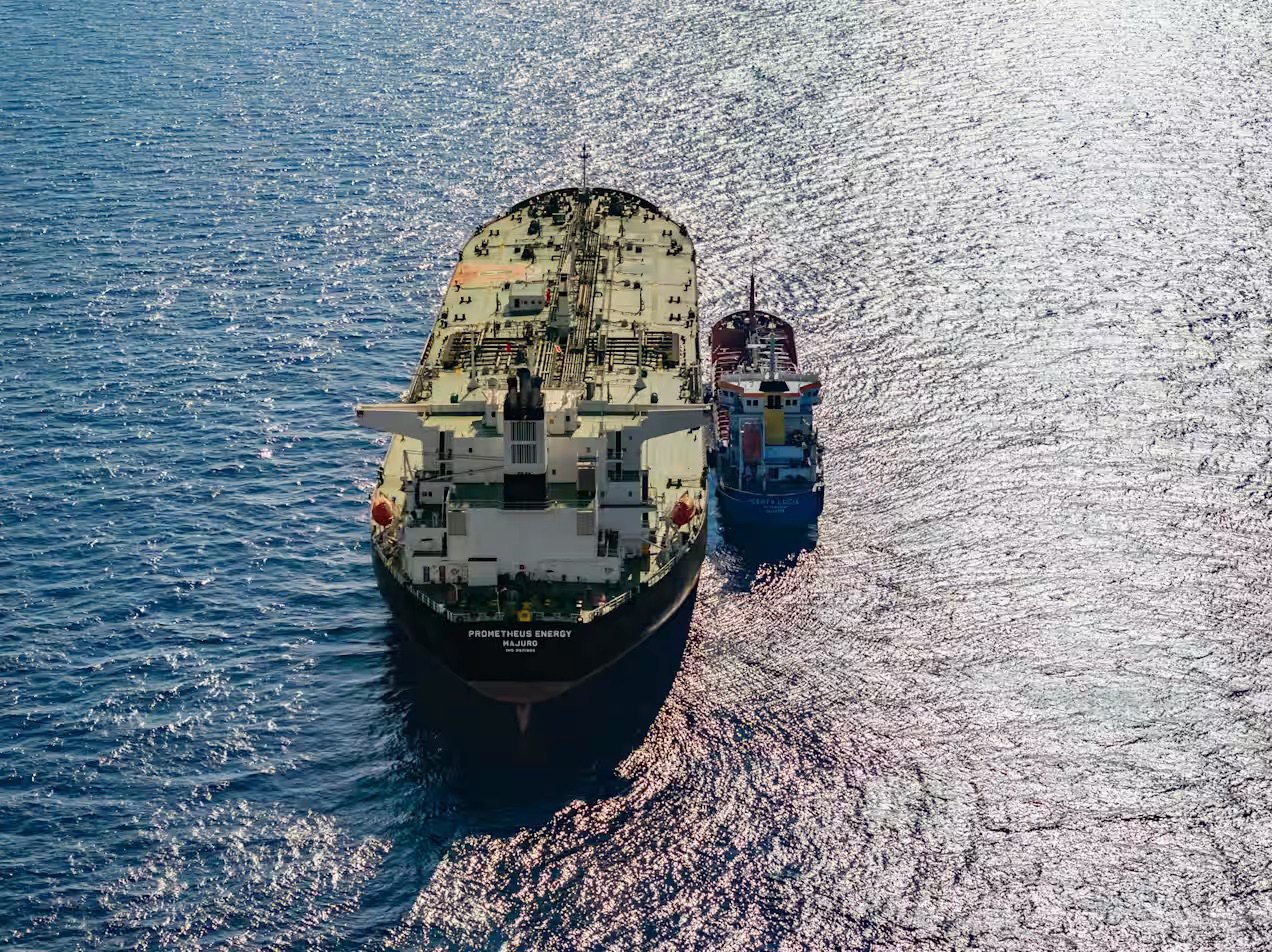
All the conditions are in place for tougher sanctions — if there’s political will
The oil market is currently oversupplied, which makes the situation fundamentally different from most previous years.
“That’s why our partners were not ready to move decisively on energy sanctions,” explains Yuliya Pavytska. “The price cap was an attempt to target revenues rather than sales volumes.”
Now, however, nothing prevents a shift toward measures that would directly limit the volume of Russian exports — something Ukraine has been strongly advocating.
Russia will continue relying on oil revenues unless the EU ultimately moves to restrict Russia’s export capacity.
“It will be difficult, but they will manage to fund the war budget until something breaks — either in the banking sector or in real estate,” says Honchar. The first step, he argues, should be restricting the movement of “shadow fleet” tankers.
If a 20th sanctions package is adopted, 640 tankers could fall under restrictions.
“They should not be allowed to enter the Baltic Sea empty to load in Russian ports,” the expert explains. “It’s a fairly straightforward step, given that these tankers are already on sanctions lists.” The Baltic is Russia’s main oil hub.
Captains of tankers that violate US sanctions — including by transporting oil from Venezuela, Russia, or Iran — already face the risk of criminal prosecution and vessel detention in international waters.
“That’s something the EU should do as well, but it’s unlikely, because Greece, Malta, and Cyprus specialize in tanker shipping and will block it,” Honchar suggests. However, nothing prevents a coalition of Baltic Sea countries from making such a decision independently.
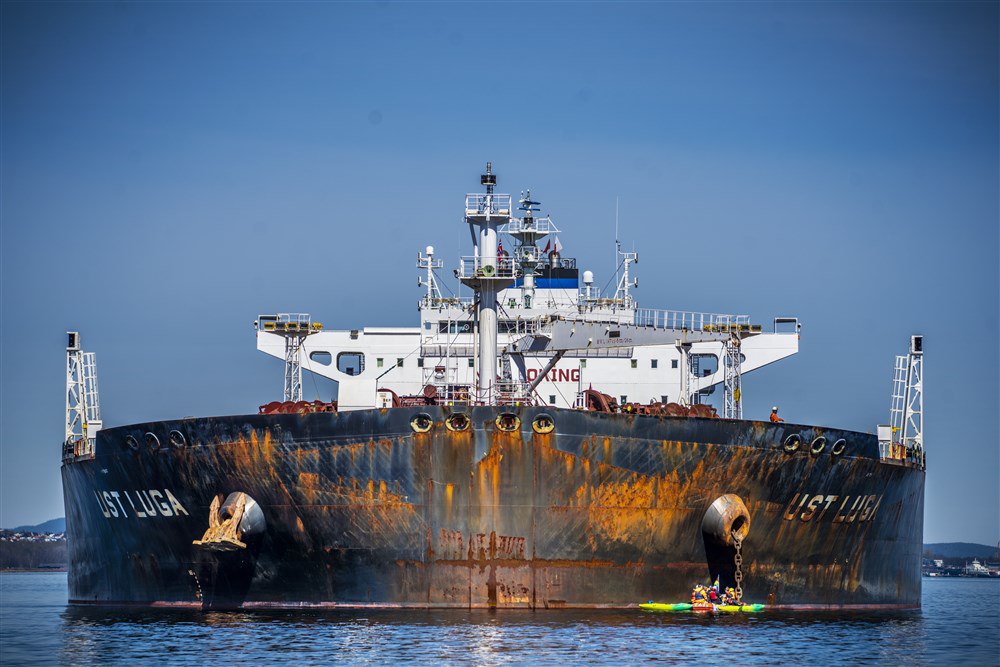
Much will depend on whether the Americans enforce sanctions, particularly those imposed on Rosneft and Lukoil, says Pavytska, as the discount on Russian oil has already widened significantly (to $25), and these companies’ share as exporters has dropped sharply.
“We have identified at least five new companies that have replaced their volumes, and it is crucial that the US activates secondary sanctions and extends them to these firms,” the KSE expert notes. The primary candidate is REDWOOD GLOBAL SUPPLY FZ-LLC, registered in the UAE, which has been the most active in taking over volumes previously exported by sanctioned Rosneft and Lukoil.
The most intense debate in the EU now concerns a full ban on services (insurance, freight, tankers) for Russian crude oil, which they are trying to include in the next sanctions package. Currently, 25% of Russia’s crude oil is transported using services from G7 countries. According to Pavytska, it is still unclear how exactly this would be implemented or what the transition period would look like.
“We insist that this be a full ban on oil and petroleum products. Although petroleum products account for 35% of exports, 75% of all seaborne exports of petroleum products rely on Western companies,” she explains.
Accordingly, Russia’s dependence on them is even greater. This gap exists because the price cap is set too high, giving Russia less incentive to use the “shadow fleet” for transporting petroleum products when it can rely on regular (“white”) shipping instead.
“We hope the EU will find a way to implement this, because a services ban would affect volumes, the physical ability to transport crude oil, and the discount,” she says.
The decision needs to be coordinated and supported by the Group of Seven, but the US position remains unclear.
A ban on maritime services should go hand in hand with continuing the campaign against the so-called shadow fleet — sanctioning vessels and the entire ecosystem behind them, with a focus on companies that help operate tankers already under UK and EU sanctions. Partners also need to find a legally acceptable way to intercept and detain shadow tankers.
“So that we finally see at least the first confiscation — if not of a tanker, then at least of its oil, as the British proposed,” says Pavytska. “These mechanisms are being developed.”
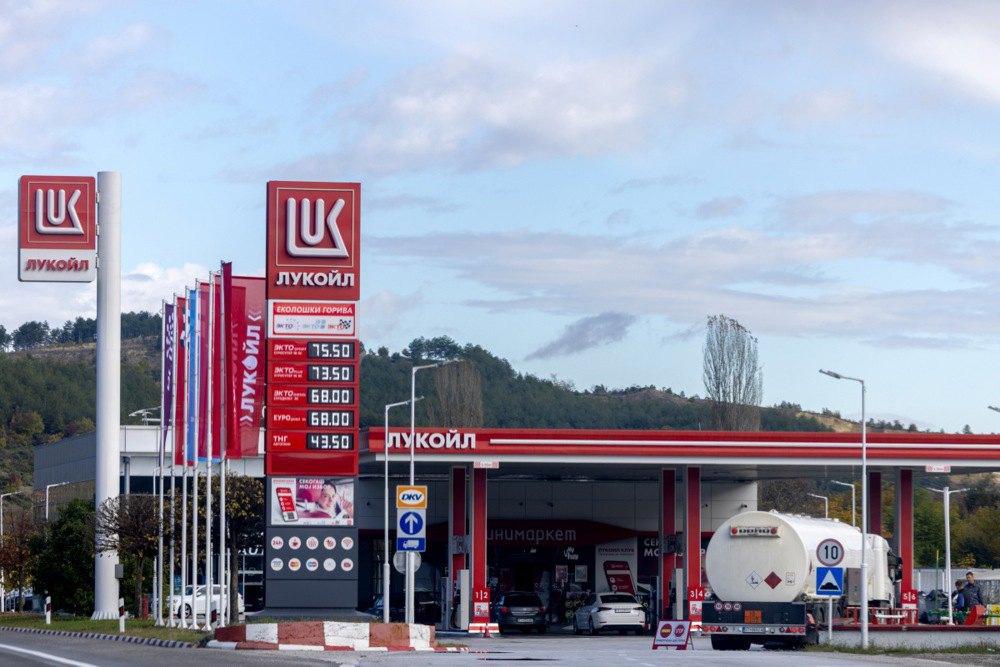
It is also important to sanction several ports in third countries, which would reduce their willingness to continue trading with Russia. The EU is also expected to impose sanctions on Lukoil, though the company holds extensive assets within the European Union.
“Overall, the situation looks threatening for Russia, but who will prevail remains uncertain: the consolidated political will of the European Union or the Kremlin’s continued ability to intimidate Europeans, which so far has worked,” says Mykhaylo Honchar.
Appeals to international maritime law work especially well – the argument being there is no mechanism to restrict freedom of navigation. “And Europeans, unfortunately, fall for these arguments,” notes the president of the Center for Global Studies.
The risk of resistance from certain countries indeed exists. Greece’s and Malta’s reactions are predictable. “But these countries can easily replace Russian oil volumes (from a services perspective) with regular oil,” says Yuliya Pavytska. “Strategically, this should be more important to them than working with Russian oil, which is constantly at risk of expanded sanctions.”
According to the expert, the EU is fully capable of finding mechanisms to implement its policy. There is always the option of pursuing trade restrictions rather than sanction packages, which then requires not 100% of votes, just a majority.
“This will certainly be a tough decision, and active discussions are already underway,” Pavytska adds. “The next week or two will be decisive.”