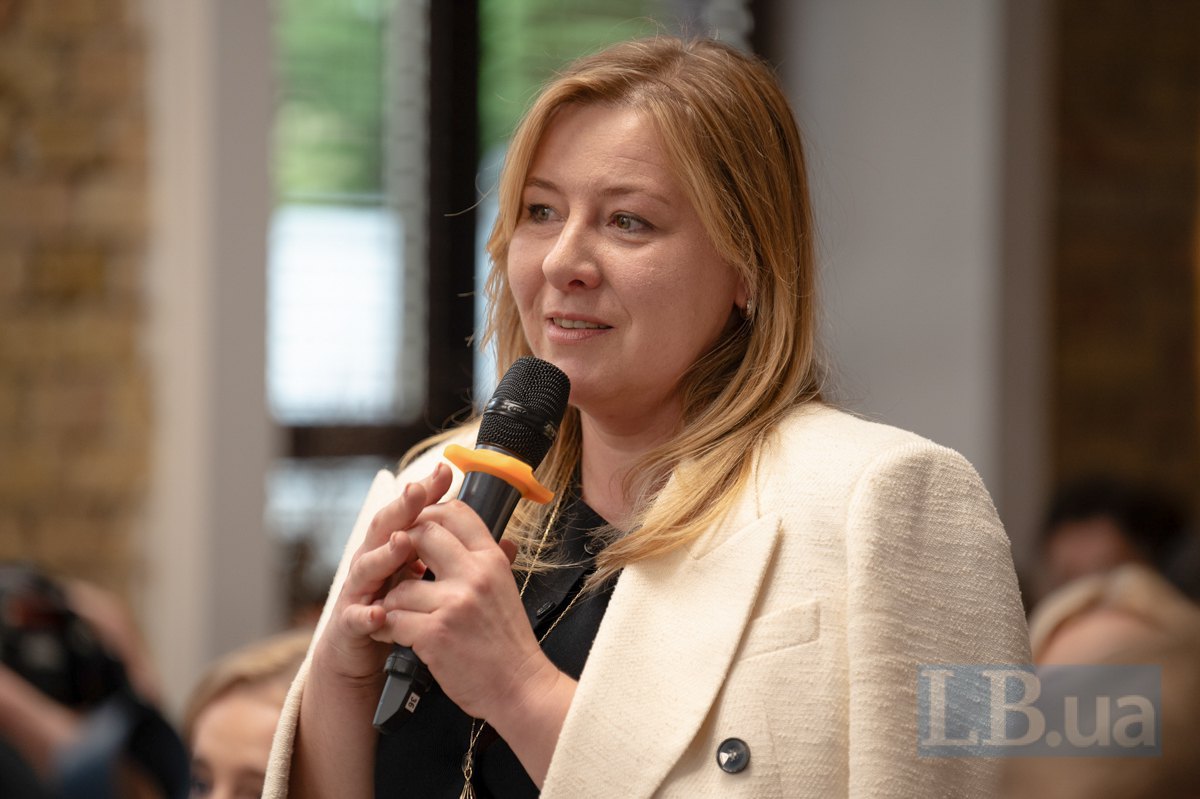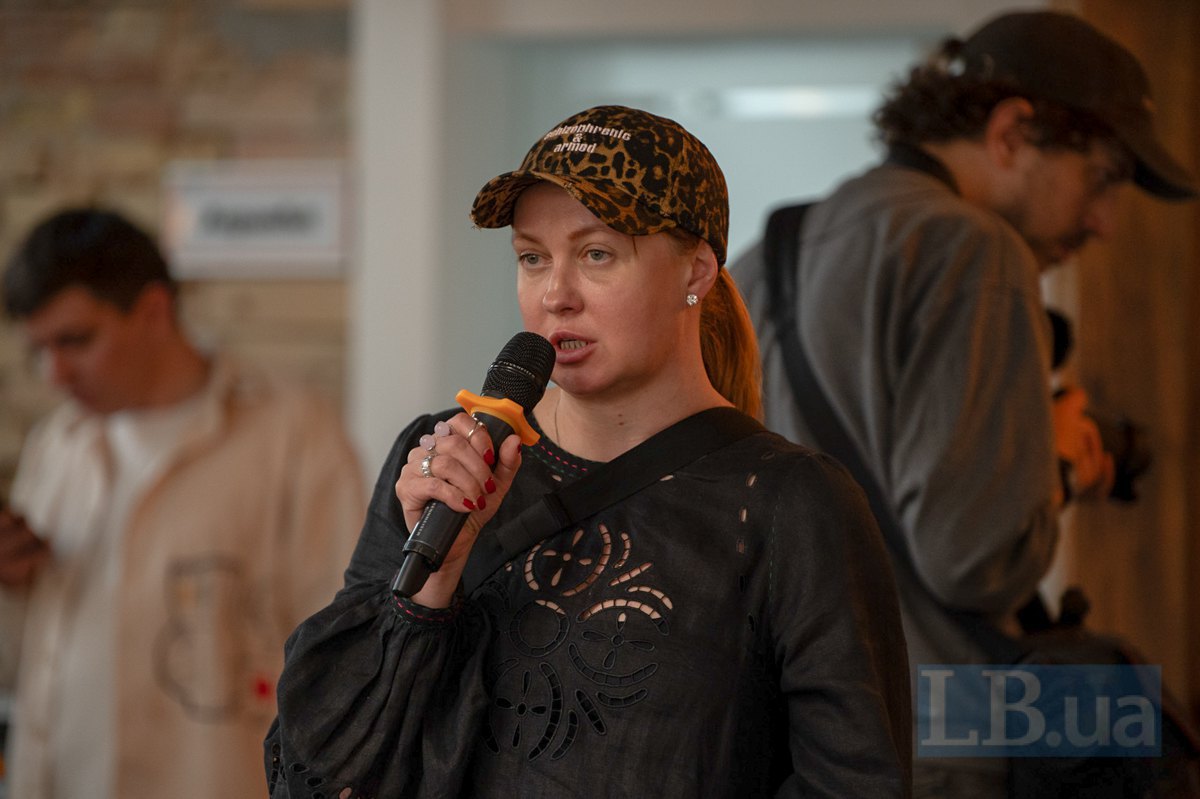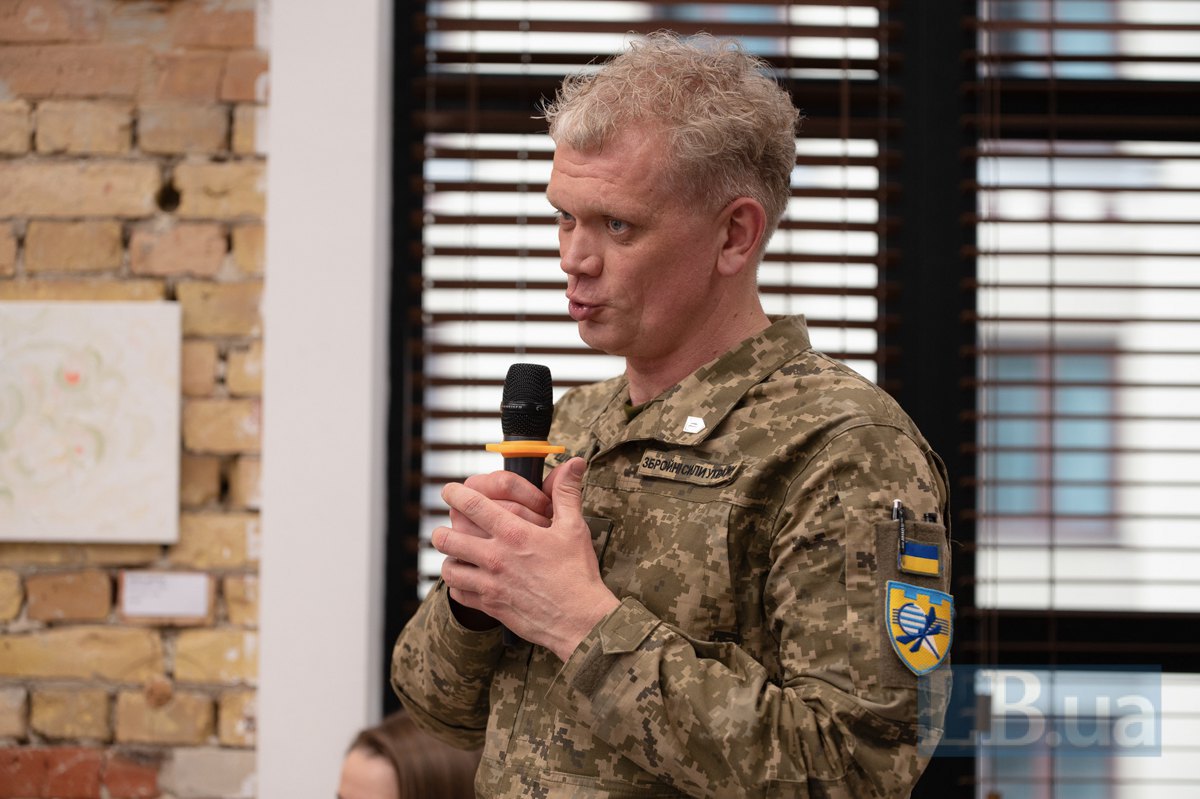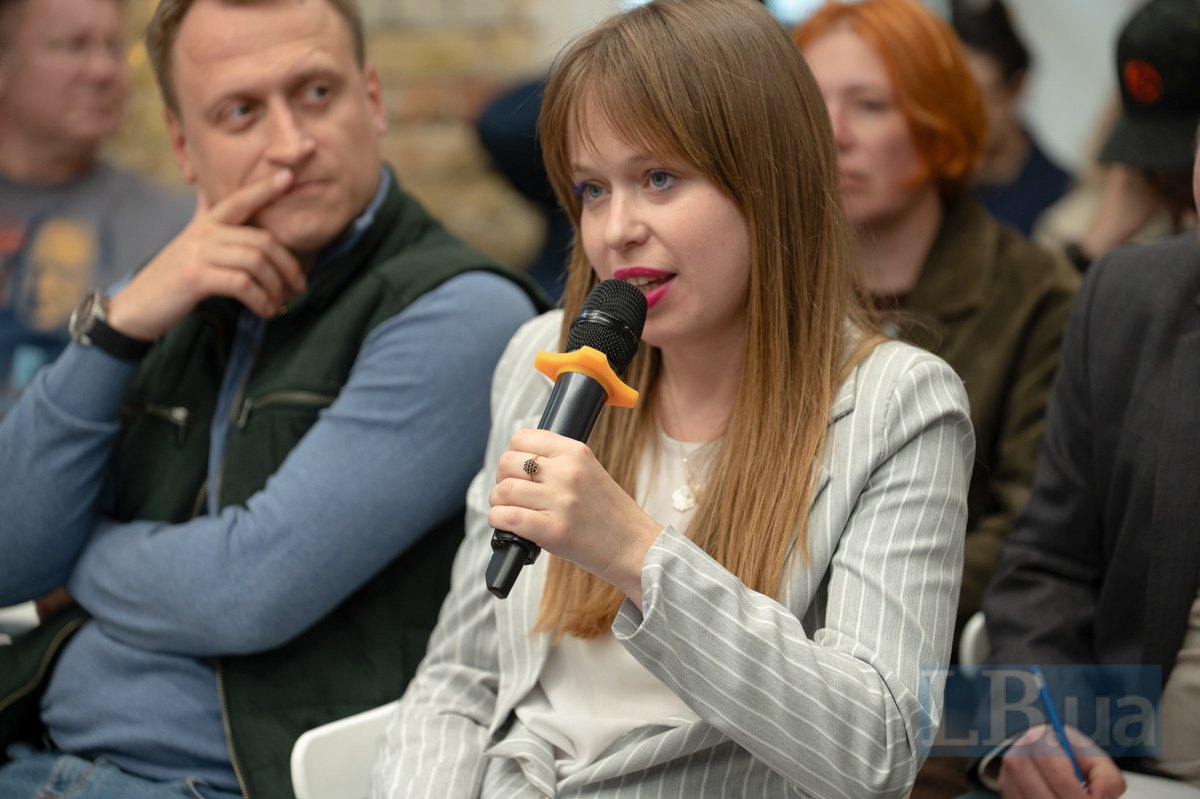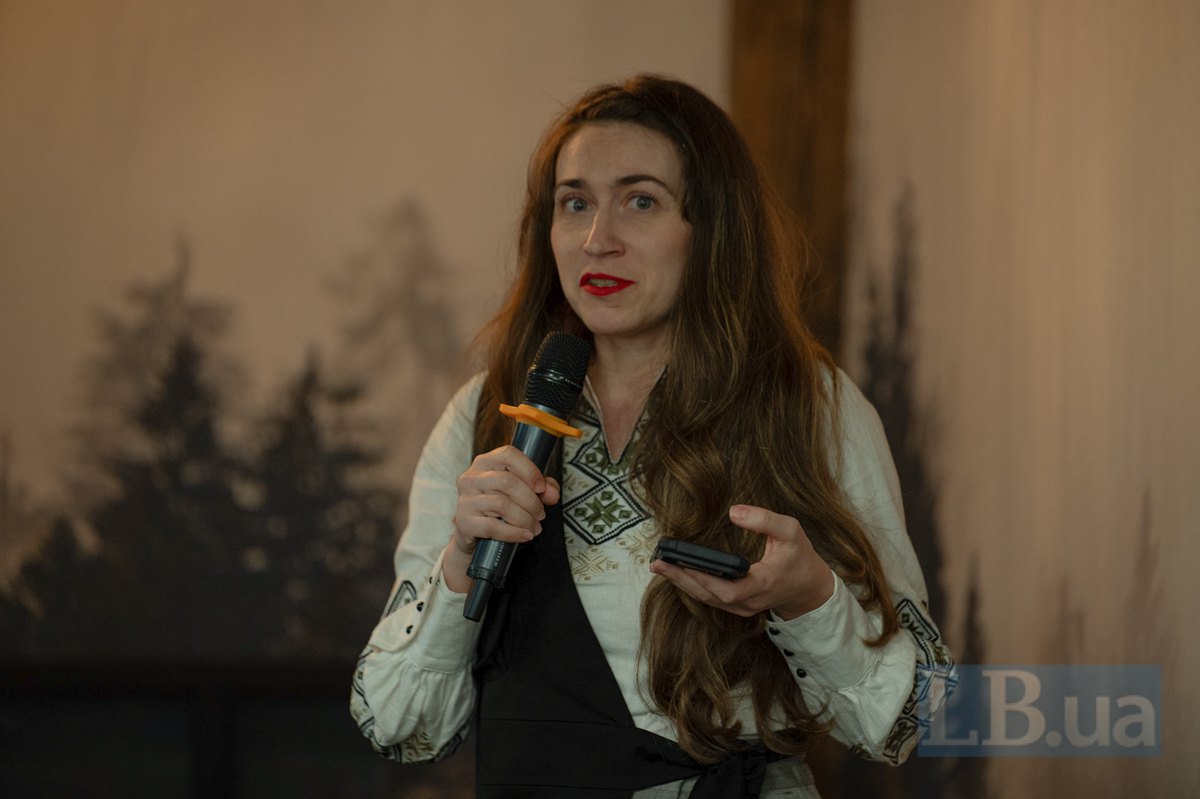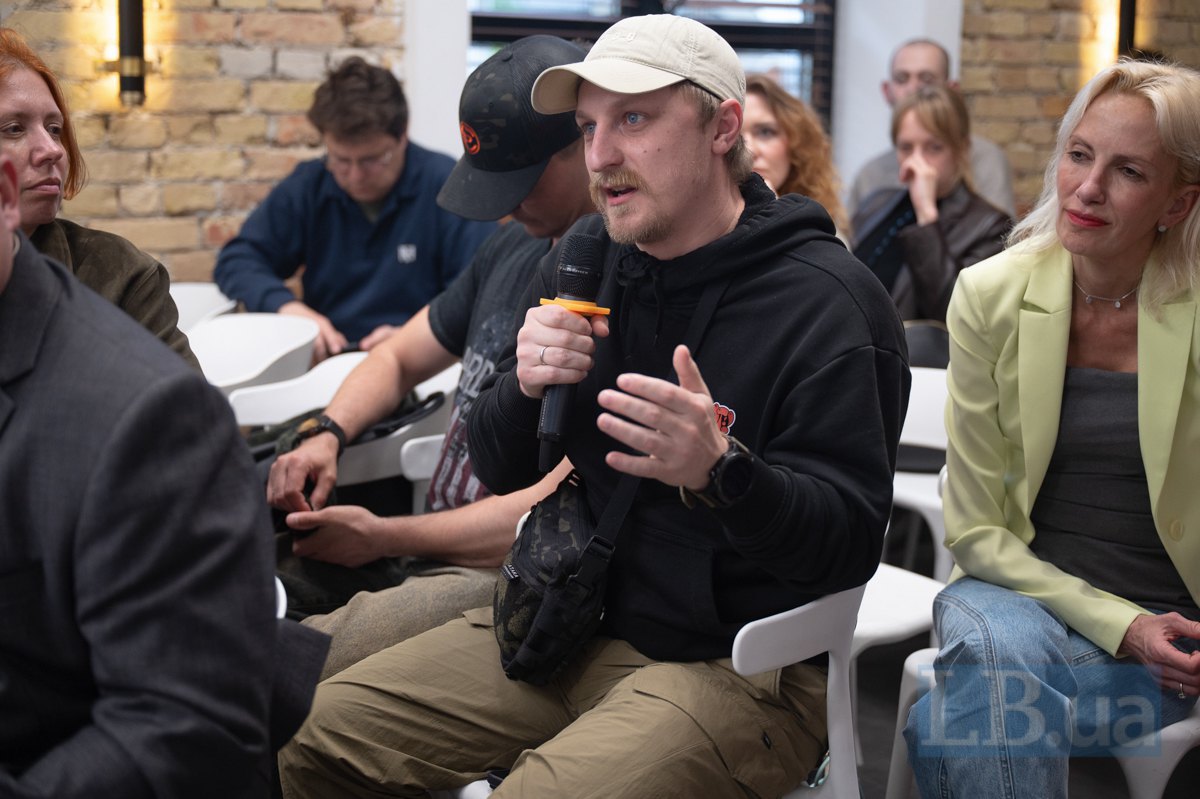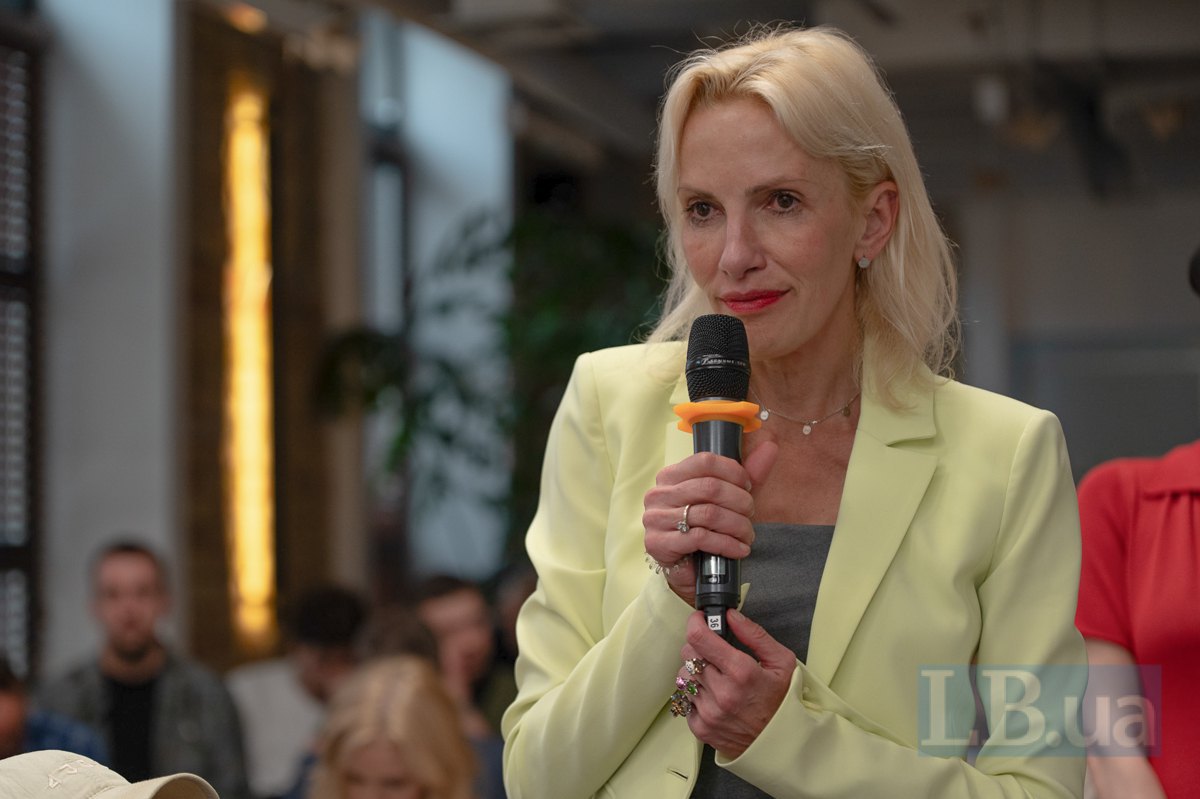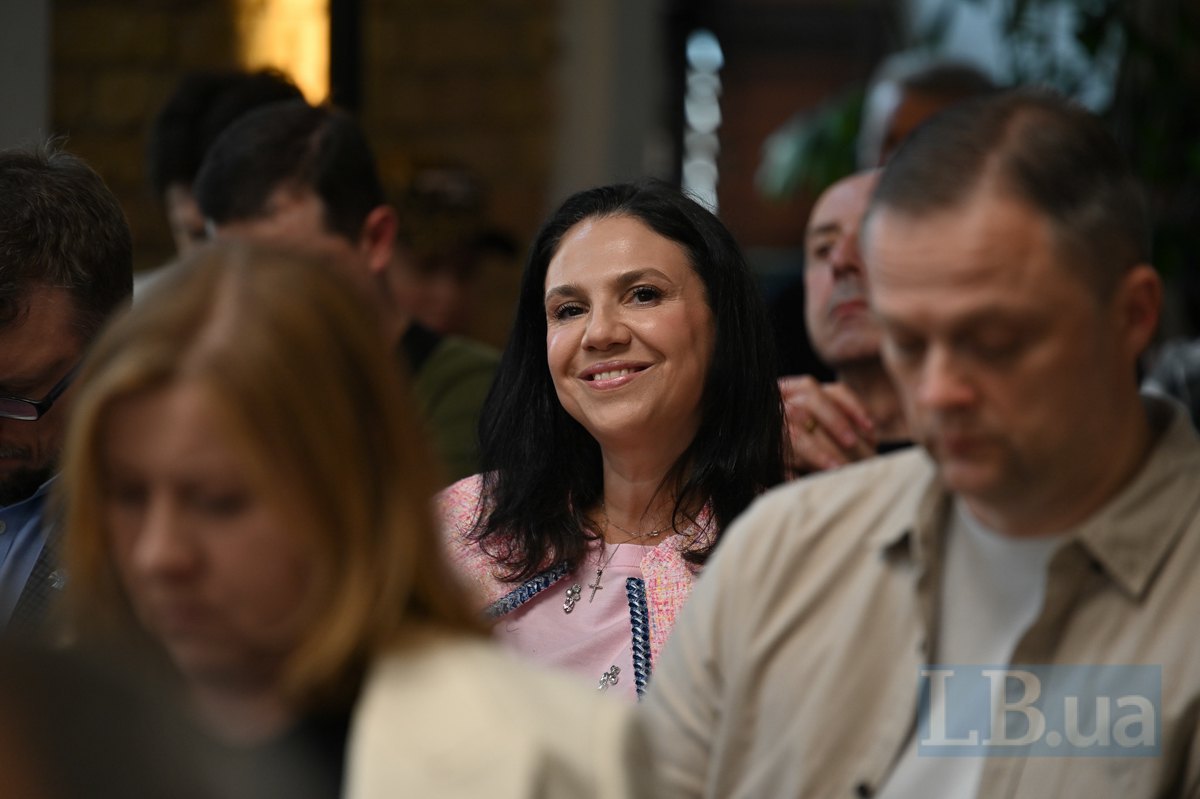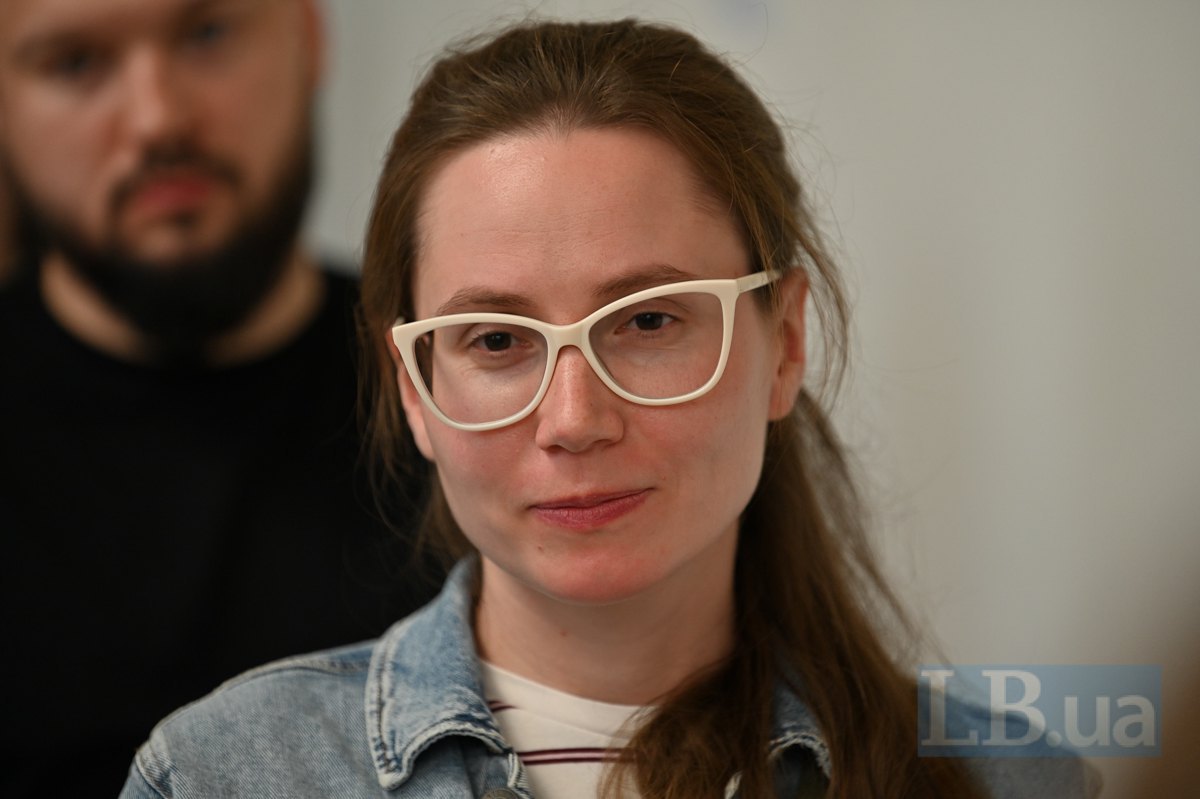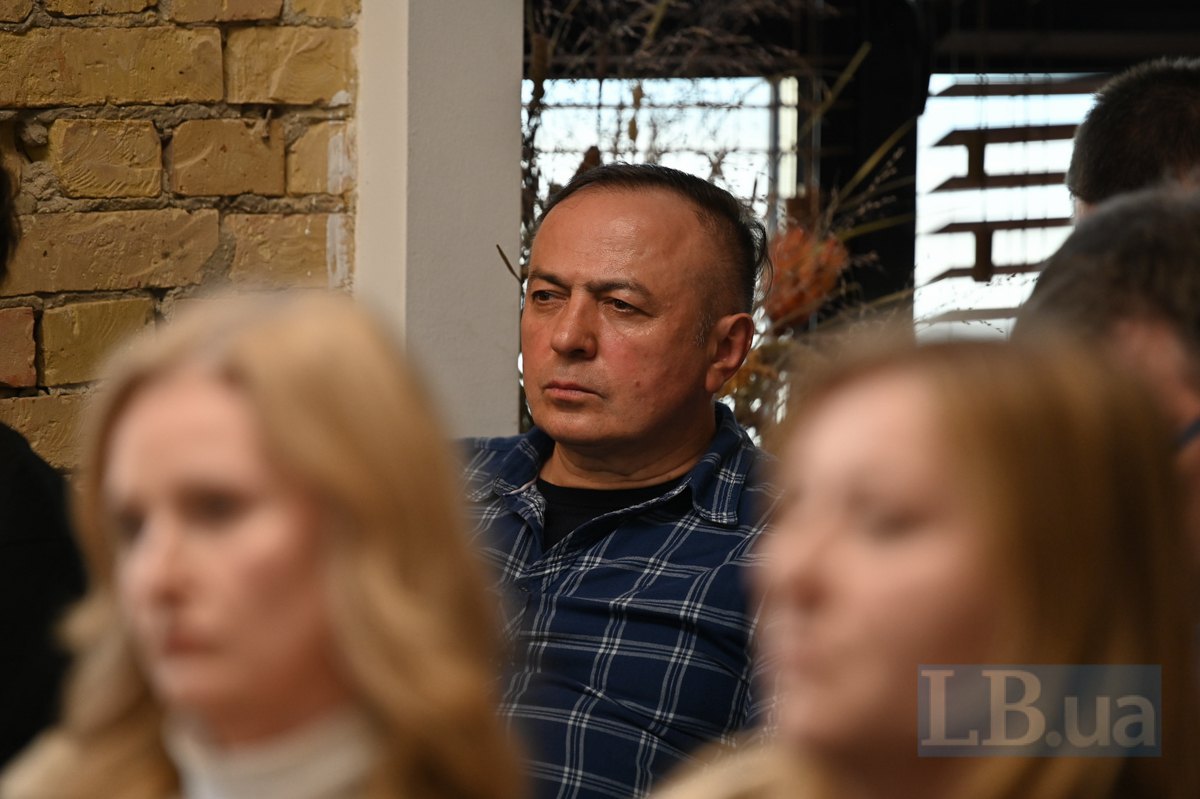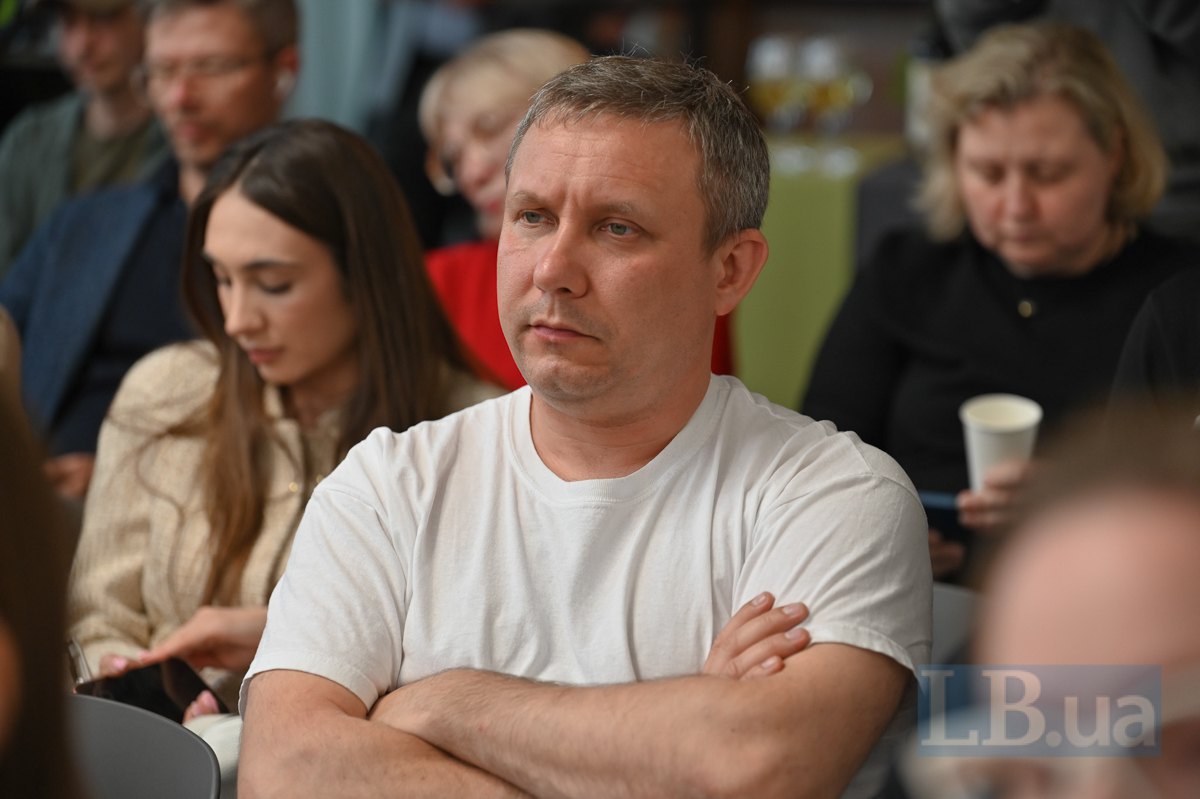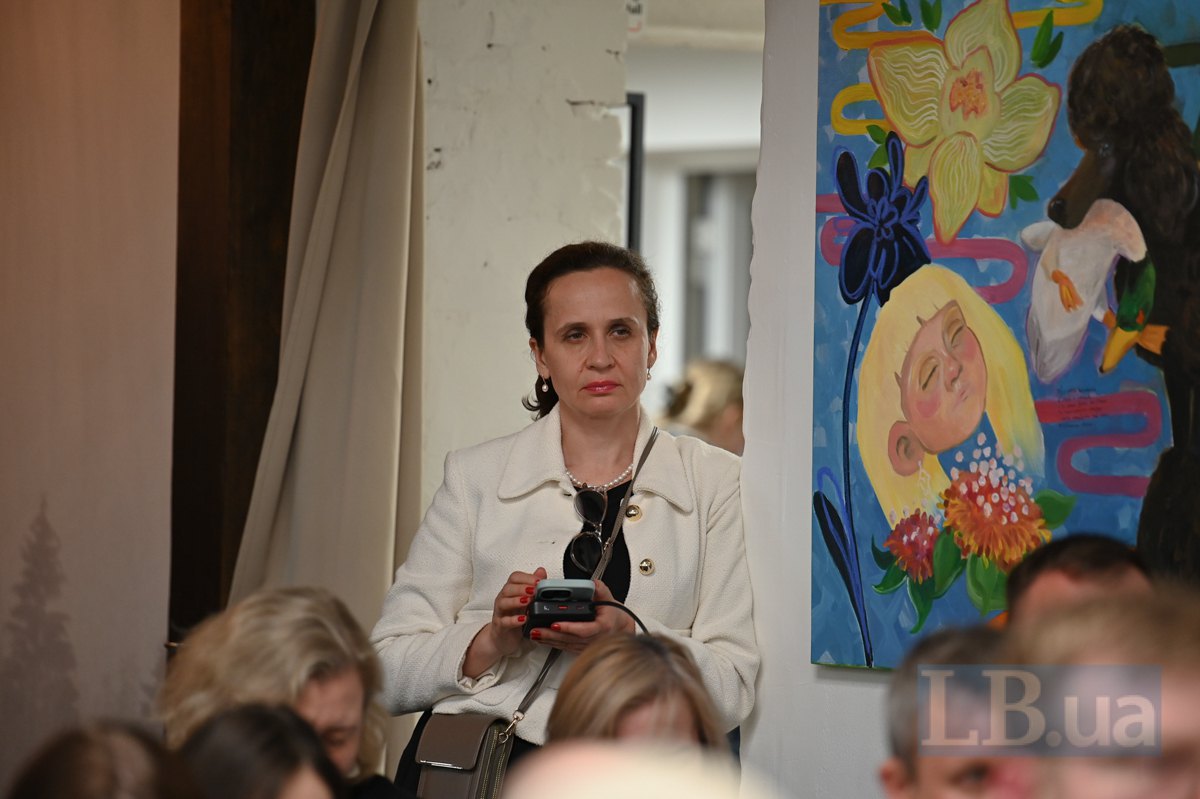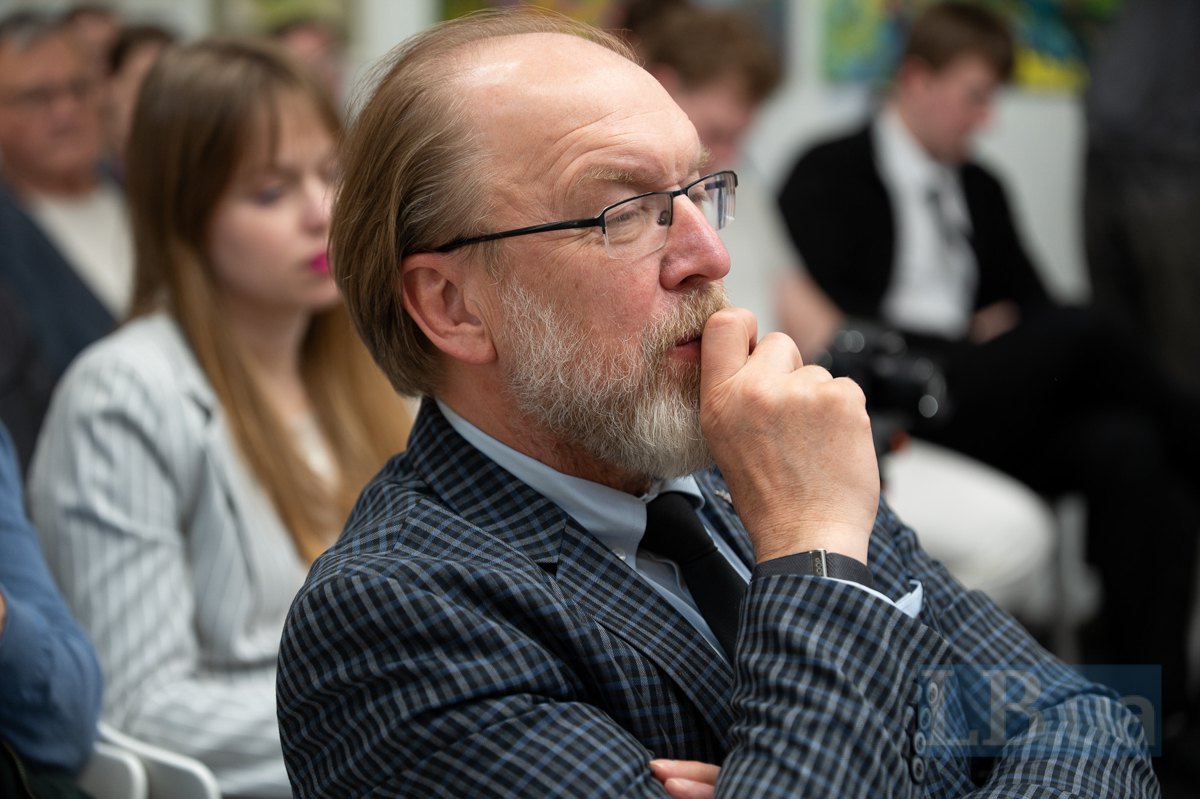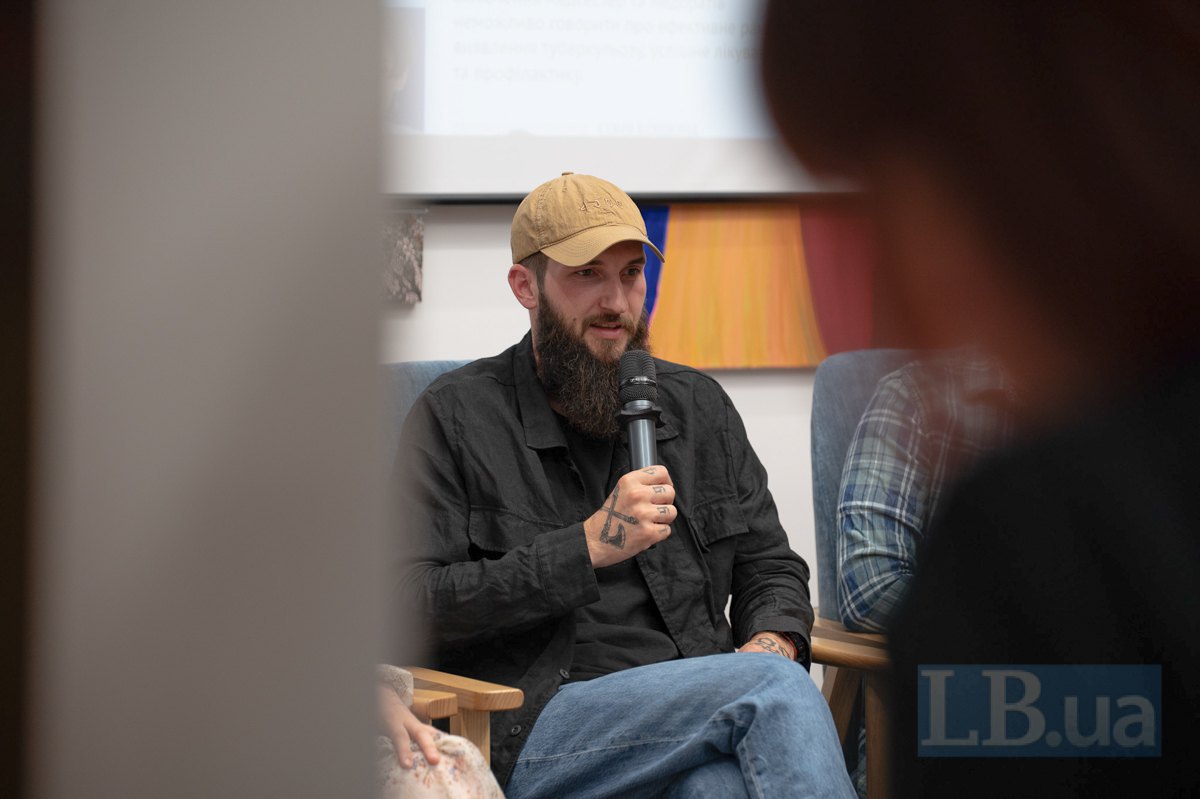








From strength of spirit to professionalism: how war and Azov Brigade have changed since 2014 (report from New Country)

MainNews -
Special feature

The discussion is dedicated to the anniversary of the founding of Azov Brigade.

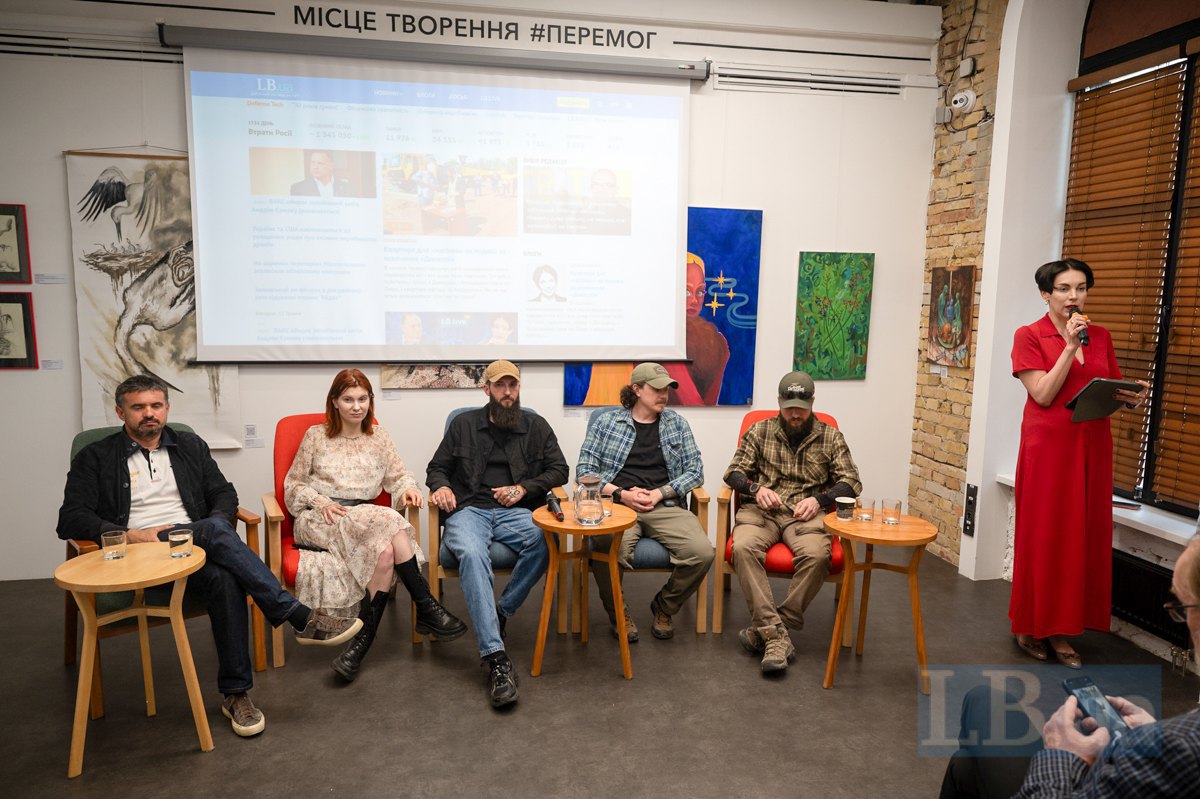
To mark the anniversary of the founding of the volunteer formation Azov Brigade — which over the past 12 years evolved into the 12th Special Purpose Brigade Azov and later became the basis for the formation of the 1st Corps of the National Guard of Ukraine Azov — “New Country” dedicated a thematic discussion to how the war has changed from the first combat operations in Donetsk and Luhansk regions in 2014 to the present day.

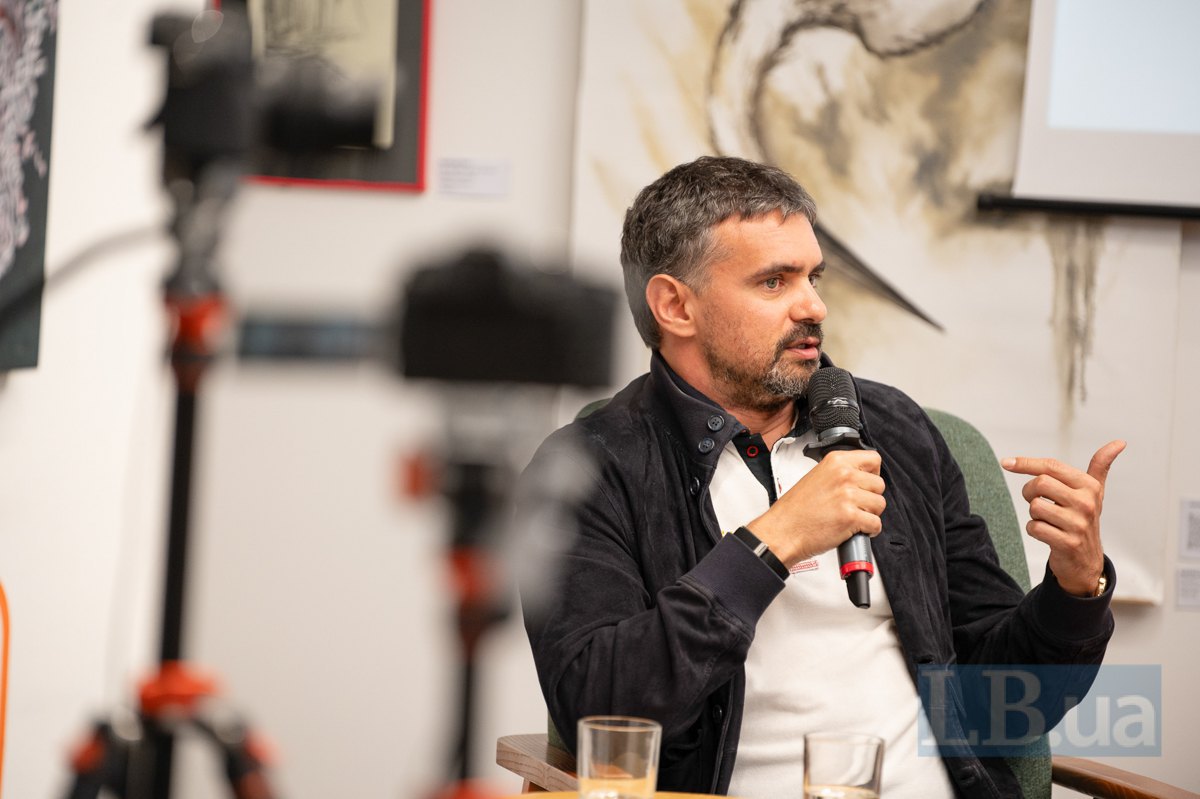
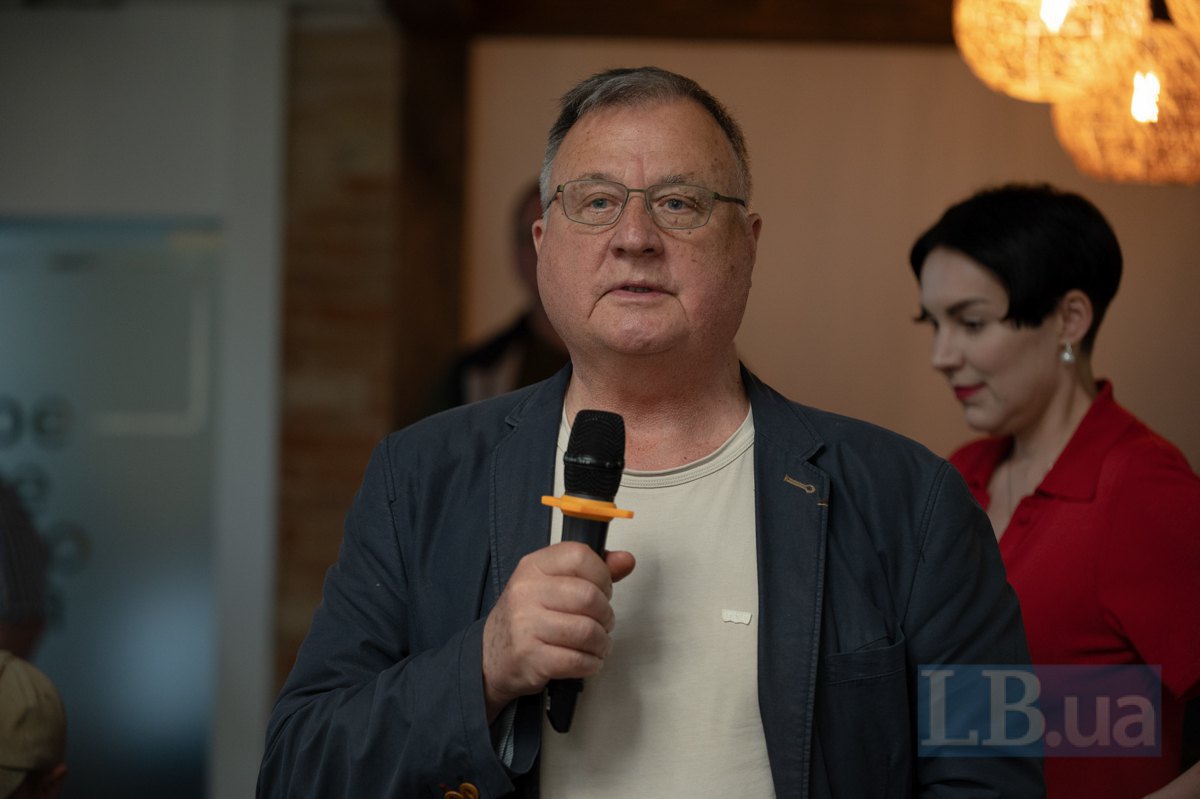
The defence of Mariupol was a true feat, without which our country and our war would have been completely different. It is a symbol. Amid the whirlwind of other events, the memory of it is gradually fading, but these men and women set the tone for resistance and the indomitability of the Ukrainian spirit,” said Ihor Liski, chairman of the supervisory board of EFI Group (which jointly implements the “New Country” project with LB.ua) explaining the choice of topic and speakers for the discussion.
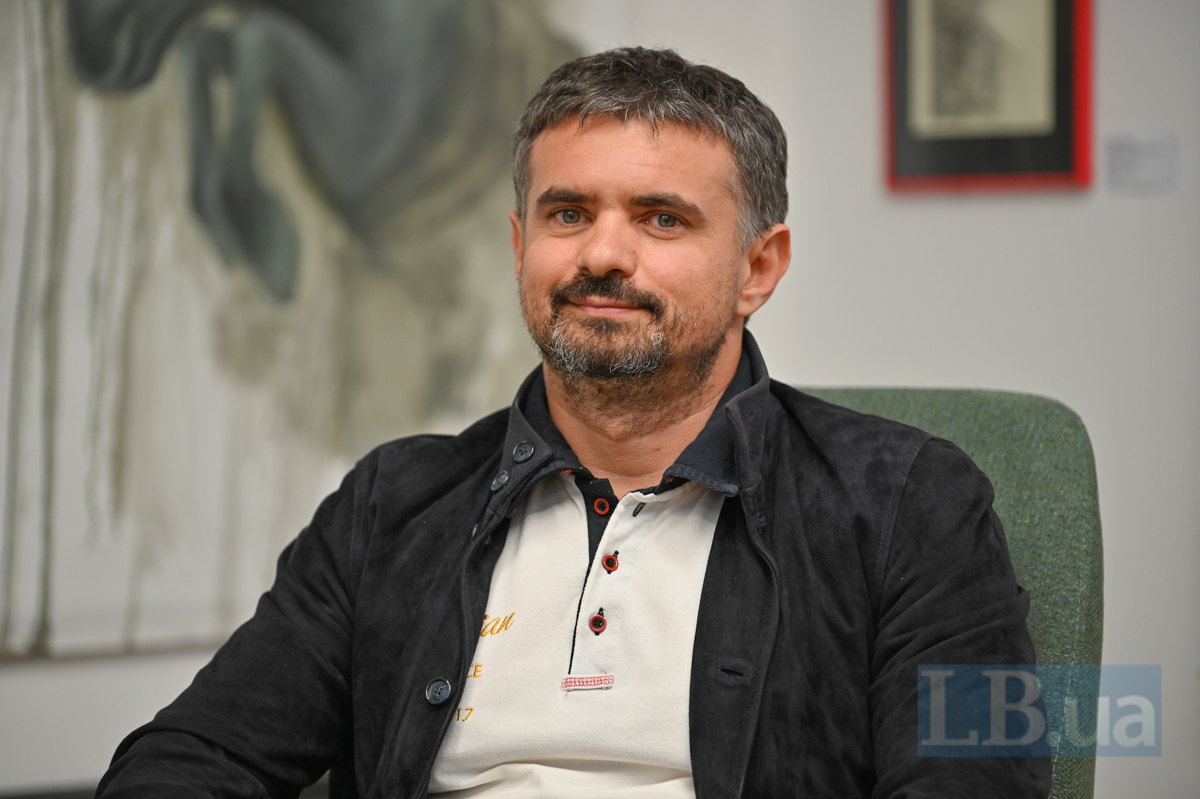
Ihor Liski
Photo: Zoryana Stelmakh
Ihor Liski

“Azov Brigade is a unit with its own internal training system, one that builds motivation and promotes patriotic education. I believe a new Ukrainian army begins with Azov. And the military are the new elite of Ukraine. It is this elite that should speak about how they see Ukraine five or ten years after victory, what mobilisation should look like, what kind of army Ukraine needs, what role it should play in European security, and so on,” Ihor Liski added.

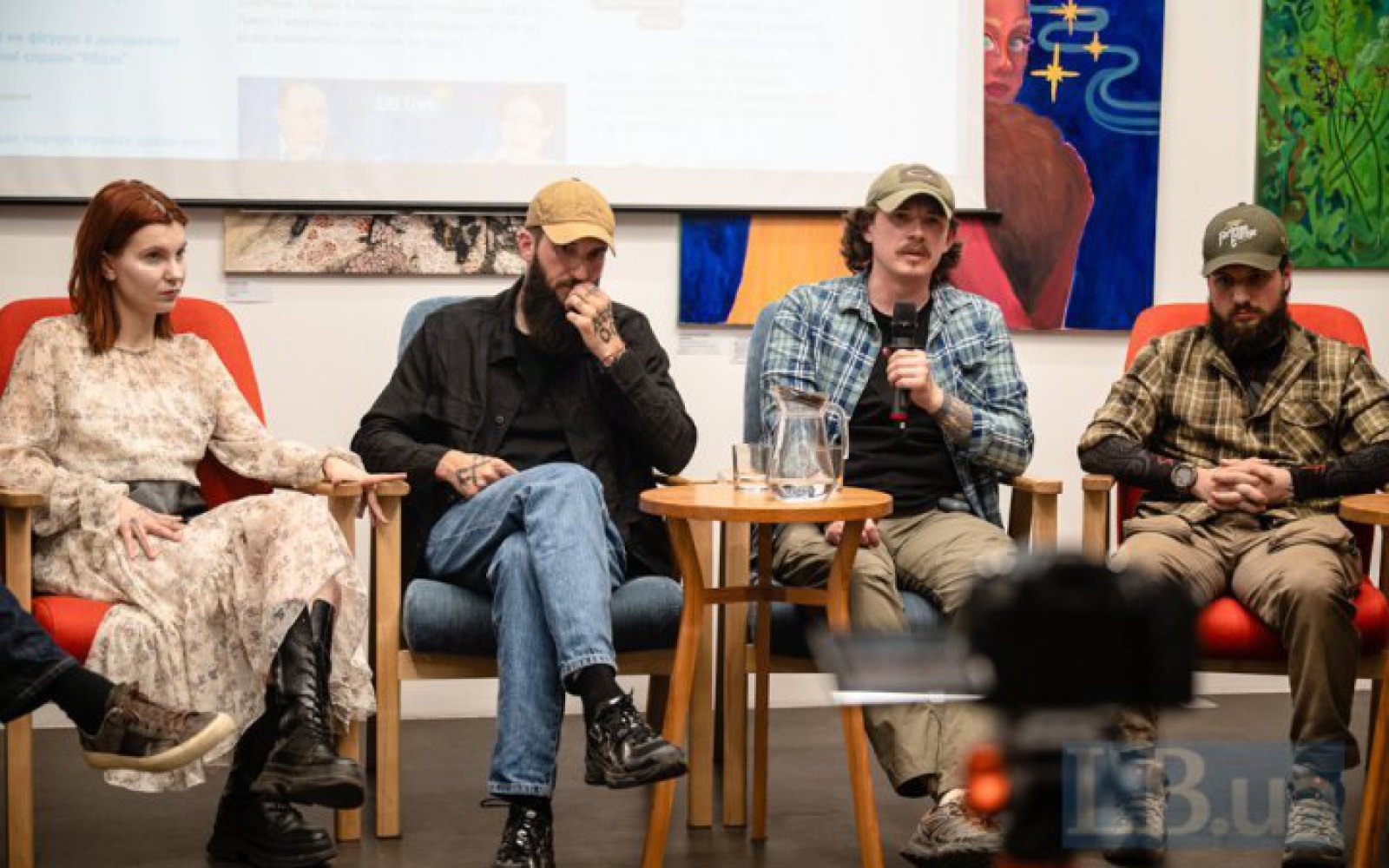
So what changes has the Ukrainian army already undergone? How has the battlefield evolved? What about troop training and weaponry? What changes are still needed? What should the Ukrainian military look like, what is it lacking, and how can this be fixed? These were among the issues we discussed, alongside the transformation and reform of Azov itself, with:

  • Chief Sergeant of the 1st Azov Corps Kyrylo Masalitin, call sign “Maslo”;
  • Chief Sergeant of the 12th Special Purpose Brigade Azov Ihor Shelepyonok, call sign “Mactavish”;
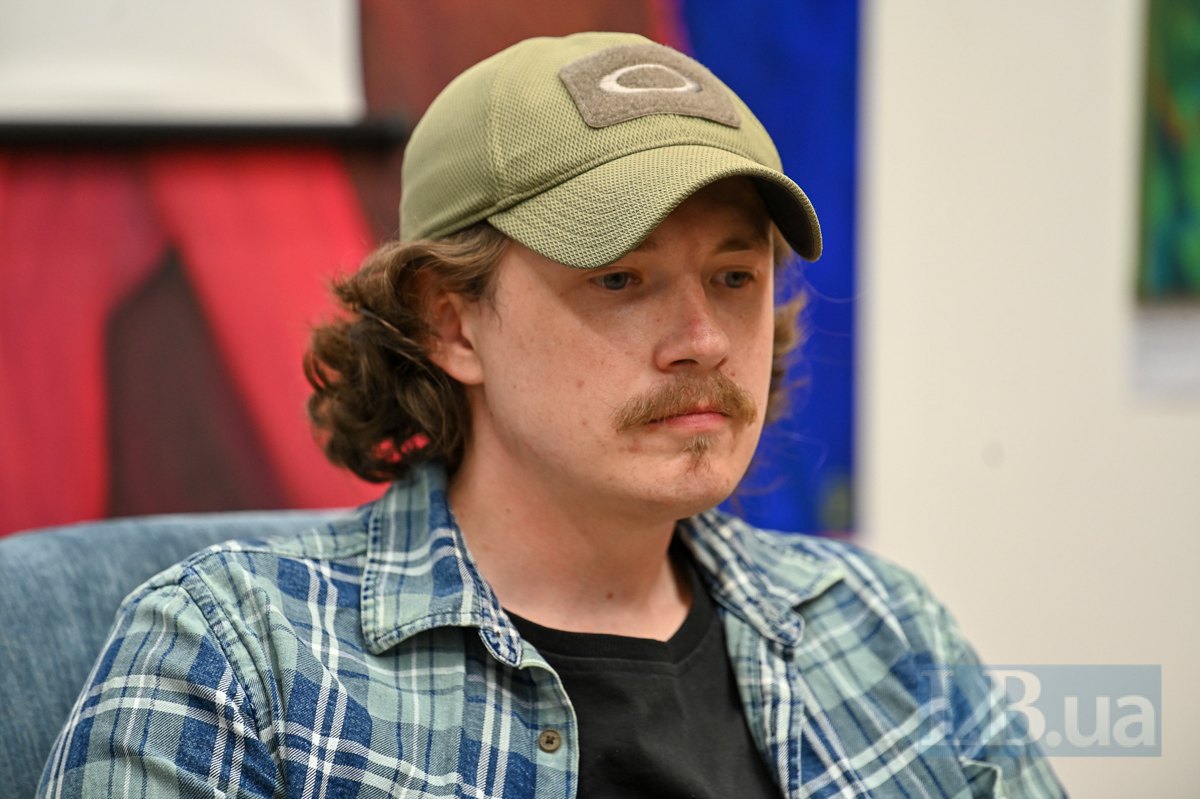
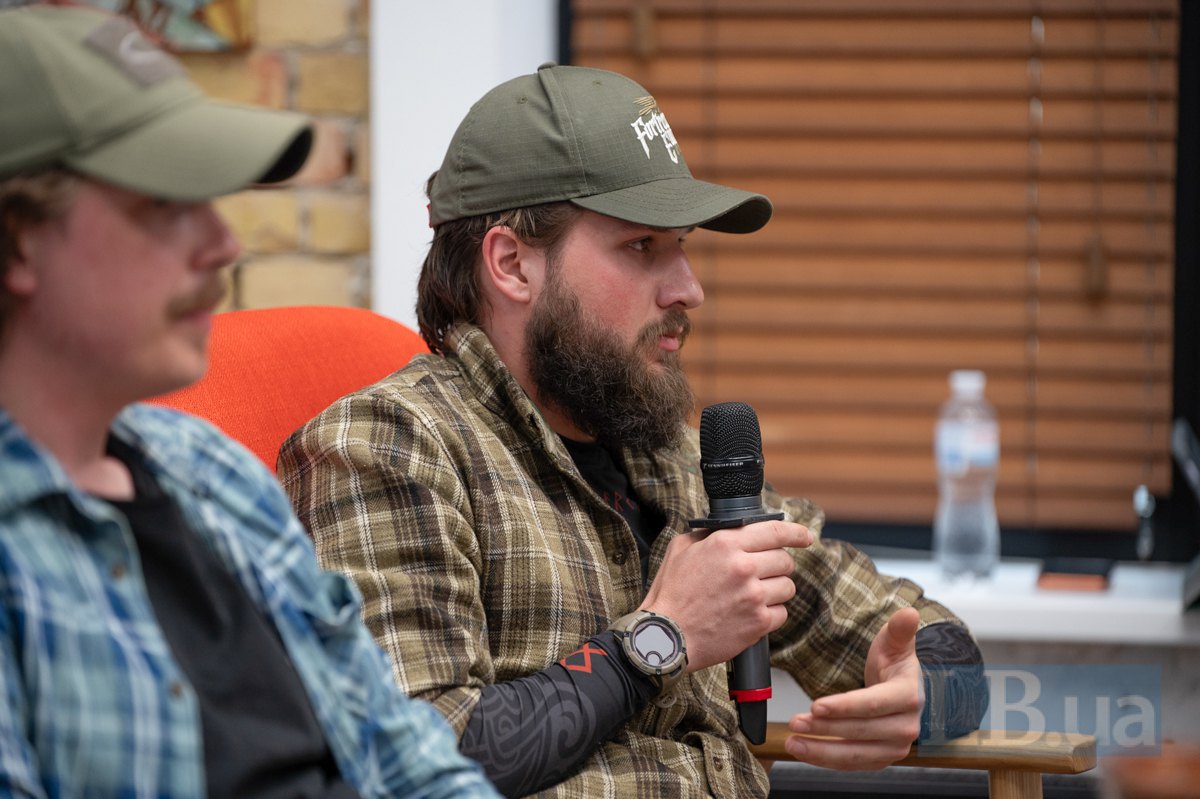
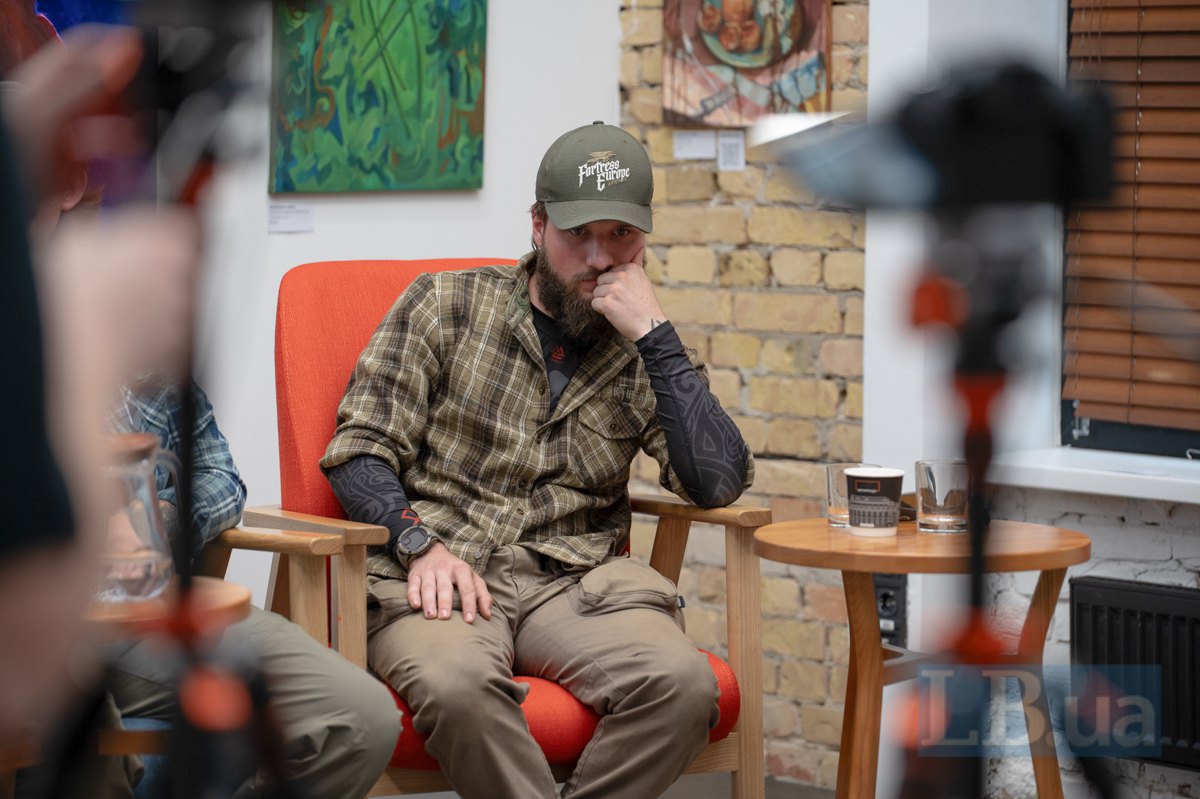
  • Chief Sergeant of the 2nd Battalion of the 12th Special Purpose Brigade Azov, call sign “Woody”;
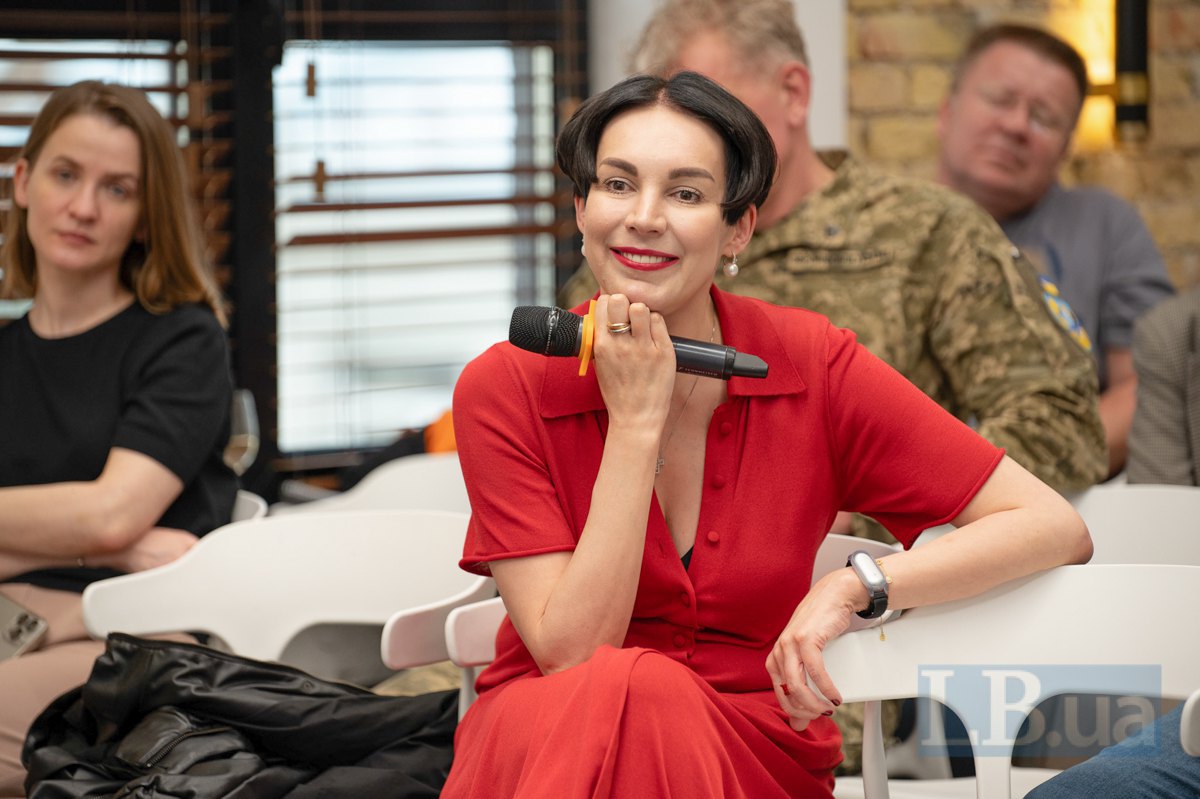
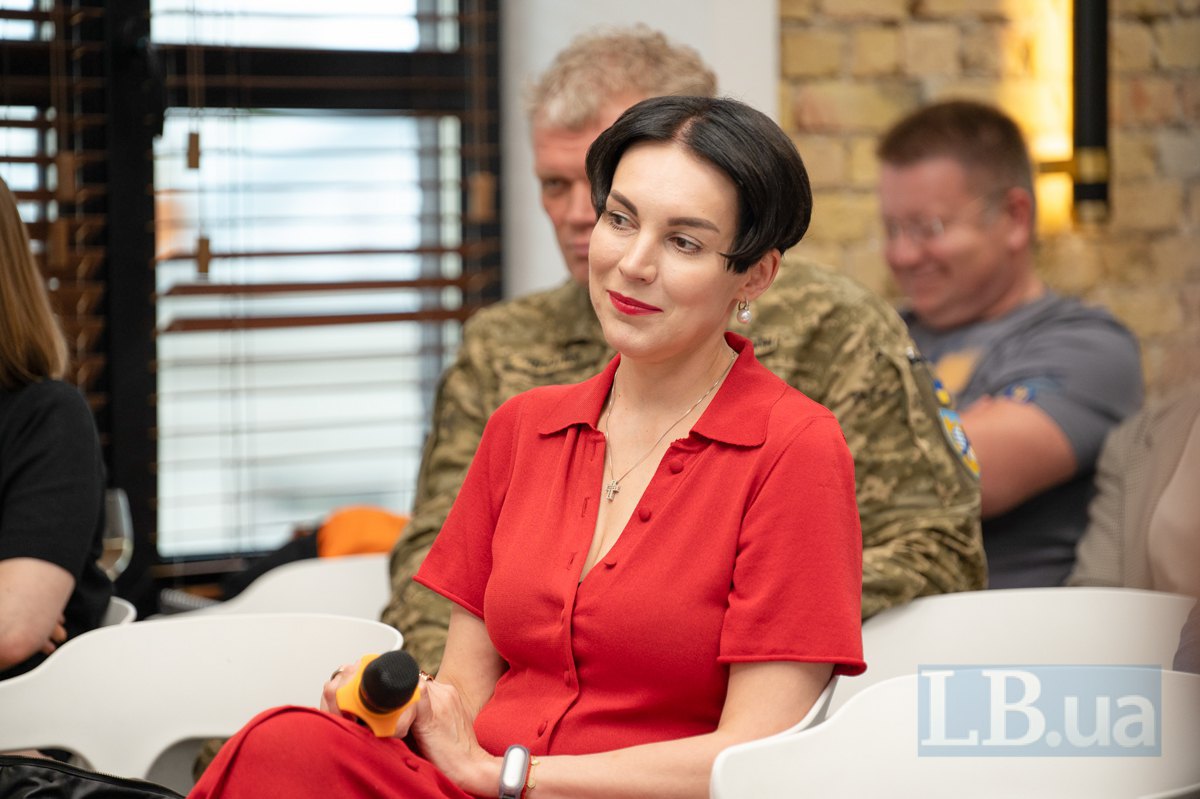
  • Rina Reznik (“Rina”, Daryna Smolnikova), head of the Azov Brigade Support Service.

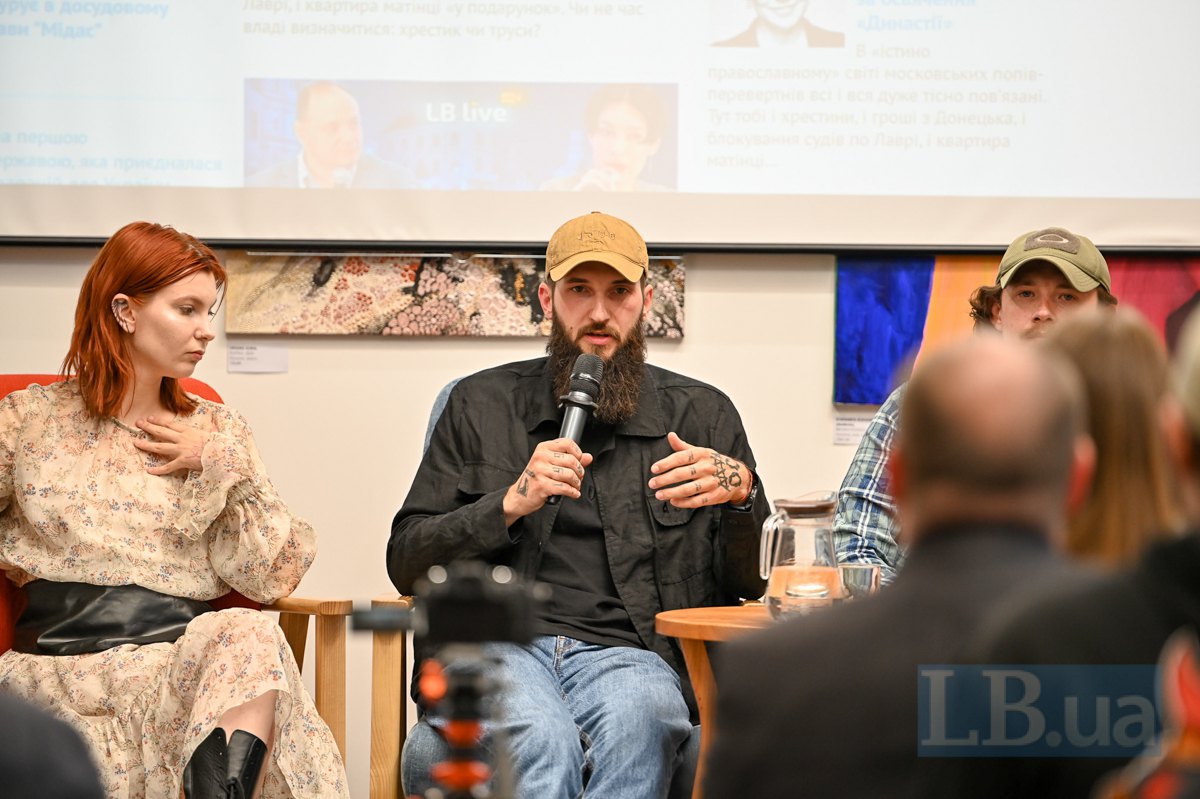
Azov is an example of how quickly and effectively a military unit can develop. According to Chief Sergeant of the 1st Azov Corps Kyrylo Masalitin (“Maslo”), after leaving Mariupol in 2022, the unit lost virtually everything, but by 2023 it had already managed to take part in the counteroffensive.
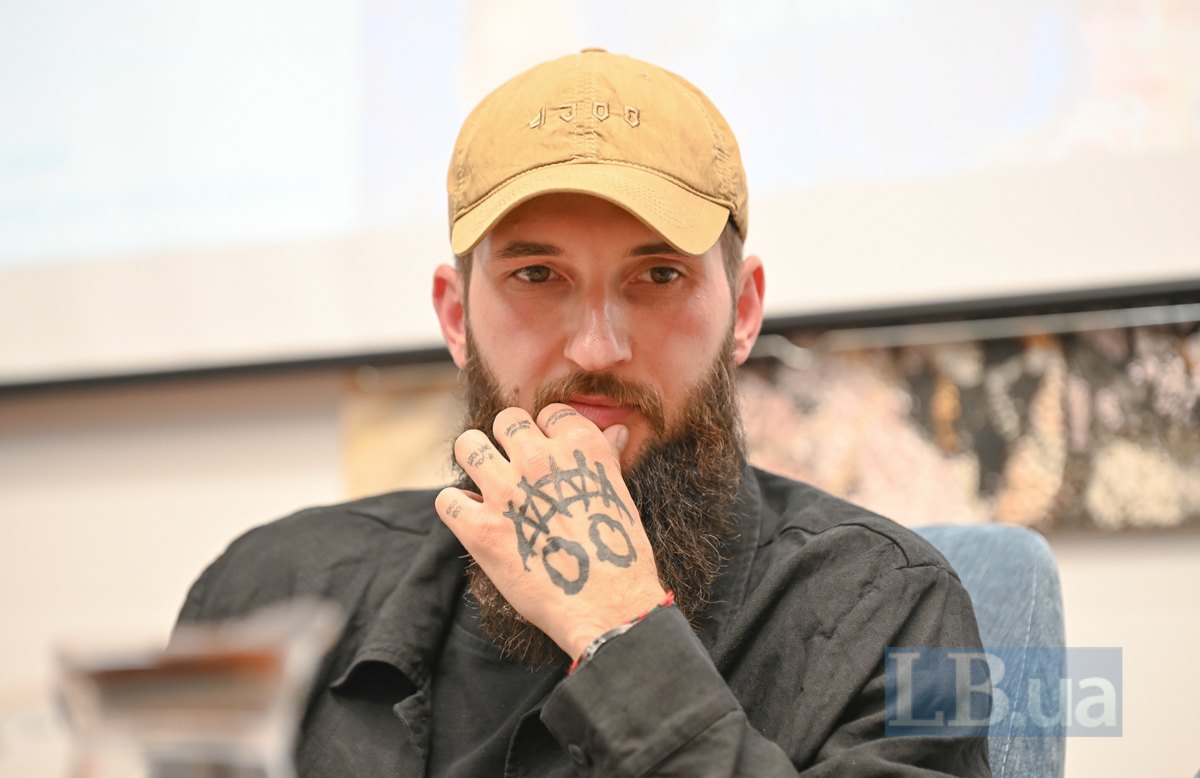
Chief Sergeant of the 1st Azov Corps Kyrylo Masalitin “Maslo”
Photo: Zoryana Stelmakh
Chief Sergeant of the 1st Azov Corps Kyrylo Masalitin “Maslo”

“In 2022, when some officers, sergeants and soldiers were evacuated from Azovstal by helicopter, they were tasked with beginning to rebuild Azov Brigade — what we then called rebuilding it ‘on the mainland’. And when we returned to service after the prisoner exchange in 2023, it was difficult to restore the battalions from scratch — we had lost absolutely everything, there was nothing left. But we got back into formation fairly quickly. We started forming the battalion in early 2023, in January-February, and by early June we were already carrying out our first combat mission. That was during the counteroffensive. And now we’ve reached the point where we are already a corps. We have five brigades under our command, a sixth is being formed, and many other units are being created as well,” said “Maslo”.

According to Chief Sergeant of the 12th Special Purpose Brigade Azov Ihor Shelepyonok (“Mactavish”), the training of servicemen has changed significantly since 2014.
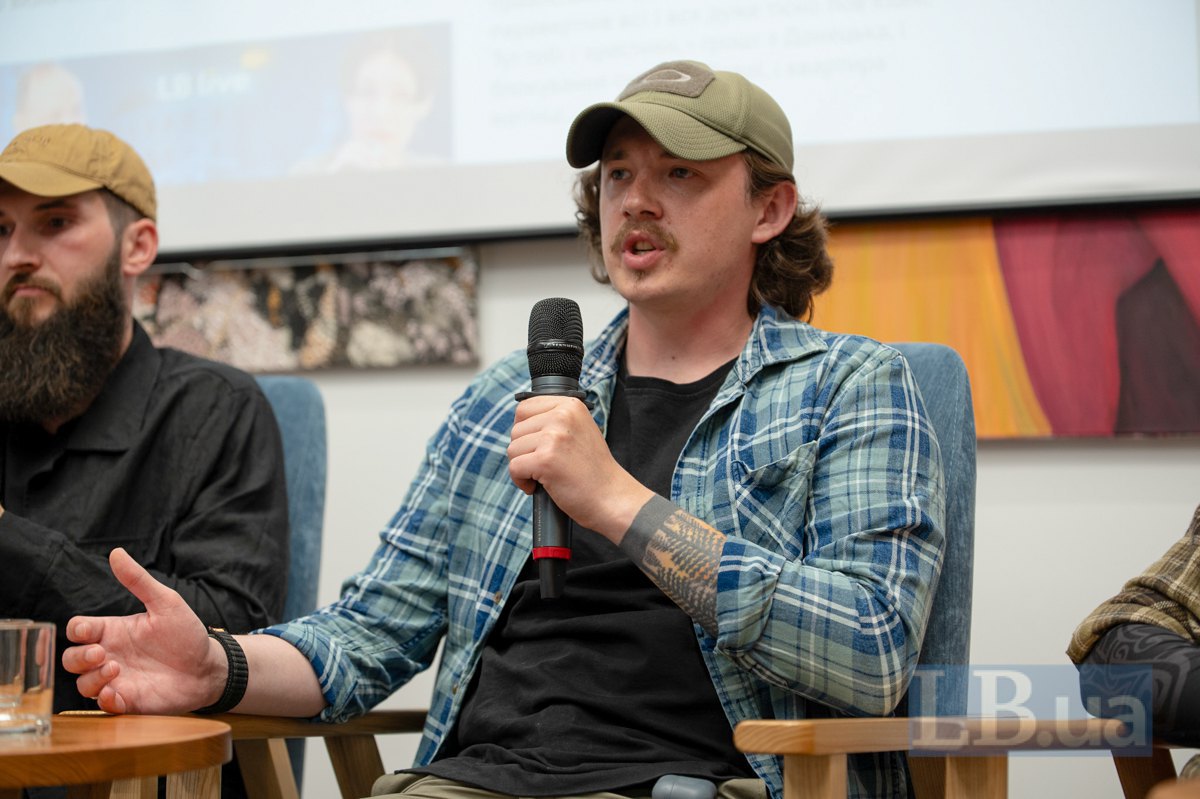
Ihor Shelepyonok, call sign “Mactavish”
Photo: Zoryana Stelmakh
Ihor Shelepyonok, call sign “Mactavish”

“When I joined the unit, driven purely by internal motivation and the desire to defend the state, our training lasted just two weeks. And it was not any kind of systematic preparation: basically, whoever knew something shared it, and that was it — then you were sent to the unit, given some minimal training, and immediately assigned combat and service missions.

“…Now there is an understanding of what a serviceman actually needs to be taught. The realities of war have become clearer. Because back then, when I joined the unit after training, after preparation, I did not even understand what awaited me next. …Under current conditions, every fighter or recruit who joins a unit already understands about 90% of the realities of modern warfare on the ground,” noted Ihor Shelepyonok (“Mactavish”).
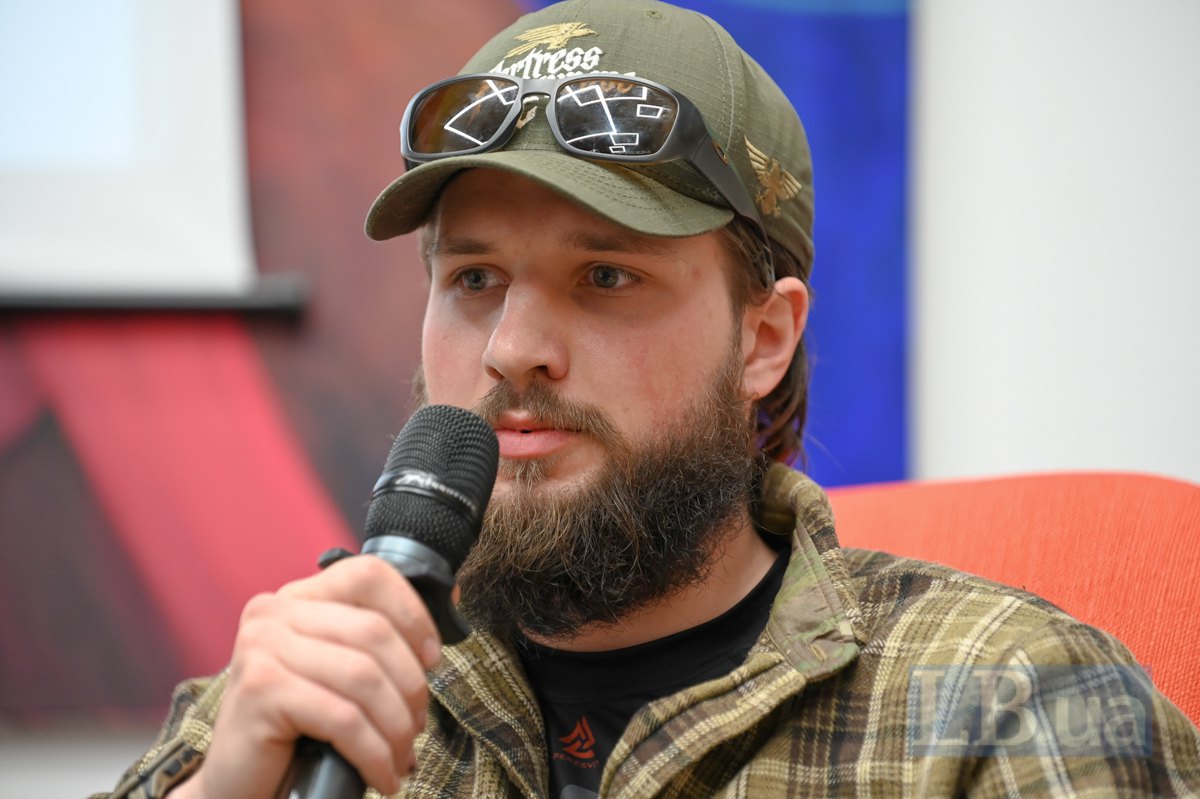
Chief Sergeant of the 2nd Battalion of the 12th Special Purpose Brigade Azov Brigade, call sign “Woody”
Photo: Zoryana Stelmakh
Chief Sergeant of the 2nd Battalion of the 12th Special Purpose Brigade Azov Brigade, call sign “Woody”

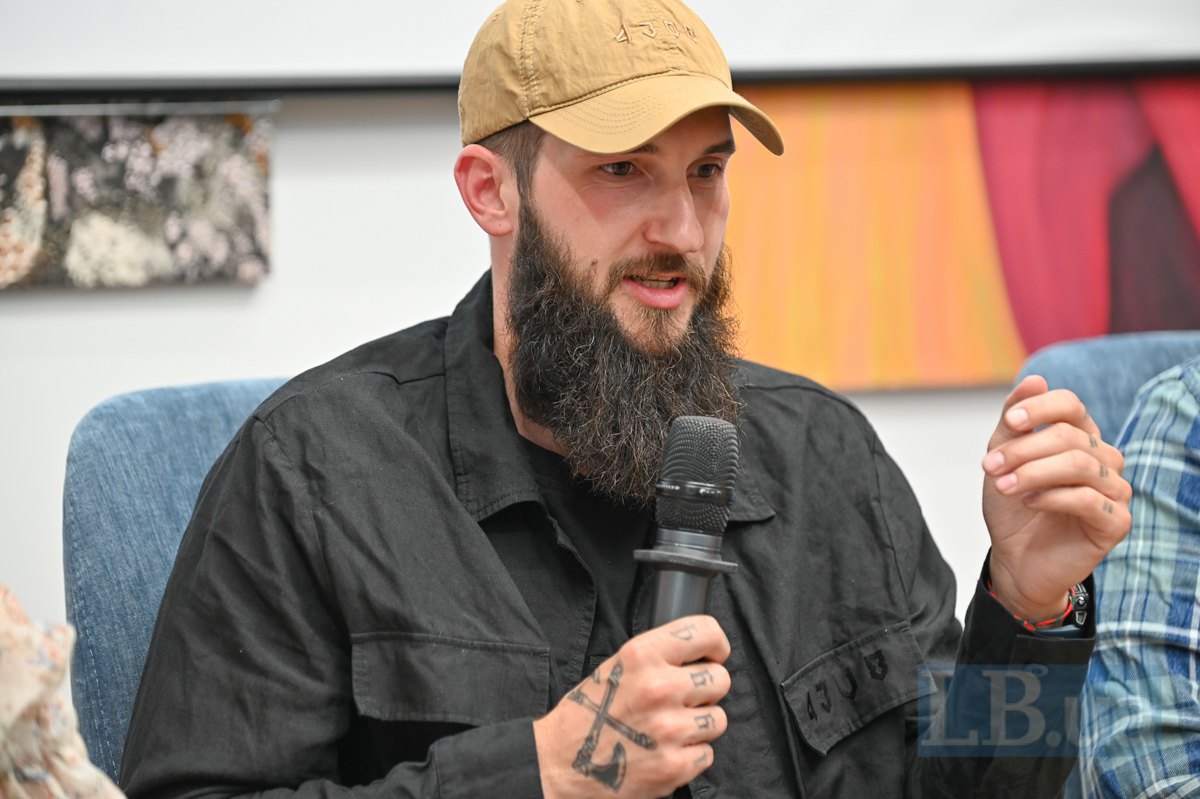
“The fighters who are now fighting and managing to survive are ‘Swiss Army knife’ soldiers — with an enormous range of skills. And this knowledge base is not just about survival, but about being an effective fighter, a reliable person for their comrades, capable of carrying out assigned tasks. An infantryman gives blood on positions, operates a drone like the Avata for reconnaissance of forward positions before an assault or clearing operation, acts as an electronic warfare operator, rides an ATV to move, uses any weapon available and engages with it. This is the baseline today,” added Chief Sergeant of the 2nd Battalion of the 12th Special Purpose Brigade Azov Brigade, call sign “Woody”, to the discussion on modern training of servicemen. “What has changed in our modern army, and where everyone is heading — some faster, some slower — is the emphasis on making the soldier primarily intelligent.”

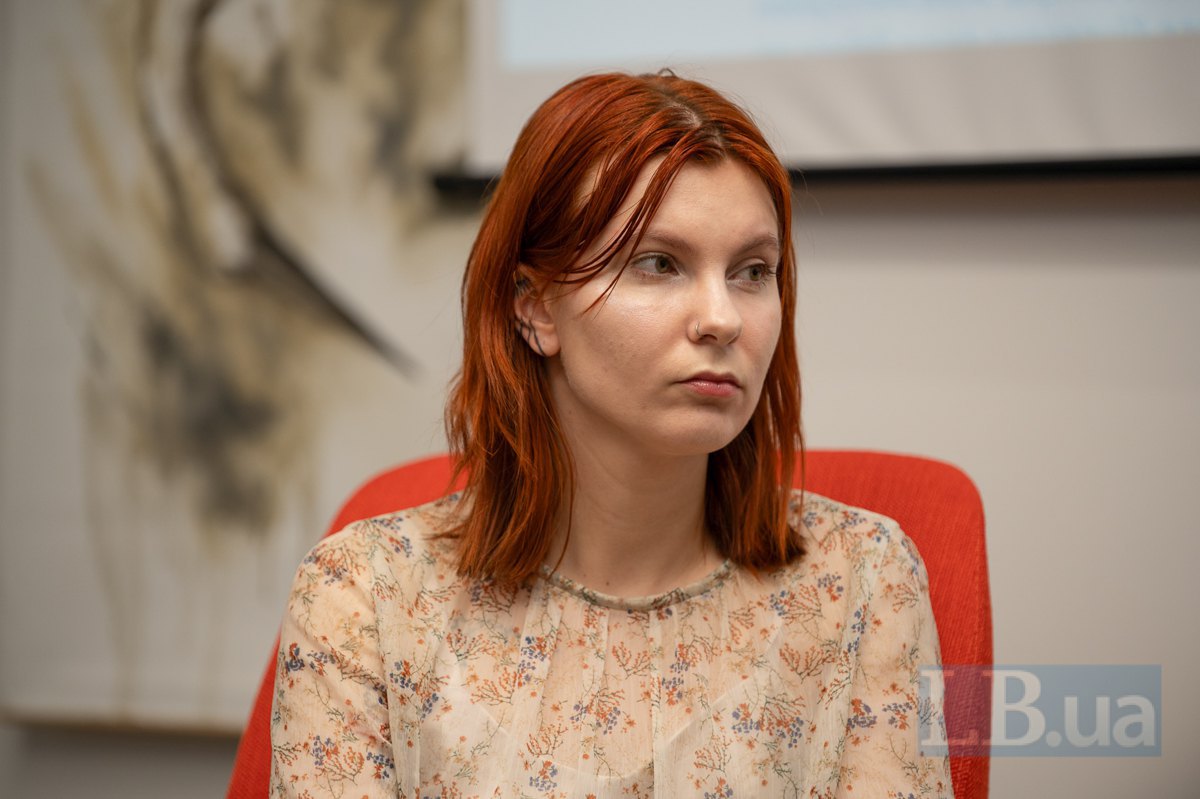
The role and capabilities of medical services in the military are also changing, noted Rina “Rina” Reznik, head of the Support Service of the Azov Brigade. She explained in detail how it works in her brigade.
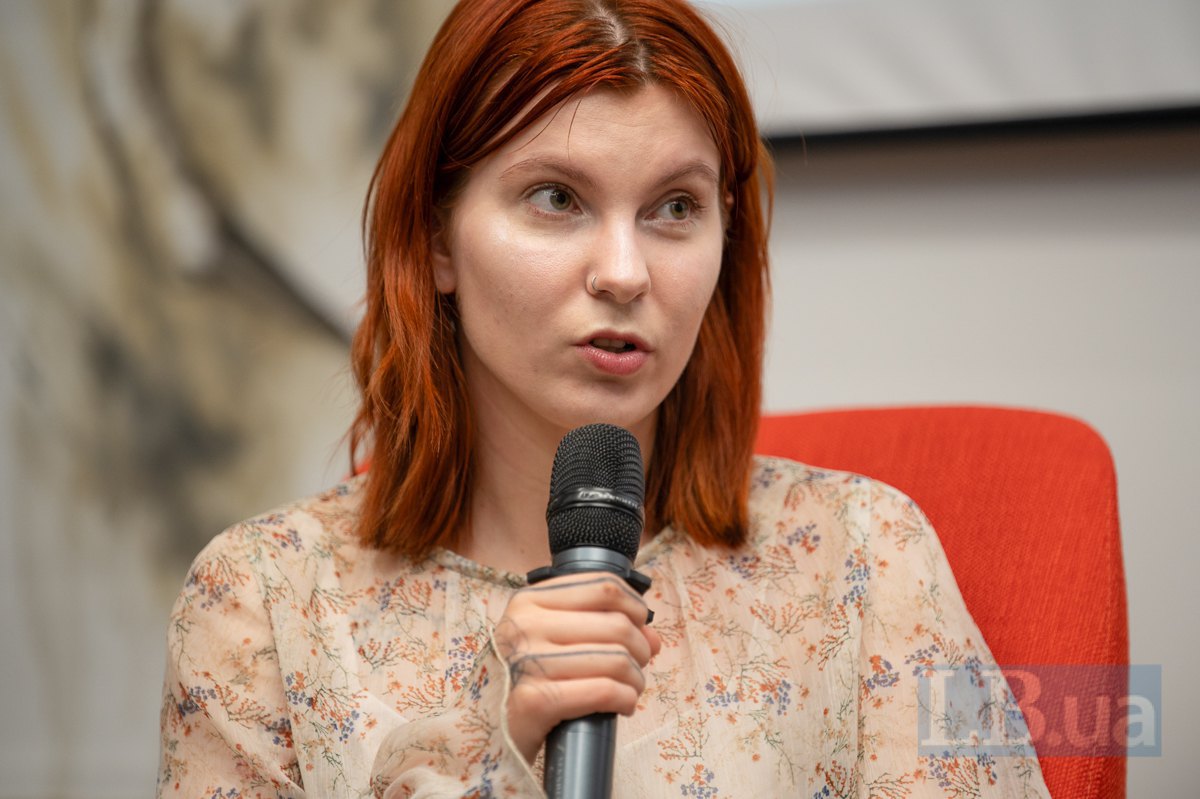
Rina “Rina”Reznik, head of the Support Service
Photo: Zoryana Stelmakh
Rina “Rina”Reznik, head of the Support Service

“We were lucky — we have excellent leadership in the healthcare sphere in the brigade, and therefore medicine for us covers everything related to life and health. It’s not only about the wounded, but also sick soldiers, soldiers with chronic somatic conditions, maintaining their health during training, and a huge analytical component regarding how we transform our approach to training personnel — both soldiers and combat medics,” explains Rina Reznik.

“And the Support Service is our latest addition, and in fact a very strong one. We decided to close the loop: if the main task of military medicine (and we must understand that military and civilian medicine are slightly different) is to return soldiers to service as quickly and as effectively as possible, then we need to cover the entire journey.

“If we look at it institutionally, a brigade is not an active agent in providing assistance to servicemen at the stage when a soldier leaves the stabilization point and goes somewhere — to one hospital or another. That path is often very chaotic, and the Support Service exists as a coordinator and support for existing state systems. When we were created, it was important for us to become a mature institution — not a ‘tribe’ that rushes in and tells everyone how to treat people — but an institution that supports soldiers in this process while keeping them as active subjects in their own treatment. That’s why it’s called the Support Service. There are many different names for such structures, but we chose this one deliberately, because it carries a lot of meaning.

A soldier does not need patronage or guardianship — a soldier needs support, assistance, and navigation, essentially case management. That is what we built the Support Service on,” emphasized Rina Reznik.

The full text version of the discussion will be published soon on LB.ua.
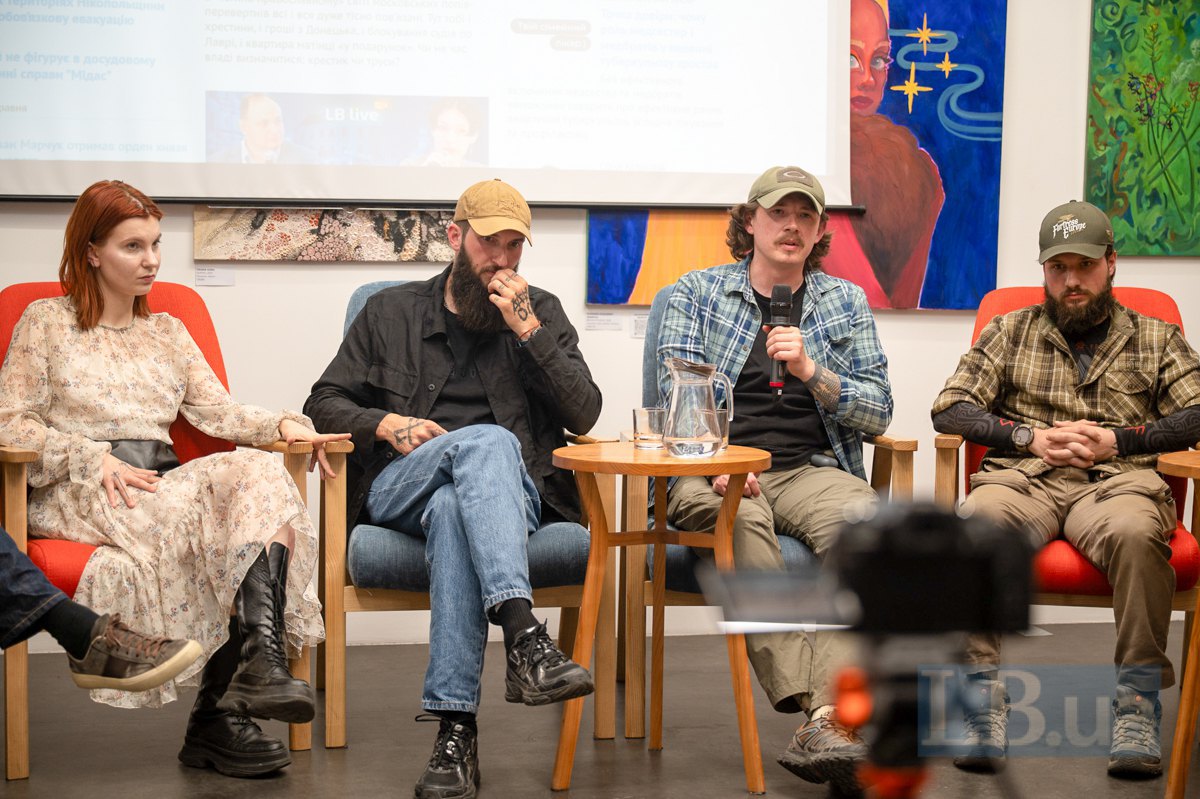
Rina Reznik, Kyrylo Masalitin, Ihor Shelepyonok, Woody
Photo: Zoryana Stelmakh
Rina Reznik, Kyrylo Masalitin, Ihor Shelepyonok, Woody

Ihor Liski, Rina Reznik, Kyrylo Masalitin, Ihor Shelepyonok, Woody, Sonya Koshkina
Photo: Zoryana Stelmakh
Ihor Liski, Rina Reznik, Kyrylo Masalitin, Ihor Shelepyonok, Woody, Sonya Koshkina

Ihor Shelepyonok, chief sergeant of the 12th Special Purpose Brigade Azov Brigade, call sign “Mactavish”

Kyrylo Masalitin, chief sergeant of the 1st Corps of Azov Brigade, call sign “Maslo”
Photo: Zoryana Stelmakh
Kyrylo Masalitin, chief sergeant of the 1st Corps of Azov Brigade, call sign “Maslo”

Ihor Liski, chairman of the supervisory board of EFI Group
Photo: Zoryana Stelmakh
Ihor Liski, chairman of the supervisory board of EFI Group

Rina Reznik, head of the Support Service of Azov Brigade
Photo: Zoryana Stelmakh
Rina Reznik, head of the Support Service of Azov Brigade

Chief sergeant of the 2nd Battalion of the 12th Special Purpose Brigade Azov Brigade, call sign “Woody”
Photo: Zoryana Stelmakh
Chief sergeant of the 2nd Battalion of the 12th Special Purpose Brigade Azov Brigade, call sign “Woody”

Sonya Koshkina, Editor-in-Chief of LB.ua
Photo: Zoryana Stelmakh
Sonya Koshkina, Editor-in-Chief of LB.ua

Photo: Zoryana Stelmakh

Tetyana Nikolayenko, journalist and Deputy Chair of the Public Anti-Corruption Council at the Ministry of Defence of Ukraine
Photo: Zoryana Stelmakh
Tetyana Nikolayenko, journalist and Deputy Chair of the Public Anti-Corruption Council at the Ministry of Defence of Ukraine

Kateryna Zahoriy, Chair of the Board of Directors at Darnytsya
Photo: Zoryana Stelmakh
Kateryna Zahoriy, Chair of the Board of Directors at Darnytsya

Ihor Shvayka, former Minister of Agrarian Policy and Food of Ukraine and a member of the Armed Forces of Ukraine
Photo: Zoryana Stelmakh
Ihor Shvayka, former Minister of Agrarian Policy and Food of Ukraine and a member of the Armed Forces of Ukraine

Yelyzaveta Yasko, Member of the Ukrainian Parliament
Photo: Zoryana Stelmakh
Yelyzaveta Yasko, Member of the Ukrainian Parliament

The philosopher and academic, Dr Yevhen Bystrytskyy
Photo: Zoryana Stelmakh
The philosopher and academic, Dr Yevhen Bystrytskyy

Inna Varenytsya
Photo: Zoryana Stelmakh
Inna Varenytsya

Sonya Koshkina, Editor-in-Chief of LB.ua
Photo: Zoryana Stelmakh
Sonya Koshkina, Editor-in-Chief of LB.ua

Photo: Zoryana Stelmakh

Olha Balytska, Member of the Standing Committee on Urban Planning, Architecture and Land Use of the Kyiv City Council
Photo: Zoryana Stelmakh
Olha Balytska, Member of the Standing Committee on Urban Planning, Architecture and Land Use of the Kyiv City Council

Nataliya Bukhalova, owner and director of Ukrainian Marketing Group
Photo: Zoryana Stelmakh
Nataliya Bukhalova, owner and director of Ukrainian Marketing Group

Kateryna Amelina, journalist at LB.ua, editor of the Defense Tech section
Photo: Zoryana Stelmakh
Kateryna Amelina, journalist at LB.ua, editor of the Defense Tech section

Hennadiy Zabolotnyy, Project Manager at Razom for Ukraine
Photo: Zoryana Stelmakh
Hennadiy Zabolotnyy, Project Manager at Razom for Ukraine

Yevhen Bystrytskyy (on the right)
Photo: Zoryana Stelmakh
Yevhen Bystrytskyy (on the right)

Chief sergeant of the 2nd Battalion of the 12th Special Purpose Brigade Azov Brigade, call sign “Woody”
Photo: Zoryana Stelmakh
Chief sergeant of the 2nd Battalion of the 12th Special Purpose Brigade Azov Brigade, call sign “Woody”

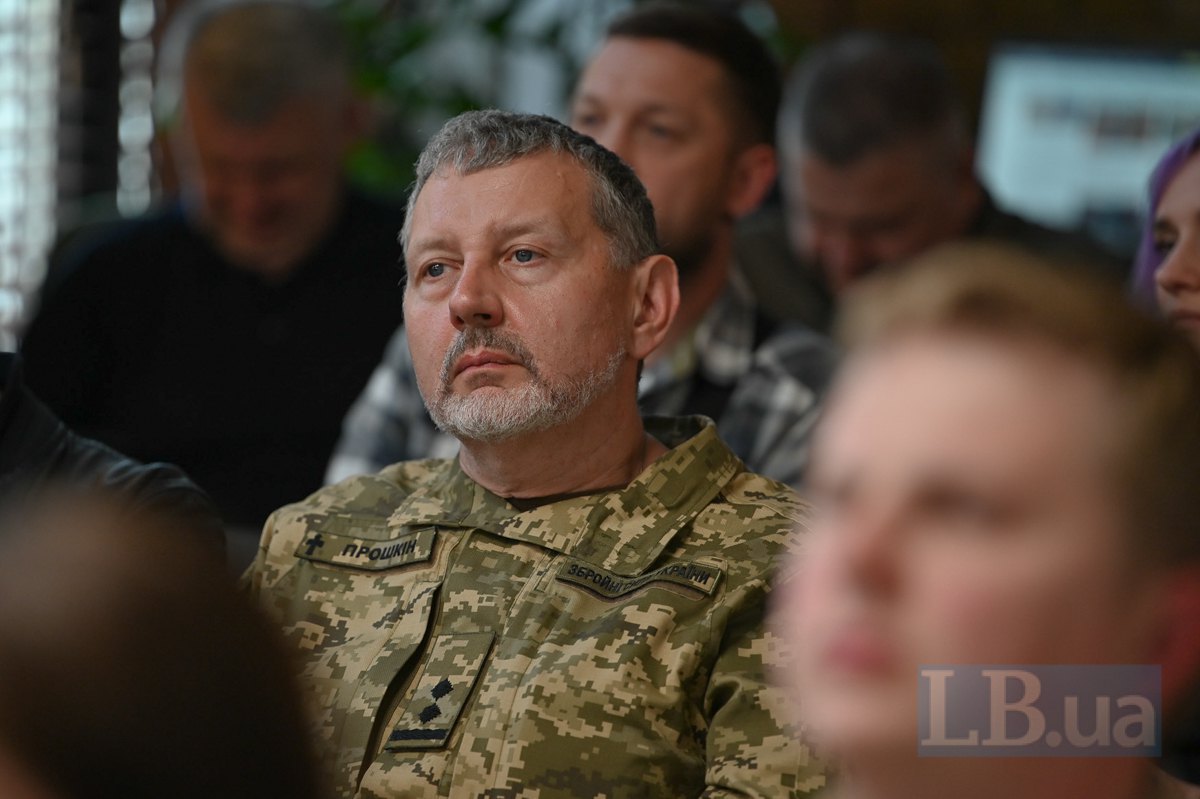
Viktor Proshkin, chaplain of the Armed Forces of Ukraine, Growford Institute
Photo: Zoryana Stelmakh
Viktor Proshkin, chaplain of the Armed Forces of Ukraine, Growford Institute

Tetyana Abramova, entrepreneur, founder and CEO of the RITO brand
Photo: Zoryana Stelmakh
Tetyana Abramova, entrepreneur, founder and CEO of the RITO brand

Andriy Yanitskyy, Director of the Centre for Journalism
Photo: Zoryana Stelmakh
Andriy Yanitskyy, Director of the Centre for Journalism

MP Yuliya Klymenko
Photo: Zoryana Stelmakh
MP Yuliya Klymenko

Hennadiy Chyzhykov, Head of the Chamber of Commerce and Industry
Photo: Zoryana Stelmakh
Hennadiy Chyzhykov, Head of the Chamber of Commerce and Industry

Kyrylo Masalitin, chief sergeant of the 1st Corps of Azov Brigade, call sign “Maslo”
Photo: Zoryana Stelmakh
Kyrylo Masalitin, chief sergeant of the 1st Corps of Azov Brigade, call sign “Maslo”

Artem Shaipov, head of the legal and political advisory team of the GIZ project “Support to Ukraine’s EU Approximation in the Rule of Law Sector”
Photo: Zoryana Stelmakh
Artem Shaipov, head of the legal and political advisory team of the GIZ project “Support to Ukraine’s EU Approximation in the Rule of Law Sector”

former deputy education minister Mykhaylo Vynnytskyy
Photo: Zoryana Stelmakh
former deputy education minister Mykhaylo Vynnytskyy

marketing specialist Olena Kalenska
Photo: Zoryana Stelmakh
marketing specialist Olena Kalenska

MP Yevheniya Kravchuk
Photo: Zoryana Stelmakh
MP Yevheniya Kravchuk

Dmytro Serhiyenko, serviceman of the 1st Corps of the National Guard of Ukraine Azov Brigade
Photo: Zoryana Stelmakh
Dmytro Serhiyenko, serviceman of the 1st Corps of the National Guard of Ukraine Azov Brigade

Photo: Zoryana Stelmakh

Kyrylo Masalitin, chief sergeant of the 1st Corps of Azov Brigade, call sign “Maslo”
Photo: Zoryana Stelmakh
Kyrylo Masalitin, chief sergeant of the 1st Corps of Azov Brigade, call sign “Maslo”

Photo: Zoryana Stelmakh

Vladyslav Dunayenko, communications representative of the Ministry of Defense of Ukraine
Photo: Zoryana Stelmakh
Vladyslav Dunayenko, communications representative of the Ministry of Defense of Ukraine

Volodymyr Mzhelskyy, CEO of 5 Kanal
Photo: Zoryana Stelmakh
Volodymyr Mzhelskyy, CEO of 5 Kanal

Photo: Zoryana Stelmakh

Representative of the 12th Brigade Azov Brigade, call sign “Gideon”
Photo: Zoryana Stelmakh
Representative of the 12th Brigade Azov Brigade, call sign “Gideon”

Photo: Zoryana Stelmakh

Serhiy Cherevatyy, a Ukrainian soldier and journalist
Photo: Zoryana Stelmakh
Serhiy Cherevatyy, a Ukrainian soldier and journalist

Photo: Zoryana Stelmakh

Photo: Zoryana Stelmakh

Photo: Zoryana Stelmakh

Sonya Koshkina and Vitaliy Popovych
Photo: Zoryana Stelmakh
Sonya Koshkina and Vitaliy Popovych

Sonya Koshkina and Kateryna Zahoriy
Photo: Zoryana Stelmakh
Sonya Koshkina and Kateryna Zahoriy

Left to right: call sign “VV”, call sign “Nikopol”, representatives of the 12th Brigade Azov Brigade, and Dmytro Serhiyenko, serviceman of the 1st Corps of the National Guard of Ukraine Azov Brigade
Photo: Zoryana Stelmakh
Left to right: call sign “VV”, call sign “Nikopol”, representatives of the 12th Brigade Azov Brigade, and Dmytro Serhiyenko, serviceman of the 1st Corps of the National Guard of Ukraine Azov Brigade

Left to right: call sign “Mactavish”, call sign “Ensi”, and call sign “Klyopa”, representatives of the 12th Brigade Azov Brigade
Photo: Zoryana Stelmakh
Left to right: call sign “Mactavish”, call sign “Ensi”, and call sign “Klyopa”, representatives of the 12th Brigade Azov Brigade

Vasyl Pekhnyo, radio host at NV, and Artem Shaipov
Photo: Zoryana Stelmakh
Vasyl Pekhnyo, radio host at NV, and Artem Shaipov

Photo: Zoryana Stelmakh

Hennadiy Chyzhykov, head of the Chamber of Commerce and Industry; Kateryna Zahoriy, board director of Darnytsya Pharmaceutical Company; Ihor Liski, chairman of the supervisory board of EFI Group; and Sonya Koshkina, editor-in-chief of LB.ua
Photo: Zoryana Stelmakh
Hennadiy Chyzhykov, head of the Chamber of Commerce and Industry; Kateryna Zahoriy, board director of Darnytsya Pharmaceutical Company; Ihor Liski, chairman of the supervisory board of EFI Group; and Sonya Koshkina, editor-in-chief of LB.ua

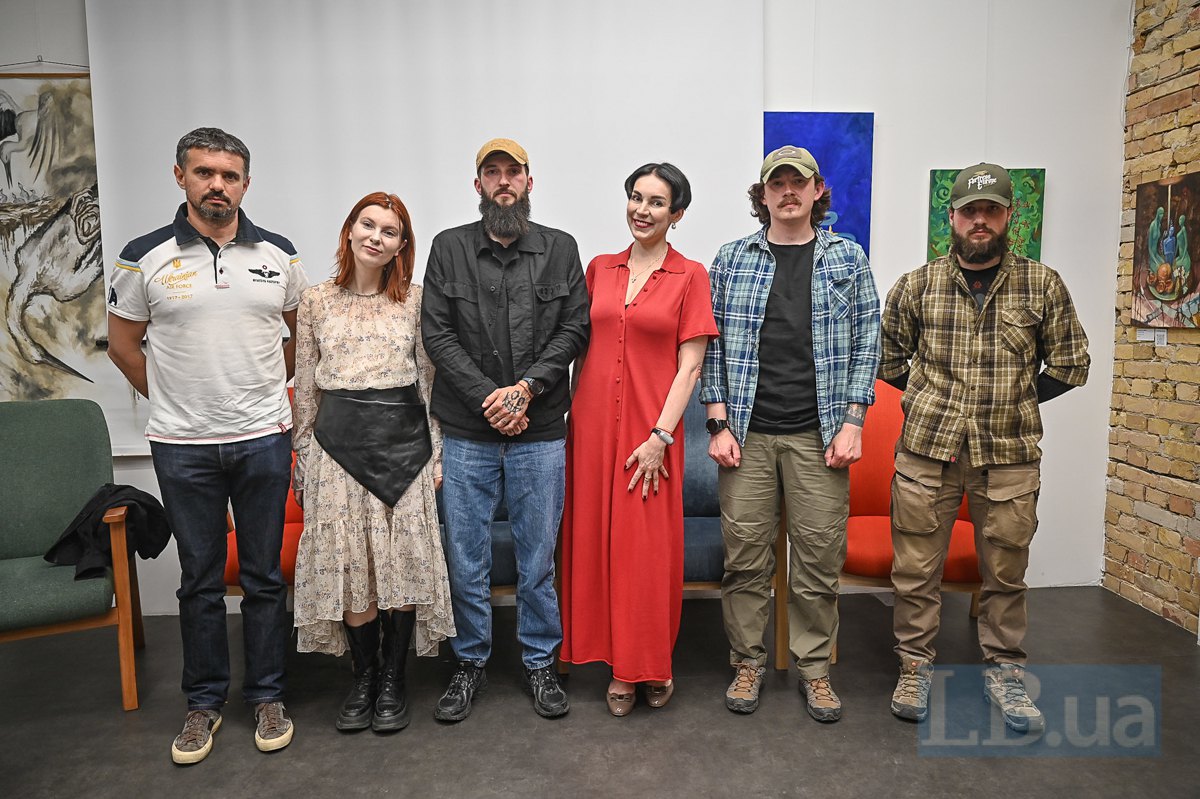
Speakers and moderator after the discussion: Ihor Liski, Rina Reznik, Kyrylo Masalitin, Sonya Koshkina, Ihor Shelepyonok, and Woody
Photo: Zoryana Stelmakh
Speakers and moderator after the discussion: Ihor Liski, Rina Reznik, Kyrylo Masalitin, Sonya Koshkina, Ihor Shelepyonok, and Woody

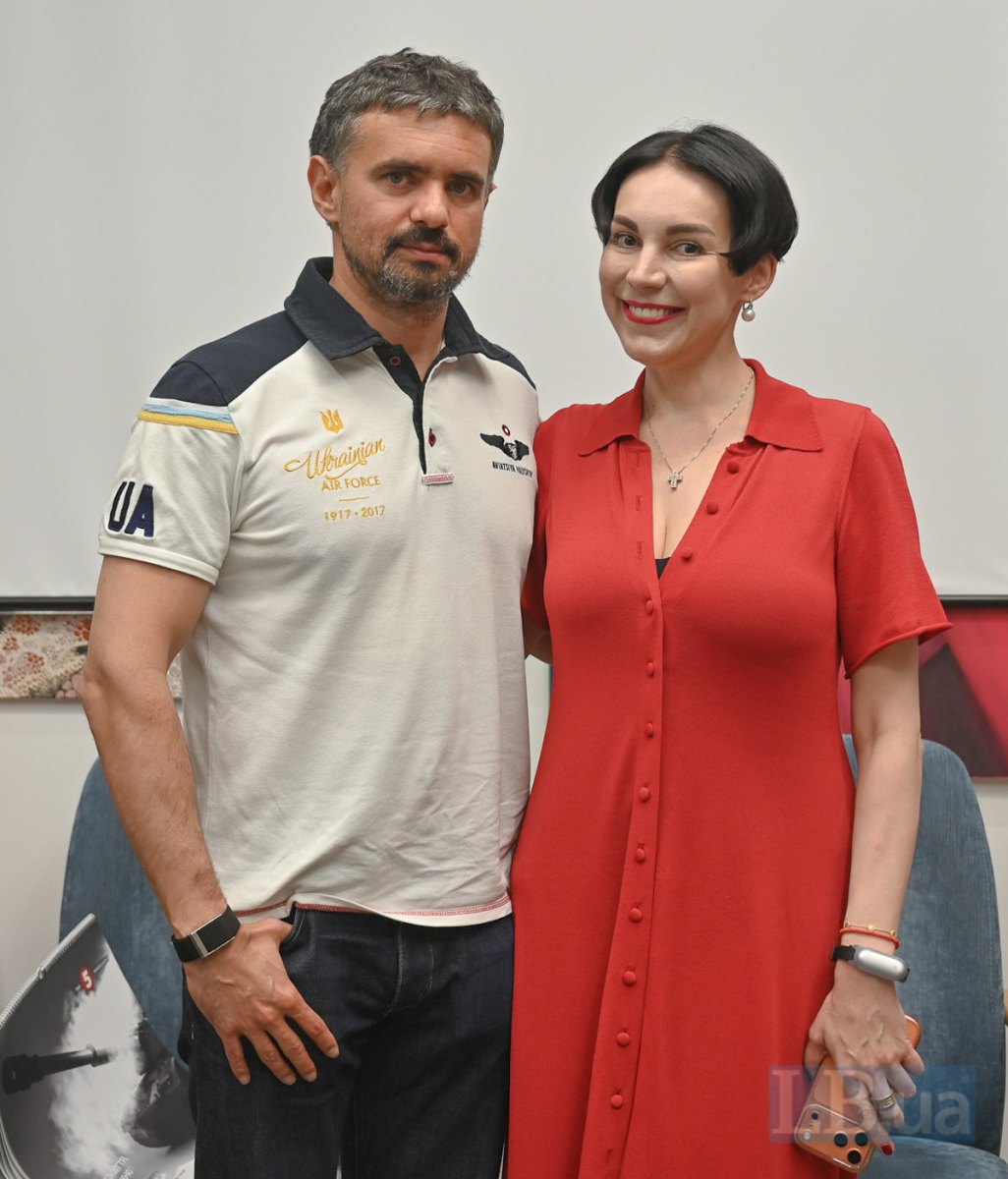
Sonya Koshkina and Ihor Liski
Photo: Zoryana Stelmakh
Sonya Koshkina and Ihor Liski