







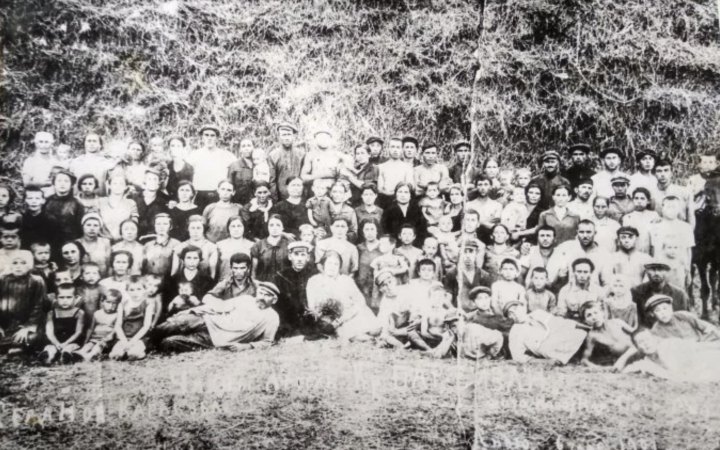
On 28 May 2026, the Berlin branch of the Pilecki Institute will hold a special event dedicated to the memory of the Greeks of the Northern Azov region who fell victim to the NKVD’s Greek Operation — a little-known episode within the broader wave of Stalinist repression directed against national minorities throughout the Soviet Union in the late 1930s. This was reported by the Pilecki Institute.
Organised in collaboration with the civil society organisation North Azov Greeks: Urumi and Rumai, the discussion will bring together Ukrainian historians: Larisa Yakubova (Institute of History of Ukraine, National Academy of Sciences of Ukraine), Anna Gedo (Borys Grinchenko Kyiv Metropolitan University) and Valery Tomazov (Institute of History of Ukraine, National Academy of Sciences of Ukraine).
They will reflect on the impact of these repressions on the Greeks of the Northern Azov region, descendants of Crimean Christians, an indigenous community of Ukraine and the third-largest ethnic group in the Donetsk Region. The discussion will be moderated by Sara Reinke.
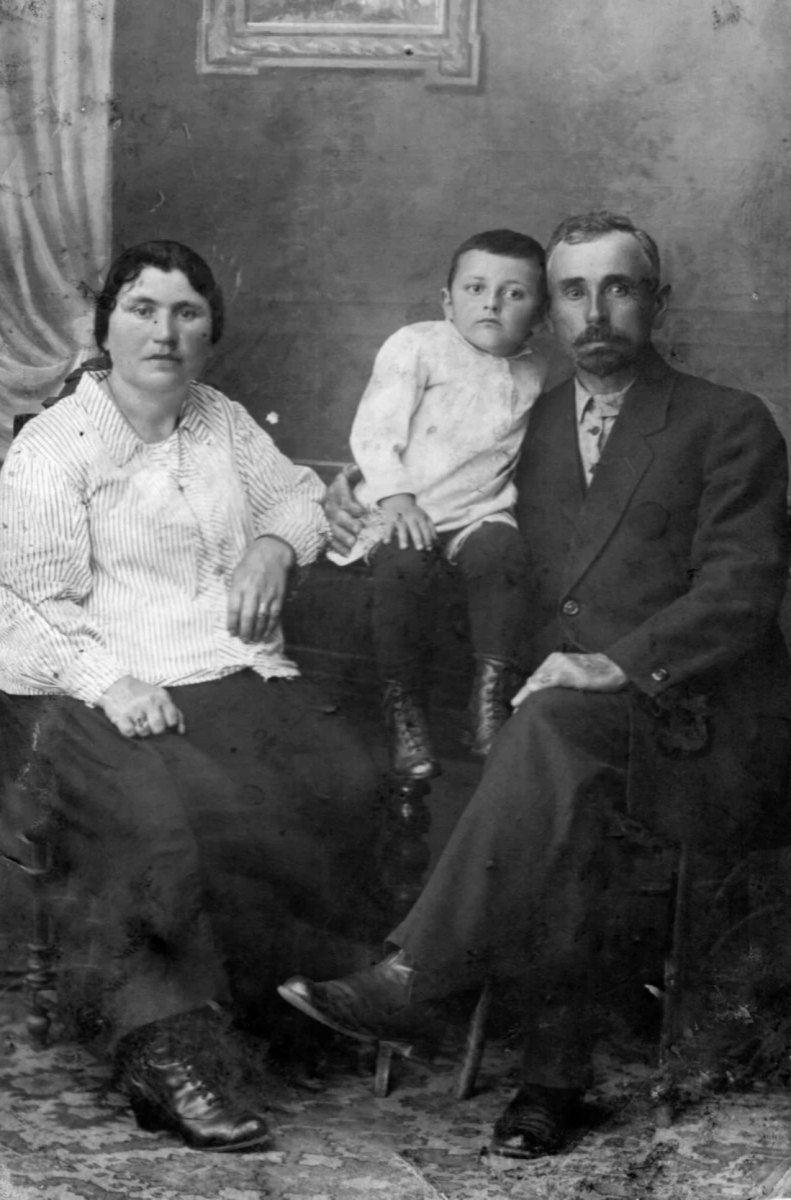
The event will also feature a small exhibition of family photographs of Greeks from the Northern Azov region dating back to the 1930s, offering a personal and visual dimension to the stories being discussed. Alongside the photographs, a series of works by Ukrainian artist Anatoliy Belov will be displayed, depicting prominent members of the Greek community in the Northern Azov region who were targeted during the NKVD’s Greek Operation.