






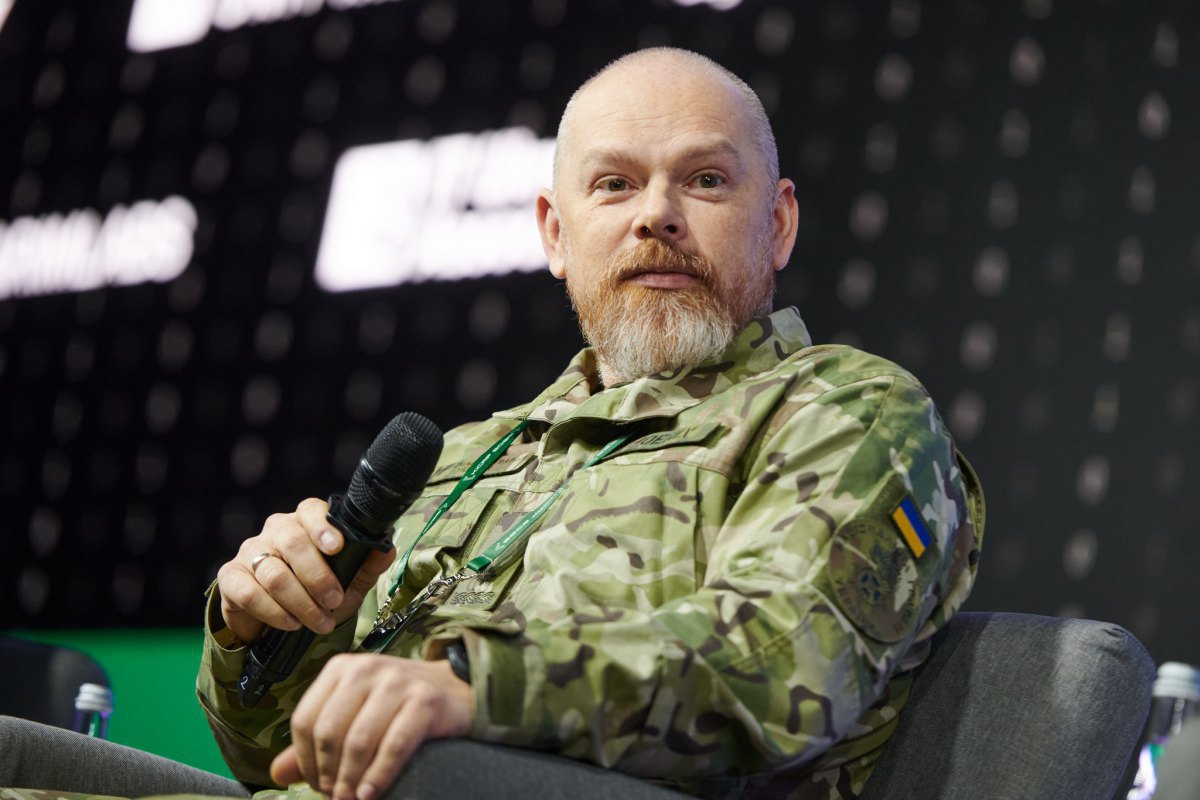
“And why did you decide you could do it?”
Just a couple of years ago, it was possible to buy a controller for $100, set up a simulator, log 40 hours on it and apply for a job claiming to be a skilled pilot. Does that still work now?
It has become somewhat more flexible: now you do not have to buy a controller; you can borrow one from a friend or go to a flight centre to try it out.
How much flying a person does depends on the individual: their abilities, opportunities, speed of movement and level of fine motor skills.
Do you get many applicants who have not even tried flying in simulators?
Of course. At interviews, they say: “We want to fly and bomb.” And when you ask whether they have ever held a controller or watched videos on YouTube — of which there are plenty now — the answer is “no”. And why did you decide you could do it? “Well, because it’s a very interesting field.”
How much has pilot training changed or developed since 2022?
Not much has changed in the training itself, because I built a system within the unit based on the principles of IT training. Before the war, I had more than 30 years of experience, ran my own company and trained people. I also underwent training constantly myself, so I understand how it should be structured: fast, high-quality and clear.
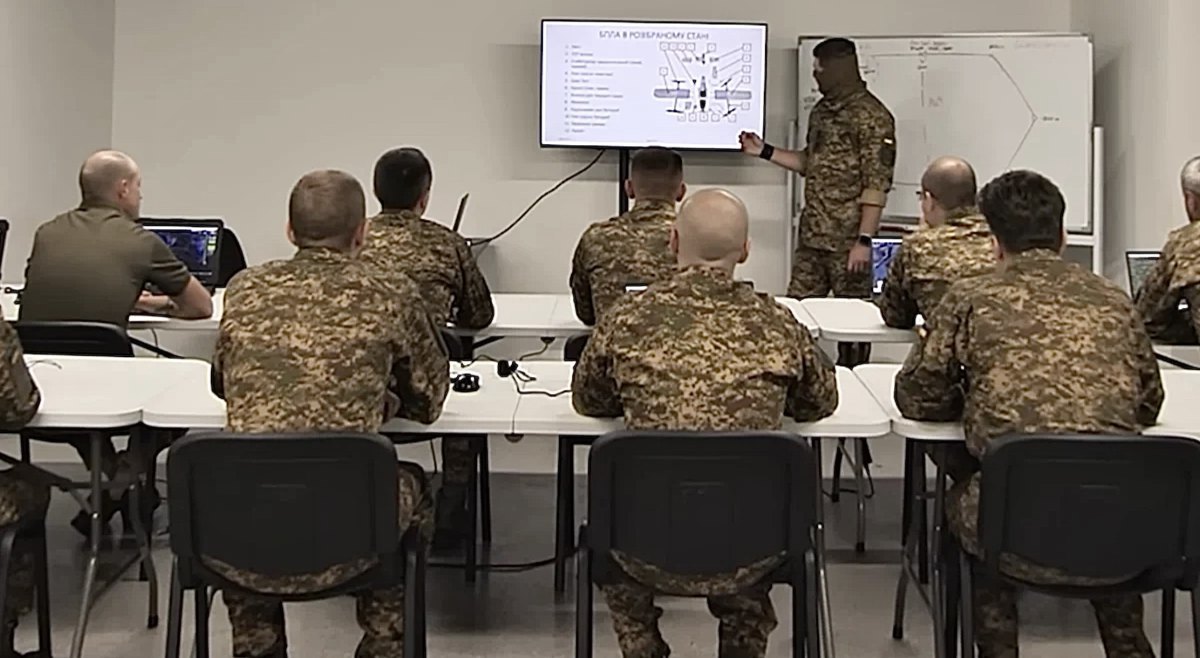
We start with theory, followed by practical exercises ranging from simple to complex. The final stage, which closely mirrors real-world conditions, involves an exam and then working in combat conditions, where trainees operate under the supervision of an experienced instructor.
The only development over the years has been in technology: new communication systems are introduced, equipment is modified, and we update the training programme accordingly. Whereas in 2022–2023 we had a single aircraft with a single communication system, we now have four or five different models with different communication systems. And explaining how the communication systems differ takes a couple of hours, as an addition to the training programme.
Do you still have to train operators so that they can train newcomers?
No, because not every good pilot can be an instructor. And secondly, combat pilots are busy with their work, which they must perform to a high standard.
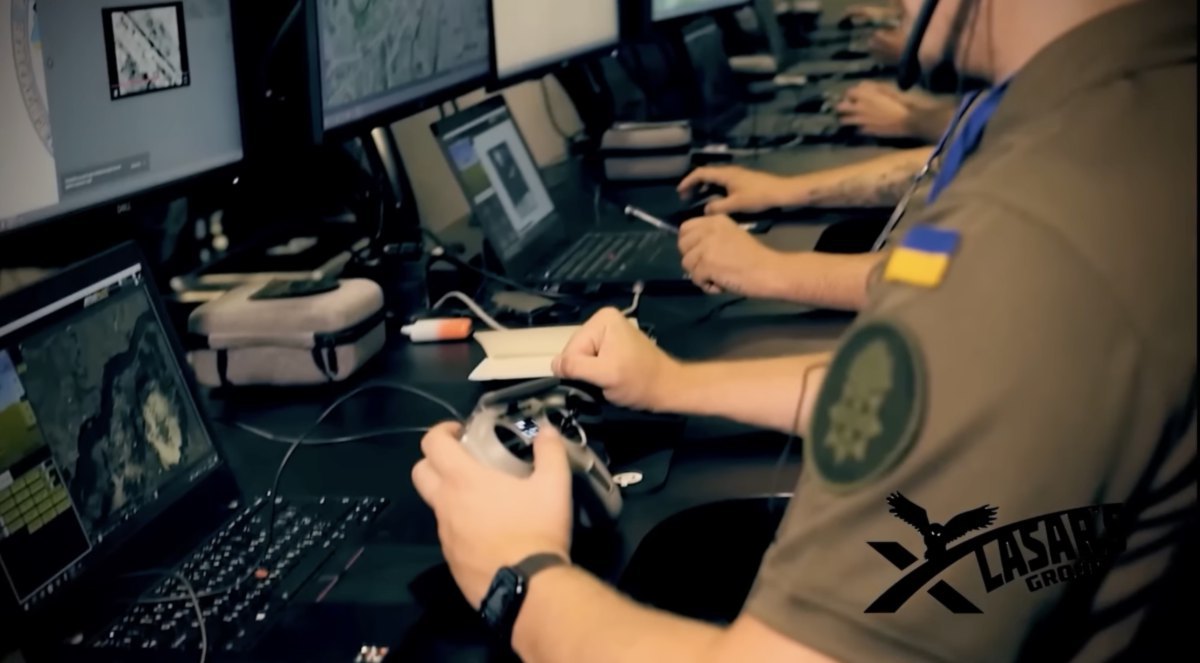
We took a slightly different approach and turned combat pilots with teaching abilities into instructors. They train a group, then go out on combat missions with them. These are instructors who are constantly on rotation: they work in Kyiv for a month, go on combat missions for two months, and return for a month to a new group.
You said that it’s easier to train a novice than an experienced pilot. What is the main pitfall for someone with experience?
Sometimes it’s someone who has been flying the same aircraft from the same point to the same destination for two years. And they think they’re the god of aviation. But if you step outside that comfort zone and give that pilot a different aircraft, it turns out they don’t know a great deal.
A true professional is distinguished by the fact that they understand how everything works; when conditions change, they know how to utilise certain aircraft capabilities and various nuances of control to perform the necessary task under those specific conditions.
So when someone comes along who is overly confident in their abilities, we spend a lot of time explaining that they are wrong and getting them to accept other people’s views. That’s why I prefer to train a motivated person from scratch.
‘Not everyone can afford high-powered aerial reconnaissance’
Do gamers really make great pilots?
Generally speaking, yes. Anyone with a hobby that requires quick decision-making will make a good pilot. Gamers are used to reacting quickly. The eyes analyse, the brain quickly sends a signal to the fingers. This applies to gamers, as well as those involved in sports and motorsport.
Aerial reconnaissance requires a slower reaction time, because it’s a slightly different job. Here you need to move smoothly and observe; it requires more analysis.
In one interview, you mentioned that people were reluctant to join aerial reconnaissance because the work isn’t as spectacular as destroying enemy equipment, and it was seen as less prestigious. Now, you say, that has changed. Why is that so?
Who is a reconnaissance officer? A soldier on the invisible front. The work is underappreciated. It’s very hard and takes a long time – you fly there for three hours, scan the area, and report targets. For some, it doesn’t feel right. And all the glory goes to those who inflict damage. And what about the aerial reconnaissance officer? Nothing. He’s just there, in the background.
But it’s important to highlight this information so that people understand: if aerial reconnaissance doesn’t provide targets, then the pilots who carry out the strikes have nowhere to fly. Weapons have a limited time in the air.
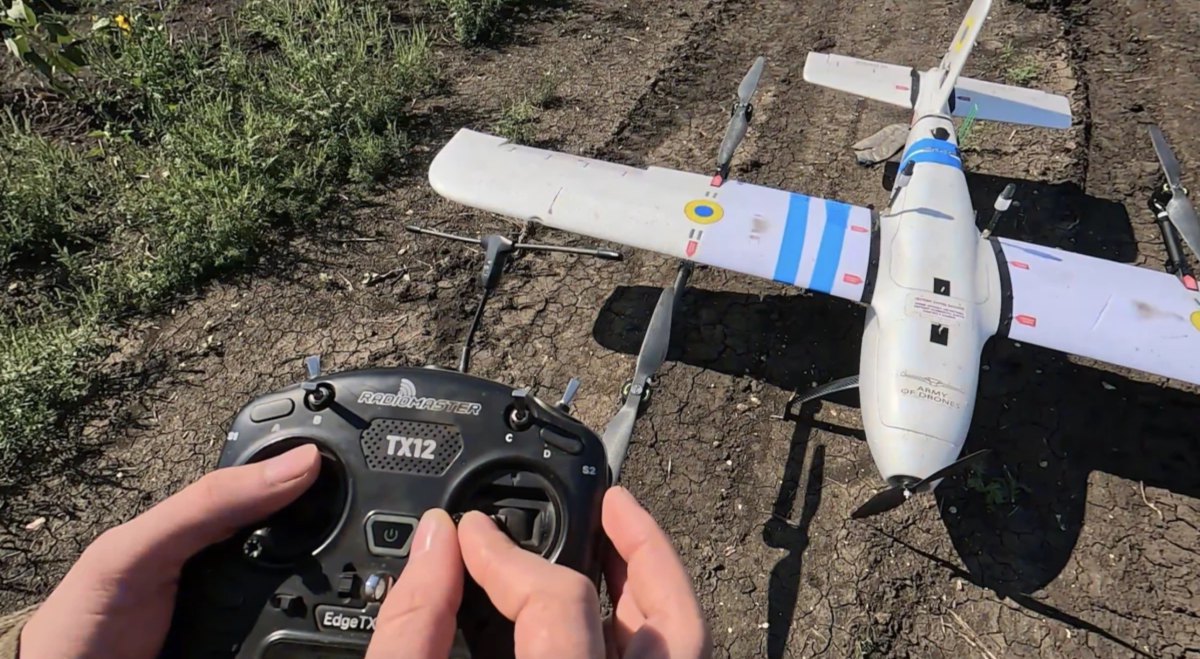
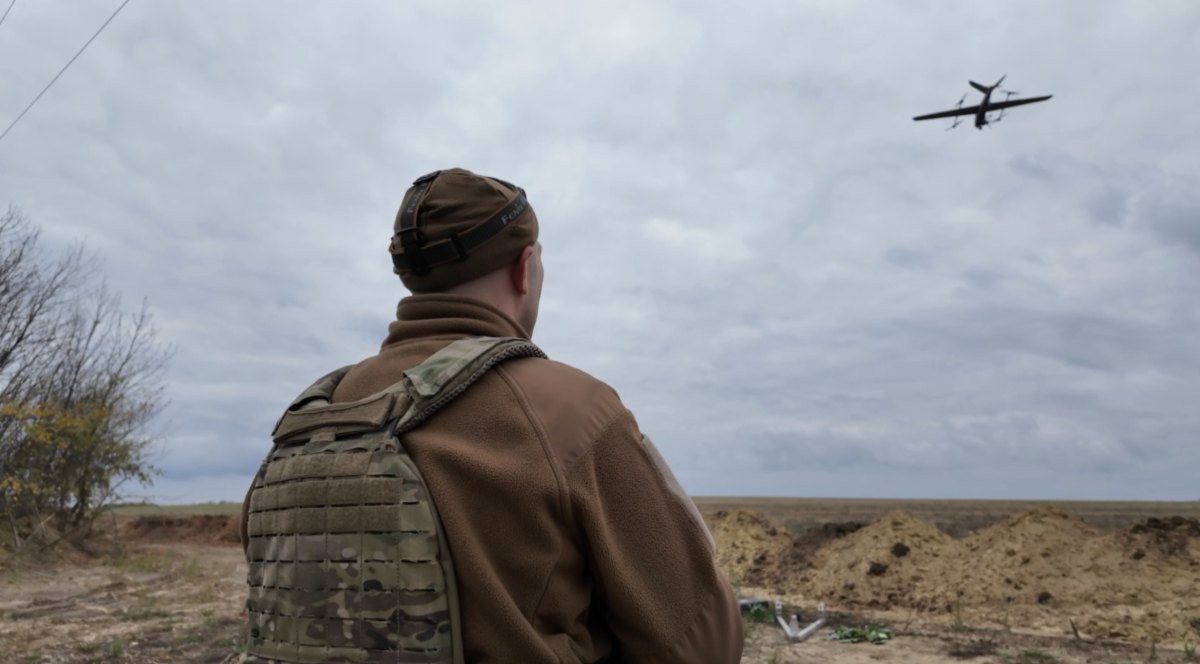
And often, pilots of strike aircraft don’t realise that their success in destroying targets depends on the quality of aerial reconnaissance. It’s a team effort. You can’t say who’s in charge here.
Points have now been introduced in the ranking system for aerial reconnaissance. And units that want to climb the rankings realise they need good, effective aerial reconnaissance.
Some units have none at all, just a handful of assets. And not everyone can maintain a robust aerial reconnaissance capability.
What indicates that its prestige is growing? Are more people taking an interest, or is there some sort of informal hierarchy within the units?
In principle, the morale among reconnaissance personnel improved when their work began to be highlighted and people started talking about how important it is. Previously, they were seen as a support unit, but now it is understood that they are on a par with those who inflict damage.
Who becomes an aerial reconnaissance officer?
People who enjoy flying for long periods join aerial reconnaissance. And that’s a very interesting thing, which is hard to explain.
I enjoy flying both bombers and reconnaissance UAVs. In an aircraft, you feel differently in space: whilst you’re flying to the target (which is sometimes 60+ km away), you survey the landscape — there’s an attack, someone’s shelling someone else, here we see a rocket launch from a multiple launch rocket system, you can pass on some useful information, for example, you’ve spotted Grad launch sites.
Then you arrive at the reconnaissance site and start searching: ah, tracks — something’s been driving here, and there’s a spot over there, let’s go a bit further to the left, at this angle. Oh, that’s the cover. Mission accomplished, target coordinates sent, everything confirmed — and you hear: ‘We’re going to blow the hell out of it now.’ And while you’re flying home for an hour, they’re already sending you a livestream or photos of the target you found getting blown to smithereens.
With FPV, everything’s more intense, faster, like a 10-minute quad bike ride — you’ve barely felt the adrenaline, bang, mission accomplished.
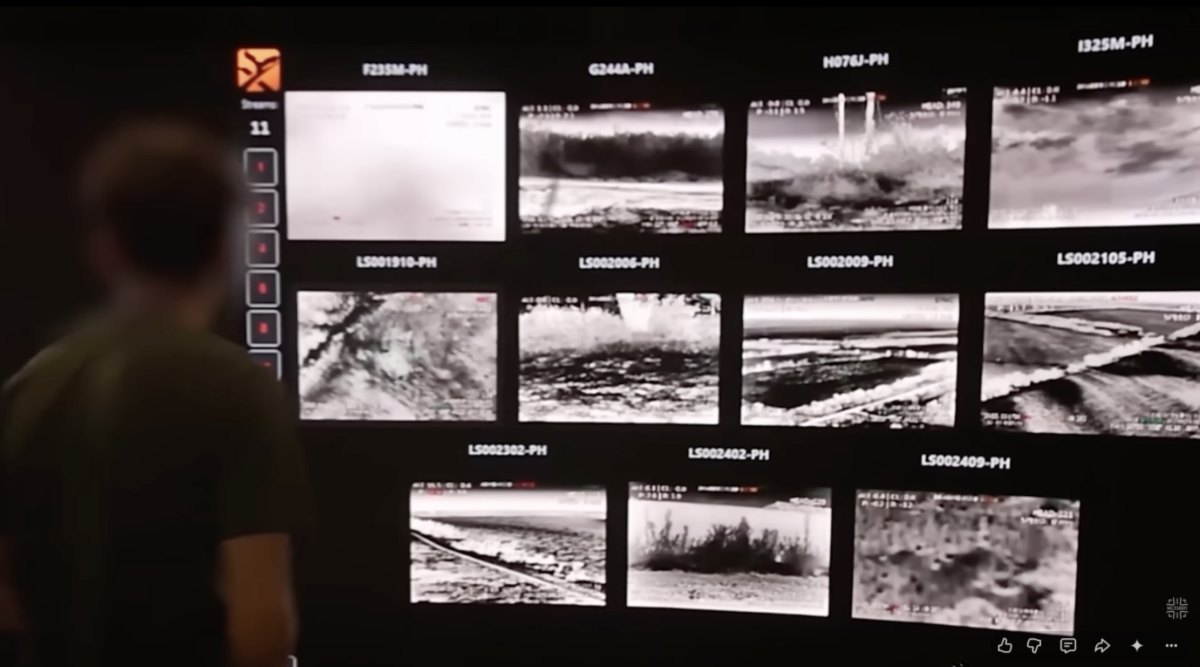
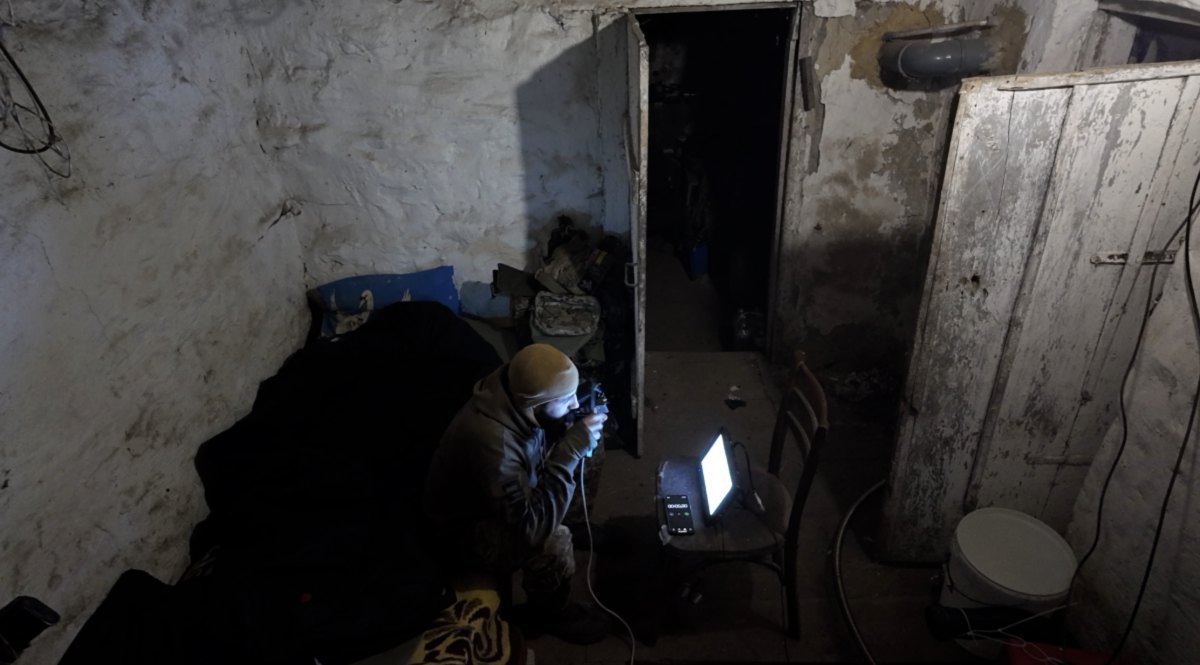
So aerial reconnaissance is a bit of a detective story as well.
Yes, these are people who prefer slower, analytical work.
‘Without cooperation and coordination, it’s all over.’
To what extent does an operator’s training depend on the type of communication system the drone uses?
Regardless of the type of training, it all takes a month. Aerodynamics, general-purpose software, Takmed, Delta, radio stations, StarLink, even how to use generators.
A person acquires, roughly speaking, ten basic skills.
How different are drones from different manufacturers in terms of learning to fly them? For example, does it take a long time to retrain from one bomber to another?
We don’t fly bombers from other manufacturers; we only have products made specifically for us.
But our pilots’ experience allows them to fly anything. A bomber pilot who has never flown an FPV drone can be controlling one within two hours. Once a person understands how it works and has certain skills, it doesn’t matter to them what they fly.
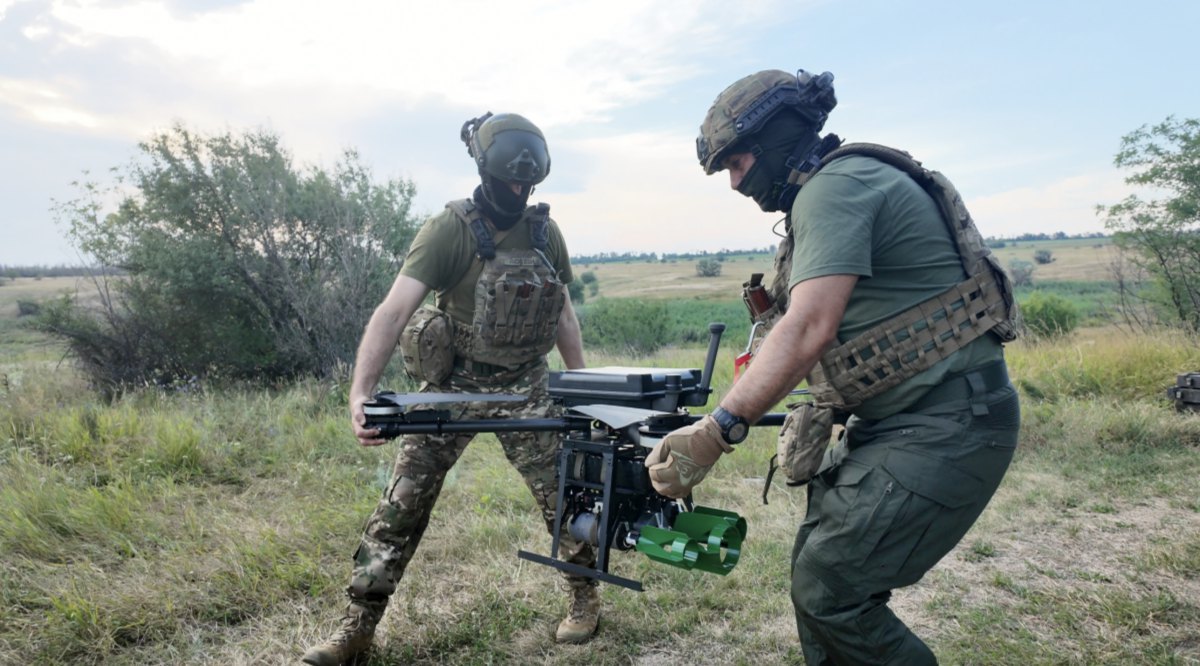
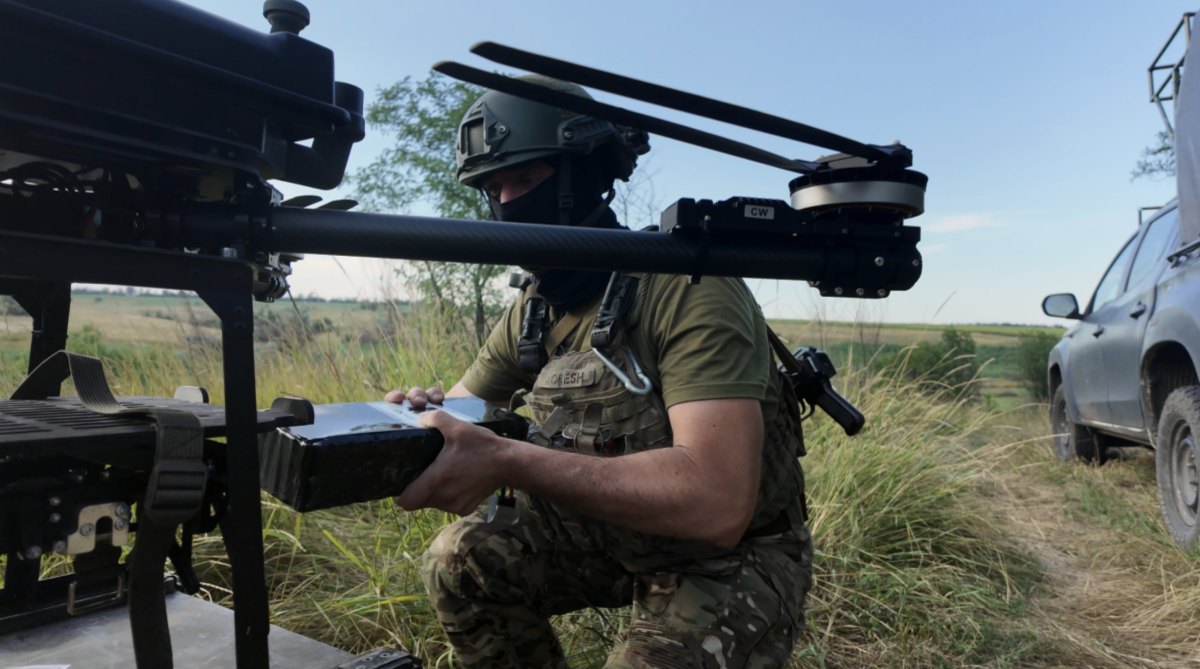
There’s been a lot of talk recently about homing technology. Do you use it, and how does it affect the pilot’s work – does it make things easier, or the opposite?
It doesn’t make things easier; it improves efficiency and reduces the likelihood of losing the drone.
We have a similar feature — it’s not homing, it’s bombers on a startlink with software developed by our programmers. And with certain auxiliary functions that, under certain conditions, help the pilot make more accurate drops. And it takes the pilot just half an hour to figure out how to use it.
We don’t have FPV with homing, because we’ve switched entirely to optics to avoid messing around with jammers and frequencies. Because it works today, doesn’t work tomorrow, and we don’t need that hassle of reconfiguring. You can hit a target with such a drone on the third or fourth attempt, whereas with a reel it’s guaranteed on the first. And as a result, it works out cheaper. Because we lose not only the drone, but also the control unit and precious time, as the target might drive off after the first few attempts to hit it.
I’ve heard the opinion that it’s easier to train a pilot on fibre-optic control than on radio control. Is that true?
I wouldn’t say so.
A fibre-optic drone has a slightly different weight and centre of gravity, as it’s a large structure with a battery, a reel and a warhead. You have to fly it differently.
And if you make a mistake, a radio-controlled drone is dirt cheap — you can get it repaired, whereas fibre-optic ones are a one-off deal. It crashes — and that’s it, the spool breaks. So you need to learn on a standard one, and then, once you’ve got your bearings, you can move on to the fibre-optic version.
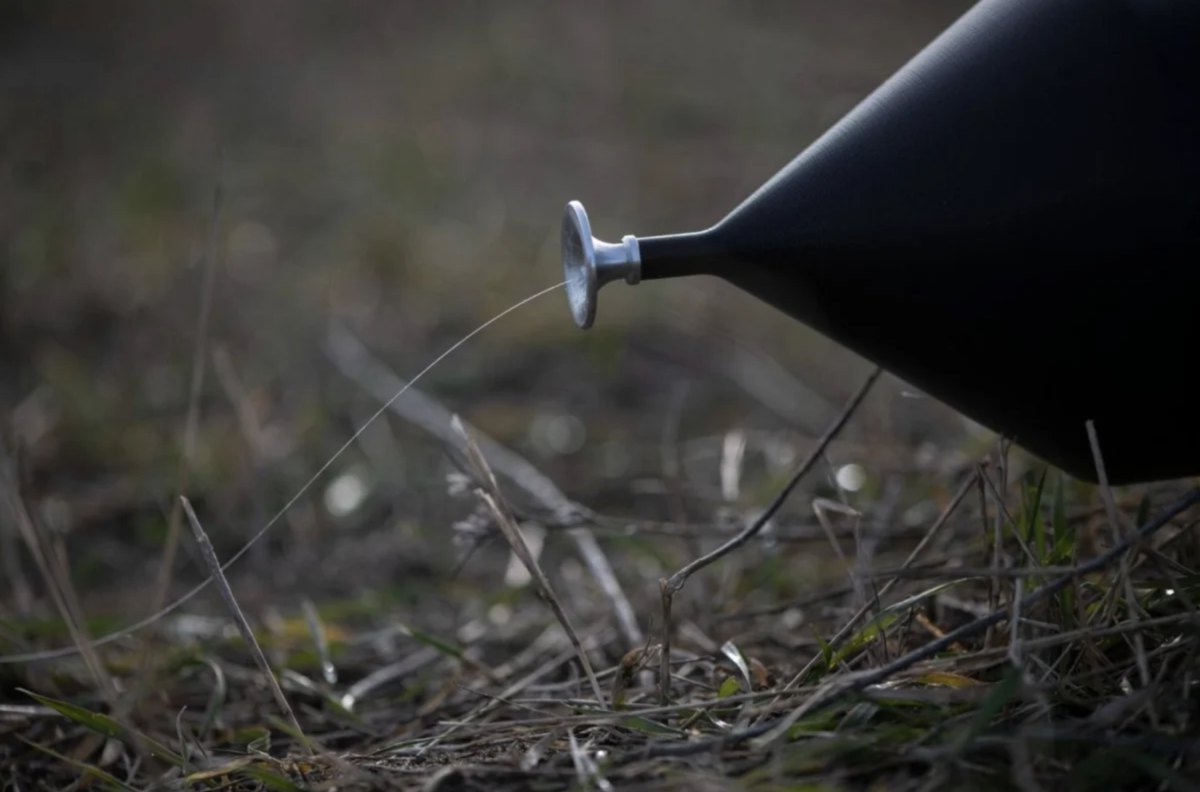
Fibre optic cable is currently expensive and in short supply.
This has happened because everyone has realised that fibre-optic drones are a brilliant idea, and everyone has started snapping them up. As a result, demand is dozens of times greater than China’s production capacity. And they’re not stupid enough to sell at low prices when demand is so high. And the Russians are actively buying it up in advance.
How might this affect the battlefield?
The price of fibre-optic equipment will rise; it will be impossible or financially unviable to purchase it, even at any price.
FPV drones using optics are mowing down enemy infantry en masse. Because at such close range, there is no heavy equipment left. This can be done by bombers.
So I think there will be a reallocation of resources, and tactics will change. Nothing particularly significant will happen. Of course, it’s bad that the Russians who have bought up this optics will have these resources.
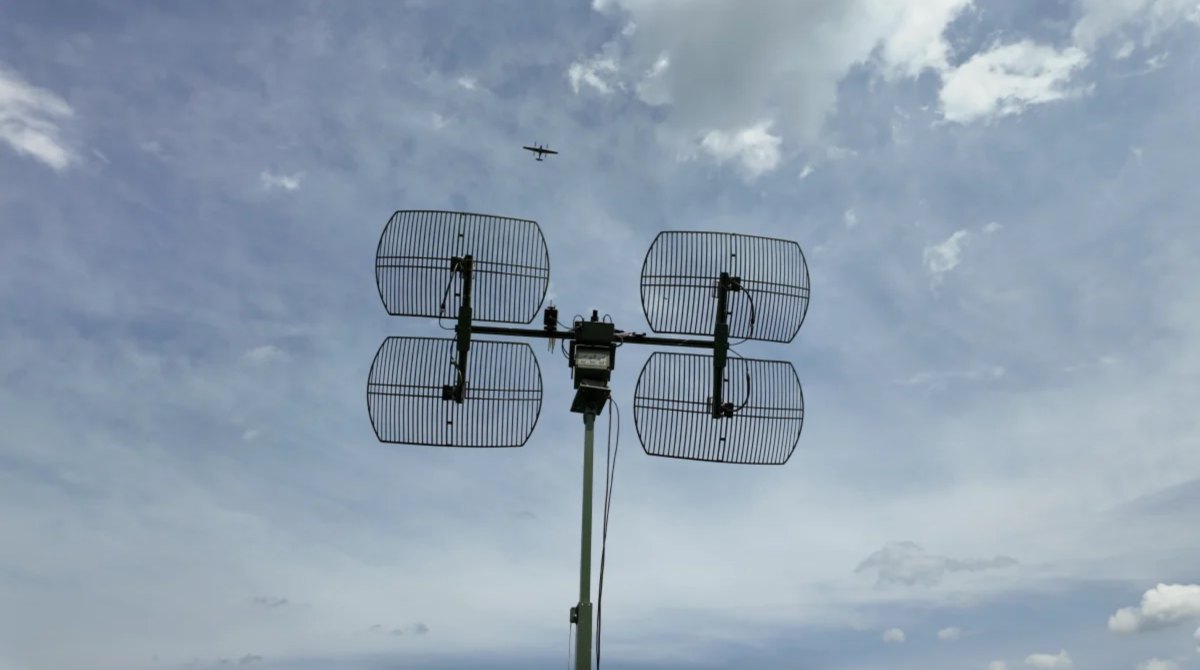
However, the Drone Army Bonus system has introduced points for destroying Russian UAV crews: in other words, it encourages the pursuit of those attempting to fly across the border. Every action has a reaction.
Similarly, we must destroy electronic warfare (EW) systems. We are actively working on this. In the March rankings, we took first place in five of the eight main categories: tanks, armoured vehicles, air defence systems, EW systems and artillery. And in the additional category of mine-laying.
Since its inception, our unit has focused on armoured vehicles, electronic warfare assets and other key targets; subsequently, we began working on fortifications and took up mine-laying.
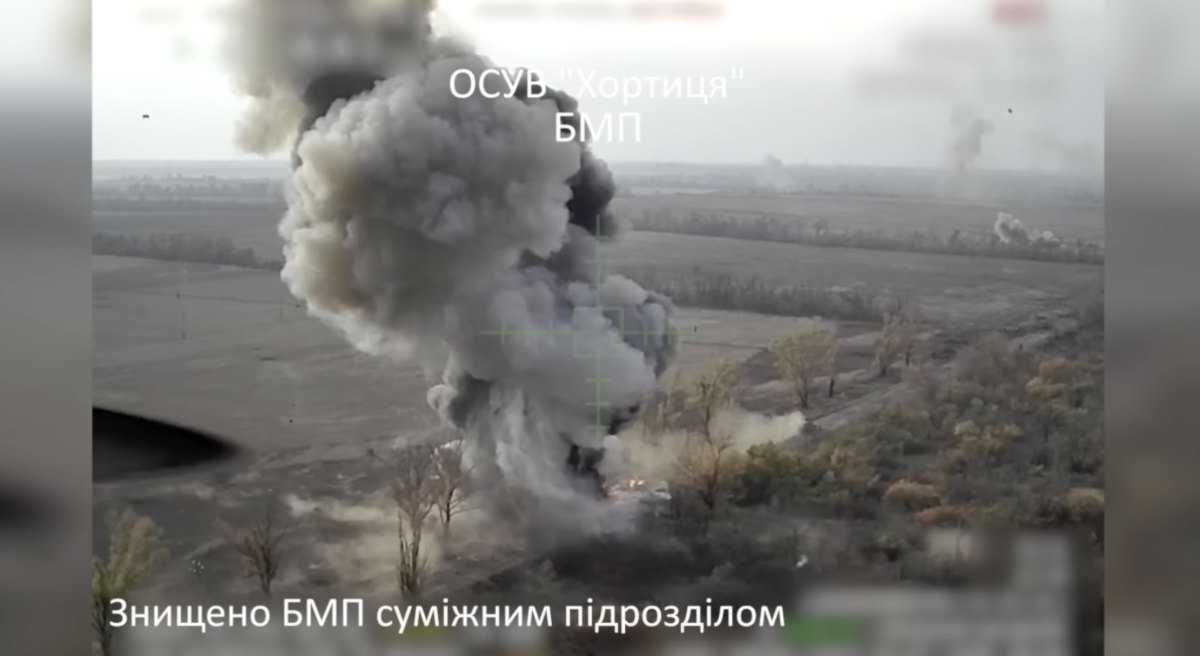
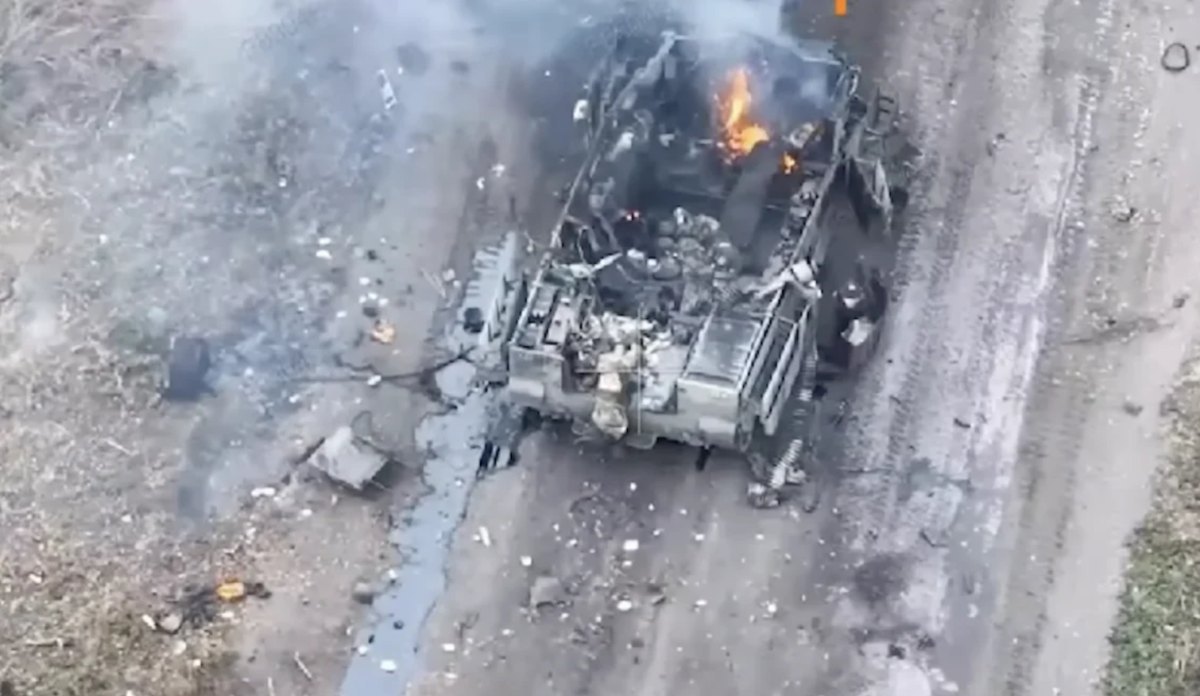
At some point, we started practising with the guns. There are pilots who specialise in guns. He can hold a cup of coffee in one hand and operate the gun with the other. It’s not certain he’ll hit a tank, but he’ll turn any gun into scrap metal (laughs).
You are called pioneers in remote control. How realistic is it that this practice will be rolled out across the entire Defence Forces? And what, exactly, are its real capabilities?
In the fifth month of 2022, our first aircraft took off remotely. We are constantly working on this and know all the nuances inside out. Then Nemesis and other bomber manufacturers joined in.
It’s a good experience; everything is working fine. At the time, this technology allowed us to take out so much enemy equipment that they had to pull back from the front line by 10–20 km or more. In fact, now the equipment doesn’t come any closer to the range at which our bombers operate.
We started at a range of 3–5 km, then 10–25. Now we fly 35 km round trip, and if there’s an interesting target, we can fly 65 km one way. There are special aircraft.
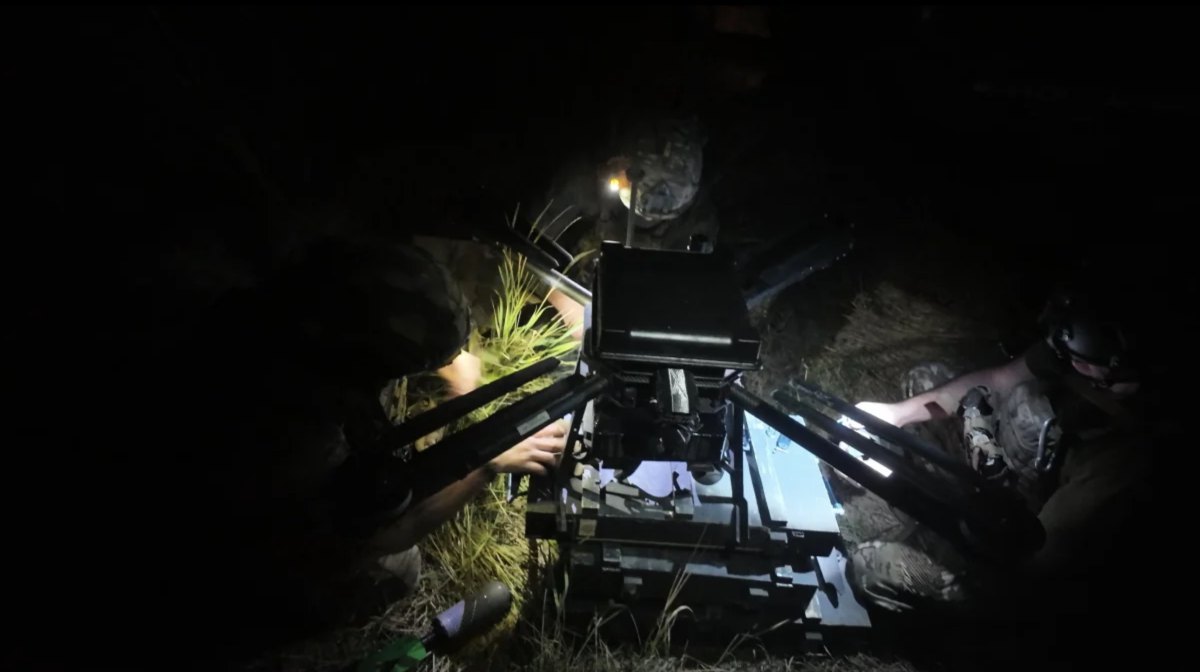
We take out S-300s and REBs like that. In a recent operation in the Zaporizhzhya sector, we neutralised air defence systems that were hindering our Air Force’s operations. As soon as we removed that obstacle, our air force immediately struck a Russian UAV command post.
Soon, the entire war will be conducted remotely; that is the future. But drones will never replace the infantry. Because it is people who hold the positions. And our task is to make their work easier.
That is why unmanned technologies and well-equipped, well-trained ground forces must work together. Because without cooperation and coordination, it’s all over.
‘Analysing the enemy also affects our own quality’
Training of Russian pilots. From what you see, is this more a matter of quantity, or is there significant quality?
They train them well. They have plenty of human and financial resources; they scale up operations and train pilots effectively, mass-producing equipment. The standard there is very high.
And they’re constantly coming up with something new; they’re not standing still either. There aren’t any fools there either.
Russia is constantly learning technologically from our units. Does this work both ways?
Of course. Both sides analyse what’s happening. If one of our Shaheds goes down, everyone takes a look at the electronics. We took it apart, studied it, drew conclusions: how to counter it and what we could take from it as a plus.
And so does Russia: if something was shot down and fell, they took it apart.
At the start of the war, Russians posted whole reviews of our bombers: what they were made of, the finer details. And in one video they say: ‘Well, they’ve skimped, the build quality isn’t great, hot glue, shoddy soldering.’ We showed this to our manufacturer; he felt ashamed and started producing better quality work. So the Russia’s analysis also affects quality.
But can this process actually be minimised at all, or can we only delay it?
Inflict more losses so they lose interest in doing it. How can we prevent this? We can’t. It’s a large country with plenty of people and resources. Ban them from inspecting our drones?
We can evade detection. We mustn’t lose our drones. Our drones have a self-destruct mechanism if they’re shot down.
Here, manufacturers also need to think about what to do to ensure their drones don’t fall into Russia’s hands.
“Some people are intimidated, and some aren’t — and it doesn’t depend on age”
Six months ago, Lasar’s Group fully went public after nearly four years of operation (the unit first came to light in January 2025, when the first E-score ranking was published). What has changed for you over these six months?
We’ve started sharing our experience, drawing attention to the fact that the UAV sector needs to be developed properly and the equipment must be of high quality.
In just six months, the unit has already gained recognition; people are asking questions and taking an interest in the special operations we carry out. The military are reaching out for advice.
We’re making this field more understandable to people and showing that the army isn’t so scary.
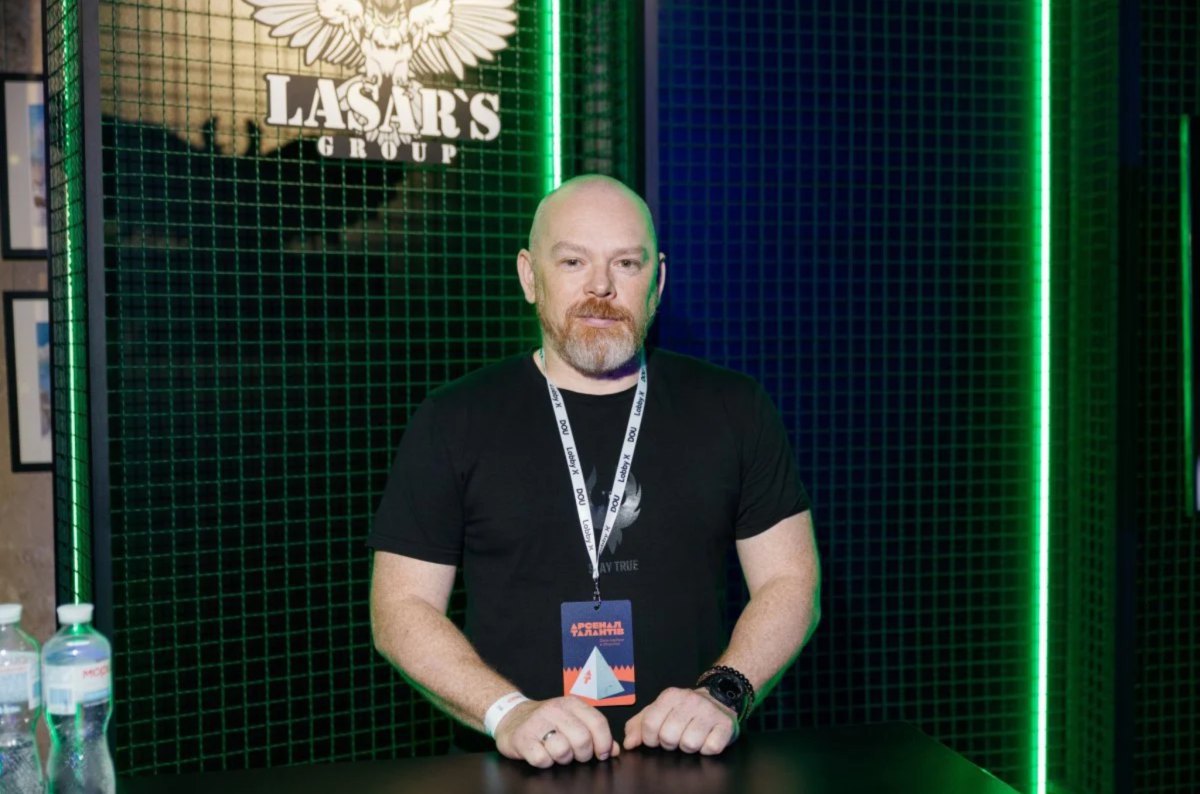
What is the average age of the recruits who come to you?
Between 20 and 30, give or take.
I’ve heard the opinion that, in terms of media coverage, we should be recruiting more people under 25 who aren’t put off by the prospect of mobilisation. What do you think?
It doesn’t depend on age. Some people are intimidated, and some aren’t. It depends on a person’s environment. There are people who fly better at 35 than 20-year-olds. And there are 20-year-olds who are like pensioners — you have to stand over them and constantly correct them.
What would you change about pilot training in the Defence Forces based on what you see now?
It needs to be built on real skills, not detached from reality, and integrated as much as possible into combat operations. Maximum practical training — to convey as clearly as possible how to behave on the battlefield to protect oneself, and to understand as fully as possible the technology they work with in their profession. And sufficient resources, in adequate quantities. There must be enough drones so that people can train sufficiently and not be afraid of crashing them.