





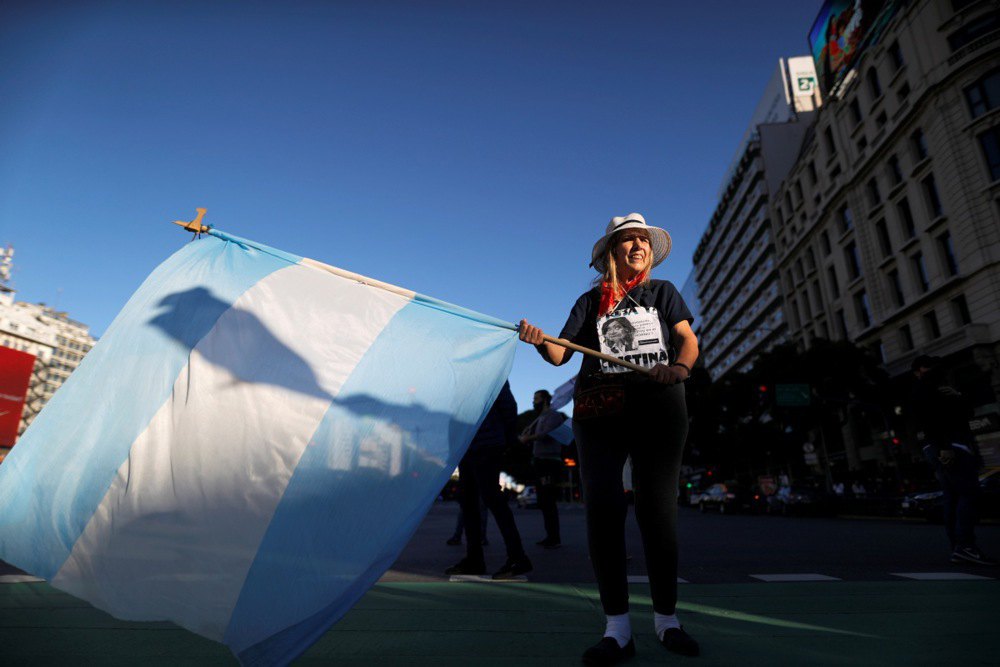
Colonial past
Until the 16th century, various Indigenous peoples lived in what is now Argentina, the study explains. In the 16th century, the Spanish arrived and began a colonial policy. Despite this, Indigenous communities still managed to preserve their own traditions, customs, languages and beliefs. As a result, Indigenous and European cultures became intertwined.
The 19th and 20th centuries were a period of mass immigration for Argentina. People arrived from Italy, Spain, Germany, Poland, Ukraine, the Middle East and other regions—each of these cultures left its mark.
However, the issue of colonialism in Argentina is less politicised than in other Latin American countries, the study notes. Spain is seen (though not by everyone) more as a key international partner than as a former conqueror.
At the same time, as in other countries in the region, there are anti-American sentiments here (though not particularly acute), the study points out.
Each region is a culture of its own
The uniqueness of Argentine culture lies in its diversity, the study emphasised. Argentina is a large federal state, where each region preserves and develops its own traditions and customs.
Provinces in the northwest lean toward Indigenous cultures. Northern Argentina has absorbed Brazil’s “festive” Latin American atmosphere. Meanwhile, the culture of the South was shaped by the Mapuche and the gauchos—Argentina’s nomadic cattle herders.
In contrast to these provinces, the Buenos Aires metropolitan area was a trading port and a hub for migrants. That is why historical European influences and local traditions came together here, the study notes.
Portrait
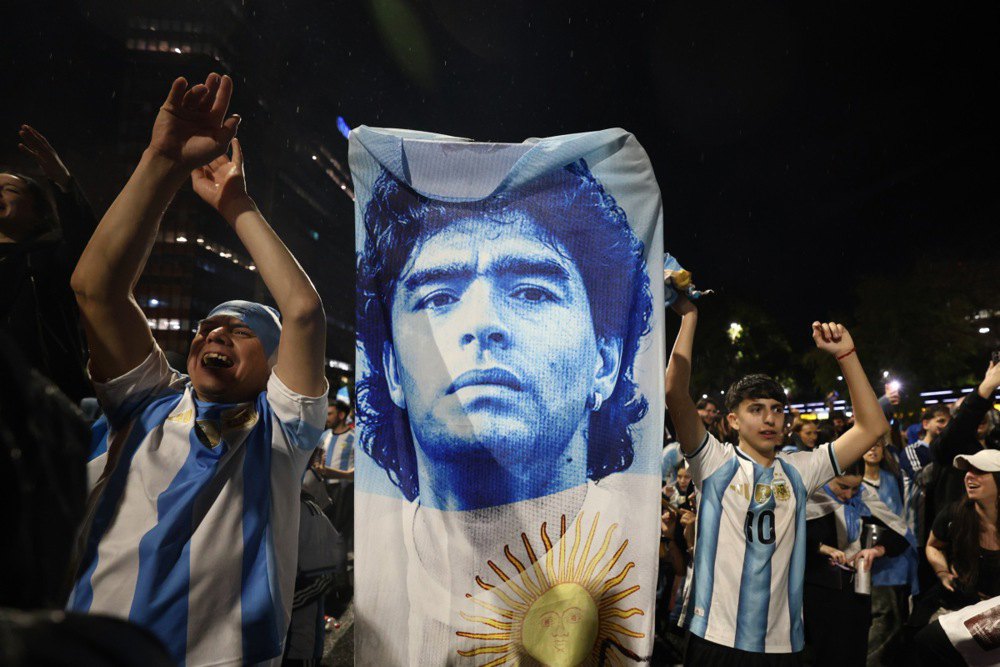
Despite such cultural diversity, Argentines are characterised by a strong sense of unity, according to the study. This refers to close relationships with friends and family, the tradition of sharing mate tea (a tonic drink made from the dried twigs and leaves of yerba mate), and preparing asado (Argentina’s traditional grilled meat dish). At the same time, they are hospitable and open to newcomers and to change in general.
A particular passion for Argentines is football, as Argentina’s national team is among the strongest in the world. According to the data cited, 90% of the country’s population considers itself fans of one of the football clubs.
Collective traumas
Key historical traumas still shape public consciousness, the study notes.
The oldest of them is the Conquest of the Desert (1878–1885). At that time, the Argentine government seized the territories of Patagonia and the Pampas (South American plains that include Argentine provinces where Indigenous peoples lived). The consequences of this military campaign included mass deportations and the loss of land and identity for Indigenous communities.
The next trauma is Peronism—an ideology and movement combining social populism and economic nationalism, with an emphasis on the rights of the working class. It was founded by Argentine President Juan Domingo Perón in the 1940s, and by 2019 his followers had governed the country for a combined total of 42 years. To this day, the movement divides society: some see it as social support and nationalism, while others associate it with authoritarianism, economic crises and populism.
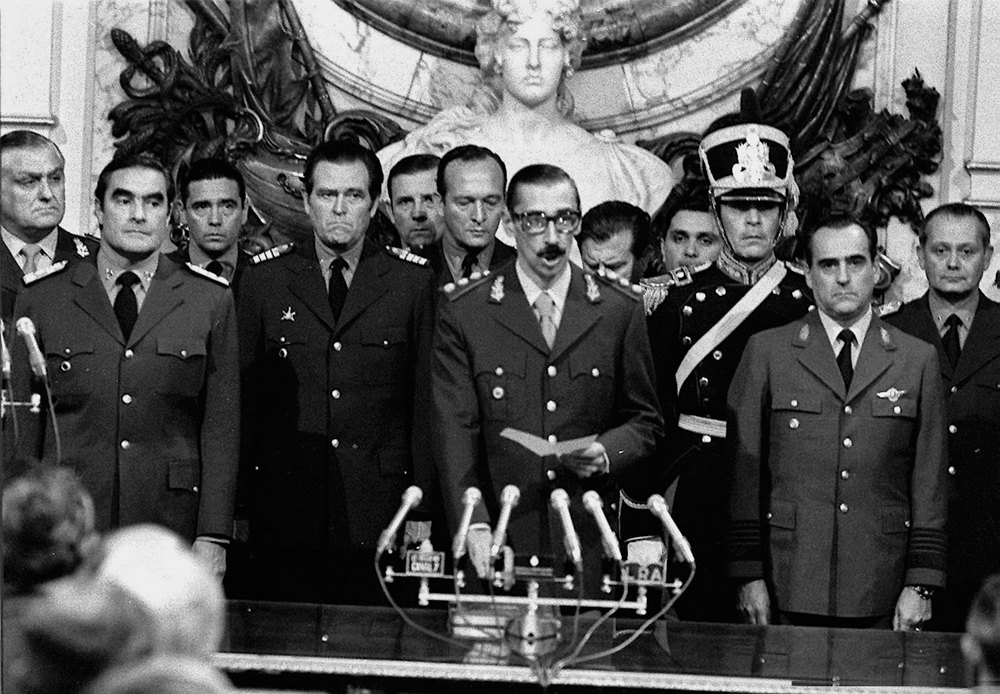
The most painful topic for Argentines is the military dictatorship of 1976–1983 (also known as the Process of National Reorganisation), the study writes. This period began as a result of a military coup led by officer Jorge Videla—when the junta ousted President Isabel Martínez, the widow of the already mentioned Juan Domingo Perón. Over the following years, the country was marked by state terrorism, kidnappings, torture, the suppression of dissent and illegal adoptions of children, the study emphasizes. These events were later repeatedly reflected in Argentine cinema.
Another historical trauma is the 1982 war over the Malvinas (Falkland) Islands between Argentina and the United Kingdom (war was not formally declared). The junta tried to rally the nation through an external conflict, the study explains. However, Britain won, and Argentina lost 649 people.
Today, referring to the islands as the “Falklands” in an international context is unacceptable for Argentina (as the state recognised the name “Malvinas Islands”), the study stresses. At the same time, Argentines are rethinking the war—from a narrative of heroism to one of the military leadership’s irresponsibility for sending inexperienced soldiers into an unequal fight.
Russia’s presence in Argentina
In the past, Soviet culture was strongly present in Argentine film and literature, idealising the image of the USSR, the study claims.
Today, Russia exerts influence in Argentina through structures such as Rossotrudnichestvo and the Russkiy Mir Foundation. The Russian House in Buenos Aires holds exhibitions, film screenings and festivals to promote Russian culture and narratives, including the glorification of the USSR and the justification of Russia’s aggressive actions.
Russia also does this through educational programs. In particular, it creates networks of graduates of Russian universities who help spread pro-Russian narratives. And among locals, the Russian Federation engages public opinion leaders, students and the diaspora.
Perceptions of Russia’s full-scale invasion of Ukraine
Ukraine was little known in Argentina before 2022, the study says. However, after Russia’s full-scale invasion, Ukraine became an integral part of Argentina’s political discourse.
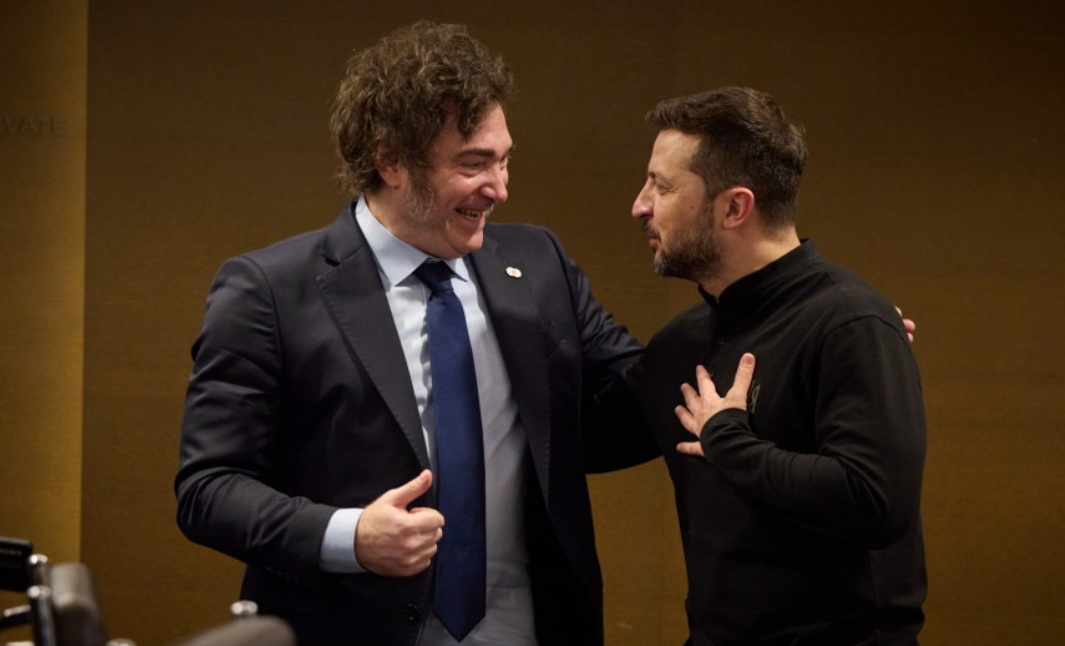
Argentina condemned the Russian invasion and provided humanitarian assistance to Ukraine. The current President of Argentina, Javier Milei, who has been in office since 2023, also holds a pro-Ukrainian position. At the societal level, Argentines largely clearly distinguish Russia as the aggressor and Ukraine as the victim of the attack.
However, there are also pro-Russian sentiments among certain left-wing groups. They view the Russian-Ukrainian war as a confrontation between the United States and Russia (with the Russian Federation opposing Western imperialism). Still, even among them, Russia’s invasion caused a certain dissonance, the study notes.
The (non-)presence of Ukrainian culture
Today, Argentines understand that Ukrainian and Russian cultures are different, respondents comment. At the same time, in-depth knowledge about Ukraine remains limited. The problem lies, among other things, in the lack of sources of information: even Ukrainian books are hard to find in Argentina, one respondent admits.
Other obstacles include Argentines’ gravitation toward the cultures of Western Europe, the United States and Asia, which overshadow Eastern European culture. At the same time, interest in contemporary Ukrainian cinema is growing in Argentina. To some extent, its presence at international festivals has contributed to this.
Ukrainian culture is spread through music, traditional dances, festivals and religious practices. The Ukrainian diaspora actively contributes to this. In particular, thanks to its efforts, some Ukrainian books have been translated, and Ukrainian radio programs in Spanish are being broadcast. Some initiatives are organised by the diaspora in cooperation with the Embassy of Ukraine.
However, this activity faces barriers: there is no stable funding, no state program and no dedicated cultural support center. Instead, cultural exchange depends heavily on personal contacts and on the ability of local Ukrainian initiatives to secure funding, the study notes.
What should be done?
For cultural diplomacy, Ukraine should develop a strategy involving the Embassy of Ukraine, institutions and the diaspora, and open a Ukrainian Institute office in Buenos Aires, the study recommends.
Ukraine should be presented as a modern European state with democratic values, contemporary art, cinema and performing practices. However, this should be done without setting it in opposition to Russian culture—in order to avoid an ambiguous reaction from Argentines, the study cautions.
It is also possible to pursue a cultural-and-sports dialogue through football. This includes sporting events, tournaments, master classes and involving well-known Ukrainian footballers.
As part of cultural initiatives, it would be appropriate to involve Ukrainian artists and authors; regularly translate and publish Ukrainian literature in Spanish; hold Ukrainian culture days and joint festivals with Argentines, the study suggests.
As for art forms, one can build on music, dance and visual projects.
On the Argentina-sensitive issue of the Malvinas (Falkland) Islands, Ukraine should, among other things, refer to international law and UN resolutions and recognise the importance of decolonisation, provided it does not contradict the territorial integrity of states, the study notes.
Other recommendations include strengthening Ukraine’s presence in academic, digital and regional spaces.