





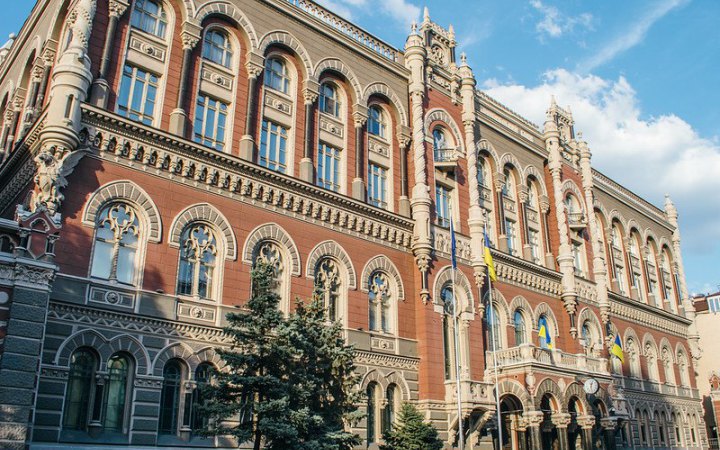
According to the State Statistics Service, in July inflation in Ukraine accelerated to 7.7% year on year, while prices rose by 0.3% over the month.
This was reported on the National Bank of Ukraine’s website.
The actual figures came in slightly above the NBU’s forecast due to a shift in seasonality in the supply of raw food products and an increase in administered tariffs. At the same time, core inflation remained at the previous month’s level, at 8.1%.
The NBU noted that vegetables typically used for borscht became more expensive because harvest dates shifted: last year, supplies of garden produce peaked in July, while this year they came in June. Meanwhile, prices for meat, eggs, apples and other fruits declined, and the rise in the cost of tomatoes and grains slowed.
Price growth for non-food goods picked up slightly to 0.8% year on year due to the pass-through of the earlier weakening of the hryvnia to imports. In services, prices for restaurants, hotels and healthcare rose more slowly, but rents, taxi services and transportation became more expensive due to high fuel and construction costs.
Growth in administratively regulated prices accelerated to 11.8% due to higher tariffs for water supply, wastewater services and public transport fares in many cities, as well as more expensive logistics for alcohol and tobacco. Fuel price growth slowed to 28.0% thanks to stability in the first half of the month, although toward the end of July gasoline and diesel began rising again due to a jump in global oil prices.
The National Bank expects inflation to continue rising in the coming months — to around 10% by the end of 2026.
The main sources of pressure will remain high budget spending, rising labor costs, the impact of higher energy prices, and increases in utility tariffs. Inflation is expected to ease to 6.9% in 2027, with a return to the 5% target in 2028.