






Denys and Boroda
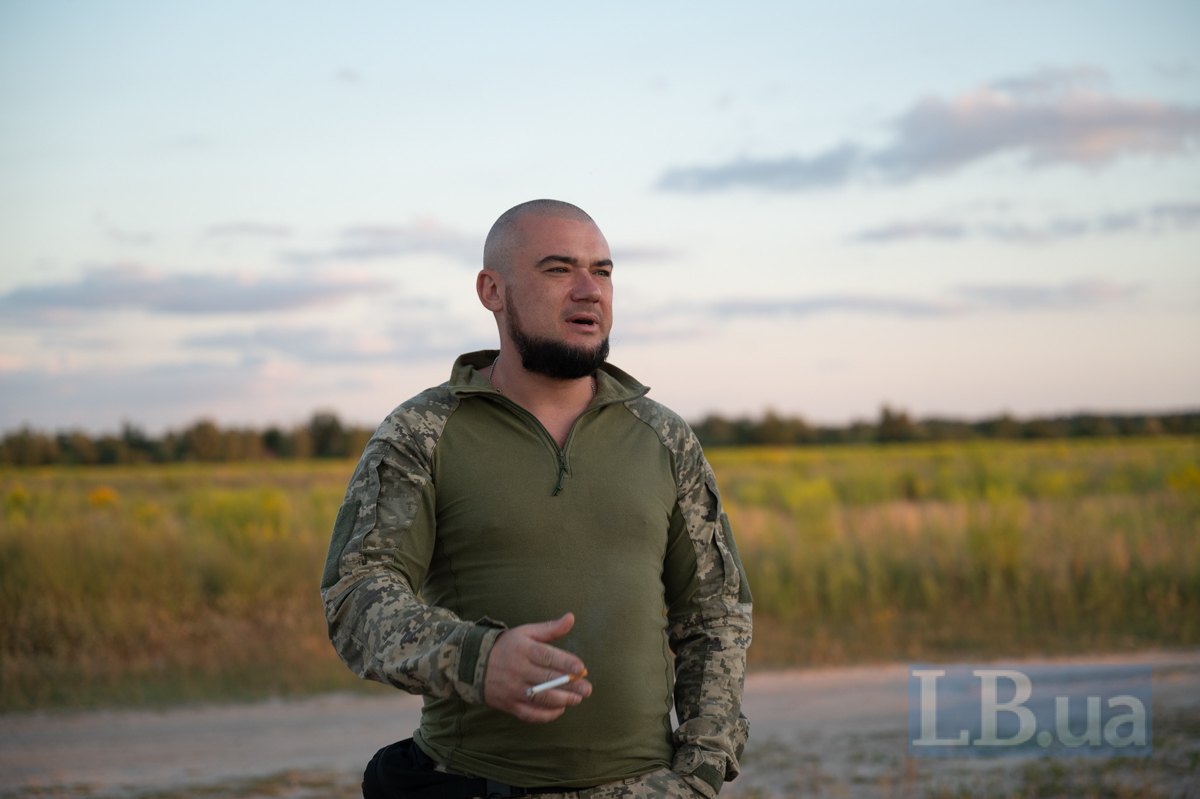
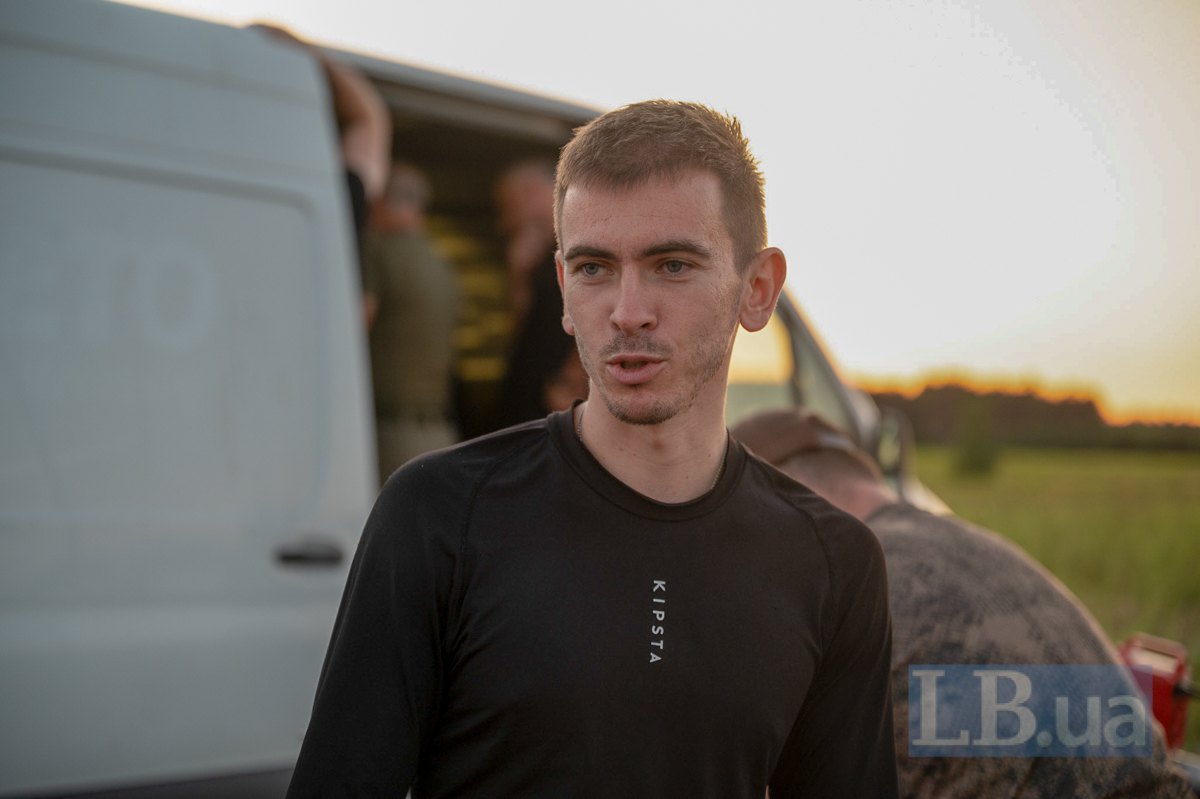
At the site, we are met by Boroda, the senior instructor on duty that day. He has been training crews at Dignitas for two years. Before that, he served with the Hospitallers and a volunteer territorial defence unit, and completed training at the Boryviter Military School and Victory Drones.
“I first suggested to the Hospitallers back in 2023 that we should start doing something with drones. But the idea went nowhere, so I started moving forward on my own. Training was not easy. And as an experienced instructor, I can say that age brings some serious limitations,” Boroda says.
He works alongside Denys, who also comes from a volunteer territorial defence unit. These units are formed by local communities: they consist of local residents who volunteer to defend their own town or village and operate in coordination with the Territorial Defence Forces. For the most part, members keep their civilian jobs and train and take shifts in their spare time. Over the past two years, bringing down Shahed drones over their own areas has become the main task for many such units. This is also where many interceptor-drone pilots come from.
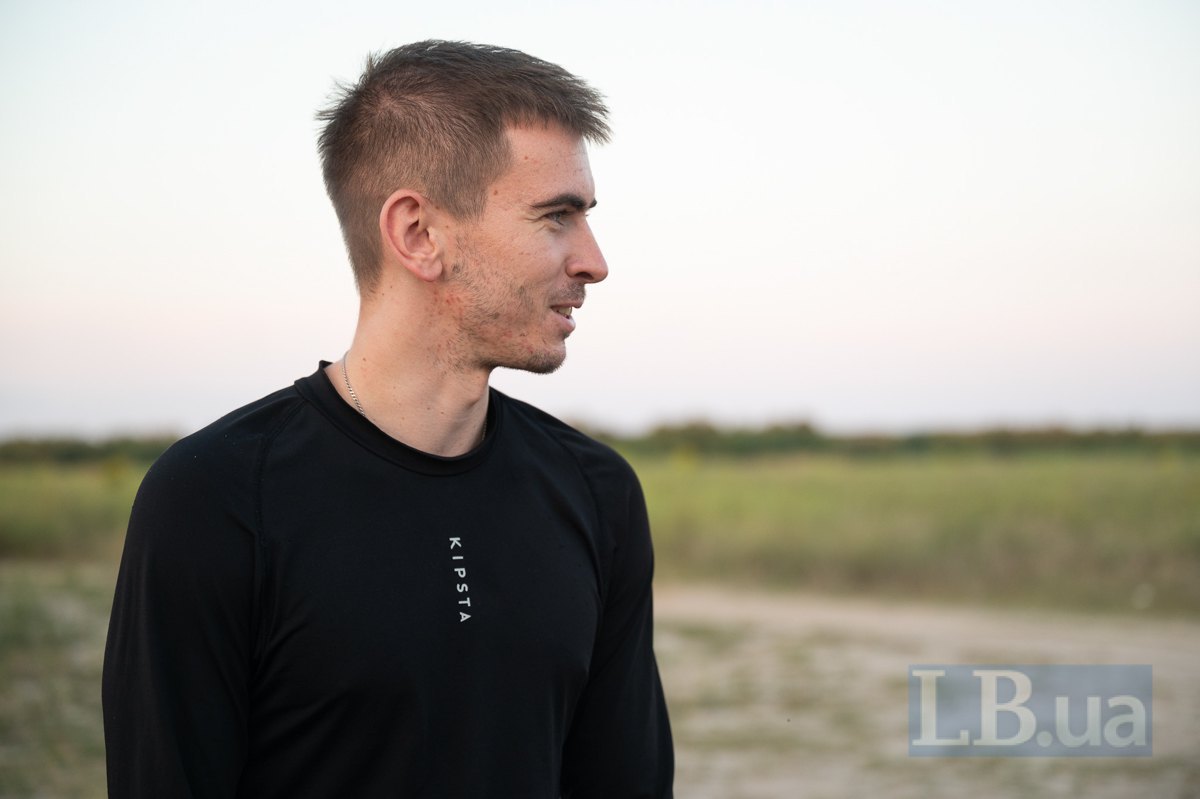
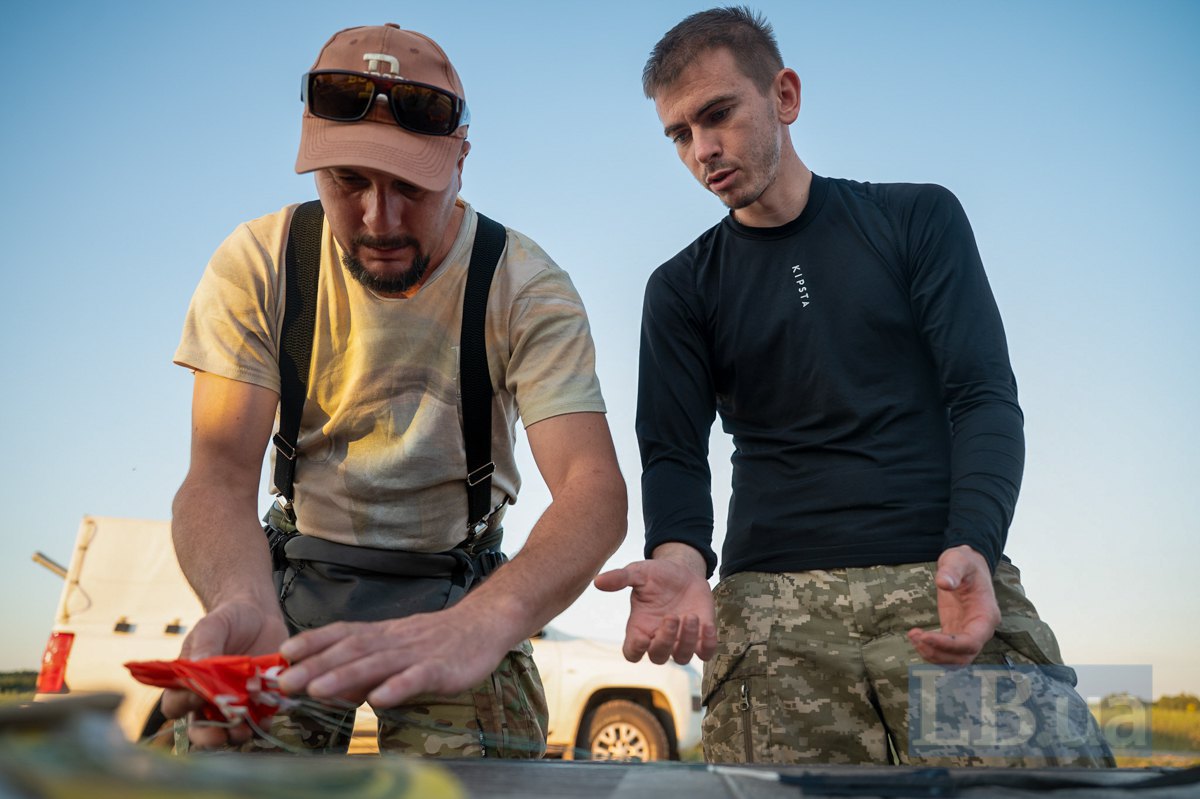
“I was a machine gunner in a mobile fire team. Standing there with a machine gun is all well and good, of course, but there were very few drones flying through my sector. So I realised I needed to move on. I taught myself to fly FPV drones and spent quite a lot of time flying them. Then I moved on to interceptors. But in any case, you need a solid FPV foundation first. I also wanted to understand the drones themselves and how everything works,” Denys explains.
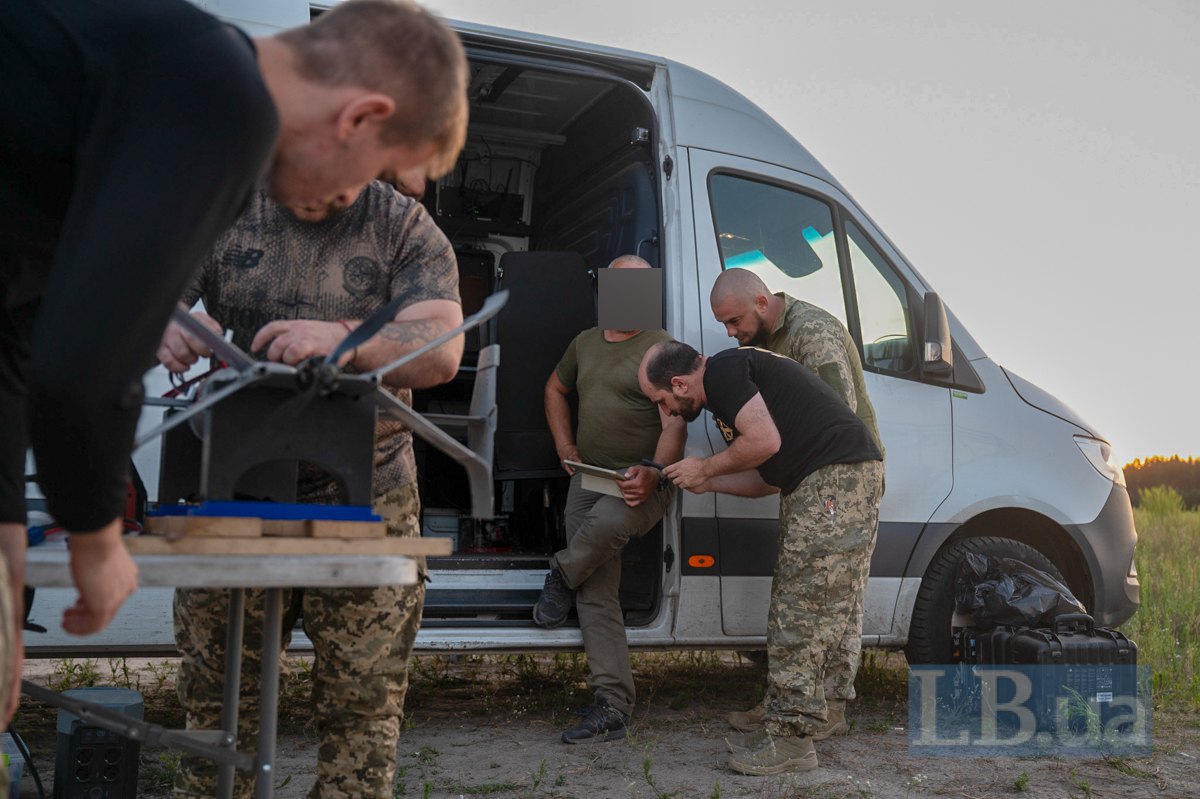
Two crews are training at the site today: one from a mechanised brigade and the other from the Territorial Defence Forces. Each crew consists of three or four people, depending on the unit: a pilot, navigator, technician responsible for installing the explosives, and an engineer working with the catapult or antennas.
“If you want to be part of a team, you need to know every crew member’s role perfectly. The pilot needs to understand how the navigator and technician work, because if something happens to your drone and the technician isn’t nearby, you need to be able to deal with it yourself,” Denys explains.
“We had Zhigulis, and this is a Ferrari”
Today, Luka’s crew is training at the site. They had previously flown Ukrainian-made interceptor drones.
“Webeshkas” (interceptors made by Vinnytski Bdzholy, “Vinnytsya Bees” – ed.) are excellent. We had a great instructor who wasn’t afraid to go out to our positions with us, showing us how everything worked and explaining things. They really deserve a lot of credit for that. It’s just the drones themselves… Compared with these, ours were Zhigulis, while this is a Ferrari,” Luka says, drawing a comparison.

“The difference is noticeable,” he says. In particular, Dmytro, Luka’s fellow serviceman, points to the way the target acquisition technology works here.
“It’s an ideal system. It makes the job 50% easier. The drone itself illuminates the target and locks onto it from a sufficient distance for effective interception. With our previous drone, you had to start looking for the target on the screen from about 200 metres away, and the camera was significantly lower quality,” Dmytro explains.
Their crew operates in the north-eastern sector. This means they have to intercept both enemy reconnaissance drones and regular Shaheds, as the jet-powered ones pass through their positions at maximum speed.
“Unless it stops at a crossroads at a red light – then you can shoot it down,” Luka jokes.
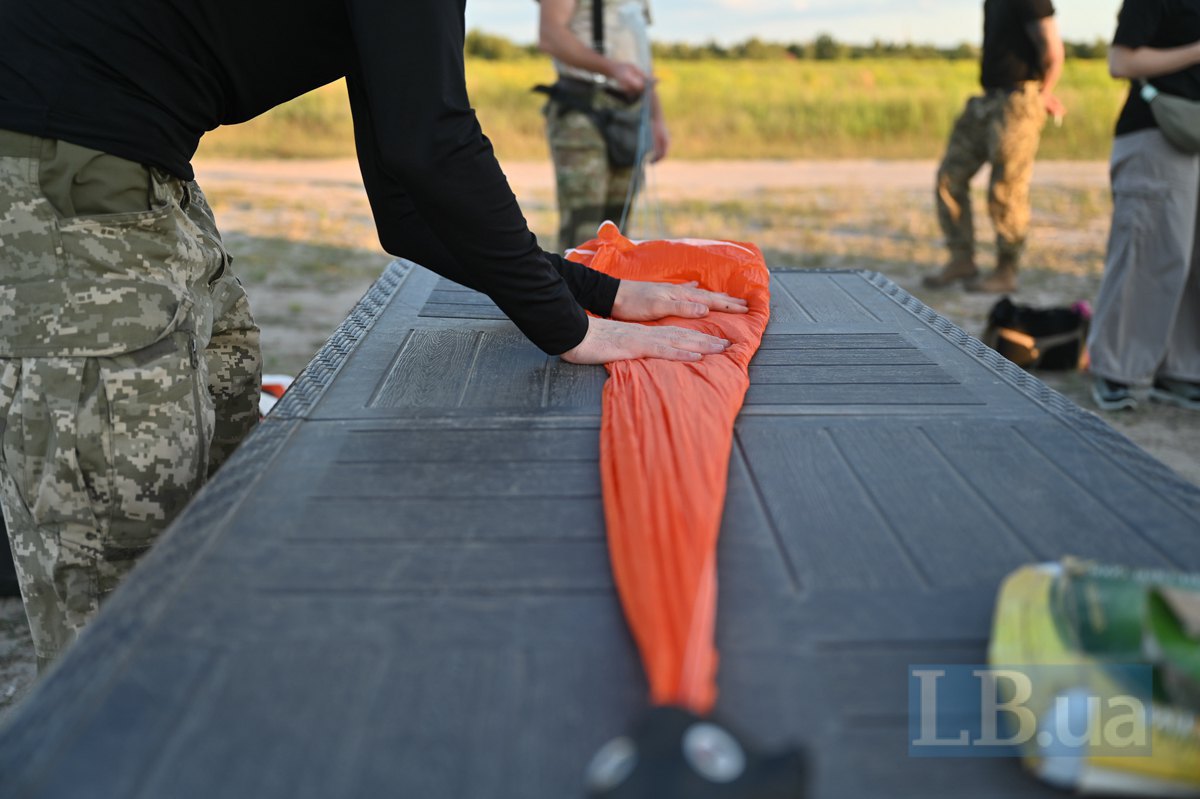
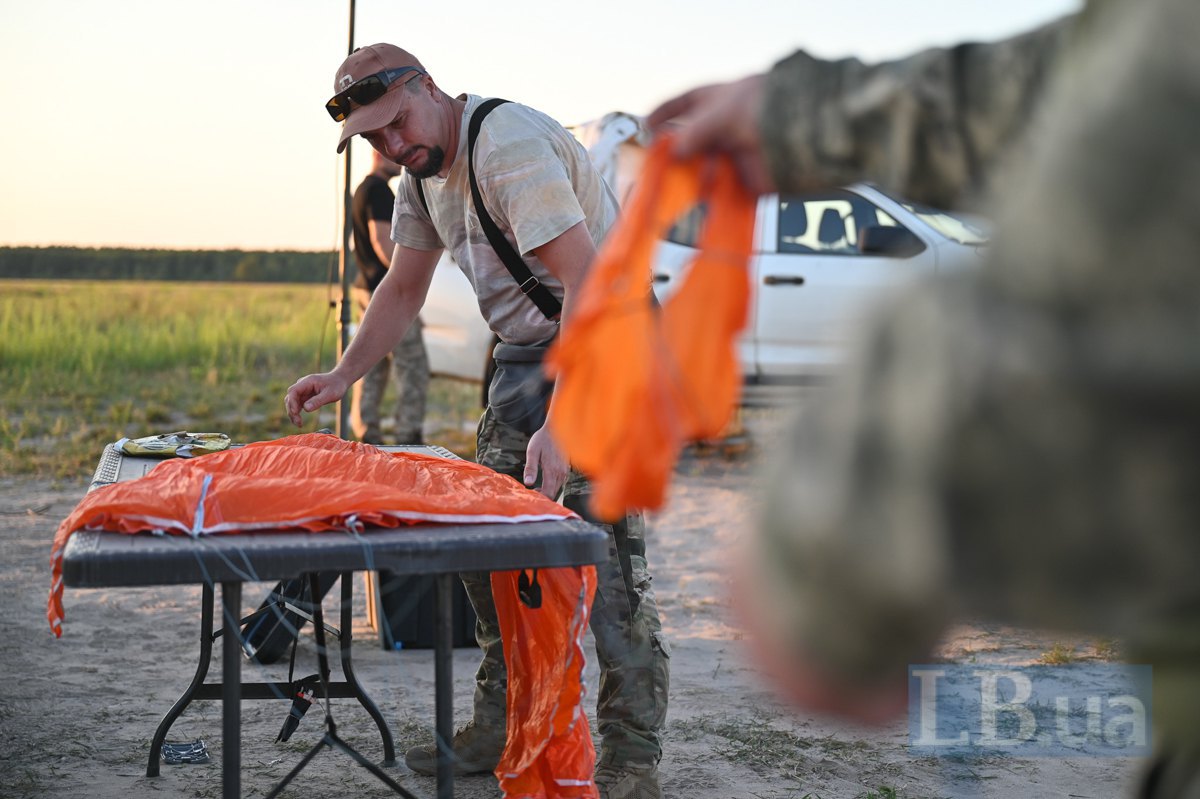
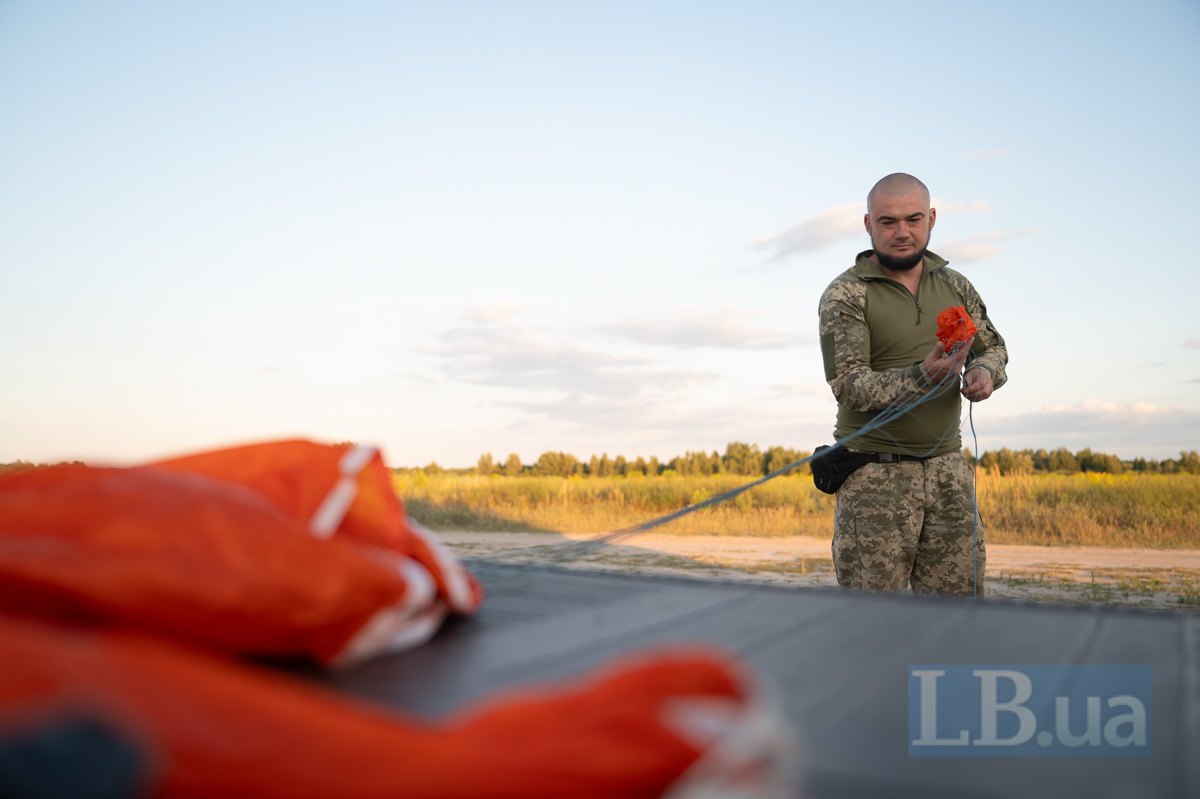
For the past two weeks, their evening training sessions have started with packing the parachutes used to equip the Merops drones.
“That’s only for training. In combat, it just flies one way. And that’s great. They specifically added a self-destruct function so the enemy can’t examine what’s inside. Honestly, it’s really good. Because sometimes trying to bring a drone back in combat, when you need to relocate quickly, is not exactly ideal,” Dmytro says.
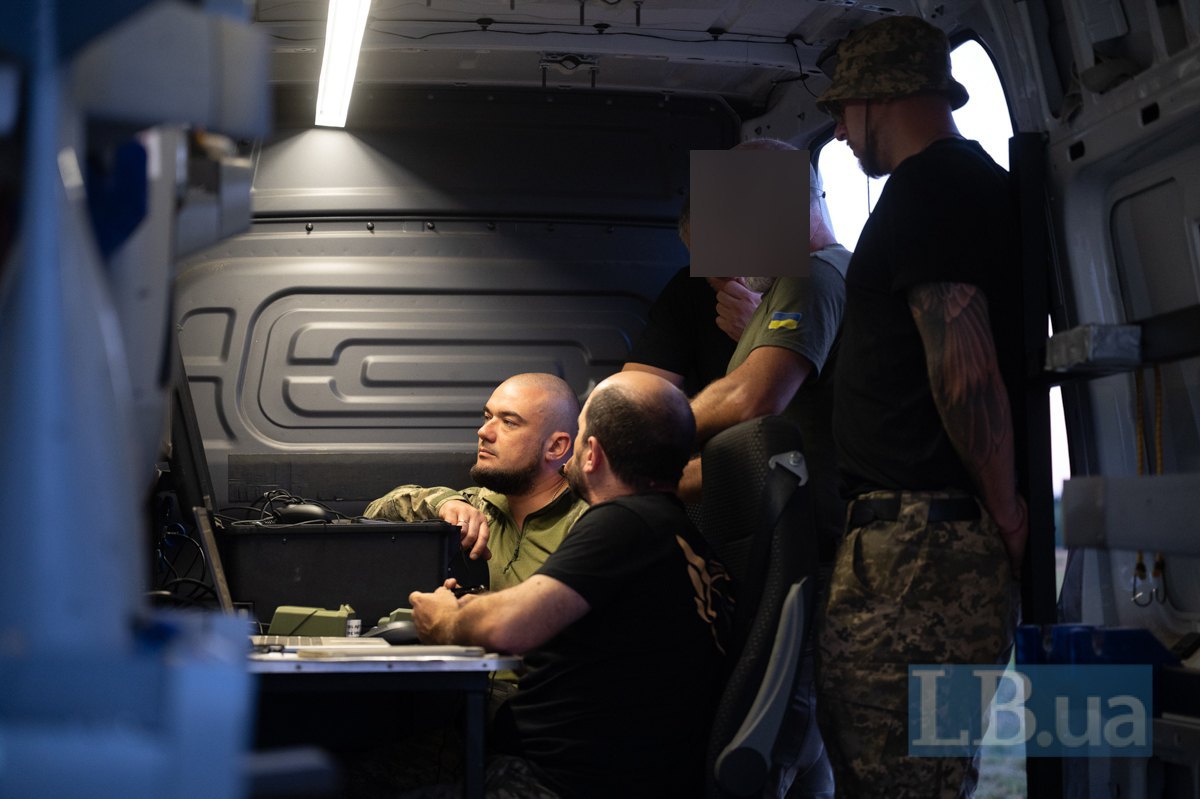
Oleksandr, head of the Anti-Shahed Defence Line project, adds that foreign and Ukrainian manufacturers often take a different approach here.
“With Ukrainian manufacturers, it is mainly about making the drones reusable. Yes, in some cases this is because of a lack of funding. And there is also the issue of access to explosives. We sometimes have problems with that.”
Here, the manufacturer is demanding even when it comes to information shared publicly by the units operating the systems.
“Since May 2025, when the system began operating in Ukraine, we have genuinely kept everything secret and locked down. And then a year ago, the Poles were posting photos online in all their glory (photos credited to the Polish Armed Forces are available online – ed.). But it’s actually very simple: the longer the enemy doesn’t understand what they are up against, the longer it will take them to come up with countermeasures,” Oleksandr says.
“A shootdown is a matter of luck”
That evening, each crew is scheduled to make six flights.
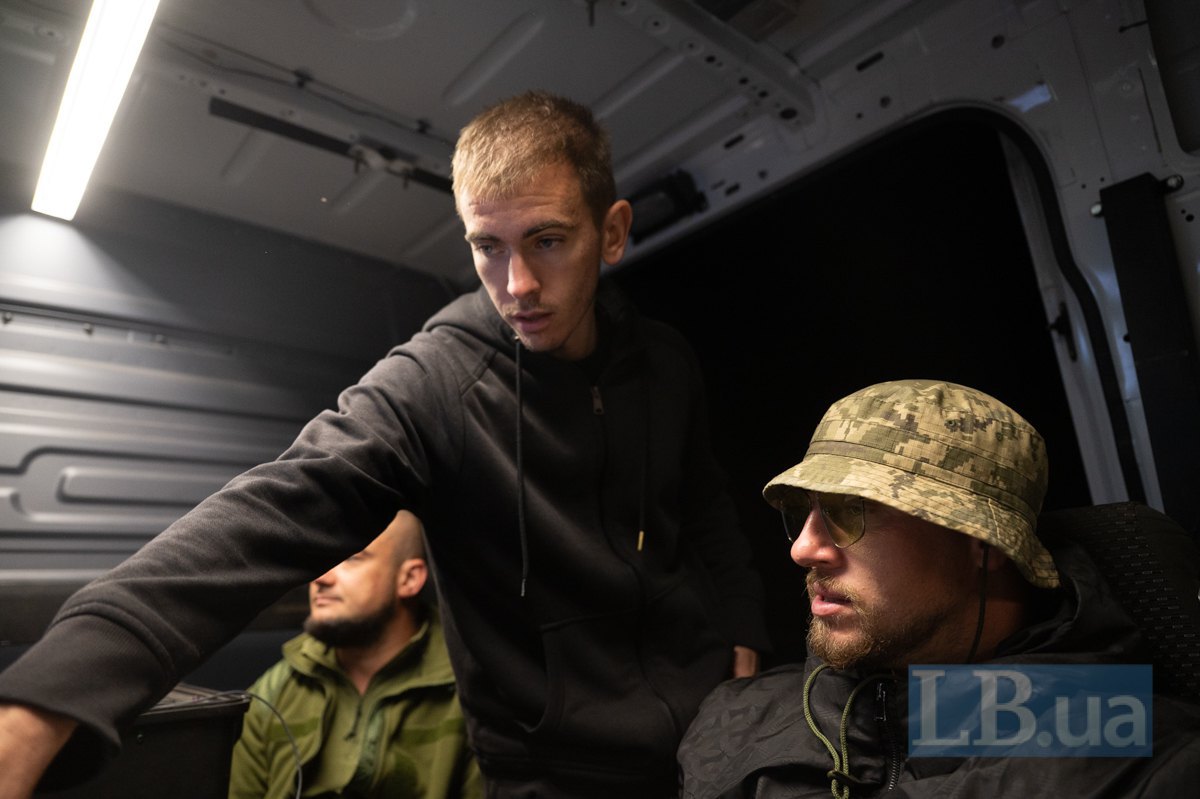
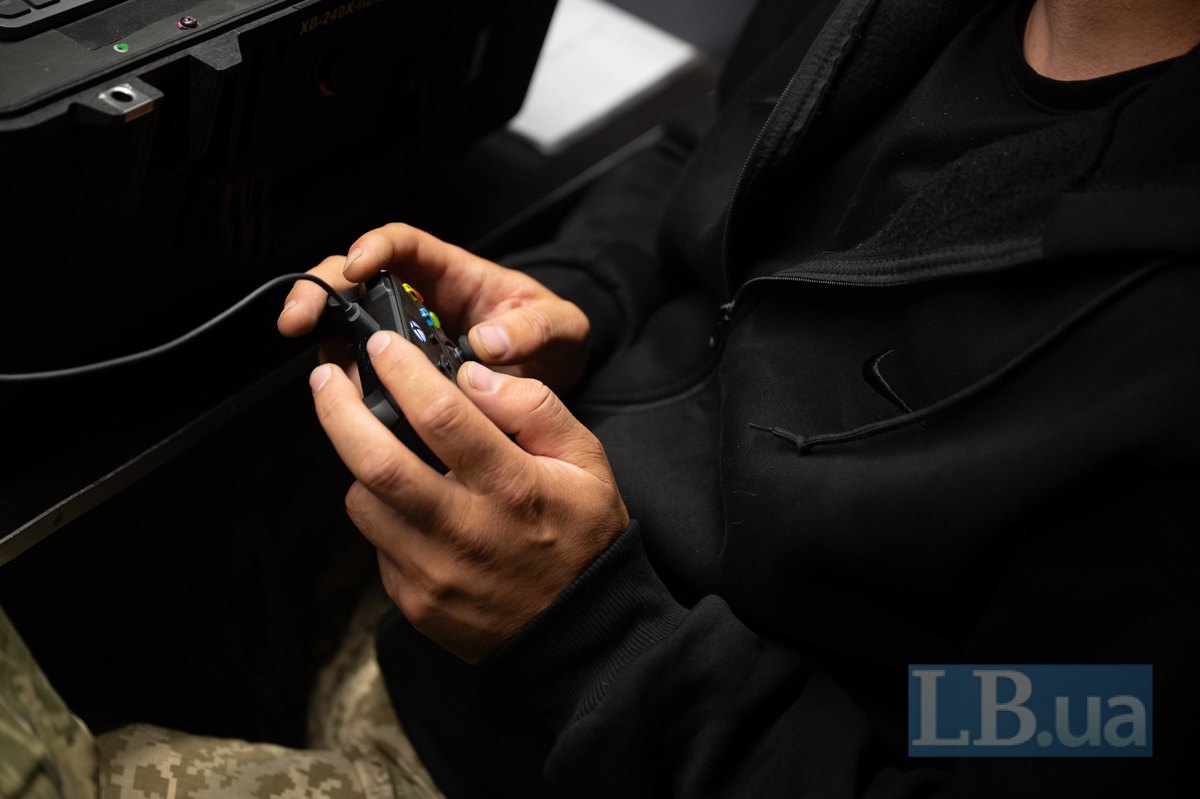
“Learning how to operate them isn’t difficult at all. The only difference is the software. That’s what sets each group of drones apart. There is, for example, some great, user-friendly software, but it connects the drone and the antenna in such a way that if the drone is downed by the enemy, they can work out where the crew is and how they were flying. The software here is less convenient, but if the drone falls into enemy hands, they won’t be able to track our routes,” Luka explains.
This is his third course on operating unmanned systems. During that time, he says, he has come to the conclusion that the tactics they are taught are, for the most part, just theory and do not work in practice.
“What is a shootdown? A shootdown is a huge stroke of luck. Because you have to spot the target from 200 metres away, while all these [target flight-path] programmes can be off by a kilometre. That’s a bloody lot. The most accurate and useful data comes from the radar itself – if it’s properly calibrated and there’s a decent radar operator sitting there,” Luka says.
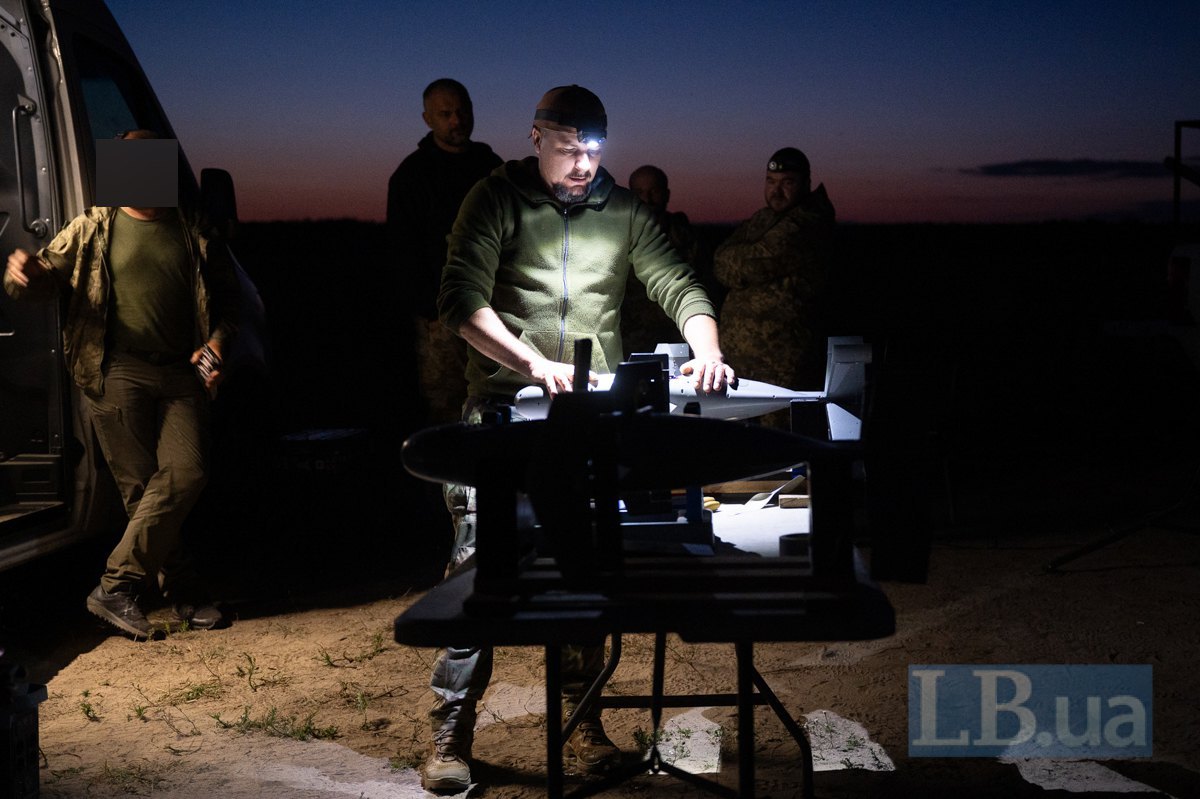
“That’s what effectiveness looks like,” he says, pointing to the drones lying nearby waiting for training to begin. “When it can spot the target itself from a considerable distance. With a system like this, there will be many more shootdowns.”
The Merops system is used against both Shaheds and enemy reconnaissance drones, Oleksandr explains. Using it to hunt down a Molniya, for example, would not be cost-effective – the prices are disproportionate, as one of these drones costs around $15,000, while the speeds involved are also different. A Molniya costs up to $1,600.
“A Molniya can be brought down with a ‘ten’ (a 10-inch FPV drone). We are simply operating with limited resources, so you have to calculate everything carefully and allocate them properly. That task falls to the crew commander.
“In an ideal scenario, this should be handled by short-range air defence – a clear understanding, allocation and saturation of the defence echelon, meaning that different systems should be deployed in different places: Merops, Sting, P1Sun, Blyskavka, and others. Each one covers its part of the echelon depending on what kind of target is flying,” Oleksandr explains.
Each type of system also has its own role and operating altitude, he adds. Fixed-wing interceptors are not as dependent on altitude and offer higher speeds, but they have less time in the air. Winged drones are slower and therefore less manoeuvrable, but they can stay airborne for longer, sometimes for several hours, searching for a target.
How many drones are needed for effective operation is another complicated question.
“Are we talking about the systems themselves or the ground stations? Roughly speaking, this,” Oleksandr says, pointing to the drone, “is the ammunition, while that,” he adds, referring to the ground station, “is the gun. So you always need more rounds, while you need a certain number of guns to distribute among the military. If there is one ground station, then depending on the number of targets coming through, a crew needs at least 32 systems a month to be able to operate effectively.”
There is another scenario: locations where 100 drones might come through. Naturally, those require more “rounds”. At other locations, five or six may be enough.
The highest number of targets destroyed by a single interceptor-drone crew during one duty shift was 47, using 54 drones. This year, the highest figure recorded specifically for Merops is 32 targets destroyed by one crew during a shift, using 34 drones.
“The biggest problem for interceptors is weather conditions. No camera has yet managed to cope with bad weather,” Oleksandr says.
Instructor Denys joins the conversation:
“I wouldn’t say that. I’ve operated in hail, heavy snow and fog. But those drones didn’t have the target-acquisition system. Everything was done manually, with the pilot controlling the drone and guiding it towards the target himself,” he says.
Suppressing problems
Returning to the issue of how the Merops system works, Oleksandr notes how the manufacturer handles feedback.
“In July and August last year, the Russians introduced evasion technology on Shaheds. It took the engineers two weeks to find a solution because the manufacturer is in constant communication with the crews. It is important, of course, that the guys do not suppress problems and say, ‘This is what we have, find a solution,’” he explains.
Denys adds that he personally knows of cases where crew members kept problems to themselves.
“It was quite strange to me, especially since they had only recently completed their training. For some reason, they were not updating the firmware on their ground station. And they could not explain why,” the instructor says.
He adds: “There are simply people who think, ‘Okay, I serve, nobody is putting too much pressure on me. Why isn’t the equipment working? I don’t know. Send me back for training.’ In other words, there are people who have come just to do their time,” Denys says indignantly.
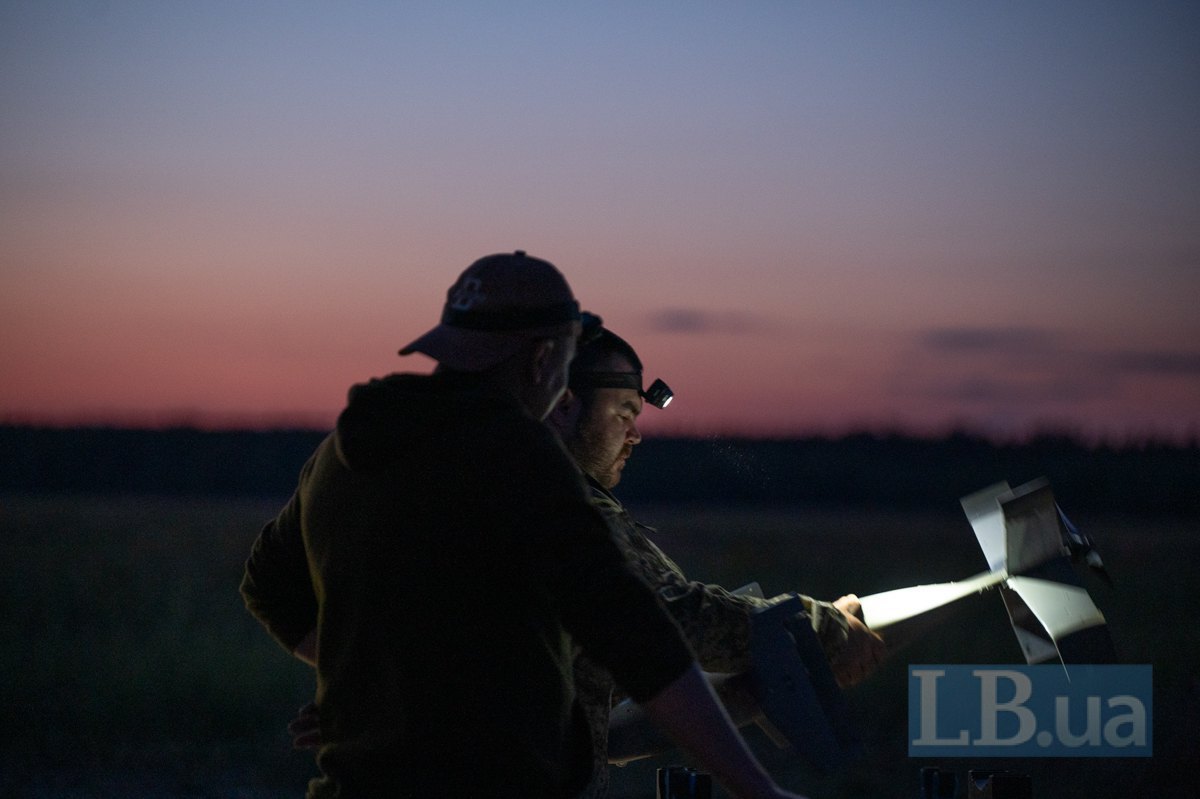
He works as a physical therapist in civilian life. He says he cannot remember why he joined the Volunteer Territorial Defence Forces (VDF). To this day, he still goes on duty, also operating interceptor drones. Although, he admits, sometimes he would like to return to working with a mobile fire team.
“I like small arms. But they are not very effective now. Especially if you are stationed in Kyiv. The relevant targets simply do not make it this far. If you were somewhere in Chernihiv Region and had enough time… Mobile fire teams used to have a pretty good interception rate there, because conventional Shaheds come in low,” Denys explains.
During Boroda’s time at Dignitas, this is already his 38th group of cadets. And, he says, they stay in touch with each of them.
“Of course, we help with minor things. But anything more technical, anything deeper in the system, is handled by the manufacturer’s technical support team,” the senior instructor says.
As for the scale of the work today, Boroda says that during a mass attack, the relevant targets sometimes do not even make it to Kyiv.
“When up to 30 Shaheds come in from Chernihiv, the chances of them making it here are, well, zero. They get taken out along the way. The last time we had a mass attack where they actually made it through was before the war with Iran. There was a whole queue of drones stretching all the way to Chornobyl, and they kept coming in. That was when all of us here got to work,” the senior instructor recalls.
Today, he says, even jet-powered Shaheds are sometimes being taken down by conventional interceptor drones.
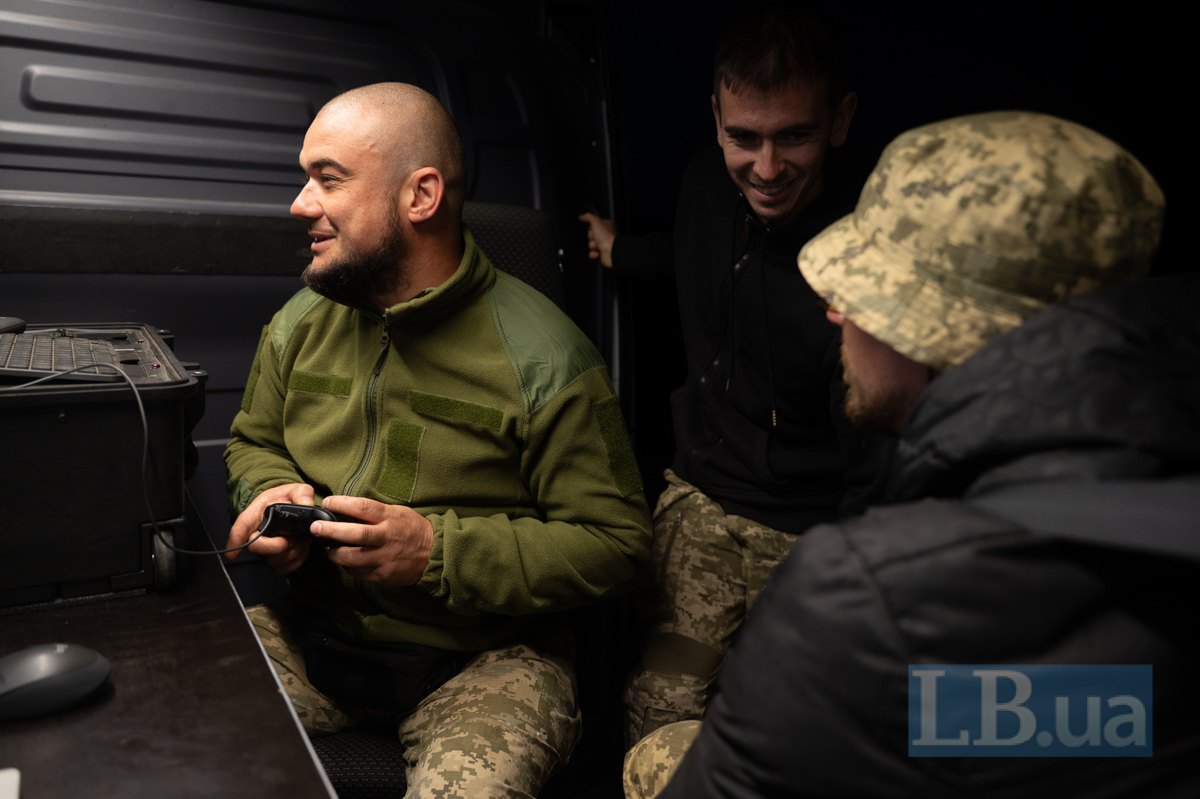
“Because it became clear that they do not fly at 400 km/h all the time and slow down when manoeuvring. And when electronic warfare is used against them, they lose control and start flying in circles. One of them flew like that near our position. Oksana from the VDF tried to take it down with a conventional drone five times, and in the end, the Shahed crashed anyway. We joked that Oksana had worn it down.”