





Senior European officials are increasingly warning of the possibility of Russian drone or missile attacks on NATO countries amid Moscow’s escalating hybrid activity, Politico writes.
Polish Prime Minister Donald Tusk said Russia could resort to hybrid attacks against countries supporting Ukraine in the coming months. He warned that drones or missiles could land on the territory of states on NATO’s eastern flank. Tusk has made similar warnings publicly before.
At the same time, two NATO diplomats said allies had not received official notifications of new intelligence that would change the assessment of a direct threat to the Alliance.
Against the backdrop of these warnings, Germany is preparing hospitals for possible emergencies, Lithuania has updated evacuation plans, and NATO countries are holding military exercises in the Baltic region.
French President Emmanuel Macron held an emergency meeting on 18 September with leaders of political forces and candidates for the 2027 presidential election. He said the Russian hybrid threat to Europe and France had intensified and instructed officials to draw up a plan to protect critical infrastructure. Reuters also reports on French measures in response to the growing hybrid threats that Paris links to Russia.
Dutch Prime Minister Rob Jetten also urged people to take the Polish premier’s warnings seriously.
“It is no coincidence that the Prime Minister of Poland is speaking so forcefully. We must take this warning very seriously. We must consistently demonstrate that we do not accept this and that, if necessary, we will take measures,” Jetten said.
Finnish President Alexander Stubb urged citizens to be prepared for possible sabotage and attacks by Russian drones.
“Prepare yourself mentally for the fact that something could happen,” Stubb urged.
At the same time, a senior European defence official said Russia had stepped up its activity.
“Russia has accelerated the pace of its activity, so we need to remain vigilant. This can be seen as part of a broader trend. We have already seen similar warnings before, and it is entirely possible there will be more,” the official said.
In recent months, European countries have reported airspace violations, suspected sabotage and other incidents that are being viewed in the context of Russia’s hybrid activity.
As is known, from January to August Europe recorded about 100 officially confirmed hybrid incidents compared with roughly 60 over the same period last year. At the same time, a NATO representative noted that the real number of such cases could be higher.
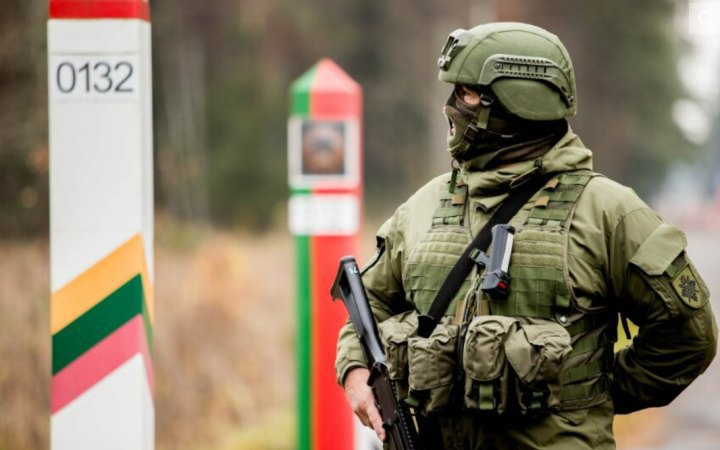
Among recent incidents were cases of airspace violations recorded in the Baltic states, as well as suspicions about the use of drones for sabotage operations.
At the same time, a NATO representative said the Alliance currently sees no direct threat of an attack on its countries. According to him, allies continue to monitor the situation and must ensure NATO’s readiness for possible threats.
European officials also allow that Moscow may use hybrid operations to put pressure on countries supporting Ukraine. In the view of some Alliance representatives, such actions may be linked to Russia’s attempts to influence political decisions and the level of support for Ukraine.