





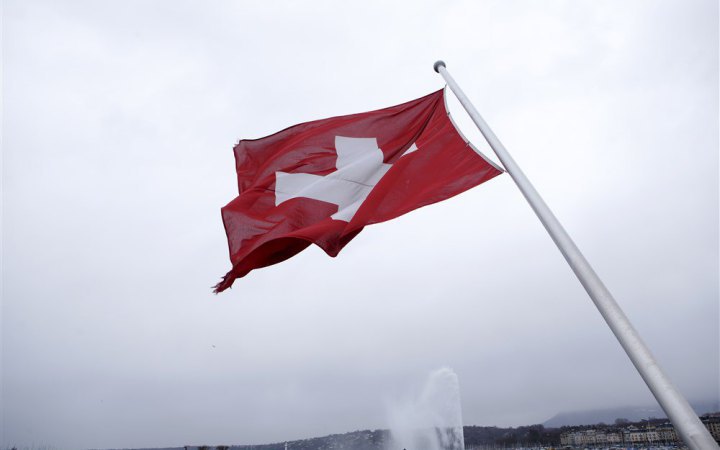
On Sunday, 27 September, Swiss citizens will decide in a referendum whether to enshrine stricter rules on the country’s neutrality in the Constitution. Politico reports.
If the initiative is approved, Switzerland would effectively be unable to impose sanctions on Russia unless they are endorsed by the UN Security Council. At the same time, Bern would be unable to co-operate with military alliances, including NATO, unless the country itself is attacked or faces an immediate threat.
Fabio Wasserfallen, a professor of European politics at the University of Bern and a polling expert at LeeWas, noted that the referendum is not a vote against neutrality as such.
“This is not a vote against neutrality — neutrality enjoys broad support. It is about what neutrality actually means,” he explained.
Switzerland’s permanent neutrality is recognised under international law. At the same time, the country has considerable scope to decide for itself how to apply this policy.
The Swiss government cannot take part in wars between states or provide them with military support. However, Bern can decide for itself whether to impose economic sanctions and co-operate with military alliances without joining them.
“At present, the government has some room for manoeuvre and uses it. The question in this referendum is whether people see that as a good thing, or whether stricter limits should be set on neutrality,” Wasserfallen said.
After Russia launched its full-scale invasion of Ukraine, Switzerland largely aligned itself with the European Union’s sanctions against Moscow. This prompted criticism from supporters of a stricter interpretation of neutrality.
At the same time, Bern says that imposing sanctions is consistent with the current neutrality policy.
Russia’s full-scale war against Ukraine and the intensification of Moscow’s hybrid operations in Europe have forced Switzerland to rethink its approach to its own security.
The country is increasing military spending, strengthening its defence capabilities and expanding co-operation with European partners. Similar debates are taking place in other neutral states — including Austria and Ireland, which are seeking to bolster defence and deepen ties with NATO.
The current initiative was launched by “Pro Schweiz”, a national-conservative group linked to the Swiss People’s Party (SVP). One of the key figures in the campaign is billionaire and former Federal Council member Christoph Blocher.
The Swiss government opposes the proposed changes. The country’s main political parties also oppose them, with the exception of the SVP.
According to polls conducted in September, most voters did not support the proposed changes.
Even if this initiative is rejected, the question of Swiss neutrality will remain on the agenda. In November, voters are due to decide separately on rules for arms exports. This concerns the possibility of allowing weapons supplies to 25 predominantly Western countries even if they are involved in conflicts.
- On 19 September, Switzerland approved its Security Policy Strategy for 2026, which provides for strengthening the country’s resilience, defence capabilities and protection against threats amid Russia’s war against Ukraine.