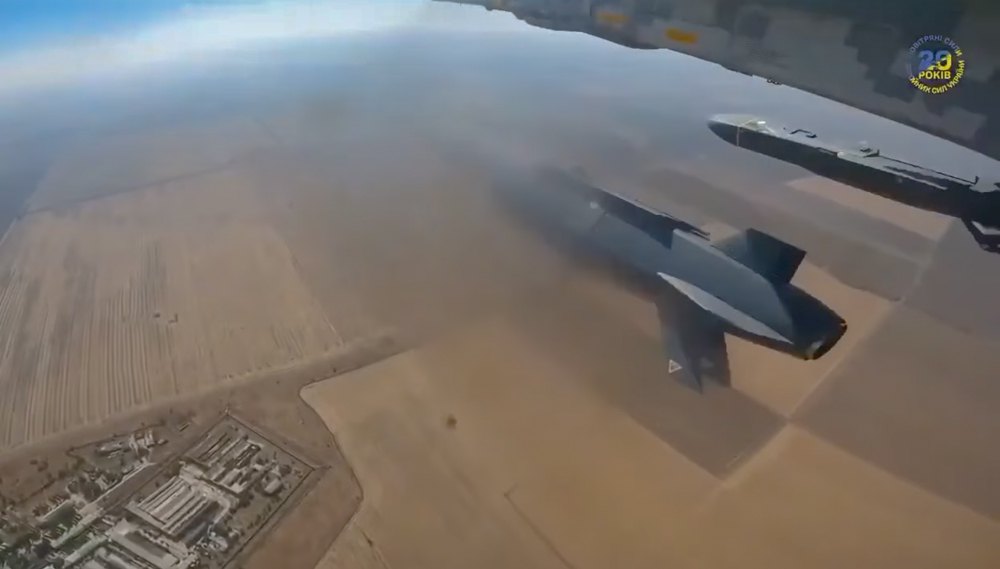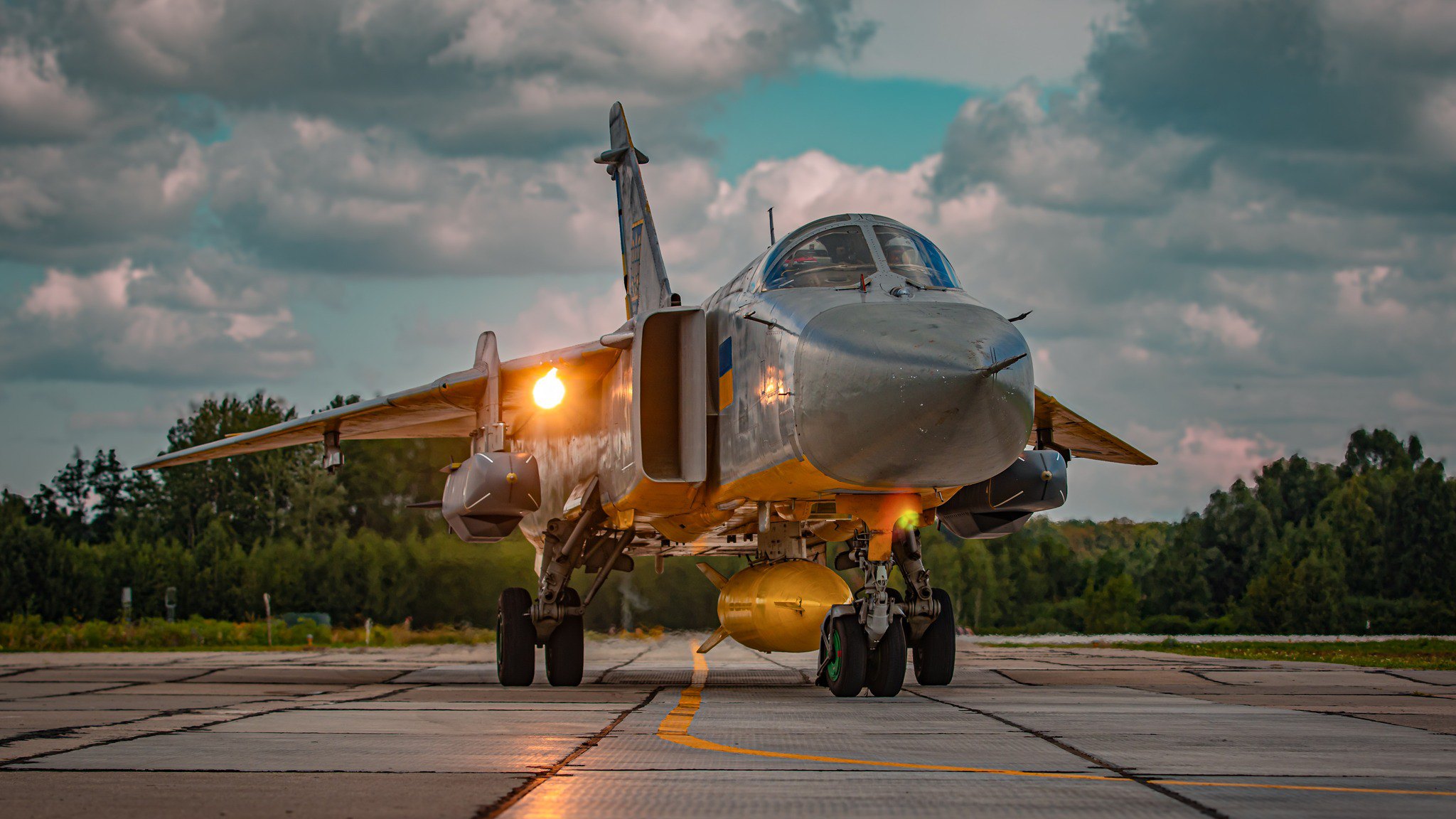
The whole point of these missiles lies in their flight profile (terrain-following at ultra-low altitudes of 30–40 metres, which prevents radars from illuminating them for interception by long-range surface-to-air missile systems) and the unique BROACH tandem warhead (Bomb Royal Ordnance Augmented Charge). First, a shaped-charge precursor penetrates a concrete roof or a workshop slab; then a 400-kilogramme main high-explosive charge flies inside and detonates in an enclosed space, turning high-tech production lines into mince of concrete and metal. The ensuing fire—and the effort to put it out—finishes the rest: the factory building usually has to be scraped out with an excavator and rebuilt from scratch.
Oryol lies well within Storm Shadow’s effective range (about 250 km from the border). The Proton plant is not an ordinary set of workshops but one of the key enterprises in Russian microelectronics, with “military acceptance” status—a bottleneck. It produced optocouplers, LED matrices, solid-state relays and components for electronic warfare systems, radars and targeting suites for armoured vehicles.
The missiles did not even have to break through a dense layered air-defence screen—Oryol is covered only in a point-defence manner. Storm Shadow approached the target along a pre-programmed route, skirting radar duty zones. The strike landed precisely on the production building that housed the “clean rooms”—isolated spaces with a special climate for photolithography and crystal growth.
Footage of multiple Ukrainian Storm Shadow cruise missiles slamming into Russia’s Proton military electronics plant in Orel this weekend. The strike heavily damaged a chip fab at the factory. https://t.co/Esnr0xhKDK
— OSINTtechnical (@Osinttechnical) October 26, 2026
A 400-kg warhead detonating inside an enclosed workshop is the end of it. Plasma-chemical etching units and lithography scanners, vacuum chambers—destroyed. Everything is thoroughly flooded with water and plastered with combustion products; ventilation is finished, and with it the crystal workshop has ceased to exist. I am sure there are casualties, perhaps a couple of dozen—it is unlikely they were calmly running around there when the alarms sounded. Well, now they will be—those who survived the shift.
Oryol’s Proton is one of the few functioning enterprises producing optocouplers, solid-state relays, LED matrices and components for radars. Without these parts, modules for electronic warfare complexes (Krasukha, Pole-21) and targeting stations for aviation cannot be assembled. This will give a strong boost to our future drone operations and to breaking through air defences.
Another target was PJSC Energia in the city of Yelets, Lipetsk Region. PJSC Energia is an absolute monopolist and a critical node in the production of autonomous chemical power sources. Put simply: it makes specialised batteries and ampoule batteries for submarines, aviation and—most importantly—for guided missile weapons. No missile (whether a Kalibr, an Kh-101 or an Iskander) runs on civilian cells. It needs a power source that can sit in storage for 10 years and, at launch, deliver in milliseconds the power required for inertial navigation, the seeker head and actuator servos under enormous overloads.
The Storm Shadow route to Yelets was plotted to minimise time spent within radar visibility. The missiles struck the main electrochemical assembly workshop and the test-stand area. The assembly conveyor and the building of the inspection-and-test station burned down, where batteries undergo overload and temperature-regime tests before military acceptance. Unique centrifuge test rigs and climate chambers were destroyed. Mmm, a fire at a battery and military-chemicals plant. An arsonist’s dream.
The moment of the attack on Energia JSC in Yelets. https://t.co/SIb47ryKLx
— Exilenova+ (@Exilenova_plus) October 26, 2026
The destruction of automated assembly and calibration lines for specialised batteries hits the most painful point of Russia’s defence industry: the pace of long-range weapons output. They may have airframes, engines and warheads ready, but without batteries from Yelets a missile remains a dead lump of metal. The strike on Energia is a physical, forced pause in their missile terror. It is impossible to set up backup production of such power sources “on the fly” because of the extreme complexity of the chemistry and the reliability requirements.
I think the damage has cleared the $100 million mark. Indirect losses (lost profits and disruption of state defence orders) for Russia are even more painful. With batteries from Yelets and crystals knocked out, production of Kh-101 and Kalibr missiles at other plants will sag for at least 3–4 months; it will also hit electronic warfare and radar systems, while importing “clean rooms” under sanctions is slow, expensive and laborious. It is entirely possible this is equivalent to the front not receiving dozens of finished items with a total value of more than $150–200 million. In other words, with two pinpoint salvos we have inflicted cumulative losses on Russia’s defence industry approaching a quarter of a billion dollars.
Most likely, the transferred missiles are not brand-new items straight off the production line, but refurbished from earlier batches—reloaded and overhauled—while new ones from MBDA lines launched last summer replenish arsenals.
The initial arsenal of the Royal Air Force (RAF) was estimated at roughly 900 missiles (in the range of 700 to 1,000 units). Serial production of the original batch began around 2000. By the early 2010s, the main orders for the UK and French air forces had been fulfilled. After that, production of new missiles for domestic needs was effectively suspended for about 15 years. During this period, the MBDA consortium was mainly engaged in repairing and upgrading existing stocks and fulfilling export contracts for third countries.
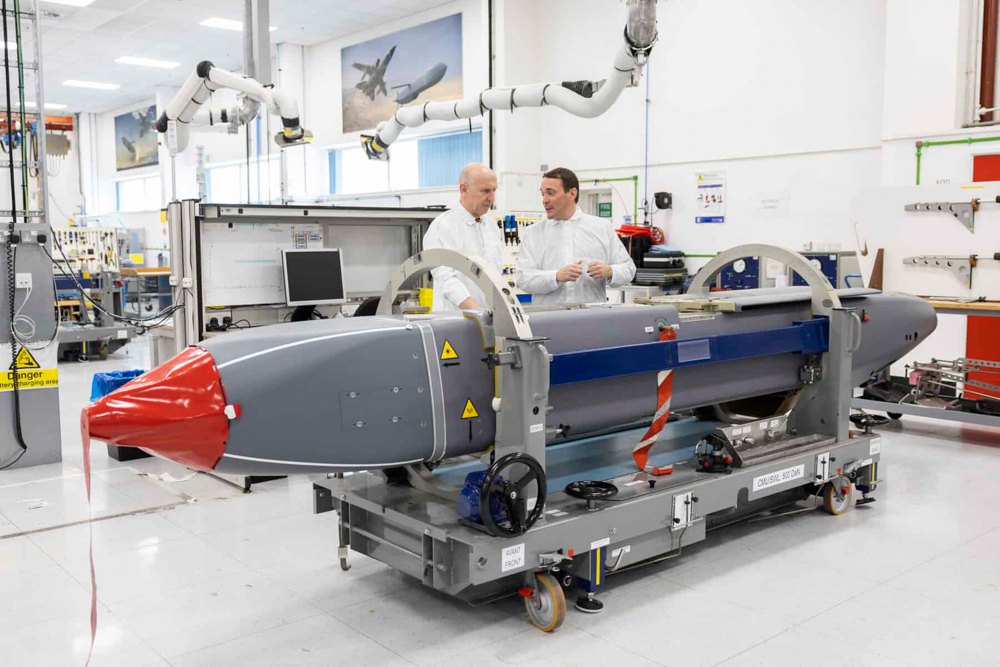
Of course, it should be borne in mind that part of this stock has already been expended in previous military campaigns (for example, in Iraq and Syria), and some portion must always remain in reserve to ensure national security and meet NATO commitments. That is why we receive dozens of missiles in each batch, not hundreds. But even that is enough to inflict serious damage on the enemy. So the apologists for dashes to the English Channel and Lisbon should clearly understand what the European part of Russia would be turned into if Moscow decided to probe NATO’s flank: they have enough stocks for about four months of an active campaign, after which you would need a magnifying glass to find an intact factory in Russia.
At the peak of production capacity, the entire European MBDA consortium assembled no more than 15–20 missiles a month for the whole world. In July 2025, MBDA officially announced the resumption of serial production. The consortium said it planned to double capacity by the end of 2025 and increase output by a further 40% in 2026. However, even with such acceleration, restarting complex production lines (where the missile is assembled almost by hand from thousands of components) does not yield huge numbers. So batches will be small—but even they give us the ability to inflict the most severe damage on the enemy.
Our aviation is alive, and very soon mass-produced high-precision bombs of our own manufacture will make life near the line of contact even harder for the aggressor. It will no longer be a one-off French Hammer that flies only at a headquarters or a communications node, but any building where infiltrators dig in—a pilot position, a burrow. Aircraft losses will be covered by French and Swedish machines, while British and French cruise-missile arsenals will be backed up by our Neptunes and Flamingos, preserving the ability to knock out bottlenecks in the defence industry, slow rearmament and the scaling-up of Russia’s missile output—regardless of whether the enemy has seeped into yet another town in Donbas.