






Exports Operating at Only 50%
Over the past 20 years, Ukraine’s agricultural sector has developed as export-oriented. Seventy per cent of what is produced in Ukraine is exported, says Minister of Agrarian Policy and Food Taras Vysotskyi. In 2021, the figure peaked: Ukraine exported $27 billion worth of products. Almost 90% of agrifood exports have always gone by sea.
Since the start of the full-scale invasion, exports have used a limited number of ports—mainly the Black Sea deep-water ports in Odesa region. But since August 2026—due to targeted Russian strikes on vessels and port infrastructure—those too have been blocked.
Exports are being carried out via alternative overland routes which, the minister says, provide at most half of the required volumes.
“By the end of September, we were reaching up to 50% of the necessary export volume via other routes, not through deep-water ports. Over 27 days of October—47%. Objectively, this confirms that 50% is the maximum. If there are no additional force majeure events, the corridor will be 45–50%, no more,” Taras Vysotskyi noted.
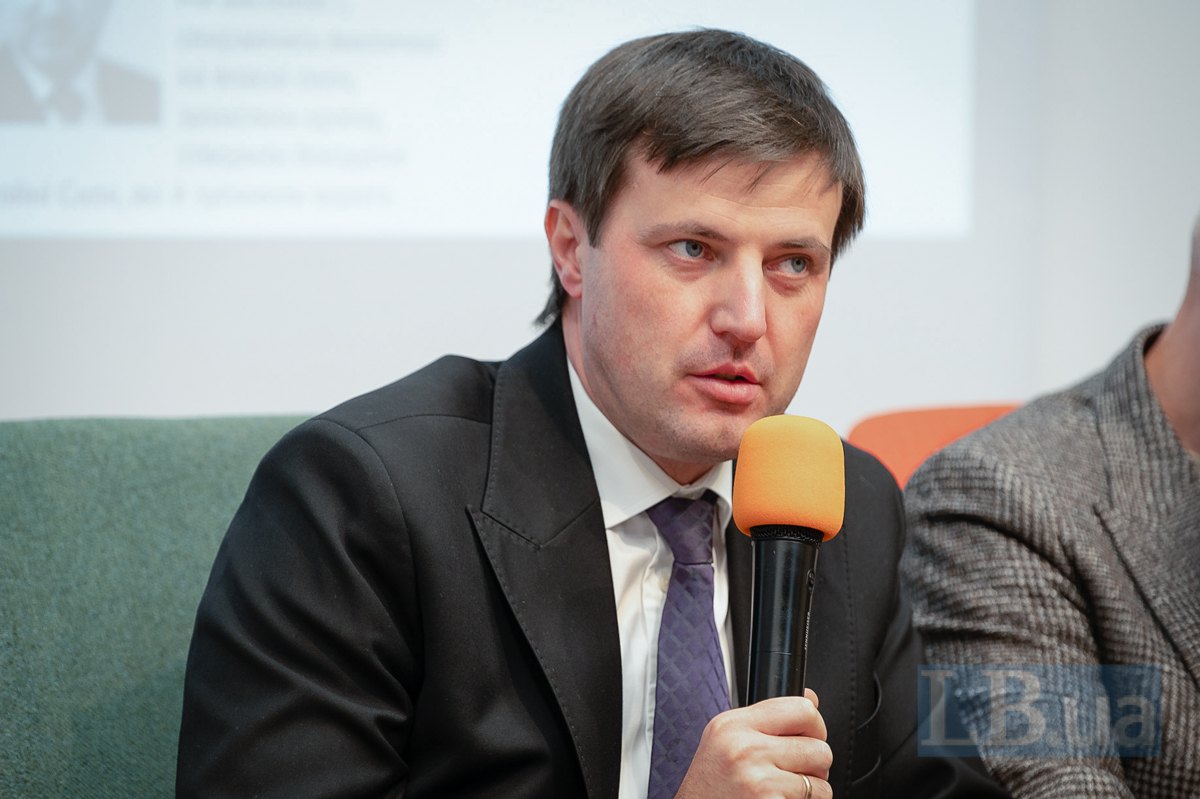
Roughly half of exports now go via the Danube and half by rail; road transport accounts for only 3–4% because the costs are too high, the official said.
“But even these volumes are lower than in 2022–2023, because back then there were no such massive attacks on Danube logistics. Each of these directions can provide no more than 20–25% of the capacity of the Greater Odesa ports,” the head of the Ministry of Agrarian Policy remarked.
And this situation, adds Alex Lissitsa, founder and head of the Ukrainian Agribusiness Club, is radically different from what it was at the start of the full-scale invasion, when the work of seaports was also paralysed.
“Back then, the world suddenly realised how dependent it is on Ukrainian agricultural products. Germans who were used to eating sausages with mustard suddenly discovered that 50% of mustard seed came from Ukraine. And there are a huge number of such examples.
What’s more, in 2022 Ukraine was already a powerful exporter, and the agricultural sector had a financial cushion built up over previous years. In addition, the shock to the global market caused a sharp rise in grain prices: wheat rose from roughly $220–230 to $500 per tonne. This partly offset the logistics problems. One of Ukraine’s competitive advantages had traditionally been cheap delivery of products to seaports. In 2022 that disappeared, but high global prices made it possible to compensate for the significant rise in logistics costs,” the businessman explains.
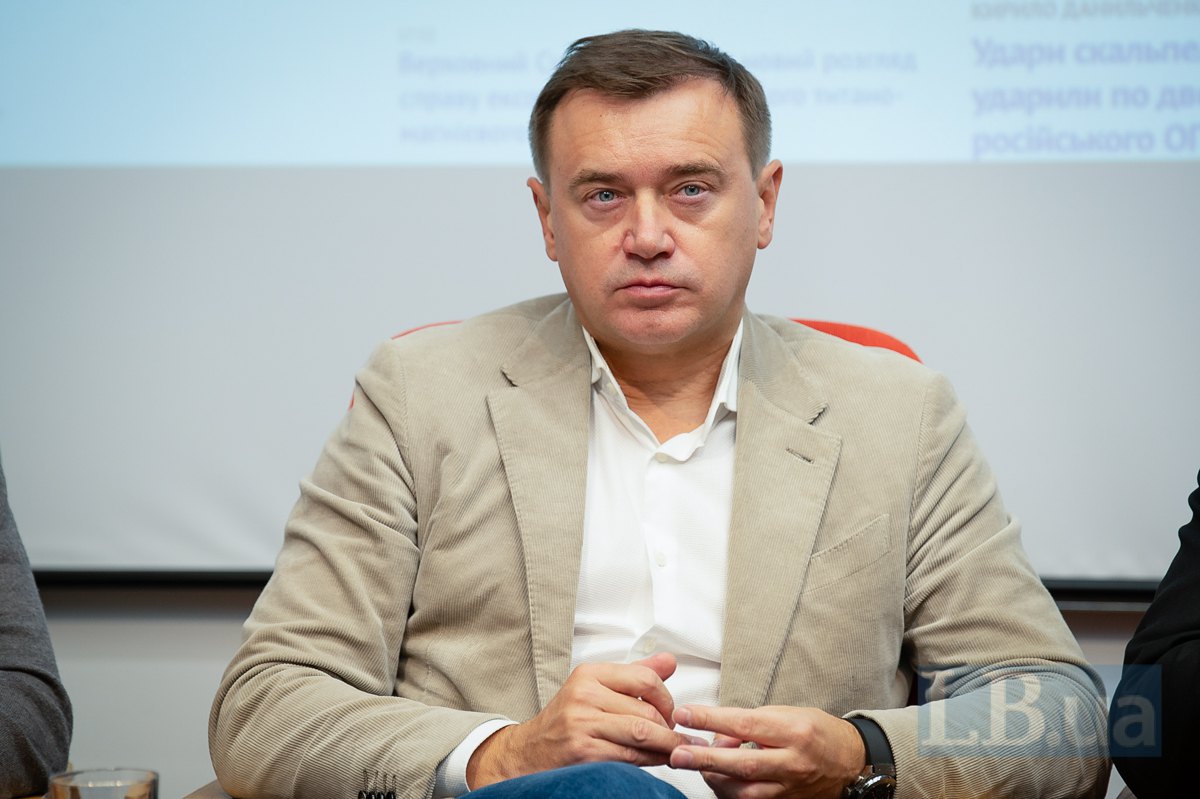
Today, however, the rise in global prices to $300–400 per tonne that Ukrainian farmers were counting on has not happened, Alex Lissitsa notes: previous stocks still remained on the world market, and Australia and South America also had a bumper year.
In addition, importing countries such as Turkey and Egypt, from which Ukraine expected pressure on Russia to resolve the maritime export problem, have not influenced the situation in any way.
And lengthy logistics, Alex Lissitsa points out, destroy the quality of raw materials.
“If grain spends a month to a month and a half in wagons to the Danube or via Poland, we ship milling wheat, but on arrival we end up with feed grain. Formally, we are not meeting the contract terms.
We face these problems almost constantly, because to Constanța grain in wagons takes roughly a month. To the Danube it’s just as problematic. If you take the route to Hamburg or Bremen—it’s a month and a half with huge problems,” the businessman complains.
“Is there anywhere in the European Union an example where, producing value-added goods, you would have to travel 1,500 kilometres? Send a container from Kharkiv to Gdańsk or to Constanța and still remain competitive?” said Minister of Agrarian Policy Taras Vysotskyi. Without maritime logistics, in his view, agrifood exports will not operate at full capacity.
What Happens to the Harvest That Cannot Be Exported?
There are no problems with storing the harvest in Ukraine—the state offers both permanent grain elevators and temporary storage (so-called “sleeves”). These capacities should be enough to keep most products in proper quality, the minister assures. In addition, part of the maize will most likely be harvested in spring.
But the problem is that most products are stored in grain elevators that are also targets of attacks, Taras Vysotskyi noted.
How Is the Sowing Campaign Going, and What Should We Expect in Spring??
Usually, farmers sow a third of the area (about 7 million out of 20) in autumn and two thirds in spring, the Minister of Agrarian Policy and Food notes. So the results of the autumn campaign can already be summed up.
“For rapeseed, the area will even be a few per cent larger. For wheat, it looks like it will be 15% less. They will keep topping up sowing for another week. But the autumn sowing campaign took place, and at quite a high level, given all the circumstances. There was enough of a certain reserve for it,” Taras Vysotskyi explained.
But the spring sowing campaign, he says, will be a real challenge: there is more area, so more money is needed; exports are not increasing or speeding up; reserves are shrinking.
“This year, 35 billion hryvnias more in credit resources has been attracted than last year by the same date, including under the ‘5-7-9’ programme. But these are loans based on the belief that it will be possible to sell the products that have been pledged as collateral,” the minister added.
Attracting additional loans ahead of the spring campaign, he says, will be difficult.
“Perhaps it will be another 10–15 billion. Hardly more. This instrument helped for the autumn sowing, but it is becoming limited. With such modelling, I think that for 5 million hectares—around half of the spring sowing—there may not be enough funds,” Taras Vysotskyi suggests.
According to Alex Lissitsa, head of the Ukrainian Agribusiness Club, it can already be said today that the spring sowing campaign will take place under the sign of harsh austerity.
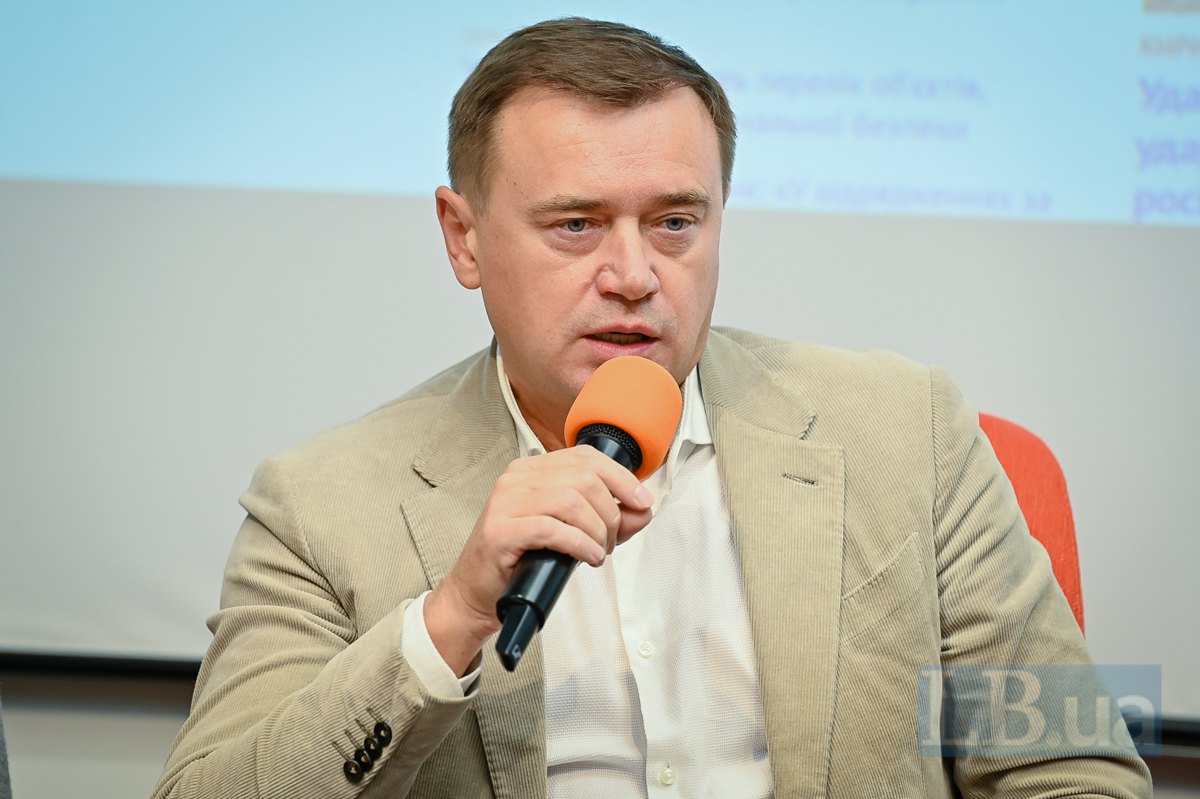
“In agribusiness, preparation for the next year begins long before spring. Roughly by 1 December, companies decide on their crop structures. I can say that next year fertiliser use will be cut by 40%; we will move from original hybrid seed to less effective seed; from original crop protection products to cheaper generics. The main goal is to reduce production costs as much as possible,” says Alex Lissitsa. “Because last year fuel made up 7% of costs; now it’s 23%. 40 hryvnias per litre of diesel last year versus 110 hryvnias this year. Fuel has tripled, while product prices have fallen. Cutting fertilisers and crop protection means the harvest will be smaller. We will fall significantly.”
March, in his view, will be the checkpoint for how much product has been sold, whether seaports are operating, and which crops will make sense to sow. As for whether Ukraine’s agricultural sector will remain a global player, that will become clear sometime in June, Lissitsa suggests.
Where Farmers Can Find Money
According to the Ministry of Agrarian Policy’s estimates, Ukraine may under-export $10 billion worth of agrifood products. Farmers lack working capital. Small farmers are finding it particularly hard, adds Viktor Honcharenko, President of the NGO Association of Farmers and Private Landowners of Ukraine.
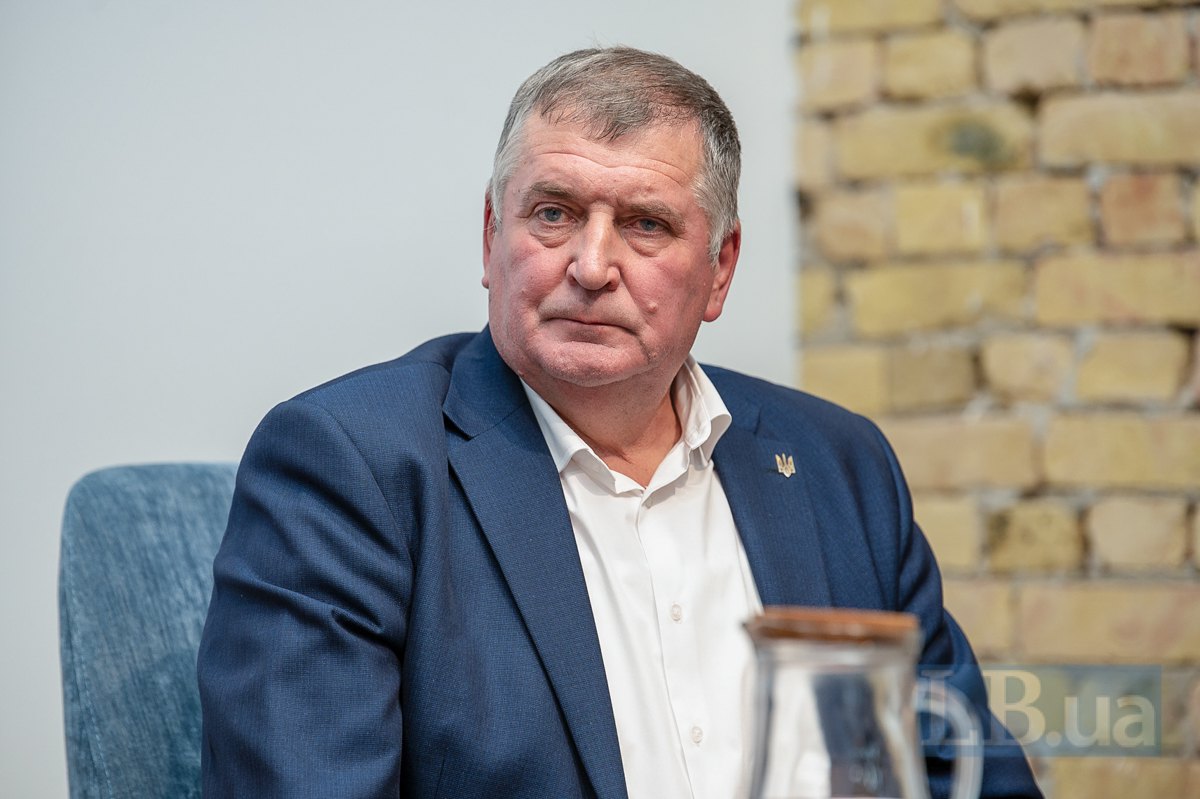
According to him, low maize yields (one to one and a half tonnes instead of the usual 10 tonnes per hectare)—and this is the main crop for both large enterprises and small farms—will cover only fuel costs during harvesting and transporting the crop. And those funds are frozen while the raw materials remain in grain storage.
Government credit programmes, as Minister of Agrarian Policy Taras Vysotskyi noted, have limited resources and are almost exhausted.
Commercial banks are actively lending to agriculture, stressed Kateryna Rozhkova, former Deputy Governor of the National Bank of Ukraine—the agricultural sector ranks third in banks’ loan portfolios. But now, she says, financial institutions have tightened lending requirements and are already talking about a potential increase in the cost of borrowing.
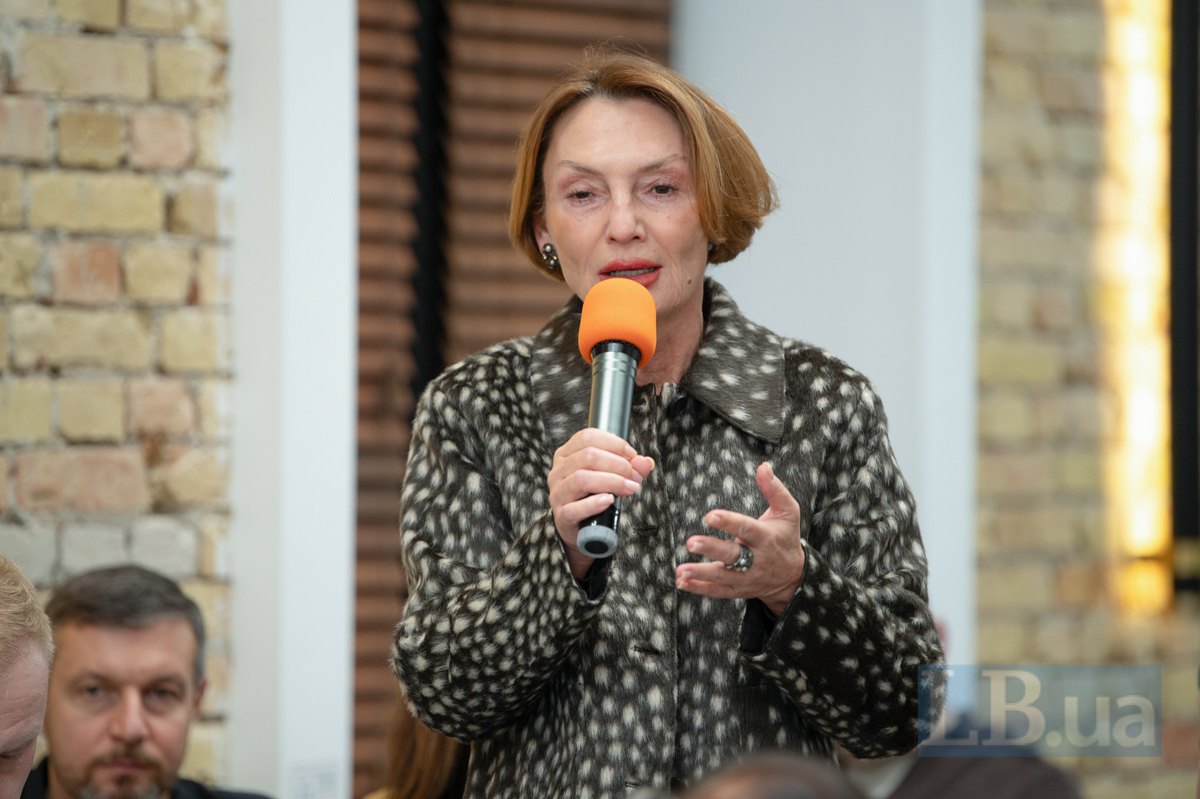
“This is not because of a good life. Unfortunately, there is no insurance or compensation programmes that would protect the producer—small, medium, and the bank itself. But there is a huge number of instruments both within the banks and at the National Bank.
If the requirements—particularly European ones imposed on banks—were adjusted to today’s situation, taking into account the huge capital buffer (even despite 50% taxation of the banking sector), this would allow banks to increase lending many times over without running into difficulties,” the expert noted.
Portfolio guarantees would also help in the situation with lending to agribusiness, Kateryna Rozhkova believes.
“I understand that the state has limited capacity, but we have representatives of international financial organisations who, it seems to me, in this situation should look at the issues comprehensively and perhaps slightly expand their capabilities, helping our agricultural sector together with the financial sector to overcome these difficulties,” Rozhkova noted.
Will Alternative Logistics Save Farmers?
Ihor Liski, Chairman of the Supervisory Board of EFI Group, sees a solution to export problems, in particular, in developing alternative logistics routes.
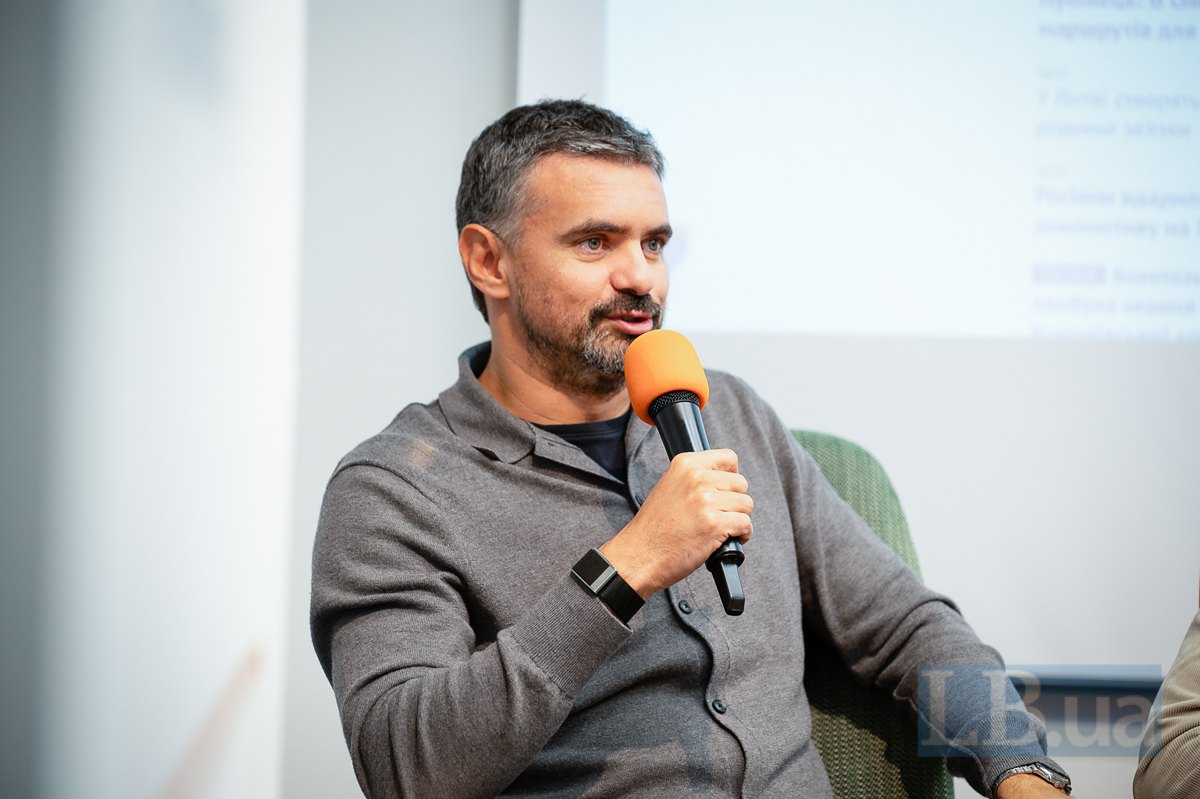
“Dry ports, transhipment via narrow-gauge track, extending the track as far as possible, expanding corridors, simplifying customs clearance—this is what can deliver results under a blockade of seaports. And these capabilities should be built in the closest possible cooperation with the European Union,” the businessman says. “We should not think the war will end tomorrow. This situation may last a long time. Building new logistics is part of our resilience. It can be used after the war as well. At the very least, products from western and central regions could be shipped by rail. That will be our resilience and our advantage.”
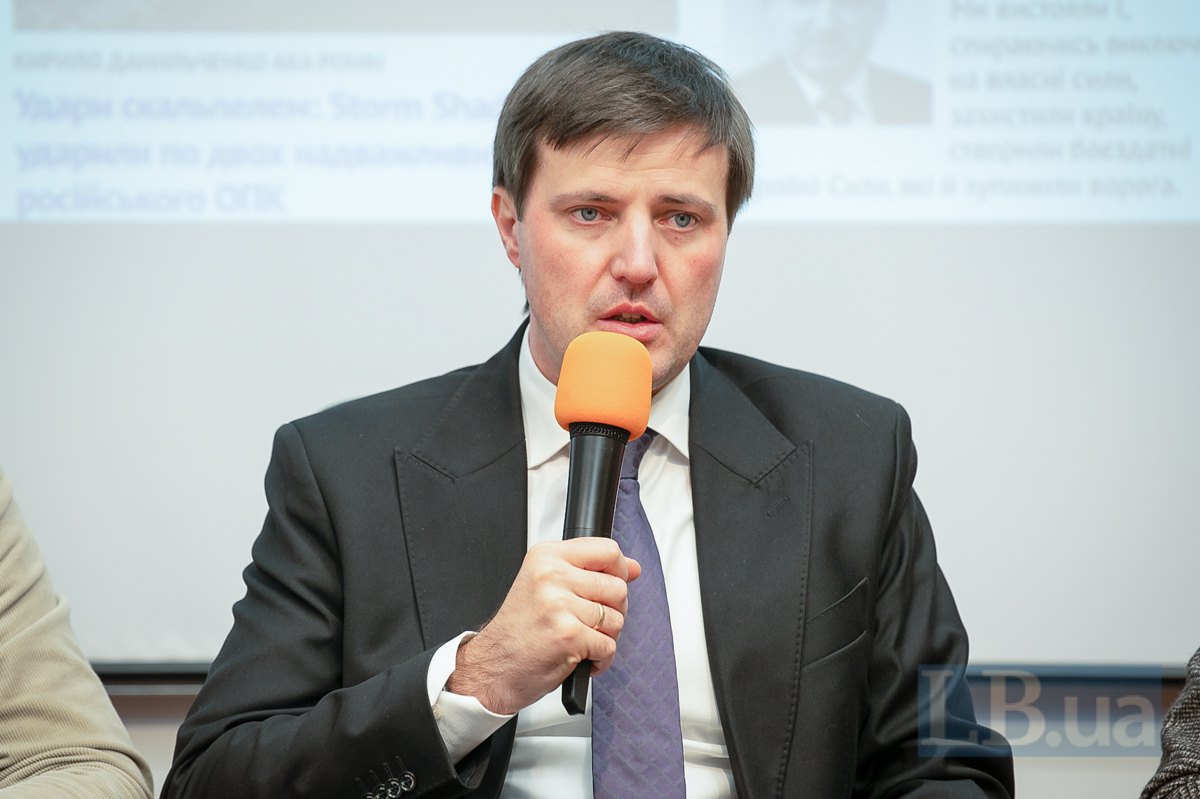
However, this will still take years, notes Taras Vysotskyi, head of the Ministry of Agrarian Policy.
“In 2022 we calculated: an infrastructure rail project needs, at best, 10 years. The Baltic states agreed in 2004 or 2005 to abandon broad gauge and build European gauge, and in 20 years they still haven’t built it. A broad-gauge line through Poland from Ukraine to the Baltics, according to estimates, needs seven years plus design documentation,” the minister said. “It seems to me more likely—and I want to believe it—that our military tech will find a solution: protective corridors so that 90% can be shot down and we can sail by sea. And we should invest the maximum resources in that. It will be faster than changing everything.”
A Pessimistic Scenario
The current export routes—without the restoration of maritime logistics—do not offer Ukraine’s agricultural sector encouraging prospects, believes Taras Vysotskyi, head of the Ministry of Agrarian Policy. In his view, without the resumption of maritime exports, the agricultural industry will no longer be one of the key sectors of Ukraine’s economy for at least ten years. Export volumes could fall to the level of 2001, when only about 30% of agricultural products were shipped abroad.
At the same time, the minister believes 2027 will be a year of adaptation for the sector.
Ivan Chaikivskyi, Secretary of the Verkhovna Rada Committee on Agrarian and Land Policy, believes the current situation shows the need to reform the agricultural industry.
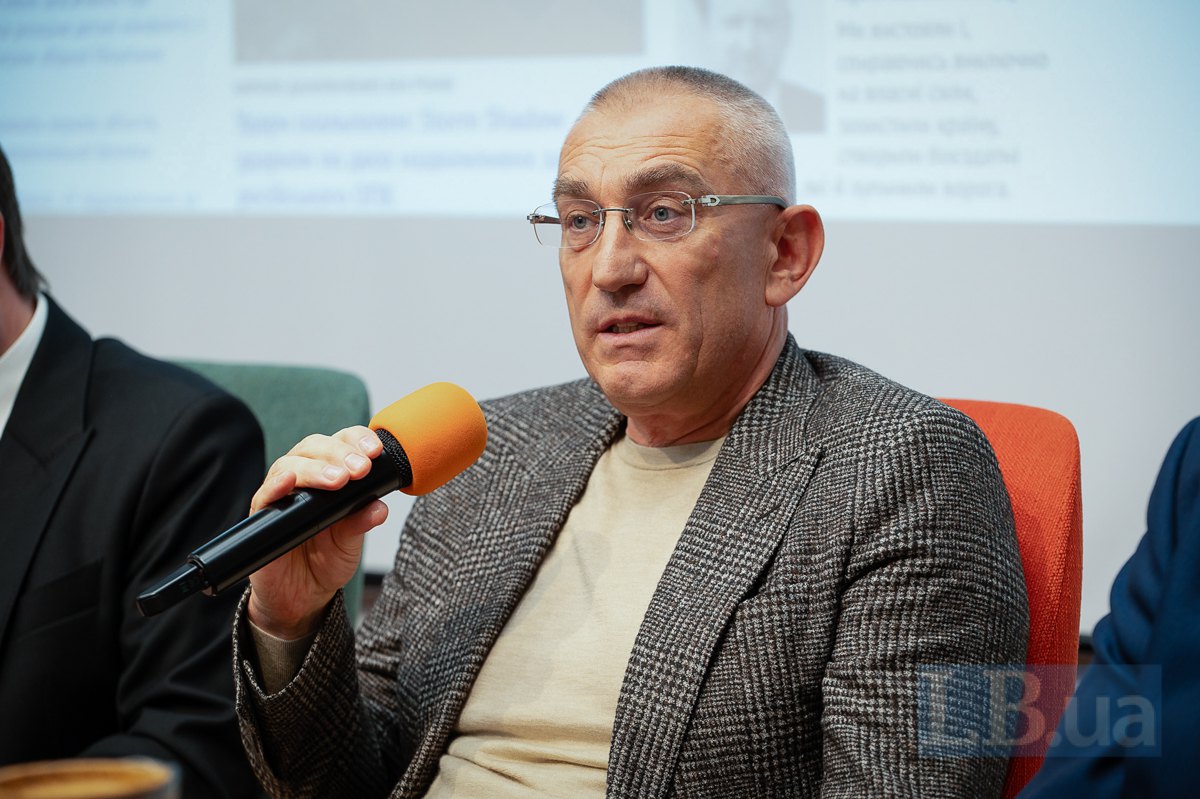
“I’ll be frank: the agricultural sector will never again be what we knew it to be before August ’26 (when exports by sea stopped. — Ed.). We must understand that Ukraine will certainly no longer just grow wheat or maize. I am deeply convinced of that. And what to do about it, everyone will decide for themselves—both the small farmer and the large holding.
But the tradition in Ukraine of sowing grain and taking it to the port is, to be honest, over. Now the search for new opportunities begins. And everyone must find their own way out of the situation,” said the secretary of the parliamentary committee on agrarian and land policy.
In his view, farmers will cut costs as much as possible; some will return leased land to landlords, and so-called accidental investors—those who had little to do with the agricultural sector but were counting on big and quick profits—will leave the industry altogether.
In addition, farmers have problems not only with sales and prices. Small farmers, according to Viktor Honcharenko, President of the NGO Association of Farmers and Private Landowners of Ukraine, are today experiencing an acute shortage of labour.
“The male population in villages has shrunk so much that there is no one to put behind the wheel of a tractor or a lorry. A large number of workers from small farms have moved to large operations, understanding that they can obtain a reservation there. Small farmers are left one-on-one with their problems. And you can’t do much with pensioners aged 70+,” the farmer said.
In addition, he considers the irrigation crisis and lack of water for irrigation to be no less of a disaster.
“Small rivers, where they still exist, no longer save us. And their number is decreasing every year. And irrigating agricultural fields from artesian wells is a crime: we are taking water away from future generations. Irrigating land with such water, in my view, is an abnormal phenomenon,” added the President of the NGO Association of Farmers and Private Landowners of Ukraine.
Processing as a Chance for Agriculture
The speakers are unanimous that processing could become a chance for agribusiness.
EFI Group head Ihor Liski believes that developing the processing industry will help correct the imbalance between the low price of Ukrainian raw materials and the high cost of the final European product. Ukraine already has the necessary base for this: land, protected property rights, and the ability to implement long-term projects, and so on.
“It’s one thing to grow sunflower, another to make oil from it. Plant a vineyard and make wine from grapes; grow soya and process it into soya concentrate, protein, and so on. I sincerely believe Ukraine has matured to the point of creating branded end products that can be used in pharmaceuticals, the chemical industry, and various sectors. And not be afraid to compete in Europe,” the businessman believes.
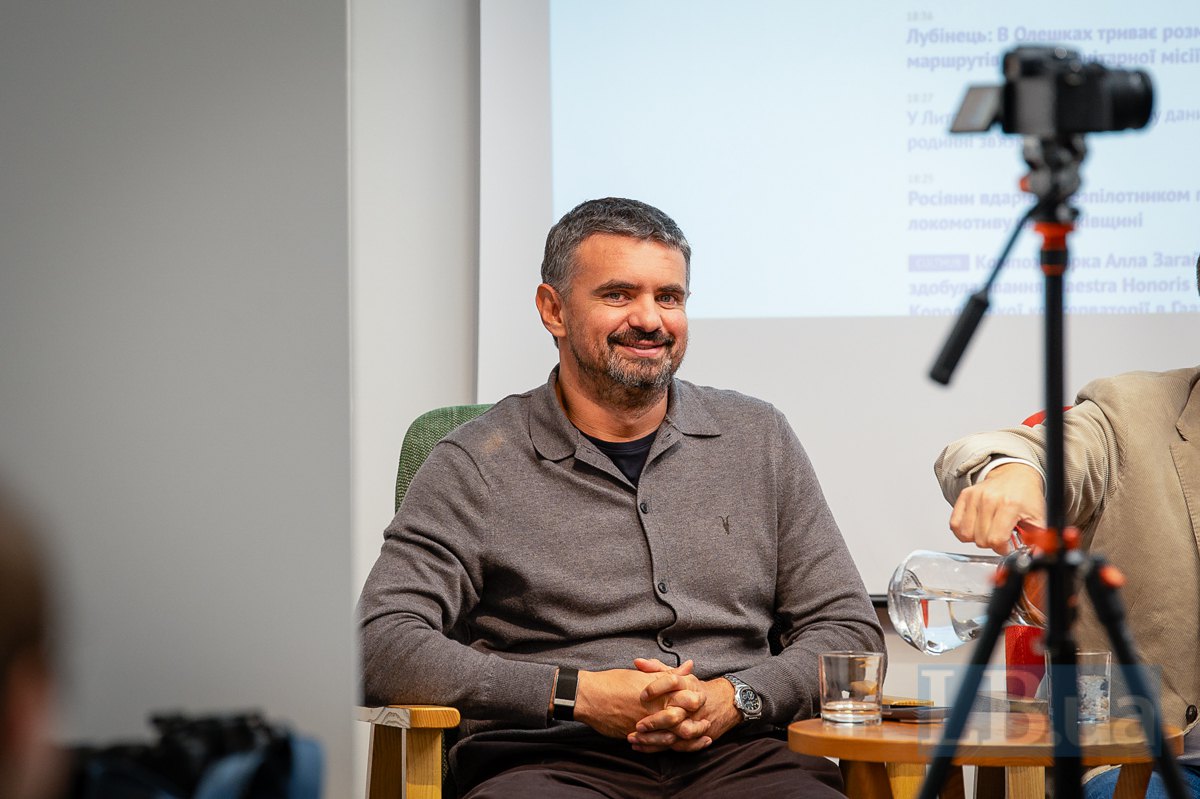
The only thing missing, in Ihor Liski’s view, is project finance.
This aspect was also highlighted by Alex Lissitsa, head of the Ukrainian Agribusiness Club. The traditional banking model, under which a loan is issued against collateral, he says, often does not work in wartime because the value of many Ukrainian assets has fallen sharply.
“If I go to a bank and say I want to pledge an asset that used to be worth $30 million and is now valued at best at three, then with those three million I won’t build anything,” Lissitsa states.
So Ukrainian agribusiness needs a different financing model—lending directly for the implementation of investment projects, he notes. Equally important is attracting Private Equity funds that could invest in agricultural enterprises and new production projects, even if initially only in the western regions.
“It’s not a problem today to mill flour, produce groats or press oil,” notes Viktor Honcharenko, President of the NGO Association of Farmers and Private Landowners of Ukraine. “But who will eat it? Where do we put it? When we talk to European farmer colleagues, they are afraid of our presence, our interference, our accession to the European Union. They say they don’t know where to put their own products,” the farmer believes.
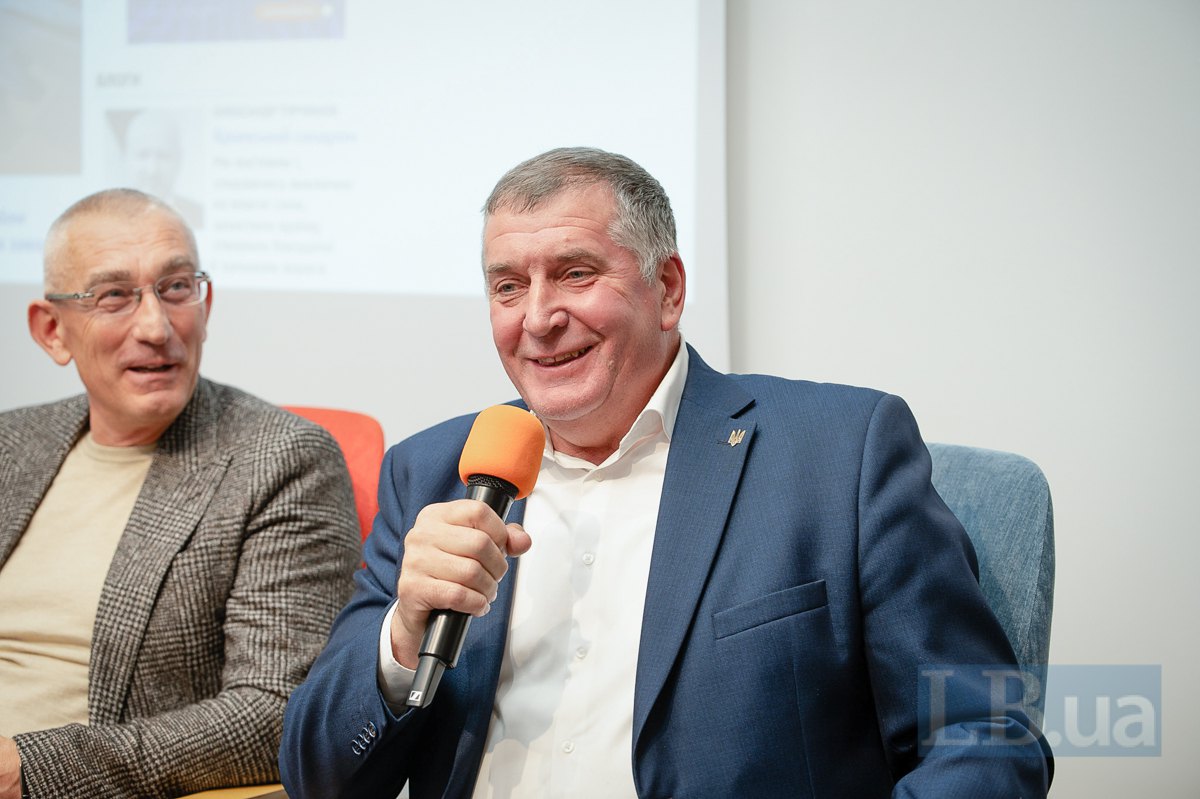
In his forecast, the development of processing will encourage small farmers who do not have the capacity to create large-scale production on their own to unite into cooperatives. He cites the cooperative movement in the US and Europe as an example.
“There, cooperatives own not only processing but also trade and retail—they work on the ‘from field to table’ principle. And that is one way out. When we reach a critical point, then we will unite and look for a way out together. Because right now Ukrainians act each in their own way, trying different options as best they can. But when it comes to the crunch, the right movement will appear. And our only path is to Europe. With such a powerful market, we must do everything to work together,” the farmer noted.
But this approach, notes Ivan Chaikivskyi, Secretary of the Verkhovna Rada Committee on Agrarian and Land Policy, requires a review of national legislation, because cooperative activity in Ukraine has been reduced to nothing.
“Cooperation began to work in Ukraine and quite well in the early 2000s. But current legislation has crossed out the development of cooperation, because service cooperatives are not perceived by our tax authorities as a business entity, but are treated as a partnership, a profit-making organisation. And those shoots of cooperation laid down in the early 2000s have today been practically annulled,” the MP noted.
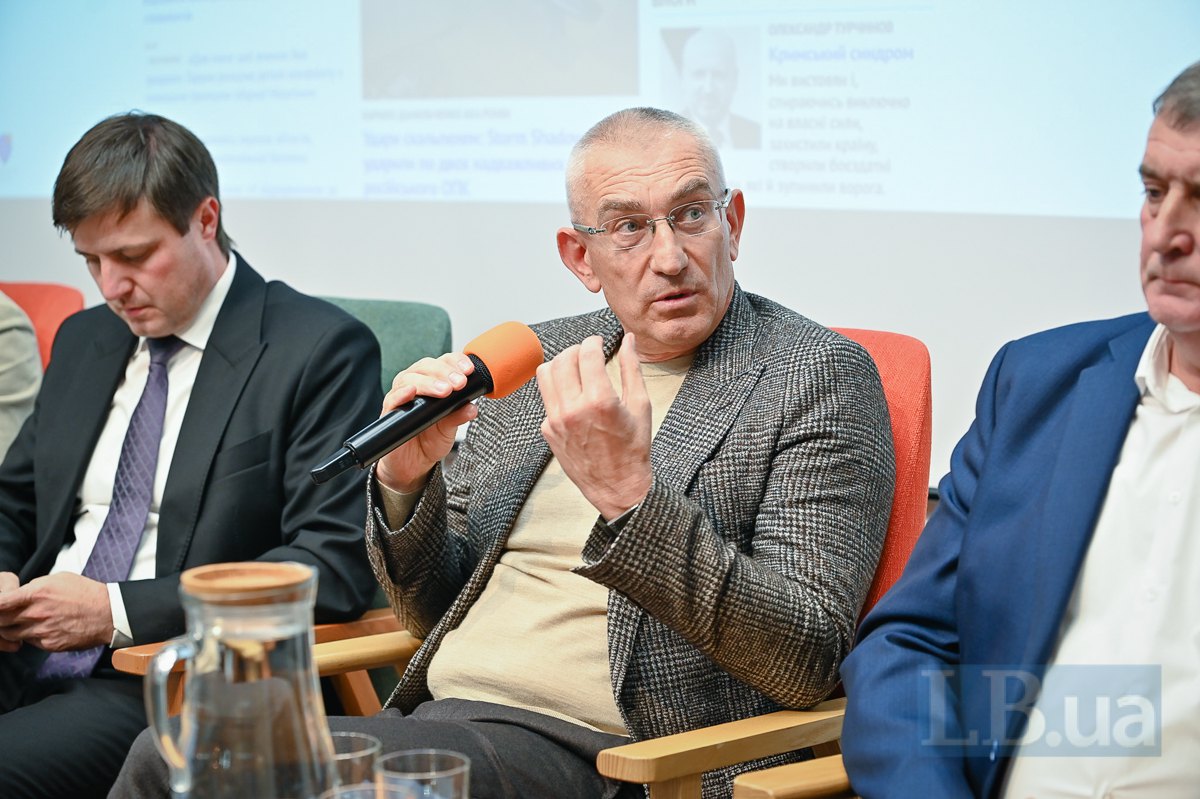
In Alex Lissitsa’s view, Ukraine’s processing industry will be able to develop fully and be profitable provided Ukraine integrates into the European Union.
“We have no other market. A 500-million-strong market is potentially capable of absorbing significant volumes of Ukrainian products: starch, mushrooms, raspberries, canned goods, and so on,” he argues.
The EU Is a Strategic Opportunity for Ukraine’s Agricultural Sector, but Competition Will Be Tough
Ukraine has no alternative to the European Union, Alex Lissitsa is convinced. And to save the agricultural industry and the country as a whole, Ukraine must move there as quickly as possible.
Businessman Ihor Liski shares the same view.
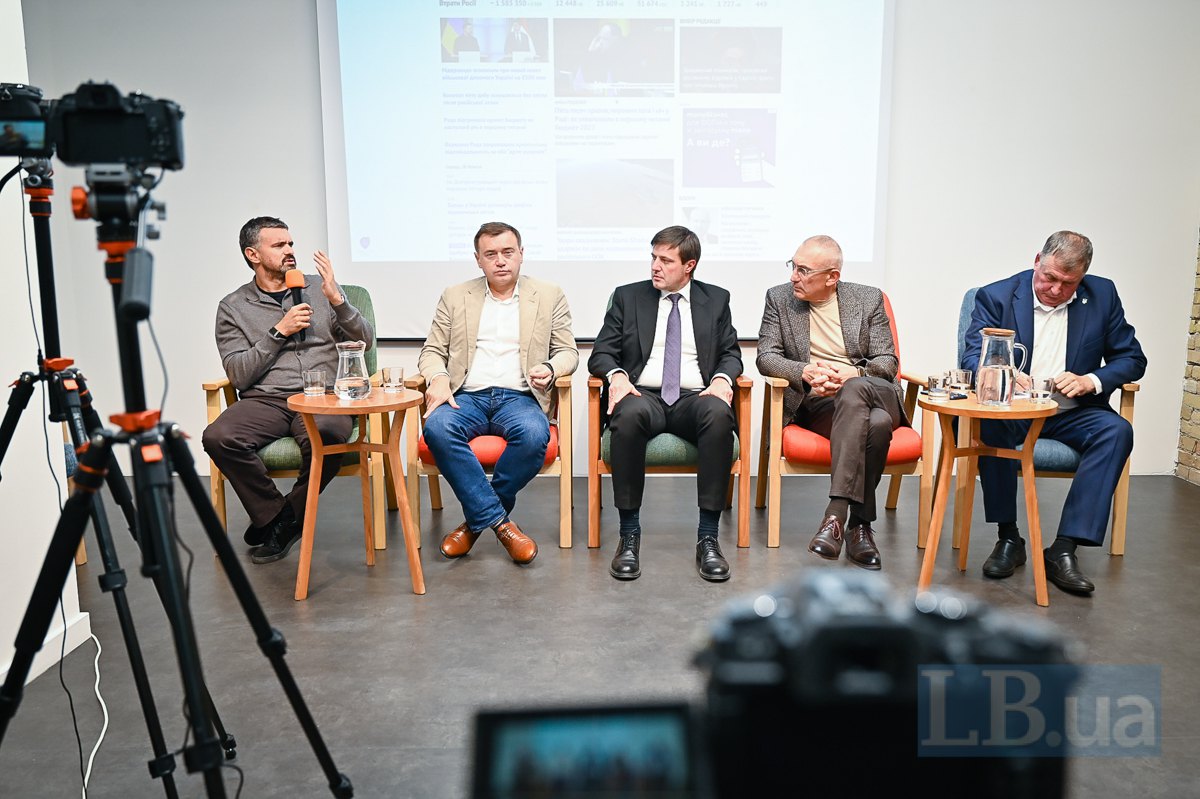
“It seems strange to me that there is still a debate about whether Ukraine needs the European Union with its rules, regulations, standards and restrictions. As if perhaps we would cope better on our own. But in today’s conditions we must abandon rosy dreams.
The European Union is essentially the only major player ready to play with us for various reasons. Even the Americans are ready to trade us off for Iran or for rapprochement with Russia and China. And that is a dangerous trend. But for the European Union we have cards—we are investing in Europe’s security architecture. We can speak as equals.
And besides, if we are located next to the largest market, why look for some strange constructions in a world that is becoming ever more fragmented,” Ihor Liski emphasised. So, in his view, Ukrainian farmers should already be preparing—by raising quality standards, among other things.
But in Europe, Ukrainian farmers will also have to fight tooth and nail for their place, believes Alex Lissitsa, head of the Ukrainian Agribusiness Club. Ukraine therefore needs to learn to defend its interests, for example like Brazil, to which it is similar in its development pattern, dynamics and the introduction of innovation in the agricultural sector.
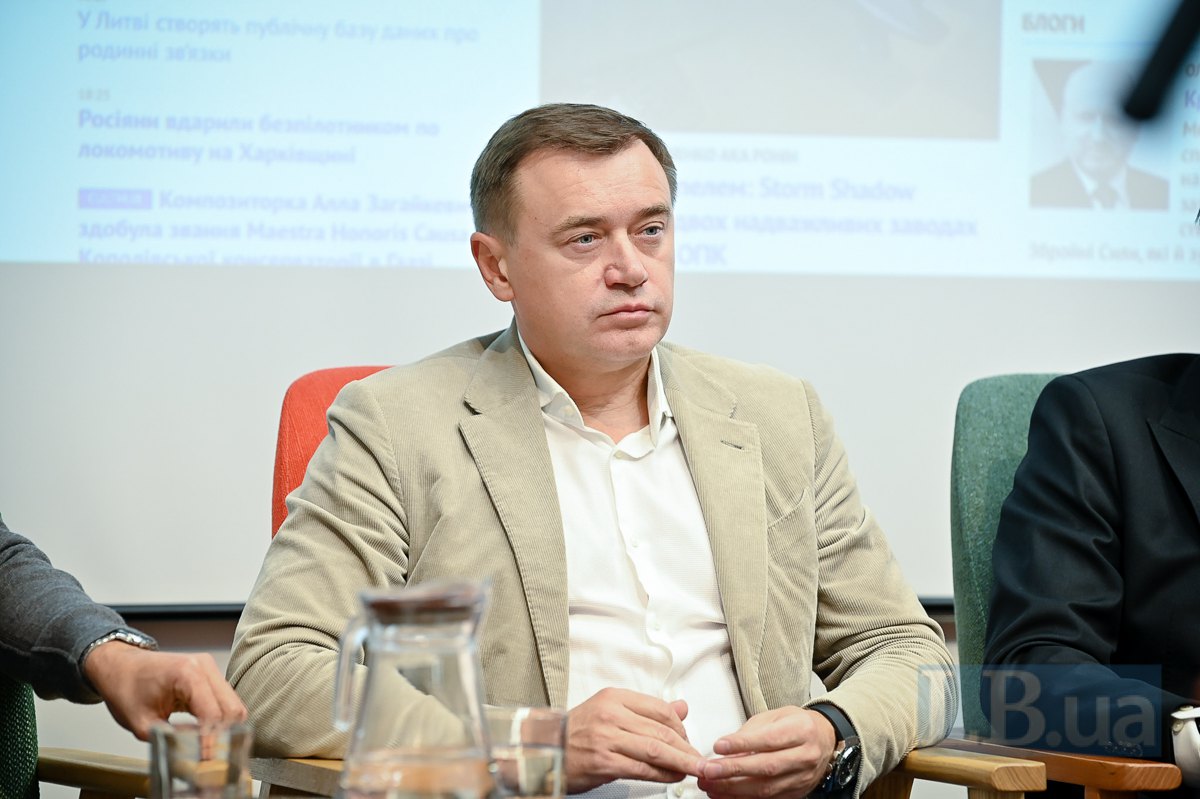
“Brazilian agribusiness opened its office in Brussels 15 years ago. And it works steadily, lobbying its interests. We, the Ukrainian Agribusiness Club, opened our representation only two years ago. We are at the beginning of the road, and believe me—it’s not a simple story. No one is waiting for us anywhere just like that. You have to fight for everything.
No one touches Brazil, which ships 4.5 million tonnes of sugar. But about Ukraine, which exports 100,000 tonnes within a quota, they say it has flooded Europe with sugar. Poland is beating up Ukraine over honey, although China brings in twice as much honey and no one touches it. Likewise, Serbia brings three times more raspberries into the European Union than Ukraine does, but lobbying structures are beating up precisely Ukraine.
Hard work awaits us. We have to fend all this off, fight for our place and work. But this is a market economy—there is no other way,” the businessman stressed.