







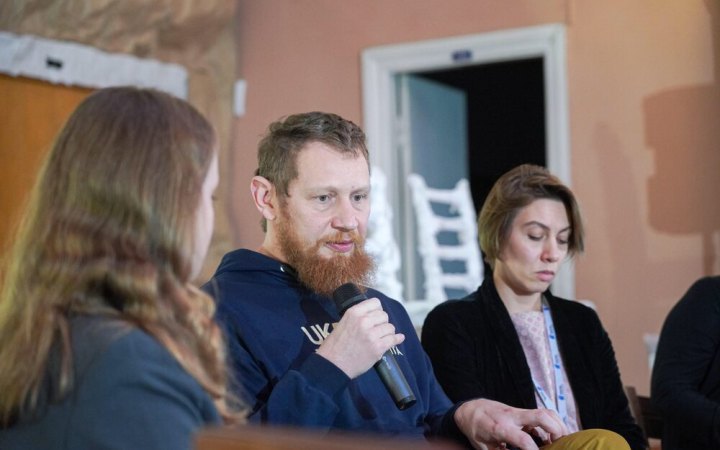
The human dimension of veteran experience
Yurko Vovkohon emphasises that the human dimension of veteran experience is central to his approach: “Even the most beautiful image of a hero is worthless if we do not see real people behind it. The only way to create a true image of a veteran is to give the defenders themselves the opportunity to tell their stories. Also, no one can explain the value of life better than those who defend it every day.”
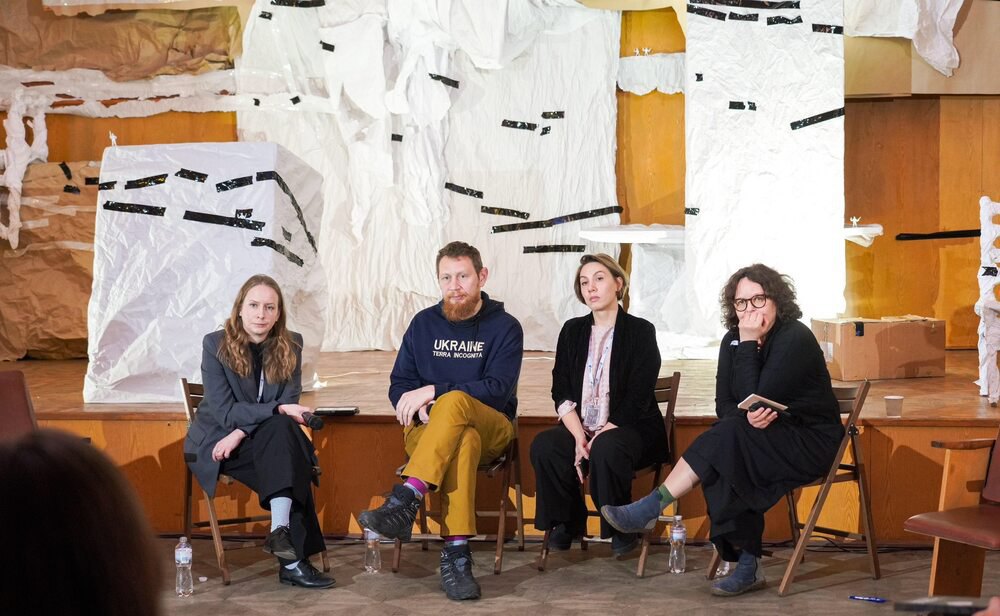
It was from this understanding that the idea of collecting short stories within Voices of Defenders was born: some veterans write the texts, others read them aloud for the audio versions, and the stories themselves are translated into different languages so that, first and foremost, servicemen and veterans in other civilised armies around the world can read them.
Memory, pain and gratitude
“It was an idea that Nazar Ostrovskyy and I had together,” says Vovkohon. “He was my friend, a volunteer in the Azov battalion, who died last year. I am also doing this project out of gratitude to him. Surely, this pain of loss can only be compensated for with gratitude.”
Vovkohon explains that the extreme and existential experience of war, if not passed on, remains inside and begins to destroy a person. When this experience is spoken about and shared, it can become valuable to others and restore meaning to what has been lived through.
Literature as a way of telling the truth
After lengthy discussions with Danish partners, the team managed to officially launch the project: YMCA Lviv, together with YMCA Denmark, won a grant that allows them to publish these collections of short stories for three years, experiment with the format, and learn from their own experience in order to develop the initiative beyond the grant framework in the future.
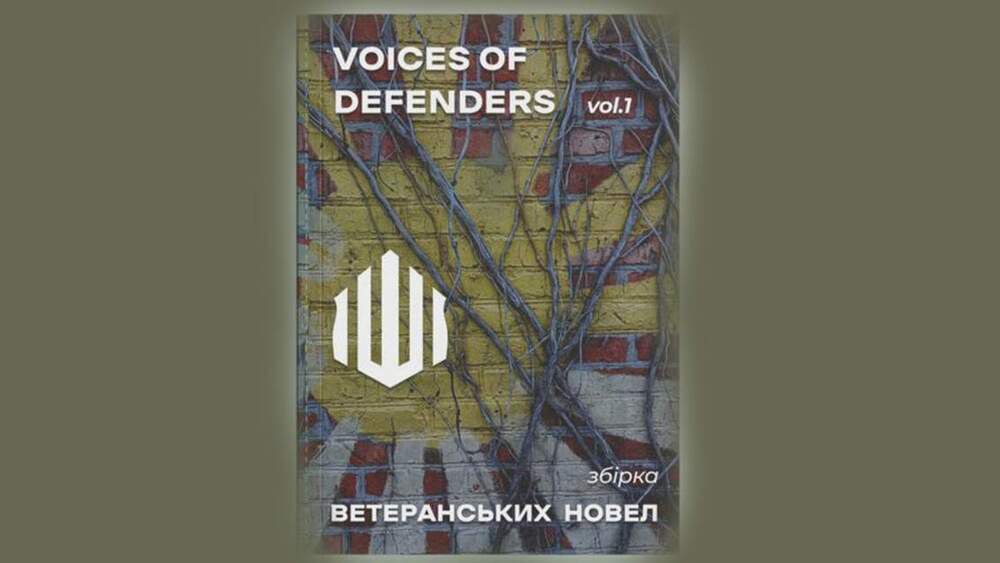
Each book has a QR code that links to a website with audio versions and electronic formats in Danish and English. In the future, the team plans to reach out to veteran literary circles in different countries because, according to Vovkohon, it is easier and more honest to tell the truth through literature than through official channels.
Raw experience instead of a literary product
The curator of the collection was poet and translator Hrytsko Semenchuk, while Yurko Vovkohon played more of a managerial role. Initially, the team planned to involve professional writers who had fought in the war in writing the texts, but the grant conditions — young age and veteran status — forced them to change their approach.
“It’s not that easy for us to select veterans under the age of 35. And that means, in order to be demobilised now, either serious injuries with amputations or the death of someone close to them. Only one of our authors returned for a joyful reason — she gave birth to a daughter.”
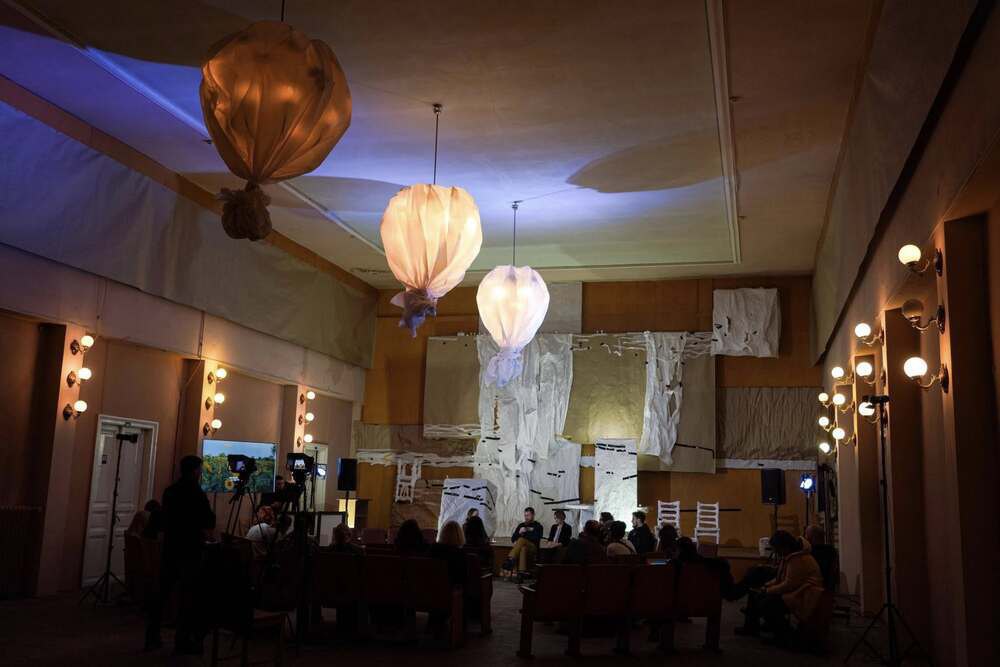
Intuitively, Hrytsko Semenchuk and Yurko Vovkohon chose to work with veterans who had never written before. “When a writer writes a novel, you perceive it as literature, as a product. But when an ordinary person writes, it is perceived as a raw and sincere experience in which the reader can see themselves,” explains Vovkohon. It is this rawness and authenticity that made the collection stronger.
Audio short stories as a meeting place
The team hypothesised that if some veterans wrote short stories and others read them aloud, it would allow complex topics to be discussed without excessive immersion in trauma and would have a therapeutic effect. The project combined online work with offline meetings, which allowed the authors and voice actors to better understand each other’s experiences.
Vovkohon recalls an episode when veteran Maksym Fetysov, while choosing a text to narrate, suddenly realised that the battle described in the short story was the very one in which he had fought alongside the author, Ihor Dushan. It turned out that both had served in the 80th Separate Airborne Assault Brigade of Galicia, and they agreed to meet briefly in Lviv on Independence Day. This meeting turned into a four-hour conversation, during which they even found a video of that battle. “This is what can truly be called networking,” he concludes.
Art as a form of resistance
When speaking about trauma, Vovkohon formulates his position harshly and honestly: “I am not interested in making veterans’ lives easier, but I am definitely interested in making them more meaningful.” The project had only two requirements for the short stories: not to discredit the Ukrainian military and to adhere to the theme of life’s victory over death, light over darkness, so that the texts would give hope and a desire to live.
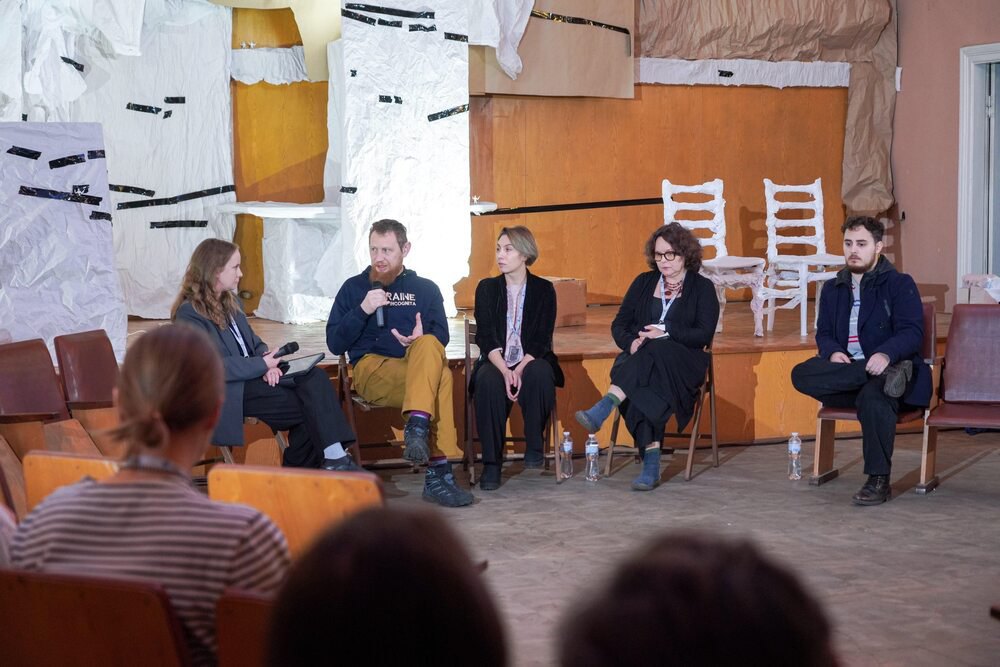
The first collection of veterans’ short stories has already been published. Next year, Voices of Defenders will be dedicated to military volunteers, and in the third year, the project will return to veterans’ stories. For Yurko Vovkogon, this is not only a cultural initiative, but also a form of resistance:
“This is probably the only thing we can oppose Russian propaganda with — our truth and person-to-person communication.”