






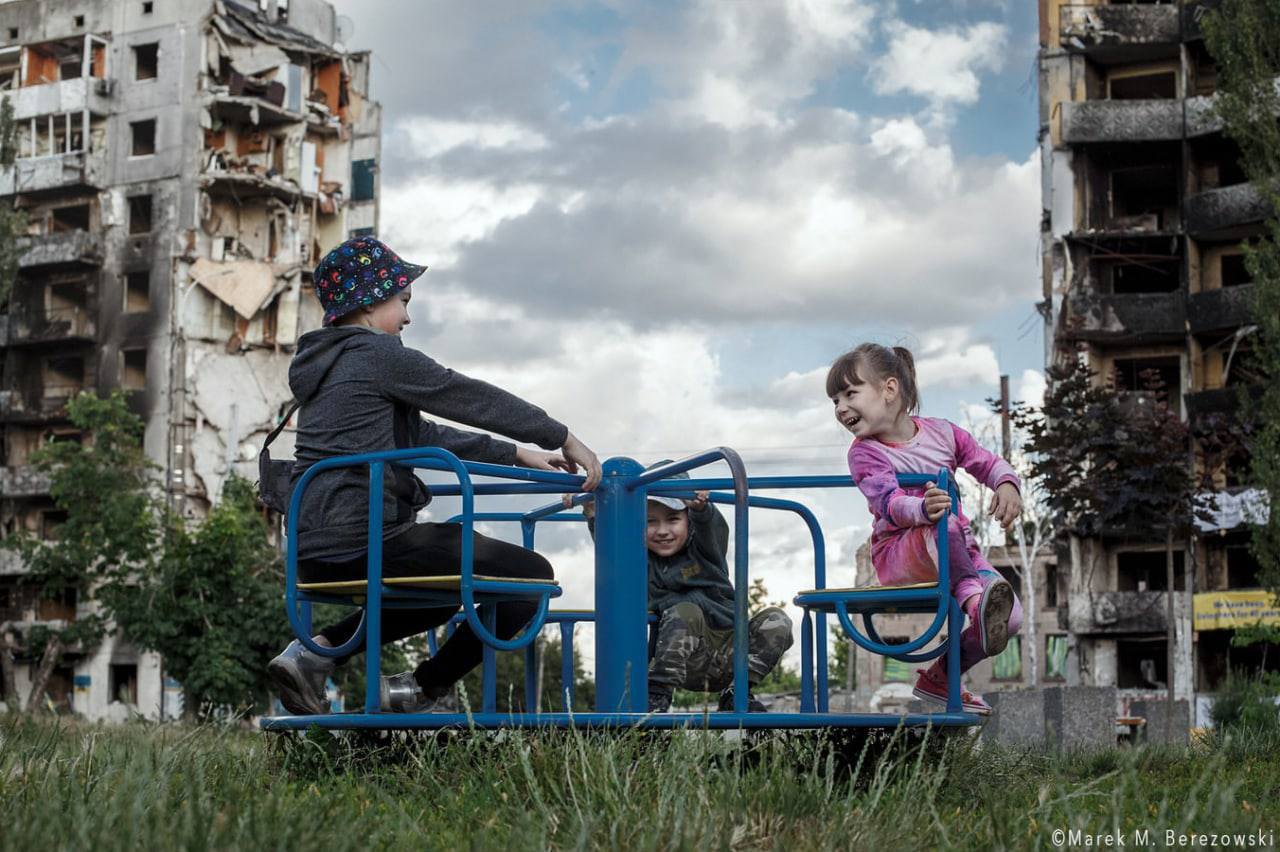
Kyiv, 3 March 2026. Ukraine’s future begins with its children and young people. This is not a slogan. It is a reality. Despite the horrors of four years of full-scale war and more than 12 years of tragedy for many families, children, young people and the adults who care for them still hold on to the hope that tomorrow can be better than yesterday.
I write this with a heavy heart, knowing that far too many families are enduring unspeakable pain after losing a child or seeing their child injured.
Read alsoWho and how deported orphaned children from Donetsk Region before full‑scale war began: investigation details
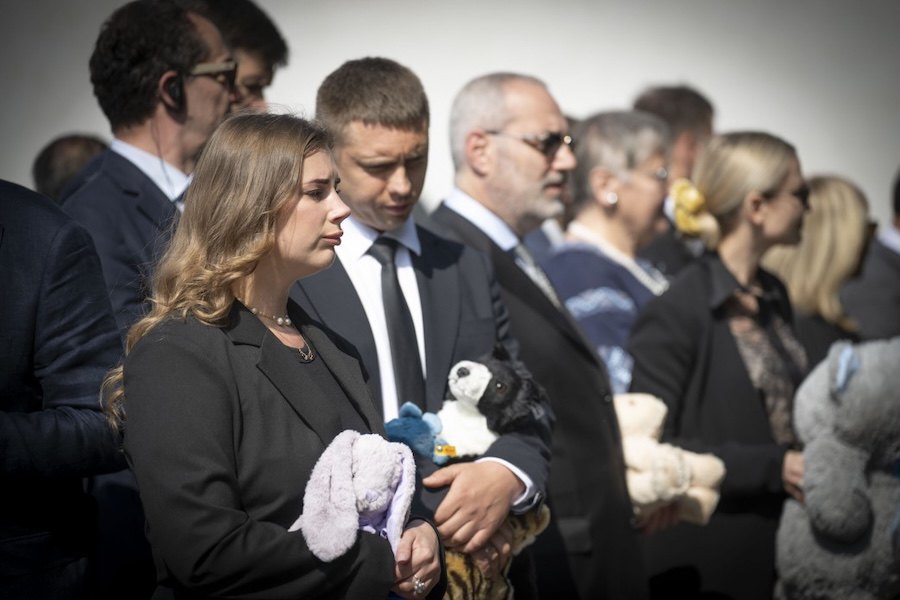
These include, for example, Iryna and Maksym, whom I met last year in Kyiv at an event organised by the President to honour children killed in the war. Four-year-old Liza, Iryna’s daughter, was killed in a strike on Vinnytsya. Maksym lost his three children in an attack on Kryvyy Rih. Somehow, they found the strength to endure their darkest days.
And then there are young people who have lost friends. For example, graduates of the Korostyshiv Lyceum in Zhytomyr Region, who held their final bell ceremony at the grave of their classmate Roman. The 17-year-old boy was killed along with his younger brother and sister just a week before the end of the 2025 school year.
According to UN data, the number of children affected since the start of Russia’s full-scale invasion exceeds 3,200 and continues to tragically rise each week. Too often, I have stood at sites of horrific attacks: from the “Okhmatdyt” hospital to a playground in Kryvyy Rih, and residential buildings in Ternopil — children’s lives and their families were shaken by strikes even far from the frontlines.
But during my travels across the country, I have also witnessed remarkable dedication from medical and social workers, teachers, and water utility staff, who often risk their own lives to ensure children continue receiving vital services and gain the skills and opportunities needed to thrive. These efforts show that children should not lose faith that their best interests remain a priority for adults.
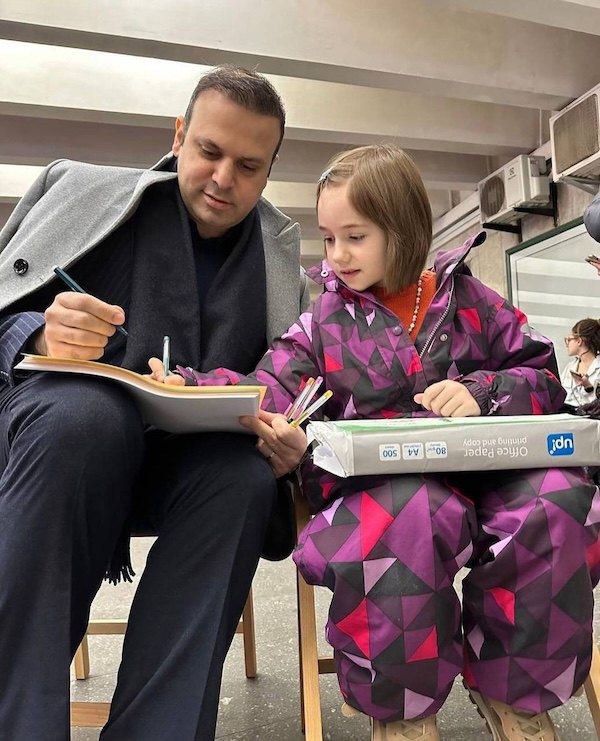
Their work saves lives and transforms them for the better. They are ready to teach in metro stations, provide critical psychosocial support immediately after attacks, and take risks in frontline areas to repair water pipes and networks. In Ukraine, I have seen this dedication every day. I have seen how, even amid war, the lives of children and young people can be profoundly changed.
Take, for example, the story of 16-year-old Erika from Dnipropetrovsk Region, whom I have had the pleasure of meeting several times. She is a passionate and talented athlete who has won a championship title in kettlebell sport. Erika was raised by her loving foster mother, Nelya, in a large family that has welcomed ten children. The care and encouragement she now receives were absent in her early years, which she spent in an orphanage. Behind Erika’s story stands the government reform “Better Care for Every Child”, which introduces systems designed to strengthen families and ensure every child’s right to grow up in a loving and safe family environment.
Or take the story of Anton from Poltava — a visually impaired student who travels across the city to attend a youth centre supported by UNICEF. He says the career guidance he receives there helps him grow and explore different opportunities already now. This space, like many others that UNICEF provides with technical support, is co-financed by local authorities, while the premises are fully maintained by the local community, ensuring the initiative’s sustainability. This is child- and youth-focused recovery in action.
Through my work with UNICEF and our dedicated partners, I see hope in action. It is reflected in the children and young people I have met across Ukraine — from Kharkiv to Kherson, and from Transcarpathia to Zaporizhzhya. This is what motivates me and my colleagues at UNICEF to do everything possible to protect children’s rights, safeguard their wellbeing, and ensure they have every opportunity to develop their talents and fulfil their potential.
But childhood does not last forever. Children, young people and families need sustained support and investment in their wellbeing and services today. We must do everything possible to ensure that the vulnerabilities and anxieties of wartime, which also permeate childhood, do not leave a lifelong mark.
As I leave Ukraine for my next mission, I do so with deep respect and admiration for the country’s commitment to its children and young people. Above all, I hope that the horrors of war will soon end for every child — that a fifth year of war will never come.
Let me close with a dream of peace so beautifully expressed in a poem by eight-year-old Stanislav from Pokrovsk:
What is peace?
It is happiness in our eyes. It is the blue of the sky.
It is love in our hearts. It is a bright future.
It is dreams coming true. Our dreams are all different. But peace? It is one.
May peace become a reality for every child.