






Russia intensifies pressure in cyberspace and recruitment
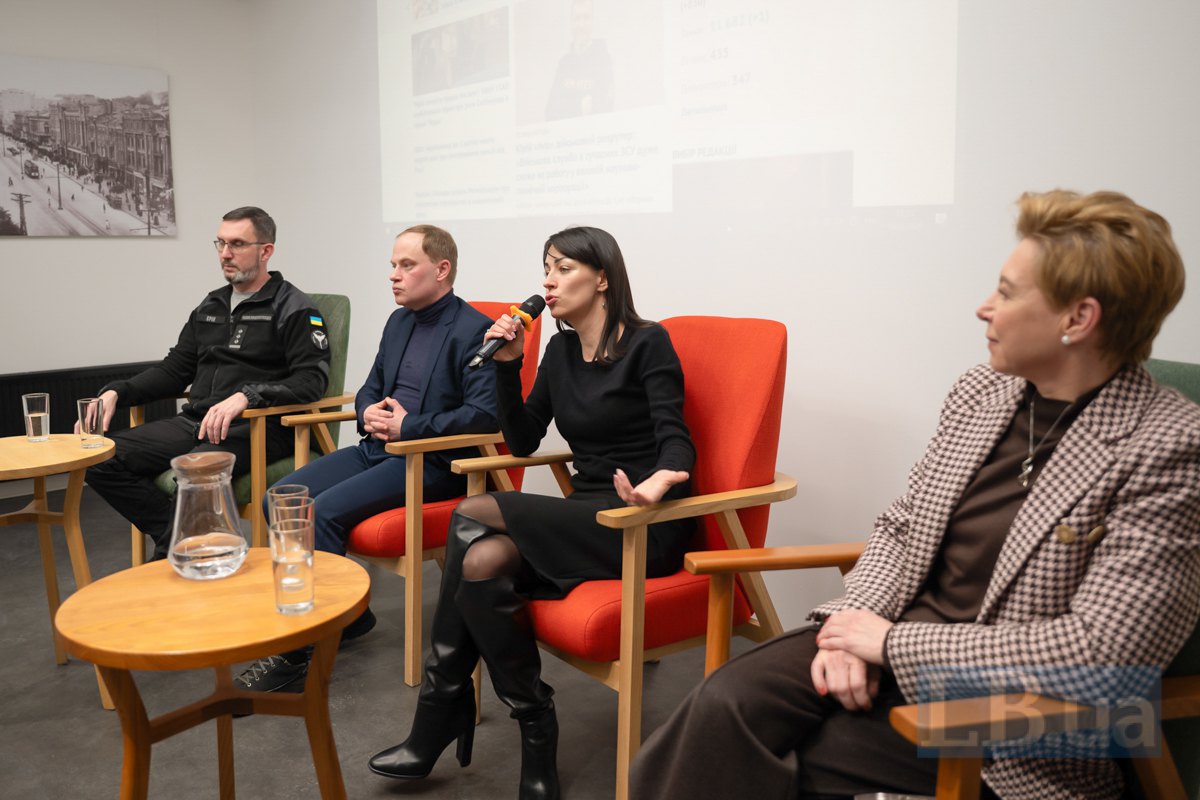
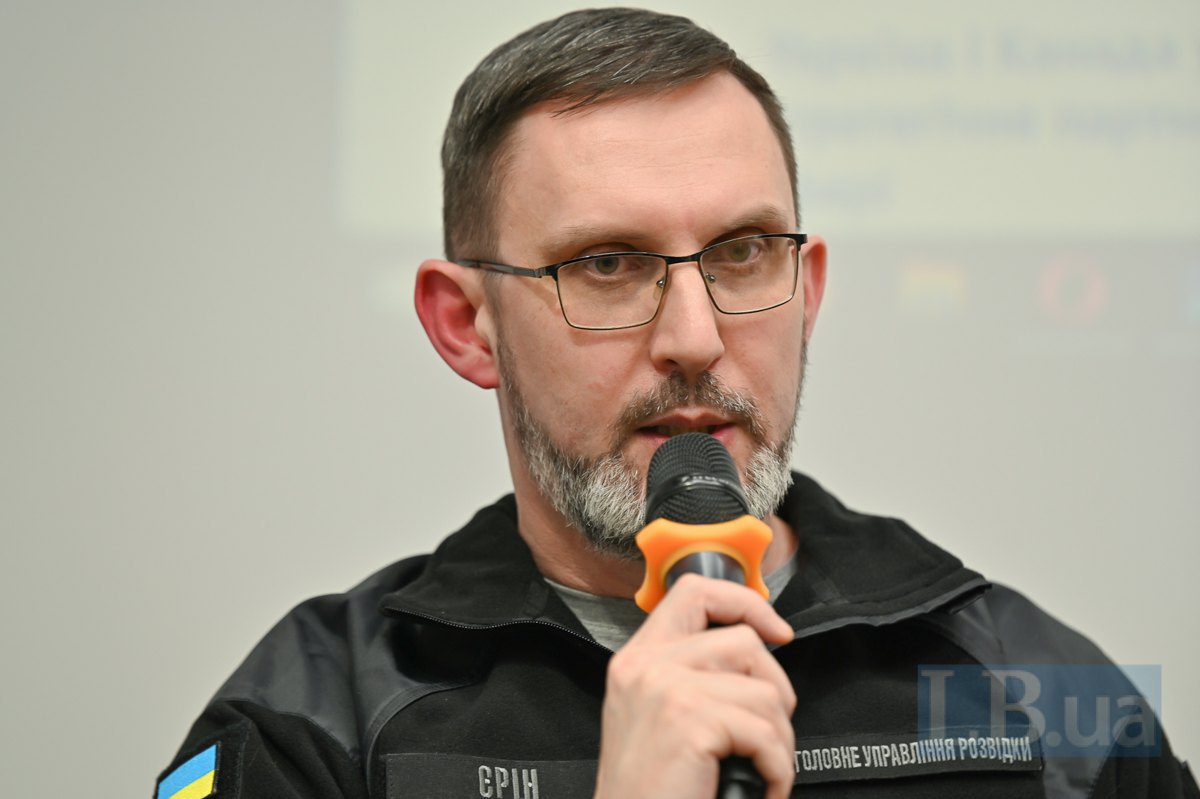
The threat from Russia in cyberspace is constant, with the aggressor state continuously seeking to strengthen and expand its capabilities and resources, said Yevhen Yerin, representative of the Defence Intelligence of Ukraine. The Russian Federation is also attempting to broaden its network of agents and to scale up so-called “troll factories” for subversive activity online, he added.
This is particularly evident when the enemy fails to achieve tangible success on the battlefield — at such moments, according to Yerin, it actively increases pressure on other “fronts”.
“Russian cyberattacks can, of course, cause serious damage. However, our cyber specialists and experts from other departments are working constantly to protect and strengthen Ukraine’s critical cyber infrastructure,” Yerin said.
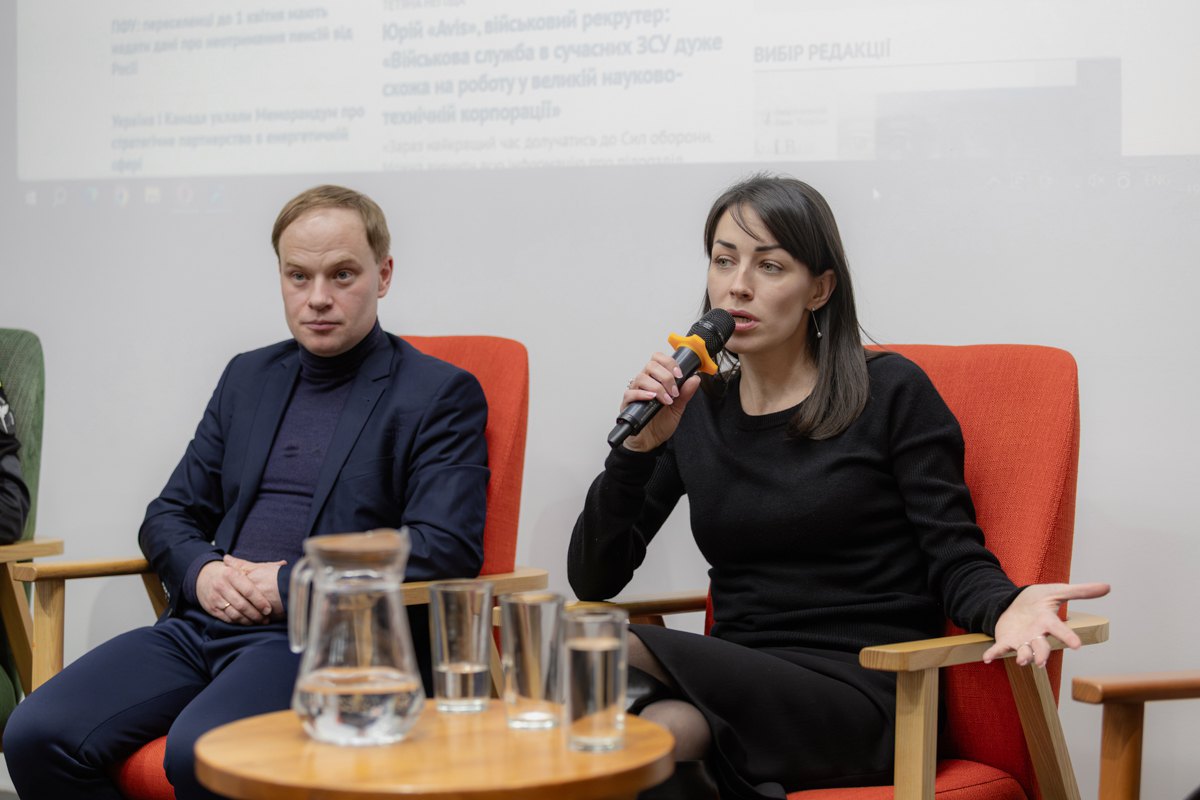
The enemy has intensified efforts to recruit Ukrainians to carry out arson attacks, terrorist acts and sabotage since 2023, when Russian President Vladimir Putin approved the relevant plan, known as “Sabotage Noise”, said Olena Semykina, adviser to the acting head of the Security Service of Ukraine.
According to her, the enemy focuses on two main categories of individuals: those with addictions — to drugs, alcohol or gambling — who may be seeking quick money; and vulnerable groups, including minors and the elderly.
“Recruitment typically takes place online: via job search websites, dating services, Telegram, Instagram and other social networks. A child aged 14 to 16 may be contacted by an unknown individual offering payment for a seemingly simple task — for example, to photograph a particular site or to transport a package from point A to point B. In reality, the package may contain an improvised explosive device (IED),” Semykina noted.
According to the advisor to the acting head of the Security Service of Ukraine, a shocking incident occurred in the Ivano-Frankivsk Region.
"Two underage boys, aged 15 and 17, were carrying an IED. When the supervisor realised from the telecommunications tags that they had reached the station, they were simply blown up along with the package. One child died on the spot, the other lost his legs. This is an extremely cynical story, because these children, young people or drug addicts are actually being used as suicide bombers," says Semykina.
She noted that the chatbot t.me/spaly_fsb_bot, which the SBU created as part of a set of measures to prevent the recruitment of the population, has already received 18,000 requests.
(According to police data, 26% of solved crimes related to terrorist attacks were committed by minors).
And since 2025, adds Olena Semykina, the enemy has also begun to recruit elderly people — these are so-called "under the enemy's flag" operations.
"They take the contact details of elderly people from the pharmacy database, for example, they call and say: 'Good afternoon, this is an SBU employee. We need you; you have an extremely important mission to carry out. This soldier is working for the enemy. Your task is to track his location or simply place a package under his car at 5:00 a.m. when we tell you," says Semykina. “And elderly people (mostly 70+), who lived during the Soviet Union, when they are introduced as an employee of the SBU or any law enforcement agency, trust this 100%, without even considering that it might not be true.”
The advisor to the acting head of the SBU adds: The Security Service has already encountered cases where the lives of well-known volunteers, military personnel, and others have been threatened.
"A military pensioner was convinced that he was working for the SBU. And when he was detained, he couldn't believe that he wasn't working for his own country," Olena Semykina gave an example.
What role does Telegram play in hostile information operations?
Chairman of the Verkhovna Rada Committee on Freedom of Speech and MP Yaroslav Yurchyshyn considers Telegram to be a recruitment network for the Russian Federation. He explains that when investigating how curators communicate and which networks they use, they come across this network. It is this network that provides total legalised anonymity.
"Today, Russia and China are building a two-tier information system in which TikTok and Telegram remain platforms exclusively for external use," says Yurchyshyn. "TikTok does not work in China, as you know. They have an internal network called Douyin. TikTok is a network exclusively for external users. Russia is now building the same system. Telegram is for external users, and since April, Russians themselves have been switching to Max, which is fully compatible with the Chinese Douyin, exclusively for internal use. And here, quite tough measures are needed."
The head of the Verkhovna Rada Committee on Freedom of Speech, referring to the head of Romania's Digital Bureau, also recounted how Telegram tried to influence the election results when, on election day, every user received a letter from Pavel Durov.
"Is this a platform? No, it is specifically a weapon. And that is why stricter frameworks are needed here. I would like to thank both the Defence Intelligence of Ukraine and the Security Service, which have taken a clear position that we do not need it. Just as we did not need VKontakte and Odnoklassniki," Yurchyshyn emphasises.
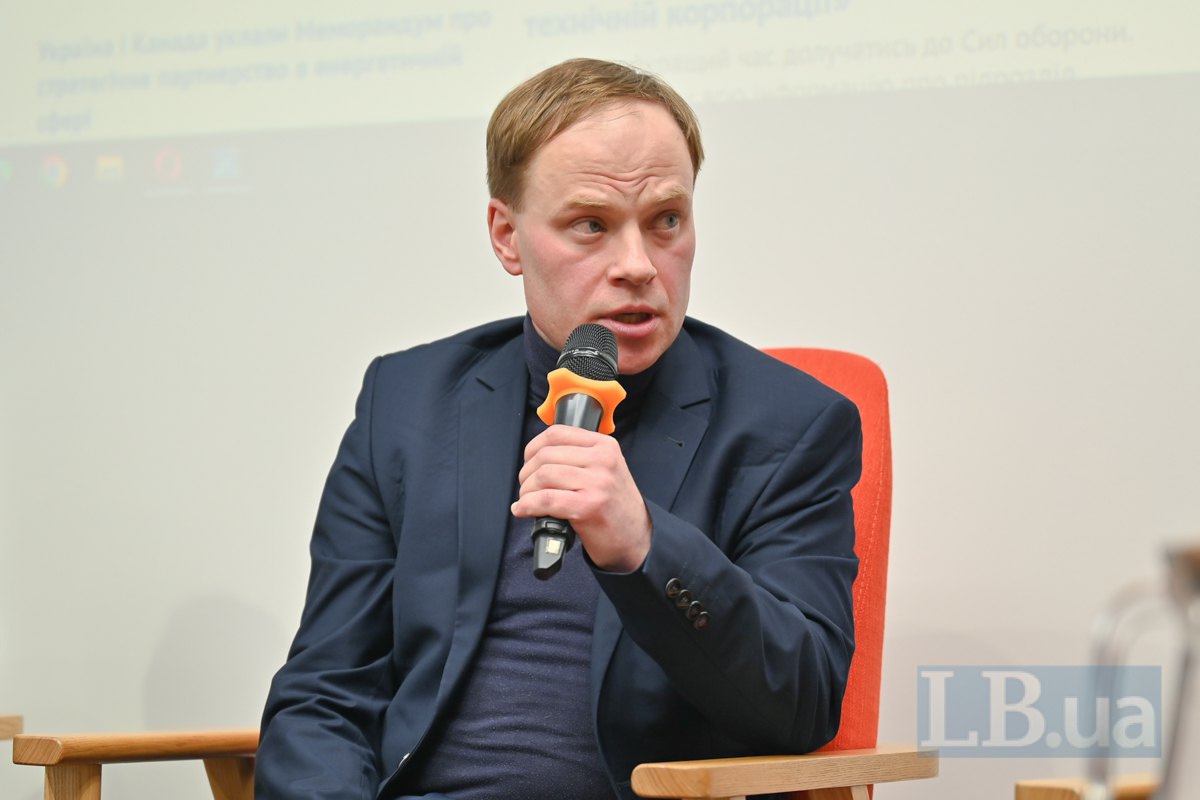
The head of NABU, Semen Kryvonos, in turn, recalled the role Telegram plays in attacks on the Bureau with the aim of putting pressure on the investigation of high-level corruption.
"At the beginning of 2025, we faced a wave of information attacks through anonymous Telegram channels. However, they are no longer anonymous. Anyone who wishes can view Yaroslav Zheleznyak's investigation. These individuals are wealthy, well-known, and famous. It all began with preparation, followed by the attack itself, and then they went silent for several months. Now they are beginning to attack again," Kryvonos noted.
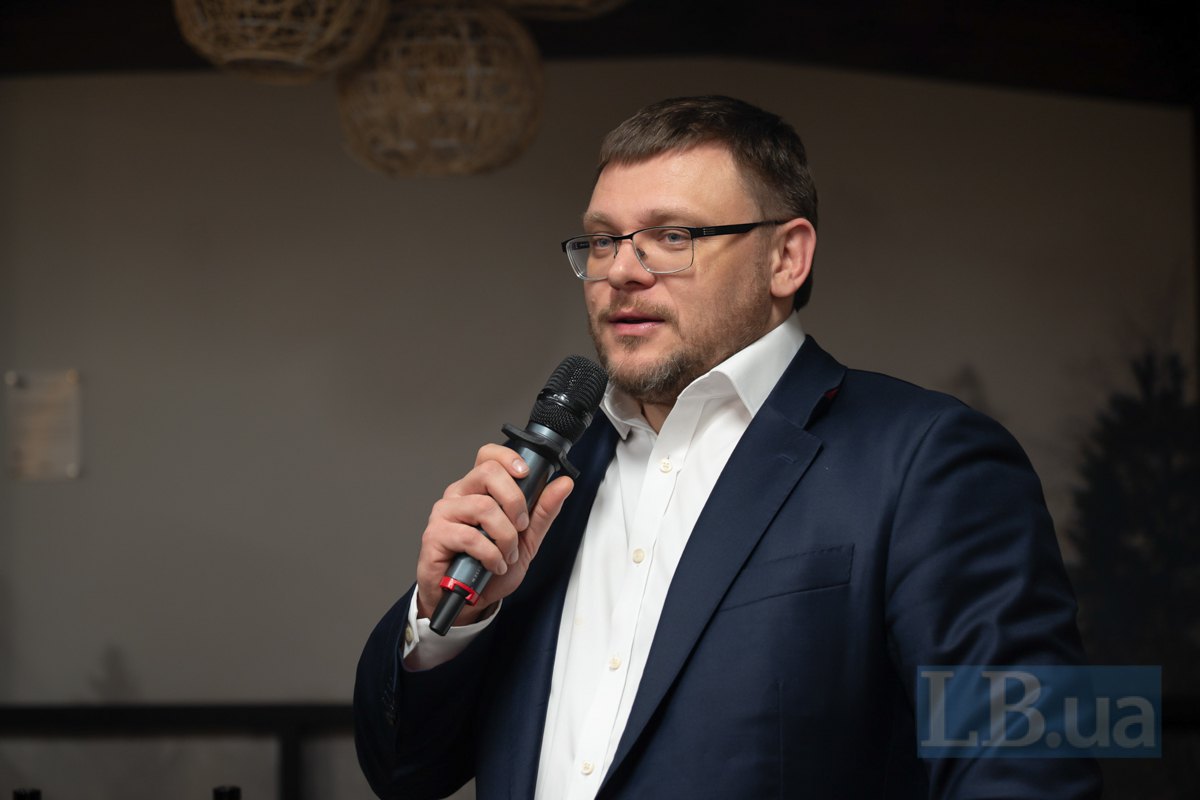
Yaroslav Yurchyshyn added that Telegram, which does not pay taxes in Ukraine (foreign non-resident companies that provide electronic services to Ukrainians must pay a 20% Google tax to the state budget on income from the sale of software, games, films, advertising, cloud storage, etc. — Ed.), has also turned into a legalised black market, where there is access to illegal drug trafficking, arms trafficking, and so on.
Therefore, the MP concludes, Telegram should be banned in Ukraine. However, such a step requires a decision by the National Security and Defence Council and a corresponding presidential decree.
What about other social networks?
Although Russian curators also use other social networks, they are less threatening, according to MP Yaroslav Yurchyshyn, because they can still be regulated.
"Instagram and other Meta resources are platforms that, at the very least, cooperate with democratic societies and comply with European Union regulations, the so-called DSA (Digital Service Act) (an EU regulation that establishes uniform rules for online platforms and internet intermediaries. — Ed.), after the DSA is adapted in Ukraine, and we will do this sooner or later because it is our duty, we will be able to work with them in some way," Yurchyshyn notes.
Telegram, according to him, does not fall under the DSA and does everything to avoid falling under it, as it tries to maintain anonymity so that there is no contact with the state.
"When our special services or our Ministry of Digital Transformation contact us and say, 'Look, this is manipulation,' Telegram responds, 'There is nothing we can do. This is the internet — a space of freedom. And only through the platforms on which Telegram operates can they be pressured or blocked. However, in response, they then take down our official chatbots. By the way, it's strange why in a country that created Diia, there are official chatbots on the Russian network," added Yurchyshyn.
However, Oksana Sokolova, head of the Facts of the Week project on ICTV, notes that social networks hide another danger. The total migration of large audiences to Viber, YouTube, Telegram, and TikTok, which has been observed in recent years, leads to people getting used to short formats and no longer accepting serious analytics, losing their critical thinking skills.
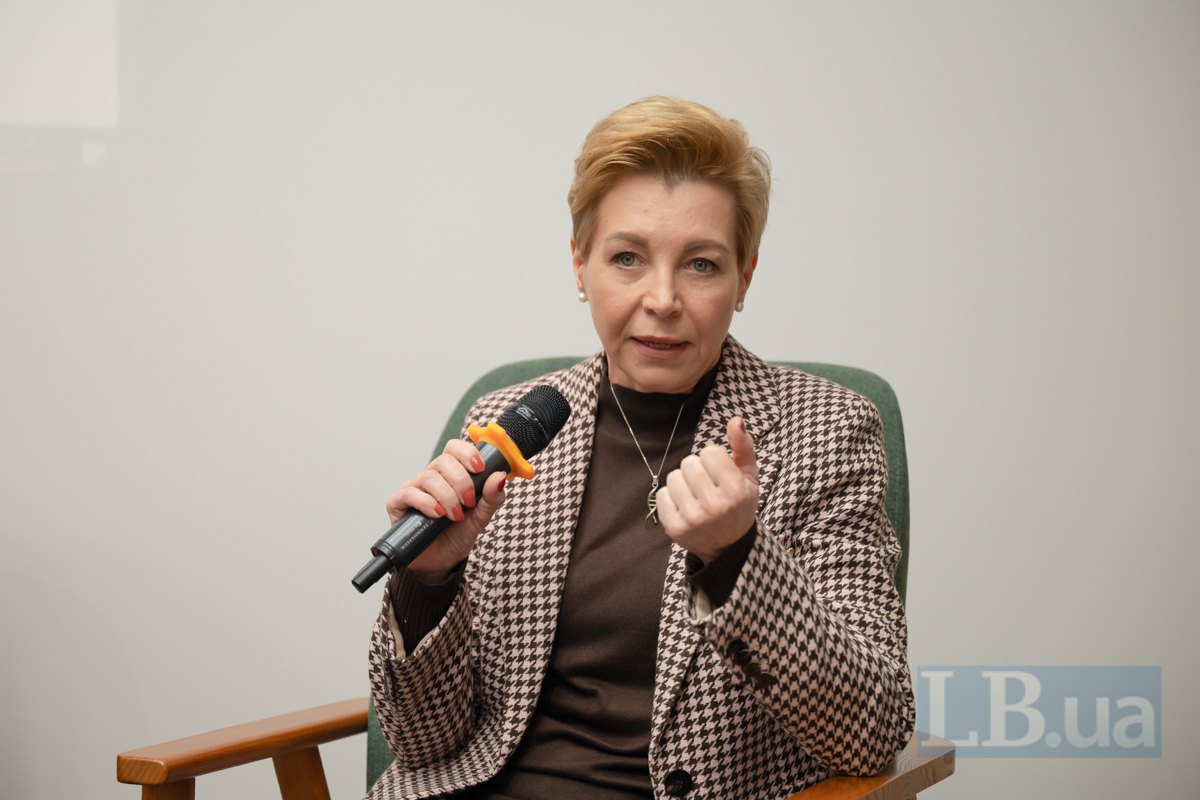
You see, if a person is used to eating fast food containing sweeteners and flavour enhancers, it is very difficult to return to healthy food, even when you understand that it is harmful to you and your liver can no longer cope.
We know that the brain simply cuts off the chains that have not been used for a long time. And consuming short-form content actually transforms the brain. Plus, there is an emotional component, because algorithms clearly know why people watch emotional content. That's what they're betting on. I can assure you: the coolest analytical material with the best experts loses 100% to a clickbait headline. Unfortunately," said the TV presenter.
In addition, especially with the development of artificial intelligence, Oksana Sokolova adds, social networks are full of fake information that is presented as real.
"A few years ago, we were talking about the fight against deepfakes, and today we are already talking about the fight against synthetic reality. This is because bots can shape public opinion that does not exist and create events that do not exist in nature. Deepfake politicians say things they did not say.
There are already fake streams that are crashing the cryptocurrency market internationally. And in this context, I have a global question: how ready are we, as the media, to counter AI disinformation in this AI era?” Sokolova noted.
At the same time, the modern Ukrainian agenda is also beginning to focus on algorithms, added the TV presenter.
"It seems that algorithms are becoming increasingly influential, because the media is beginning to focus on algorithms, and the state and authorities are focusing on algorithms. But algorithms do not know what national security is. They know what attention retention is.
And attention retention is the maximum amplification of the most powerful emotions: fear, despair, helplessness, anger, and what a wonderful tool for the enemy, isn't it?" the TV presenter notes.
In her opinion, algorithms are used to attack the emotional state of the state, trust, similar to cyberattacks or physical attacks.
"And trust is the infrastructure of the state. Because trust exists between people, trust in the media, in the authorities. And when this trust is gone, any news is immediately sought for solace. Any decision becomes shrouded in suspicion, and the problem escalates into a crisis. A vivid confirmation of this is our problem with the TRC," notes Oksana Sokolova.
Therefore, the TV presenter is confident that the state and business should invest in serious, high-quality analytics, media literacy, and social media.
How to protect the information space from the enemy
First of all, says Yevhen Yerin, representative of the press service of the Defence Intelligence of Ukraine, the DIU responds to the enemy using its own methods. Cyber experts have carried out a series of successful operations against Russia, primarily targeting its military-industrial complex. As part of these cyber operations, intelligence officers have obtained important data on the aggressor's military developments, as well as on the state and capabilities of these enterprises.
"This work and struggle continues. I think that in this field, we can also give our enemy a worthy rebuff. ... In 2025, if I am not mistaken, we carried out about 10 successful cyberattacks. First and foremost, these were enterprises in the defence industry, banking services, state-owned enterprises, including Russian Railways as one of the key logistics facilities of the Russian occupation army — these are all legitimate military targets for our cyber specialists," the DIU representative emphasised.
However, Yevhen Yerin notes that this is currently a targeted response, and it is too early to talk about algorithms for a broader fight.
"Especially when content is camouflaged as entertainment. In addition to the threats posed by the use of AI technologies in information warfare, I would also draw attention to all kinds of provocative bloggers and anonymous Telegram channels that play on emotions, manipulate information, and play into Russian propaganda," said Yevhen Yerin.
Olena Semykina, advisor to the acting head of the Security Service of Ukraine, said that the SBU is trying to work proactively to counter the recruitment of Ukrainians by enemy special services. To this end, it launched a multi-format project called "Burn the FSB Agent."
"Its goal is to regularly warn Ukrainians about the dangers of recruitment. We have implemented a nationwide outdoor advertising campaign, are collaborating with influencers, are releasing social videos on TV, and are conducting online and offline lessons among schoolchildren and students, etc. We have also developed a chatbot of the same name, t.me/spaly_fsb_bot, through which people can quickly report attempts to recruit them," Semykina said.
She also said that active work is being done to educate schoolchildren and young people.
"Simply informing children does not work. It is an illusion to think that they watch United News or read information portals. They have a different circle of communication, different opinion leaders, and different channels of communication.
So, together with the National Police, the Juvenile Police, the Ministry of Education, and regional departments of the Security Service, we visited educational institutions. In each region, a certain number of educational institutions were identified and divided into separate categories — higher education institutions and schools. Our trained staff, together with representatives of the juvenile police, visited children with lectures, during which they showed presentations and videos, answered their questions, and handed out flyers with personal phone numbers. This was so that children could contact an officer 24/7 if they received any inappropriate offers," said Olena Semykina.
And this approach, according to the SBU representative, really worked. In particular, in the Ternopil Region, a few days after such a meeting, a schoolgirl who had been approached by an enemy trying to persuade her to cooperate contacted a juvenile police officer. Thanks to her appeal, a crime was prevented and the curator was found.
However, Semykina notes that much depends on keeping the population informed, improving the digital literacy and vigilance of our citizens, and developing their critical thinking skills.
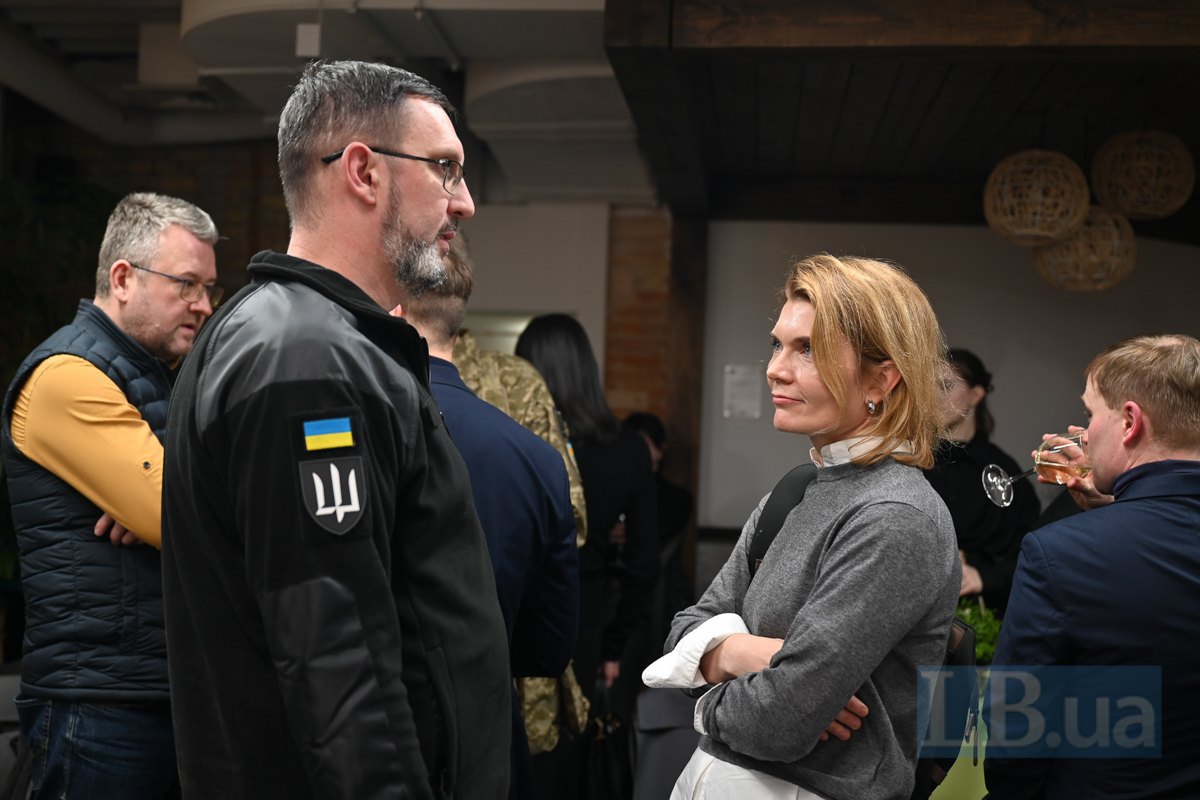
Is it really possible to restrict social media?
According to Ihor Rozkladay, chief expert on media law and content moderation on social media at the Centre for Democracy and Rule of Law, Ukraine currently has no basis for implementing the DSA mentioned earlier until it becomes a member of the European Union.
"Let me give you an analogy. You buy bananas at Silpo, Novus, or Welmart. If the bananas are bad, what do we do? We go to the State Consumer Service and complain about the store. But we don't complain to the banana producer in Africa, and we don't try to regulate a business in Africa from Ukraine. It's the same with social networks.
I'll let you in on a secret: there is a relevant bill, but until we join the European Union, there is no point in talking about implementing the DSA. This is because the Digital Service Act is a law that regulates the concept of internet intermediaries. This ranges from Kyivstar or Laneta to online platforms and VLOPs (Very Large Online Platforms). However, this entire infrastructure is tied to the European Commission. In other words, the regulator for platforms based in Europe, mainly in Dublin, with the nearest office to us in Warsaw. TikTok, Meta, Google, Netflix, HBO, etc. are based there. But their regulator is the European Commission.
Therefore, even if we pass the law now, it will not solve anything. Because we have no jurisdiction. We only have one option – to allow or not allow the import of bananas. We can only impose a ban, as we did with VKontakte and Odnoklassniki," explained Ihor Rozkladay.
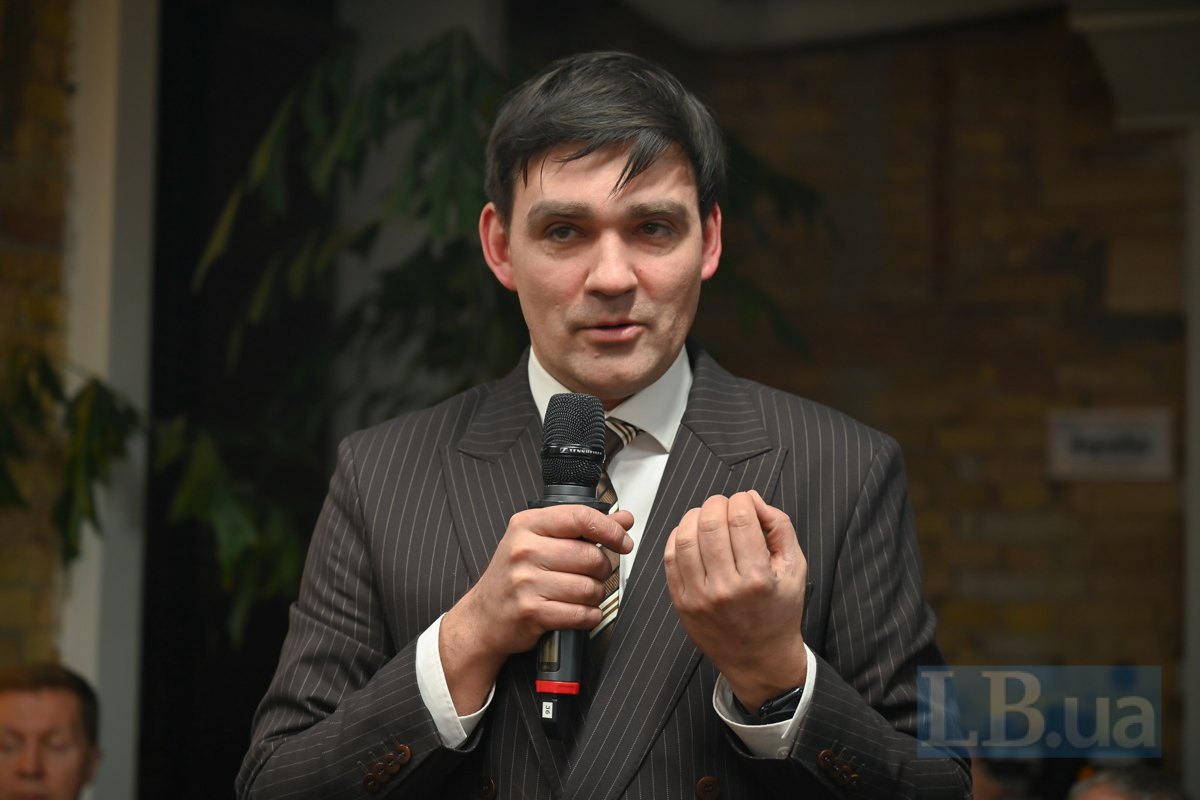
Is anything being done at the state policy level?
Journalist and current Armed Forces officer Yehor Checherynda believes that the ability to repel information attacks directly depends on the will of the state and society. According to him, India has demonstrated a recipe for at least mitigating the threats posed by artificial intelligence.
"The Indian Parliament is about to pass a bill that will require any information — video, text or audio — to be labelled if it was created by artificial intelligence. Anything that is not labelled or is labelled incorrectly will be banned and subject to fines and criminal liability. India, I would remind you, is in a state of virtually permanent war with its neighbour," Checherynda noted.
But Ukraine's problem, according to him, is that the Ministry of Information has been transformed into various departments and services over the years, effectively failing to perform any of the extremely necessary functions during the war.
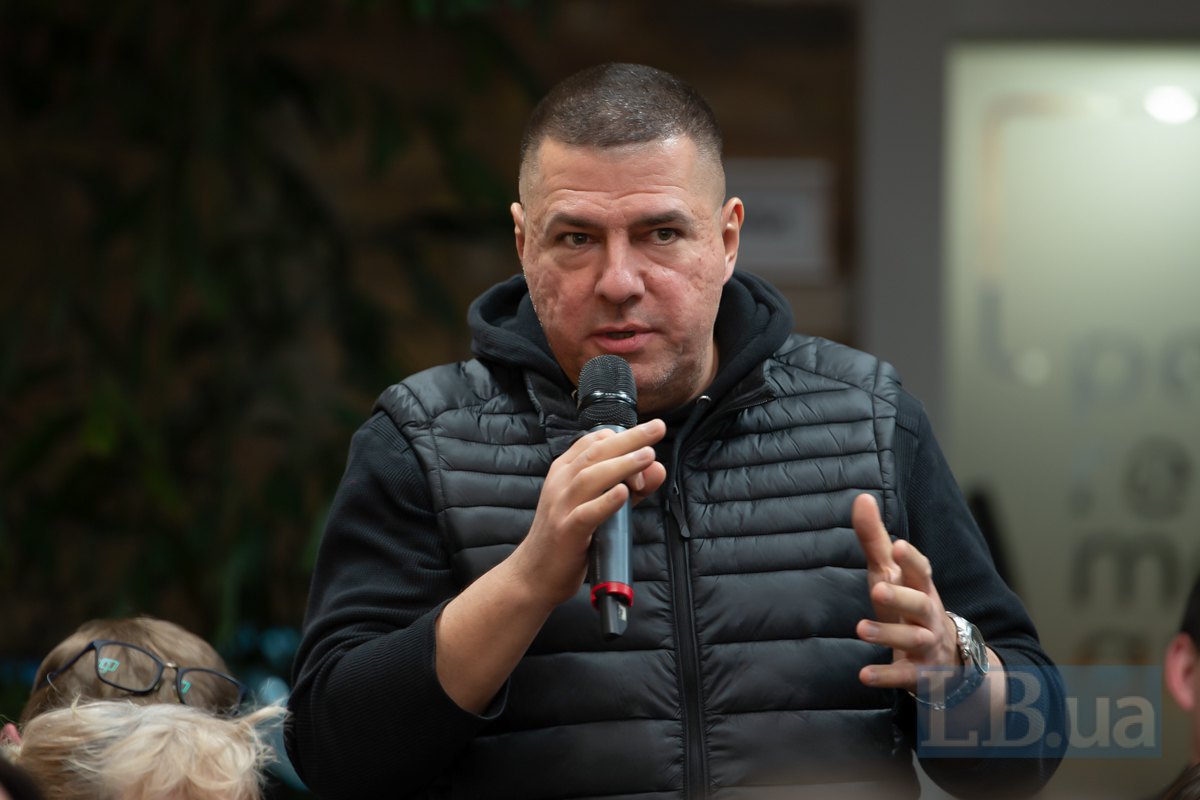
"Currently, a department within the Ministry of Culture is responsible for information. It is unclear who to ask. ... To counter threats, we must produce narratives ourselves and implement them, sending them into the information field. But who should be doing this? ... Do we even need a separate structure that would not only detect fakes, like the Centre for Combating Disinformation, but also form and promote our own Ukrainian narratives, which we would send not only to our society, but also to the European and American segments: what we want, what we strive for, and how we should achieve it," Yehor Checherynda asked rhetorically.
Yaroslav Yurchyshyn, head of the Verkhovna Rada Committee on Freedom Protection, agreed: Ukraine currently lacks a vision for a state communication strategy.
"And this is a huge challenge. We should start with what we are actually selling. Because, figuratively speaking, the Ukrainian Olympian's helmet has done much more for our strategic communications.
Now is the anniversary of the full-scale invasion (the conversation took place shortly before 24 February. — Ed.), do we have a strategy for how we present this? Not like the one voice policy in Ukraine, I don't believe in that. But like a choir: where the public speaks as it sees fit, the state speaks its own narratives, the media packages things as best it can, and business does the same through its own channels. A strategic choir in communications is the ideal option. Is this reality or fiction? The Finns say it is possible when there is trust between the players. And here I am all for it," Yurchyshyn expressed his opinion on a thorough approach.
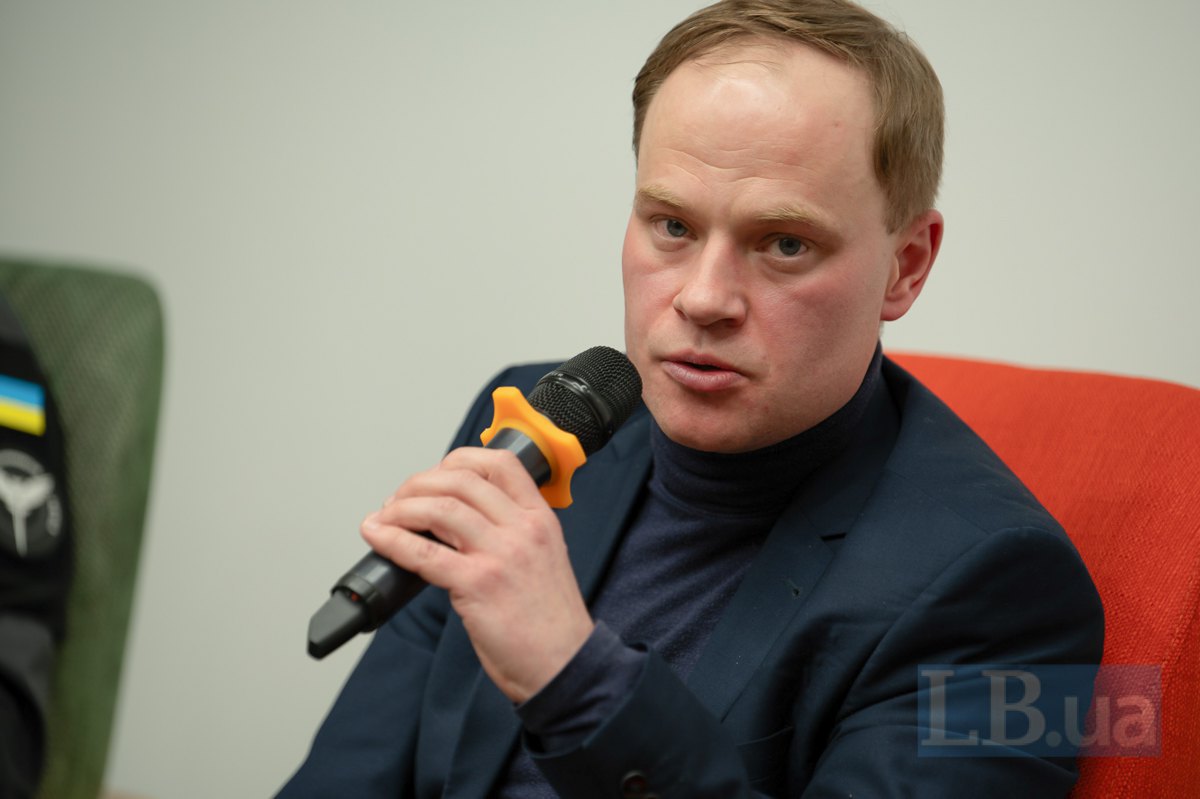
At the same time, he emphasised that in strategic communications, it is not so much the institution that is important as who will convey the message — actors (participants in socio-political processes), the media, and opinion leaders.
Olena Semykina, advisor to the acting head of the SBU, agrees with the thesis on the need for personal leadership.
“I think that a lot depends on personal leadership and personal communication right now. If there is a person who says, ‘I am responsible for this area and I will be able to see it through to the end,’ then it works. Personal leadership has worked for us in the Service. The level of trust in the SBU was 25% in 2019 and 75% in 2025," Semykina cited the data. "And such leadership should be present in every sphere, in every position."
However, this does not negate the need for a personal responsible approach to content consumption. In general, verified media should become a vaccine for society against false or manipulative information, according to Yaroslav Yurchyshyn, head of the Committee for the Protection of Freedom of Speech.
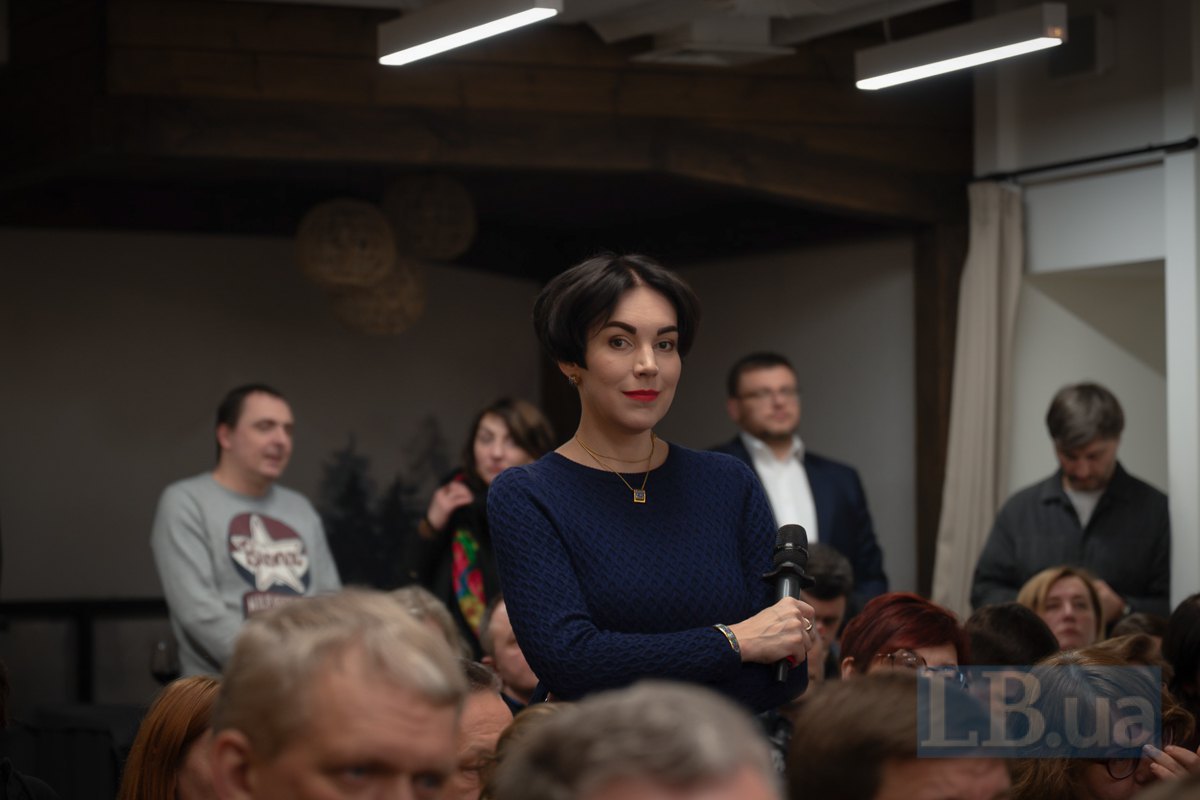
“These are media outlets with a reputation and balanced editorial policies. This is one of the strongest pillars we can rely on, at least when working with the older generation. After all, children's habits are often formed by imitating the example of the older generation. I can say with certainty that if adults use Telegram at home, children will use it too.
If adults watch Suspilne, United News, or Fifth Channel, children will also watch and trust these resources. Why do Swedes turn to public broadcasters when they have questions about emotionally charged information? Because they have been doing so for years. When my older children come across strange information on the internet, they know that they should go to, for example, Left Bank and check whether such information is available there. If it is not there, they do not spread it. Because it is a habit. And it really helps prevent the consumption of disinformation," said Yaroslav Yurchyshyn.
The Finns, notes the MP, teach media literacy to children from the age of six months, starting with their parents. "So this is a complex issue. We must fight evil without pretending that it is not evil. Everything Russian is evil," the MP concluded.
Finally, EFI Group CEO Olha Batova reminded the audience of another major stakeholder that can lend a hand in the fight against information attacks and cyber threats: business.
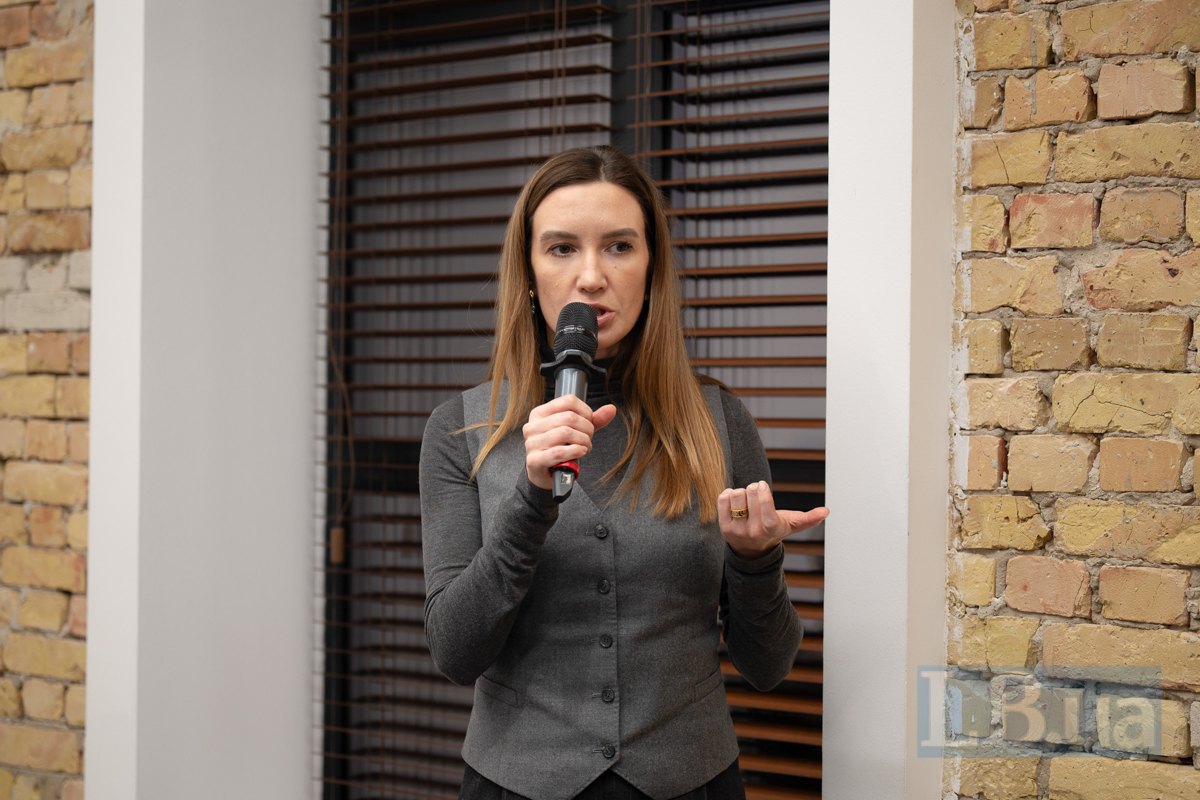
“Prior to this meeting, I conducted a survey among companies in a business club. In particular, I asked if anyone had any cybersecurity training structure in place during the probationary period. The answer was 2%. Does anyone have training on how employees should behave during a search? The figure was much higher.
When working for a large international corporation on a probationary period, I was required to undergo training in cybersecurity. For example, how to understand which emails can be opened and which cannot. What is false information, where contracts cannot be downloaded. Ask your employees how they use Chat GPT. I guarantee that all lawyers enter contracts into Chat GPT. And what happens next? Where does this information go? That is why such training is important not only for business but also for national security," says Olha Batova.
In her opinion, working with businesses can also become one of the pillars of the fight against information threats: after all, employers can reach a large number of people, and through parents who are employees, a large number of children.