






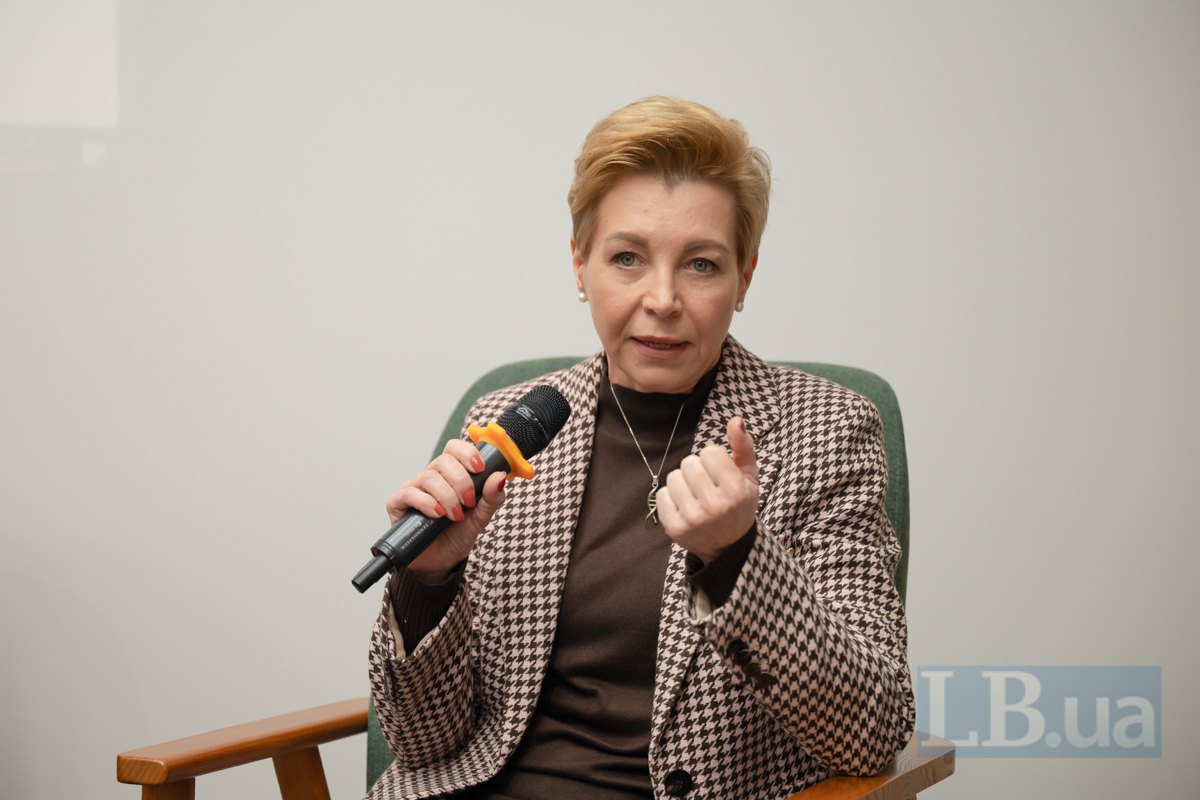
“Who is shaping the Ukrainian information agenda today? The state, the media or algorithms? It seems that algorithms are increasingly in control, because the media are starting to focus on algorithms, and the state and authorities are also focusing on algorithms. But algorithms do not know what national security is. They know what attention retention is.
And attention retention means maximising the amplification of the strongest emotions: fear, despair, helplessness, anger. What a powerful tool for the enemy, isn’t it?” the TV presenter observes.
In her view, algorithms are being used to attack the emotional state of society and undermine trust, in a manner comparable to cyberattacks or even physical assaults.
“And trust is the infrastructure of the state. It exists between people — trust in the media, trust in the authorities. When this trust disappears, people immediately seek reassurance in any source of news. Any decision becomes shrouded in suspicion, and a problem quickly escalates into a crisis. A vivid example of this is our problem with the TRC,” Sokolova notes.
She argues that society’s growing preference for short and simplified content can be explained by neurobiology, as it alters neural connections in the brain.
Read alsoYaroslav Yurchyshyn: “Telegram is a specific weapon”
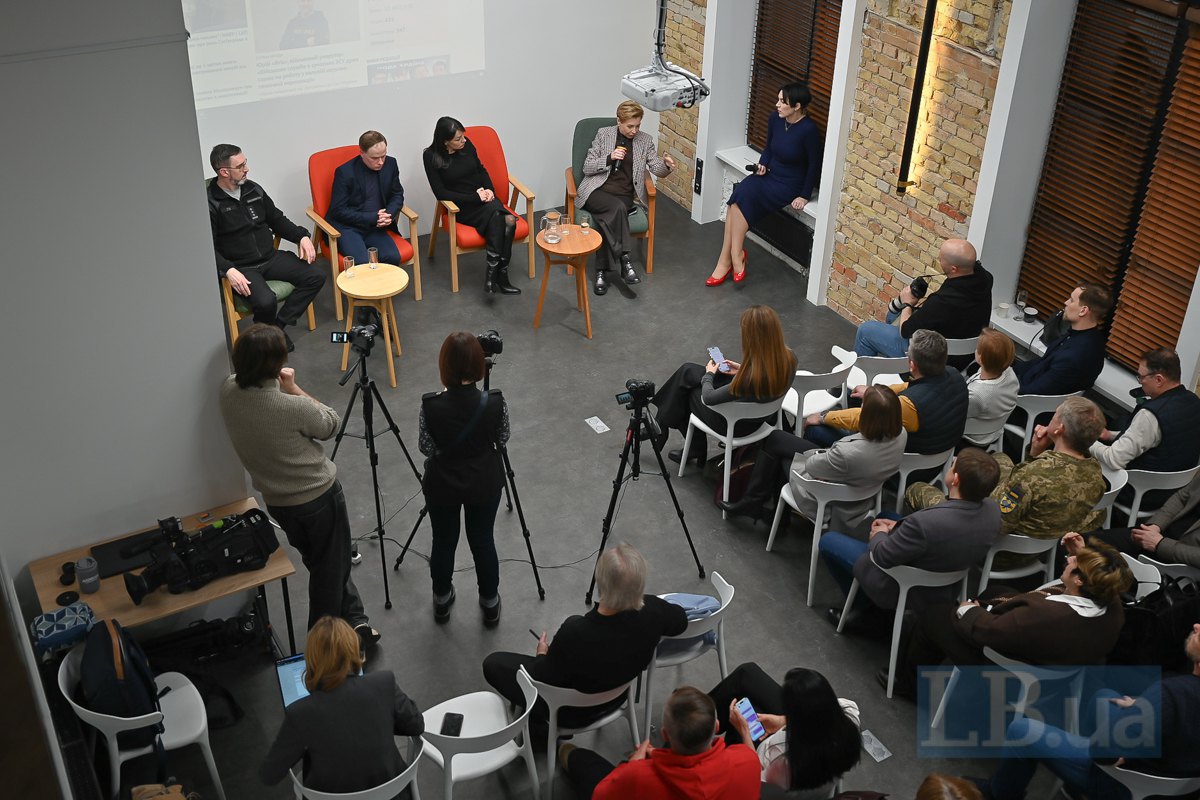
“You see, if a person becomes accustomed to fast food containing sweeteners and flavour enhancers, it is very difficult to return to healthy food, even if you understand the harm and your liver can no longer cope.
We know that the brain simply eliminates neural pathways that have not been used for a long time. Consuming short-form content actually transforms the brain. There is also an emotional component: algorithms clearly understand why people are drawn to emotionally charged material. That is what they prioritise. I can assure you: the most sophisticated analytical material featuring the best experts will lose completely to a clickbait headline. Unfortunately,” the TV presenter said.
What can be done in response? Oksana Sokolova believes that, first and foremost, the state and business should invest in serious, high-quality analytics, media literacy and responsible engagement in social media.
Secondly, she places hope in a cautious system of restrictions on social media as part of Ukraine’s path towards EU accession — in particular, the DSA (Digital Services Act), an EU regulation establishing uniform rules for online platforms and internet intermediaries.
Read alsoOlena Semykina: “The SBU chat-bot on recruitment attempts has already received over 18,000 reports.”
“I am going to say something that may be unpopular in the media, but I am convinced that we need to work with a system of positive narratives. Not in the sense that everything is perfect, nor narratives as a means of controlling thought, but narratives that shape the framework of reality. Because if we do not shape this framework, the enemy will do so very effectively — using the same algorithms and the same instruments of influence,” Sokolova noted.
“Moreover, I strongly believe that we should not only develop Ukrainian narratives, but also consider narratives capable of breaking through the concrete being poured into the minds of our neighbours. I do not believe in building a moat with swamps opposite the Russians, nor do I believe that we will defeat 140 million people outright. This boil will remain with us for a long time. I am inspired by Maria Berlinska’s initiative on cognitive reprogramming and methods of cognitive transformation aimed at Russians. It may sound like a fantastical idea. Yet many things that once seemed fantastical have already become reality for us.
It seems to me that Ukrainians — unlike Europeans or Americans — are uniquely positioned to understand how Russians think, their cultural code, the language to address them in and the tools required to reach them. I believe this, too, is an important direction of work,” the TV presenter concluded.