





On prison conditions, the new trial and the Georgian opposition’s prospects
In November, you were transferred from the Vivamed clinic to Penitentiary Institution No. 12 (Rustavi Prison). How are you feeling now, having recovered from your illness? Are you in a single cell or sharing a cell with others? What are the current conditions of detention?
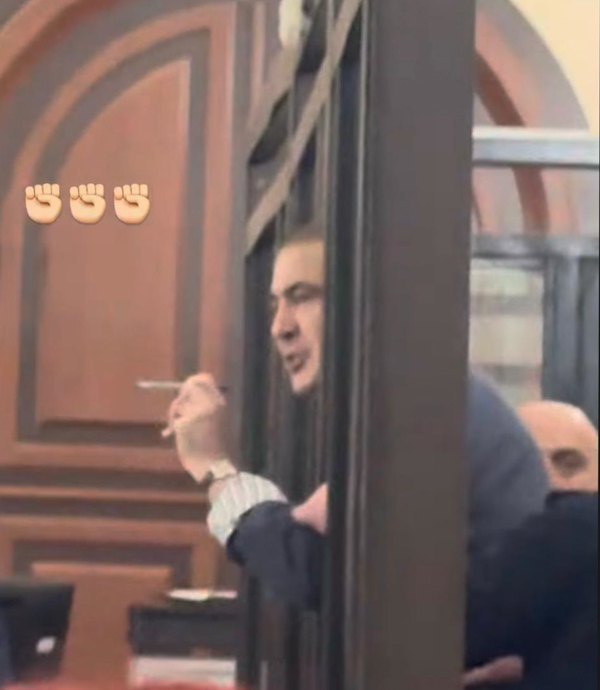
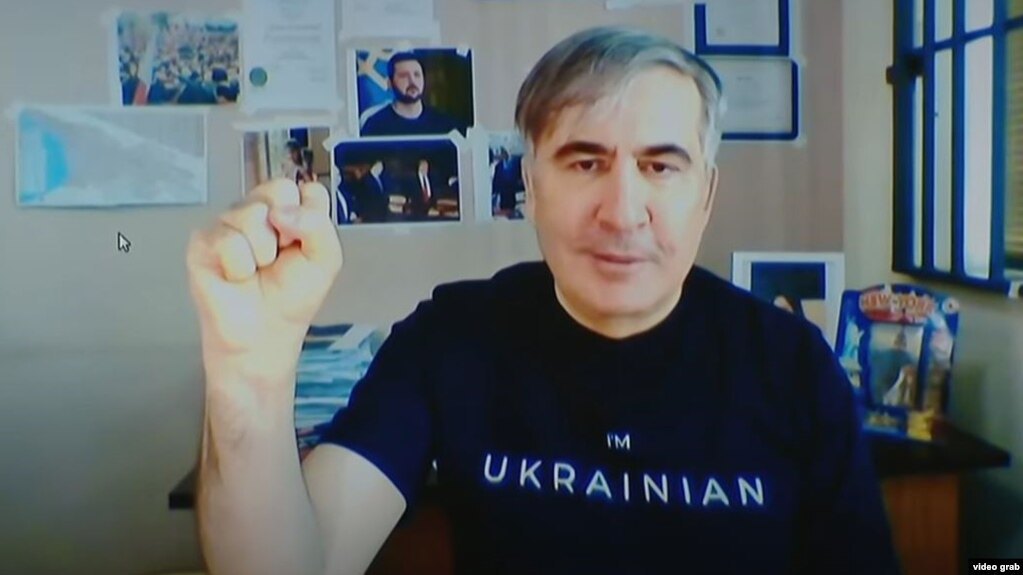
I am held in a solitary cell for 23 hours a day (I am allowed out for a one-hour walk in a small enclosure). I was poisoned with heavy metals in 2022, immediately after the start of the full-scale war. I fought for my life for several months, and the effects are still being felt: two days ago (LB.ua received the answers on 1 April — Ed.) I lost consciousness and had to be resuscitated. Mysteriously, I lost all the hair on my head within two days. Since the poisoning, I have been taking around ten different types of medication a day.
A month ago, a new trial began against you and seven other opposition figures (Giorgi Vashadze, Nika Gvaramia, Nika Melia, Zurab Japaridze, Elene Khoshtaria, Mamuka Khazaradze, Badri Japaridze). You are charged with “crimes against the state — sabotage, aiding the hostile activities of a foreign state, financing actions directed against the constitutional order and national security, as well as inciting the violent overthrow of the constitutional order and the government”. What are the grounds for these charges?
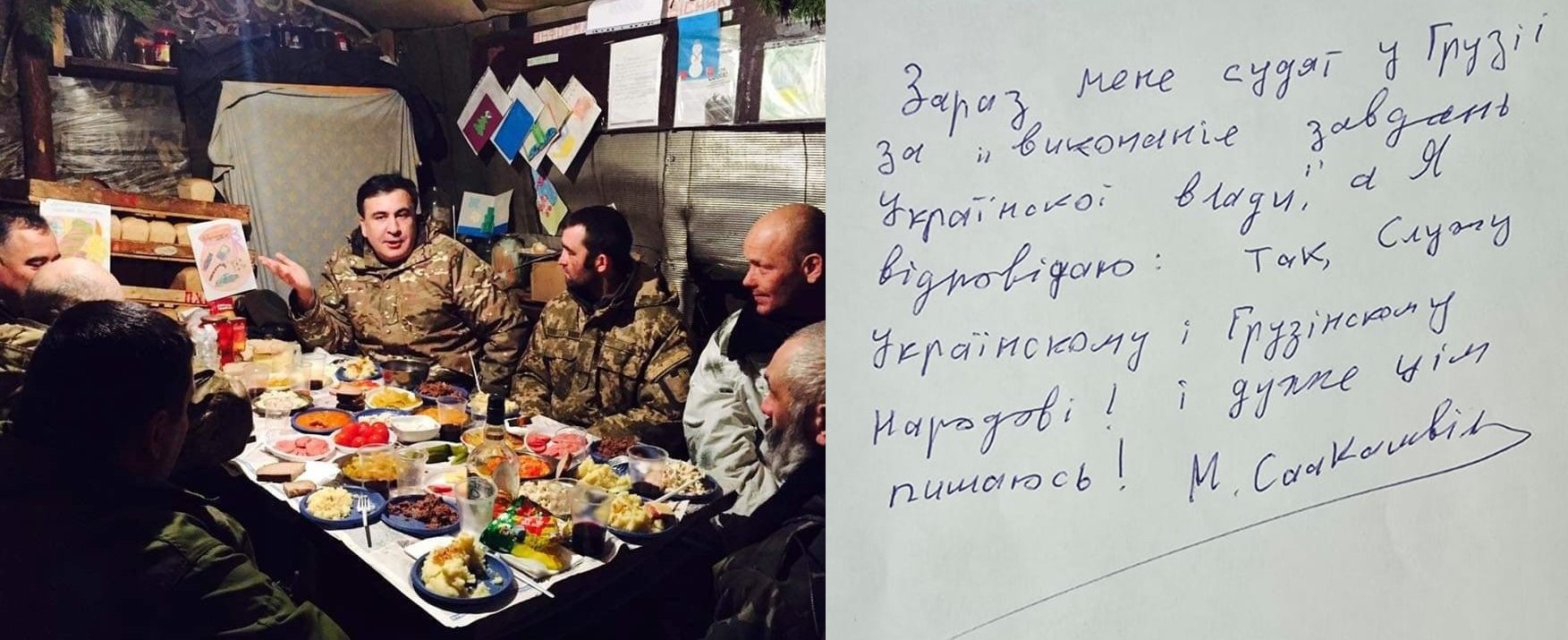
As for the new case, the main charge concerns allegedly carrying out tasks for the Ukrainian authorities. “Video evidence” featuring statements by Volodymyr Zelenskyy and Mykhaylo Podolyak has been included in the case. I am also specifically accused in connection with remarks I made in court. I called on people to take a selfie in front of Ivanishvili’s shark, which he keeps in his home aquarium. (The prosecution accused Saakashvili of saying: “Until the Georgian people go and see Ivanishvili’s aquarium, just as the Syrian people came to see Assad’s palace, there will be no free elections in Georgia”. Bidzina Ivanishvili — former Prime Minister of Georgia and honorary leader of the Georgian Dream party — Ed.) We all face an additional three to 15 years’ imprisonment (I already have a twelve-and-a-half-year prison sentence under my current conviction).
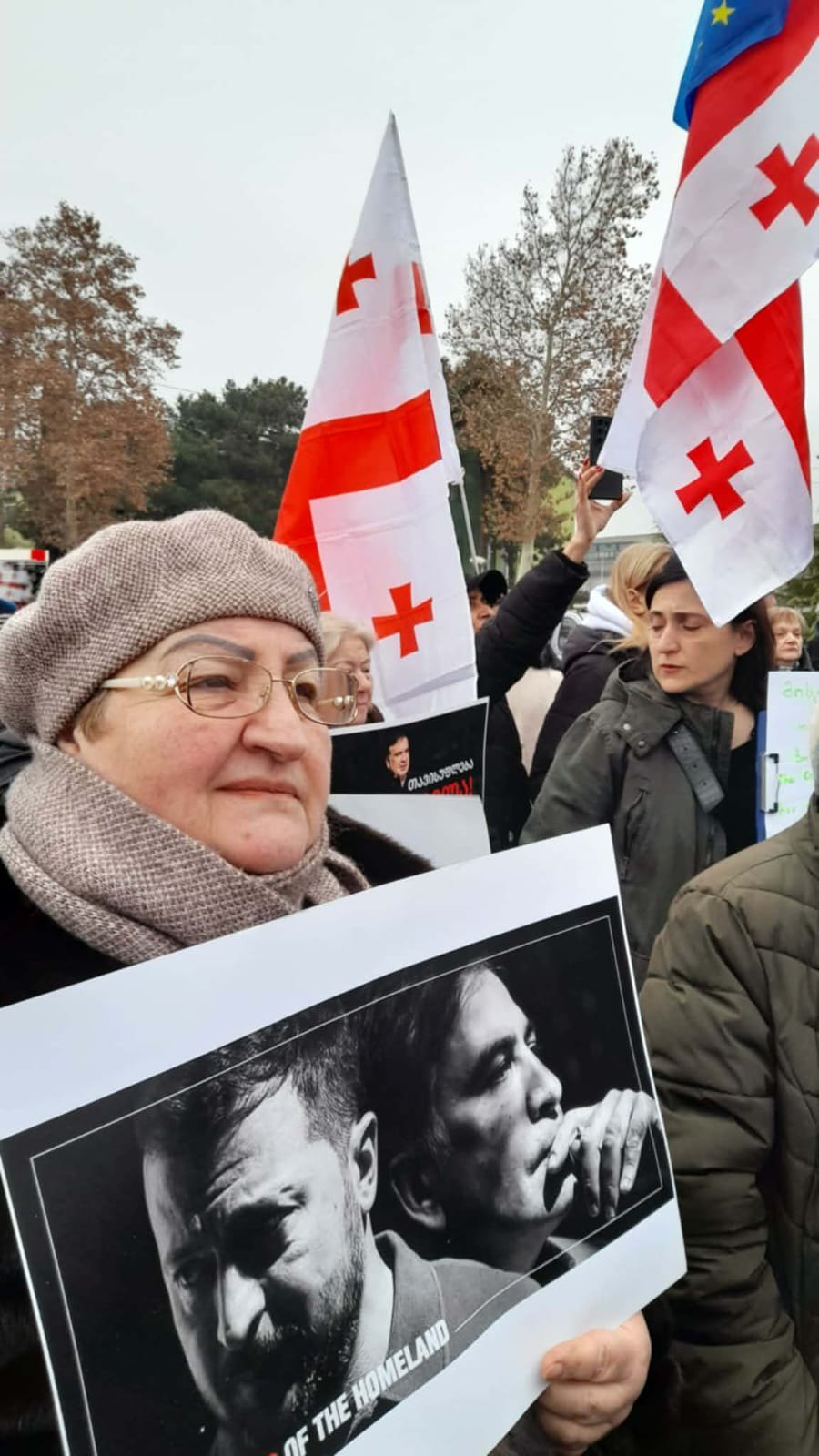
According to the European Commission’s assessment, Georgia has seen a significant departure from democratic principles. In early March, the Anti-Corruption Bureau ceased to exist. Do you believe this marks the final stages of the rollback of European integration?
Under my leadership, Georgia was a leader and regional driving force behind European integration. After I left, a reversal began, and with the shift to openly dictatorial methods of governance, Europe became superfluous.
How do you assess Georgia’s transformation over the last 10–12 years? Is there anything left of the reforms that were once considered a model for Ukraine?
The only thing left of my reforms is efficient public services and the fact that the police no longer take bribes from drivers. On the other hand, the anti-corruption system, the reformed education and healthcare systems, and everything else have been completely destroyed.
Do the Georgian opposition forces have any prospects? They boycotted the 2024 elections, there is no strong leader, and the opposition remains fragmented.
Georgia is living under a criminal dictatorship that has adopted even harsher laws than Russia and Belarus. In such a situation, the very existence of an internal opposition is surprising. As soon as any of the leaders gains support, they are immediately thrown into prison, and these politicians join the ranks of hundreds of political prisoners.
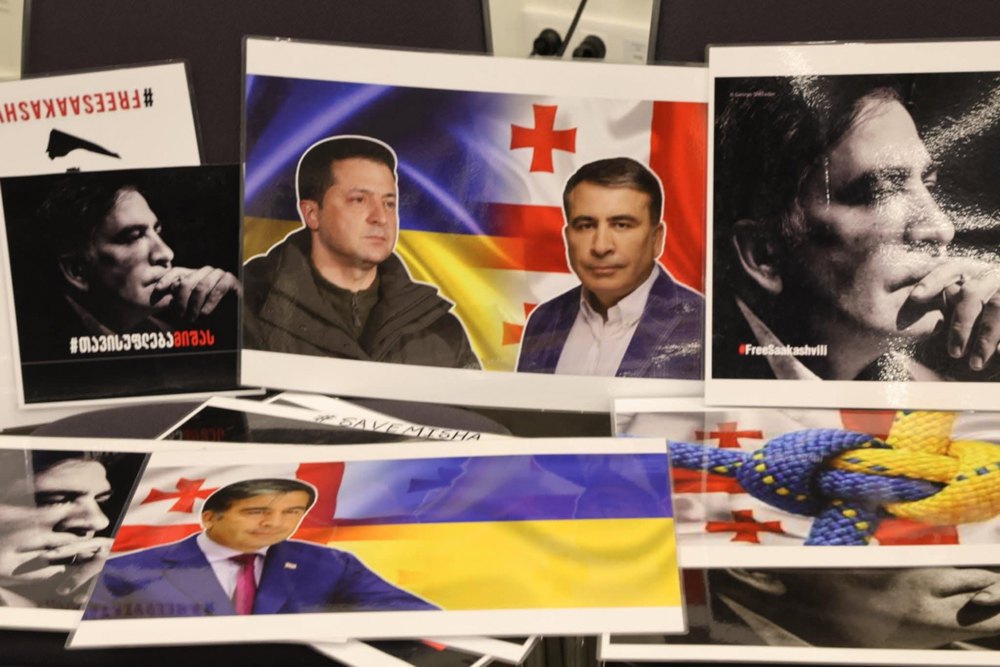
Is political struggle possible in the country under these circumstances? What is your role in it today? Do you not think that you have become a factor that mobilises the authorities more than it unites the opposition?
The struggle is almost impossible, but absolutely necessary. I remain the main problem for the current authorities and their Russian backers, who constantly mention me in their statements. The fact is that I have proven: Georgia can be a successful state. I have created the most successful example of state-building in the last thousand years. We were a role model for many around the world. Georgians believed in their own strength; we successfully repelled Russian military aggression in 2008, preserving our independence and reforms. We rooted out corruption and ensured rapid development. In the eyes of the vast majority of Georgians, I remain the only alternative to a deeply corrupt government.
I see my role as bringing Georgia back to democracy and rapid development. And then I aspire to return to Ukraine, where I would like to take part in the process of reconstruction and reform.
Do you regret returning back then? Your imprisonment was predictable, and whilst you were free — albeit from abroad — you could have achieved more. Both for Georgia and for Ukraine.
I deeply regret that my skills are sorely missed in Ukraine right now, a country where my heart remains. That I cannot actively help repel the aggression that I predicted quite accurately, even though I didn’t fully believe in it myself. I left back then because, as Zelenskyy’s reform adviser and feeling the president’s support, I was unable to help him, as the government didn’t want to change anything (and still doesn’t). I felt I was of no use and did not wish to get involved in intrigues. On the other hand, I saw that Georgia was on the brink of ruin and would never have forgiven myself if I had not at least tried to save it. Incidentally, following my imprisonment, the protest movement in Georgia intensified sharply.
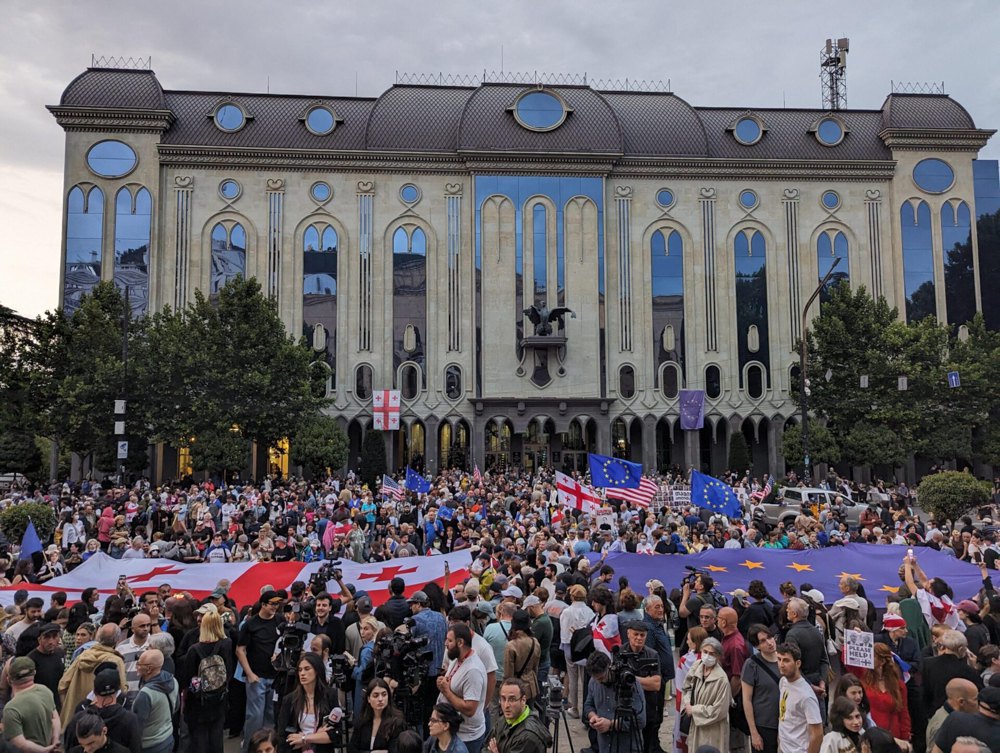
New pro-European political projects and movements have emerged: Freedom Square and Sartuli — Power of New Generation. Do they stand a chance — in terms of electoral support and resources (especially given that, following recent legislative changes, it is impossible for non-governmental organisations and the media to receive foreign grants)?
I am pleased that new forces with fresh ideas are constantly emerging and that the majority view my legacy positively.
Various opinion polls in 2024–2025 showed that over 70% of respondents supported Georgia’s accession to the EU. Does Georgian society largely support the government’s current dual-track policy? Do its actions meet public demand? At least the opinion polls in spring 2025 (Eurobarometer) showed that over 50% of respondents trust the government and around 45% trust parliament.
There are no two vectors; there is a clear pro-Russian course. And these polls do not reflect reality, as they were conducted by telephone. Firstly, the latest face-to-face polls in Tbilisi and Batumi show that the opposition leads the ruling party by a margin of 80% to 20%, and these two cities account for more than half the country’s population. And last year’s local elections in Tbilisi, which we boycotted, revealed the same state of affairs. The authorities were only able to report a 20% turnout. Unlike in Ukraine, in Georgia 85% of respondents refuse to take part in telephone polls. And of the remaining 15%, around 50% trust the authorities.
What are the reasons for the prolonged dominance of ‘Georgian Dream’?
It is based on the same foundations that sustain the regimes of Lukashenko and Putin: active propaganda, intimidation and bribery, as well as the fear of war.
‘My four-year-old daughter Jasminka and her mum are in Kyiv, and when the city comes under fire, I worry twice as much’
Are your own actions or mistakes among the reasons for the situation Georgia finds itself in? Which ones, specifically? If you could change anything, in what instances would you have acted differently?
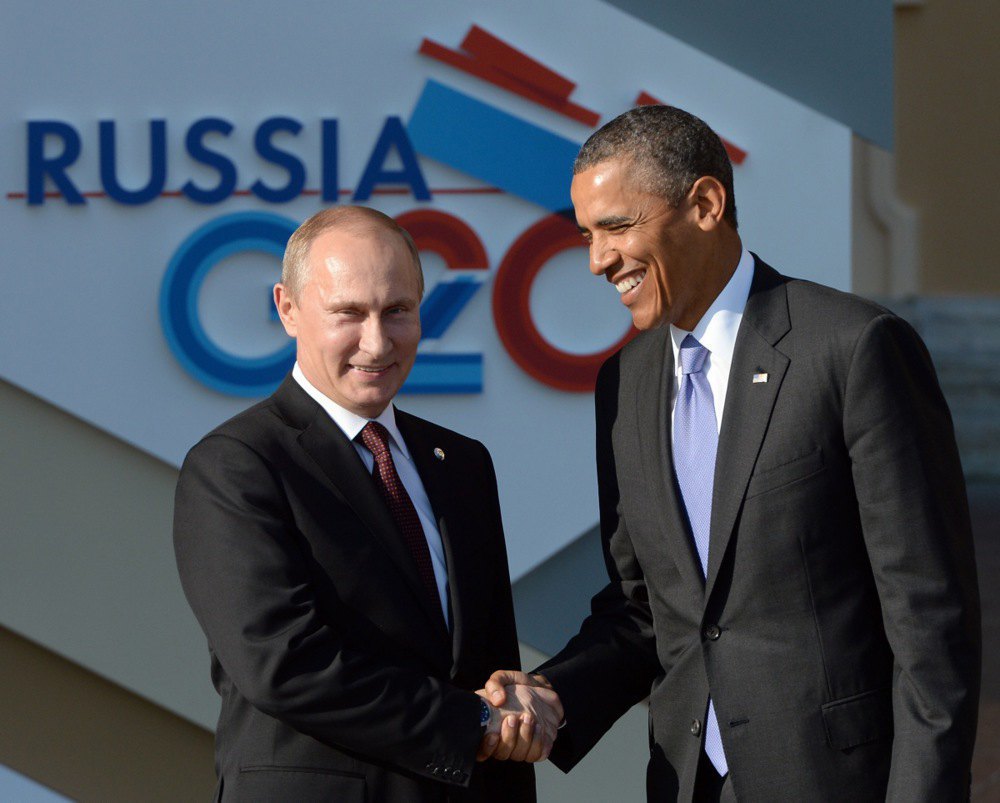
My fundamental mistake was that I did not cut off the flow of Russian money into the country and did not expel the Russian oligarchs (as Maia Sandu recently did in Moldova). At the time, we were under enormous pressure from President Barack Obama not to do so.
I carried out a mental revolution in Georgia, transforming what was effectively a feudal society into something resembling a modern European one, and Russia, of course, exploited these painful processes to its own advantage.
There is a suggestion that Russian aggression against Ukraine was made possible by the weak response of the EU and the US to Russia’s aggression against Georgia in 2008. What should that response have been? What actions did you demand or expect from whom at the time?
Georgia was an unexpected test for the West; it remained at a loss for a long time. Added to this was US President Barack Obama’s disastrous policy of appeasing Russia. Obama first abandoned Georgia (by supporting Bidzina Ivanishvili), then Crimea and Syria — and thereby incredibly emboldened Putin.
In your opinion, has Ukraine fully taken these mistakes on board?
The Ukrainian authorities are doing everything right from a strategic perspective. I am impressed by Volodymyr Zelenskyy’s brilliant manoeuvres in the Middle East.
In 2023, you said that the US and the EU could have done more to secure your release. Are you disappointed with their institutions? Do you have support, at least from individual senators with whom you have previously been in close contact, and hope that the situation might change?
The European Parliament has repeatedly called for my release, declaring me a political prisoner. Macron has done the same. I am personally well acquainted with Trump and Rubio, and I am counting on their help.
Do you maintain contact with Ukraine? How? Please be specific.
I maintain contact with Ukraine, which I also consider my homeland (I have one citizenship, and it is Ukrainian). I am in touch with President Zelenskyy through his office. I am friends with Mykhaylo Podolyak and Defence Minister Mykhaylo Fedorov, as well as with many members of the Verkhovna Rada. My former deputy, Solomiya Bobrovska, still works there (in 2016–2017, she was deputy head and acting head of the Odesa Regional State Administration under Mikheil Saakashvili. — Ed.). Semen Kryvonos (head of NABU. — Ed.) is my long-standing assistant (as part of Mikheil Saakashvili’s team, he coordinated the work of the department for combating customs offences and oversaw the economic unit at customs. — Ed.). I own only one house in the whole world, and it is near Kyiv. I also had a flat in Odesa, but I had to sell it to pay for lawyers’ fees. My four-year-old daughter Jasminka and her mum are in Kyiv, and when the city comes under fire, I worry twice as much.
How do you get information about events in Ukraine?
Thousands of Ukrainians write to me on social media, and every day an average of around 300,000 people from Kyiv and Odesa visit my page. I’ve managed to get access to some Ukrainian channels in prison.
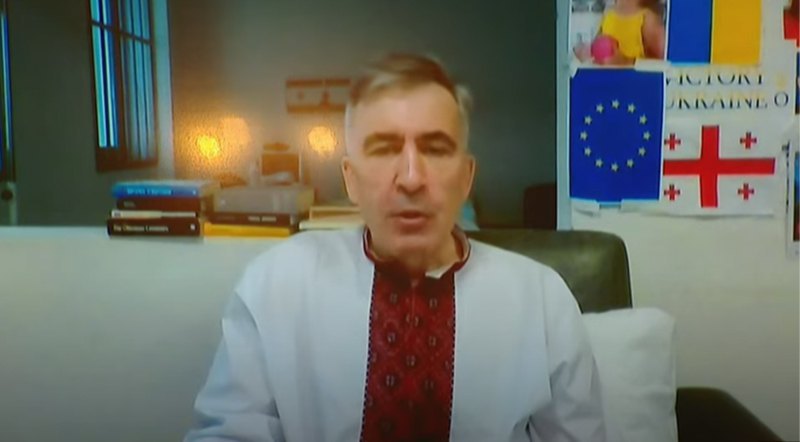
In November 2025, you wrote to Volodymyr Zelenskyy asking him to include you, as a Ukrainian citizen and former head of the Odesa Regional State Administration, on the list of civilian prisoners eligible for exchange, citing your unlawful detention by the pro-Russian regime in Georgia, your poor health and the fact that you had been poisoned. Did you receive any response to your appeal? And why have no concrete actions been taken so far?
I feel a great deal of attention from Volodymyr Zelenskyy, who has supported me both publicly and privately. It is likely thanks to his high-profile statements following my poisoning that I am still alive. He has also formally retained my post in his office, and this is an important symbolic gesture of support. I am very grateful to the President, whom I consider to be an outstanding leader of Ukraine in wartime. His office adviser, Mykhaylo Podolyak, is constantly working on the issue of my release. I am also grateful to the members of the Verkhovna Rada and to Ukrainian diplomats, in particular the consulate in Tbilisi. We must not forget that, on the other hand, Putin is behind my captivity. PACE officially considers me his personal prisoner.
‘Putin feels emboldened again; I do not expect a ceasefire’
You have already stated in 2025 that US guarantees for partner countries are not reliable. Who, then, should Ukraine rely on? What alliances should it build for its own security?
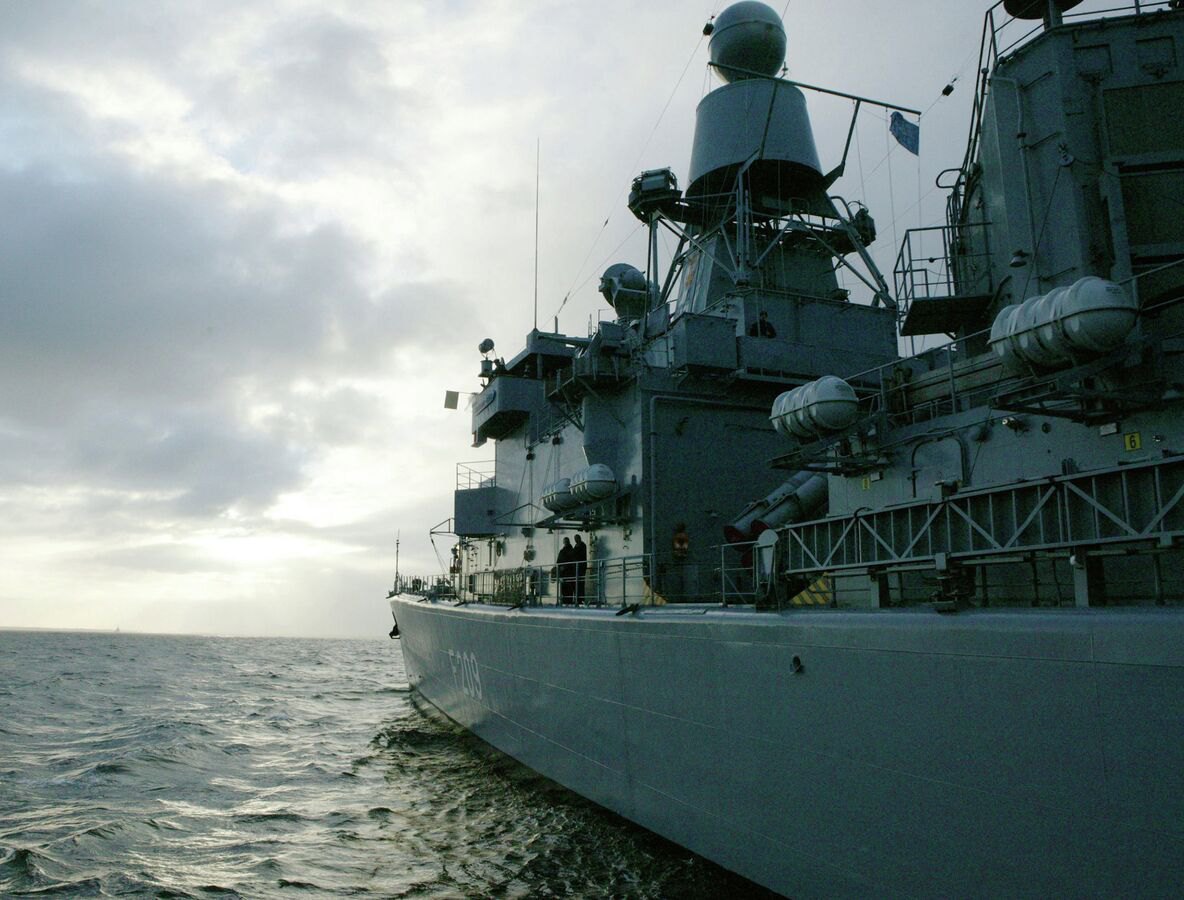
In 2008, it was the military intervention of my personal friend George Bush that saved Georgia. (During the Russo-Georgian war, the US 6th Fleet command ship USS Mount Whitney (LCC-20) played a key role in deterring further aggression by delivering humanitarian aid to Poti. Its presence was part of a demonstration of US support for Georgia. Although diplomatic efforts, particularly EU mediation, were central to the ceasefire, the presence of US warships became a symbol of the protection of Georgian infrastructure from total destruction. — Ed.)
But everything depends on the administration and personal relationships with its representatives at any given time. There have been many instances where the US has abandoned its allies. The war in Iran, where the weapons intended for Ukraine are likely to be diverted, has once again shown that there are no 100% reliable guarantees. We need to build regional alliances and, most importantly, strengthen the Armed Forces of Ukraine.
How do you assess the peace talks between Ukraine, the US and Russia, and the prospects for a ceasefire? If partners put pressure on Ukraine regarding the negotiations, how should Kyiv resist this? Is it worth agreeing to cede territory in one form or another if human resources are exhausted and funding from partners is in doubt?
Before the war in Iran began, Putin clearly had his doubts, but now he feels emboldened once more. Therefore, I do not expect a ceasefire in the coming months. President Zelenskyy and the Ukrainian people stand firm and will not tolerate any capitulation. The fact that the enemy has been stalling for more than four years means that it has lost badly. The preservation of an independent Ukraine is already a sign that the enemy has not won. And if we also succeed, it will mean a complete defeat and the undermining of Russia, and thus a strategic victory for Ukraine.