






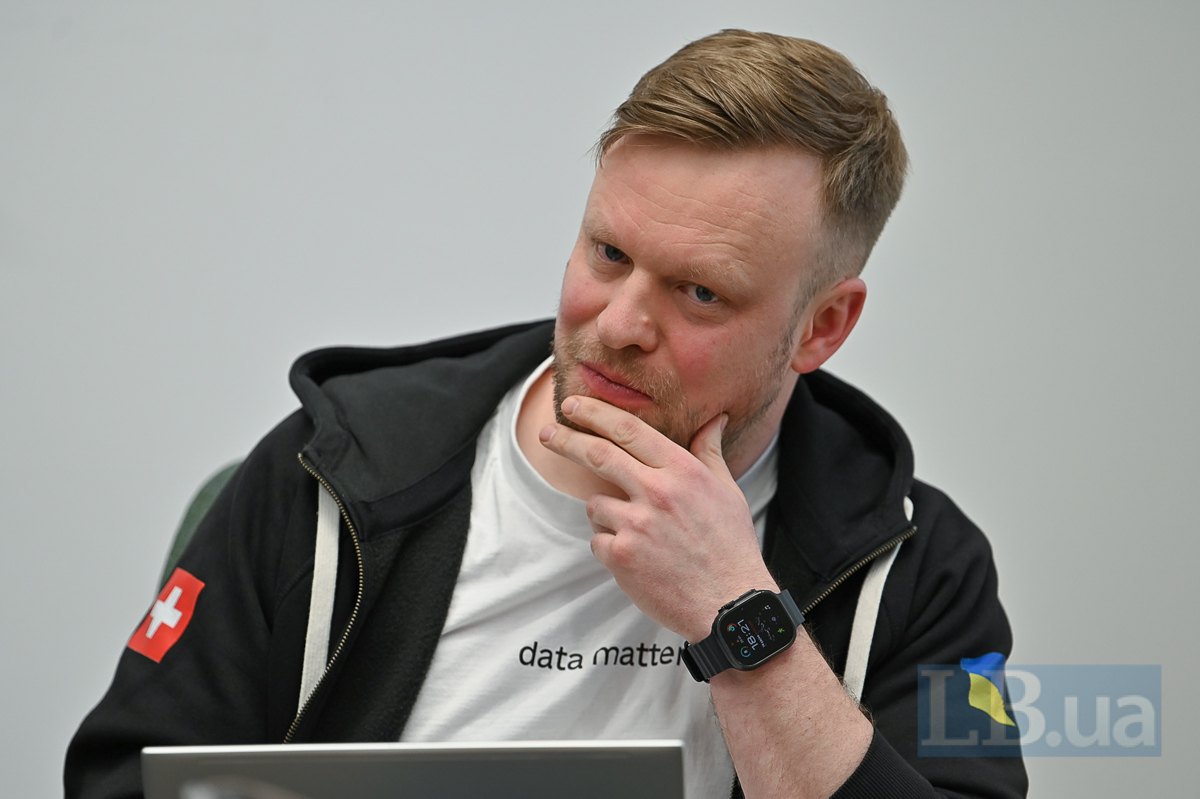
According to Head of the State Statistics Service Arsen Makarchuk, the gap between mortality and birth rates in Ukraine is steadily increasing, even though the absolute number of deaths is decreasing each year.
“According to the Ministry of Justice of Ukraine, 485,290 deaths were registered in 2025, compared to 495,089 in 2024. This is not a plateau — it is a decline in mortality, because Ukraine’s population is shrinking,” he said, citing the figures.
In 2025, 168,778 children were born (almost three times fewer than the number of deaths), compared to 273,000 in 2021. In other words, over four years the birth rate fell from 7.3 per 1,000 women to below six.
“We are experiencing a systemic decline in fertility, and this is a very negative demographic signal, the consequences of which will be felt by us, our children and grandchildren — just as Ukrainian demographics still feel the effects of the Second World War,” Makarchuk said.
He added that the decline in births is directly reflected in the shrinking number of schoolchildren.
“In 2022 we had 322,000 first-graders across Ukraine, in 2025–2026 there are 252,000. But this is not due to emigration — it is demographics. These figures are directly proportional to those born in 2015 and 2019,” the head of the State Statistics Service noted.
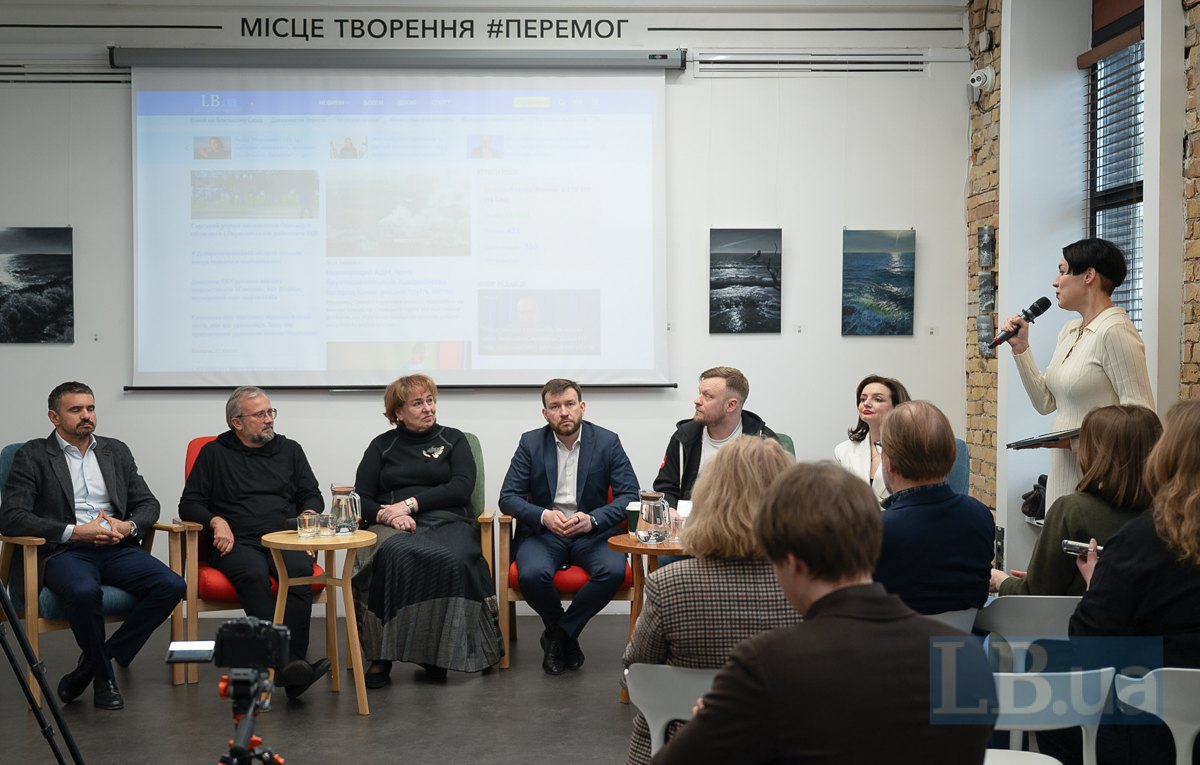
Regarding the number of Ukrainians abroad, Arsen Makarchuk agrees with the general UN estimates of 5.3–6 million. However, he stresses that all current estimates are based on indirect indicators that reflect demographic processes. A precise snapshot of the population can only be obtained through a census, which should be conducted one and a half to two years after the end of active hostilities.
“Demographic and social processes that will follow the end of the war will have a strong impact on us. There will be second and third waves of migration, family reunifications both in Ukraine and, unfortunately, abroad. People will also change jobs and places of residence within Ukraine, as we have a very large number of internally displaced persons.
We will only be able to accurately record what is happening in the country no earlier than two years after the end of hostilities. However, even now there is enough data to form an objective picture and present figures,” the head of the State Statistics Service said.
To do this, various sources are used, including mobile operator data and information from private data holders. This practice is also used in the European Union, where, for example, booking.com data can assess hotel occupancy more accurately than official reporting. However, in Ukraine, data sharing still has challenges, as businesses are not always willing to participate.
At the same time, Makarchuk emphasised that working with such data does not replace the census, which remains irreplaceable for obtaining factual information and understanding public attitudes.
However, available figures show that under the current demographic situation, the labour shortage in the economy amounts to at least 2 million people. That is roughly the number of social insurance contributors that the labour market has lost since the start of the full-scale invasion, said the head of the State Statistics Service.
Before making any decisions on labour migration, he believes, the government must clearly define which policy it will pursue: attracting labour migrants or recovering those who have left and been lost to the domestic workforce. The required number of people depends on this choice.
“We are talking about what kind of labour force to attract: labour migrants or those who have left us and whom we have lost for our workforce. But in statistics, the key unit of measurement is the household. It is not one person, but a group of people who share a common household — metaphorically speaking, a shared refrigerator. Why?
Because, in theory, they share income and expenses. Different members of a household can be responsible for earning and spending. And expenditures are just as important for the economy, because they mean taxes and an indirect impact on the creation of other jobs in services and retail.
That is why it is not ideal when our citizens move abroad, live in Poland and work remotely for Ukraine. Even though they may generate added value here and pay social contributions and income tax, they do not spend money here, and therefore deprive our economy of a significant part of demand,” Arsen Makarchuk explained.
This also applies to immigrants if they are brought in as a labour force, he added.
“It will either be short-term labour migrants who, again, will send the money they earn here outside Ukraine, which will have a smaller effect on the economy than if they spent it here through consumption.
Or they will bring their families and children here. In that case, it will not be the figure we are currently operating with — multiply it by two, three or even more. And that also needs to be taken into account. So we are talking not only about labour force, but about household migration,” the head of the State Statistics Service noted.
He added that all these challenges require a systemic, state-level solution, and cannot be fixed with two or three political decisions.