






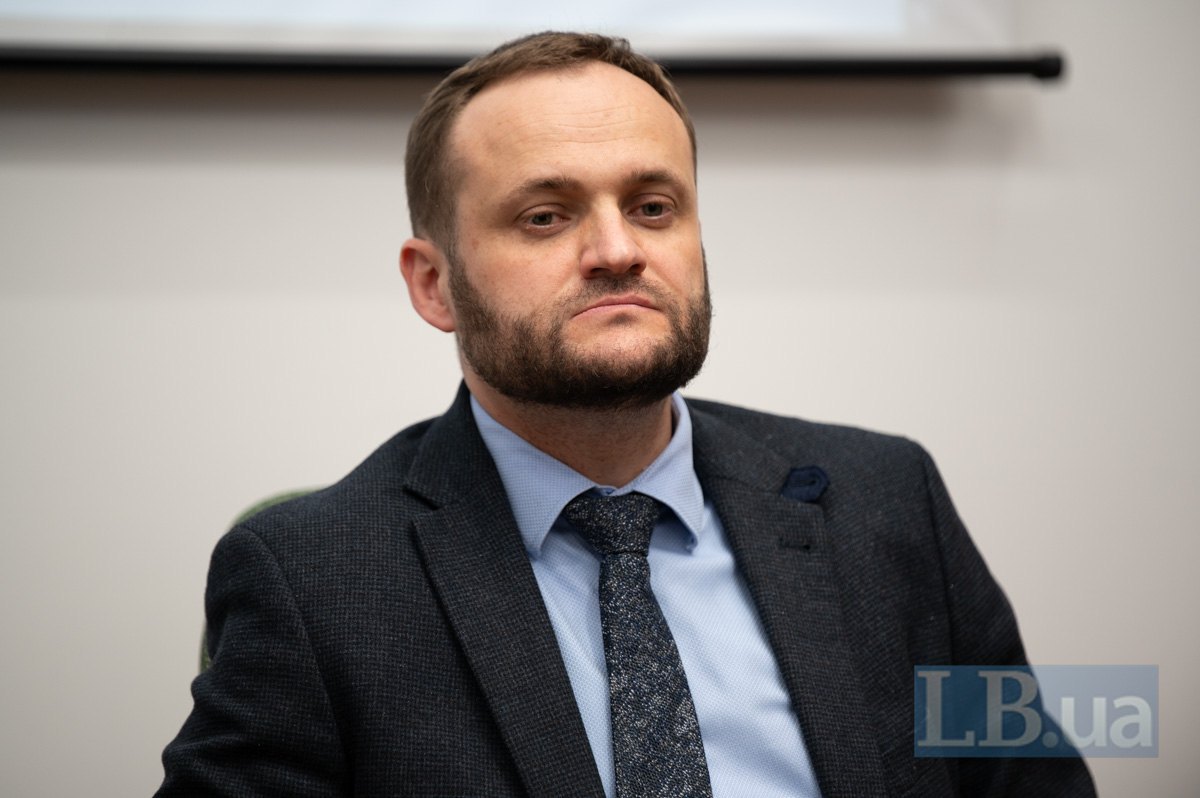
“When we talk about this winter, it is important to note that there are 70,241 multi-storey buildings in Ukraine that are directly connected to the central heating network, and, as the heating season draws to a close (it has already ended in most parts of Ukraine), we have managed to get through 99% of it with heating,” says Oleksiy Kuleba. “Yes, the provision of this service varied. Yes, Kyiv residents suffered the most. Yes, we urgently need to implement new approaches. But we have got through this winter. And we can say that the infrastructure across Ukraine, in areas where there was no damage, coped. And the people coped.”
To prepare comprehensively for next winter, the Deputy Prime Minister for Reconstruction noted, the government is introducing Comprehensive Resilience Plans for the regions (though these have not yet been approved for Kyiv — Ed.), which effectively take on the status of a state programme.
“These have been developed by regional military administrations in collaboration with local communities and individual major cities that are most vulnerable, where there is the highest concentration of central heating systems and where the largest number of people live. We can say that the resilience plans are already in motion,” emphasised Kuleba.

According to him, the document comprises four key areas: the protection of critical infrastructure (not only energy facilities but all critical facilities, including housing and communal services, within a settlement or region); the development of distributed generation (primarily centralised power plants — specific KPIs have been set for each city, and the alternative source must provide the capacity required to power critical infrastructure); and the decentralisation of heat generation, water supply and wastewater disposal (providing alternative power sources with a capacity of at least 500 kW or 1 MW).
“These measures are aimed at addressing three key objectives. Firstly, to reduce the vulnerability of infrastructure. Secondly, to enhance its resilience by preparing contingency plans. Thirdly, to build up reserves,” says Oleksiy Kuleba.
The resilience plans also take into account large state-owned enterprises such as Ukrenergo and Naftogaz, which are critical to the sector or to a specific region or city. The Deputy Prime Minister notes that these entities have their own protection plans.
“Overall, we are moving away from reactive solutions which, unfortunately, were implemented during the three years of the full-scale invasion after each attack or change in tactics, towards a more sustainable and clear-cut approach — a programme focused not merely on preserving the infrastructure that remains, but on making it more resilient and expanding it,” explains Kuleba.
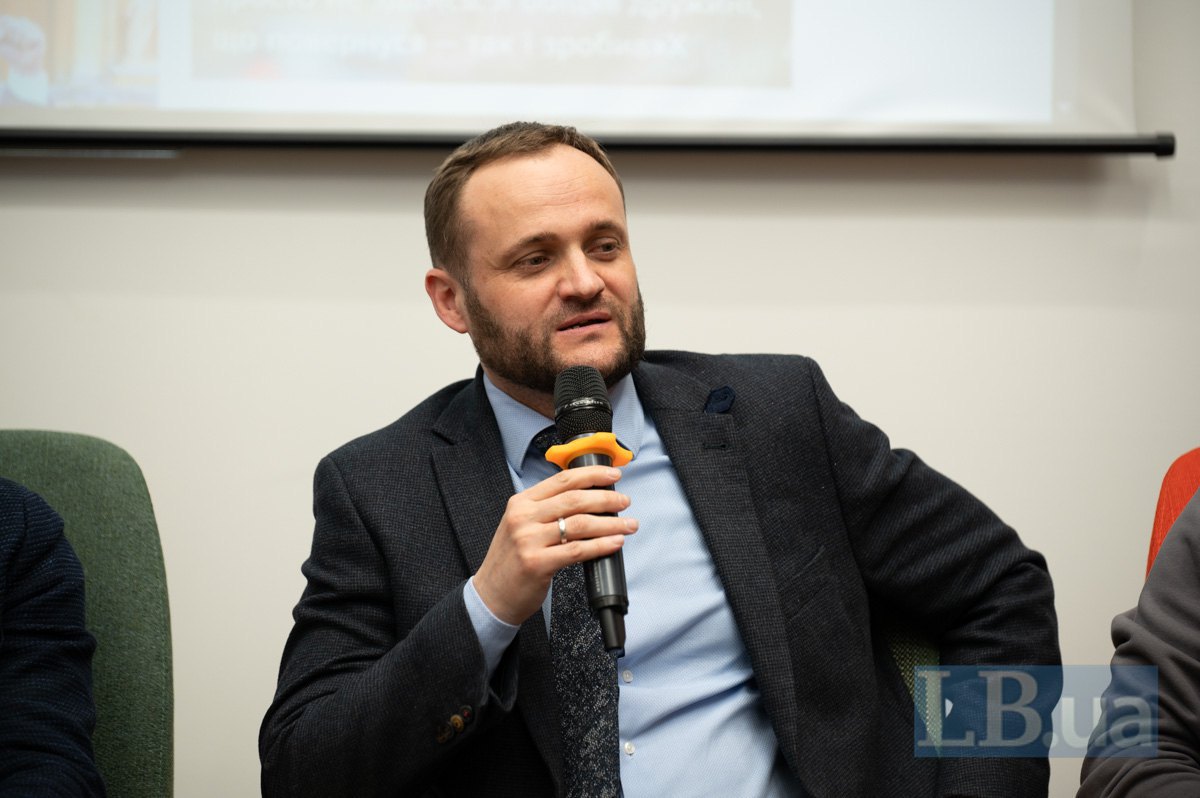
The security concept proposed by the government, the Deputy Prime Minister noted, comprises seven elements at the intersection of the civilian and military sectors.
“All of this only works if there is a comprehensive approach. In other words, this is also part of the military’s responsibility. We are talking about air defence. Specifically, Ukraine has a solution that is unique in the world — small-scale air defence. Next come electronic warfare systems. Then we are talking about the fact that facilities must be protected by a certain level of physical and engineering defences. Each critical infrastructure facility must have an alternative power source, and it is desirable for this alternative source to also have a generator.
Only in this case can we say that the resilience of our critical infrastructure is truly such that it can withstand systemic attacks from various types of missiles and drones. This is a major undertaking for the decades ahead,” asserts the Deputy Prime Minister for Community and Territorial Development.
But the challenges of this war, Oleksiy Kuleba believes, should be viewed as opportunities.
“Just two or three years ago,” he argues, “the monopolistic system in the heating and energy sectors and their integration were not questioned. And it was precisely because of this monopoly that certain decisions could not be made. It still exists today, but it seems to me that the point of no return has been passed and we are moving into an era of decentralisation of the energy system and heat supply in settlements.
This does not mean that we are abandoning centralised heat supply systems, but we are changing, building alternatives. The KPI stands at 1.5 GW. We’ll see at the end of the year whether it’s built. This isn’t the first KPI and it isn’t the first challenge of this kind.”
The government, says Oleksiy Kuleba, has learned from last winter and is ‘sending the right signals’ through its decisions.
“Perhaps they are not always taken on board… But we must bear in mind that the situation is constantly changing. We live in a state of constant change, and all we need to do is learn not just to react, but to stay one step ahead, and to do that we need to build a new system. And this is an opportunity for the country,” he adds.

In this context, Kuleba mentioned Kyiv, which had been the subject of lively discussion during the debate.
‘I believe the city has a great many opportunities, not to mention challenges. Opportunities. And Kyiv currently faces a great many challenges that need to be resolved as quickly as possible.
In fact, the city has sufficient resources, human capital, and even time, for now, to make the city as comfortable as possible to live in, even during a full-scale war. As much as is possible.
There are things we can no longer change. For example, we already have a city with very dense high-rise development. It is unlikely that this will change in the near future. But we can certainly do everything to inventory and count every high-rise building, and do everything to ensure it is as self-sufficient as possible. This winter is a great lesson for us all,” said the Deputy Prime Minister for Recovery — Minister of Community and Territorial Development.