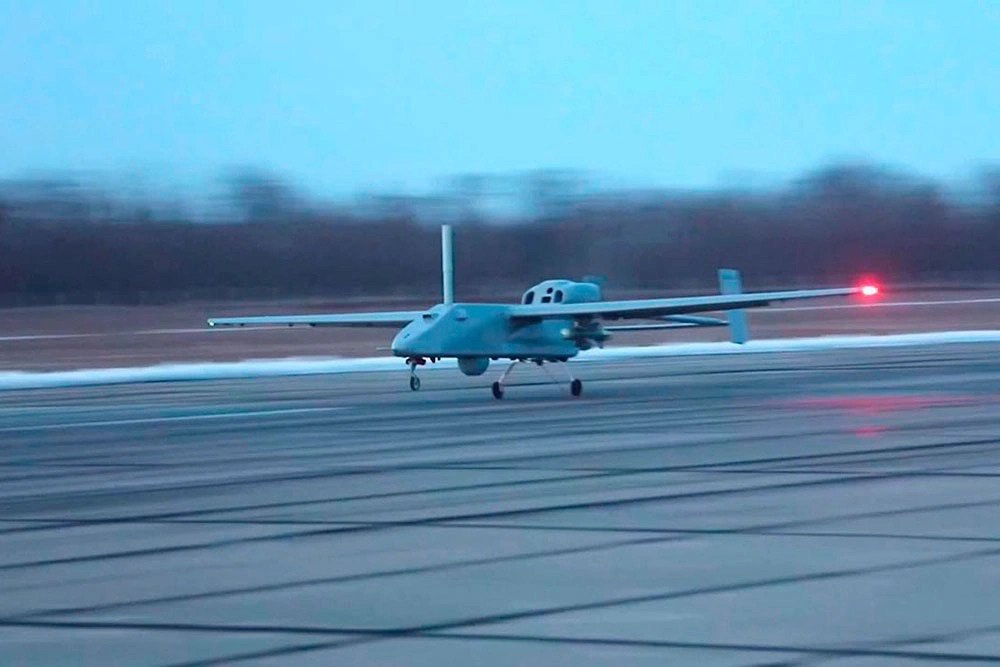





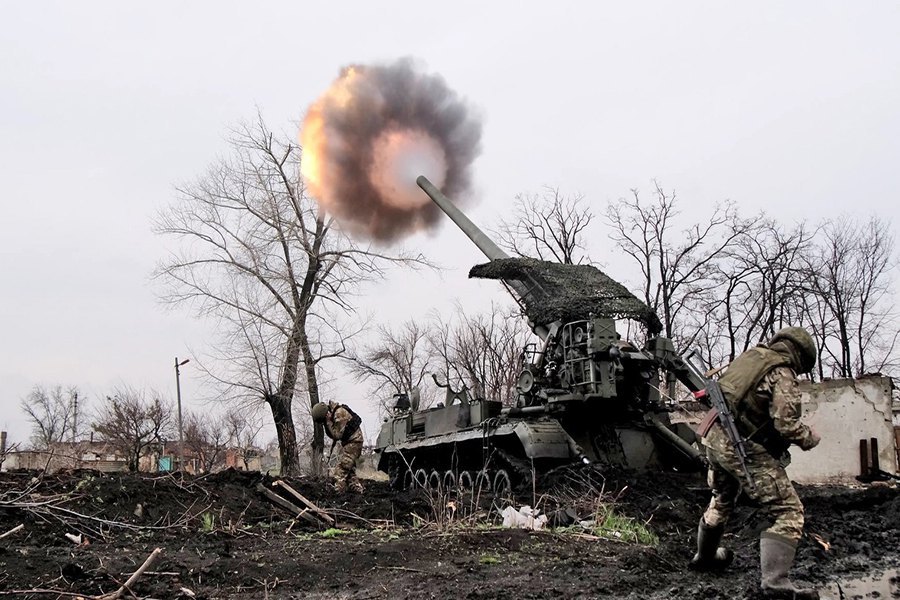
The tactics have evolved from seeking air superiority (which they never achieved!) to intensive use of guided bombs with planning and correction modules (KAB with UMPK), and from there to battlefield air interdiction campaigns — systematic drone strikes on Ukrainian Defence Forces’ logistics up to 100 km behind the frontline. These operations allow the enemy to weaken defences without direct risk to manned aircraft. The approach involves mass deployment of FPV drones and heavy flamethrower systems to create breaches in battle lines where air defence is thin, enabling the enemy to approach the contact line and carry out pinpoint strikes.
Attacks on Ukrainian logistics in frontline zones have become a key element of Russia’s “thousand cuts” strategy. The occupiers systematically target ammunition depots, fuel and supply convoys, transport hubs such as Pokrovsk, Kostiantynivka, and railway nodes in the operational rear of the Defence Forces, using fiber-optic-controlled drones resistant to jamming and FAB-type bombs (500, 1000, 1500, 3000 kg) to complicate troop manoeuvres and supply delivery to the frontline. This is further reinforced by laying mines on roads with artillery systems and UAVs, which restricts movement and forces the Defence Forces to rely on night transport using smaller vehicles. As a result, frontline resupply becomes as dangerous as fighting at the contact line, reducing ammunition delivery and weakening defensive capabilities.
This struggle is expected to intensify in spring, and the enemy is preparing meticulously. The course of these organisational measures was studied by Andriy Kharuk of the Hetman Petro Sahaidachnyi National Academy of Ground Forces, who shared his findings publicly.
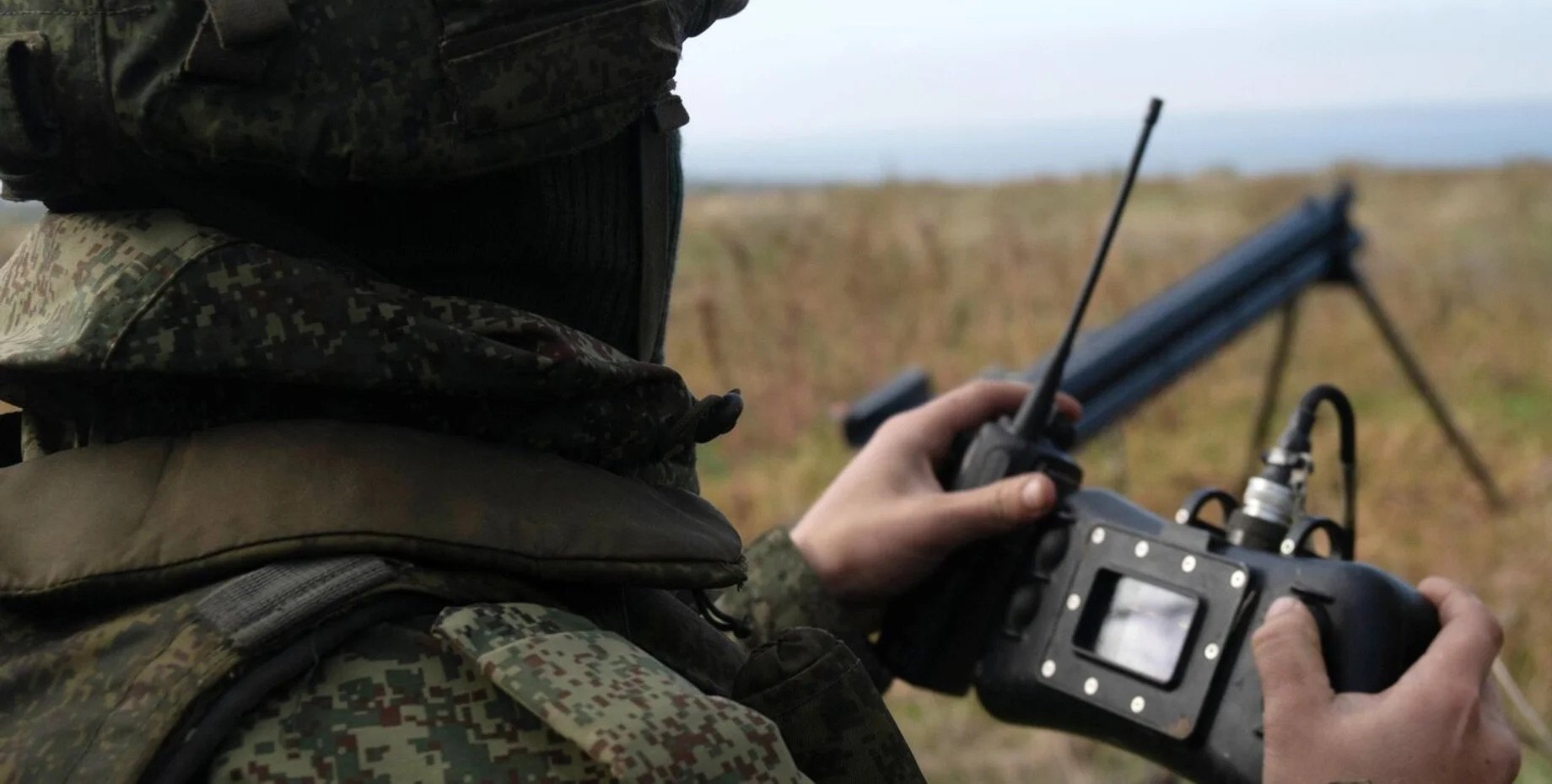
Thus, Russia has formed unmanned systems forces comprising 165,000 positions. The concept of the Russian army’s General Staff appears to be roughly as follows: several centrally subordinated hubs; one regiment in each military district and fleet (five districts — five regiments, four fleets — four regiments, plus one additional regiment in the Pacific Fleet); one battalion in each army (16 in total); and also a battalion at division or brigade level — a rather peculiar structure by Russian army logic.
Read alsoHeat in the Small Sky
The newly formed unmanned systems forces already include the Advanced Unmanned Technologies Centre “Rubikon” and the Special Purpose Centre “BARS-Sarmat” (the BARS “Sarmat” unit formed by Roscosmos in 2023, which migrated from the infantry to the Airborne Forces — and there apparently decided that FPV drones are closer to the intercontinental “Sarmat” than to understanding the requests of infantry commanders of the “invincible and legendary” army).
The following regiments have been formed:
in the Central Military District — the 7th Separate Reconnaissance and Strike Regiment;
in the Leningrad Military District — the 65th;
in the Moscow Military District — the 71st;
in the Southern Military District — the 75th;
in the Eastern Military District — the 77th.
A regiment is also being formed on the basis of the Burevestnik UAV detachment, though its designation and specific subordination remain unclear.
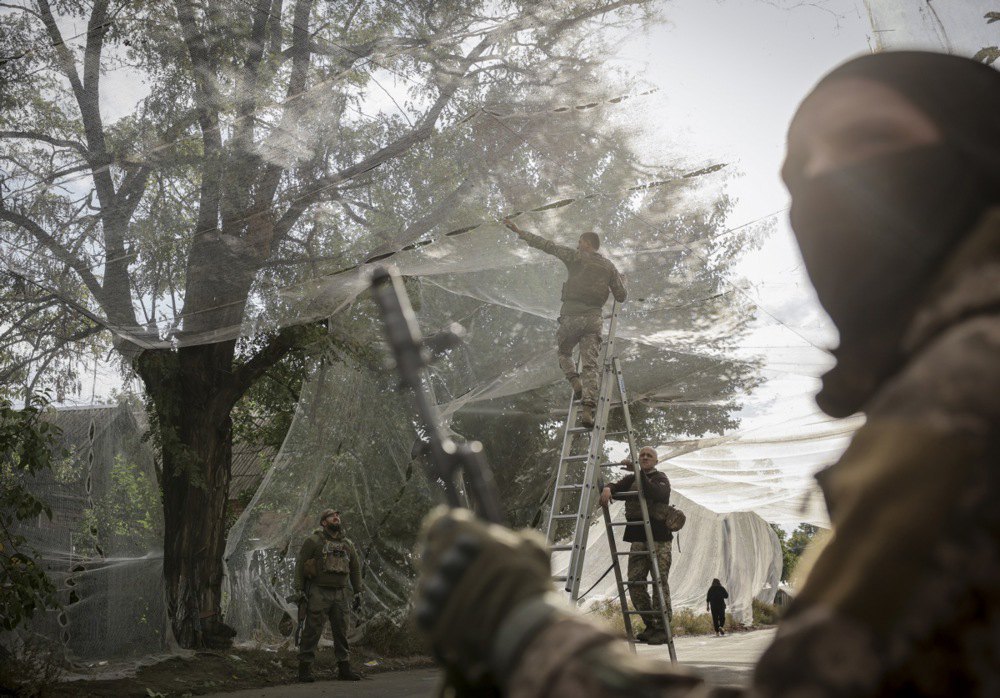
The reported armament of a typical regiment includes Geran-2 and Garpia-A1 loitering munitions, Lancet loitering munitions, and Orlan-10/30 and Forpost-RU reconnaissance UAVs (it remains unclear whether the latter are formally on the books or simply observed in operation).
Army-level battalions:
1st Tank Army — designation unknown;
2nd Army — designation unknown;
3rd Army — designation unknown;
5th Army — 1st Separate Unmanned Systems Battalion;
6th Army — 3rd Separate Unmanned Systems Battalion “Drofa”;
8th Army — designation unknown;
18th Army — designation unknown;
20th Army — 7th Separate Unmanned Systems Battalion;
25th Army — 6th Separate Unmanned Systems Battalion;
29th Army — designation unknown;
35th Army — designation unknown;
36th Army — designation unknown;
41st Army — 2nd Separate Unmanned Systems Battalion;
49th Army — designation unknown;
51st Combined Arms Army — 11th Separate Unmanned Systems Battalion;
58th Army — 24th Separate Unmanned Systems Battalion.
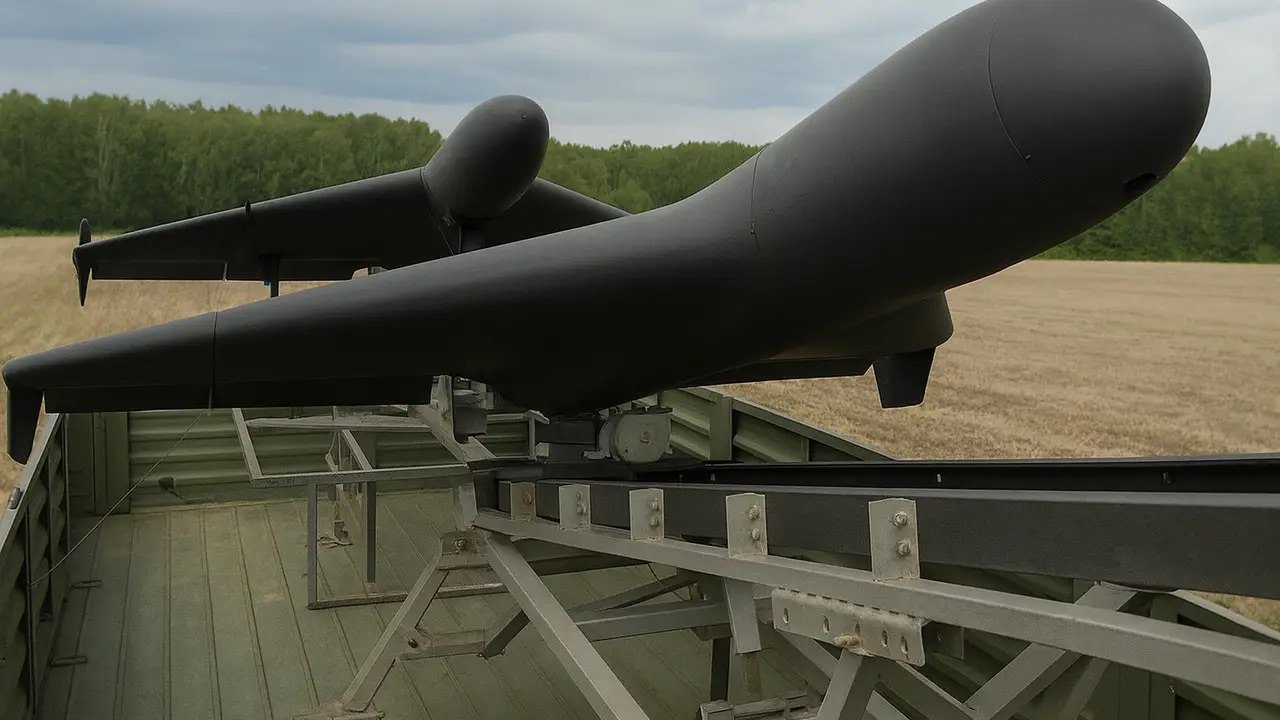
Russia’s Airborne Forces are also actively expanding their unmanned component:
7th Air Assault Division — 24th Separate Unmanned Systems Battalion;
76th Air Assault Division — 25th Separate Unmanned Systems Battalion;
104th Air Assault Division — 23rd Separate Unmanned Systems Battalion;
98th Airborne Division — 21st Separate Unmanned Systems Battalion;
106th Airborne Division — 22nd Separate Unmanned Systems Battalion.
The command of Russia’s Airborne Forces also has its own unmanned systems battalion — the 20th. The 38th Airborne Command and Control Brigade has one as well. The latter reportedly conducts combat missions from the territory of Kursk Region, the Kinburn Spit in Mykolayiv Region, and defends occupied Crimea from attacks by Ukrainian naval drones.
In total, Russia plans to form around 190 battalions, meaning every division and brigade would have its own unmanned systems battalion.
After the Black Sea Fleet of the Russian army partly sank and partly went into hiding, it effectively found itself with limited operational roles, prompting a push to integrate unmanned technologies into naval operations. Each fleet is expected to form its own unmanned systems regiment, while the Pacific Fleet is planned to have two. Similar units may also appear in the Caspian and Dnipro flotillas. These regiments are expected to receive Orlan UAVs, Lancet loitering munitions, ground robotic systems, unmanned surface vessels (USVs) such as Orkan and Zephyr, and unmanned underwater vehicles (UUVs). Their tasks would include countering asymmetric threats — primarily Ukrainian naval drones — and strengthening control over waters, especially the Black Sea and the Dnipro River.
The tactics for employing naval unmanned components in Russia’s navy are evolving based on the experience of the war against Ukraine. Russian forces are already using USVs for mine-laying, reconnaissance and strikes on coastal targets. For example, Sirius-82 unmanned boats have reportedly been used to lay mines on the Dnipro, while upgraded Orkan and Zephyr versions imitate Ukrainian drones during training or are used for strikes on coastal targets.
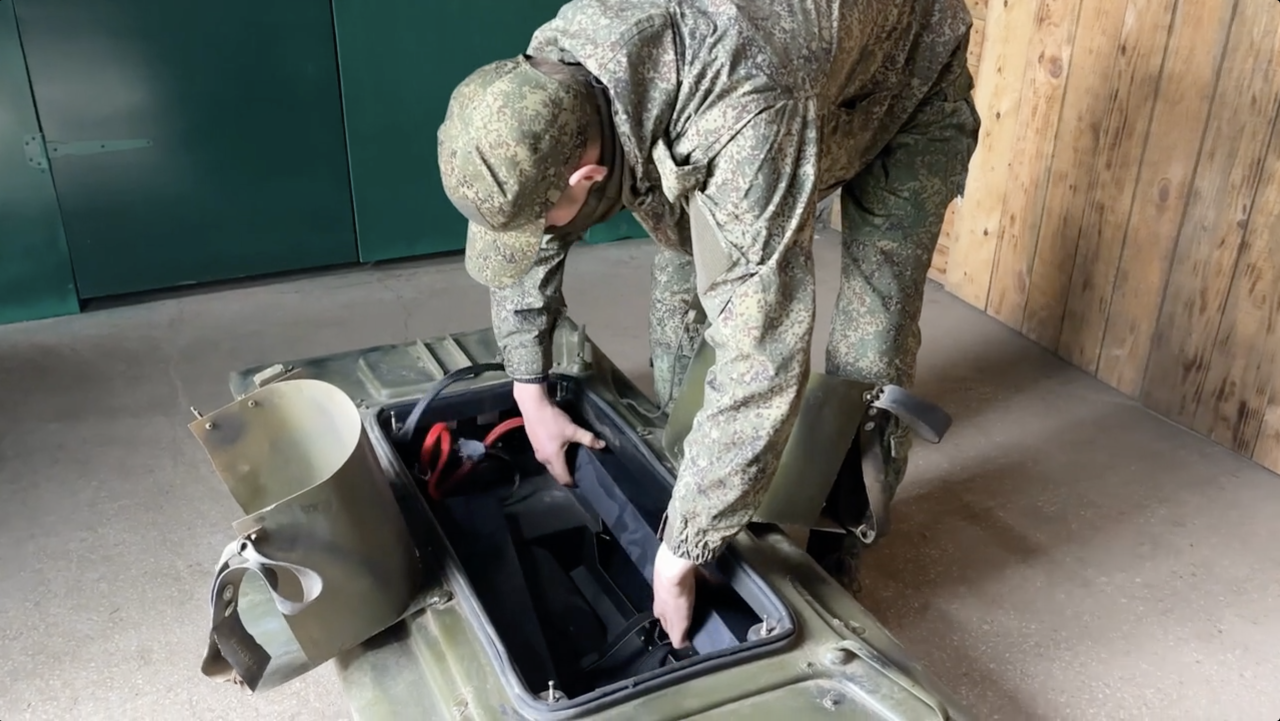
Regiments of unmanned systems are being integrated with traditional naval units, coordinating with submarines (for example, Yasen-M class, which are not present in our region) and aviation for joint operations. Analysts estimate this will allow Russia to expand asymmetric capabilities without major crew losses, though production and integration still lag behind Ukrainian counterparts. The Russian General Staff’s stated goal — by 2030 (optimistic! unlikely to happen) — is to dominate unmanned systems and field 210,000 personnel.
Read alsoWhen will Russia be defeated?
Under the 4th Air Force and Air Defense Army, the Russian Aerospace Forces are forming the 50th Separate Reserve Unmanned Systems Brigade of the Supreme Commander, based on the “Grom-Kaskad” UAV brigade. Available data suggest the brigade will include:
4 Forpost-RU/Orion UAVs,
150 Orlan-10/Supercam UAVs,
22 Lancet loitering munition launchers,
21 Geran-2 kamikaze drone launchers,
6 aerial target launchers (likely Herbera),
52 copter-type FPV drone sets,
52 fixed-wing FPV drones,
50 fiber-optic FPV drones,
2 copter-type UAVs,
2 heavy copter-type UAVs,
80 ground robotic systems,
24 unmanned surface vessels,
63 interceptor drone sets,
18 radar stations,
54 electronic warfare posts,
9 anti-drone crews.
A very odd organization, as Russians say, “from pine to fir” — a bit all over the place.
This summer, the small skies are going to be hot.