




According to Eurostat, as of February 2026, 4.4 million Ukrainians were in EU countries (1.2 million in Germany, just under one million in Poland, followed by Czechia with 380,000). A further 700,000 are scattered across other countries. The number of emigrants from Ukraine continues to grow gradually.
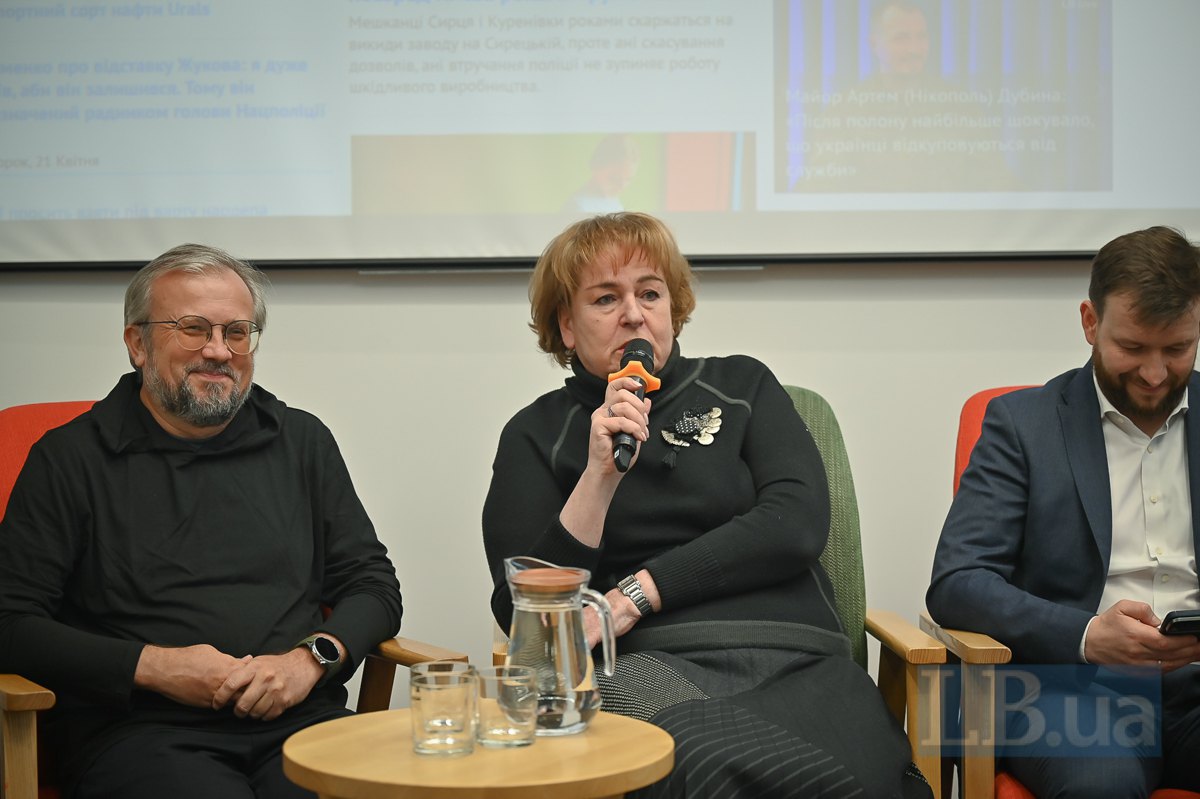
“The majority left in the first half of 2022. Very few have returned — less than one million,” says Ella Libanova. “Each month of the war’s active phase means fewer people will come back, as they adapt to life there.”
According to confirmed Eurostat data, 70% of Ukrainian women in Poland are officially employed. This “alarming figure for us” suggests they are unlikely to return to Ukraine, the researcher notes: in reality, no more than a third of the five million war migrants are expected to come back.
“But there is another very troubling factor. We are facing a second wave of emigration once martial law is lifted. Mostly young women with children left. If families have not broken up and women have settled abroad, there is a high probability that it will not be the women who return, but rather the men who will join them.
And another negative figure: over 70% of women aged 25+ have higher education. This is because those who left were primarily urban residents — from Kharkiv, Kyiv — where education levels are higher. We are not just losing people; we are losing highly qualified, educated individuals. And it is clear that if a woman has higher education, her husband most likely does as well. If she is, say, 30, he is likely around 35, not much older. So this is all very troubling. But it is what it is,” Libanova assessed.
This trend is further reinforced, she added, by the intention of other countries to retain Ukrainians, as Europe is also ageing and facing its own labour shortages.
The Director of the Institute for Demography and Social Studies also does not see a major migration surge following the introduction of permission for men aged 18–22 to leave Ukraine (there was only a slight increase in the fourth quarter of last year, according to Eurostat), although she does not fully understand the logic behind this decision.
“The only way I can explain the reasoning is that it was about fairness. Something like: in 2022, 17-year-olds left, now they are 20 — so let’s allow these ones to go as well. I cannot see any other logic,” Ella Libanova said.
She advises being very cautious with migration policy to avoid repeating both European and Ukrainian mistakes in handling internally displaced persons.
“I always say that emigration is a business problem. It’s you who lack workers. For the state, it doesn’t really matter — no people, well, no people. But immigration is a state problem, because the state is responsible for social and public stability,” she said.
Labour migration, Libanova notes, is not a simple answer to the complex issue of the labour market.
“Do not think that the president, the prime minister, or even the Pope can tell you exactly how this should be done,” the demographer emphasised. “I know that many experts in international organisations are already working on what kind of economy Ukraine should build after the war. Why now? Because we all understand that if we don’t do it now, after the war we will be left with nothing.”
At the state and local levels, she believes there must be clear calculations of labour shortages, as there is already tension between communities people left and those they moved to. Border regions, which will remain risky even after the war, require special economic mechanisms.
She also argued that the approach to housing must change — from ownership as the only model to the development of municipal and rental housing with proper protection for both tenants and landlords. In addition, attitudes toward education and vocational professions must also shift.
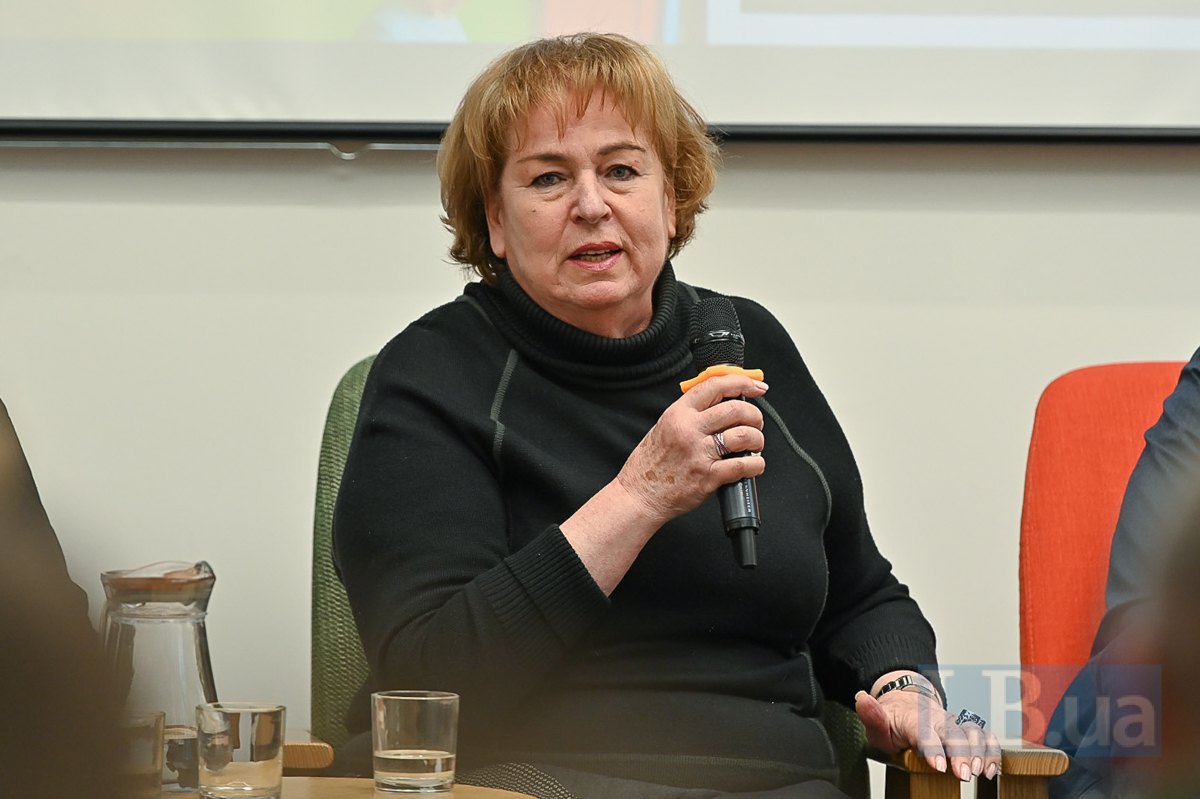
“We don’t have people choosing vocational colleges. We conducted surveys two years in a row after 2014, but before 2022. We asked young people a simple question: if you were guaranteed employment with a salary higher than after university, would you choose a vocational college? Ninety per cent said no. Because we are instilling a false idea in people’s minds,” said Ella Libanova.
She noted that the same trend exists abroad. “There is also not much willingness to study engineering or construction. Everyone wants creative, artistic professions.”
Therefore, Ukraine will likely have to bring in workers for manual professions from abroad, she predicts. However, state migration policy must include quotas and clear conditions for how this will be done.
“I understand very clearly that we will have to attract builders. From where? From wherever we can. We may hope to attract higher-skilled professionals from Europe. But for lower-skilled positions, it will most likely be Bangladesh. I really do not want it to be Iran, Iraq or Syria. I really don’t,” the director of the Institute for Demography and Social Studies stressed.
She also emphasised that foreign workers should not be settled in compact groups, as experience with internally displaced persons has shown this approach to be ineffective. People remain in their own bubbles and are unwilling to adapt to a new environment.