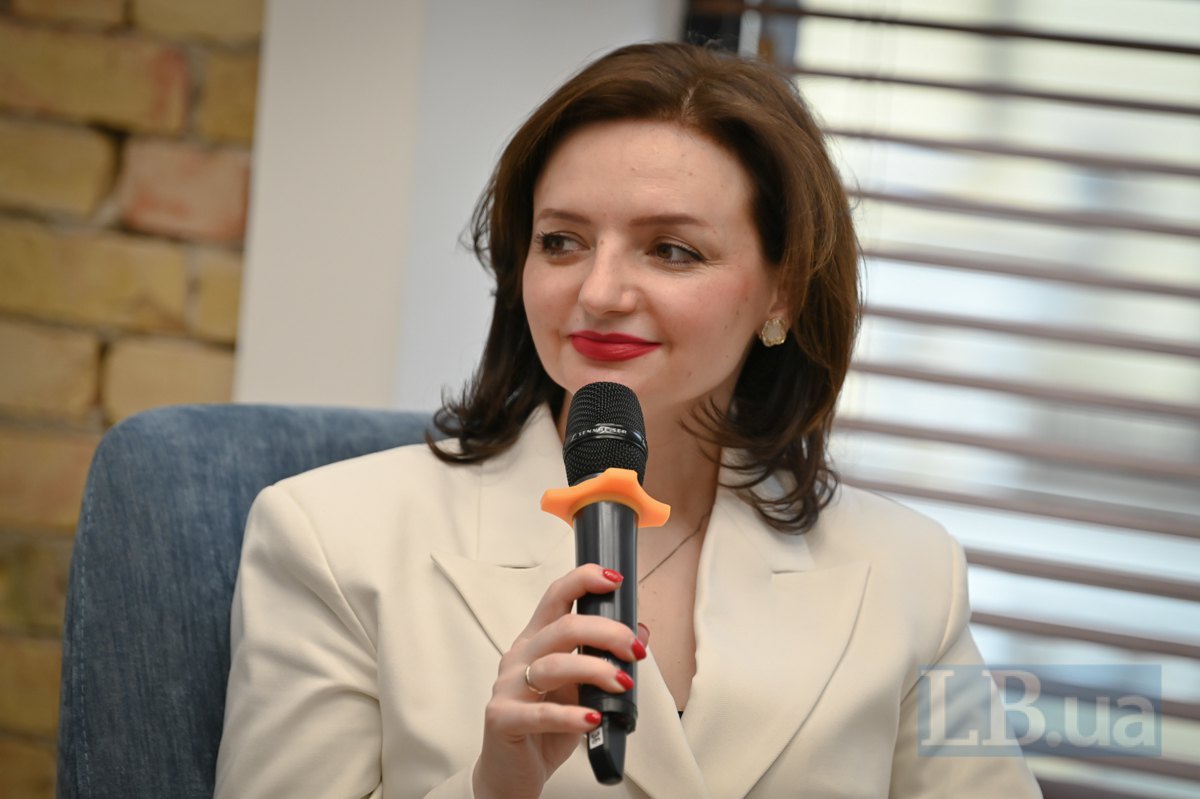





For the Ministry of Foreign Affairs, consular protection of Ukrainians abroad, as well as their rights and freedoms, remains an unquestionable priority. Since 2022, the ministry has been working to strengthen this area, simplify procedures, and make services more digital and accessible, Maryana Betsa said. To this end, a modern electronic platform, e-Consul, has been launched to allow remote access to consular services; a digital notary system (a platform enabling Ukrainians to carry out certain notarial actions via Diia) has been introduced; and all Ukrainian diplomatic missions abroad have been connected to the unified State Register to obtain certificate extracts and other documents.
“For Ukrainians living abroad, it may seem that this is not enough. However, if we compare what was done during the years of independence and since 2022, the level of services is now unprecedented. We understand that the challenges are also unprecedented, as is our responsibility, but we are trying to act as effectively as possible,” the Foreign Ministry representative said.
Another key priority for the Ministry of Foreign Affairs in maintaining ties with Ukrainians abroad, Betsa noted, is preserving identity.
“This is extremely important in the context of the outflow of human capital, particularly among children and young people. Assimilation abroad happens very quickly. On the one hand, Russia is killing our best people on the frontline; on the other, young people are leaving, studying abroad, and many children are integrating into foreign societies as their parents integrate,” the Deputy Foreign Minister said.
According to the MFA, preserving identity is primarily possible through language and education. This includes introducing a Ukrainian component in foreign schools and, where possible, opening bilingual schools. While not many countries are fully supportive of such steps, Betsa noted that bilingual schools already exist in Tallinn, two in Hungary, and Ukrainian classes operate in Poland and Germany.
“The importance of such schools cannot be underestimated. If I am not mistaken, around half a million Ukrainian children are studying abroad. They integrate very quickly and simply forget the Ukrainian language. It is important for us that they remember it, that they know Ukrainian history and culture. This is about preserving identity,” Maryana Betsa stressed.
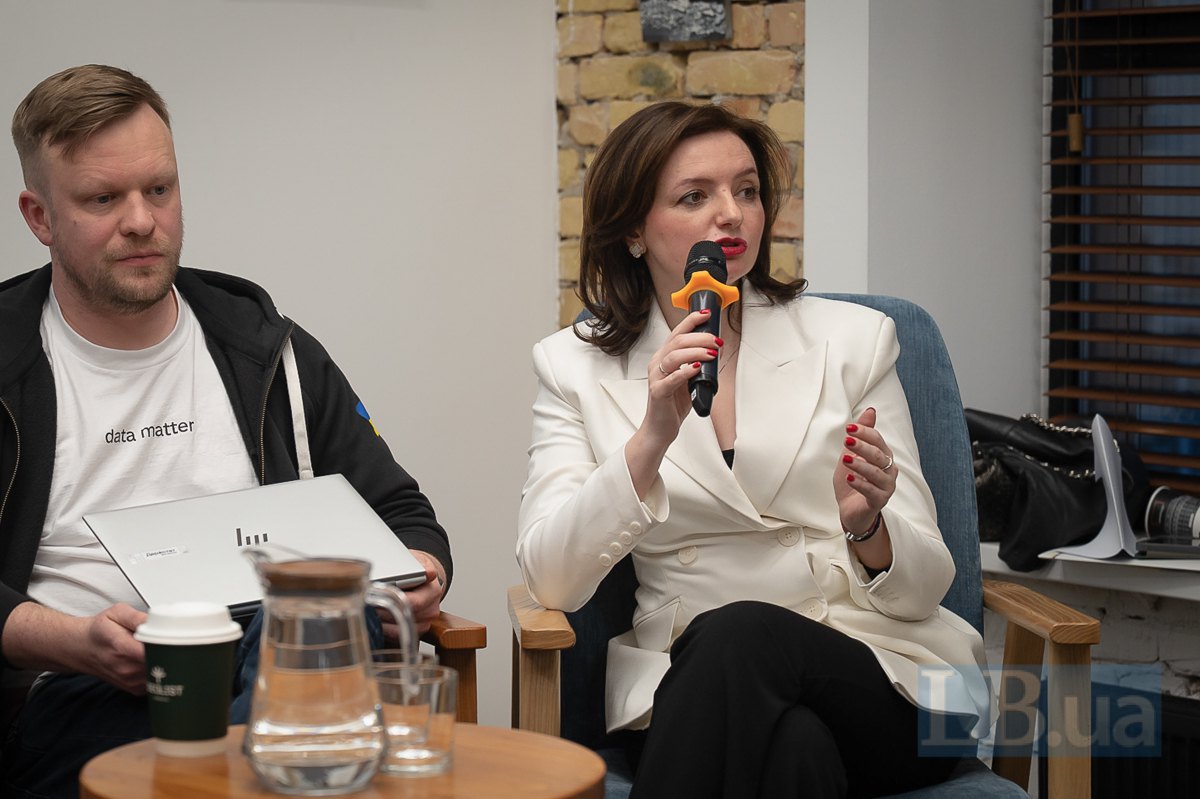
Another element of maintaining ties with Ukrainians abroad is multiple citizenship (the institution of multiple citizenship was introduced by the Verkhovna Rada at the initiative of President Volodymyr Zelenskyy in 2025, with the relevant law entering into force in January 2026 — Ed.).
“This was done precisely to strengthen ties with Ukrainians abroad,” Maryana Betsa emphasised. “It also reinforces Ukrainians’ sense of belonging to Ukraine. This is still an initial stage, as the law on multiple citizenship has only just come into effect, but it is nevertheless an important tool for maintaining these connections.
We proceed from the understanding that all Ukrainians abroad form one large Ukrainian community, which combines two categories. We do not want to divide them, but historically these are, first, Ukrainians abroad in the legal sense — foreigners of Ukrainian ethnic origin under the Law of Ukraine ‘On Ukrainians Abroad’.
The second category consists of forcibly displaced persons or other citizens who are abroad because of the war. This represents enormous potential, as during the war they have become highly mobilised, and a certain consolidation of the Ukrainian nation has taken place.”
The first wave of such unity was observed in 2014, the Deputy Foreign Minister noted, while 2022 demonstrated the true strength of Ukrainians abroad.
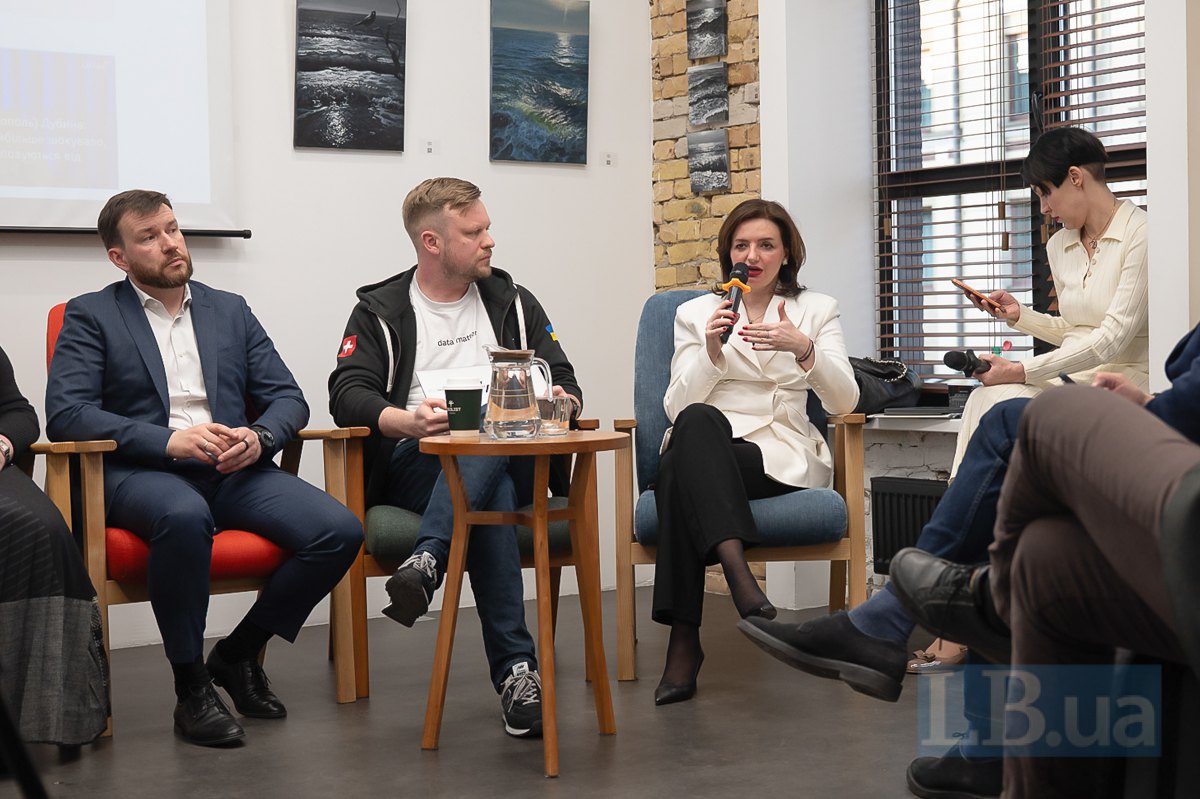
“Where the government voice may not be effective, the voice of society becomes important at the level of people-to-people diplomacy. Advocacy campaigns carried out by Ukrainian communities have shown how significant this support is in promoting Ukraine’s interests in the EU, strengthening sanctions pressure on the aggressor state, and holding Russia accountable. This is an important advocate for Ukraine, especially those with an active civic stance,” Maryana Betsa said. As another element of its strategy for working with Ukrainians abroad, the Foreign Ministry is currently verifying and mapping Ukrainian organisations.
“This is a vast layer of ethnic Ukrainians who already hold citizenship of other countries but have become highly mobilised during the war, providing humanitarian assistance. For example, the Ukrainian World Congress and the Alliance of Ukrainian Organisations in Germany. These are millions of people in fact, thousands of organisations. Our missions abroad co-operate with around 700 verified Ukrainian organisations and about 450 cultural and educational centres. There are also diaspora alliances for reconstruction and unity hubs that help strengthen synergy among Ukrainians abroad,” the MFA representative explained.
She agrees that the state is interested in bringing back those who left Ukraine after the start of the full-scale invasion. However, while this is physically difficult for now, people should at least be brought back intellectually. According to the Deputy Foreign Minister, the goal is to create a “global intellectual community” that maintains ties with Ukraine through educational programmes, economic and investment initiatives, and involvement in reconstruction.
The European Union has currently extended temporary protection for Ukrainian citizens until March 2027. Whether it will be extended further remains unclear, as does whether its cancellation would influence citizens’ decisions to return to Ukraine. For now, the key factor for return remains security, Betsa noted.
“We see this even among internally displaced persons: where humanitarian demining is carried out or air defence protection is strengthened, returns happen more actively. The second factor is, of course, access to housing, jobs and education — the conditions that matter to citizens when deciding to return,” she said.
In her view, it will only be possible to speak about large-scale returns once a sustainable peace is achieved.