







A few figures on the market and future plans
According to a study by the Kyiv School of Economics, the Ukrainian unmanned ground vehicle (UGV) market was estimated at around $252 million in 2025, with 50 companies operating in the sector.
Today, according to Ukraine’s Ministry of Defence, the market already includes 280 companies, developed with the participation of the Brave1 cluster.
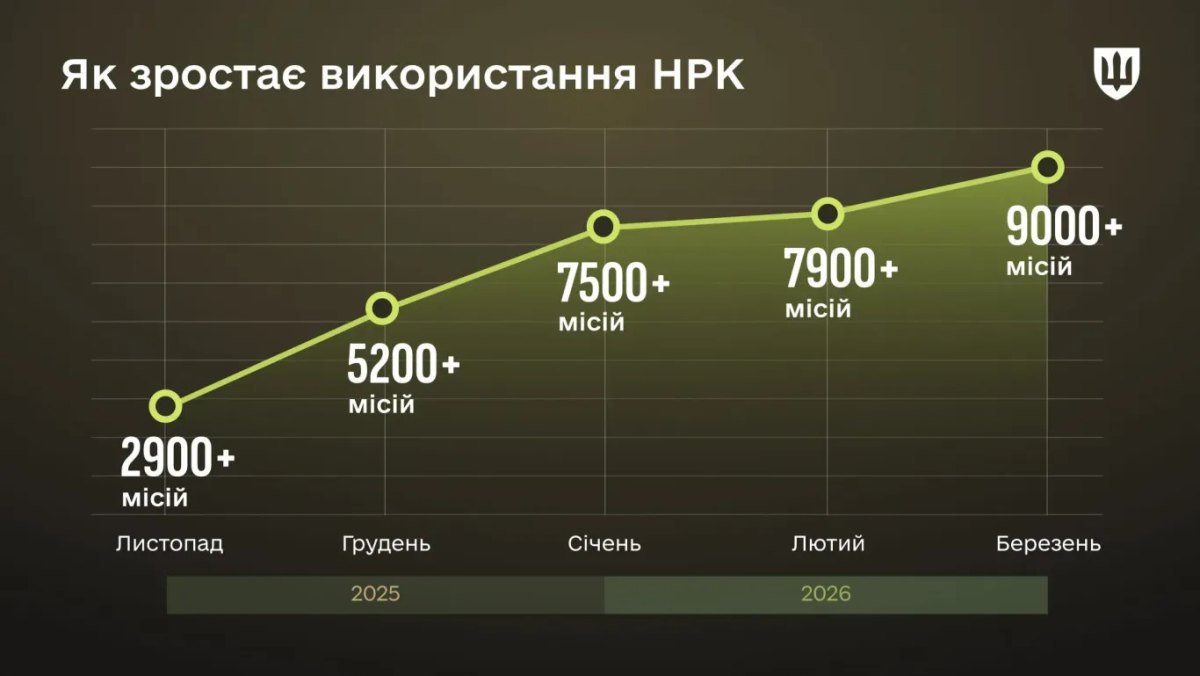
Demand is also growing. At the end of 2025, the DELTA combat system introduced the option to report logistics and evacuation missions carried out by UGVs. Within two weeks in December, 82 military units joined the programme, and 4,300 logistics missions were verified.
The use of UGVs continues to expand — 7,900 additional missions were recorded in February 2026, followed by 9,000 in March.
In the first half of 2026, the Ministry of Defence plans to procure 25,000 unmanned ground vehicles (UGVs) — twice as many as during the whole of 2025. To accelerate deliveries, procurement has been authorised even in cases where product prices have changed. Manufacturers have also been promised contracts for next year.
Overall, the annual target is to supply more than 50,000 ground-based drones to the military, according to President Volodymyr Zelenskyy. However, this figure is already in doubt.
UGV = electric vehicle?
In February, the Ukrainian Council of Arms Manufacturers, a non-governmental organisation, issued a statement calling on parliament to immediately resolve the issue of VAT on ground-based robotic systems.
The issue is that, as of 1 January, the provision of the Tax Code allowing VAT exemptions for certain categories of equipment, including ground-based robotic systems, has expired.
“There is no specific definition for this category in the legislation, and the classification under the Ukrainian Classification of Goods for Foreign Economic Activity (UKT ZED) is contentious. This has a direct impact on procurement: if 20% VAT is effectively added to the price, but budget allocations for this have not been increased, the state will be able to purchase less equipment (by approximately 17%),” the Defence Industry Council emphasised.
The Ministry of Defence acknowledges the situation: according to Minister Mykhaylo Fedorov, changes to tax legislation in early 2026 affected part of the National Defence Budget. On 18 April, he wrote that they are currently working on a “comprehensive solution”. Meanwhile, the Ministry of Defence reported that it had signed 19 contracts worth 11 billion hryvnyas and confirmed that it plans to procure 25,000 units of military equipment in the first half of the year.
The Ukrainian Defence Industry Council notes that the matter lies with the members of the relevant parliamentary committee. After all, at a meeting in February, all parties — the Ministry of Defence, the Ministry of Finance, the State Tax Service, the Defence Procurement Agency and representatives of manufacturers — supported the need to amend the Tax Code.
“We urge the relevant committee and MPs, in particular the Chair of the Committee on Finance, Tax and Customs Policy, to support these amendments as soon as possible,” the organisation emphasised in its statement.
This threat was already known at the end of last year, Nina Yuzhanina, a Member of Parliament and member of the Verkhovna Rada Committee on Finance, Tax and Customs Policy, told LB.ua.
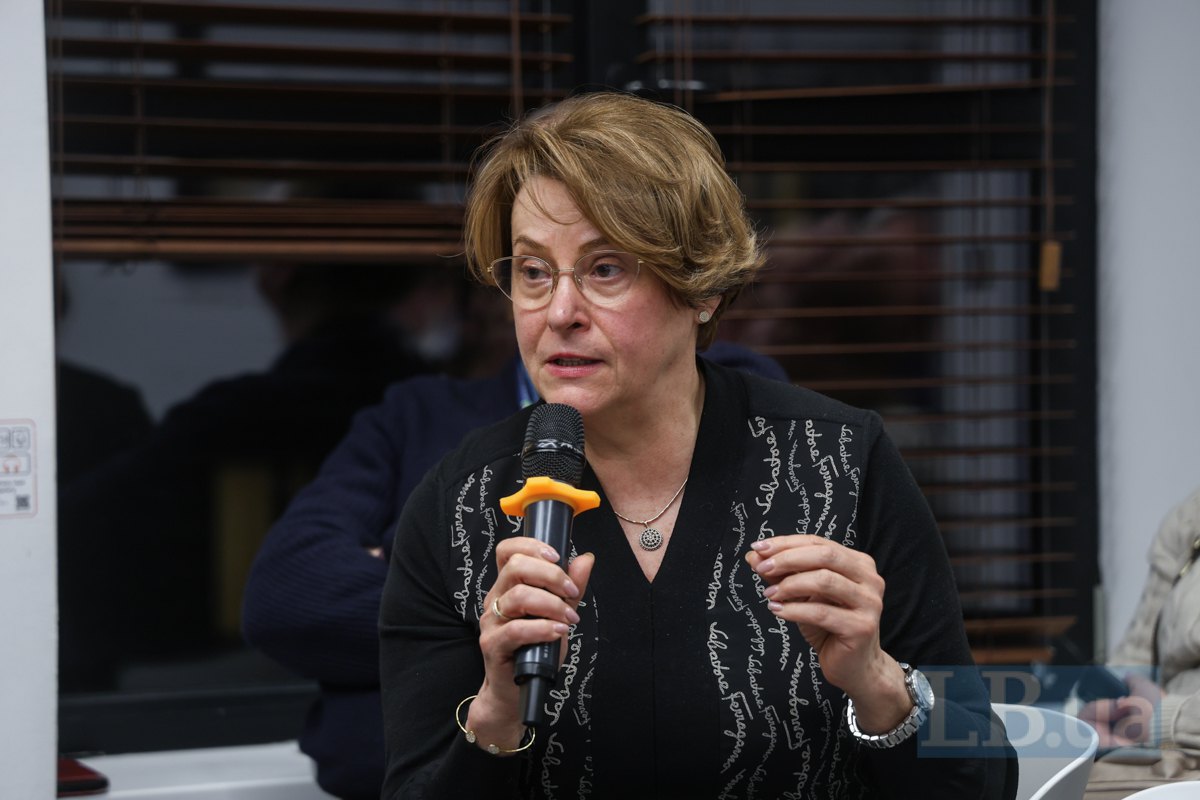
“But this issue wasn’t widely known at the time, because the regulation granting tax exemptions for the supply of certain goods to the Armed Forces has been in place since 2014, and aerial and aquatic drones were gradually added to the list. But no one mentioned ground-based drones. And the supply of the latter was carried out under the provision for special vehicles, such as electric cars,” explained Yuzhanina.
Since then, the committee chair, Danylo Hetmantsev, has been asked to consider the amendments. According to her, he agreed, but it did not go any further.
During this time, Yuzhanina says, there were several opportunities to make these changes, but the decision remained at committee level.
On 14 May, she says, a further meeting is planned, jointly with the Ministry of Defence, the Ministry of Finance, the State Defence Agency and representatives of manufacturers.
We approached several other MPs from the committee — they declined to comment on this issue.
How this affects the military
As of early May, the issue remains unresolved, and the military are telling us as much.
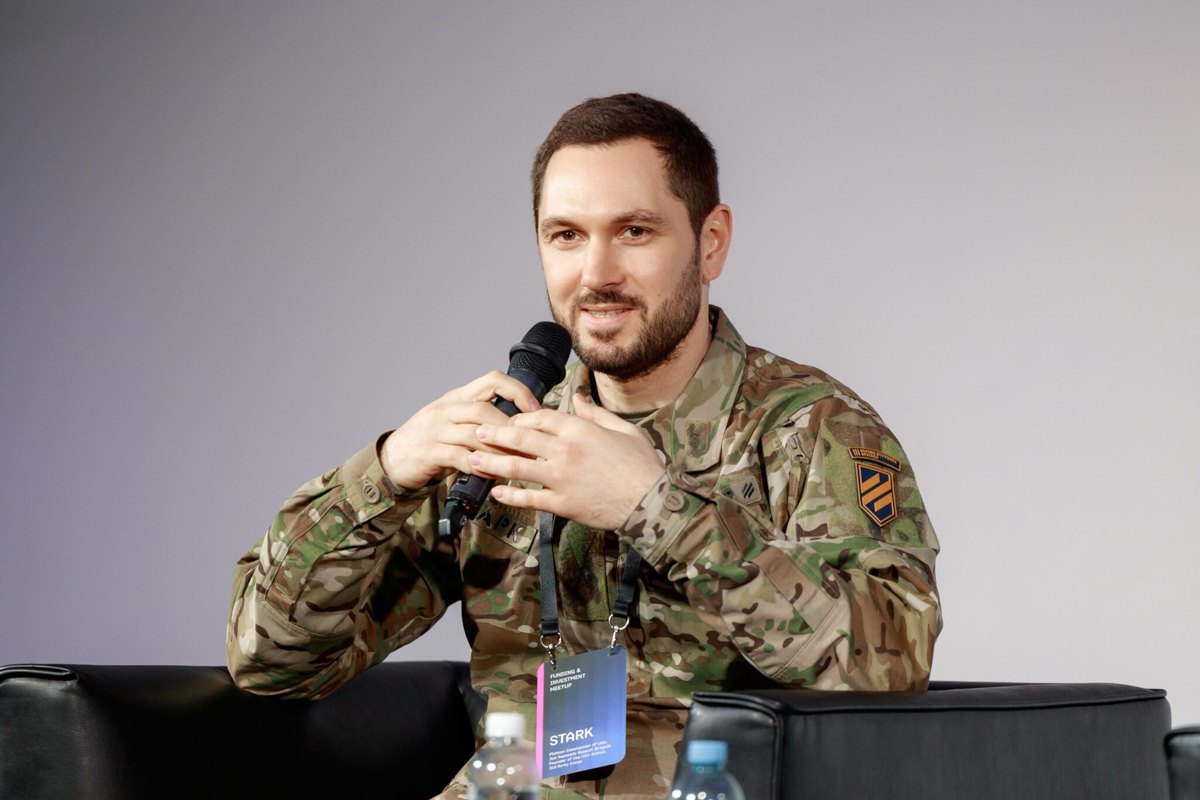
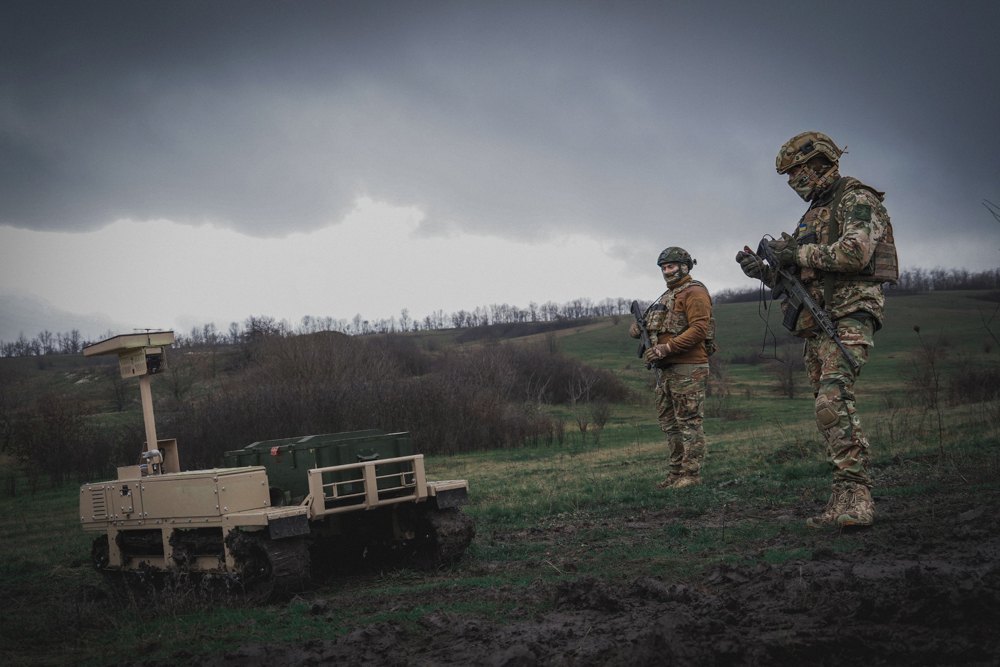
The battalion of the 3rd Assault Brigade’s 3rd Army Corps is experiencing problems with the supply of ground-based drones to its units. The founder of the Third Army Corps’ UGV School, officer Viktor ‘Stark’ Pavlov, also cites the aforementioned reason in a conversation with LB.ua and notes that it is difficult to predict when and how this obstacle will be overcome.
Andriy ‘Knight’ Kushnerov, acting commander of the command platoon of the 108th Separate Assault Battalion ‘Wolves of Vinci’, told LB.ua that all brigades using unmanned aerial vehicles (UAVs) are currently affected by the unresolved issue of taxation.
In general, he said, a unit can obtain ground-based drones in three ways:
- through centralised procurement, where the Defence Procurement Agency enters into a contract,
- by purchasing them using the funds allocated to the brigade each month,
- or through accrued electronic points.
The main supply was centralised, and, according to Kushnerov, this did not happen at all in the first half of the year; only now has the situation begun to shift slightly.
“We’ve been without UGVs for 4–5 months; we’ve used up everything we had, and what we didn’t have. And it’s not just our unit; everyone has this problem. The only thing that helped a little was the electronic points system and procurement via DotChain,” notes the soldier.
But there is a fourth way
At the First Separate Medical Battalion, which is one of the leaders in terms of the number of evacuation missions carried out using ground-based drones, we were told that their unit had never received any state funding.
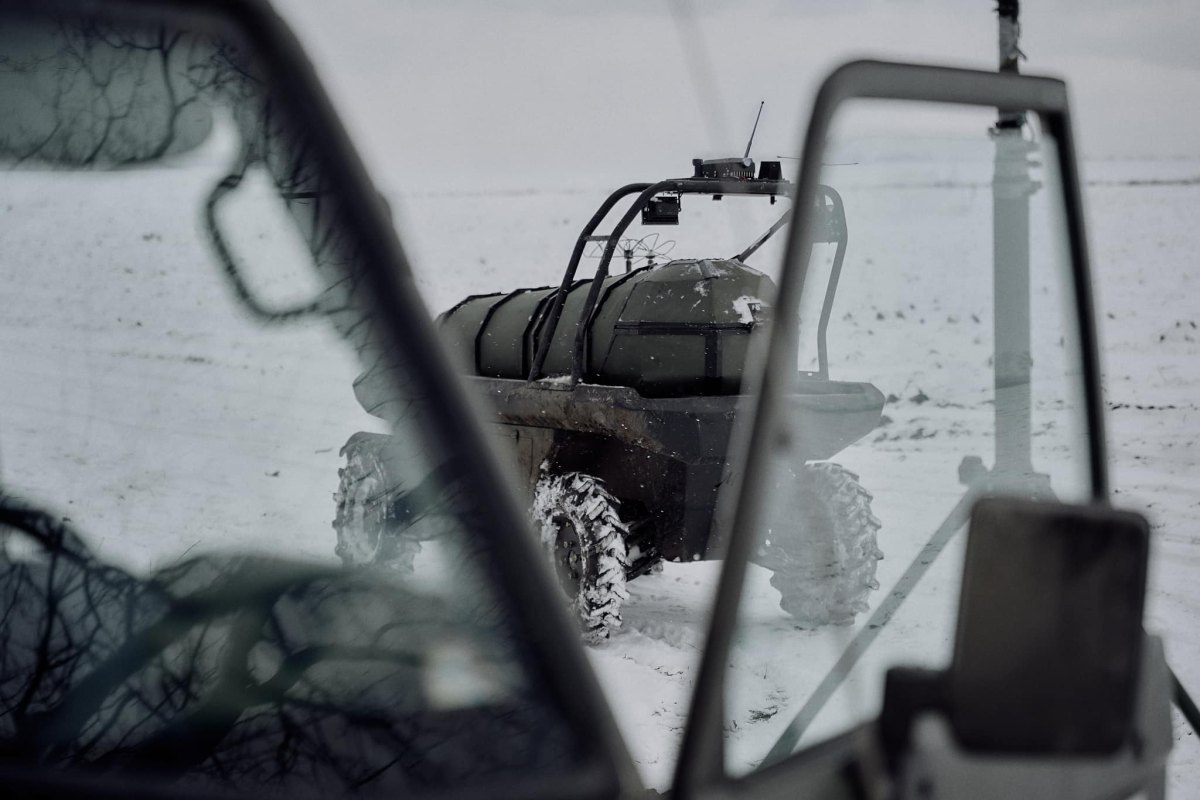
All the evacuation equipment they use was provided by volunteers: the Come Back Alive Foundation, the Ukrainian diaspora in Australia and California, other foundations and organisations, and equipment was also purchased with the support of public figures.
But the VAT issue has affected them top
“Fundraising is frankly very difficult at the moment. Previously, we had to raise 1 million hryvnyas for a medical mission; now it’s 1.2 million. Instead of five medical missions for the same amount of money, we’ll only be able to carry out four. Fewer funds mean fewer opportunities to work. Less work means fewer results. In our case, results mean lives saved — the lives of our defenders,” the Medical Battalion noted.
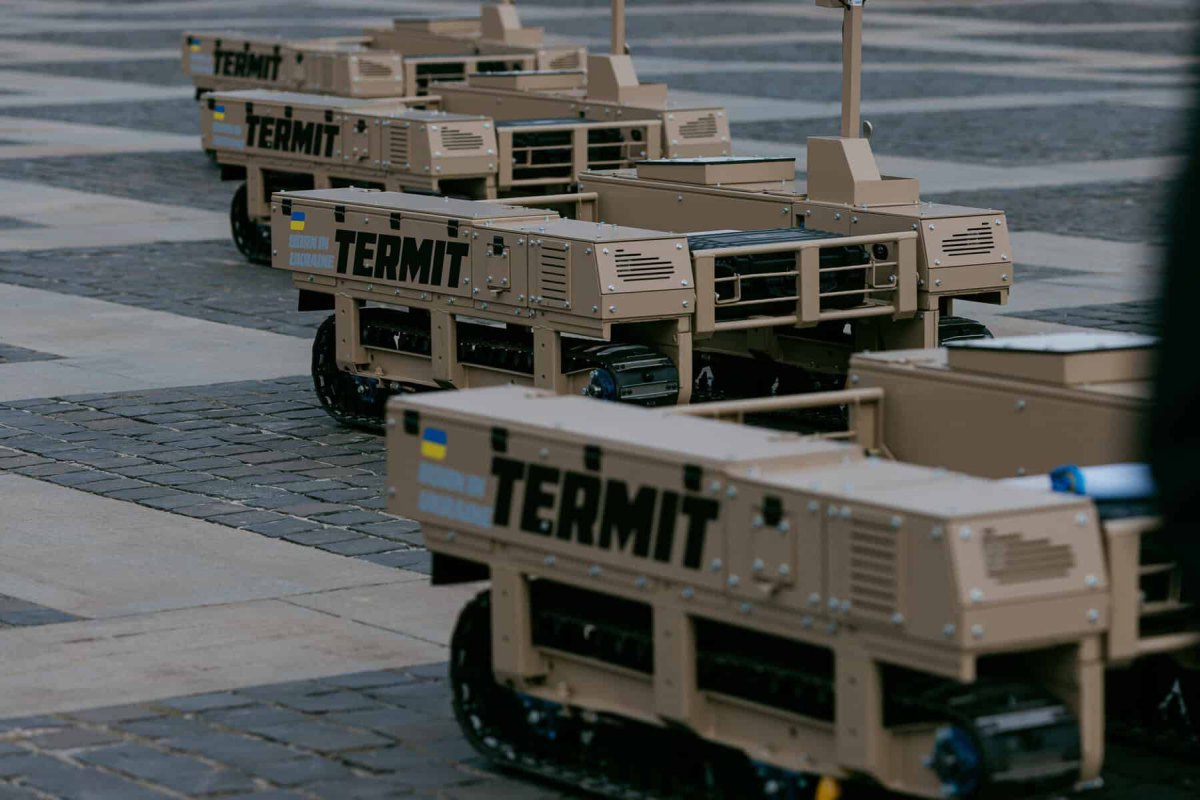
In some cases, manufacturers themselves are stepping in to address specific issues — for example, in April this year, Tencore donated 26 TerMIT UGVs to six brigades at its own expense, reports Militarnyy. The company also attributes this move to the slow pace of contracting by the state.
Logistics, evacuation and more
Logistics missions are among the most common tasks assigned to ground drones.
In the Third Assault Brigade, all logistics are now handled by UGVs, says Viktor ‘Stark’ Pavlov.
Among the common tasks carried out by UGVs on tracks or wheels is mine laying. UGVs are also used for engineering and strike missions. There have already been documented cases of the platforms being used as kamikaze vehicles — for example, last July the Third Assault Brigade managed not only to drive Russians out of a dugout, but also to force their soldiers to surrender.
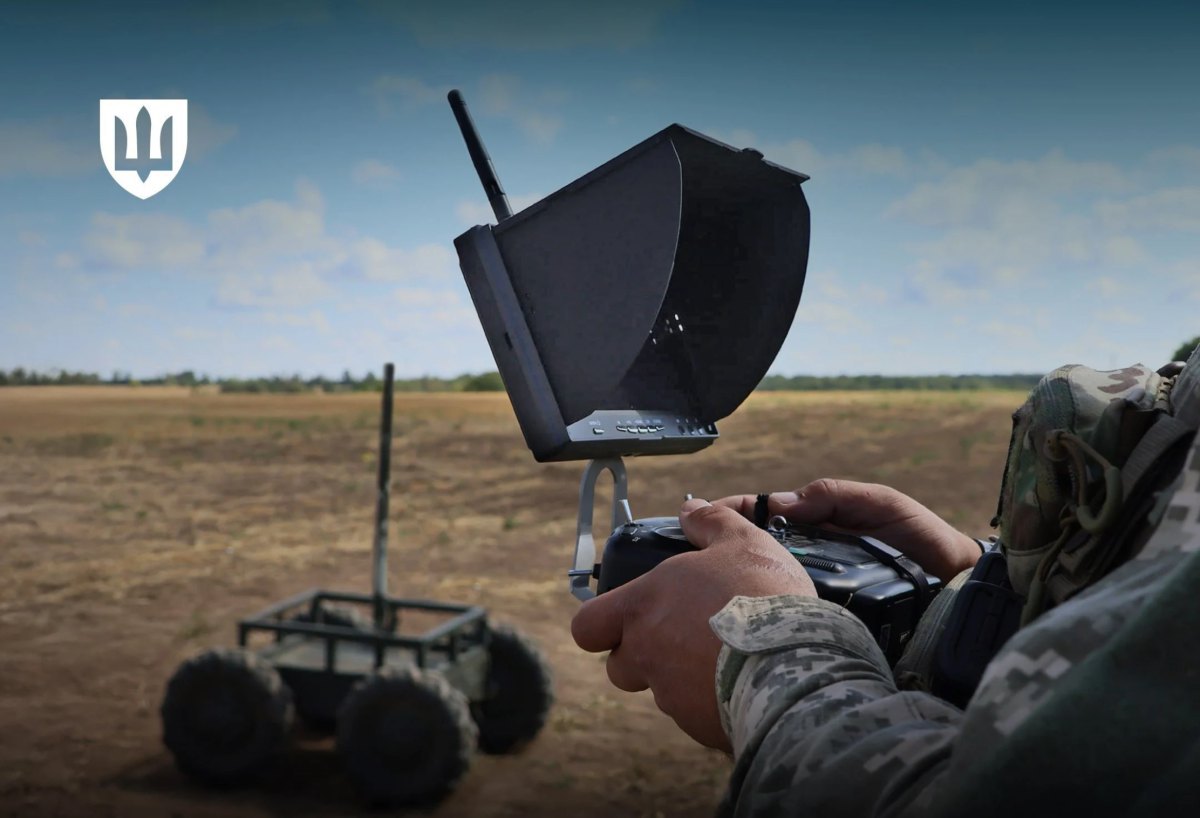
Ground-based platforms are also used to evacuate the wounded. After all, evacuation using a casevac under current conditions on the front line is also a risk for those carrying it out, because it is only a matter of time before an FPV destroys the vehicle. That is why ground-based platforms are used.
Andriy Kushnerov notes that logistical support varies across different units.
“Logistics vehicles are frequently destroyed; consequently, for a brigade to maintain more or less normal logistics, it must lose at least one logistics vehicle per day. If a brigade loses 30 UAVs a month whilst handling logistics, that’s a good outcome. I know of brigades where supplies over the last 4–5 months have ranged from 2 to 5 UAVs. Consequently, the shortage is severe,” says Andriy Kushnerov.
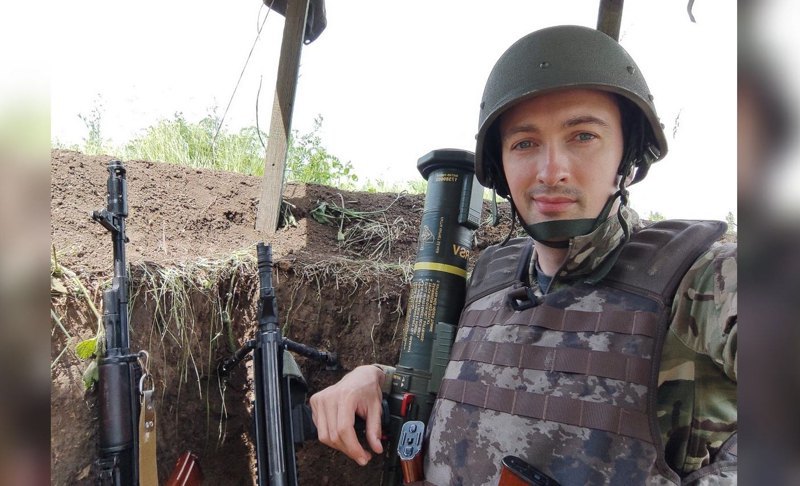
According to him, the situation is slightly better in the more high-profile departments, where support systems are already in place, as well as in those that had built up stocks in advance — because supply issues had been announced well in advance; in particular, Kushnerov had known about this for several months.
Maintenance and improvements
When UGVs were first introduced, they received a great deal of attention, but interest then began to wane for a while. According to Serhiy ‘Flash’ Beskrestnov, an adviser to the Ukrainian Minister of Defence, this is because there were initially no UAV training schools, the equipment was not of the highest quality, and manufacturers did not provide technical support.
“We either had to repair them at bases, for example, somewhere in the rear, or train the brigades on how to do it, and supply spare parts for the robots. But this process was not in place. And it often happened that when a robot had problems — it broke down, couldn’t move — no one could repair it because there was neither maintenance nor spare parts,” Beskrestnov noted in an interview with Army INFORM.
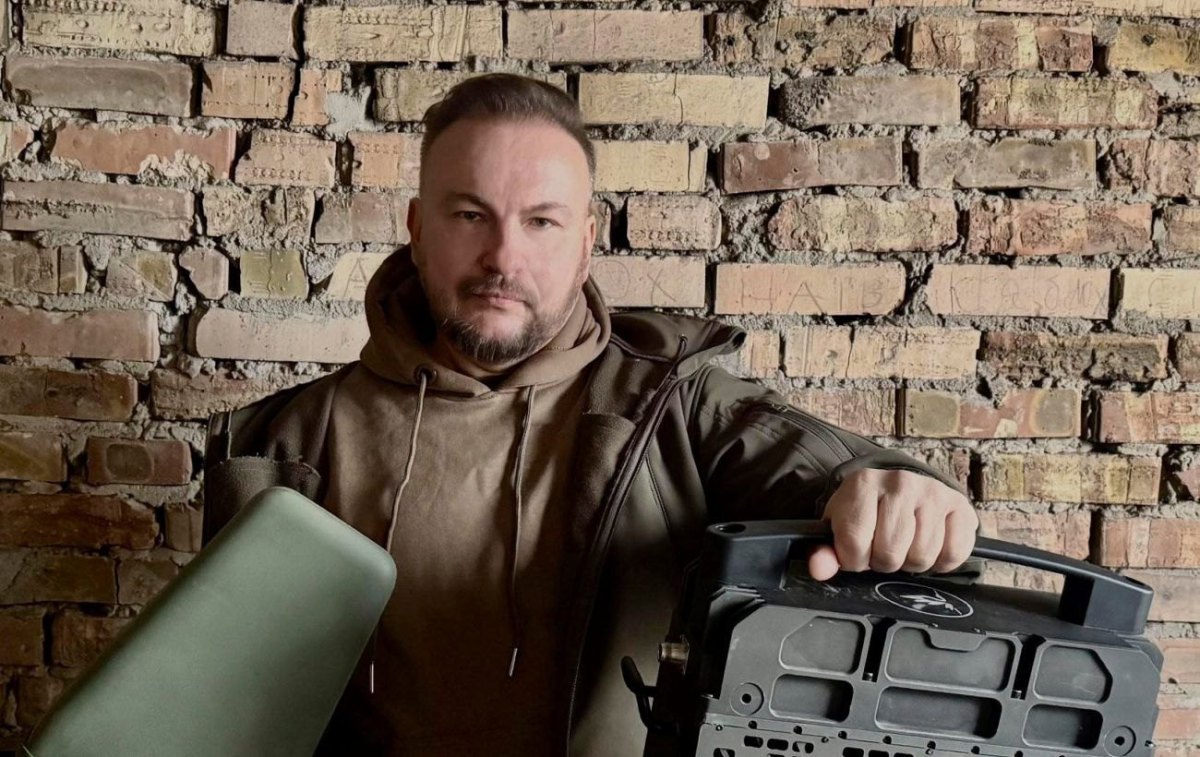
According to Andriy Kushnerov, the situation regarding workshops is likely to improve, as they will become a standard feature of the unit’s structure. However, there are still issues with them at present. And a unit cannot function properly without a workshop, as manufacturers often supply products that are far removed from the actual needs on the battlefield, meaning the equipment has to be modified.
Discussions are currently underway regarding the procurement of a standard set of tools for workshops, as well as the level at which workshops should be established — at brigade or battalion level.
“None of this exists as standard, or exists only in some very strange forms. And without a workshop, all these UGVs don’t move. Everything supplied in 2025 was supplied without Starlink, and without Starlink it simply doesn’t work; it’s rubbish. It’s like an FPV without a connection. Consequently, everyone installed Starlink themselves,” says Andriy Kushnerov.
At the same time, ‘Stark’ notes that the drones themselves have been improving over this period. He draws an analogy with mobile phones: “If two years ago we were at the level of the Nokia 3310, now we’re already approaching the first smartphones. We’re still a long way from iPhones, but we’re already at the stage of the first Nokia smartphones with their own internal operating systems. There’s more memory now, you can download games, take photos... Evolution is happening bit by bit; manufacturers are already working on computer vision and artificial intelligence, the devices are becoming more secure and have greater range. More advanced suspension systems — and this affects off-road capability.”
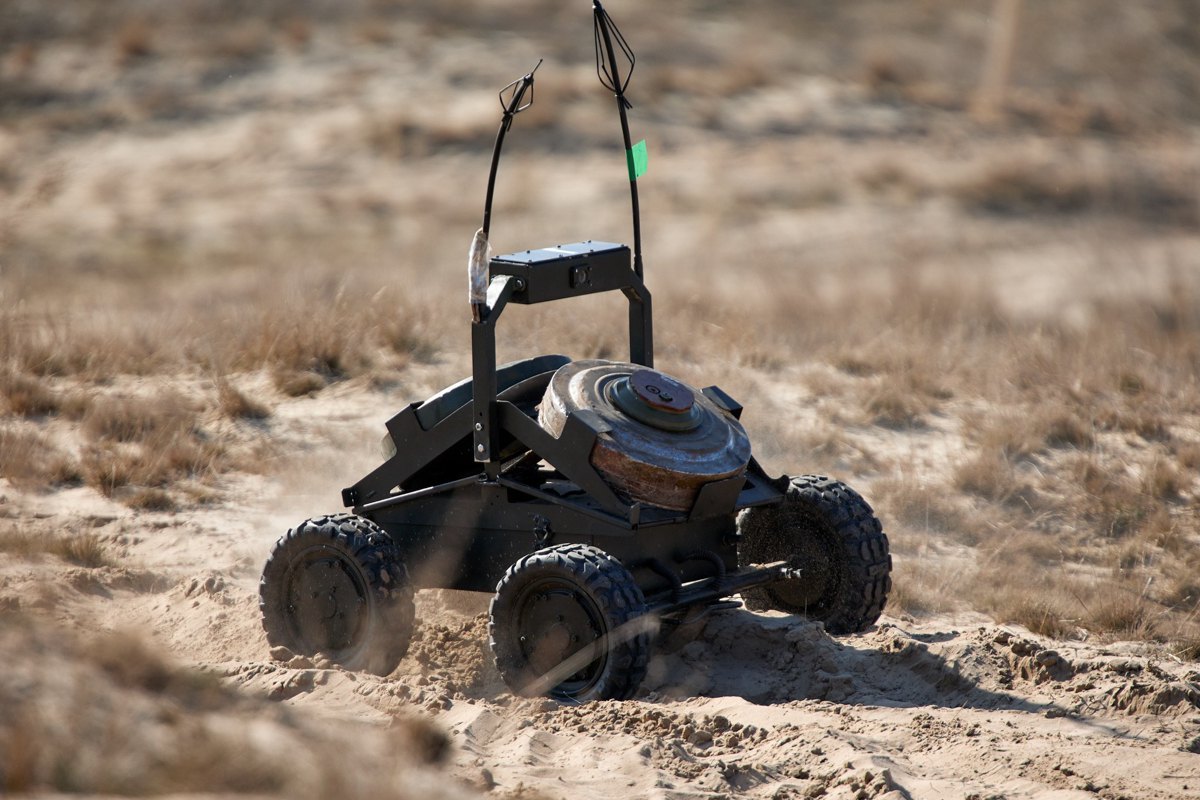
Overall, product reliability and manufacturer support are also improving. But this is only the beginning of the journey in this field. “The main goal is to protect people: people are in control, robots do the fighting,” says Stark.
In his view, production of all UGV models successfully used by combat units needs to be maximised. There are many ground-based drones: varying in weight and the functions they perform, and it cannot be said that any specific models should be prioritised.
Furthermore, units are already considering their own developments. Recently, in an interview with Channel 24, Kostyantyn Nemichev, deputy commander of the KRAKEN Unmanned Systems Regiment of the Third Army Corps, stated that the corps has a plan to create assault ground robotic systems.
“These are ground drones that will reduce the number of personnel on the front line. These are drones that use artificial intelligence to locate targets — enemy infantry, equipment — and the pilot only has to confirm or reject the strike. And the pilot will be in a safe zone at that moment,” explained Nemichev.
Testing and collaboration
The Ministry of Defence also announced the creation of an UGV centre within the ministry, which will serve as a single point of contact for manufacturers.
According to Viktor ‘Stark’ Pavlov, founder of the UGV School, it is important not simply to supply equipment to units, but also to constantly test new models in real-world conditions: “We need to have a constant budget for trial operations. In other words, there will always be something new emerging, and the state must procure new models to hand over to frontline combat units. So that they can test them in combat conditions, provide their feedback, and say: ‘This is great, and this needs improving.’”
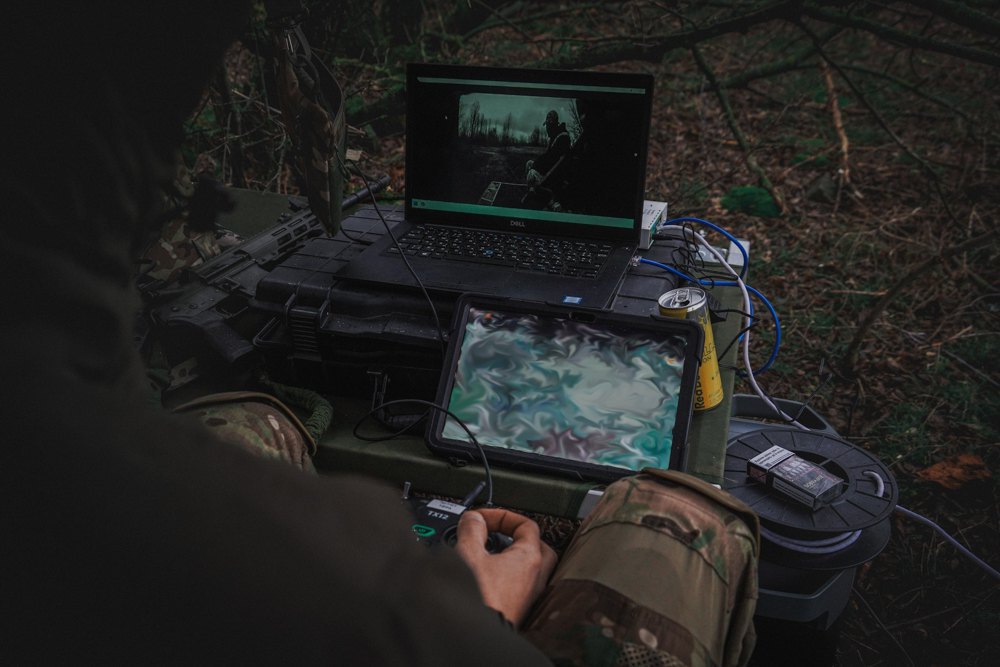
There are instances where units are reluctant to share their own experience with neighbouring units, or even ‘steal’ ground drones from one another. But ‘Stark’ does not consider this to be a widespread phenomenon. Moreover, the reasons behind each individual case remain unknown.
According to him, cooperation is going well.
“All the frontline units I know share their experience. A great many have passed through our brigade, our unit, and now the UGV battalion. I would say that all the units that have carried out UGV operations have visited us. We showed them how we organise our processes, how the workshops and command posts are set up, and how planning takes place,” he shared.
Staff shortages
A large number of people are needed to operate and maintain the UGVs, and there is currently a shortage of them. This includes not only the operators themselves, but also many engineers of various specialisations, says Viktor Pavlov.
“Radio technicians, electrical engineers, electronics engineers, network engineers, mechanics, fitters, welders. There are specific requirements, so we’re learning,” says Pavlov, expressing the hope that the situation will change “from the top down”.
According to him, the ecosystem as a whole needs to be developed: manufacturers must be provided with orders, workshops must be equipped, people must be trained, centralised and decentralised procurement must be increased, and training centres must be provided so that they have the resources to teach.
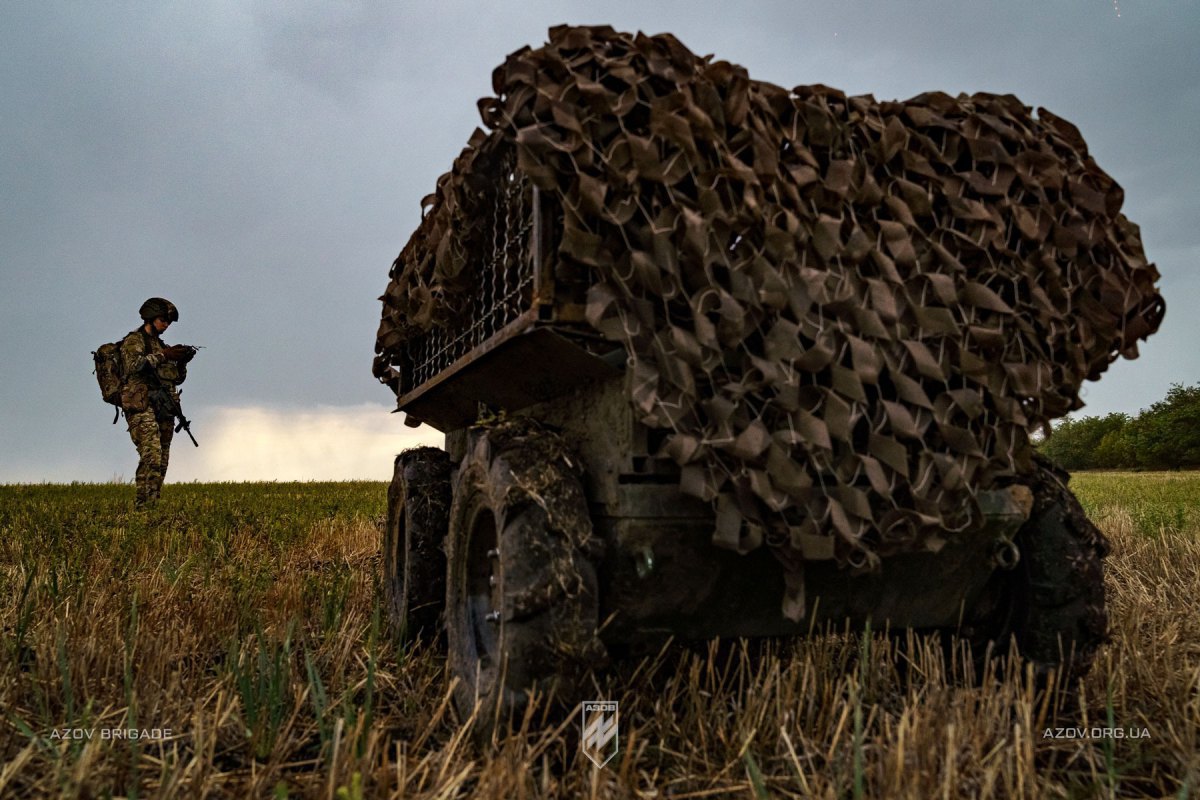
At the same time, Stark notes that no special qualities are required to manage an UGV centre: “Motivation and desire are the most important factors. And then, if you have the desire, you can learn anything.” However, it is more complicated when it comes to engineers — here, experience or relevant education is required.
According to Andriy Kushnerov, out of around 100 brigades, only about 10 make the best use of the UGVs — these are units with well-established infrastructure and workshops; they have a higher media profile, so it is easier for them to secure funding to purchase equipment. Most units lack media visibility, infrastructure and personnel.
“If there’s a shortage of personnel, the UGV is the last place people are sent. Whether you’re a specialist or not, it rarely matters to anyone. So if an UGV company has been formed at brigade level, then most likely, if it’s actually 10% full in reality rather than on paper — that’s a victory,” says Kushnerov.
A long way to The Terminator
The Third Army Corps’ operation in July 2025 to capture a Russian dugout using drones is a precedent for the Russian-Ukrainian war. Drones are being used to lay mines, fire weapons and take prisoners — is this the future that films have been made about?
A report by the American think tank RAND Corporation notes that this news is no cause for concern about the emergence of real ‘Terminators’ just yet.
“Military ground robotics is rapidly transforming battlefield tasks. However, in the near future, its greatest impact will be on supporting roles, rather than directly replacing infantrymen,” the text states.
The Third Assault Battalion ranks first in the Ministry of Defence’s March rating based on points for completed missions in the UGVs. Second place went to the First Separate Medical Battalion, third to the Unmanned Systems Company of the 92nd Separate Assault Brigade, followed by the 95th Separate Polissya Airborne Assault Brigade and the Third Special Operations Brigade Spartan.
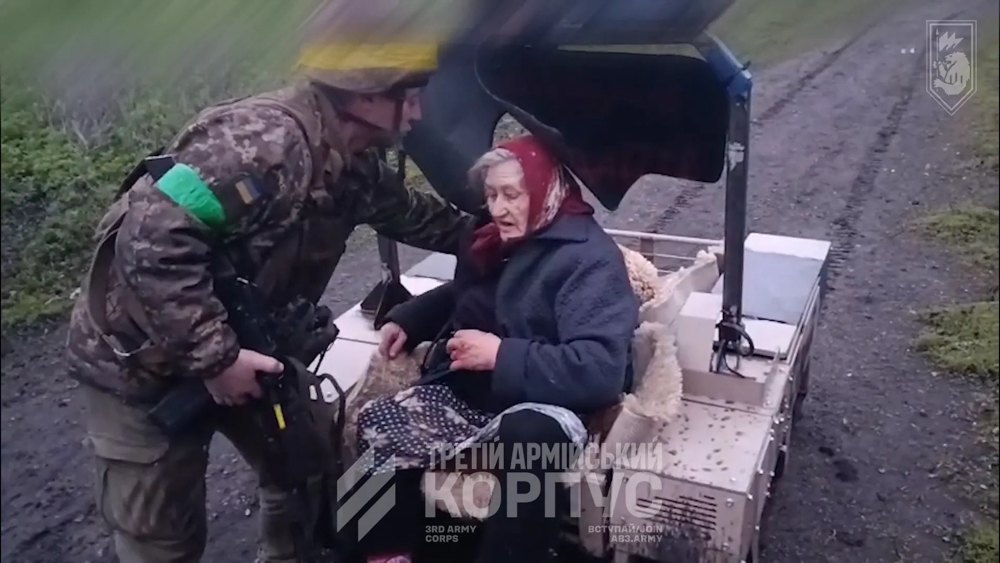
Viktor ‘Stark’ Pavlov believes that the secret behind the best units is not that they do things differently from others.
“They may have started earlier than others and systematised their operational processes. Because now, within the National Resistance Corps, logistics is a fundamental, core function, as is evacuation. In frontline units, this is systematic work, similar to Uber on the front line. It’s like hailing a taxi — ordering transport from one point to another, ferrying people to frontline positions, evacuating someone, holding positions, setting up an ambush, or blowing up a target. “This isn’t something periodic or one-off – it’s constant work,” emphasises ‘Stark’.
Despite this, everything currently being done in this area, in his view, covers only 10% of the needs, and only in terms of logistics and evacuation functions. For engineering and strike functions – less than 1%.
According to ‘Stark’, the development of the UGVs is gaining momentum and this trend is irreversible, moving towards the robotisation of the military.
“If we now say ‘mechanised unit’, it will become a robotic unit,” he noted.
In Andriy Kushnerov’s view, this development needs to accelerate significantly: “The field is still quite young and requires a great deal of work. A European army might be able to afford to spend ten years implementing such things. We are at war, and everything has to happen much faster. Otherwise, we will lose people.”