






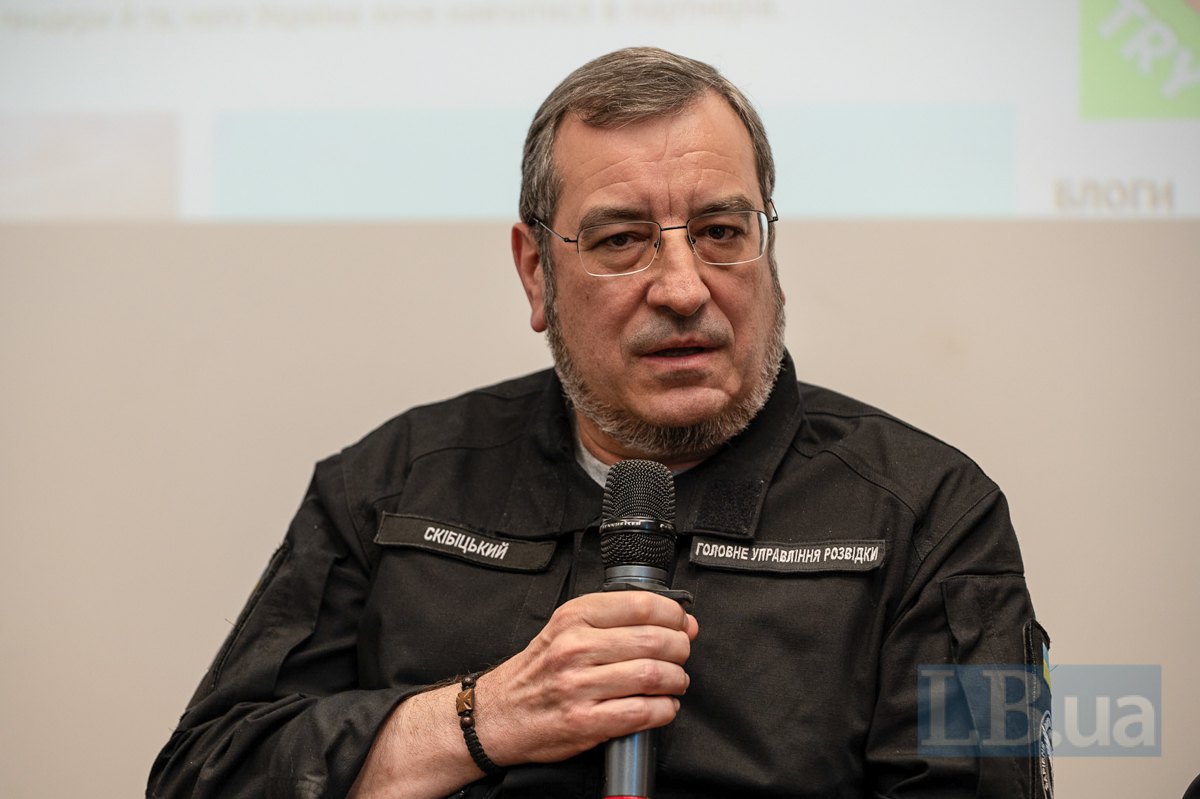
A genuine breakthrough in negotiations with the Russian Federation was achieved in a trilateral format involving the United States, when the negotiating team was divided into military and diplomatic tracks, says Vadym Skibitskyy. Although the talks began, as usual, with a Russian general reading aggressive demands from a prepared text, the process eventually moved forward, the DIU representative added.
“I asked the Russian generals whether they remembered 2014–2015 — the disengagement of forces and the Minsk agreements. It turned out they had been involved in drafting the arrangements concerning force disengagement, ceasefire monitoring and related issues. It was clear that these people had experience and that we could find common ground with them. So we started with definitions,” said Vadym Skibitskyy, “to theoretically define what a line is, what the withdrawal of forces entails, and what monitoring a ceasefire involves. What a demilitarised zone is.”
At the same time, Skibitskyy notes that the course of negotiations is heavily influenced by the situation on the battlefield: the more success Russia achieves at the front, the more demands it puts forward.
“Statistics show that our strikes are effective. The impact on the Russian economy was 15%, then 18%, and now 24%. After the oil refineries, the next step is to disrupt the entire logistics and supply system, primarily the deployment of Russian troops. This, in particular, will also contribute to stabilising the front line,” emphasised Vadym Skibitskyy.
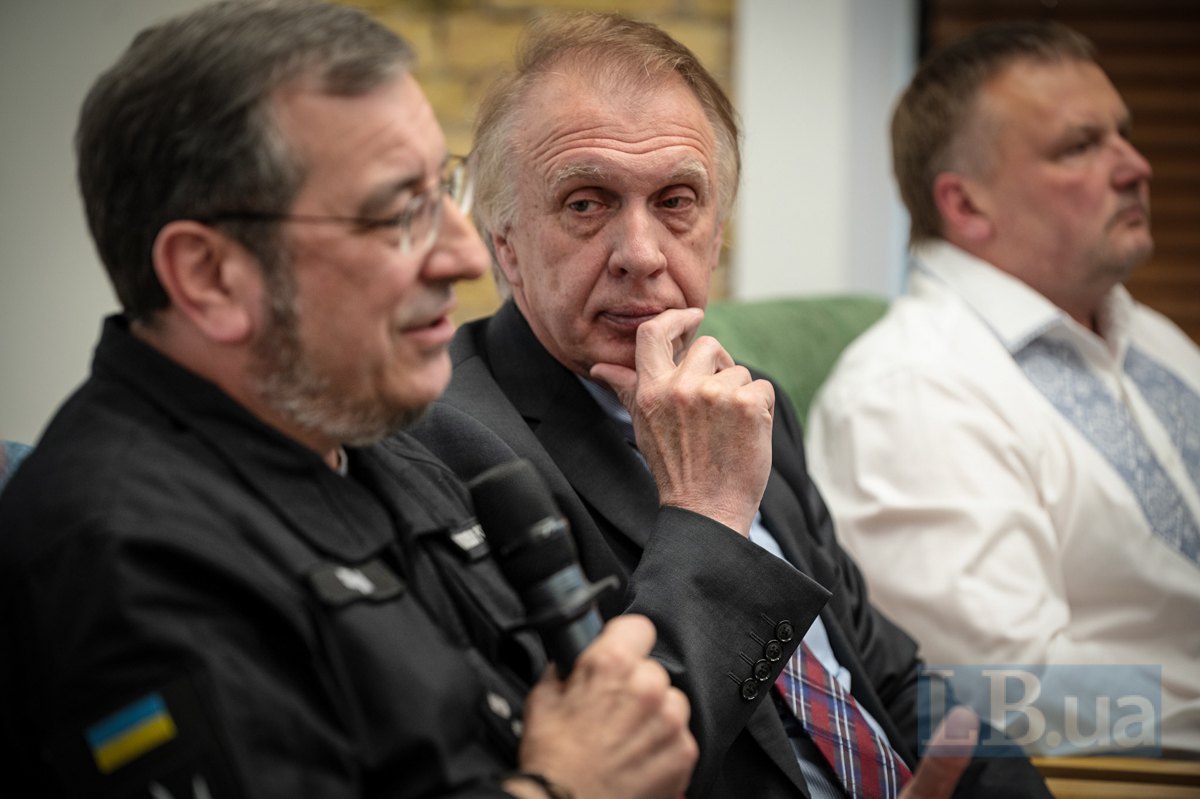
According to him, deep and mid-range strikes can put targeted facilities out of operation for at least three months.
“The system for processing oil and other sectors of the fuel and energy complex established in the Russian Federation is extremely complex. It is large and cumbersome. However, during the targeting process, the most critical facilities and components are identified. As you can see, we are working systematically and continuously.
Let us remember that this is a vast territory, and enormous resources are being employed to destroy the capabilities that allow the Russian Federation to generate funds for the war,” the DIU representative also noted.
However, he urged against underestimating the enemy, stressing that Russia’s economic difficulties are only one factor that may influence political decision-making regarding Ukraine.
Another factor is public opinion in major cities such as Moscow, St Petersburg and Kazan, where the greatest protest potential is concentrated, notes Skibitskyy. This is reflected, for example, in procedural decisions concerning mobilisation and military contracts, which the authorities monitor very closely. The views of the rest of the population have little influence and attract little interest, he adds. Nevertheless, the possibility of a black swan event in Russian politics can never be entirely ruled out.
“From the negotiations and discussions, it is clear that the Kremlin elite fears three things: destabilisation of the regime, instability within the country, and the collapse of the Russian Federation. (…) As for everything else, I recall a remark made by one representative of the Russian authorities: ‘Even if we lose, we will present it in the media as though we have won.’ And I immediately think of Kherson. We forced them out, and they portrayed it as a gesture of goodwill. This once again confirms that, through the media, they can present virtually anything, and the population will accept it as the truth,” noted the DIU representative.
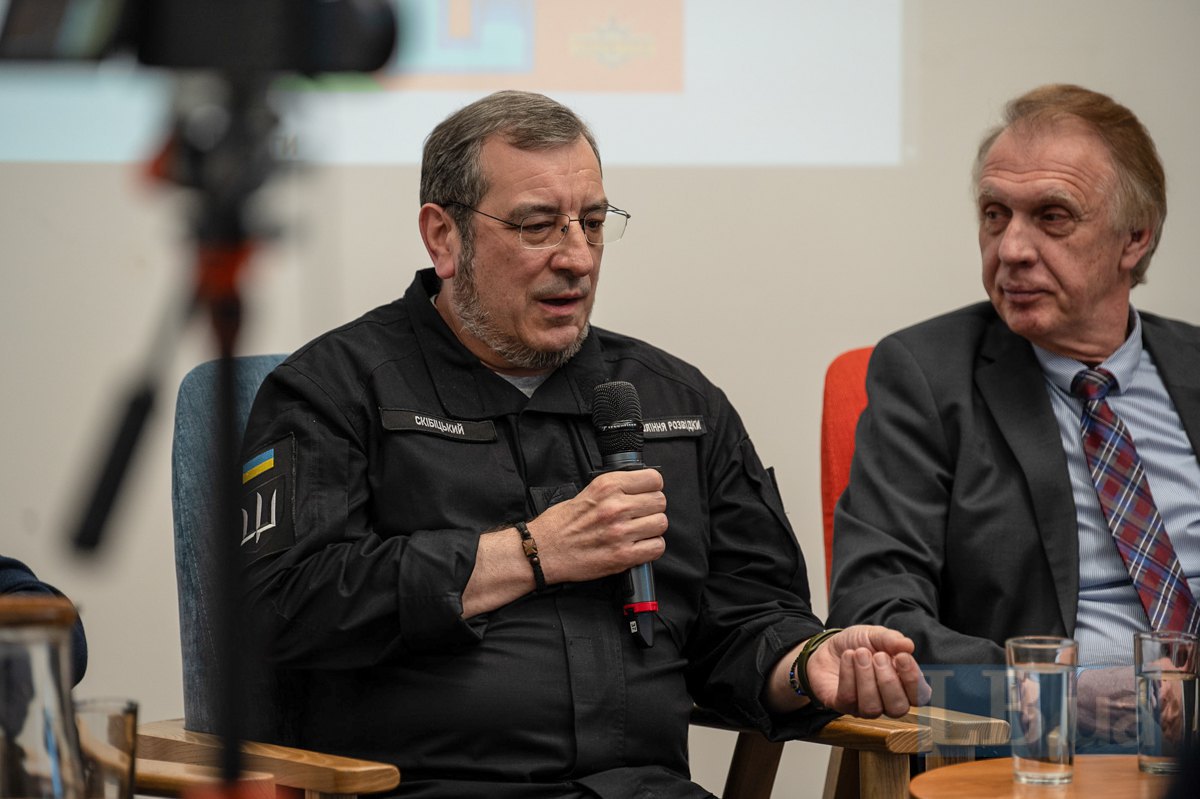
Intelligence services, according to Vadym Skibitskyy, are also obtaining valuable information through their work with prisoners of war, since for the first time in modern history prisoner exchanges are taking place during an active war rather than after its conclusion. “We are obtaining a great deal of interesting information from working with prisoners,” he said, including insights into public sentiment across various regions of Russia, military training, the morale of Russian troops and other issues. The same applies to work with Russian volunteers, “who see a different Russia and believe it can be changed”, added the representative of the Defence Intelligence of Ukraine.