






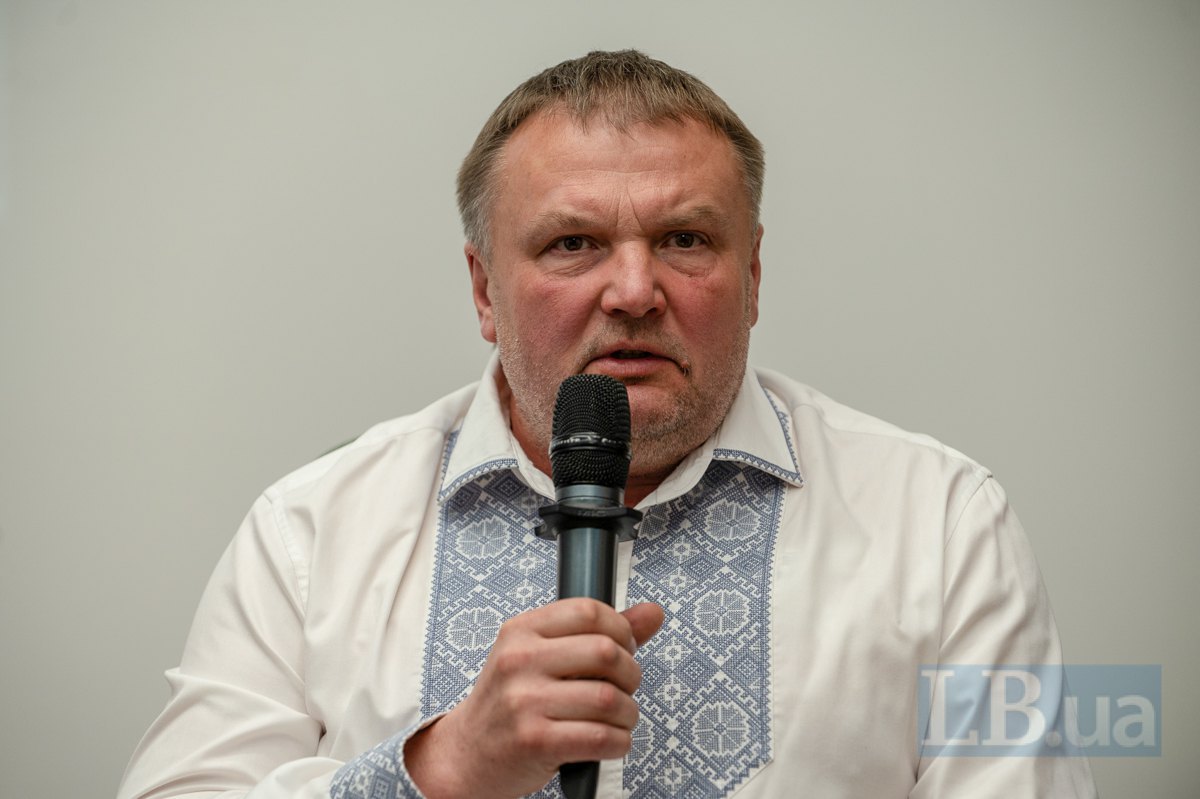
“So, what has happened in Russia? Firstly, there has been a sharp deterioration in the financial situation of the general public.
Secondly, 2025 was a year of high expectations among Russians that Donald Trump’s return would lead to meaningful negotiations and bring the war to an end. By 2026, the overwhelming majority of Russians — we can estimate the figure at 75–80 per cent —had come to realise that the war would continue for as long as Vladimir Putin remained in power. This has become a major trigger for them, because they see no future and do not understand how they are supposed to go on living.
And finally, the third factor, which effectively became the catalyst, was the internet shutdown. This affected everyone,” said Vadym Denysenko.
There was no internet access in Moscow for 19 days, the political analyst noted. According to him, the Russian authorities have postponed both a complete internet shutdown and general mobilisation until after the State Duma elections on 17 September 2026. Nevertheless, Denysenko is convinced that both measures will eventually be implemented in one form or another.
He also noted that Ukraine achieved a major breakthrough in 2026 in the conduct of modern warfare, and that this is influencing developments within the Russian Federation, although not yet in a decisive way.
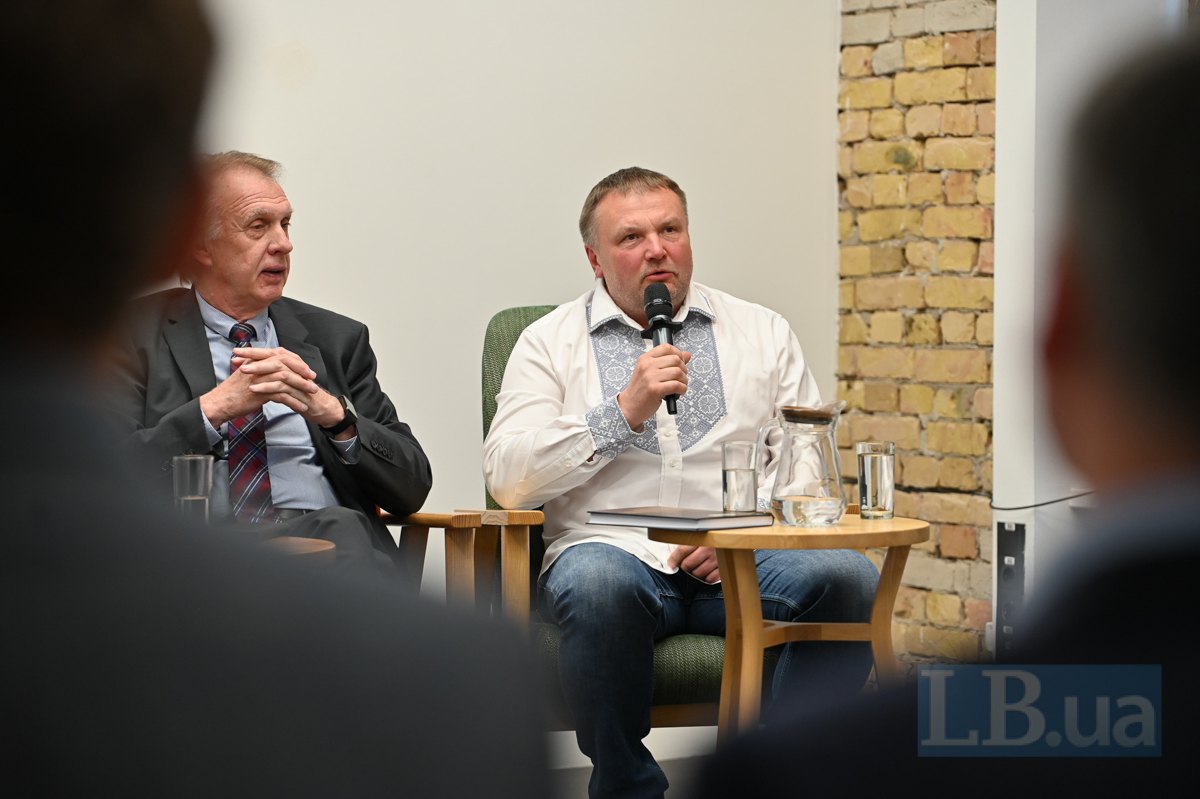
“I do not believe in any revolutions [in Russia], nor do I believe there will be an uprising among the elite tomorrow. But the fact that the overwhelming majority of Russians are beginning to understand that Putin is their problem is undeniable. And this can only mean that the regime will continue to weaken,” said the author of several books on Russia.
According to Denysenko, the Russian elite are increasingly guided by the logic of a future transfer of power, although such a transition is unlikely to occur in the near term.
“But this logic will lead to a growing number of internal conflicts — minor and major, simple and complex — within the elite, gradually eroding it. As a result, Russia will, in my view, become weaker one way or another,” the political analyst noted.
Vadym Denysenko believes that Vladimir Putin’s physical death will not lead to the collapse of his regime. However, it will trigger a major struggle among various clans within the Russian Federation over who will become his successor.
“And we must prepare for this. We must also understand that a significant portion of the population — at least 15–20 per cent — will regard the Ukrainian–Russian war as little more than a myth. For them, oddly enough, this is the most prosperous period of their lives. Neither they nor their families have ever earned as much money as they do now. This group will form the backbone of the pro-Putin camp for at least the first and second electoral cycles,” Denysenko emphasised.
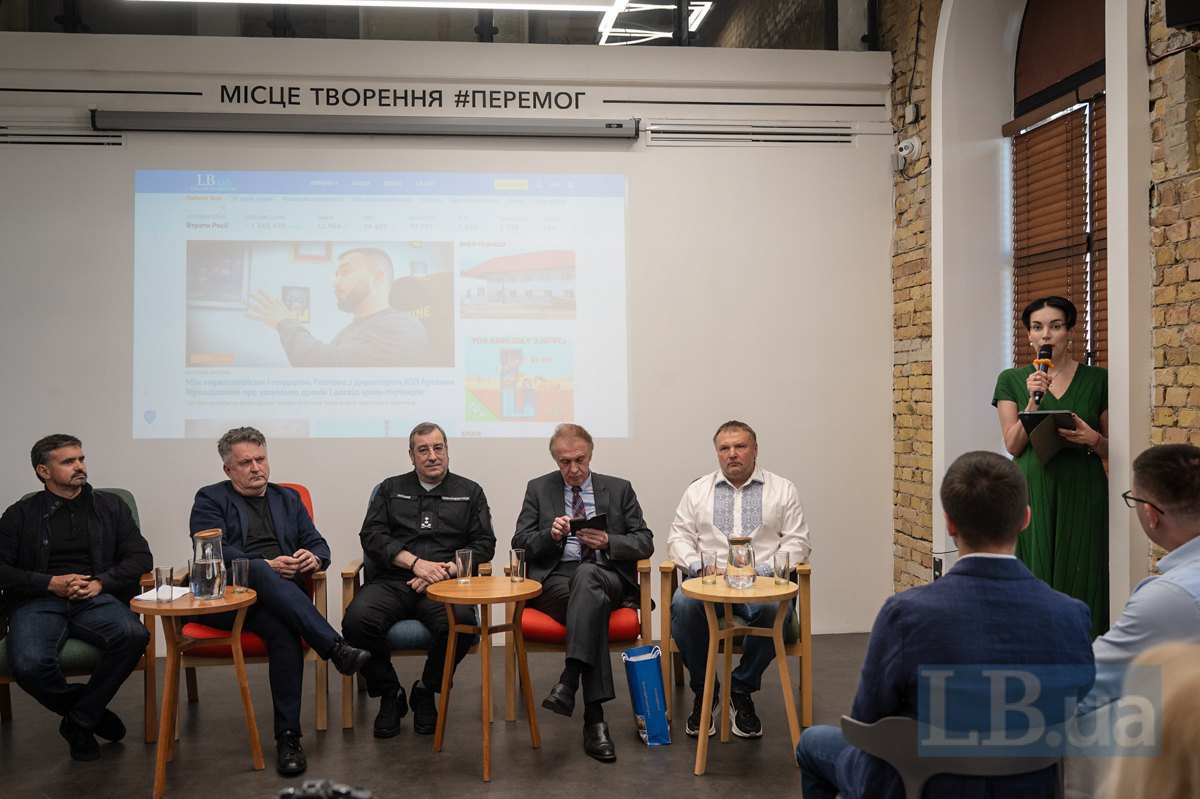
The political analyst does not believe that Russia will collapse in the near future, arguing that, in the medium term, it will remain within its current borders.
“What we can actually influence is the creation of a strong state called Ukraine. And if we build a strong state, it will, in principle, matter little to us what the Russian Federation becomes. I would therefore focus first and foremost on this, rather than on how many pieces Russia might break into over the coming years,” he commented on the thesis of possible disintegration processes within Russia.
Furthermore, Denysenko emphasised that Ukraine has long needed to develop an effective alternative to the influence wielded abroad by the so-called ‘good Russians’. According to him, they play a significant role in Russia’s information war against both Ukraine and Europe, presenting themselves as advocates of the free world while collectively promoting many of the narratives the Kremlin seeks to disseminate.
“In 2022–23, the majority of ‘good Russians’ sincerely believed that, riding on the back of the Ukrainian Armed Forces, they would be able to march into the Kremlin. They believed Putin was on the verge of collapse and that Western sanctions would ultimately prove decisive. This did not happen, and 2023 marked the beginning of their profound disillusionment with Ukraine, as well as a wholly sincere return to the ideology of the ‘Russian world’.
Whether anyone likes it or not, 99 per cent of Russians subscribe to the ideology of the ‘Russian world’. And that is the greatest threat to us. They have no alternative to that ideology,” Vadym Denysenko emphasised.
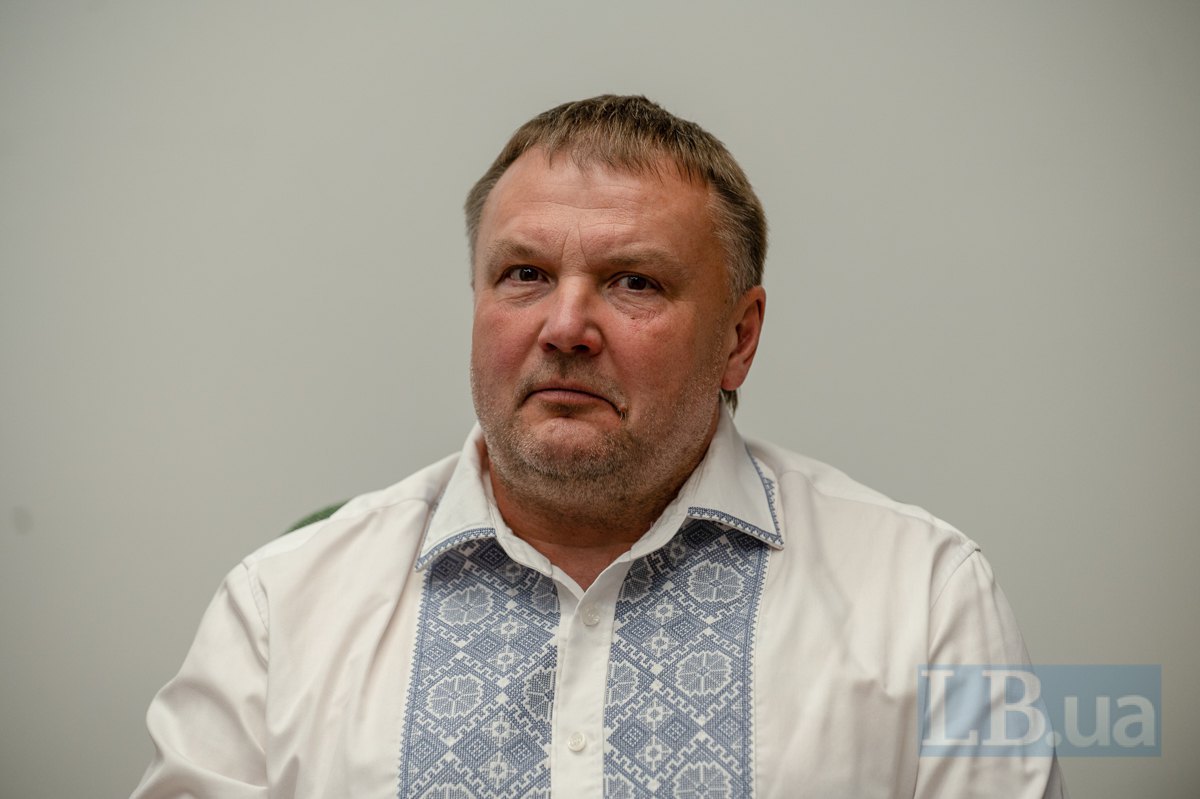
The Ukrainian state, he continued, has failed, even in the fifth year of the war, to establish a single influential centre whose assessments of the Russian Federation would be regarded as authoritative by Western media and policymakers.
“What’s more, all of these democratic, academic or ‘academic-populist’ centres, which serve as key sources of information for Western media on developments in Russia, do not admit Ukrainians. Take one of the strongest and most respected institutions, the Carnegie Centre — there is not a single Ukrainian there. There are representatives from Uzbekistan, Central Asia and other post-Soviet states. But there is not a single Ukrainian there, and no Ukrainian is likely to be admitted.
And this, in my view, is one of the major challenges facing our state. I regret that the state is not investing even the bare minimum in promoting its own expert community on Russia, first and foremost,” Denysenko stated.