






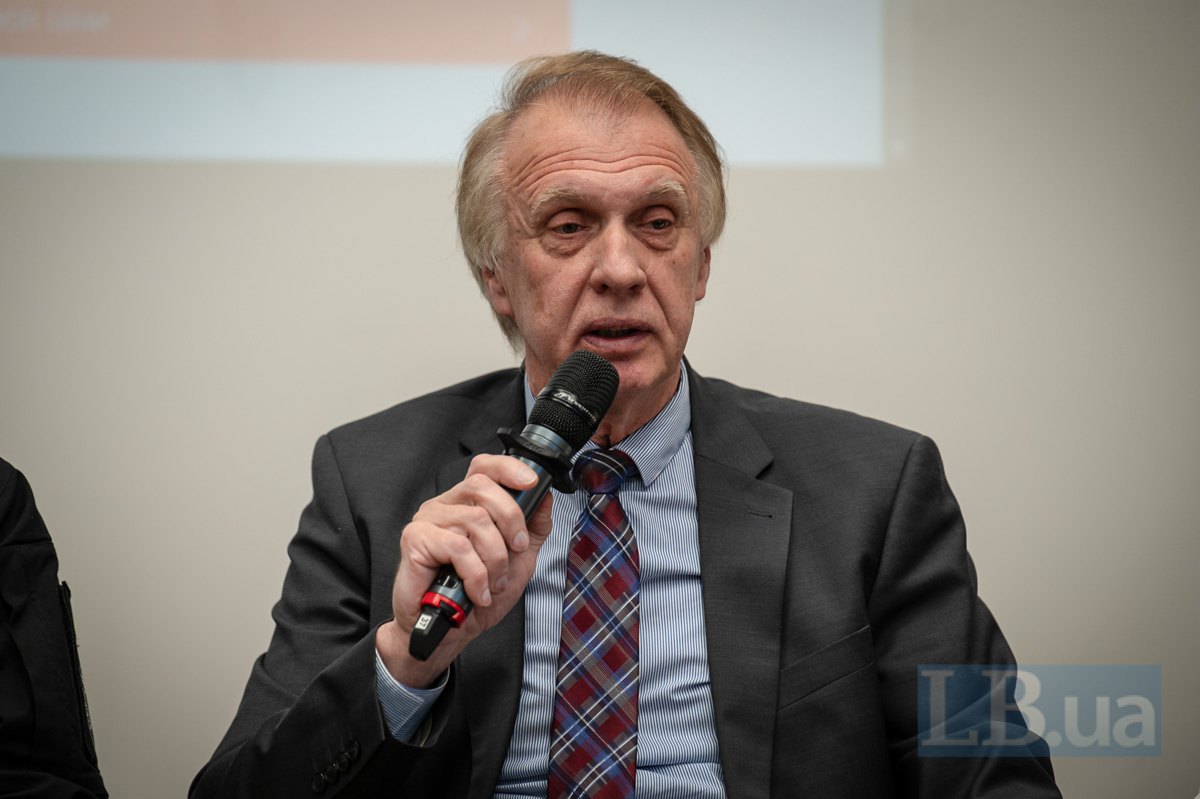
There used to be an Institute for Russian Studies in Ukraine, Volodymyr Ohryzko recalls. However, it was quickly transformed into the Institute for Strategic Studies, as Russia was regarded as a strategic partner with whom friendly relations should be maintained. Yet the lack of sufficient information about the enemy limits the actions that can be taken against it, the former foreign minister believes.
“Since we have no think tank that studies developments in Russia in a detailed, comprehensive and systematic manner, we do not really know what we want from it. When there is a strategic goal, you understand what is needed to achieve it. And if we do not have a clearly formulated goal, then what exactly are we negotiating about? The line of demarcation? That is one option. The 1922 border — the second. The 1991 border — the third. The disintegration of Russia — the fourth,” Volodymyr Ohryzko noted.
Without a full understanding of Russia, Ukraine cannot explain it to its partners, who themselves are not particularly eager to study the issue, Ohryzko adds.
“Neither our American friends nor our European partners, unfortunately, have wanted to study what Russia really is — not today, not yesterday, not before, and not after the collapse of the Soviet Union. They live by headlines, by what appears on the front page, so to speak. Yet Western partners must clearly understand what is at stake when they engage with Russians. They do not know Russian history, they do not understand the Russian mentality, and they do not fully grasp the nature of Ukrainian–Russian relations.
“And here we need to join forces in order to finally develop a coherent state policy. Only then will our actions become meaningful, rather than speaking about one thing today, another tomorrow, and something entirely different the day after,” notes the head of the Centre for Russian Studies.
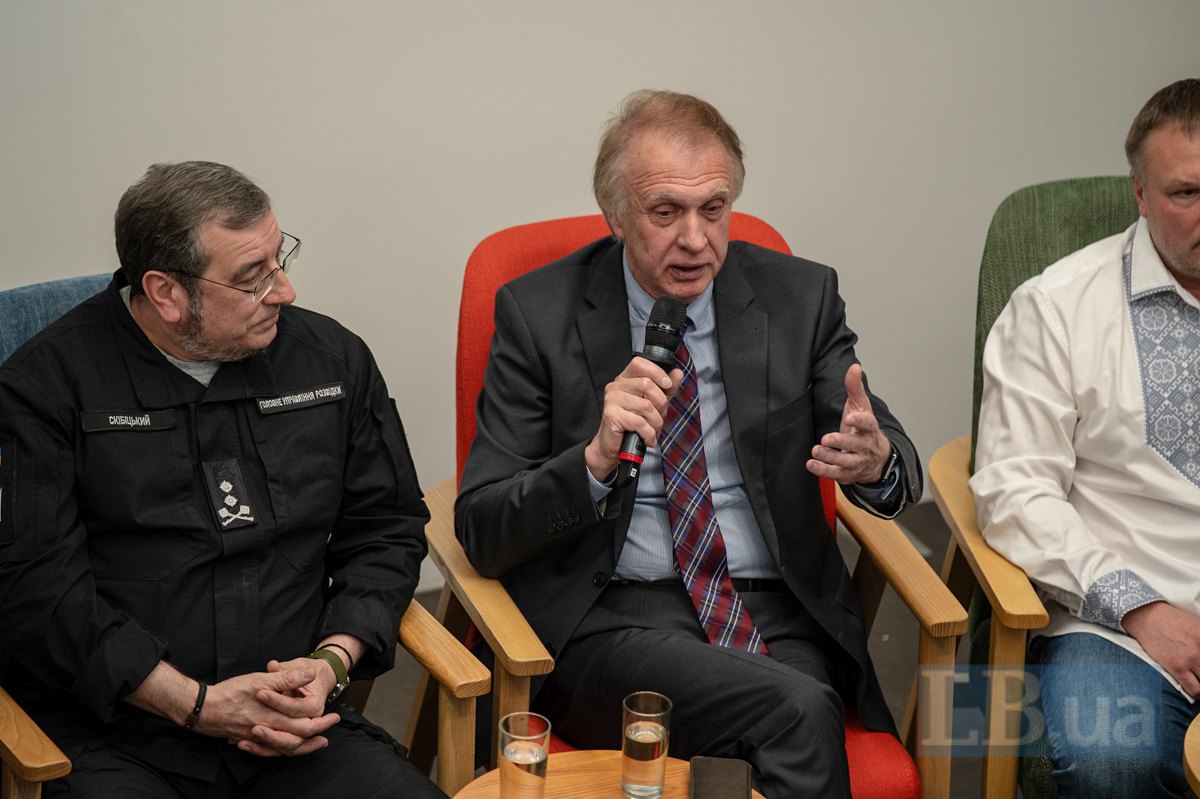
He is convinced that as long as Russia exists within its current borders, it will remain unchanged — aggressive, imperialist and expansionist.
“After 2014–15, we fell under the illusion that we needed to reach an agreement with Russia and everything would be fine. We saw how well that worked out in 2022. That is why suggestions that Ukraine simply needs to become stronger and forget about Russia amount to wishful thinking, as the Americans say,” Volodymyr Ohryzko argues. “We need to do both.
“We must become stronger and defeat Russia, because only under such circumstances can there be a guarantee that 24 February 2022 will not happen again. If everything that exists today remains on the other side of the border, then in ten years’ time we will face the same situation once more. This is a country that thrives on war, aggression and causing harm to others. We cannot simply distance ourselves from this and forget about it. Otherwise, our children and grandchildren will have to endure what we are experiencing today.”
Volodymyr Ohryzko does not believe in the possibility of Russia’s democratisation, considering it “fundamentally impossible”. In his view, the prospect of peaceful coexistence with Ukraine’s northern neighbour depends on the fragmentation of Russia’s current territorial structure and the collapse of its economy.
“I remember the days of the USSR, when everyone used to say: ‘Goodness, what are you talking about? The Soviet Union is a powerful state, a force to be reckoned with, on a par with the Americans and armed with nuclear weapons.’ But as soon as the Soviet economic system collapsed, the political regime collapsed as well. So what do we need to do to make the Russian economic system collapse? Destroy it and finish it off,” the former minister emphasised.
And that is precisely what Ukraine’s defenders are doing today through deep-strike operations, Volodymyr Ohryzko adds — undermining the foundations of the Russian economy and military-industrial complex.
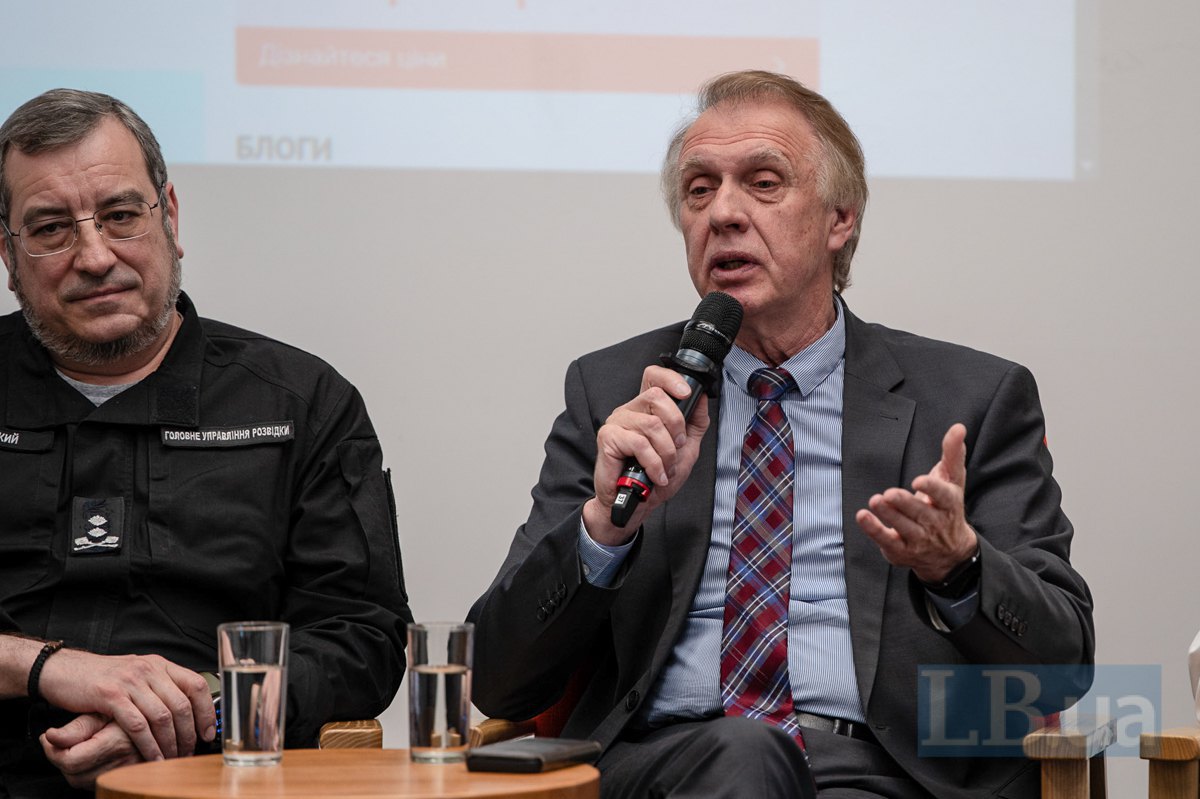
“This is our path to victory. Russia normally produces around 500 million tonnes of oil a year. It has now reduced production by 50 million tonnes. In other words, those wells are no longer operating. And what does a non-operational well mean? It means it has been permanently shut down.
“Look at what happens next. Russia requires 300 million tonnes annually for domestic consumption, while around 200 million tonnes traditionally went for export. Today, only 150 million tonnes are being exported. And that is in the best-case scenario — if the oil reaches Ust-Luga, Primorsk, Novorossiysk, Tuapse and other export terminals. If it does not, the consequences are immediate.
“Today, petrol is already being rationed in Moscow at 60 litres per vehicle and in Crimea at 20 litres. What does this indicate? It affects public sentiment, which, one way or another, will indirectly influence decision-making,” says Volodymyr Ohryzko.
He believes it is strategically important for maintaining Ukrainian morale to demonstrate clearly where Russia stood when it launched its so-called special military operation four years ago and how it is now weakening.
“That is why we are building a strong Ukraine, joining the European Union, becoming fully European and defeating Russia — that is the recipe for victory,” Volodymyr Ohryzko concluded.